Hi Vis Workwear for Airport Ground Crew
Airport ramps are among the most visually demanding workplaces in the world: aircraft, baggage carts, fuel trucks, catering vehicles, belt loaders, pushback tractors and pedestrians all move within tight operating windows. The right hi vis workwear must do more than satisfy a label requirement—it must keep people visible, mobile, comfortable and identifiable throughout every shift.
What hi vis workwear should airport ground crew wear?
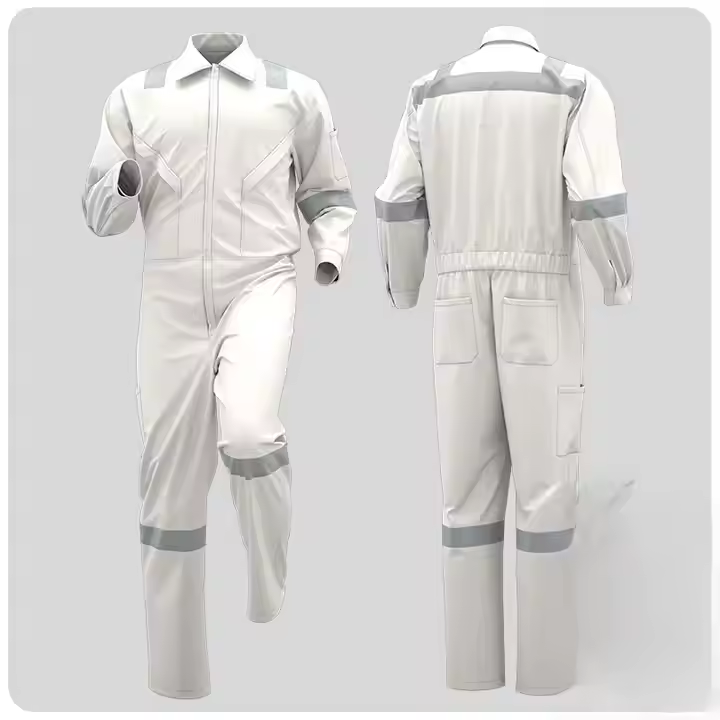
Airport ground crew should wear compliant high-visibility workwear that provides 360-degree conspicuity around aircraft, vehicles and ground support equipment, typically including hi vis vests, polo shirts, softshell or winter jackets, rainwear and trousers selected according to job role, climate and shift time. For ramp environments, buyers should prioritize certified fluorescent fabric, durable retroreflective tape, unrestricted arm and torso movement, weather protection, industrial-wash performance and clear team branding. In 2026, the best airport ground crew workwear also addresses quieter electric GSE by improving visual detection through segmented reflective tapes, reflective piping, strategic shoulder and leg tape placement, and, where risk assessments require it, active lighting elements for twilight, night and low-visibility operations.
Why Visibility Is Critical on Airport Ramps
A construction site or roadside work zone is dangerous, but an airport ramp has a unique risk profile. Ground crew often work near aircraft engines, moving tow tractors, baggage carts, container loaders, fuel bowsers and service vehicles. These operations may happen before sunrise, after sunset, during rain, snow, fog or under intense glare from apron lighting. In that environment, visibility is not just about “being seen”; it is about being recognized early enough for drivers, equipment operators and supervisors to react.
This is why many airport operators reference national or regional high visibility standards such as EN ISO 20471 high visibility clothing, ANSI/ISEA 107, or local PPE regulations. However, compliance is only the starting point. A garment can meet a standard on paper and still fail the practical demands of a 10-hour turnaround shift if it is too hot, too bulky, poorly fitted or loses reflectivity after repeated industrial washing.
In modern airport operations, especially with quieter electric ground support equipment, visual conspicuity is carrying more of the safety burden than it did five years ago.
At VizGlo Safety, we have seen this shift clearly in airport supply projects across hot, humid, cold and mixed climates. Buyers are no longer asking only, “Is it certified?” They are asking, “Will my crew actually wear it correctly every day, and will it still perform after months of real ramp use?”
Key Garment Types for Airport Ground Crew Teams
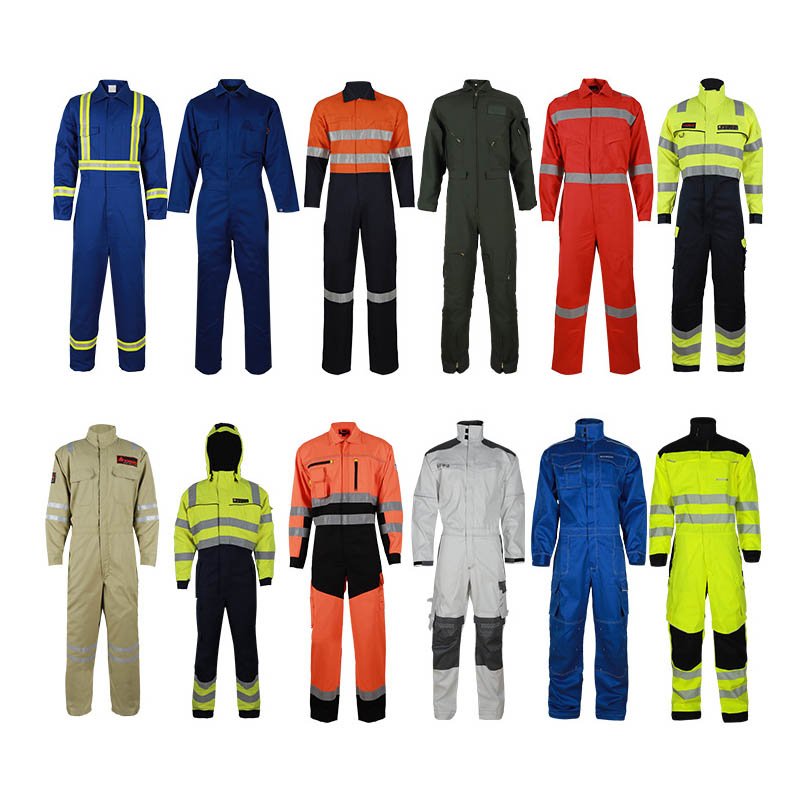
Airport ground crew are not a single group. Baggage handlers, marshalling staff, ramp agents, fueling teams, cargo handlers, de-icing crews, catering teams and maintenance support staff face different risks and comfort requirements. A practical workwear program usually includes multiple garment layers rather than one universal item.
Hi Vis Vests
Vests are useful for visitors, supervisors, seasonal staff and warm-weather operations. They are economical and easy to issue, but they offer limited weather protection and may not provide enough coverage for high-risk night operations.
Explore our high visibility vests for bulk airport and logistics teams.
Hi Vis Polo Shirts & T-Shirts
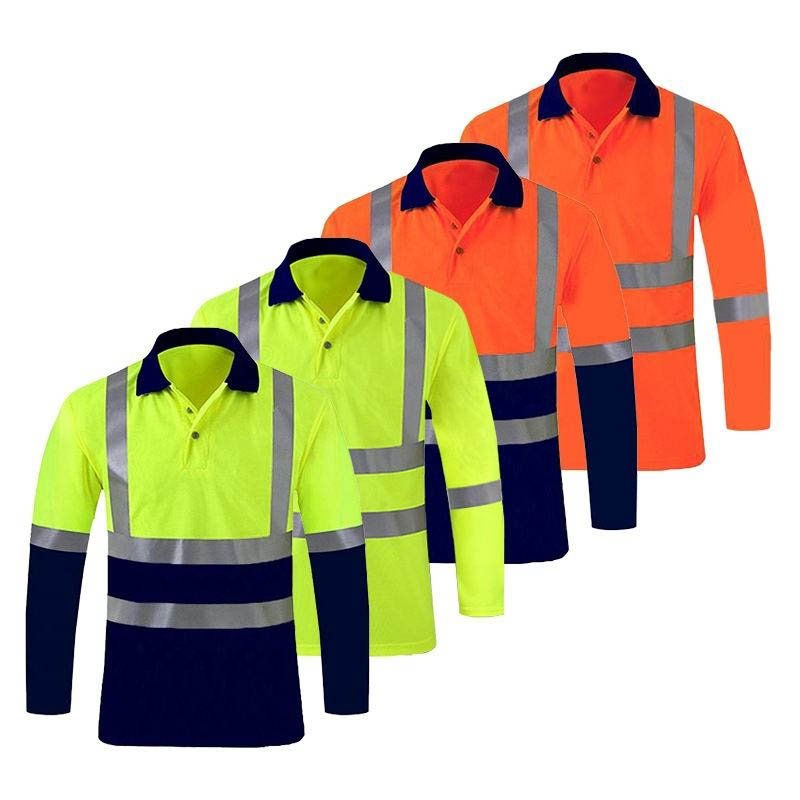
For hot climates and indoor-outdoor terminal support work, breathable hi vis polos and T-shirts improve wear compliance. Moisture-wicking fabric, breathable mesh panels and UV protection are especially valuable in airports across the Middle East, Southeast Asia and Australia.
See our hi vis polo shirts and T-shirts for warm-weather crews.
Hi Vis Jackets and Softshells
Jackets are essential for windy, cold or wet apron conditions. For winter operations, insulation must be warm but not bulky, because ground crew still need to bend, lift, signal and work around aircraft equipment.
Compare options from our hi vis jacket manufacturing range.
Hi Vis Rainwear and Trousers
Rain jackets, rain suits and hi vis trousers support full-body visibility in storm conditions. For ramp teams, waterproof seams, storm flaps, adjustable cuffs and non-restrictive fit are practical details that affect daily safety.
View our hi vis raincoats for wet ramp environments.
Fabric Requirements for Long Shifts and Weather Exposure
Airport ground crew workwear needs to be engineered around climate, not selected from a generic catalog. In hot regions such as Dubai, Doha, Singapore or Bangkok, heavy fabric can quickly reduce worker comfort and encourage unsafe behavior, such as leaving jackets open or removing garments during physically demanding tasks. Lightweight polyester bird-eye mesh, moisture-wicking knits and UPF 50+ fabrics are commonly requested for summer shirts and vests.
In cold-weather airports such as Chicago O’Hare, Frankfurt, Toronto or Oslo, the challenge is different. Workers need insulation, waterproofing and wind resistance without excessive bulk. A bulky jacket may reduce visibility of reflective bands when the worker bends or turns, and it can limit arm movement during aircraft marshalling or baggage loading. For these markets, laminated waterproof fabrics, quilted insulation, breathable membranes and ergonomic pattern design are more important than simply adding thicker padding.
Procurement teams should also consider industrial washing. A cheaper garment that fails after 10–15 wash cycles may have a higher total cost than a better-built garment that keeps fluorescent color and retroreflective performance much longer. For additional workplace PPE context, buyers can review OSHA’s PPE guidance or local aviation ground handling requirements.
Reflective Placement for Low-Light Airport Operations
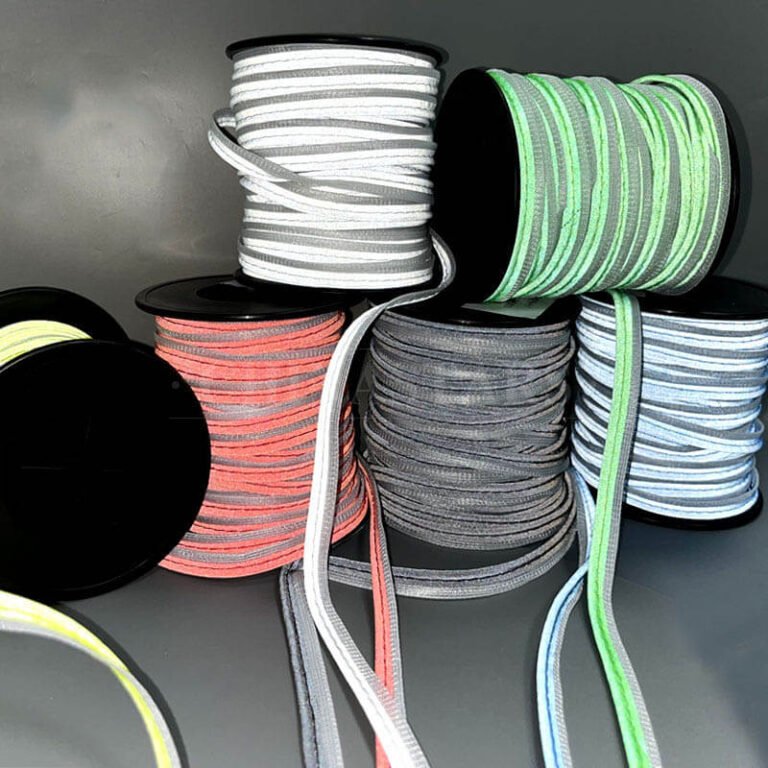
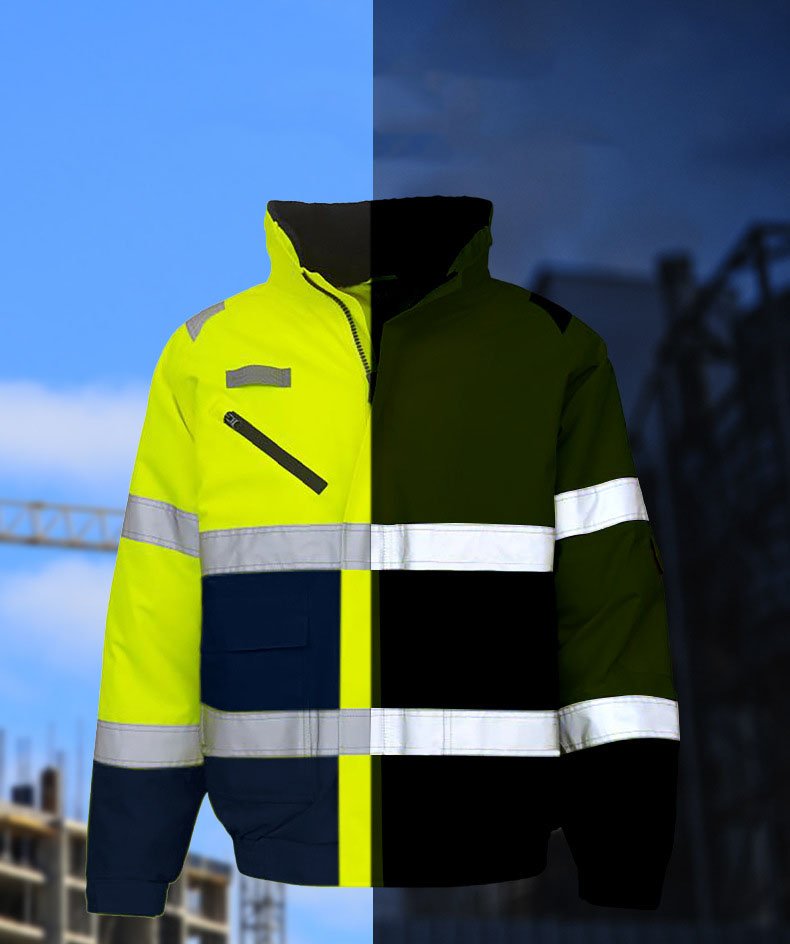
Reflective tape placement should match how airport workers move. A ramp agent may bend forward, turn sideways, raise both arms for signaling, kneel near equipment or walk between vehicles. If reflective material is only placed on the torso, critical body movement can disappear from a driver’s field of view. This is why shoulder bands, sleeve bands, trouser leg bands and reflective piping can improve shape recognition.
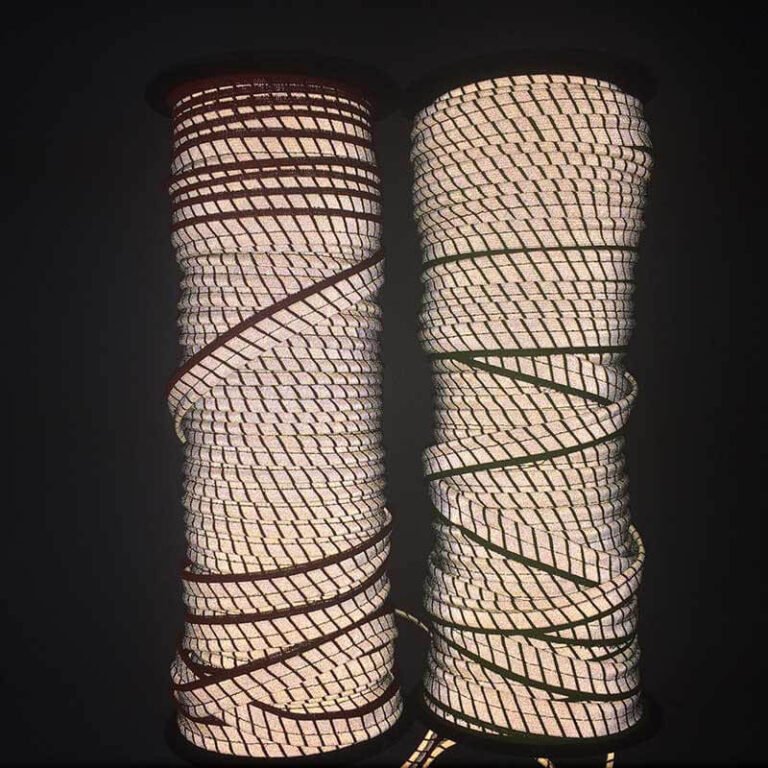
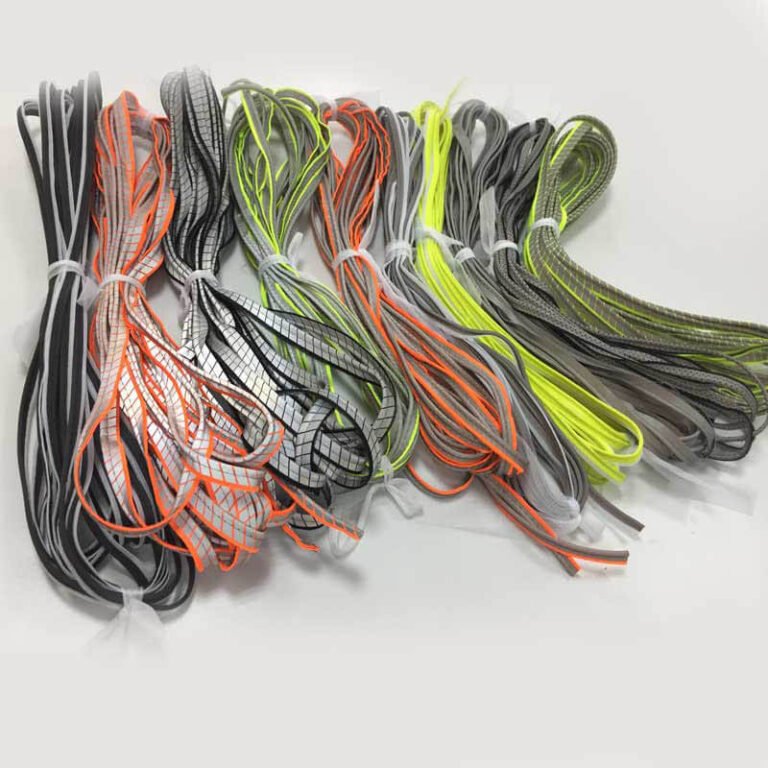
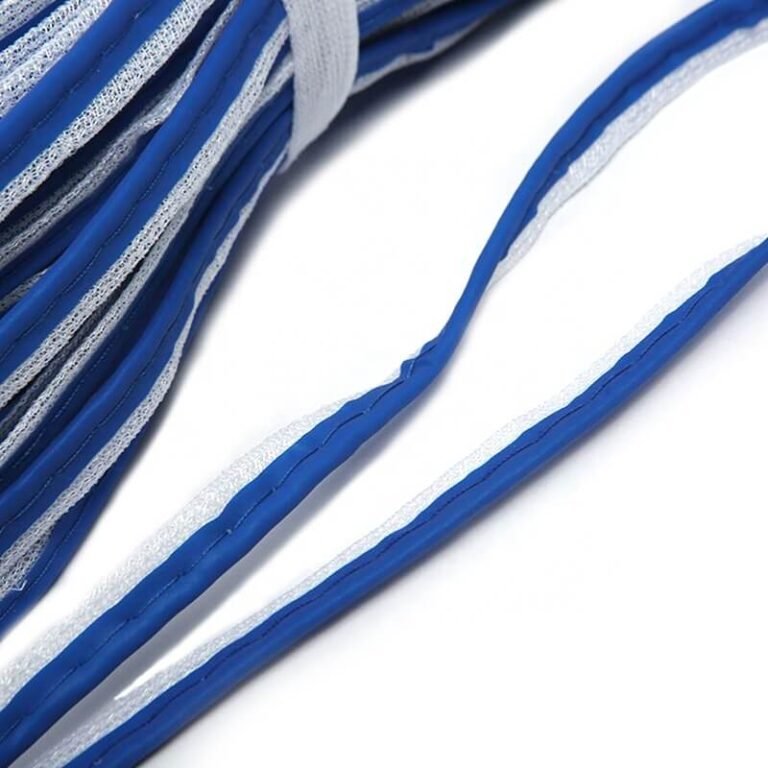
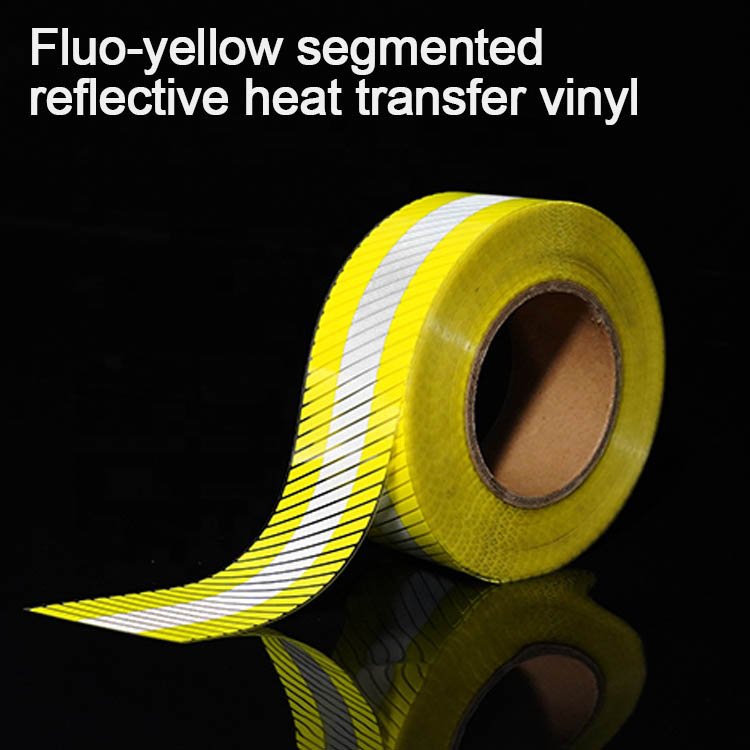
Segmented reflective heat transfer tape is becoming especially relevant for airport workwear. Unlike rigid continuous tape, segmented tape improves flexibility and breathability, making it more comfortable on stretch panels, lightweight shirts and active workwear. This matters because a garment that moves naturally with the worker is more likely to be worn correctly throughout the shift.
For high-risk night operations, some buyers are also exploring active visibility systems such as integrated LED strips or detachable light modules. These should not replace certified reflective materials, but they can add another layer of conspicuity in low-light, fog or high-traffic areas. Airport safety teams can align these choices with risk assessment practices from aviation safety references such as ICAO safety resources and regional airport authority requirements.
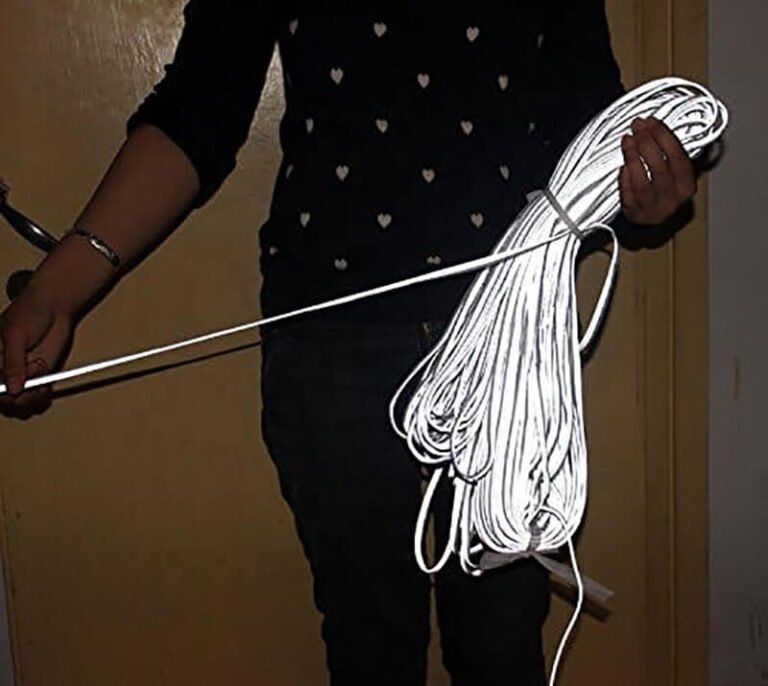
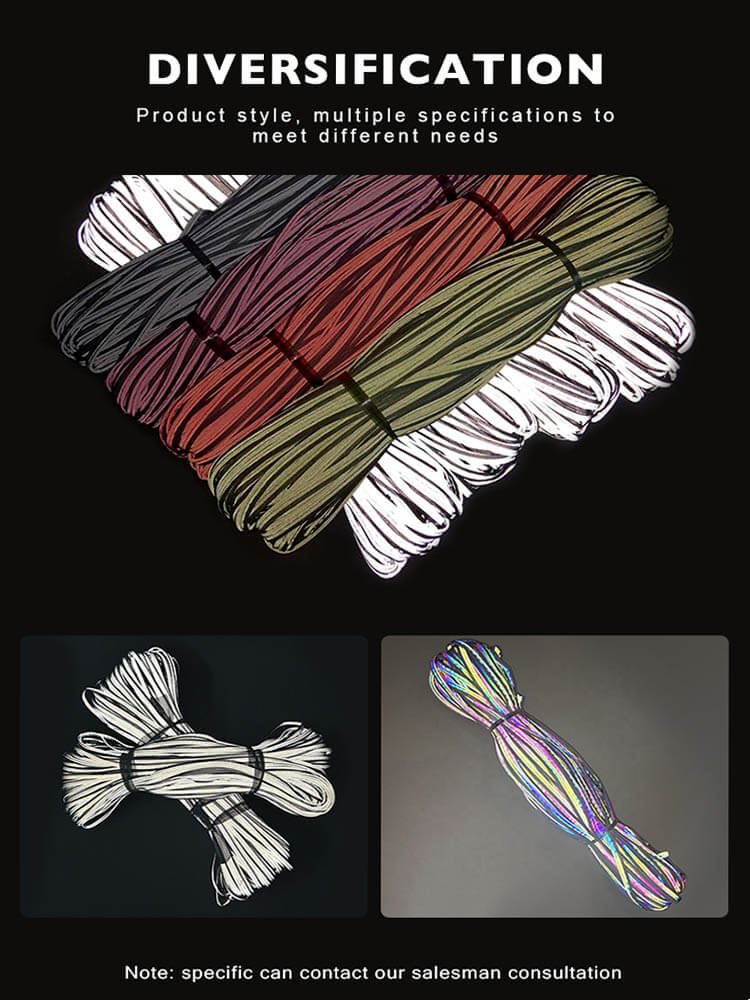
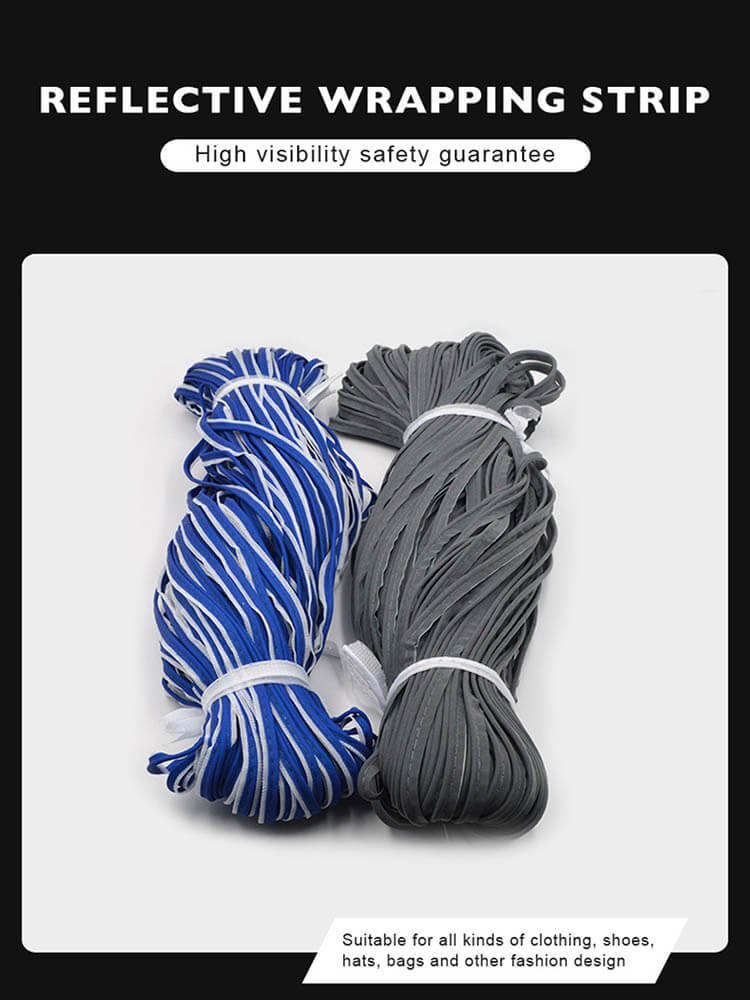
VizGlo Safety manufactures both finished hi vis garments and the reflective materials used on them, including reflective tapes, reflective films and reflective piping. This vertical integration helps buyers control both garment construction and reflective performance.
Custom Branding for Airlines, Contractors and Ground Handling Companies
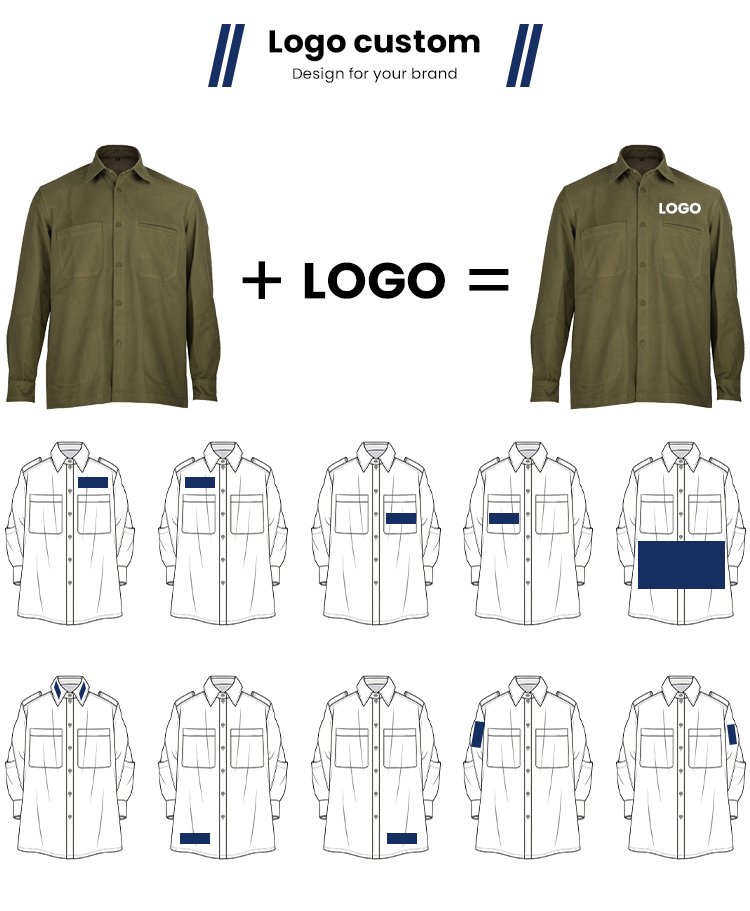
Airport workwear also functions as an identification system. On a busy ramp, supervisors need to distinguish airline staff, ground handling contractors, fueling crews, cargo teams and visitors quickly. Custom color blocking, department names, reflective logos, chest IDs and back prints can help organize teams without compromising compliance.
Branding must be planned carefully. Large dark logo panels can reduce visible fluorescent surface area, while poorly positioned embroidery can stiffen fabric or create discomfort under harnesses and outerwear. For large airline or airport service provider orders, the best approach is to confirm logo size, placement, wash durability and packaging requirements at sample stage.
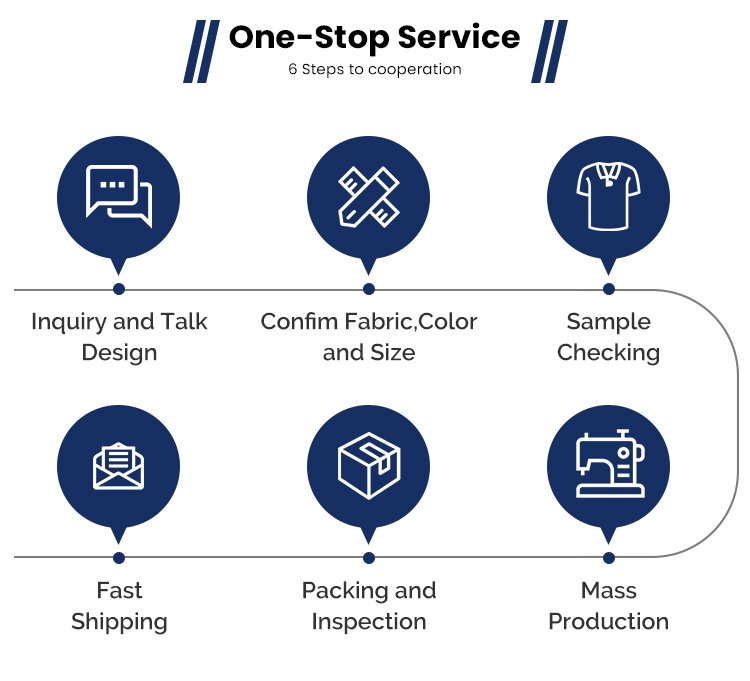
For private label, contractor uniforms or airline-branded PPE programs, our OEM/ODM customization service supports garment design, reflective layout, fabric selection, logo application, labels, hangtags and export packaging.
Bulk Ordering Tips for Airport Service Providers
Airport ground handling companies often operate across multiple terminals, shifts and subcontracted teams, so bulk workwear purchasing should be planned as a system. Start with job roles, climate zones and shift schedules. Then define garment sets per worker: for example, two summer shirts, one vest, one waterproof jacket, one winter jacket and one pair of hi vis trousers for cold-weather teams. Add buffer stock for new hires, damaged garments and emergency replacement.
| Procurement Item | What to Check | Why It Matters |
|---|---|---|
| Compliance documents | Relevant test reports, labels and declaration documents | Supports audits and buyer accountability |
| Reflective durability | Wash cycles, tape adhesion and retroreflective performance | Reduces replacement cost and failed inspections |
| Climate adaptation | Breathability, waterproofing, insulation or UV protection | Improves worker comfort and daily wear compliance |
| Size range | Men’s, women’s, plus size and tall options | Prevents unsafe loose or restrictive fits |
| Reorder consistency | Fabric color, trims, reflective tape and logo consistency | Keeps teams uniform across future replenishment orders |
Procurement managers should also consider total cost of ownership. The lowest unit price is rarely the best value if the garment fades quickly, shrinks, loses reflectivity or has inconsistent sizing. Airport operators and contractors often need stable repeat supply, documentation, reliable lead times and the ability to customize by department. For aviation ground operations and handling context, buyers may also review IATA ground operations resources and FAA airport guidance.
If your organization is building a complete airport PPE program, start from our Hi Vis Workwear product center to compare workwear sets, trousers, jackets and customization options.
Source Airport-Ready Hi Vis Workwear from VizGlo Safety
Nanjing VizGlo Safety Technology Co., Ltd. manufactures hi vis clothing and reflective materials for global distributors, private labels, contractors and enterprise PPE programs. With over 15 years of industry experience, ISO 9001 management, BSCI social responsibility support, and products aligned with EN ISO 20471, ANSI/ISEA 107, AS/NZS requirements and OEKO-TEX material expectations, we help buyers build reliable, climate-adapted and brand-ready workwear systems.
FAQ: Hi Vis Workwear for Airport Ground Crew
Do airport ground crew need Class 3 hi vis clothing? +
It depends on the local regulation, airport risk assessment, job role and visibility conditions. Many high-risk ramp operations prefer higher coverage garments, especially for night shifts, winter weather, vehicle movement areas and full-body visibility needs. Buyers should confirm the required standard with the airport authority or safety department.
Is a safety vest enough for airport ramp workers? +
A vest may be enough for some visitors, supervisors or short-duration tasks, but many ground crew roles benefit from a complete hi vis workwear system including shirts, jackets, rainwear and trousers. Full-body visibility is especially useful during night operations and poor weather.
What fabric is best for hot-climate airports? +
Lightweight fluorescent polyester, breathable mesh, moisture-wicking knit fabrics and UPF-rated materials are commonly used for hot-climate ground crew workwear. The goal is to maintain visibility while reducing heat stress and improving worker comfort during long shifts.
Why is segmented reflective tape useful for airport workwear? +
Segmented reflective tape improves flexibility, breathability and comfort, especially on shirts, stretch panels and active workwear. For ground crew who bend, lift and signal frequently, segmented tape can help maintain reflective coverage without making the garment stiff.
Can VizGlo Safety customize airport ground crew uniforms? +
Yes. VizGlo Safety provides OEM/ODM customization for airport service providers, airlines, contractors and distributors, including garment design, fabric selection, reflective tape layout, logo application, labels, packaging and bulk production.