6 Factors That Affect the Wholesale Price of Reflective Piping
When buyers compare wholesale reflective piping, the price per meter is only the surface number. The real cost is shaped by material structure, reflectivity performance, certification requirements, customization, order volume, and the supplier’s ability to control quality consistently. In safety apparel, bags, uniforms, pet accessories, outdoor gear, and workwear, reflective piping is not just decoration; it can influence visibility, compliance, durability, and brand reputation.
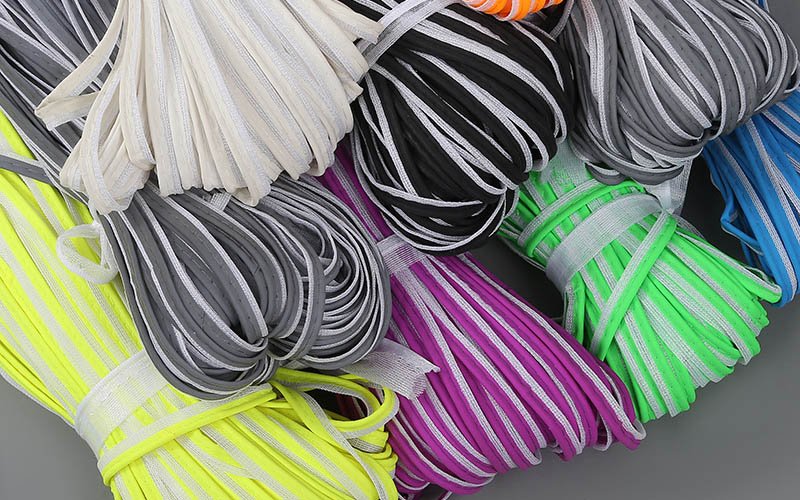
Table of Contents
Quick Answer: What Determines the Wholesale Price of Reflective Piping?
The wholesale price of reflective piping is mainly affected by six factors: the base material and core structure, the reflective brightness level, compliance and testing requirements, customization such as color or width, order quantity and MOQ, and the supplier’s production and quality-control capability. Buyers sourcing for certified safety garments usually pay more because they need traceable materials, wash durability, colorfastness, and reliable test reports, while buyers using reflective piping for promotional bags or decorative accessories may choose more cost-effective specifications with lower compliance demands.
In global sourcing, a low unit price can be attractive, but reflective piping is one of those components where the cheapest option may become expensive later. If the material loses brightness after washing, cracks during sewing, fails a compliance audit, or cannot be traced back to a stable batch, the buyer may face delayed shipment, customer complaints, or even a product recall. This is why experienced procurement teams evaluate reflective piping through Total Cost of Value rather than a single FOB price.
For example, a German buyer sourcing reflective piping for automotive safety vests will usually ask for EN ISO 20471-related performance data, consistent retroreflective values, wash-cycle durability, and batch traceability. A buyer in Southeast Asia producing promotional drawstring bags may focus more on appearance, night visibility, and price flexibility. Both buyers are purchasing “reflective piping,” but the final quotation will be very different because the application risk is different.
Before asking suppliers for the lowest price, it is smarter to define the end market, application, expected washing conditions, sewing method, required brightness, packing format, and compliance documents. A serious reflective piping manufacturer should help you match the correct specification to your market rather than simply quote the cheapest material available.
1. Base Material and Piping Structure
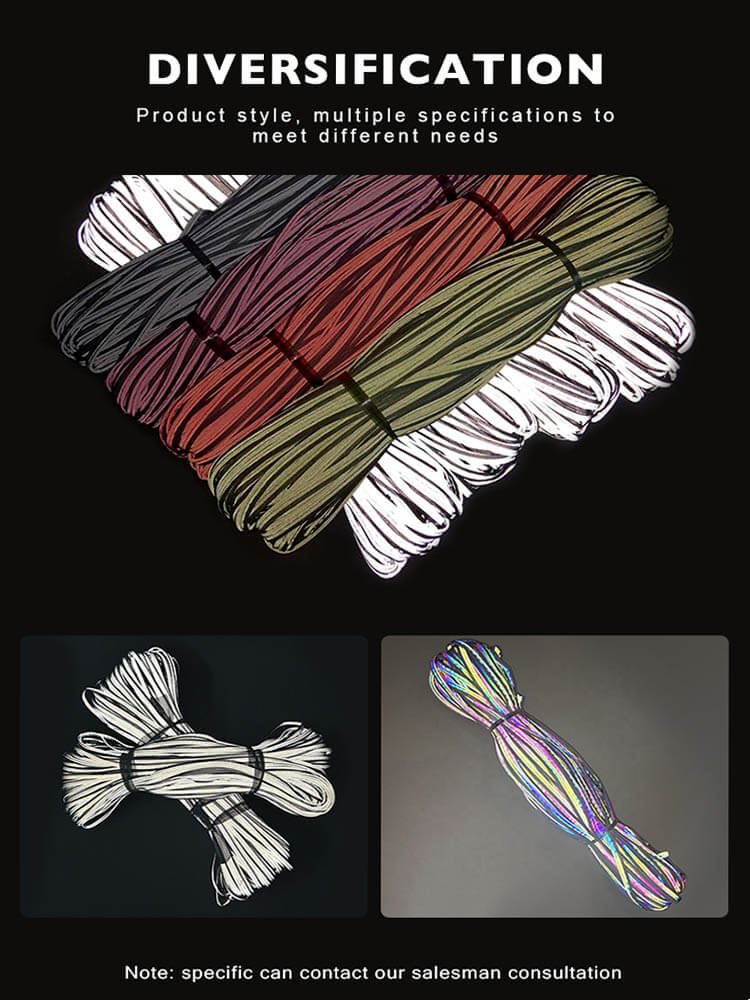
The first cost driver is the physical structure of the reflective piping. Reflective piping normally combines reflective film or fabric with a cord, backing fabric, or sewn edge structure. The cost changes depending on whether the base is polyester, TC fabric, nylon, elastic fabric, PVC, or another substrate. A stronger backing, softer hand feel, better sewing performance, or more stable bonding will usually raise the price.
Cheap piping may look acceptable in a product photo, but it can twist during sewing, split at the edge, or show uneven reflection after bending. For workwear and repeated-use garments, the internal cord quality and bonding stability matter as much as the reflective surface. For bags or fashion accessories, buyers may accept a different structure if the product does not need frequent industrial washing.
2. Reflective Brightness and CPL Requirements
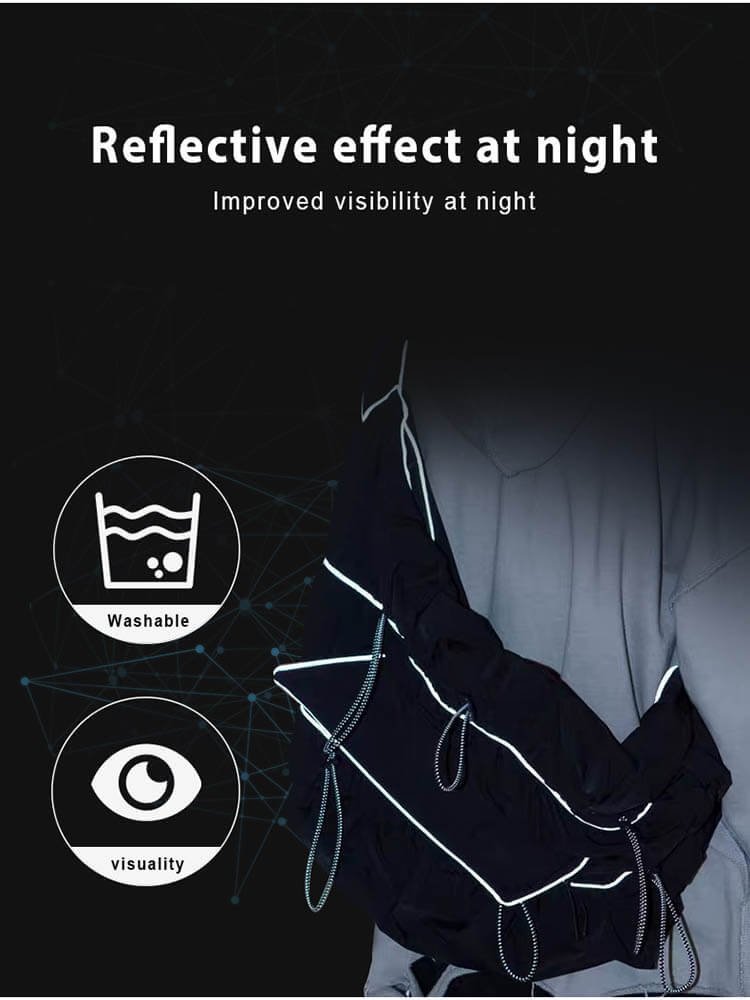
Reflective brightness is one of the most important price factors. Higher retroreflective performance usually requires better glass beads, more controlled coating, cleaner production conditions, and stricter inspection. In quotation discussions, buyers may refer to CPL, coefficient of retroreflection, or simply “brightness level.” The higher and more stable the reflective value, the higher the production cost.
For genuine safety applications, brightness should not be treated as a vague visual impression. It should be tested under defined angles and conditions. Standards organizations such as ISO’s EN ISO 20471 overview and safety authorities like OSHA workplace safety resources show why visibility is not just a marketing feature but part of worker protection.
3. Certification, Test Reports, and Market Compliance
Compliance is where rookie buyers and experienced buyers often separate. A buyer purchasing reflective piping for certified hi-vis garments in Europe, North America, or Australia cannot rely on “looks reflective” as a purchasing standard. They may need supporting documents for EN ISO 20471, ANSI/ISEA 107, AS/NZS requirements, OEKO-TEX, colorfastness, wash durability, and restricted substances.
Testing adds cost because qualified materials require controlled production, lab checks, documentation, and batch consistency. However, that cost reduces risk. If you are supplying safety vests to roadwork contractors, railway workers, logistics companies, or public tenders, paying slightly more for traceable compliant materials is often far cheaper than dealing with failed audits or rejected shipments.
Buyers can refer to ANSI/ISEA 107 information, Standards New Zealand, and OEKO-TEX certification resources when evaluating the level of documentation needed for their target market.
4. Custom Color, Width, Pattern, and Packaging
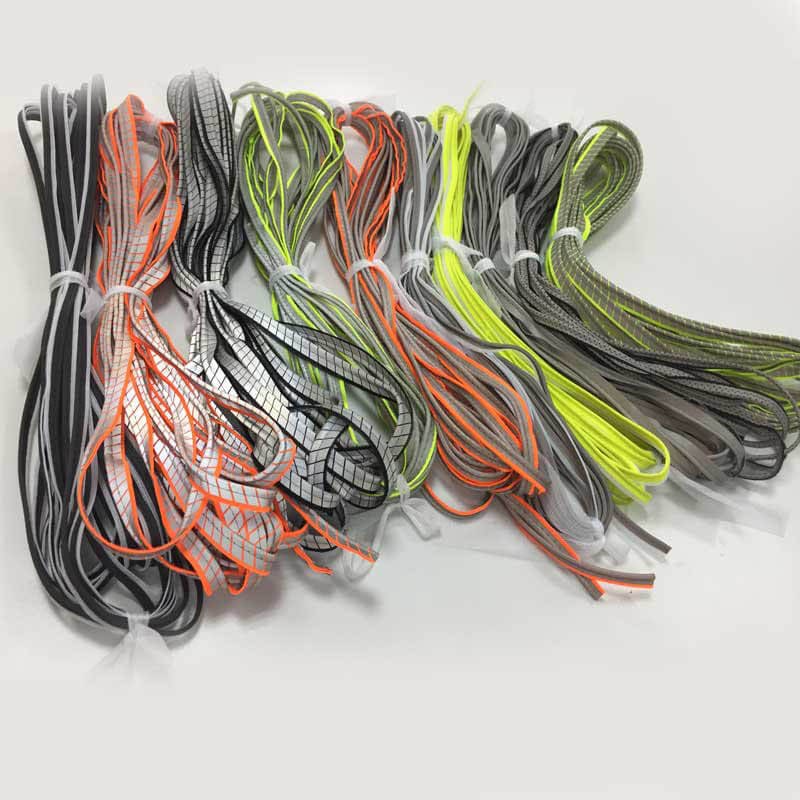
Standard silver reflective piping is usually more cost-efficient because the raw materials and production settings are common. Once buyers request fluorescent colors, rainbow effects, brand-specific colors, special widths, printed patterns, embossed effects, or custom roll lengths, the quotation changes.
Customization may require color matching, trial production, mold or knife adjustment, special coating, additional waste allowance, and separate packaging. For large brands, these costs are acceptable because customized piping makes the finished product more recognizable. For smaller buyers, the key is to balance uniqueness against MOQ and lead time.
If your project requires private labeling, barcoded rolls, carton marks, retail-ready packing, or special export labeling, include these requirements before the supplier quotes. Packaging can look minor, but it affects labor, materials, warehouse sorting, and inspection time.
5. MOQ, Order Quantity, and Production Efficiency
Order quantity directly affects wholesale price because reflective piping production involves setup time, machine adjustment, raw material preparation, inspection, packing, and sometimes color-change cleaning. A small trial order carries a higher unit cost because fixed production expenses are spread across fewer meters. A larger order allows the factory to improve efficiency and reduce the per-meter cost.
However, the lowest price is not always achieved by blindly increasing quantity. If you buy too much of the wrong specification, your inventory cost may exceed the saving. The better approach is to forecast by product line: one specification for compliant safety vests, another for promotional accessories, another for outdoor sportswear, and so on. Consolidating similar specifications across several SKUs can help you reach a better MOQ without overstocking.
Procurement tip: ask suppliers to quote several quantity levels, such as 3,000 meters, 10,000 meters, and 50,000 meters. This helps you see where the real price break occurs instead of negotiating blindly.
6. Supplier Capability, Quality Control, and Risk Mitigation
Two suppliers may quote the same reflective piping specification but deliver very different value. A professional manufacturer controls raw material sourcing, coating quality, slitting accuracy, bonding strength, brightness testing, roll inspection, and export packing. A trading-only supplier may offer a lower price but have less control when something goes wrong.
In 2026, procurement conversations are increasingly focused on risk mitigation. Buyers want consistent batches, stable lead times, clear test data, and suppliers who understand different market requirements. For instance, safety garment buyers need documentation and durability. Bag manufacturers may need strong sewing performance and good appearance. Outdoor brands may need flexible piping that bends without cracking. The right supplier should recommend the most cost-effective solution for the final application, not simply push the lowest-grade material.

How to Compare Reflective Piping Quotes Correctly
| Quote Item | Why It Matters | Buyer Question |
|---|---|---|
| Material Structure | Affects sewing, durability, and hand feel. | What backing and cord structure are used? |
| Reflectivity | Determines nighttime visibility and safety value. | What retroreflective value can you guarantee? |
| Compliance | Reduces recall, audit, and market-access risk. | Can you provide test reports and batch traceability? |
| Customization | Impacts MOQ, lead time, and setup cost. | What is the MOQ for my color, width, or packing? |
| Order Quantity | Larger orders improve production efficiency. | Where are the price breaks? |
| Supplier Capability | Ensures consistency and reduces sourcing risk. | How do you inspect brightness, bonding, and roll quality? |
Need a Cost-Effective Reflective Piping Solution?
VizGlo Safety manufactures reflective piping, reflective tapes, reflective logos, reflective webbing, and complete hi-vis clothing for global distributors, private labels, and workwear brands. Tell us your application, target market, brightness requirement, width, color, and estimated order quantity. Our team will help you choose the most practical specification for compliance, performance, and cost control.
FAQ: Reflective Piping Wholesale Price
Why do different suppliers quote very different prices for reflective piping?
Price differences usually come from material structure, reflective brightness, production consistency, compliance documents, customization requirements, and inspection standards. A cheaper quote may use lower-grade reflective film, weaker backing, or less testing.
Is high-brightness reflective piping always necessary?
Not always. Certified safety garments and workwear normally require stronger and more consistent reflectivity. Promotional bags or decorative accessories may use a more economical grade if the target market does not require strict compliance.
Does custom color reflective piping cost more?
Usually yes. Custom colors may require color matching, special coating, production trials, higher MOQ, and separate quality checks. The final cost depends on the color, width, brightness target, and order quantity.
What information should I provide to get an accurate quotation?
Provide the application, target market, width, color, backing material, brightness requirement, washing requirement, certification needs, packing method, and estimated quantity. The more specific your request, the more accurate the quotation.