Hi Vis Workwear Procurement Guide
How to Build a Hi Vis Workwear Procurement Plan for Your Workforce
A strong hi vis workwear plan is not just a purchasing list. It is a safety lifecycle program that connects job-site risk, compliance, worker comfort, durability, replacement timing and long-term cost control.
Quick Answer
To build a hi vis workwear procurement plan, start with a task-based risk assessment, then match each job role to the right garment type, visibility level, weather protection, fit and certified documentation. Next, calculate quantities by headcount, shift pattern, wash frequency, replacement cycle and buffer stock, rather than buying only one item per worker. A modern plan should compare total cost of ownership, including fabric durability, reflective tape wash performance, worker compliance, customization, logistics and reorder reliability. Finally, choose a supplier that can support compliant bulk production, inclusive sizing, consistent repeat orders and ESG expectations, so your company purchases a complete safety lifecycle program instead of reacting to emergencies with low-cost disposable garments.
Why Businesses Need a Structured Hi Vis Procurement Plan
Many companies still buy high visibility clothing only when stock runs out, a project starts, or a site supervisor complains. That approach looks simple, but it usually creates hidden costs: urgent freight, mismatched colors, inconsistent branding, poor worker compliance, failed inspections, and garments that need replacing far earlier than expected. In global B2B procurement, the most expensive hi vis item is often the one with the lowest unit price but the shortest usable life.
A proper procurement plan changes the conversation from “How cheap is this jacket?” to “How well does this workwear system protect our people throughout its service life?” For safety managers, it provides a defensible process. For procurement teams, it creates predictable budgets. For workers, it delivers garments they will actually wear correctly. For senior management, it supports operational uptime, lower incident exposure and a stronger safety culture.
The goal is not to buy more hi vis clothing. The goal is to buy the right garments, in the right quantities, at the right time, with the right documentation and replacement policy.
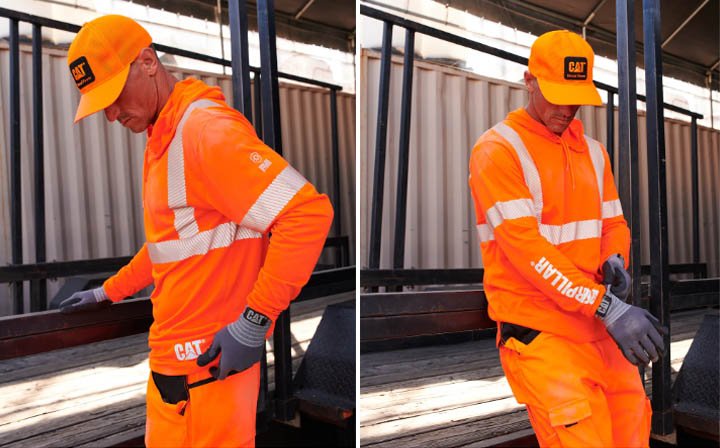
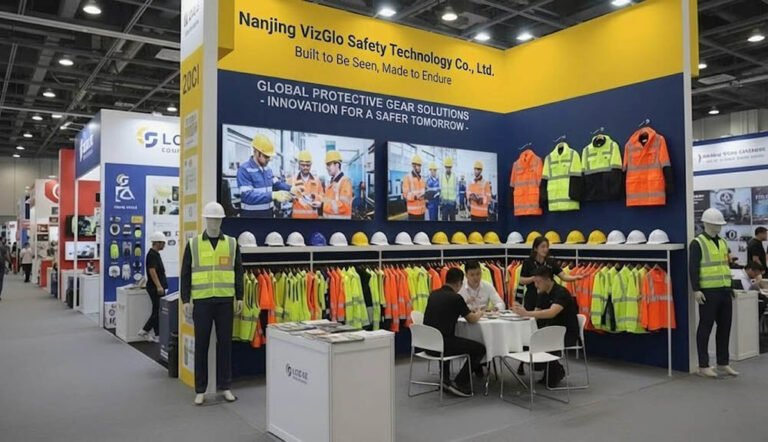
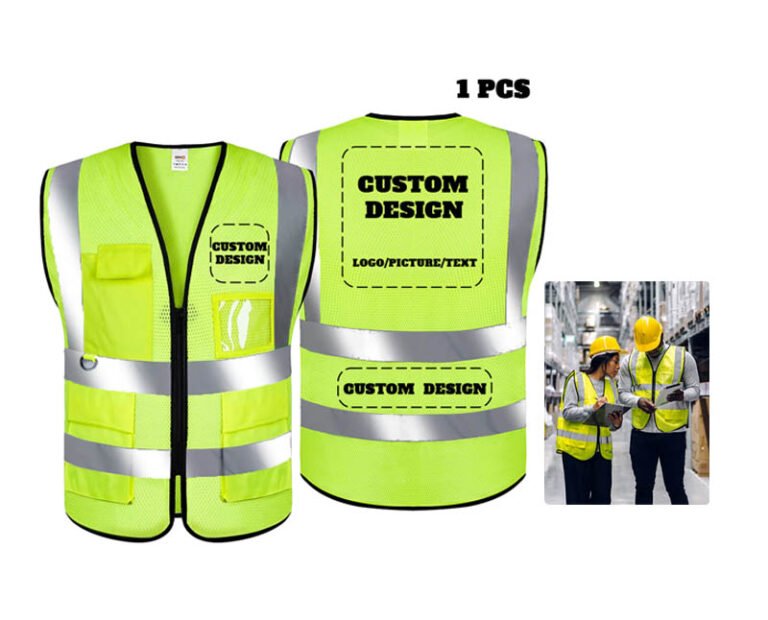
If your team needs a complete garment range, start by reviewing VizGlo Safety’s hi vis clothing product center, where vests, polos, hoodies, jackets, rainwear and workwear sets can be planned as one coordinated program.

Step 1: Identify Job Roles, Tasks and Risk Levels
The foundation of a hi vis workwear procurement plan is a risk assessment. This should not stop at the broad workplace category. A warehouse, construction site, road work zone, railway project or mining operation contains different task zones with different exposure levels. A forklift spotter, night shift loader, equipment mechanic, surveyor, supervisor and visitor may all need different garment configurations.
For each role, list the work environment, vehicle interaction, lighting conditions, weather exposure, working posture, shift duration and contamination risks. A worker exposed to moving traffic at night needs different visibility coverage than an indoor logistics employee. A road crew working in rain needs waterproof performance. A mining or energy field team may need heavier-duty fabrics, reinforced stitching or flame-resistant options depending on the hazard profile.
This is also where compliance references matter. Buyers should be aware of local high visibility clothing requirements and should verify the correct standard for their market. Useful external starting points include the OSHA PPE guidance, the ISEA overview of ANSI/ISEA 107, and the ISO page for EN ISO 20471. These references help procurement teams ask better questions without turning the sourcing process into guesswork.
Practical role-mapping questions
- Does the worker operate near vehicles, cranes, trains or forklifts?
- Is the work performed in daylight, low light, night time, rain or fog?
- Does the garment need waterproof, breathable, warm, stretch, FR or anti-static features?
- Will the worker wear the garment for a full shift or only for site entry?
- Does the worker need pockets, ID holders, radio loops, tool access or detachable layers?
Step 2: Match Garments to Work Environments
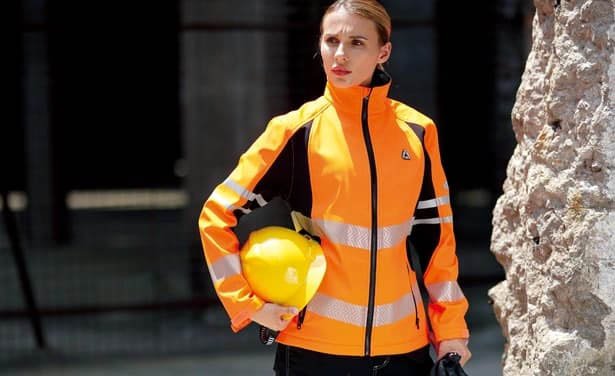
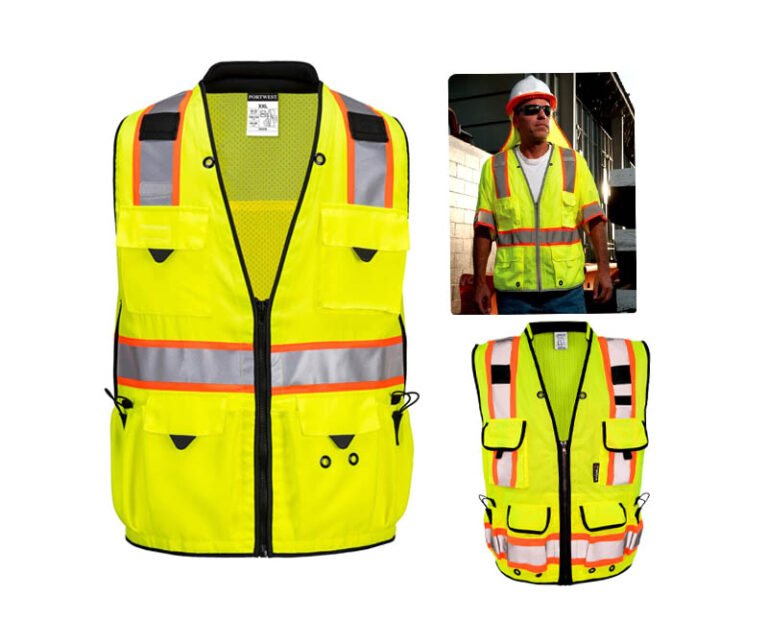
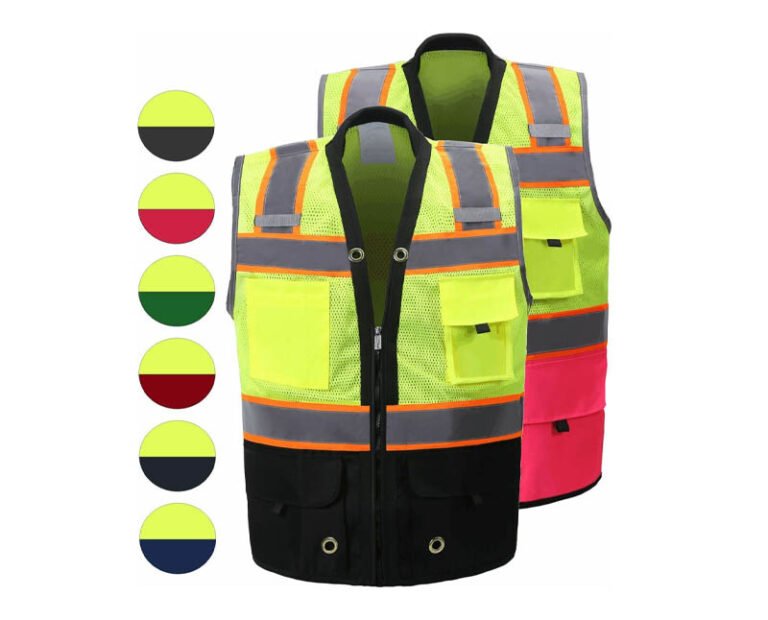
Once roles and risks are clear, the next step is selecting the right garment mix. A mature procurement plan usually includes more than one item type. For example, a logistics workforce may need lightweight vests for visitors, breathable polo shirts for indoor operators, hoodies for cool-weather shifts and waterproof jackets for yard staff. A construction contractor may need full workwear sets, softshell jackets, rainwear and spare vests for subcontractors. A railway or road work crew may require higher-coverage garments and durable reflective placement for night visibility.
Do not treat every employee as if they perform the same task. Over-specifying every garment wastes budget, while under-specifying high-risk roles creates safety gaps. The best approach is a tiered product matrix: core garments for all workers, enhanced garments for higher-risk teams, and seasonal add-ons for weather conditions.
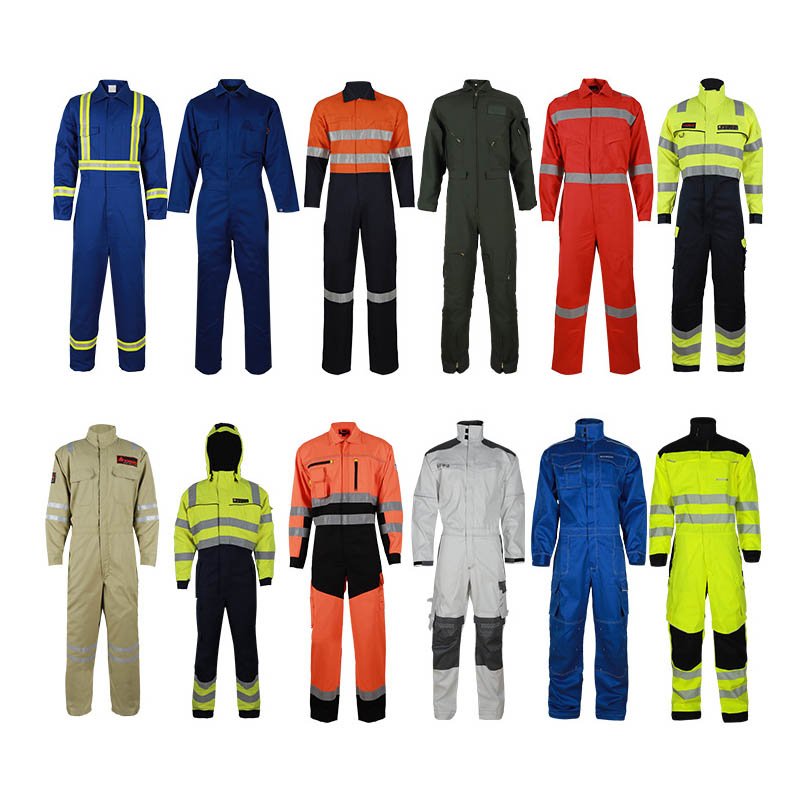
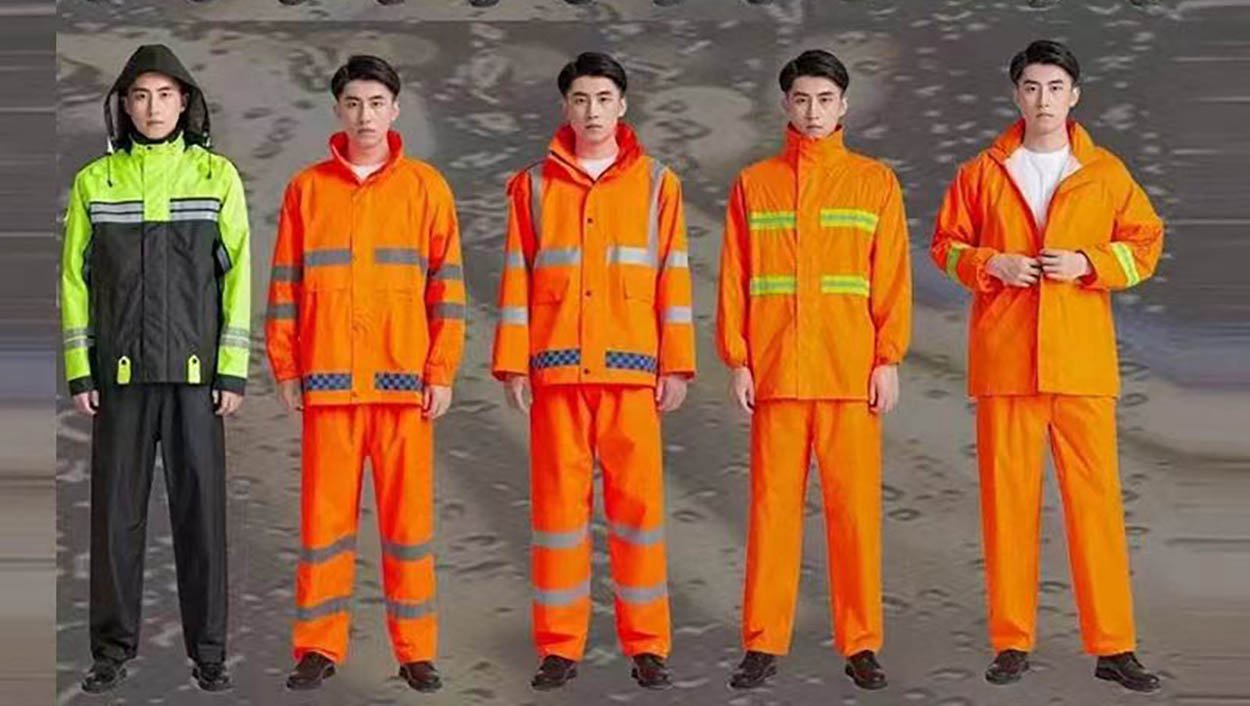
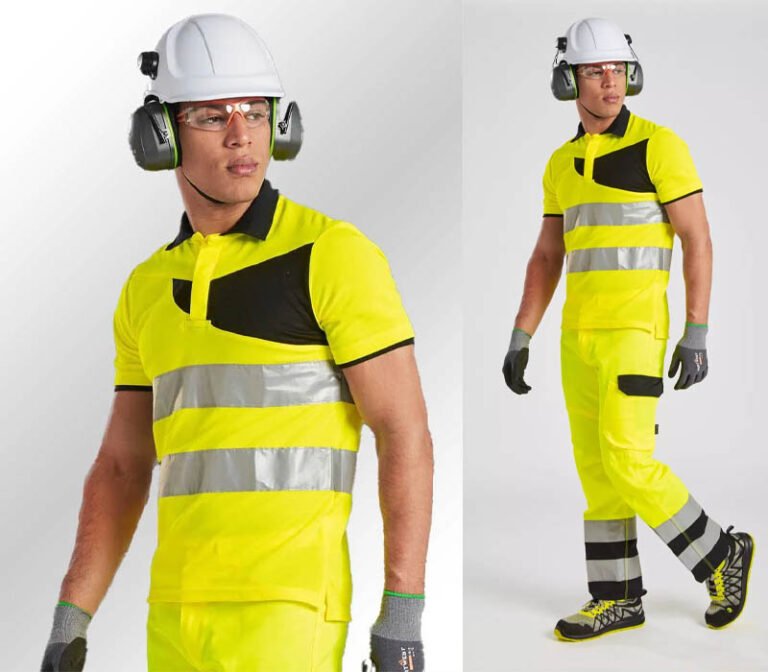
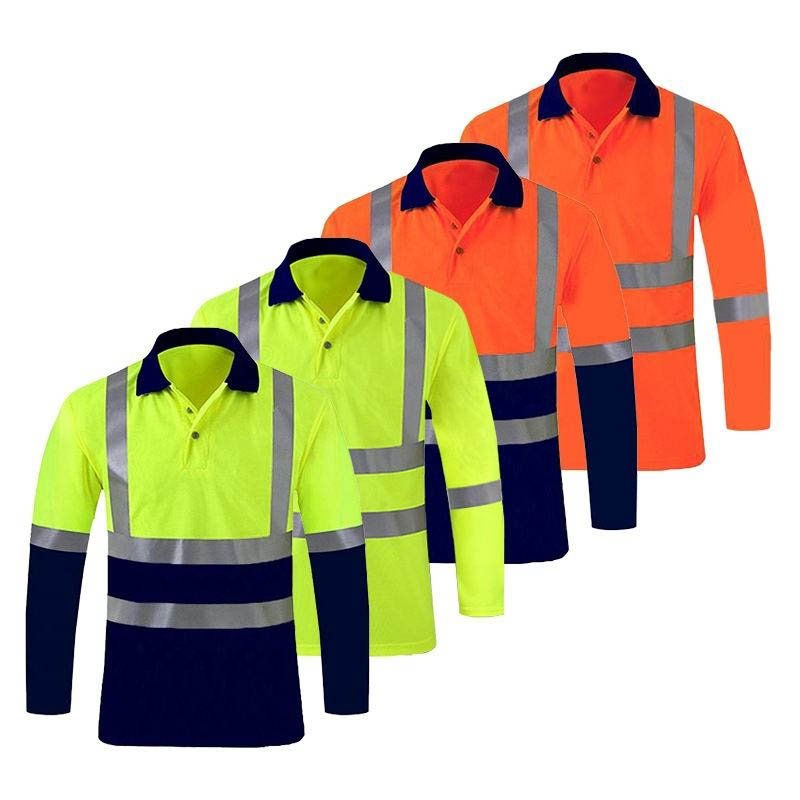
For category-level planning, buyers can compare VizGlo’s high visibility vests, hi vis polo shirts and T-shirts, hi vis sweatshirts and hoodies, and hi vis raincoats to build a role-based workwear matrix.
Step 3: Estimate Quantities, Replacement Cycles and Backup Stock
Quantity planning should be based on more than headcount. A company with 200 workers does not simply need 200 garments. You must consider how many shifts are running, how often garments are washed, whether employees need clean replacement garments between shifts, how quickly garments wear out in the working environment, and how many new hires or temporary workers enter the site during the year.
A practical formula is: required quantity = workforce headcount × garment sets per worker + seasonal items + visitor/temporary stock + replacement buffer. For harsh environments, the buffer may be higher. For stable indoor operations, it may be lower. For customized garments, a buffer is especially important because urgent repeat orders can be more expensive and may require new production lead time.
| Planning Factor | Procurement Impact | Buyer’s Action |
|---|---|---|
| Wash frequency | Affects how many sets each worker needs | Plan spare garments for rotation |
| Work environment | Affects abrasion, dirt, fading and replacement speed | Choose suitable fabric weight and tape durability |
| Customization | May increase lead time for replenishment | Keep buffer stock for key sizes |
| Seasonality | Rainwear and winter jackets require early ordering | Forecast 2–3 months ahead for bulk programs |
This is where total cost of ownership becomes important. A garment that lasts 50 wash cycles and keeps workers comfortable may cost less per working day than a cheaper garment that fails quickly, loses reflectivity or is not worn correctly. External resources such as the UK HSE PPE guidance and EU-OSHA PPE information are useful for understanding why PPE programs should include selection, use, maintenance and replacement—not just initial purchase.
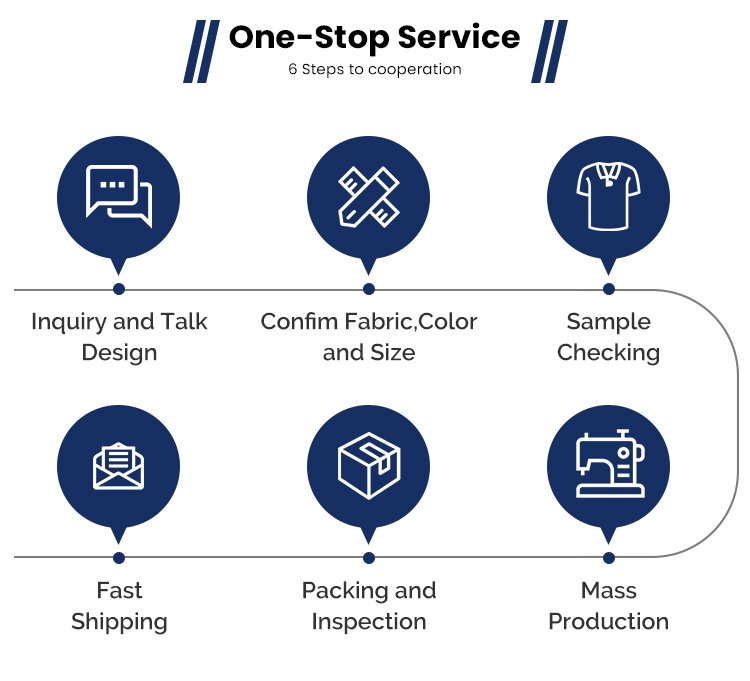
Step 4: Decide Standard Sizes and Inclusive Size Ranges
Fit is not a cosmetic detail. If a garment is too tight, workers may leave it unzipped or avoid wearing it over base layers. If it is too loose, it can snag on equipment or interfere with movement. If women workers are forced into oversized men’s garments, compliance and morale both suffer. A good procurement plan includes size collection before ordering, a clear size ratio, and inclusive options for men, women, plus-size workers and smaller body types.
For large projects, request a size set before mass production. Let workers test movement: reaching, bending, climbing, driving and lifting. The feedback may reveal issues that are invisible on a specification sheet. In many international projects, user acceptance is the difference between a garment that looks compliant in the storeroom and a garment that is worn correctly on site.
Step 5: Choose Compliant Suppliers and Documentation
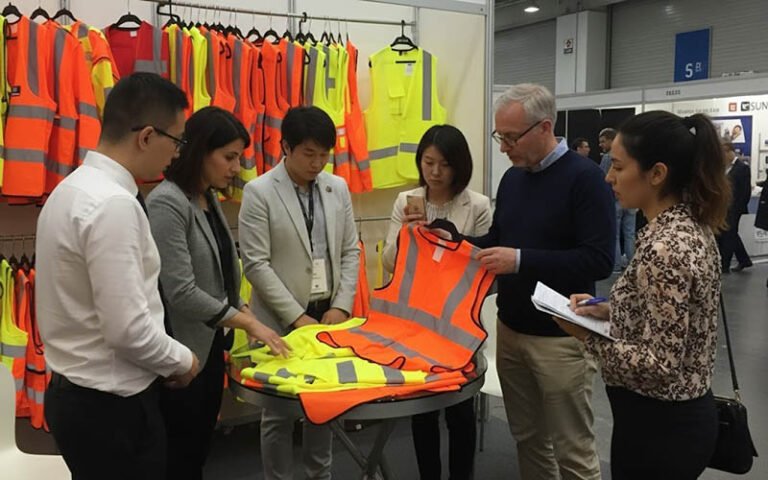
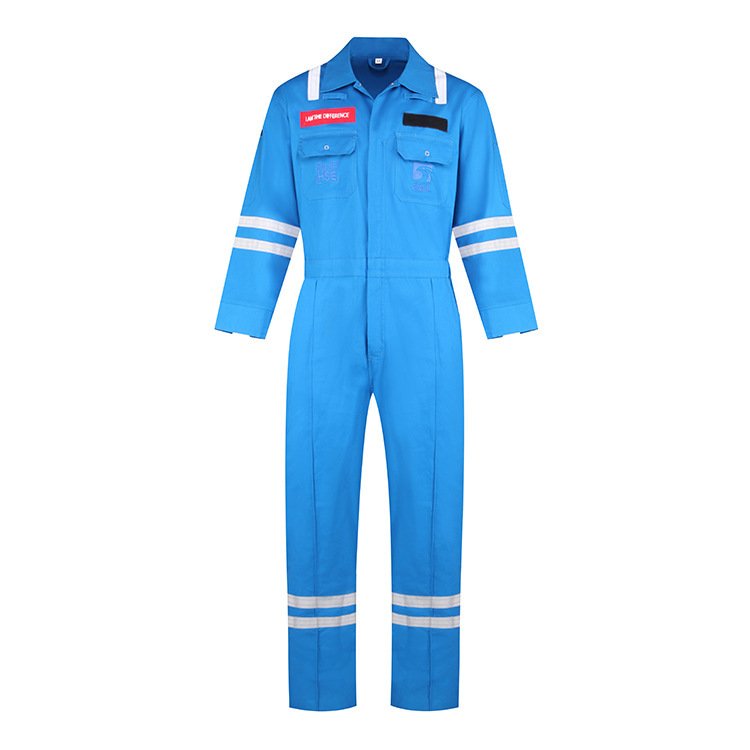
A procurement plan is only as strong as the supplier behind it. Buyers should ask for relevant compliance documents, test reports, material specifications, labeling details, wash performance information and production capability. For international projects, supplier reliability also includes stable repeat production, consistent color matching, predictable lead times, export experience and clear communication.
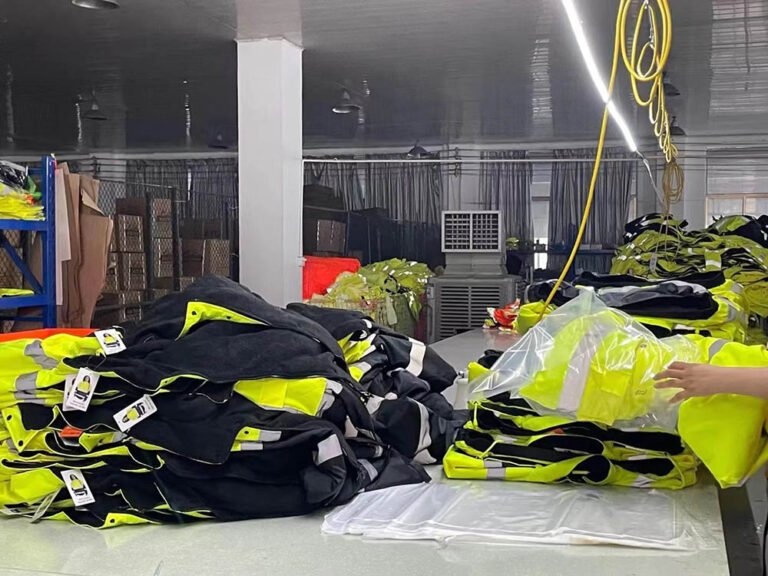
At VizGlo Safety, our vertically integrated model covers both high visibility clothing and reflective materials. That means buyers can coordinate garment design, reflective tape selection, logo application, packaging and bulk delivery through one manufacturing partner. For companies building private-label or project-specific workwear programs, our OEM/ODM customization service helps turn safety requirements into production-ready products.
Compliance
Request certificates, test reports, labels and declarations suitable for your target market.
Production Stability
Confirm bulk capacity, sampling speed, reorder consistency and quality control procedures.
Lifecycle Support
Choose a partner that supports replenishment planning, sizing data, customization and seasonal forecasting.
Need Help Building a Workforce Procurement Plan?
Send us your industry, worker count, job roles, target market, garment categories and branding requirements. VizGlo Safety can help you create a practical bulk procurement plan with suitable products, sizing support and documentation.
Request a Hi Vis Workwear Procurement Plan
Procurement Checklist for Hi Vis Workwear
- ✓Map job roles, task hazards and visibility exposure.
- ✓Match garments to work environments and seasons.
- ✓Confirm applicable standards and compliance documents.
- ✓Calculate quantity by headcount, shift pattern and wash rotation.
- ✓Plan replacement cycles and emergency buffer stock.
- ✓Collect size data and include male, female and plus-size options.
- ✓Compare suppliers by total cost of ownership, not just unit price.
- ✓Build a reorder calendar before peak season or project launch.
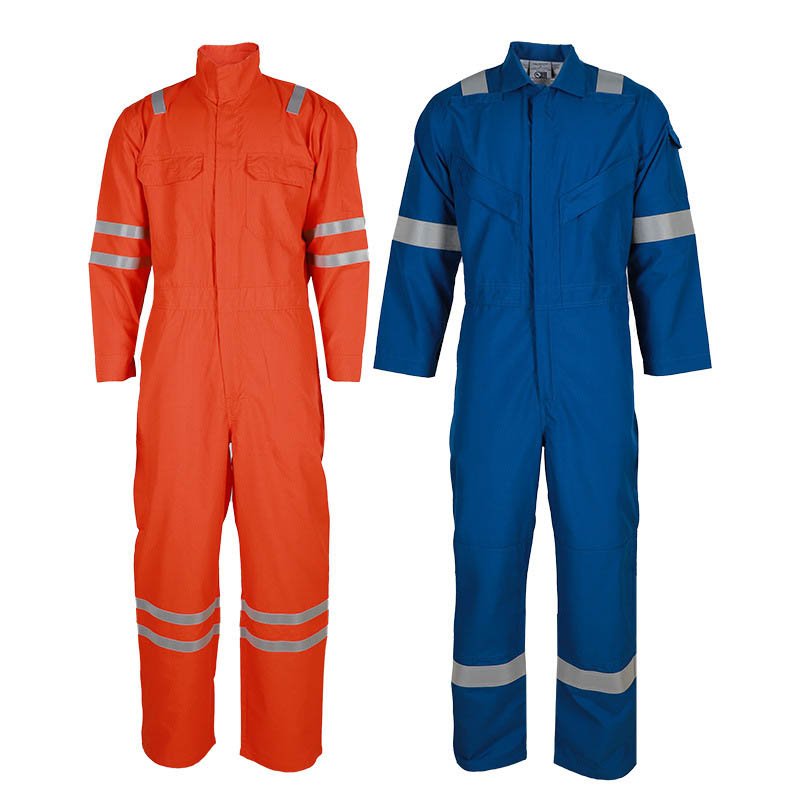
If you are still defining your core product categories, visit our Hi Vis Workwear center page to explore workwear sets and related options, or browse reflective materials if your project requires custom tape, film, logo or fabric performance.
FAQ: Hi Vis Workwear Procurement Planning
How often should companies replace hi vis workwear?
Replacement depends on garment type, working environment, wash frequency and visible wear. Replace garments when fluorescent color fades, reflective tape is damaged, fabric is torn, contamination cannot be removed, or the garment no longer meets your site policy. High-risk environments usually need shorter replacement cycles.
Should procurement choose the cheapest hi vis garments?
Not automatically. The lowest unit price can lead to higher long-term cost if garments fail quickly, shrink, lose reflectivity, cause discomfort or require urgent replacement. Compare total cost of ownership, including durability, wash performance, compliance risk, freight, customization and reorder reliability.
How many hi vis garments should each worker receive?
Many full-time workers need more than one garment set to allow washing, drying and rotation. The exact number depends on shift schedule, hygiene requirements, weather exposure and whether the company provides seasonal garments such as rainwear, hoodies or winter jackets.
What documents should buyers request from a hi vis workwear supplier?
Buyers should request relevant certificates, test reports, material specifications, care labels, size charts, artwork confirmation for logos, packaging details and production lead time. For regulated markets, documentation should match the applicable standard and product category.
Can VizGlo Safety support customized bulk procurement programs?
Yes. VizGlo Safety provides OEM/ODM support for hi vis clothing and reflective materials, including garment design, fabric selection, reflective tape options, custom logos, labels, packaging, size planning and bulk production for global distributors, brands and enterprise buyers.