How to Test the Reflectivity (RA Value) of Fabrics? A Simple Guide
Master the essential skill of measuring retroreflective performance and ensuring your safety garments meet international standards
💡 Key Insight from 15+ Years in the Industry
The RA value is more than just a number on a data sheet—it’s the currency of trust. Professional buyers aren’t purchasing fabric; they’re investing in a guarantee of safety and compliance. The “golden sample trap” is real: a perfect sample that meets EN ISO 20471 standards can mysteriously degrade during bulk production. Learning to test, even with simple methods, transforms you from a passive buyer into an active quality guardian. A certified reference sample and a dark room become your most powerful inspection tools.
Why RA Value Testing Matters for Your Safety Programs
In the world of high-visibility safety apparel, reflectivity testing is not an optional luxury—it’s a critical responsibility. Whether you’re procuring uniforms for construction crews, road maintenance teams, or warehouse staff, the RA (Retro-Reflective Coefficient) value determines whether workers remain visible during low-light conditions.
Consider this scenario: A highway maintenance supervisor orders 500 hi-vis vests from a supplier. The pre-production sample undergoes lab testing and achieves a perfect RA value of 350 cd/lux/m². However, halfway through the bulk production run, the supplier changes the reflective tape manufacturer to cut costs. The finished vests now perform at only 180 cd/lux/m²—still technically compliant with Class 2 standards, but far below what was approved. Without verification testing during production, this dangerous downgrade goes undetected until workers’ safety is compromised.
This is why understanding how to test RA values—even if you eventually outsource the work to certified labs—is fundamental to your role as a buyer or quality inspector.
Understanding RA: The Science Behind Reflectivity
The RA value, or Retro-Reflective Coefficient, is a quantitative measurement of how effectively a reflective material sends light back toward its source. Imagine a car’s headlight beam hitting a worker’s reflective vest: an ideal reflective material bounces that light directly back to the driver, creating maximum visibility.
The RA Value Explained:
- RA Units: Measured in cd/lux/m² (candlepower per lux per square meter). Higher numbers mean better reflection.
- Range: Typical values range from 50 to 750 cd/lux/m², depending on material type and quality.
- Standards: EN ISO 20471 (Europe), ANSI/ISEA 107 (North America), and AS/NZS 4602.1 (Australia/New Zealand) define minimum RA requirements by class.
- Real-World Impact: At night, a reflective vest with RA = 500 makes a worker visible from 600+ meters away; with RA = 150, visibility drops to 300 meters.
To put this in concrete terms: EN ISO 20471 Class 3 (the highest standard for most commercial hi-vis clothing) requires an RA value of at least 200 cd/lux/m². Class 2 requires 150 cd/lux/m², and Class 1 requires just 75 cd/lux/m².
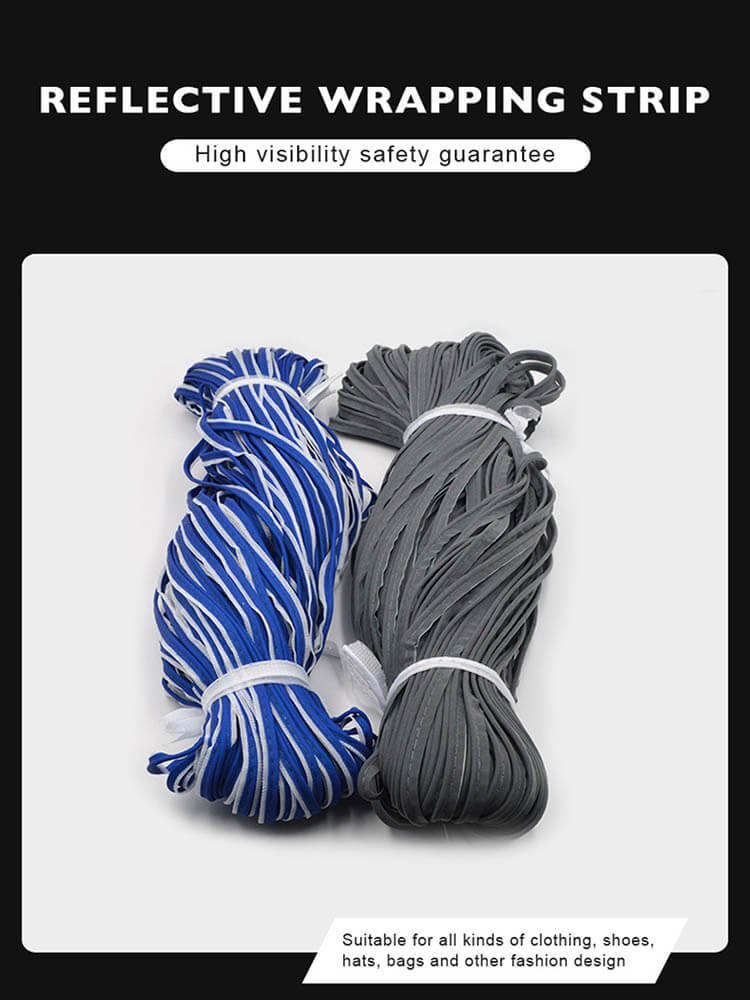
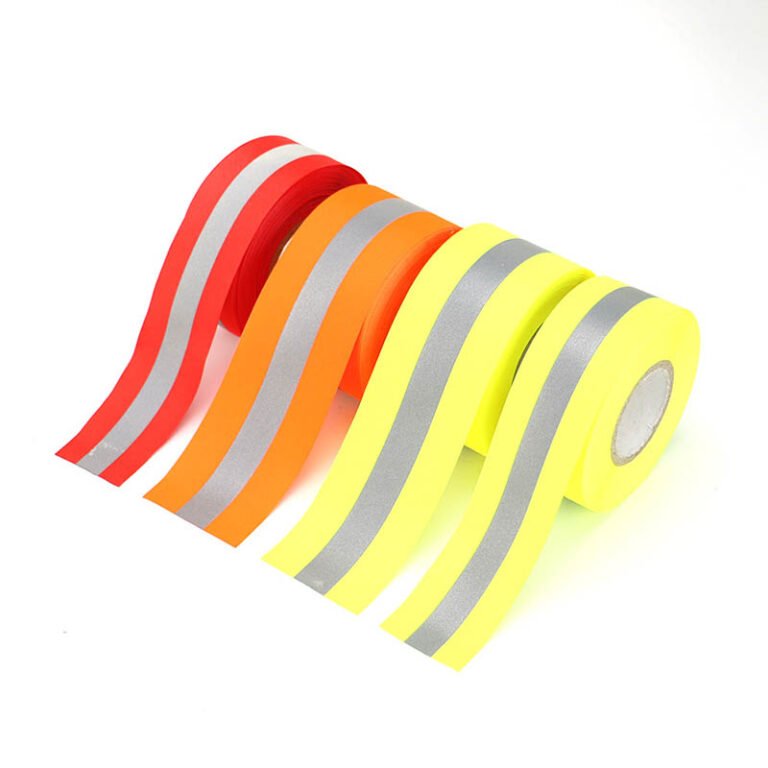
The microscopic structure of quality reflective material is carefully engineered to maximize light reflection
Professional Testing Methods: The Laboratory Approach
1. Retroreflectometer Testing (The Gold Standard)
A retroreflectometer (also called a retro-reflectivity meter) is the industry-standard instrument for measuring RA values with precision. These devices project a controlled light beam at the reflective material at specific measurement angles (typically 0.2°, 0.5°, and 1.5° depending on the standard being tested).
How it works: The instrument measures the intensity of light reflected back within a specific cone angle. The higher the reflected light intensity relative to the incident light, the higher the RA value.
Equipment Requirements: Professional retroreflectometers cost between $3,000 and $15,000. Manufacturers like Silva, EBW, and Koehler make certified testing equipment that comply with ASTM D4885 and ISO 17571 standards. These instruments must be calibrated regularly against certified reference samples to maintain accuracy.
2. Third-Party Laboratory Testing
For buyers without in-house testing capabilities, certified independent labs offer RA testing services. These labs maintain certified retroreflectometers, perform regular calibrations, and issue official test reports that carry legal weight in disputes or compliance audits. Organizations like Intertek and SGS provide globally recognized testing services. Typical costs range from $200 to $500 per test, with results typically available within 5-7 business days.
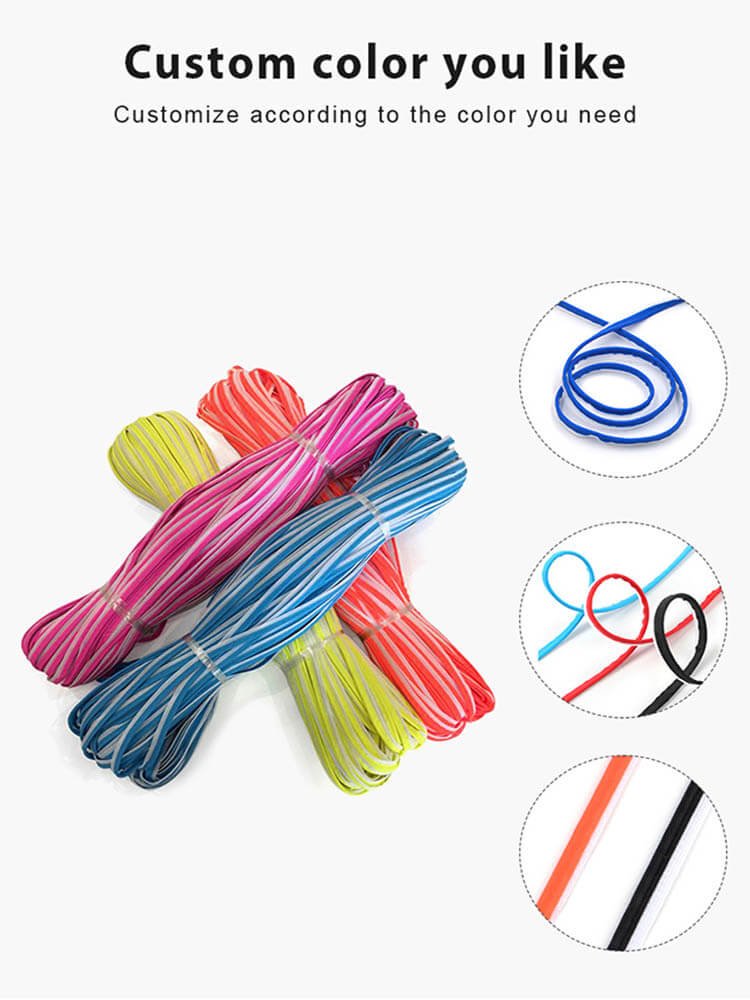
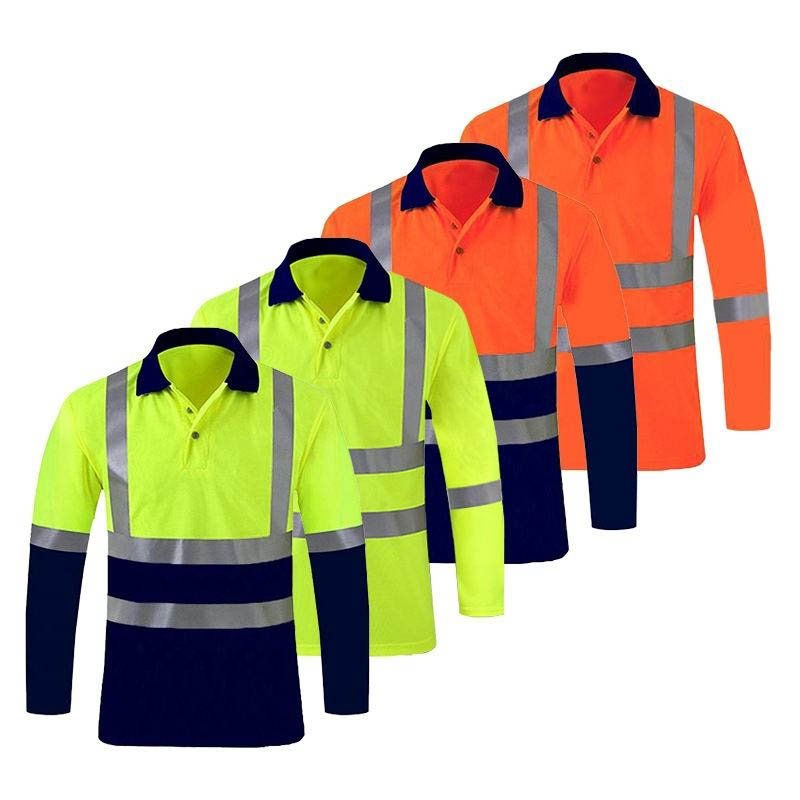
Professional testing ensures consistent RA performance across different color options
3. Statistical Sampling Plans
For large production orders, implement AQL (Acceptable Quality Level) sampling plans. ANSI Z1.4 sampling protocols are industry-standard for determining how many units to test from a batch:
- AQL 1.5%: For 5,000 unit orders, test 125 units minimum
- AQL 2.5%: More lenient; used for less critical applications
- Reducing inspection: After 5 consecutive batches pass, reduce sample size by 75%
This data-driven approach protects you statistically while reducing testing costs on proven suppliers.
Simple Testing Techniques: What You Can Do Today
While professional retroreflectometer testing is definitive, several practical methods can quickly flag suspect materials before expensive lab work. These techniques won’t replace certified testing for compliance documentation, but they’re invaluable for real-time quality control during site inspections or sample evaluations.
The Dark Room Comparison Test
This is the most accessible method for spot-checking reflectivity without any sophisticated equipment.
Step-by-Step Process:
- Gather your samples: Obtain an approved reference sample (with documented RA value) and the material to be evaluated. If you don’t have a reference, order a small certified sample from your supplier’s archive.
- Create a dark environment: Use a dimly lit room, closet, or covered area. Eliminate ambient light as much as possible.
- Prepare your light source: Use a compact flashlight or headlamp (LED is ideal—around 200-400 lumens). Position it about 30cm from the sample at roughly the same angle a car headlight would hit a worker’s vest (approximately 0.2° to 0.5° angle).
- Angle the light carefully: The light should be nearly co-axial with your line of sight—meaning the light beam and your eyes are almost in line. This mimics retroreflection.
- Compare visually: Observe how brightly each sample reflects the flashlight beam back toward you. The reference sample should clearly outshine or match the test sample. Any visible dimming indicates potential RA degradation.
- Document the result: Photograph both samples under identical lighting. This creates a visual record for your quality file.
Limitations: This test is qualitative, not quantitative. It tells you “this looks darker” but not “this is now RA = 180.” However, for detecting major quality drops (e.g., from RA 350 to RA 150), this method is remarkably effective. Many experienced inspectors can detect a 30-40% reflectivity loss with practiced eyes.
The Smartphone Camera Test
Here’s a modern twist: Your smartphone camera’s flash can serve as a consistent light source for comparative testing.
How to Execute:
- Place your reference and test samples side-by-side on a dark surface.
- Photograph both using your phone’s flash in full brightness mode, from 30cm away, at a shallow angle.
- Visually compare the reflected brightness in the resulting images.
- Export the photos with timestamps for your quality records.
Note: Use the same phone, same flash setting, same distance, and same angle for all comparisons to ensure consistency.
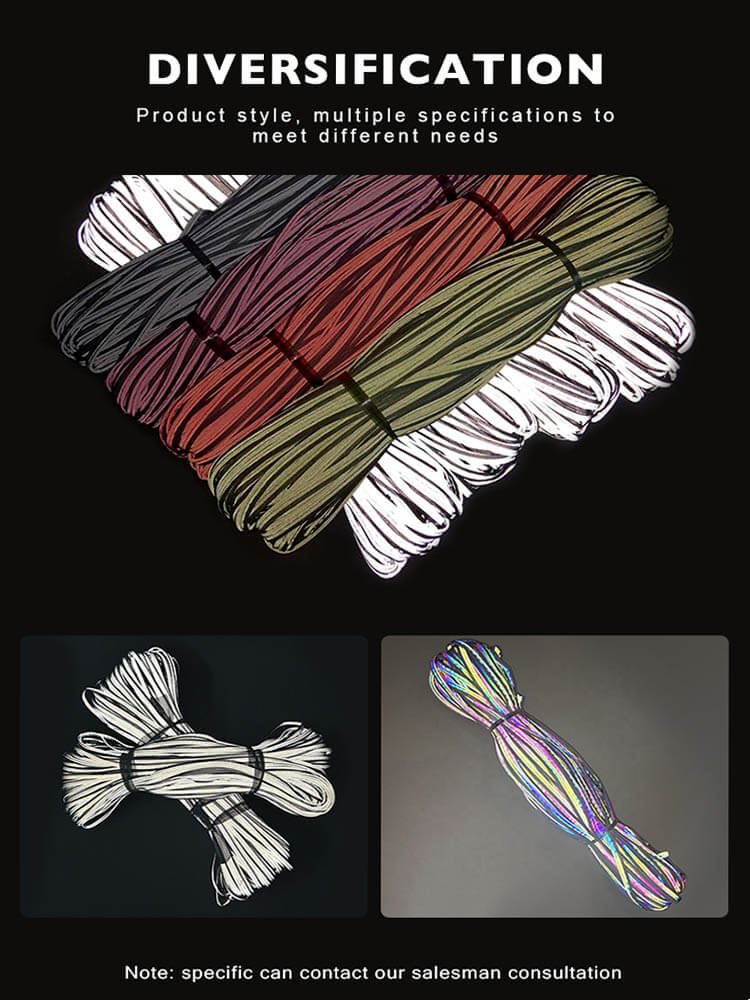
Visual comparison tests help identify consistency issues during production quality checks
The Fabric Tear Test (Quick Integrity Check)
While not measuring RA directly, checking the reflective layer’s physical integrity reveals manufacturing defects that tank reflectivity.
- Gently try to peel the reflective layer: Quality adhesive should make this nearly impossible. Easy peeling suggests poor lamination, which will cause RA values to degrade during washing.
- Inspect for air bubbles: Delamination starts as tiny air pockets. Flashlight at an angle reveals these immediately. More than 2-3 visible bubbles per 100cm² signals a defective batch.
- Check color consistency: Reflective tape should have uniform color. Streaks or faded areas often indicate uneven coating or degraded base material.
Implementing Quality Control into Your Procurement Process
Step 1: Establish Reference Standards
Before placing any bulk order, obtain a lab-certified reference sample from your supplier. Have this sample tested by a third-party certified lab and request:
- Official test report with RA values at all measurement angles
- Batch/lot number clearly marked on the physical sample
- Digital copy for your records (archive indefinitely)
Step 2: Define Acceptance Criteria
Don’t just specify “EN ISO 20471 compliant.” Instead, establish a tighter margin:
- If the standard requires RA ≥ 200, specify “acceptance at RA ≥ 220” (10% safety margin)
- This buffer absorbs normal manufacturing variation and protects against supplier grade-slipping
- Include this acceptance criteria in your purchase order
Step 3: Test Production Samples
For orders over 1,000 units:
- Request samples from the actual production run (not a separate pre-production batch)
- Have 5-10% of these samples tested by lab
- Reserve the remaining samples for in-house visual comparison testing
- Compare against your reference standard using the dark room method
Step 4: Plan for Batch Testing
For annual orders: Test the first batch comprehensively. If it passes, reduce testing frequency for subsequent batches. If any batch fails, revert to full testing mode and investigate root causes with your supplier.
Step 5: Post-Purchase Verification
After receiving finished goods, perform rapid spot-checks using simple visual methods before delivery to end-users. This catches defects early when leverage with the supplier is strongest.
International Standards for RA Value Requirements
🇪🇺 EN ISO 20471 (Europe)
- Class 1: RA ≥ 75 cd/lux/m²
- Class 2: RA ≥ 150 cd/lux/m²
- Class 3: RA ≥ 200 cd/lux/m²
🇺🇸 ANSI/ISEA 107-2015 (North America)
- Class 1: RA ≥ 100 cd/lux/m²
- Class 2: RA ≥ 200 cd/lux/m²
- Class 3: RA ≥ 500 cd/lux/m²

Professional testing environments ensure accurate, reproducible RA measurements
Frequently Asked Questions About RA Value Testing
What does RA value mean in reflective fabrics? ▼
RA (Retro-Reflective Coefficient) measures how effectively a reflective material bounces light back to its source. Higher RA values indicate better nighttime visibility and safety performance, typically ranging from 50 to 750 cd/lux/m².
What testing equipment is needed for RA measurements? ▼
Professional testing requires a retroreflectometer (also called a retro-reflectivity meter), which measures how much light returns at specific angles. Common standards use equipment compliant with EN ISO 20471 or ANSI/ISEA 107 specifications.
Can I test reflective fabric without specialized equipment? ▼
Yes, basic quality control can be performed using simple methods like side-by-side comparison in a dark room with a direct light source, or comparing against certified reference samples. However, these methods cannot replace lab testing for compliance verification.
Why is RA value testing important for bulk orders? ▼
Testing RA values ensures that bulk production meets safety standards and matches approved samples. Many clients fall into the “golden sample trap” where samples meet standards but bulk production doesn’t—regular testing prevents this costly mistake.
What are typical RA values for high-vis clothing standards? ▼
EN ISO 20471 Class 3 requires RA values ≥200 cd/lux/m² for reflective materials. ANSI/ISEA 107 specifies similar requirements. Class 2 materials typically range from 150-200, while premium materials can exceed 500 cd/lux/m².
How often should I test production batches? ▼
For initial orders, comprehensive testing is recommended. Implement AQL 1.5% sampling for orders over 5,000 units. For repeat suppliers with proven compliance history, reduce testing to 10-20% of batches. Return to full testing if any batch fails.
How does RA value change after washing and use? ▼
Quality reflective materials should retain 90%+ of their original RA value after 50 industrial washes (ISO 6330 C:60°). Cheaper materials degraded rapidly. Always verify wash-durability claims during initial testing phases.
Secure Your Supply Chain with Expert Reflective Materials
Ready to eliminate guesswork from your reflective fabric sourcing? VizGlo Safety has supplied 50+ countries with certified, lab-tested reflective materials that consistently exceed international standards. Our transparent manufacturing process and rigorous quality control mean you’ll never face the “golden sample trap.”
Learn more about our industrial reflective tape solutions and how we help global buyers source production-ready materials with confidence.
📞 Get a Free Quality Consultation📚 Related Resources for Buyers
→ Complete Guide to Industrial Reflective Tape
Learn how to select the right reflective tape for your application, from basic specifications to advanced customization.
→ EN ISO 20471 Official Standard
Access the official European standard document that defines reflective material requirements for hi-vis clothing.
→ ISEA Safety Standards
Comprehensive information on North American high-visibility standards including ANSI/ISEA 107.
→ ASTM D4885 Test Method
Detailed testing procedures for retroreflective materials used in road safety applications.
Conclusion: Making RA Testing Part of Your Safety Culture
Understanding how to test RA values transforms you from a passive buyer into an active guardian of workplace safety. Whether you employ professional retroreflectometers, third-party certified labs, or simple visual comparison techniques, the discipline of verification separates world-class safety programs from mediocre ones.
The infrastructure is straightforward: establish reference standards, define acceptance criteria with safety margins, implement sampling plans, and continuously verify production quality. When you combine these practices with a trusted supplier—one that embraces transparency and shares your commitment to safety—you’ve built a system that works.
Every worker who arrives home safely at the end of a shift wearing your high-visibility clothing is proof that your testing discipline mattered. Make that your standard.
Start Your Reflective Material Audit Today
Contact VizGlo Safety for a complimentary quality assessment of your current reflective materials. Our experts will review your testing procedures and recommend optimizations tailored to your procurement volume and geographic market.
✓ Request Your Free Assessment