Hi Vis Workwear for Ports and Marine Logistics: Essential Buyer’s Guide
Navigate the unique challenges of maritime environments with the right high-visibility workwear solutions
Hi vis workwear for ports and marine logistics must withstand constant saltwater exposure, provide 360-degree visibility for crane operators and ship captains, and include marine-grade features like non-corrosive YKK Vislon zippers and UV-stabilized fabrics. Port workers need garments meeting EN ISO 20471 Class 3 or ANSI/ISEA 107 Type R Class 3 standards, with strategic reflective tape placement on shoulders, arms, and legs to create recognizable human silhouettes from multiple angles. Essential features include articulated knees for climbing gangways, waterproof ratings of 10,000mm/10,000g/m² for harsh weather, and radio loops for communication equipment – all designed for Total Cost of Ownership rather than initial price point.
The Unforgiving Marine Environment Challenge

Ports and marine logistics operations present one of the most demanding environments for hi vis workwear. Unlike standard construction sites, maritime facilities expose workers to constant salt spray, UV radiation, and corrosive conditions that can degrade substandard equipment within months.
The marine environment is the enemy of cheap hi vis clothing. Salt spray corrodes metal snaps and zippers, UV exposure fades non-stabilized fabrics, and the combination of wind, rain, and saltwater creates conditions that require OSHA marine terminal safety standards compliance beyond typical workplace requirements.
Procurement managers from major ports consistently report that standard contractor-grade hi vis clothing fails within 6-12 months in marine environments, making marine-grade specifications essential for true cost-effectiveness.
3D Visibility: More Than Ground-Level Safety
Port workers don’t just need to be seen by ground-level vehicle operators. They must be visible to crane operators 50 meters above, ship captains on elevated bridges, and equipment operators in low-light conditions at all hours.
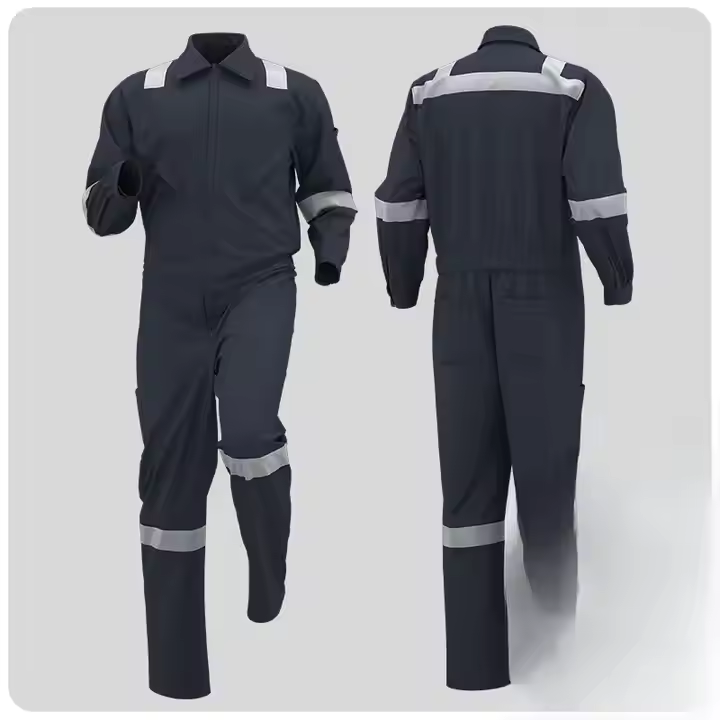
This requires biomotion visibility – reflective tape strategically placed on shoulders, arms, and legs to create a recognizable human silhouette from every angle. The SOLAS (Safety of Life at Sea) convention often requires retro-reflective materials that exceed standard hi vis specifications for workers near vessel operations.
“Our crane operators report that workers wearing properly designed hi vis workwear are visible from the cab even in challenging weather conditions, significantly reducing near-miss incidents during container operations.” – Port of Rotterdam Safety Manager
Essential Garment Types for Maritime Operations
All-Weather Essentials
- • Class 3 Hi Vis Vests: Lightweight option for warm weather dock work
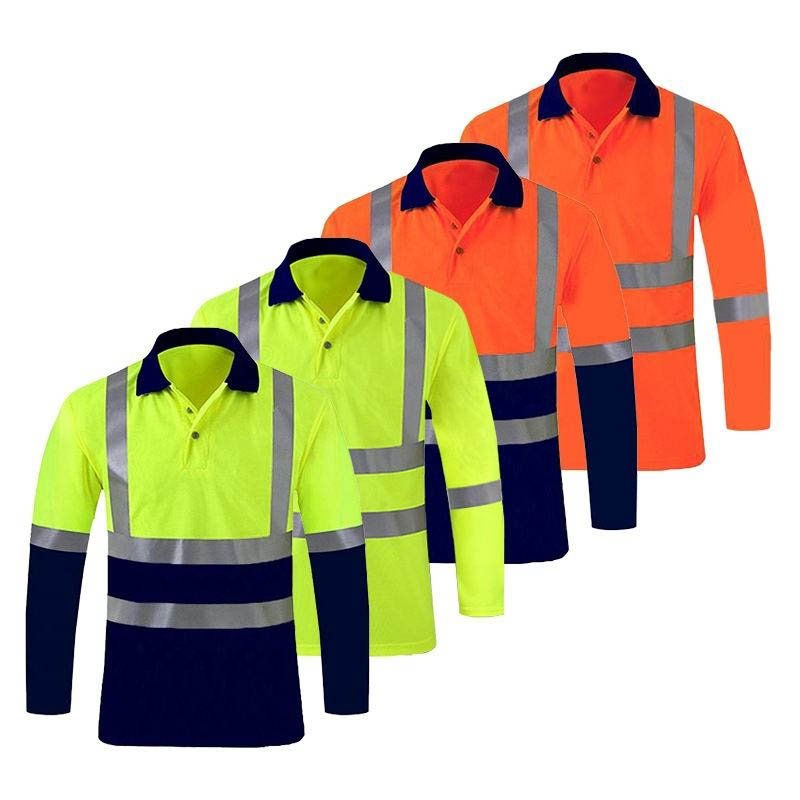
- • Long-sleeve Polo Shirts: UV protection with professional appearance
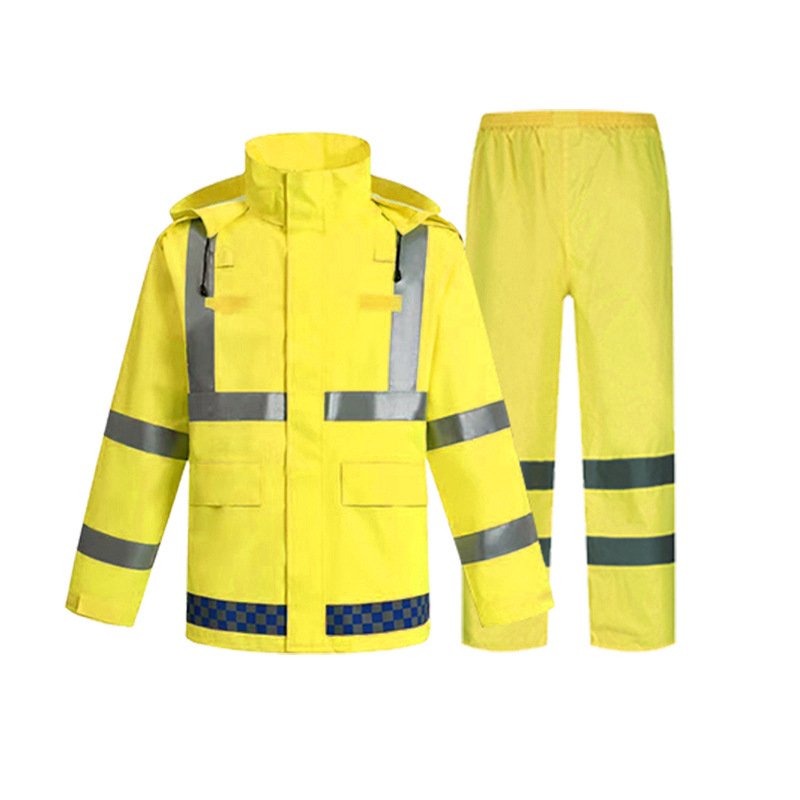
- • Waterproof Rain Suits: Essential for exposed pier operations
- • Insulated Winter Jackets: Cold-weather protection without bulk
Specialized Applications
- • FR Hi Vis Clothing: Required for fuel and chemical handling areas
- • Anti-Static Garments: Electronics and sensitive cargo operations
- • Cut-Resistant Options: Steel and heavy machinery operations
- • Flotation Vests: Workers near water edges
For comprehensive information on hi vis clothing categories, our product specialists can recommend the optimal garment mix for your specific port operations.
Marine-Grade Durability: What Procurement Managers Must Specify
Critical Specification Alert:
Standard contractor-grade hi vis clothing will fail prematurely in marine environments. Specify marine-grade components or face 2-3x replacement costs within the first year.
Non-Negotiable Marine-Grade Features
Job-Specific Functionality: Beyond Basic Visibility
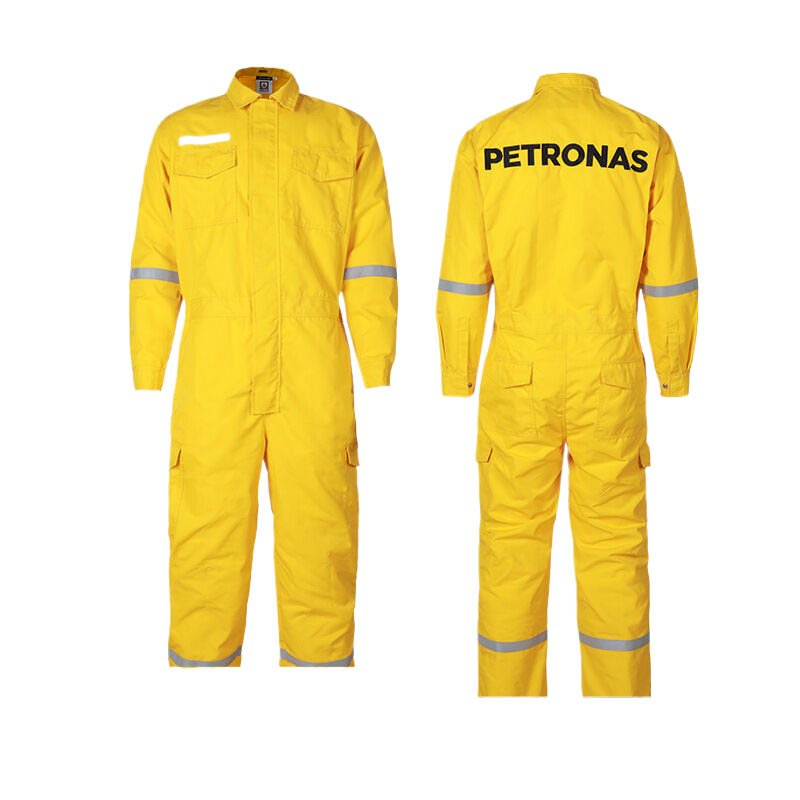
Port workers climb gangways, secure containers, operate machinery, and work in all weather conditions. Generic hi vis clothing lacks the specific functionality required for efficient and safe maritime operations.
Movement & Ergonomics
- Articulated Knees: Essential for climbing vessel gangways and accessing cargo holds
- Gusseted Crotches: Freedom of movement when stretching to secure container locks
- Reinforced Stress Points: Knees, elbows, and shoulders reinforced for durability
- Athletic Fit: Prevents loose fabric from catching on equipment
Weather Protection
- Waterproof Rating: Minimum 10,000mm/10,000g/m² for exposed pier work
- Sealed Seams: Prevent water ingress during extended rain exposure
- Breathable Linings: Prevent overheating during physical labor
- Wind-Resistant Design: Fitted cuffs and hems to prevent wind chill
Communication & Tool Integration
Port operations depend on constant communication and tool accessibility:
- • Radio Loops: Secure attachment points for two-way radios
- • ID Badge Pockets: Clear vinyl pockets for security credentials
- • Tool Attachments: D-rings and loops for safety lanyards and small tools
- • Multiple Pockets: Organized storage for documents, pens, and inspection tools
These functionality features aren’t luxuries—they’re efficiency multipliers that reduce task time and improve worker satisfaction. For detailed specifications on professional hi vis workwear, our marine logistics specialists provide customized recommendations.
Total Cost of Ownership: The Procurement Manager’s Perspective
Smart procurement managers think beyond unit price to Total Cost of Ownership (TCO). In marine environments, quality hi vis workwear delivers measurable cost savings through extended lifespan, reduced replacement frequency, and lower accident rates.
2-3x
Longer lifespan vs. standard workwear in marine environments
40%
Reduction in gear-related downtime and replacements
25%
Lower accident rates with proper visibility standards
TCO Calculation Framework
Initial Investment: Marine-grade hi vis workwear costs 30-50% more upfront
Replacement Frequency: Quality garments last 18-36 months vs. 6-12 months for standard options
Downtime Costs: Gear failure during critical operations costs $500-2000 per incident
Safety Performance: Compliance failures and accidents carry significant liability costs
Leading ports like Port of Rotterdam and Port of Singapore have standardized on premium hi vis workwear specifications specifically because the total cost of ownership favors quality over cheap alternatives.
Compliance Standards and Documentation
Non-Negotiable Standards for Marine Operations
EN ISO 20471 Class 3: Minimum standard for European ports and international shipping
ANSI/ISEA 107 Type R Class 3: Required for US ports and Coast Guard operations
SOLAS Retroreflective Materials: Enhanced visibility for vessel-adjacent operations
AS/NZS 4602.1: Australian/New Zealand compliance for regional operations
Procurement teams must request complete compliance documentation, including test reports for reflectivity values, fabric durability, and colorfastness. Coast Guard inspections and international port audits increasingly scrutinize worker PPE compliance.
For comprehensive compliance guidance and documentation support, explore our OEM/ODM customization services designed for maritime industry specifications.
Ready to Upgrade Your Port’s Hi Vis Workwear Program?
Get expert recommendations for marine-grade hi vis workwear that delivers superior TCO and compliance assurance.
Request Marine Workwear ConsultationFrequently Asked Questions
What makes hi vis workwear “marine-grade”?
Marine-grade hi vis workwear features non-corrosive zippers, UV-stabilized fabrics, salt-resistant reflective tape, and reinforced construction designed to withstand constant saltwater exposure and harsh maritime conditions.
Why is SOLAS-grade reflective tape important for port operations?
SOLAS-grade materials provide enhanced retroreflectivity that remains effective at greater distances and angles, crucial for crane operators and ship captains who need to identify workers from elevated positions up to 50 meters away.
How often should port operators replace hi vis workwear?
Marine-grade hi vis workwear typically lasts 18-36 months in port environments, while standard workwear may need replacement every 6-12 months. Replacement frequency depends on usage intensity, washing frequency, and exposure to harsh conditions.
What minimum waterproof rating should port workwear have?
Port workwear should have a minimum rating of 10,000mm/10,000g/m² for workers exposed to rain and spray. Workers in more extreme conditions may require 15,000mm+ ratings with fully sealed seams.
Can standard construction hi vis clothing be used in ports?
Standard construction workwear lacks the marine-specific features needed for saltwater environments and will fail prematurely. The total cost of ownership strongly favors marine-grade specifications for port operations.
Need expert guidance on marine logistics workwear? Our specialists understand port operations.
Get Marine Workwear Recommendations