How to Use Printable Reflective Fabric for Your Custom Brand Logo?
A strategic guide for OEM/ODM manufacturers on leveraging printable reflective fabrics to transform your brand identity into a 24/7 safety ambassador
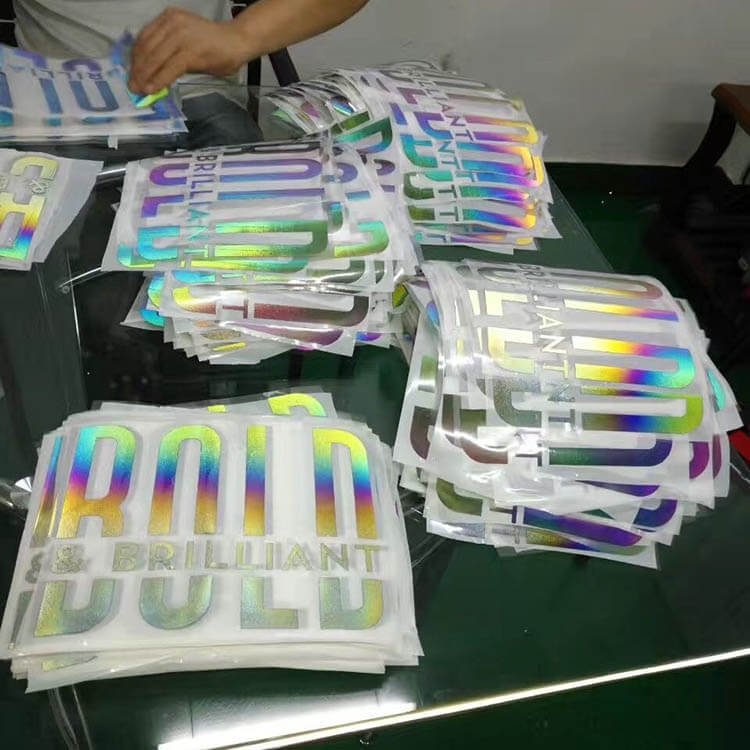
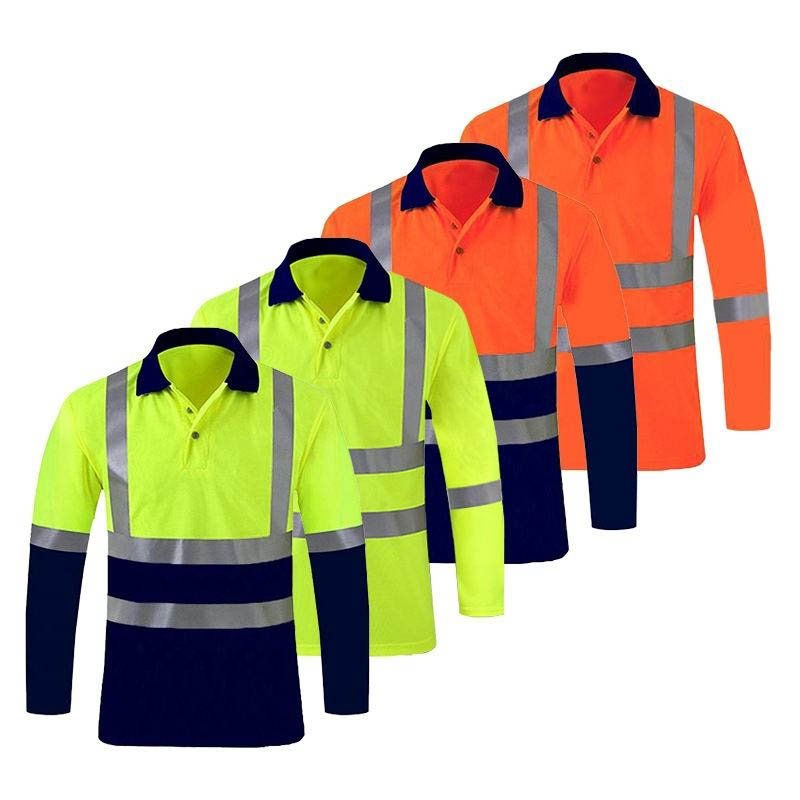
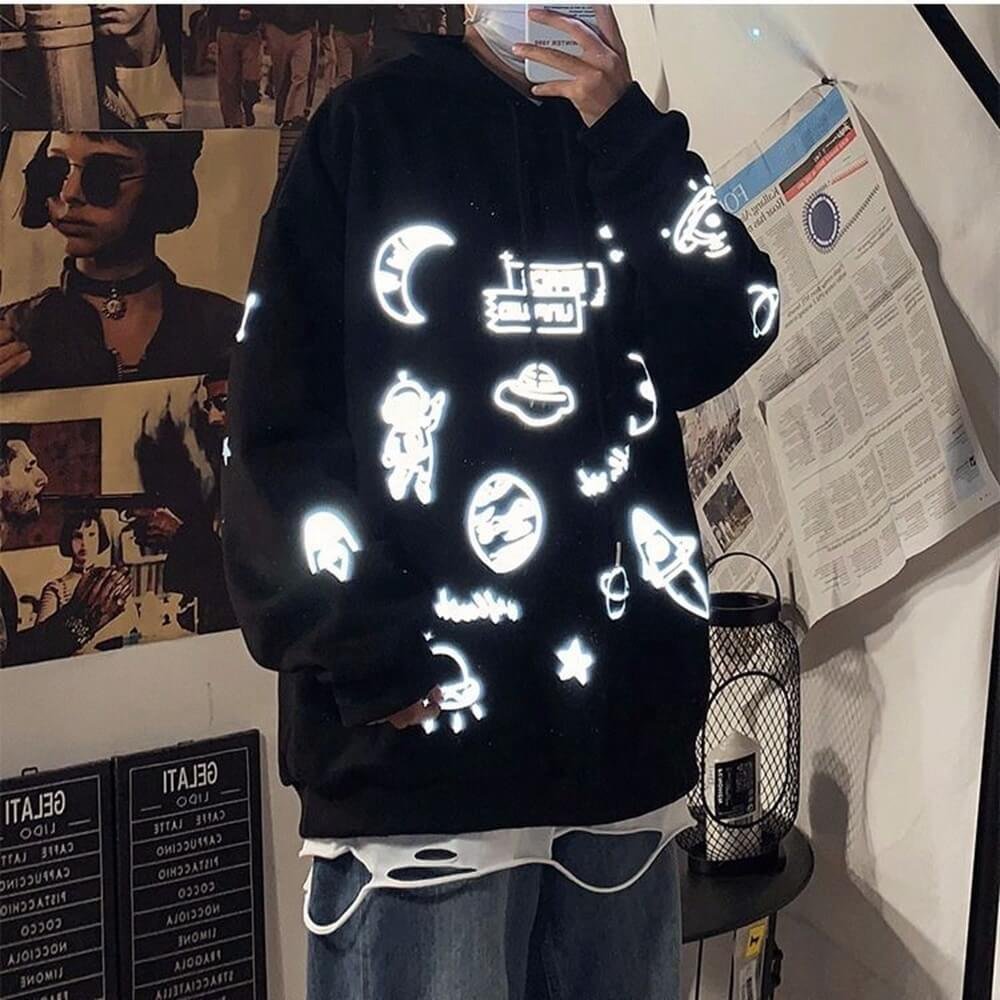
Printable reflective fabric transforms your brand identity into a functional safety component by combining custom logo printing with retroreflective technology—creating logos that are virtually invisible during daylight yet brilliantly visible under vehicle headlights at night. For OEM/ODM manufacturers, the strategic use of reflective materials means selecting between heat transfer vinyl for sharp, durable designs or direct printing for multicolor complexity, ensuring proper adhesion, material compatibility, and compliance with international standards like EN ISO 20471 or ANSI/ISEA 107. The key advantage lies not merely in aesthetics—it’s about leveraging these materials to elevate workwear from commodity products into premium branded assets that communicate a company’s unwavering commitment to employee safety while maintaining brand recognition across multiple lighting conditions and industrial laundering cycles.
Understanding Printable Reflective Fabrics
As an OEM/ODM professional, you already understand that workwear serves dual purposes: functionality and branding. Printable reflective fabrics elevate this paradigm further. Unlike traditional reflective materials that present a one-dimensional surface, printable options are engineered with specially treated surfaces that accept inks, heat transfers, or embroidery threads while maintaining their core retroreflective properties.
The fundamental difference lies in the substrate coating. Standard reflective fabrics use micro-bead or microprismatic technology to scatter light back toward its source. Printable reflective fabrics incorporate an additional receptive layer—typically a polyurethane or acrylic-based coating—that allows adhesion of printing materials without compromising the reflective elements beneath.
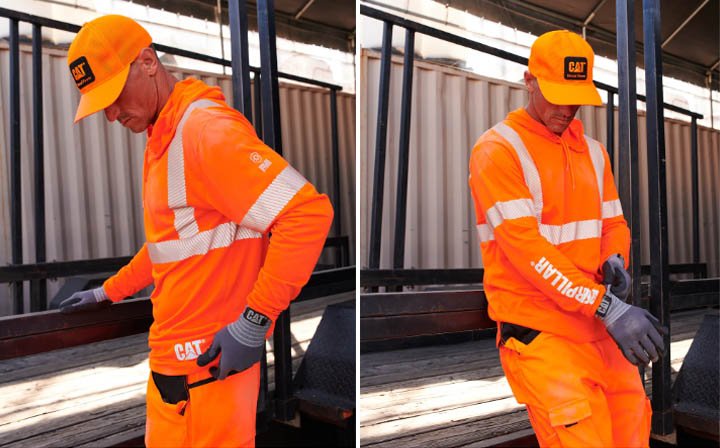
For brands seeking to make a statement in safety-critical environments, this distinction transforms logistics. Your custom logo isn’t merely decorative—it becomes a beacon of quality, demonstrating that your organization prioritizes both visibility and brand coherence. From construction sites to port operations, from railway yards to mining operations, workers see your brand on their protective gear multiple times daily, in multiple lighting conditions.
💡 Pro Insight
From my vantage point dealing with global clients, the conversation around printable reflective fabric has fundamentally shifted. It’s no longer just a technical question of “Can we do it?”. The real question my most forward-thinking clients are asking is, “How can we leverage this technology to make our brand a visible statement of quality and safety?” They’ve realized that a custom reflective logo isn’t just a decoration; it’s a 24/7 brand ambassador that doubles as a critical safety feature.
Material Selection for Optimal Results
Selecting the right printable reflective material represents the foundation of your branding strategy. The market offers several options, each with distinct advantages for different applications and budgets:
Heat Transfer Vinyl (HTV)
The most popular choice for OEM applications. HTV offers razor-sharp logo definition, excellent durability through industrial laundering, and superior color vibrancy. Available in standard reflective silver, high-intensity yellow, and white. Ideal for logos with fine detail, text components, or geometric precision. Cost per unit remains moderate even at scale, making it economically viable for high-volume production.
Reflective Direct-Print Films
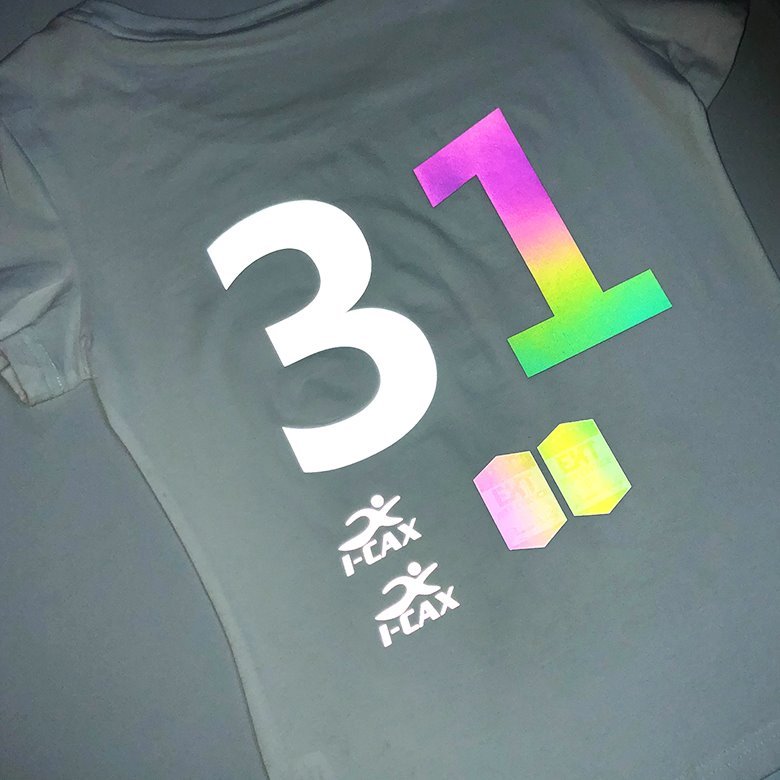
Enabling multicolor logos in a single application. Direct printing onto reflective substrate allows for photographic-quality branding with gradient blends, complex artwork, and color combinations impossible with HTV. However, requires investment in specialized printing equipment and careful post-cure handling.
Reflective Embroidery Combinations
Merging traditional embroidery threads (some now available with reflective cores) with standard reflective materials creates premium-tier products. Requires specialized embroidery digitization but delivers unparalleled durability and luxury brand positioning. Perfect for executive or supervisor-level workwear.
Your material selection should align with three critical factors: (1) Durability Requirements—industrial laundry cycles demand robust adhesion; (2) Design Complexity—simple logos favor HTV while multicolor artwork needs direct printing; and (3) Brand Positioning—economy-conscious clients may prefer HTV, while premium market segments justify embroidery investments.
Printing Methods & Technologies
The technology you employ fundamentally shapes end-product quality, production timeline, and cost structure. Understanding each method allows strategic positioning within your market segment:
1 Heat Press Transfer
Industry standard for custom workwear. Reflective vinyl is pre-cut to exact logo specifications, positioned on garment, then heat-pressed at controlled temperatures (typically 300-325°F for 10-15 seconds). Delivers permanent adhesion suitable for 50+ industrial wash cycles. Investment in quality heat press equipment ($1,500-5,000) amortizes quickly at volume.
2 Direct-to-Garment Printing
Advanced technique applying reflective ink directly to fabric using specialized inkjet or screenprint systems. Enables multicolor logos and photographic detail impossible with HTV. Requires curing process and higher per-unit cost. Better suited for lower-volume, high-design-complexity orders or premium market positioning.
3 Screen Printing with Reflective Inks
Traditional method, now enhanced by reflective specialty inks. Delivers thick ink deposits for maximum durability and vibrant appearance. Economical for large runs (500+ units) but requires separate screen setup per color. Popular for institutional branding and fleet uniforms.
4 Embroidery with Reflective Thread
Highest-end option merging traditional needle craftsmanship with modern reflective technology. Newer reflective thread innovations maintain luminescence through thousands of needle penetrations. Ideal for executive workwear, team uniforms, and premium brand positioning. Processing time longer than other methods.
Design Considerations for Maximum Impact
Translating your brand identity into reflective materials requires understanding unique technical constraints. What works perfectly for standard apparel printing demands adjustment for reflective applications:
✓ Design Best Practices
- • Minimum line width: 0.5mm to prevent print failure
- • Avoid faint details: Reflective materials don’t capture subtlety like standard printing
- • Color choice matters: Stick to silver, white, or yellow unless using direct print
- • Placement strategy: Position logos on contrast-rich backgrounds
✗ Common Pitfalls
- • Overcomplicating design: Too many elements disappear at distance
- • Ignoring placement restrictions: Logos too close to seams lift during washing
- • Undersizing: Logos smaller than 1″ (2.5cm) lose detail and visibility
- • Forgetting compliance zones: Reflective stripe placement must accommodate safety standard requirements
Your design file should be provided in vector format (AI, EPS, or PDF) rather than raster images. This ensures scalability without quality degradation and allows precise vinyl cutting. When designing for heat transfer vinyl, remember that colored backgrounds behind your logo don’t enhance the reflective effect—the reflective properties come from the vinyl itself, not surrounding material. This is where strategic logo placement becomes your competitive advantage.
Compliance & Safety Standards
For OEM/ODM manufacturers serving global markets, understanding regulatory requirements isn’t optional—it’s foundational to avoiding costly production errors and recalls. Reflective logo placement and material specifications can significantly impact compliance with international safety standards:
EN ISO 20471 (European Standard)
Requires specific retroreflectivity values measured in candelas per square meter (cd/m²). Class 1 (lowest visibility) requires 50 cd/m² on standard reflective areas. Logos and personalization must not compromise the required reflective stripe width or total reflective area. Many European clients insist on this certification.
ANSI/ISEA 107 (North American Standard)
Specifies performance requirements for visibility, reflectivity, and marking visibility. Unlike European standards, ANSI focuses on conspicuity as viewed from different angles. Logo placement that interferes with required reflective components violates this standard. Testing labs like UL (Underwriters Laboratory) provide certification services.
AS/NZS 1906.4 (Australasian Standard)
Increasingly important for Asia-Pacific market penetration. Requires garments to maintain retroreflectivity after 10 industrial wash cycles. Similar to ISO 20471 in structure but includes specific testing for tropical conditions and humidity exposure.
When integrating your custom reflective logo, obtain pre-production samples tested against the applicable standard. A reputable manufacturer maintains relationships with accredited testing laboratories and can provide ISO 20471 test reports certifying that your branded garments maintain required retroreflectivity values. This documentation becomes invaluable when selling to safety-conscious enterprise buyers.
Practical Implementation Strategy for Your OEM/ODM Operation
Moving from concept to production requires careful operational planning. Here’s the strategic pathway successful manufacturers follow:
-
1
Conduct a Design Audit
Evaluate client logos for reflective printability. Complex designs with fine gradients may require direct-print technology rather than heat transfer vinyl. Work with clients to simplify logos if needed while maintaining brand recognition.
-
2
Select Manufacturing Method
Match production volume, design complexity, and timeline to appropriate technology. Small runs with simple logos → heat transfer vinyl. Large volumes → screen printing. Complex multicolor designs → direct-print reflective films.
-
3
Source Quality Materials
Partner with established reflective material suppliers who provide test data confirming compliance with applicable standards. Never source materials from untested suppliers—quality variance directly impacts your reputation.
-
4
Produce Test Samples
Create pre-production samples representing final product quality. Submit to accredited testing labs for retroreflectivity verification and compliance certification. Build timeline buffer—testing adds 2-4 weeks to first-to-market timeline.
-
5
Optimize Production Parameters
Temperature, pressure, and dwell time for heat press applications demand precise calibration. Document optimal parameters in standard operating procedures. Train production staff to recognize defects—misalignment, insufficient adhesion, or color inconsistency.
-
6
Implement Quality Control
Establish visual inspection protocols at multiple production stages. 100% final inspection of logo placement, adhesion, and color fidelity. Consider periodic retroreflectivity testing on production batches to maintain compliance documentation.
For comprehensive technical specifications on various reflective fabric options and material properties, we encourage exploring our complete reflective materials resource center. Understanding substrate materials, adhesive technologies, and performance characteristics forms the foundation of successful custom branding integration.
Frequently Asked Questions
What is the difference between standard reflective fabric and printable reflective fabric? ▼
Printable reflective fabric is specifically engineered with a coating that accepts heat transfer or direct printing techniques, allowing for precise color reproduction and logo detail. Standard reflective fabric may not provide the same level of print adhesion or color vibrancy, making printable options superior for custom branding while maintaining all retroreflective safety properties.
What are the main printing methods for reflective fabric logos? ▼
The primary methods include: (1) Heat Transfer Vinyl (HTV)—cutting designs from reflective film and heat-pressing onto garments; (2) Direct-to-Garment printing—printing directly with specialized inks; (3) Screen printing—using reflective inks; and (4) Embroidery—combining reflective threads with traditional needlework for premium finishes. Each offers distinct advantages based on design complexity and volume.
How do I ensure my reflective logo maintains EN ISO 20471 certification after printing? ▼
Choose certified printable reflective materials that meet standards before application. Work with experienced manufacturers who understand color placement requirements—logos and designs should not compromise the required retroreflective stripe width and placement. Always request pre-production samples tested against the specific standard you need, with documentation from accredited laboratories.
What’s the minimum logo size for printable reflective fabric applications? ▼
For heat transfer vinyl and direct printing, minimum practical size is approximately 1 inch (2.5cm) for sharp, clear details. Smaller logos lose definition and reflective properties may be compromised. However, this varies by printing method—embroidered reflective logos can be smaller while maintaining quality.
Can I use multiple colors in a custom reflective logo? ▼
Yes, but with considerations. Standard reflective films come in silver, white, and yellow. For multicolor designs, you have options: (1) Layer multiple colored films; (2) Use direct-printing with reflective inks in various colors; or (3) Combine reflective materials with standard threads in embroidery. Each method affects cost and durability differently.
How many wash cycles will a printed reflective logo survive? ▼
Industrial-grade printable reflective materials typically withstand 30-50+ wash cycles when applied correctly. Durability depends on application method, fabric base, adhesive quality, and wash conditions. Heat-transfer vinyl generally lasts longer than direct printing. Always specify durability requirements with your manufacturing partner and request testing documentation.
Ready to Elevate Your Brand with Custom Reflective Logos?
Transform your workwear into premium branded safety equipment. Our OEM/ODM expertise spans material selection, design optimization, and compliance certification—ensuring your reflective logos meet international standards while delivering maximum brand impact.
Request Custom Logo Consultation →Related Resources for OEM/ODM Manufacturers
Reflective Fabrics Guide
Comprehensive overview of reflective material types, specifications, and applications for professional workwear manufacturing.
Advanced Safety Standards
Understanding international safety compliance frameworks for hi-vis apparel and reflective components across global markets.
ISO 20471 Standard
Official documentation for high-visibility clothing requirements and safety performance testing protocols.
Partner with VizGlo Safety for Your OEM/ODM Custom Branding Needs
As a leading manufacturer of reflective materials and hi-vis workwear, VizGlo Safety combines 15+ years of manufacturing expertise with deep knowledge of global safety standards. We’ve helped OEM/ODM partners across five continents transform their brand vision into market-ready, compliance-certified products. From initial design consultation through full-scale production and quality certification, we partner with you every step of the journey.
Connect with Our OEM/ODM Specialists Today