How to Reduce Hi Vis Workwear Procurement Costs Without Compromising Safety
For procurement managers, safety officers, distributors, and project contractors, the smartest way to lower hi vis workwear costs is not to chase the cheapest vest or jacket. It is to reduce waste, extend garment life, simplify purchasing, and protect compliance at the same time.
Quick Answer: How Can You Reduce Hi Vis Workwear Procurement Costs Safely?
To reduce hi vis workwear procurement costs without compromising safety, stop buying only by unit price and evaluate total cost of ownership instead: choose garments certified to the right standard, match fabric and reflective materials to the working environment, standardize SKUs across teams, consolidate suppliers, order in planned bulk quantities, integrate logos during production, and set replacement cycles based on actual wash performance and wear conditions. A slightly higher-priced certified vest, jacket, polo, or rain suit that lasts 40–50 washes can be cheaper over a year than a low-cost garment that fades, shrinks, or loses reflective performance after 10–15 washes. The goal is not to buy the cheapest hi vis clothing; it is to buy the right compliant workwear with fewer failures, fewer urgent reorders, lower administration costs, and reduced safety liability.
I have had this conversation with procurement teams in Houston, Hamburg, Manchester, Melbourne, and Dubai: “Can we get the unit price down?” It is a fair question. Budgets are real, especially when you are buying hundreds or thousands of pieces for road crews, construction teams, railway contractors, warehouse staff, energy workers, or municipal service teams. But in high visibility workwear, a narrow focus on price often creates a more expensive problem later.
Hi vis clothing is not a promotional giveaway. It is part of a company’s personal protective equipment program. When fluorescent fabric fades, reflective tape delaminates, zippers break, seams open, or a garment falls below the required visibility level after repeated washing, the “saving” on the purchase order disappears quickly. You pay again through replacement orders, production downtime, inconsistent branding, warehouse complexity, and the much larger risk of failed inspections or workplace incidents.
This guide explains how experienced B2B buyers reduce cost the right way: through better planning, better specifications, and better supplier collaboration. If you are building or upgrading a full company workwear program, you can also review VizGlo’s complete hi vis clothing range and our dedicated hi vis workwear solutions for bulk and customized orders.
Why Cheap Hi Vis Clothing Can Cost More Long-Term
The lowest quote usually reduces cost in the most visible place—the invoice. But the hidden costs show up in the months after delivery. A bargain safety vest that looks acceptable on day one may lose color intensity, develop curled reflective tape, or fail after a short wash cycle. A low-cost rain jacket may save a few dollars per unit but cause complaints if it traps sweat, leaks at the seams, or has weak fasteners. A hoodie with poor reflective application may look fine in daylight but perform poorly in low-light vehicle environments.
Procurement teams should ask one simple question before approving a cheaper item: “How many compliant working days will this garment deliver?” If Product A costs $6 and lasts 10 washes, while Product B costs $9 and lasts 50 washes, Product B is normally the cheaper operational choice. The same logic applies to jackets, rainwear, polos, trousers, coveralls, and reflective materials.

“The real procurement question is not: how cheap can this vest be? It is: how long will this garment remain compliant, wearable, and trusted by workers?”
For regulatory context, buyers may refer to official safety resources such as the OSHA PPE guidance, the ISO page for EN ISO 20471-related visibility standards, and ANSI/ISEA 107 information. These references help procurement and safety teams understand why compliance documentation should be treated as risk control, not paperwork.
Standardize SKUs Across Your Workforce
One of the fastest ways to reduce procurement cost is SKU standardization. Many companies unintentionally create a fragmented workwear program: one supplier for vests, another for jackets, a local decorator for logos, a separate supplier for rainwear, and different specifications for each branch or project. This leads to inconsistent quality, small-order premiums, complex inventory, and more administrative work.
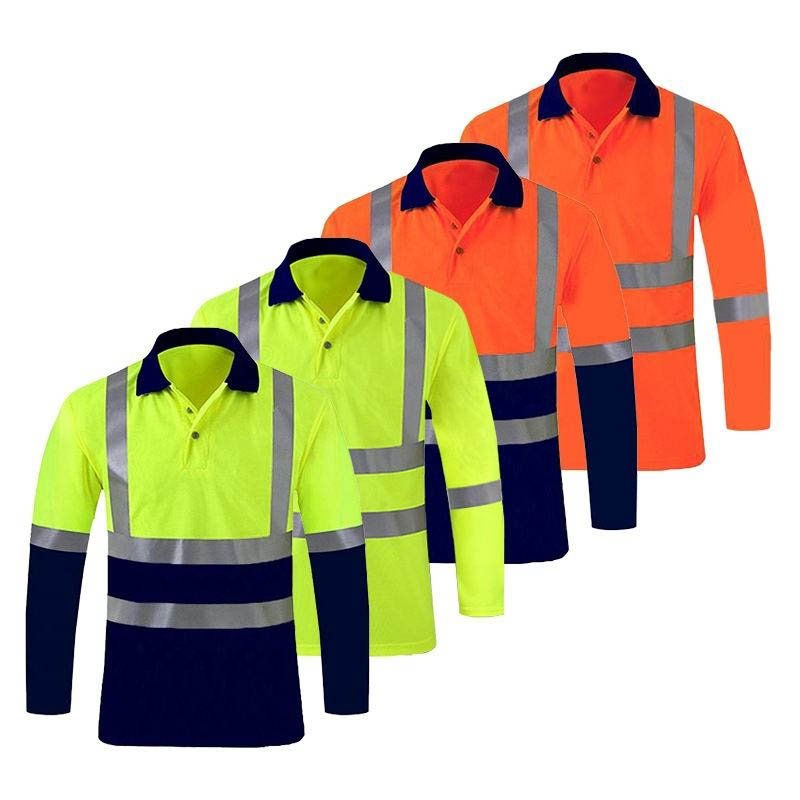
A better approach is to build a core approved range. For example, a company might standardize around five essential categories: safety vests, short-sleeve or long-sleeve polos, hoodies or sweatshirts, waterproof jackets or rain suits, and work trousers. Different teams can still receive garments suited to their environment, but the fabrics, colors, reflective tape layout, logo placement, packaging, labels, and compliance requirements remain controlled.
Before SKU Standardization
- Multiple suppliers and inconsistent quality
- Small orders with higher unit prices
- Different logo colors, labels, and packaging
- Difficult replenishment and stock control
After SKU Standardization
- Better volume pricing
- Consistent compliance and appearance
- Easier forecasting and reorder planning
- Lower admin cost per purchase
If your team needs different categories under one program, explore VizGlo’s high visibility vests, hi vis polo shirts and T-shirts, and hi vis raincoats to build a more unified purchasing structure.
Use Bulk Ordering to Reduce Unit Cost—But Do Not Overbuy Blindly
Bulk ordering is a proven way to lower unit cost, especially when the supplier can plan fabric purchasing, cutting, reflective tape application, logo production, and packaging in one controlled run. However, bulk buying only works when the quantities and size ratios are accurate. Overbuying the wrong sizes ties up cash and warehouse space. Underbuying creates urgent replenishment orders, air freight, and production disruption.
A practical ordering formula should include current workforce headcount, expected new hires, replacement stock, seasonal garments, damaged-garment allowance, and project-specific buffers. For many industrial teams, a single worker may need more than one item: a vest for visitors or short site access, a polo for warm weather, a hoodie for cool mornings, and a waterproof outer layer for rain or winter conditions.
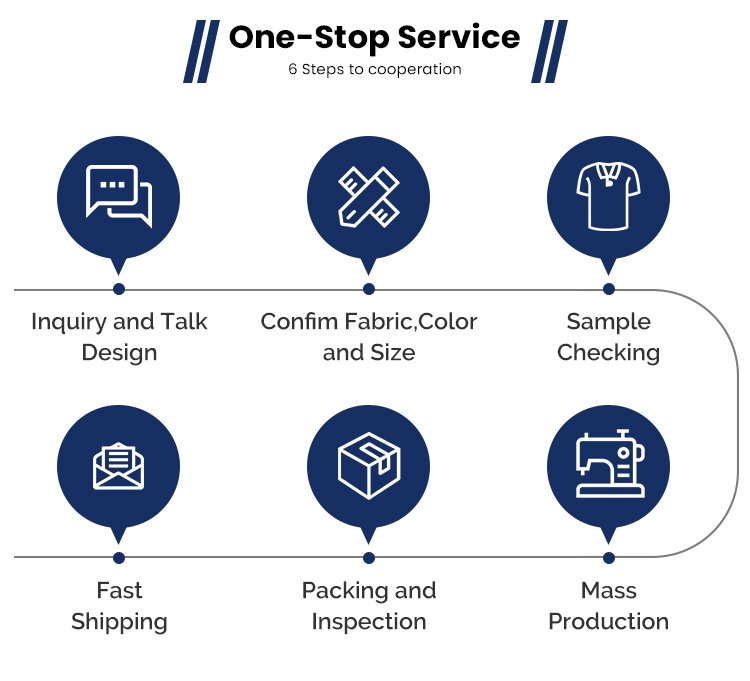
Procurement teams should also compare sea freight, air freight, and delivery schedules before ordering. International buyers can use resources such as ICC Incoterms rules to understand trade terms, and trade.gov international trade resources for broader importing considerations. Freight planning is often overlooked, but it can have a major impact on the real landed cost of hi vis workwear.
Choose Fabric and Reflective Materials by Lifespan, Not Just Specification Sheets
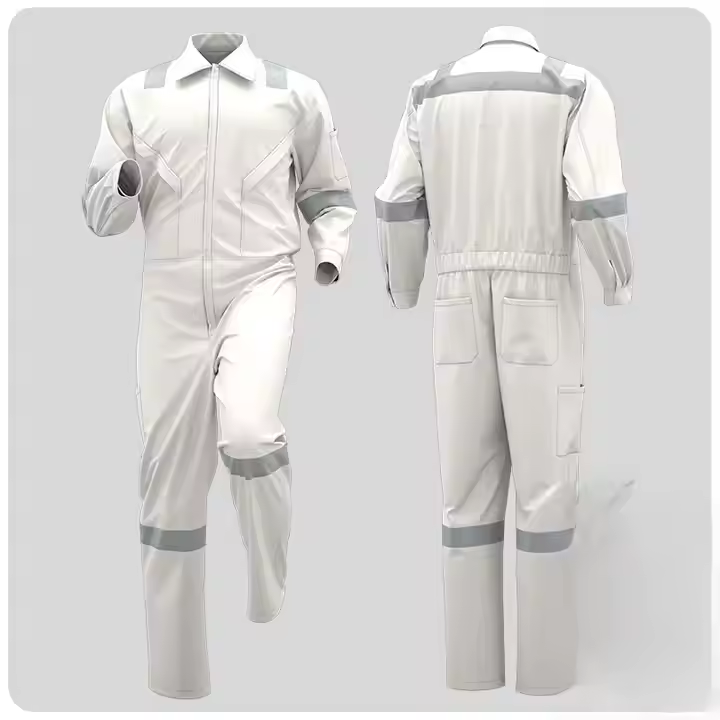
The right material choice depends on the job. A logistics warehouse in a warm climate may need lightweight breathable polos and vests. A railway or roadwork crew may need higher durability, strong reflective tape placement, and garments that hold visibility under repeated laundering. A port, construction, or mining team may require rainwear, heavy-duty stitching, reinforced pockets, or special functional finishes.
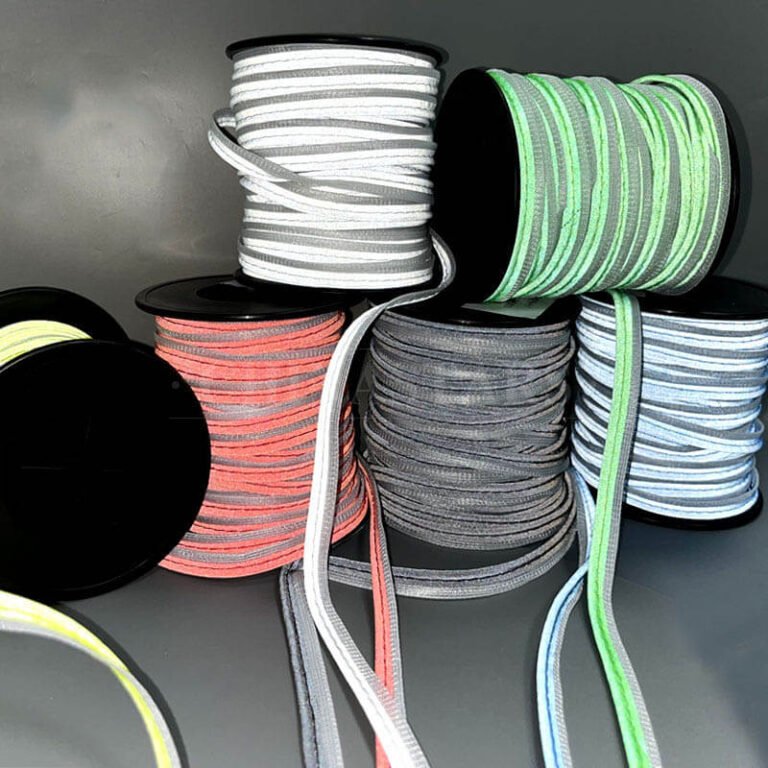
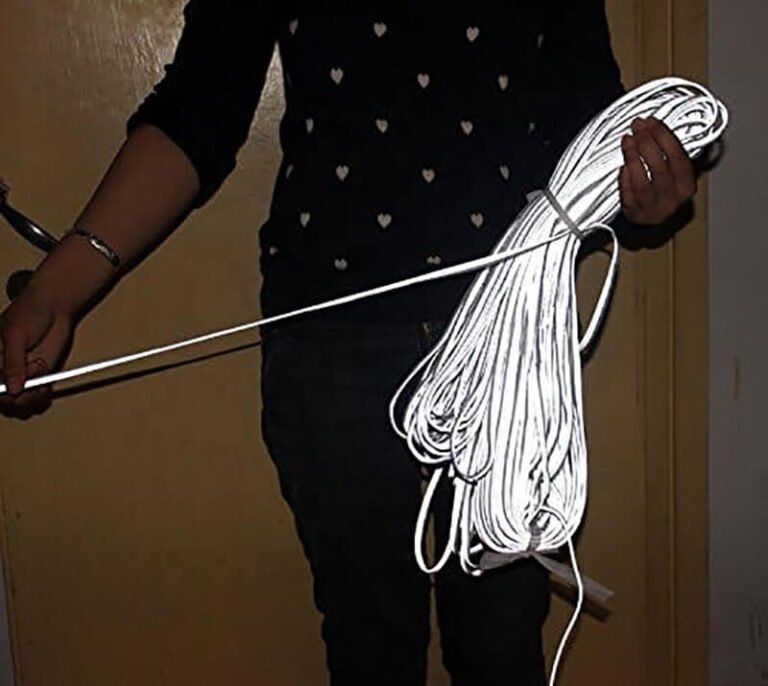
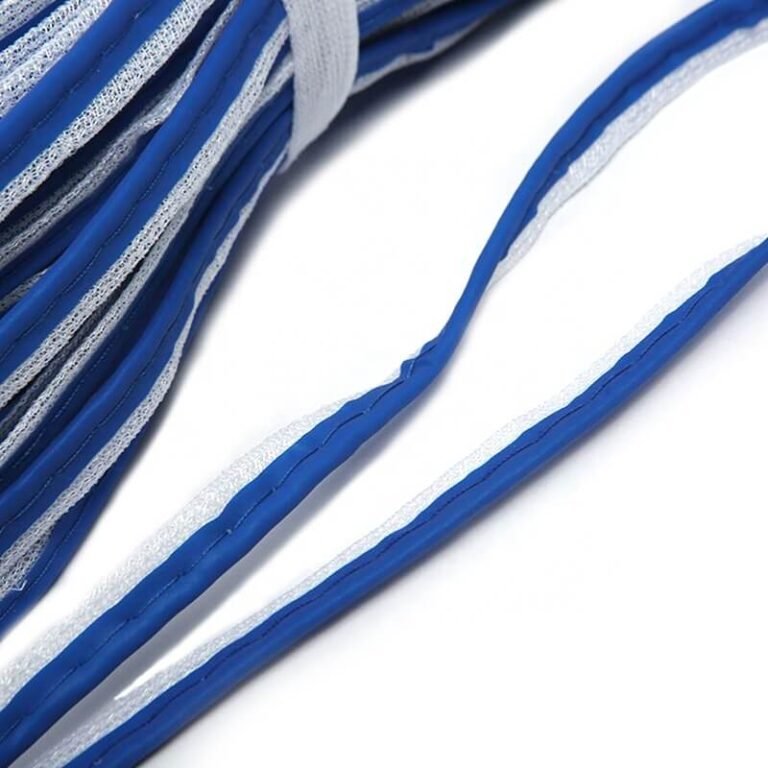
Cost savings come from matching performance to reality. Over-specification wastes budget; under-specification creates failure and risk. For example, a very heavy fabric may be unnecessary for indoor logistics teams and may reduce worker comfort. But using a fragile fabric for construction or mining can cause early tearing and replacement. Similarly, reflective tape should be selected based on wash durability, brightness, flexibility, and application method.

As a vertically integrated manufacturer of both hi vis clothing and reflective materials, VizGlo Safety can help buyers align garment construction with reflective performance. This is especially useful for companies that need consistent brightness, wash resistance, and customized branding across multiple garment types.
Integrate Logo Customization During Production
Many buyers order blank hi vis garments first, then send them to a local decorator for logos. That can work for small urgent orders, but for ongoing programs it often increases cost. Separate decoration means extra transport, handling, coordination, rejection risk, inconsistent color matching, and longer lead times.
A better method is to integrate branding into the original production plan. Logo placement, printing method, reflective logo options, washing labels, packaging, carton marks, and barcode requirements can be confirmed before mass production. This reduces rework and gives buyers a more professional, unified result.
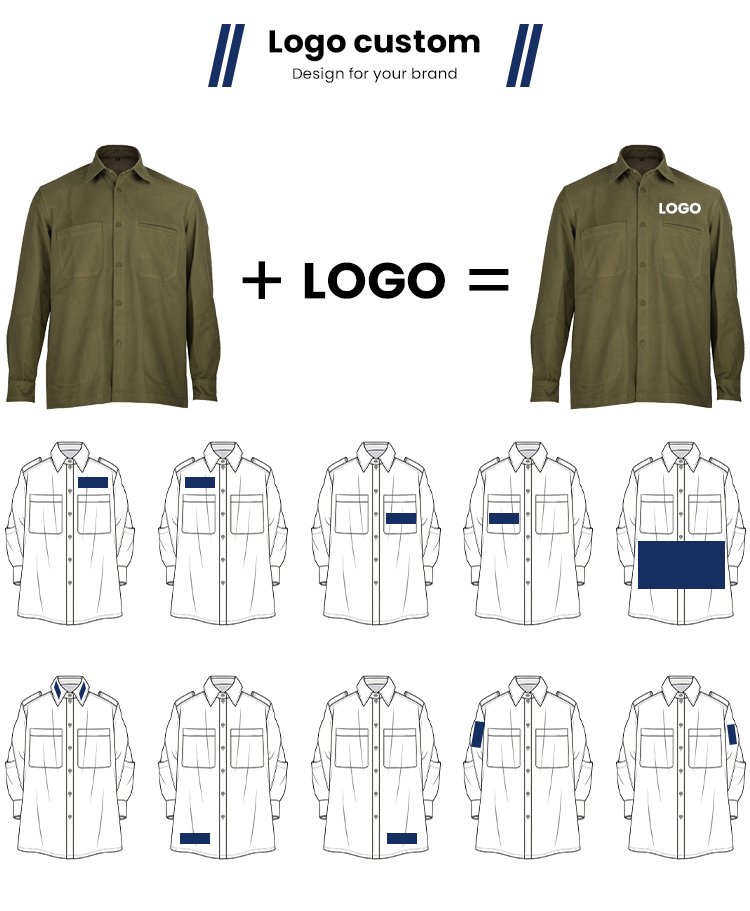
For buyers managing private label products, distributor catalogs, or corporate uniforms, VizGlo’s OEM/ODM customization service can support logos, labels, hangtags, packaging, reflective patterns, and garment design modifications within one project workflow.
Plan Replacement Cycles to Avoid Urgent Orders
Emergency purchasing is expensive. When garments fail sooner than expected, companies often place rushed orders, accept whatever stock is available, or use air freight to solve a problem that could have been prevented. Planned replacement cycles help procurement teams maintain compliance while controlling budget.
Replacement planning should consider garment type, work environment, washing frequency, and worker behavior. A vest used by short-term visitors may last longer than a jacket used daily on a wet construction site. A warehouse polo may face less abrasion than a mining or roadwork garment. The same product can have different lifespans in different environments.
A practical approach is to create a replacement calendar and buffer stock plan. For example, issue core garments at the start of a project, inspect them at fixed intervals, and schedule planned replenishment before the busiest season. This helps avoid last-minute price pressure and gives your supplier time to prepare fabric, reflective tape, labels, and packaging correctly.
Compare Suppliers by Total Landed Cost, Not Only FOB Price
Supplier comparison should include more than the listed unit price. A professional hi vis workwear quote should make it clear what is included: fabric composition, fabric weight, reflective tape type, certification level, size range, logo cost, label cost, packaging, carton dimensions, sample charges, production lead time, payment terms, freight terms, and document support.
Total landed cost includes the product price plus customization, inspection, freight, duty, warehousing, local distribution, replacement loss, and administration. If a cheaper supplier causes late delivery, inconsistent sizing, failed inspection, poor stitching, or missing compliance documents, the actual cost may be higher than a slightly more expensive supplier with stable production and quality control.
| Cost Factor | Low-Price Risk | Better Procurement Practice |
|---|---|---|
| Fabric | Fading, shrinkage, tearing | Match fabric weight and finish to job conditions |
| Reflective Tape | Peeling, cracking, poor brightness | Specify wash durability and performance requirements |
| Compliance | Inspection failure or liability exposure | Request certificates and test reports |
| Customization | Extra local decoration cost | Integrate logo and labels during production |
| Logistics | Urgent freight and split shipments | Plan bulk orders and reorder cycles early |
External references such as the UK HSE PPE guidance and EU-OSHA PPE resources are useful reminders that PPE procurement is a safety management decision, not just a sourcing exercise.
A Practical Cost-Reduction Checklist for Hi Vis Workwear Buyers
- ✓Define the working environment before requesting a quote: traffic, weather, washing frequency, abrasion, flame risk, and job role.
- ✓Standardize core garments and reduce unnecessary SKU variation across branches or sites.
- ✓Compare cost per compliant use, not simply cost per piece.
- ✓Ask suppliers for certificates, test reports, and wash-performance information.
- ✓Bundle vests, polos, jackets, rainwear, and reflective materials with one capable supplier where practical.
- ✓Integrate logos, labels, and packaging during mass production to reduce secondary handling.
- ✓Plan replacement cycles and buffer stock to avoid urgent reorders.
- ✓Review total landed cost, including freight, duty, quality risk, lead time, and after-sales support.
Work With a Supplier Who Thinks Like a Procurement Partner
The best savings usually come from a supplier who is willing to ask difficult questions before quoting: Where will the garments be used? How often are they washed? Which workers need full-body visibility? Do you need men’s and women’s sizing? Are you shipping to one warehouse or multiple locations? Do you need private labels, barcodes, or carton marks? Is the order seasonal or recurring?
Nanjing VizGlo Safety Technology Co., Ltd. supports global distributors, private labels, and enterprise buyers with vertically integrated production of hi vis clothing and reflective materials. With more than 15 years of experience, we help customers optimize garment specifications, production planning, logo integration, compliance documentation, and bulk delivery.

Whether you are purchasing for construction, road work, logistics, railway, mining, or energy projects, the safest cost reduction strategy is to build a repeatable procurement system. Visit our industry solutions page or browse our hi vis workwear product center to start planning a cost-optimized workwear program.
Need a Cost-Optimized Bulk Hi Vis Workwear Quote?
Send us your garment list, target market, standards, quantities, logo requirements, and expected delivery schedule. Our team will help you reduce total procurement cost while keeping safety and compliance at the center of the specification.
FAQ: Reducing Hi Vis Workwear Procurement Costs
Is cheaper hi vis workwear always a bad choice?
Not always. A lower-cost garment may be suitable for short-term visitors, low-risk environments, or temporary projects. The problem appears when buyers use low-cost garments for demanding daily work where durability, washing performance, and compliance must be maintained.
What is the best way to compare hi vis workwear prices?
Compare total cost of ownership: unit price, expected wash life, replacement frequency, certification documents, logo cost, packaging, freight, lead time, and supplier reliability. A quote with a slightly higher unit price can be more economical if the garment lasts longer and reduces reorder frequency.
How can bulk ordering reduce hi vis workwear cost?
Bulk ordering allows the manufacturer to purchase materials efficiently, reduce production changeovers, combine logo and packaging work, and optimize freight. The key is to calculate accurate quantities and size ratios so you do not overstock slow-moving sizes.
Should we use one supplier for all hi vis workwear categories?
In many B2B programs, supplier consolidation helps reduce cost and improve consistency. One capable supplier can manage vests, polos, hoodies, jackets, rainwear, reflective materials, labels, packaging, and compliance documents under a unified specification.
How does customization affect procurement cost?
Customization can increase cost if it is handled after purchase by a separate decorator. It is usually more cost-effective to integrate logos, labels, hangtags, and packaging during production, especially for recurring bulk orders or private label programs.