Reflective Tape for Clothing vs. Vehicles: What’s the Difference?
Understanding the engineered systems that make each tape type perform in its specific environment
The Essential Answer
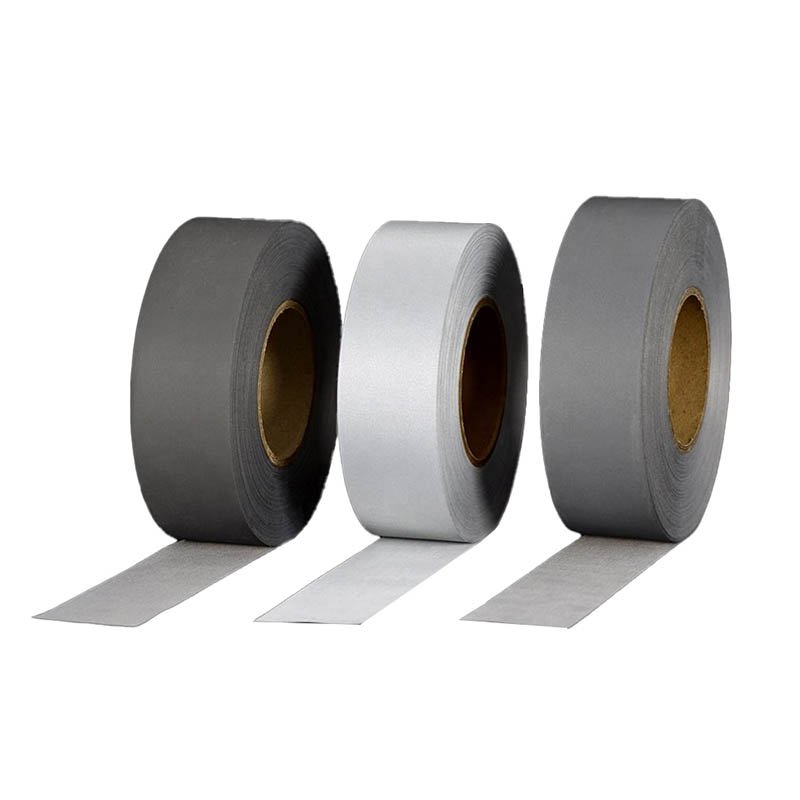
Reflective tape for clothing and vehicles are engineered solutions for fundamentally different environments: Clothing tape prioritizes flexibility, comfort, and washability—it uses soft, pressure-sensitive adhesives that accommodate constant body movement and repeated laundering without cracking or delaminating. Vehicle tape, conversely, demands rigidity, permanent adhesion, and extreme durability—it employs high-tack, weather-resistant adhesives formulated to bond permanently to metal, glass, and painted surfaces while withstanding road grit, UV radiation, and temperature extremes. Applying rigid vehicle tape to clothing creates a recipe for failure: the adhesive will crack under the natural flexion of arm movement, peel away after just a few washes, and become painfully uncomfortable against the skin. Conversely, using soft garment tape on a vehicle leaves you with poor adhesion that fails in harsh weather and insufficient resistance to abrasion. The core difference isn’t just “flexible vs. rigid”—it’s about the entire engineered system: the reflective technology itself, the bonding agents, the topcoat chemistry, and the specific safety standards (ANSI/ISEA 107 for garments vs. DOT-C2 for vehicles) they are designed to satisfy. Getting this choice wrong undermines product longevity, regulatory compliance, and—most critically—personnel safety.
Why This Distinction Matters: Real-World Consequences
In my years evaluating global supply chains, I’ve witnessed thousands of well-intentioned procurement teams make this one critical mistake: they source a single “reflective tape” specification, assuming one product can serve all purposes. The result? Catastrophic failures ranging from worker dissatisfaction to regulatory non-compliance to actual safety incidents.
❌ Using Vehicle Tape on Clothing
- • Cracks after 3-5 wearings due to arm flexion
- • Delaminates after first wash cycle
- • Creates stiff, uncomfortable patches
- • Aesthetically unappealing and unprofessional
- • Void product warranties and safety certification
- • Potential liability issues for employers
❌ Using Clothing Tape on Vehicles
- • Fails to bond to metal or painted surfaces
- • Peels off within weeks of road exposure
- • Inadequate adhesion in hot/cold cycles
- • Insufficient resistance to UV and moisture
- • Fails DOT-C2 or regional vehicle standards
- • Safety visibility compromised or eliminated
5 Key Technical Differences Explained
Adhesive Formulation: Pressure-Sensitive vs. High-Tack
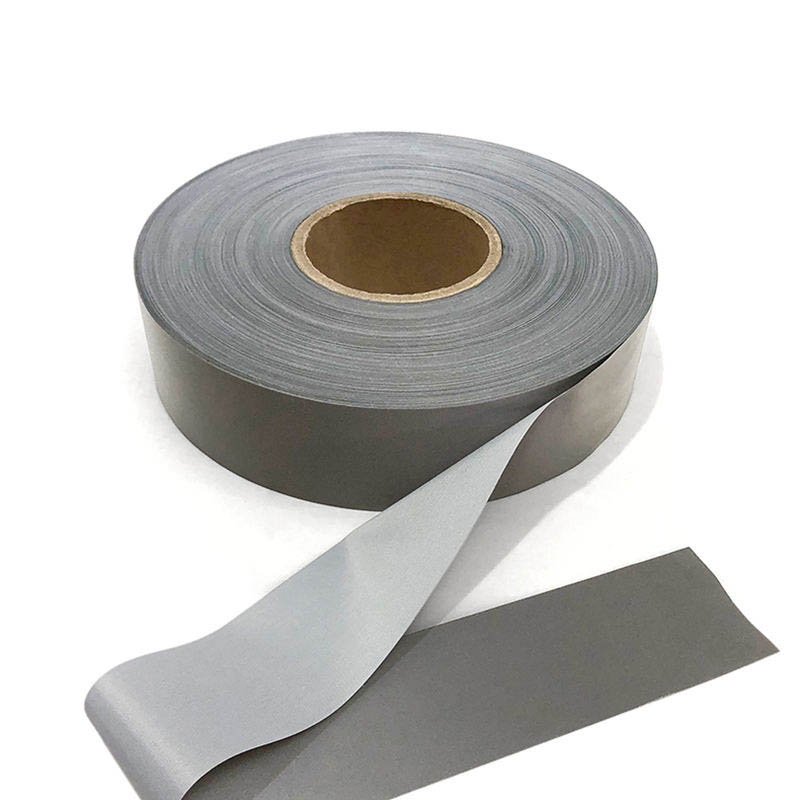
Clothing tape employs a pressure-sensitive adhesive (PSA) that activates through gentle pressure and conforms to fabric texture. This adhesive bonds effectively to textile fibers without requiring heat or extreme force. It remains slightly flexible even after curing, allowing micromovement between the tape and fabric.
Vehicle tape uses a high-tack, semi-permanent adhesive formulated to create an irreversible bond with rigid, non-porous surfaces. This adhesive requires firm, sustained pressure and often activates through heat or solvent activation. Once set, it becomes nearly rigid itself—designed to maintain structural integrity under extreme conditions.
Flexibility: Designed for Movement vs. Immobility
This is where the contrast becomes visceral. Clothing tape is engineered to flex continuously—bending to accommodate arm movement (up to 30° of flexion in service), stretching with the garment’s natural give, and recovering to its original shape. The backing material itself is typically a soft, elastic film or woven composite.
Vehicle tape features a rigid, dimensionally stable backing (usually a polyester or vinyl film with minimal stretch). It’s designed for immobility—once applied, it should not flex or stretch. Any flexion would compromise the adhesive bond and create micro-separations where moisture could infiltrate and cause delamination.
Top Layer Protection: Washability vs. Weather Resistance
Clothing tape features a soft topcoat that permits washing and drying cycles. The topcoat is designed to survive mechanical scrubbing, detergents, and spin-cycle temperatures (up to 60°C / 140°F) without degradation. It maintains a degree of give—you can flex the tape dry without hearing crackling.
Vehicle tape employs a hardened topcoat—often a tough polyurethane or acrylic layer—that resists road grit, UV radiation, and temperature extremes (−20°C to +70°C / −4°F to 158°F). This topcoat is brittle by design; its rigidity protects the reflective layer beneath but would crack catastrophically if subjected to repeated flexion or washing.
Durability Profile: Wash-Cycles vs. Environmental Extremes
Clothing tape is rated for a specific number of domestic wash-and-dry cycles—typically 20–50 cycles at standard industrial laundry conditions. Beyond this, color begins to fade and bonds weaken (though not cataclysmically). The tape prioritizes short-to-medium lifecycle predictability aligned with garment lifecycles.
Vehicle tape is engineered for years of continuous outdoor exposure. A vehicle reflective stripe applied today should maintain reflectivity and adhesion for 5–7+ years, weathering thousands of thermal cycles, UV exposure, rain, salt spray, and road salt. Instead of wash cycles, durability is measured in years and environmental severity indices.
Safety Standards: Different Regulatory Pathways
Clothing tape must comply with garment-specific standards such as ANSI/ISEA 107 (USA), EN ISO 20471 (Europe), or regional equivalents. These standards test for minimum candela (luminous intensity), color retention through washing, flexibility, and comfort.
Vehicle tape follows transportation-focused standards like DOT-C2 (Department of Transportation, USA), FMVSS 108 (Federal Motor Vehicle Safety), or ADR 49 (Australian Design Rules). These prioritize adhesion, retroreflectivity, and long-term outdoor durability—not washability.
Understanding Adhesive System Design
The adhesive is where the rubber meets the road—literally. Let’s demystify how these systems differ at a molecular level:
Clothing Reflective Tape Adhesive Profile
- Base Chemistry: Acrylic or rubber-based pressure-sensitive adhesive (PSA)
- Activation: Pressure-sensitive; activates at room temperature with gentle hand pressing
- Tack Level: Low to medium; just enough to bond without leaving sticky residue
- Flexibility: Retains 20–40% elasticity even after curing
- Setting Time: 24–72 hours to full cure; reversible for hours
- Wash Resistance: Formulated to survive 50+ domestic wash cycles
- Solvent Resistance: Moderate; detergents and fabric softeners don’t cause delamination
Vehicle Reflective Tape Adhesive Profile
- Base Chemistry: Polyurethane, silicone, or solvent-based high-tack adhesive
- Activation: Heat-activated or requires sustained pressure (20–30 psi); some use solvent primers
- Tack Level: High (5–8 on adhesive strength scale); creates near-permanent bond
- Flexibility: Minimal; cures to near rigidity for structural stability
- Setting Time: 24–48 hours; largely irreversible
- Weather Resistance: Formulated to survive −20°C to +70°C thermal cycling and UV
- Solvent & Salt Resistance: Resistant to gasoline, brake fluid, road salt, and cleaning solvents

The Flexibility Factor: Why It’s Non-Negotiable
Here’s a scenario I’ve witnessed dozens of times: A procurement manager sources a bulk order of “industrial-grade reflective tape” at a discount. It’s marketed as “premium” and “heavy-duty.” Upon application to safety vests, the tape feels stiff and unnatural. After the first wash, workers report peeling and cracking. Within weeks, the entire order is replaced at three times the original cost.
The culprit? Vehicle-grade tape. It’s “industrial-grade,” but for the wrong industry.
The Biomechanics of Body Movement
When a construction worker bends their arm to pick up debris, the tape on their safety vest experiences significant stress:
- 🔹 Bending: Up to 30° of flexion at the elbow
- 🔹 Stretching: Fabric expands 5–15% when the arm extends fully
- 🔹 Shearing: Tape twists during torso rotation
- 🔹 Compression: Underarm movement compresses tape against skin
- 🔹 Repeated Cycles: This happens thousands of times per work shift, every day
Rigid vehicle tape cannot accommodate this complexity. Its adhesive bond fractures under these stresses, creating microscopic separations. Moisture wicks in. Within days, visible delamination begins. Within weeks, the tape is gone.
Flexible clothing tape, by contrast, is engineered to absorb these micro-stresses. The soft backing material “gives” without tearing. The flexible adhesive stretches and recovers thousands of times without fatigue. The bond remains intact.
“The difference between clothing and vehicle tape is the difference between a gymnast’s joint and a steel beam. One needs to bend and recover; the other needs to stand immobile and rigid. Using the wrong design for the wrong application is like replacing a gymnast’s joints with steel.”
Durability Profile & Wash Performance
Clothing Tape Durability
Vehicle Tape Durability
Safety Standards & Compliance: A Regulatory Roadmap
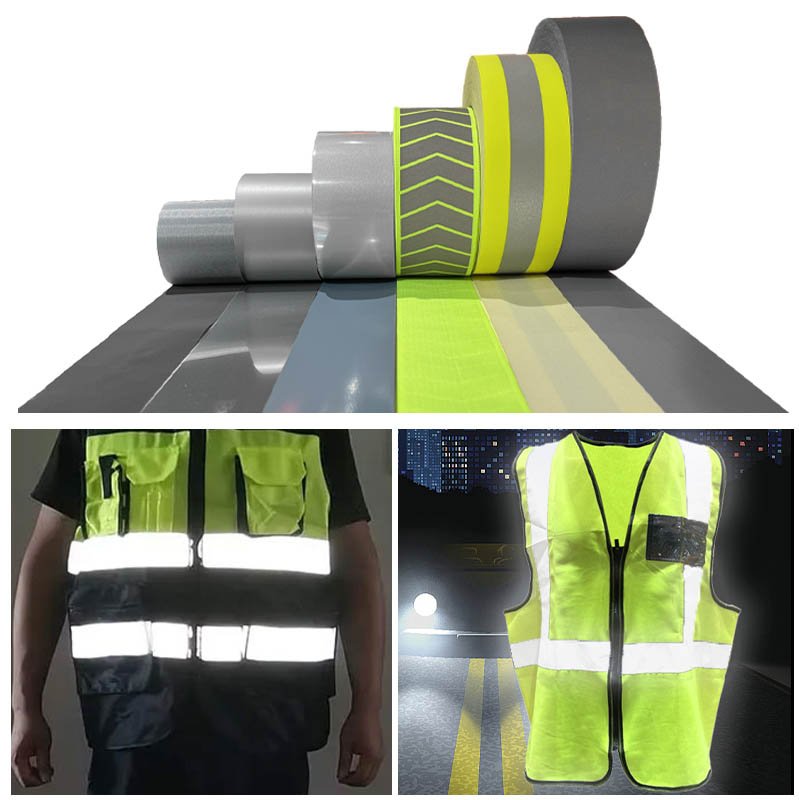
Safety tape isn’t just a product—it’s a compliance document. Regulators, insurers, and litigation counsel all scrutinize whether the tape used meets applicable standards for its application. Using the wrong tape can expose your organization to liability.
🛡️ Clothing Reflective Tape Standards
ANSI/ISEA 107-2015 (USA & Canada)
Focus: Worker visibility in roadway and hazardous environments
- 📍 Minimum candela requirements by class (Class 1, 2, 3)
- 📍 Fluorescent background colors (lime-yellow-green, orange-red)
- 📍 Reflective trim placement and minimum dimensions
- 📍 Color fastness to washing (AATCC 61 Method 2A)
- 📍 Retroreflectivity retention after 25 washes
EN ISO 20471 (Europe)
Focus: High-visibility protective clothing
- 📍 Three classes of visibility (based on candela and coverage area)
- 📍 Minimum retroreflectivity (cd·m² per lux)
- 📍 Color fading resistance to 80 washes at 60°C
- 📍 Flex resistance to ensure durability during wear
- 📍 Tear strength and washability requirements
🚗 Vehicle Reflective Tape Standards
DOT-C2 / FMVSS 108 (USA)
Focus: Vehicle conspicuity and retroreflectivity
- 📍 Retroreflectivity of 200+ cd/lux/m² (white) or 75+ (red)
- 📍 Color (red for rear, white/silver for front/sides)
- 📍 Adhesion to vehicles after thermal cycling
- 📍 Durability through 5–7 years outdoor exposure
- 📍 Resistance to gasoline, solvents, and salt spray
ASTM E2387 (North America)
Focus: Retroreflective sheeting and tape performance
- 📍 Photometric measurements of retroreflectivity
- 📍 UV resistance (“accelerated weathering”)
- 📍 Thermal cycling resilience
- 📍 Wet adhesion testing
Critical Point: Vehicle-grade tape will not meet ANSI/ISEA 107 or EN ISO 20471 because it fails washability and flex tests. Clothing tape will not meet DOT-C2 because its adhesive fails thermal cycling and solvent resistance tests. Using either tape outside its tested and approved domain creates liability and regulatory non-compliance.
Real-World Application Scenarios
Let’s explore five scenarios where choosing the correct tape makes all the difference:
✓ Construction Worker Safety Vest
Context: Worker wears the vest daily; it gets washed 2–3 times per week in industrial laundry (hot water, detergent, 60°C drying).
Correct Choice: Clothing-grade reflective tape (EN ISO 20471, Class 2 or 3)
Why: The tape must survive 50+ wash cycles, flex with arm movement, remain comfortable against skin, and maintain reflectivity throughout the garment’s lifespan (typically 1–2 years of daily use).
✓ Truck Emergency Striping
Context: Heavy-duty truck operates 100,000+ miles per year in diverse climates (−15°C winters, +50°C summers). Exposed to road salt, diesel spray, and UV.
Correct Choice: Vehicle-grade DOT-C2 tape with polyurethane or silicone adhesive
Why: The tape must maintain permanent adhesion to painted metal, resist thermal cycling and weathering, survive chemical exposure, and remain visible for 5–7+ years. Clothing tape would peel off within weeks.
✓ Hospital Orderly Uniform
Context: Medical worker in a hospital where uniforms are laundered using hospital-grade sterilization cycles (including bleach and heat).
Correct Choice: Medical-grade clothing reflective tape (bleach-resistant formulation)
Why: Standard clothing tape may degrade under bleach. Medical-grade formulations resist bleach, high-temperature sterilization (up to 80°C), and aggressive laundry practices.
✓ Bicycle or Motorcycle Helmet
Context: Helmet sits on a plastic/fiberglass shell; it’s occasionally wiped clean but never washed; it’s exposed to outdoor weather but not thermal cycling to extremes.
Correct Choice: Hybrid tape—flexible enough for the hard plastic surface, durable for weather
Why: A pure vehicle tape would seem like overkill and might be too rigid for comfort. Pure clothing tape might not adhere permanently to plastic. A soft vehicle-grade tape or premium clothing tape bridges the gap.
✓ Railroad Worker Reflective Strips
Context: Australian railway authority requires reflective gear; workers go through frequent laundry cycles (AS/NZS 4602.1 standard) and deal with extreme heat and humidity.
Correct Choice: AS/NZS 4602.1–compliant clothing tape
Why: Regional standards demand specific retroreflectivity and washability credentials. Local certification is non-negotiable for workplace compliance.
Head-to-Head Performance Comparison Table
| Performance Metric | Clothing Tape | Vehicle Tape |
|---|---|---|
| Adhesive Type | Soft PSA | High-Tack |
| Flexibility | Excellent ✓ | Poor ✗ |
| Wash Resistance (cycles) | 50–100 ✓ | 1–2 (fails) ✗ |
| Thermal Cycling (−20°C to +70°C) | Fair (100–200 cycles) | Excellent (1,000+) ✓ |
| UV Resistance | Moderate (2–3 years) | Excellent (5–7+ yrs) ✓ |
| Chemical Resistance | Moderate | Excellent (gasoline, salt) ✓ |
| Bond to Fabric | Excellent ✓ | Poor ✗ |
| Bond to Metal/Paint | Fair (temporary) | Excellent (permanent) ✓ |
| Comfort Level | Excellent (soft, flexible) ✓ | Poor (rigid, uncomfortable) ✗ |
| Cost per meter | $0.80–$1.50 | $1.20–$2.50 |
Table Note: Specifications vary by manufacturer and specific product formulation. Always verify compliance with applicable standards and test data from your supplier.
⚠️ Common Mistakes & Costly Consequences
Mistake #1: “It’s cheaper, so let’s bulk order vehicle tape for our clothing factory”
Consequence: First wash cycle, the tape cracks and peels. Workers complain about discomfort. Product quality rating plummets. You’re forced to scrap inventory and re-order at rush pricing. Cost of this mistake: 3–5× the original savings.
Mistake #2: “The specification lists ‘reflective tape’—one product should fit all”
Consequence: Your procurement team sources a generic “industrial reflective tape.” It fails on vehicles (adhesion loss after 6 months). Then you get the same tape spec for uniforms, and it fails there too (wash damage). Neither application is compliant. Auditors flag the non-compliance. You’re not certifiable.
Mistake #3: “The supplier says it meets ‘international standards'”—without asking which ones
Consequence: A tape may meet DOT-C2 but not ANSI/ISEA 107. When you use it on safety clothing for a North American market, your liability insurance might not cover incidents. If someone is hit by a vehicle and sues, the tape’s non-compliance becomes critical evidence.
Mistake #4: Underestimating wash temperature and detergent effects
Consequence: You specify a commercial-grade clothing tape, but your end-user operates in a medical facility using 80°C wash + bleach. The tape wasn’t formulated for bleach. Within 10 washes, color fades to grey and the adhesive weakens. You get product returns and angry customers.
Mistake #5: Assuming higher viscosity (thickness) = better performance
Consequence: A “premium” thick vehicle tape on a safety vest sounds impressive—until it cracks on the first bend. Thickness doesn’t equal suitability. A thinner, flexible clothing tape will outperform thick, rigid vehicle tape on clothing every single time.
The Golden Rule: Before specifying any reflective tape, answer these three questions:
- Will the surface flex or move? (Yes → clothing tape; No → vehicle tape)
- Will it be washed? (Yes → confirm wash cycles and temperatures; No → check weather exposure)
- Which safety standards apply in my region? (ANSI/ISEA 107? EN ISO 20471? DOT-C2? AS/NZS?)
Frequently Asked Questions
Can I use vehicle reflective tape on clothing? ▼
No. Using vehicle reflective tape on clothing will result in product failure and user discomfort. Vehicle tape uses rigid, aggressive adhesives formulated for permanent bonding to metal and painted surfaces. When applied to fabric:
- It cracks under normal body flexion (arm bending, torso twisting)
- It delaminates after the first wash cycle
- It creates uncomfortable, brittle patches against the skin
- It fails ANSI/ISEA 107 and EN ISO 20471 testing
What are the main differences in adhesive between these two tape types? ▼
Clothing reflective tape: Uses a soft, flexible pressure-sensitive adhesive (PSA) that activates with gentle pressure and remains slightly flexible after curing. It accommodates fabric stretching and body movement.
Vehicle reflective tape: Employs a rigid, high-tack adhesive formulated for semi-permanent bonding to metal and painted surfaces. It requires sustained pressure or heat activation and cures to near rigidity for structural immobility.
Why is flexibility important in reflective tape for garments? ▼
Clothing moves constantly—arms bend, torsos twist, and seams stretch. Flexible reflective tape is engineered to:
- Accommodate up to 30° of flexion without cracking
- Stretch and recover thousands of times per day
- Maintain its reflective properties and bond integrity
- Survive repeated washing, drying, and normal wear
Rigid tape cannot achieve this and will delaminate within days, compromising both safety and product longevity.
What safety standards apply to each type of reflective tape? ▼
Clothing Reflective Tape Standards:
- ANSI/ISEA 107 (North America)
- EN ISO 20471 (Europe)
- AS/NZS 4602.1 (Australia & New Zealand)
These standards focus on visibility, colorfastness, and durability under body movement and washing.
Vehicle Reflective Tape Standards:
- DOT-C2 / FMVSS 108 (USA)
- ASTM E2387 (North America)
- ADR 49 (Australia)
How do I know which reflective tape to choose for my application? ▼
Ask yourself these three questions:
- Is the surface flexible or rigid? → Flexible = clothing tape; Rigid = vehicle tape
- Will it move frequently? → Yes = clothing tape; No = vehicle tape
- Will it be washed? → Confirm wash cycles, temperatures, and chemistry (bleach?)
Finally, always verify that your tape meets the relevant safety standards for your region and industry. Consult your tape supplier’s test reports and certifications.
What happens if I use the wrong tape and someone gets hurt while wearing it? ▼
Using non-compliant or inappropriate reflective tape creates serious liability exposure. If an incident occurs:
- Regulatory Liability: OSHA, HSE, or local authorities may cite your organization
- Insurance Denial: Coverage may be denied if product wasn’t compliant
- Litigation Risk: Opposing counsel will highlight non-compliance as evidence of negligence
- Reputational Damage: Media and industry trust can be severely damaged
Always use certified, compliant tape for your specific application.
🎯 Key Takeaways
- ✓ Clothing tape is engineered for flexibility and washability, using soft, pressure-sensitive adhesives. It’s optimized for ANSI/ISEA 107 or EN ISO 20471 compliance.
- ✓ Vehicle tape is engineered for permanence and extreme durability, using high-tack adhesives. It’s optimized for DOT-C2 or ASTM E2387 compliance.
- ✓ Using the wrong tape for the wrong application will cause failure, non-compliance, and potential liability.
- ✓ Always specify your application first, then select the tape that matches—not the other way around.
- ✓ Request test data and certifications from your supplier to verify compliance with regional standards.
Need Expert Guidance on Reflective Tape Selection?
Our team at Nanjing VizGlo Safety has spent over 15 years helping global organizations choose the right reflective materials for their specific applications. Whether you’re sourcing for clothing, vehicles, or specialized environments, we can provide:
- ✓ Certified samples for your exact application
- ✓ Regional compliance verification (ANSI, EN, AS/NZS, DOT)
- ✓ Testing reports from our own laboratory
- ✓ Custom formulations for specialized wash or weather conditions
- ✓ Bulk OEM/ODM manufacturing with full traceability
📚 Related Resource
For a comprehensive overview of industrial reflective materials and their applications, explore our detailed guide on reflective tapes and their applications. You’ll discover the full spectrum of reflective solutions we manufacture, including custom formulations for your specific market and compliance requirements.