A B2B Buyer’s Guide: 7 Questions to Ask Your Hi Vis Workwear Manufacturer Before Placing an Order
Before placing a bulk order for hi-vis workwear, B2B buyers should ask seven critical questions to ensure safety, compliance, and cost-efficiency: (1) Which specific safety standards (e.g., EN ISO 20471, ANSI/ISEA 107, AS/NZS 4602) does this garment meet, and can you provide third-party test reports? (2) What is the composition and durability rating of the reflective material, particularly its brightness retention after repeated washing and abrasion? (3) What are your minimum order quantities (MOQs), production capacity, and standard lead times for both samples and bulk orders? (4) How does your quality control system handle raw material inspection, in-process checks, and final product testing? (5) What customization options do you offer for branding, fabric blends, and functional features like pockets or tear-away panels? (6) Can you provide clear, standard-compliant care and washing instructions to preserve the garment’s high-visibility performance? (7) What are your warranty, return, and dispute resolution policies for defective or non-compliant shipments? Asking these questions filters out unreliable suppliers and guarantees you receive garments that actually protect workers and meet international regulations.
Sourcing high-visibility apparel isn’t like ordering standard promotional merchandise. A single batch failure can mean regulatory fines, compromised site safety, and damaged brand reputation. After over 15 years managing supply chains for distributors, railways, and mining operations across 50+ countries, I’ve seen perfectly compliant garments fail in the field because buyers skipped the due diligence phase. This guide cuts through the marketing jargon and gives you the exact vetting framework professional procurement teams use.

1-2 Compliance Standards & Reflective Material Science
Question 1: “Can you verify compliance with [Your Region’s Standard] and provide lab test reports?”
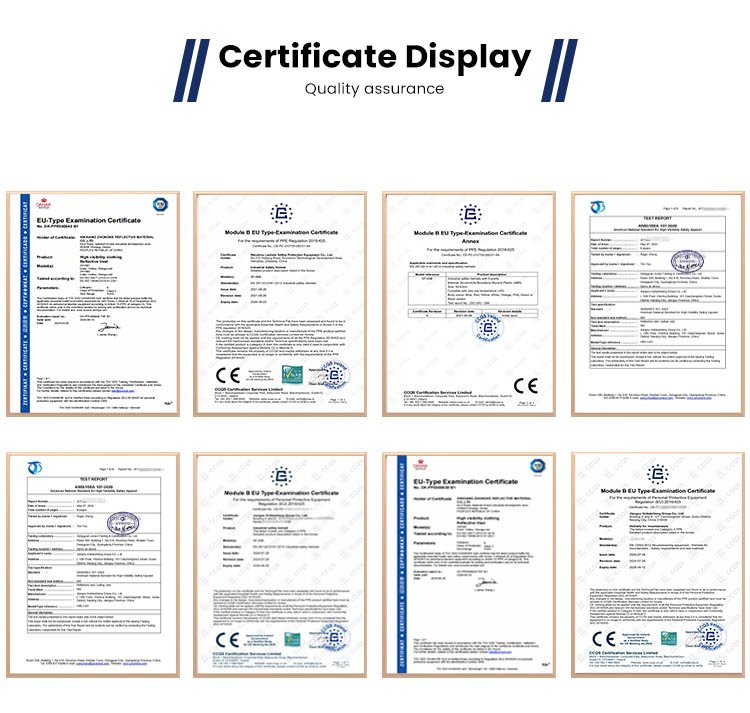
Don’t settle for a manufacturer who simply says “yes.” EN ISO 20471 (Europe), ANSI/ISEA 107 (North America), and AS/NZS 4602 (Australia/New Zealand) have strict requirements for background material area, retroreflective material placement, and overall visibility distance. Revert to ISO/IEC 17025 accredited labs. A reputable factory will provide recent test certificates for the exact fabric and tape lot you’re ordering.
Question 2: “What reflective technology is used, and how does it hold up to abrasion and washing?”
This is where most budget suppliers cut corners. Standard PVC reflective tapes rely on glass beads, while high-end options use microprismatic technology. The latter offers significantly higher luminance coefficients (learn more about retroreflection physics here). Ask for the coefficient of retroreflection (Rac) values. If a manufacturer can’t quote numbers or guarantee performance after 50+ industrial wash cycles, walk away.
3-4 Production Capacity & Quality Control Protocols
Question 3: “What are your MOQs, current lead times, and peak season capacity?”
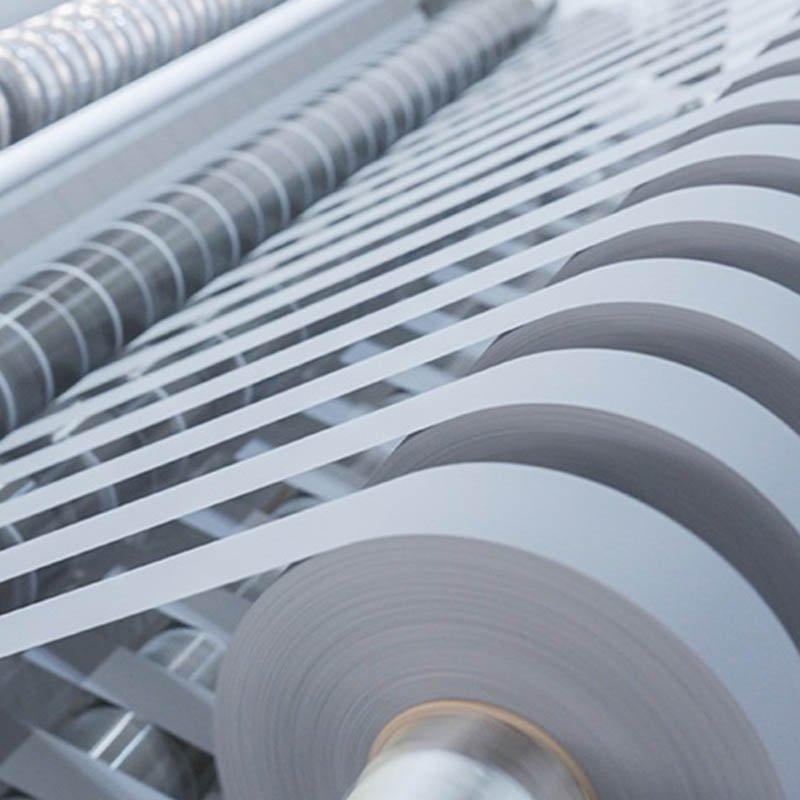
Transparency here saves supply chain headaches. A professional OEM/ODM partner will clearly state their baseline MOQs (often 500-1000 pcs per style/color), sample turnaround (typically 7-14 days), and bulk production windows. Ask specifically about their buffer capacity during Q4/Q1 peak seasons. Factories with vertical integration (producing their own industrial reflective tape and garment assembly in-house) can guarantee tighter deadlines than subcontracting mills.
Question 4: “Walk me through your IQC, PQC, and FQC inspection processes.”
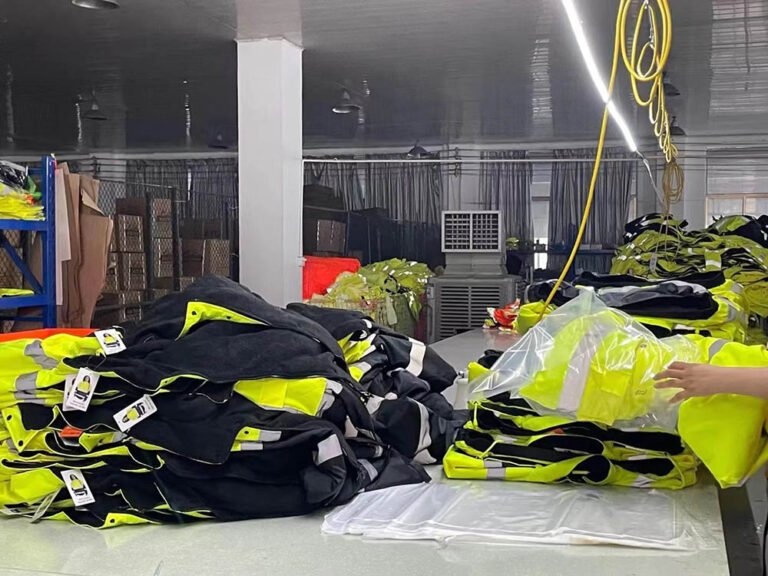
Quality isn’t inspected in; it’s manufactured in. Look for suppliers who conduct Incoming Quality Control (IQC) on fabric rolls, In-Process Quality Control (PQC) at critical sewing stages, and Final Quality Control (FQC) using AQL 2.5/4.0 standards. Understanding AQL sampling levels is crucial for B2B buyers. Ask if they perform specific tests like seam strength, colorfastness, and tape adhesion pulls before containers are sealed.
5-6 Branding Flexibility & Garment Care Instructions
Question 5: “Can you customize branding, fabric blends, and functional layouts without compromising compliance?”
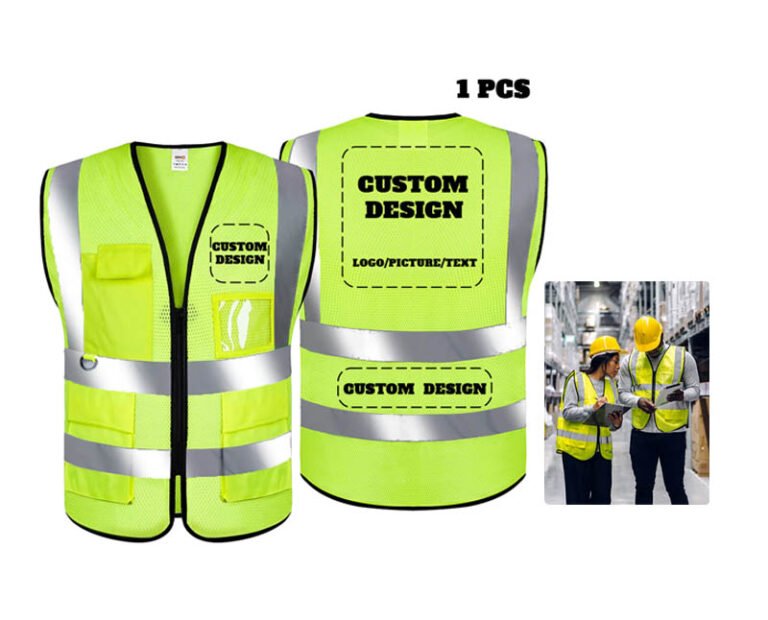
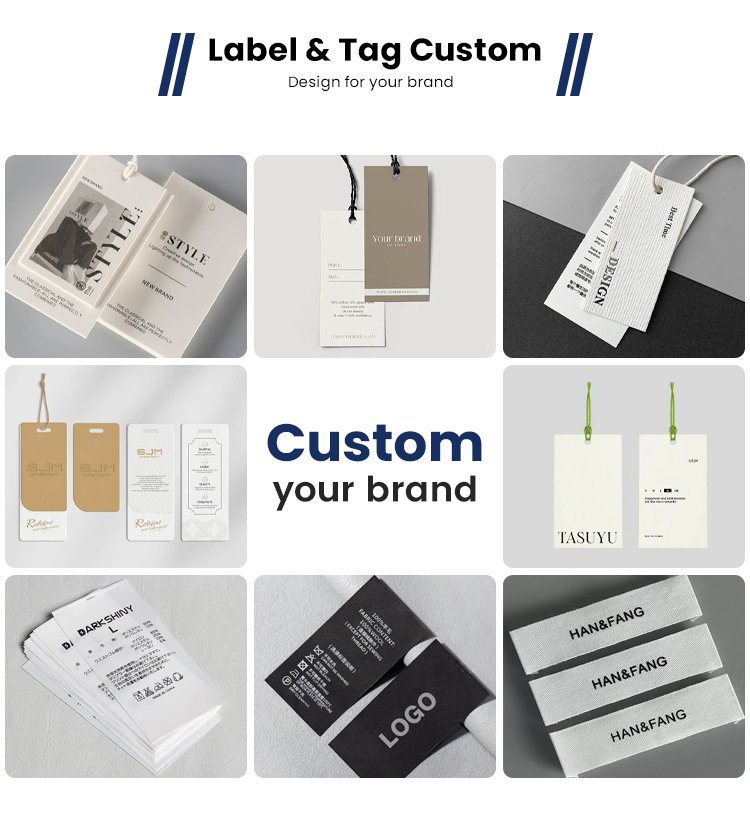
Your brand identity matters, but it must never override safety. A skilled manufacturer will advise you on logo placement that avoids critical reflective zones. They should offer options like silicone printing, high-definition embroidery, or heat-transfer reflective logos that maintain flexibility. Discuss fabric tech: anti-static for mining, flame-retardant (FR) blends for oil & gas, or moisture-wicking knits for logistics.
Question 6: “Do you provide standardized, regulation-compliant care and washing guidelines?”
In my years of exporting hi-vis clothing, I’ve seen countless cases where perfectly good, high-quality garments fail prematurely. The number one culprit? Improper washing. The biggest misconception clients have is treating a hi-vis garment like any other piece of rugged workwear. They toss it into harsh industrial laundries or use aggressive home washing cycles with bleach. What they don’t realize is that the reflective tape is the most technologically advanced and the most delicate part of the garment. Those tapes are engineered with microscopic glass beads or microprisms that bounce light back to its source. High heat, harsh chemicals, and extreme abrasion literally shatter and destroy this technology, turning a life-saving garment into just a brightly colored shirt. So, when I advise customers on washing, I’m not just talking about garment care; I’m talking about protecting their investment and, more critically, maintaining the safety compliance that keeps their people visible and safe on the job. Proper care isn’t a suggestion; it’s a core part of the product’s safety function. Ask your manufacturer to print these instructions directly on the hangtags and woven labels.
7 Warranty, Returns & Dispute Resolution
Question 7: “What is your policy on defective shipments and non-conforming goods?”
Even with rigorous QC, international freight carries risks. A trustworthy manufacturer will offer a clear warranty clause (typically 6-12 months for material defects), a straightforward replacement process for AQL failures, and transparent communication channels. Avoid suppliers who require third-party inspection at your sole expense for every container without offering a safety net for proven manufacturing defects.
Ready to Secure a Reliable Hi-Vis Manufacturing Partner?
Skip the guesswork. Get a free compliance audit, sample kit, and customized quotation for your project.
Request a Free Quote & Sample