Employer PPE Guide
Is Hi Vis Clothing Considered PPE? What Employers Need to Know
For employers, safety managers, procurement teams, and distributors, the answer matters because it affects risk assessment, compliance records, product selection, replacement planning, and liability control.
Is hi vis clothing considered PPE?
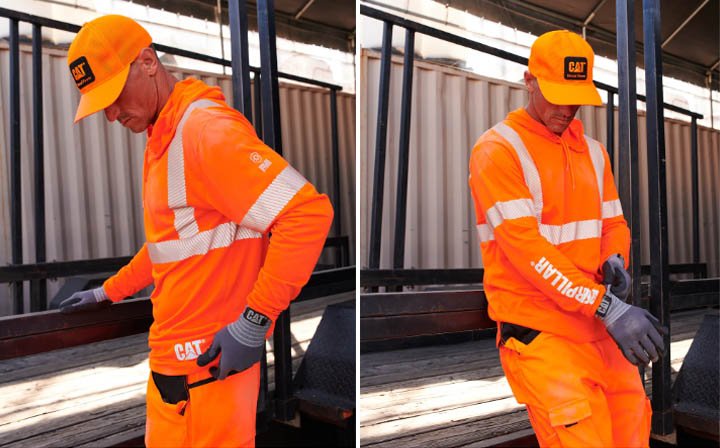
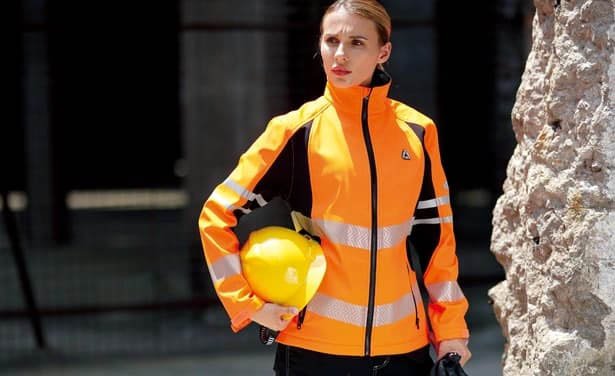
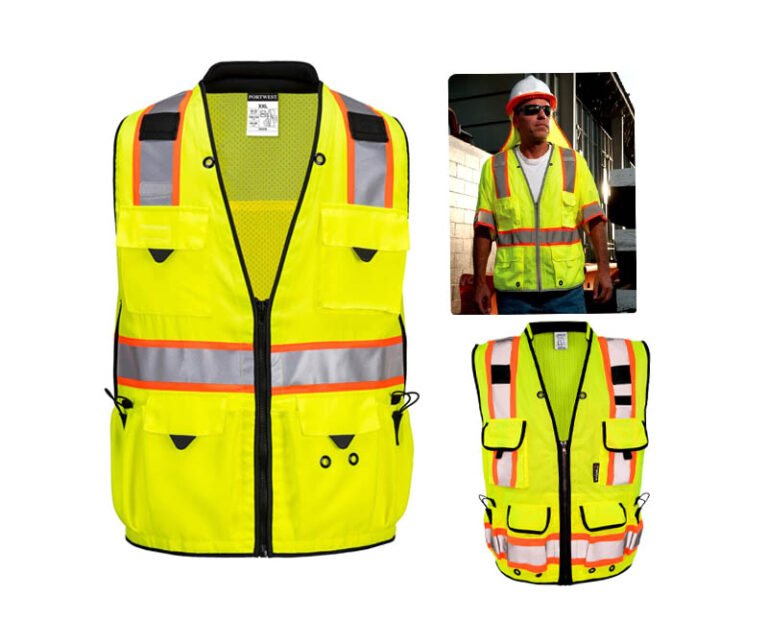
Yes. Hi vis clothing is considered PPE when it is worn to protect workers from visibility-related hazards, especially around moving vehicles, mobile plant, road traffic, forklifts, cranes, rail operations, mining equipment, construction machinery, warehouse vehicles, or low-light work environments. For employers, the practical question is not simply whether a high visibility vest, jacket, raincoat, polo shirt, hoodie, or workwear set counts as PPE; it is whether the selected garment provides the correct level of conspicuity for the real worksite risk. A compliant hi vis PPE program should start with a risk assessment, match garments to the working environment, verify standards such as ANSI/ISEA 107, EN ISO 20471, or AS/NZS requirements where applicable, keep supplier documentation, train workers on correct use, inspect garments regularly, and replace items when fluorescent fabric fades, reflective tape is damaged, or the garment no longer performs as intended.
When Hi Vis Clothing Is Treated as PPE
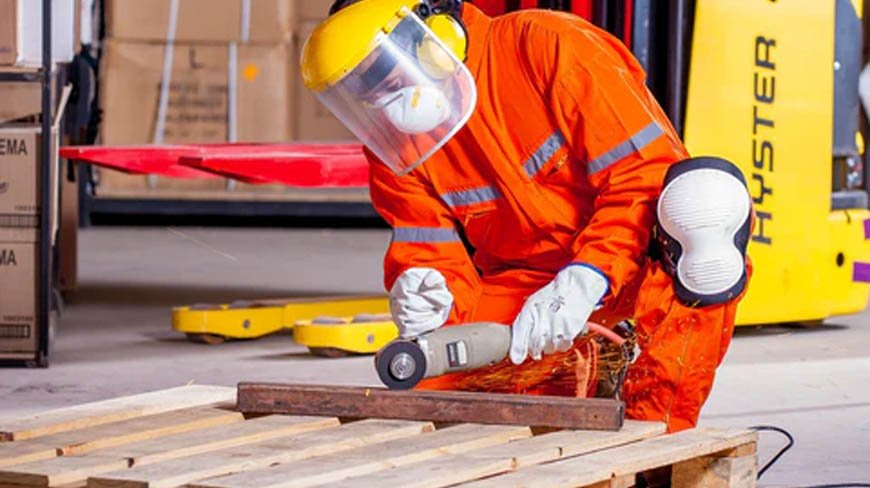
High visibility clothing becomes personal protective equipment when visibility is part of the risk control strategy. A visitor vest at a controlled reception area may be basic identification clothing. But the same vest worn by a road worker near live traffic, a forklift marshal in a logistics warehouse, or a trackside technician beside moving trains is PPE because it helps reduce the chance of the worker being struck.
This distinction matters for employers. If the workplace risk assessment identifies poor visibility, moving vehicles, night work, dust, rain, fog, glare, or mixed pedestrian-machine operations as hazards, then hi vis clothing should be selected, issued, monitored, and replaced with the same seriousness as helmets, gloves, eye protection, or safety footwear. It is not a promotional vest. It is not simply a uniform. It is a protective visibility system worn on the body.
In the United States, employers often refer to OSHA expectations and industry consensus standards when building PPE programs. For general PPE responsibilities, employers can review the OSHA personal protective equipment guidance. For road and construction visibility practices, the Federal Highway Administration MUTCD resources are also widely referenced. In Europe, high visibility garments are commonly aligned with EN ISO 20471, while Australia and New Zealand buyers look closely at AS/NZS visibility requirements.
Employer Responsibilities for High Visibility PPE
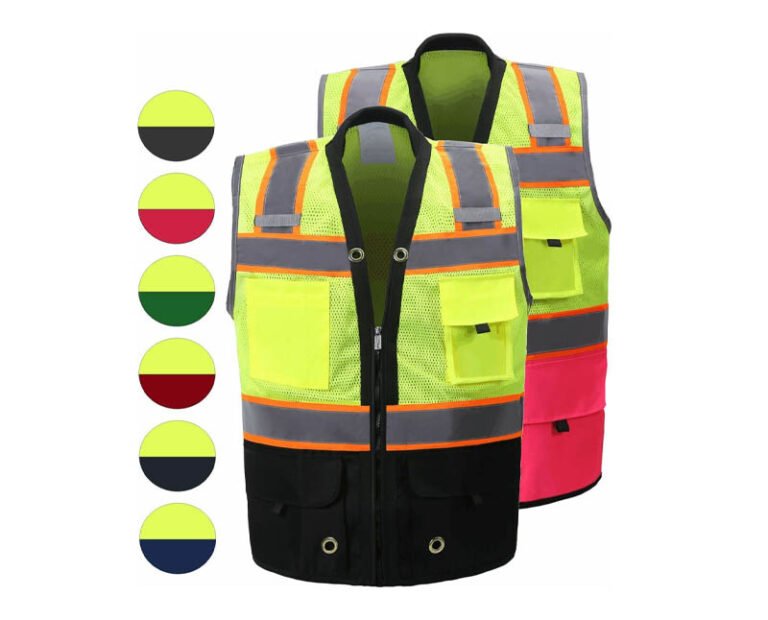
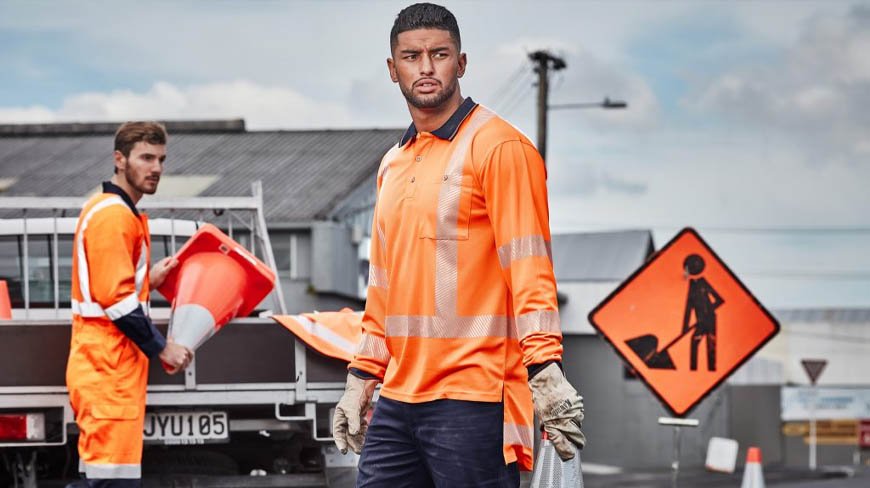
Once hi vis clothing is part of your PPE program, employers should manage it through a structured process. The first step is hazard identification: where do workers need to be seen, by whom, from what distance, in what lighting, and against what background? A lime-yellow garment may perform well in some environments, while orange-red may be more appropriate near vegetation, rail operations, or certain roadwork situations depending on local rules and background contrast.
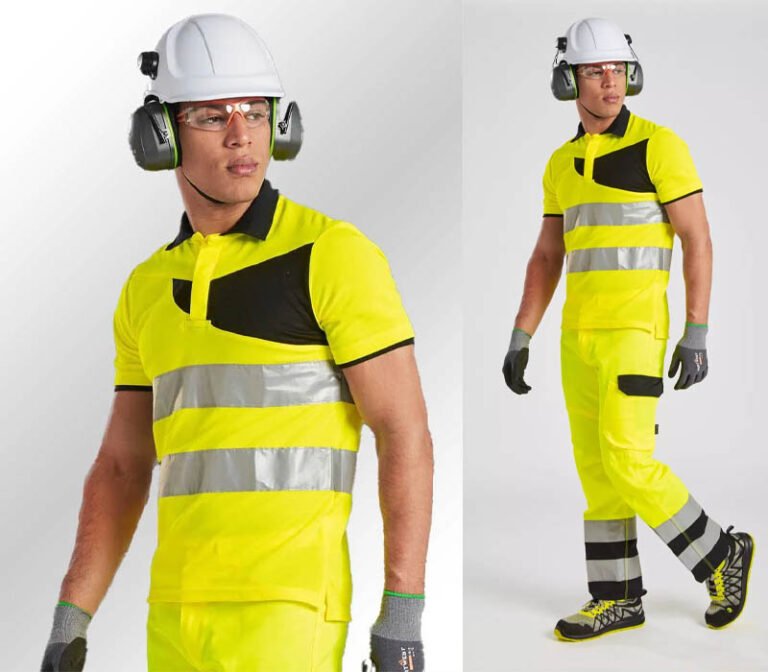
The second responsibility is product selection. Employers should not rely only on color or a reflective-looking strip. The garment must be suitable for the task. A short-duration warehouse visitor may need a vest, while a night road crew may require full-body visibility through a jacket and trousers. Workers exposed to rain need hi vis raincoats or waterproof sets that maintain visibility when wet. Cold-weather workers may require insulated jackets or layered hi vis sweatshirts and hoodies that do not cover reflective bands.
The third responsibility is training. Workers should understand when the garment must be worn, how it should be fastened, what clothing must not cover it, how to report damage, and why dirty or faded garments may no longer provide adequate protection. A Class-rated garment left unzipped, hidden under a backpack, or covered by a dark jacket is not delivering the protection the employer intended.

After more than 15 years supplying hi vis apparel and reflective materials worldwide, our view is simple: compliance is the baseline. The real safety improvement comes from treating hi vis as a site-specific visibility system, not a disposable commodity.
What Documents Should Buyers Request from Suppliers?
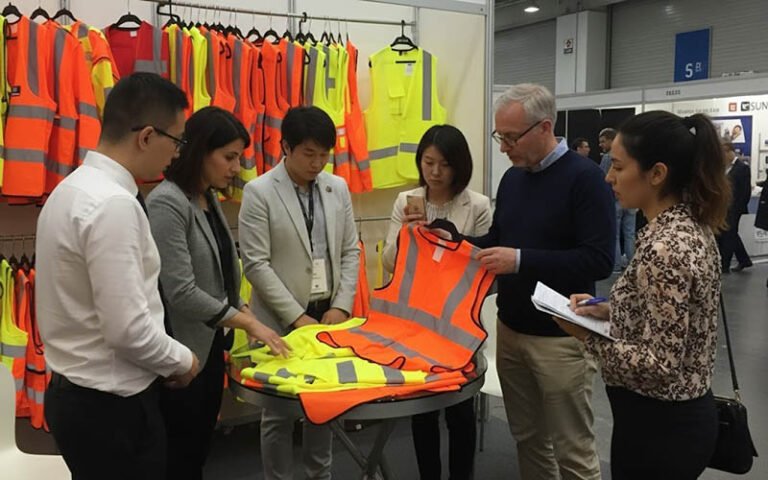
Procurement teams should request documentation before approving any bulk hi vis PPE order. At minimum, ask for a declaration of conformity or certification reference, product specification sheet, material composition, reflective tape details, garment size chart, washing or maintenance instructions, and labeling information. For regulated markets, ask whether the product is designed to meet ANSI/ISEA 107, EN ISO 20471, AS/NZS 4602.1, or other applicable standards.
It is useful to check the relevant standards at the source. Buyers can review information from the International Safety Equipment Association on ANSI/ISEA 107, the ISO page for EN ISO 20471 high visibility clothing, and regional workplace safety authorities such as the UK HSE PPE guidance. These external references help purchasing departments understand why documentation is not a formality but part of due diligence.
Internally, many companies also keep a PPE register. This can include garment model, supplier, standard, purchase date, issue date, employee or department, inspection date, replacement date, and reason for replacement. For distributors and private labels, keeping these records helps answer customer questions quickly and strengthens trust in your product line. If you need a compliant product range for different job roles, explore VizGlo’s full hi vis workwear options.
How to Issue, Inspect, and Replace Hi Vis PPE
A practical hi vis PPE program should define how garments are issued and how performance is monitored. For low-risk visitor use, a controlled vest station may be enough. For employees working daily around traffic or equipment, garments should be assigned individually, sized properly, and replaced through a planned cycle. Poor fit is not just a comfort issue. Oversized garments can snag; undersized garments may restrict movement or fail to provide intended body coverage.
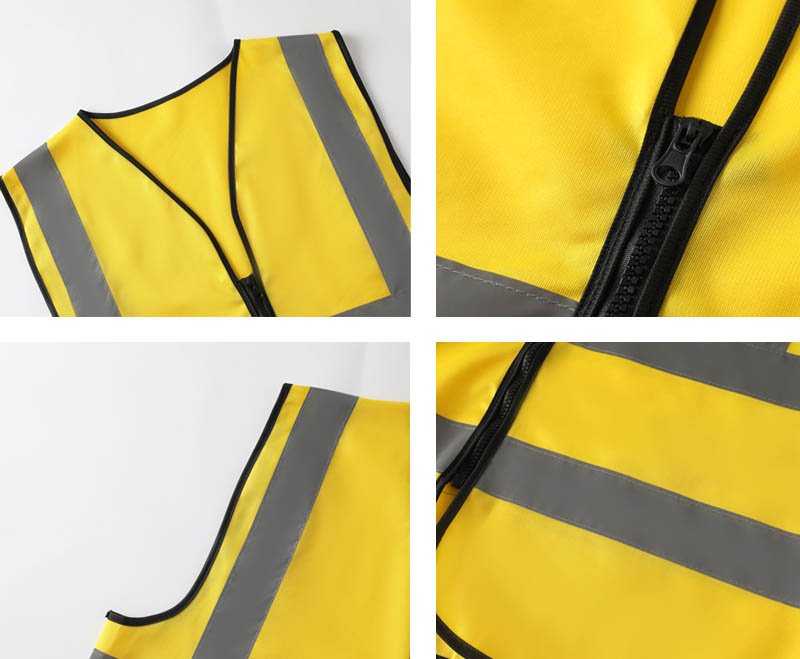
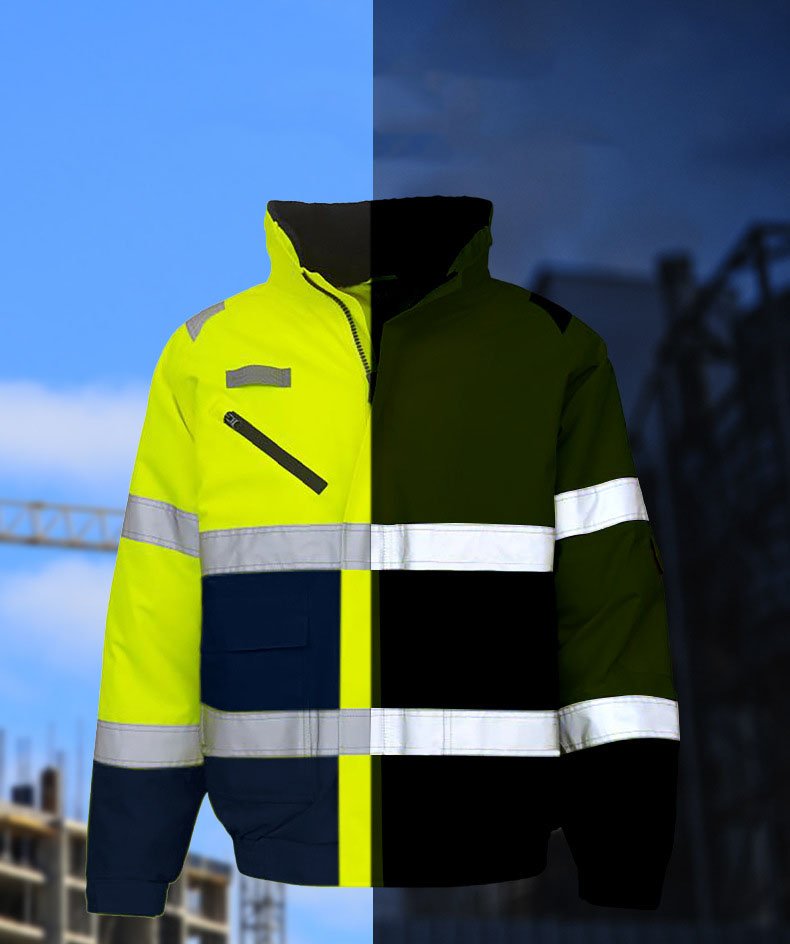
Inspection should be simple enough for supervisors to perform consistently. Check whether fluorescent fabric is faded, stained, or covered in oil or dust. Check whether reflective tape is cracked, peeling, abraded, missing, or no longer returning light effectively. Check seams, closures, zippers, pockets, elastic areas, and waterproof layers where applicable. A garment can be technically compliant when new but unsuitable after months of heavy use.
Replacement timing depends on the environment. A vest used occasionally indoors may last far longer than a rain jacket used daily in road maintenance, mining, or rail work. The smarter approach is to combine supplier wash-cycle information with real site inspection. This also helps employers control total cost of ownership: a slightly better garment with stronger fabric, durable reflective tape, and stable wash performance may cost less over a full season than a cheaper garment replaced repeatedly.
Common Mistakes in Workplace Hi Vis PPE Programs
1. Buying by unit price only
The cheapest garment may have weaker fabric, poor stitching, lower durability, limited wash performance, or reflective material that degrades quickly. PPE should be evaluated by performance, documentation, and lifespan.
2. Using one garment for every task
A basic vest may not be enough for night road work, heavy rain, mining, rail, or full-shift outdoor exposure. Different roles often need different PPE configurations.
3. Ignoring real lighting conditions
Dusk, rain, dust, fog, warehouse shadows, headlights, and machinery blind spots all affect visibility. Site testing is often more useful than catalogue selection alone.
4. No replacement policy
If nobody knows when to remove damaged hi vis clothing from service, worn-out PPE stays in use. That creates safety risk and weakens audit readiness.

Choosing the Right Hi Vis PPE Supplier
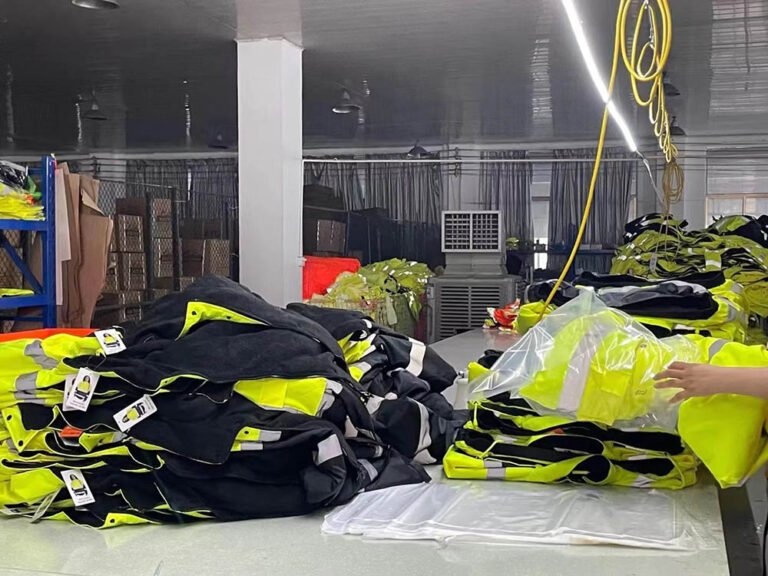
Employers and distributors should look for suppliers that understand both garment manufacturing and reflective material performance. A reliable supplier should be able to discuss fabric weight, fluorescent color stability, reflective tape placement, washing durability, waterproof or breathable construction, flame-retardant options where required, packaging, labels, and bulk delivery schedules. For private-label or enterprise programs, OEM/ODM capability also matters because your PPE must fit your brand, workforce, and operating conditions.
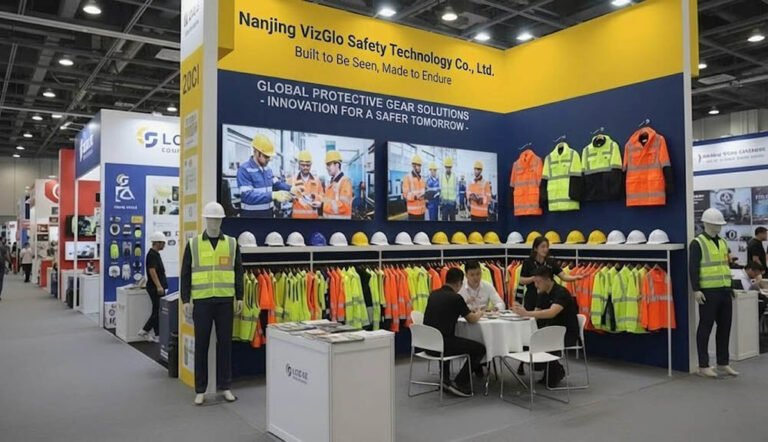
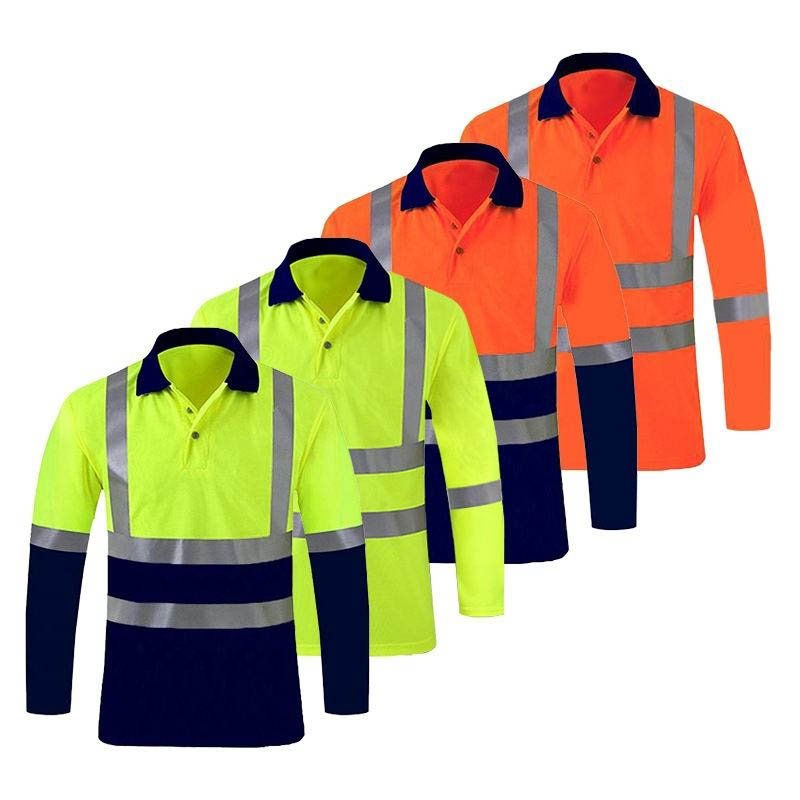
VizGlo Safety supports global distributors, safety brands, construction companies, logistics operators, railway contractors, mining teams, and corporate buyers with high visibility clothing and reflective material solutions. Our product range includes high visibility vests, polo shirts, T-shirts, hoodies, jackets, rainwear, workwear sets, and advanced reflective materials for garment manufacturers.
The key is to stop treating hi vis PPE as a checkbox purchase. A good supplier should help you build a visibility system: suitable garment types, correct reflective layout, proper sizing, reliable certification support, realistic replacement planning, and stable bulk production. If your workers operate in complex environments such as wet roads, dusty mines, rail corridors, or busy logistics hubs, request samples and test them under actual site conditions before confirming a large order.
Need compliant hi vis PPE for your workforce or product line?
Tell us your industry, country, risk level, preferred garment type, and order quantity. VizGlo Safety can help recommend suitable hi vis clothing, reflective materials, documentation, and OEM/ODM customization options.
Elementor popup ID 26 will open the inquiry form.
FAQ: Hi Vis Clothing as PPE
Is a high visibility vest considered PPE?
Yes, a high visibility vest is considered PPE when it is used to reduce the risk of workers being struck or not seen in hazardous environments such as road work, warehouses, construction sites, rail areas, loading yards, and visitor zones near moving equipment.
Does an employer have to provide hi vis clothing?
If the employer’s risk assessment identifies visibility as a workplace hazard, the employer generally needs to provide suitable high visibility PPE or ensure workers have appropriate compliant garments. Exact obligations depend on local regulations and jobsite rules.
What standards apply to high visibility PPE?
Common standards include ANSI/ISEA 107 in the United States, EN ISO 20471 in Europe, and AS/NZS 4602.1 with related material standards in Australia and New Zealand. Employers should confirm the correct standard for their country, industry, and risk level.
How often should hi vis PPE be replaced?
Replace hi vis PPE when the fluorescent fabric is faded or heavily stained, reflective tape is damaged or peeling, the garment is torn, or visibility performance is no longer reliable. Replacement frequency depends on work intensity, washing, weather exposure, and material quality.
Can custom logo hi vis clothing still be PPE?
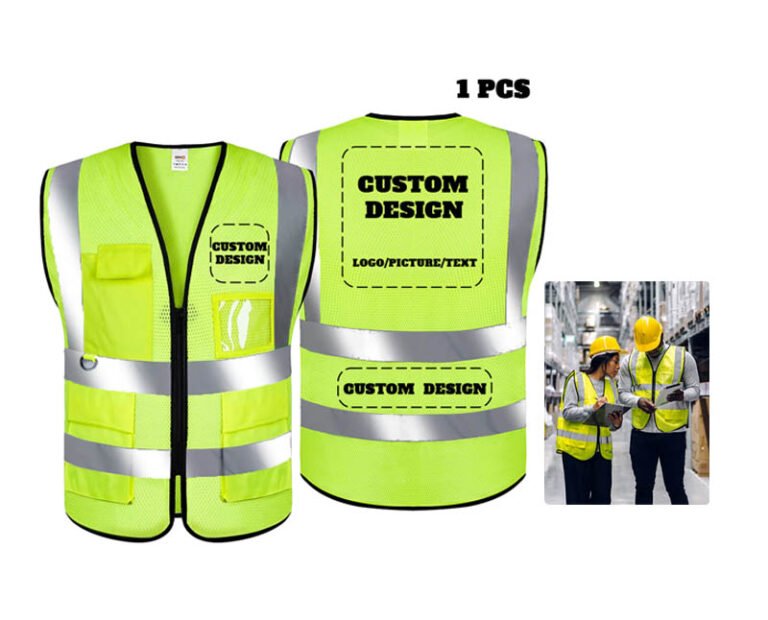
Yes, custom logo hi vis clothing can still be PPE if the logo decoration does not reduce required fluorescent or reflective areas and the garment remains compliant with the applicable standard. Buyers should confirm decoration placement before mass production.