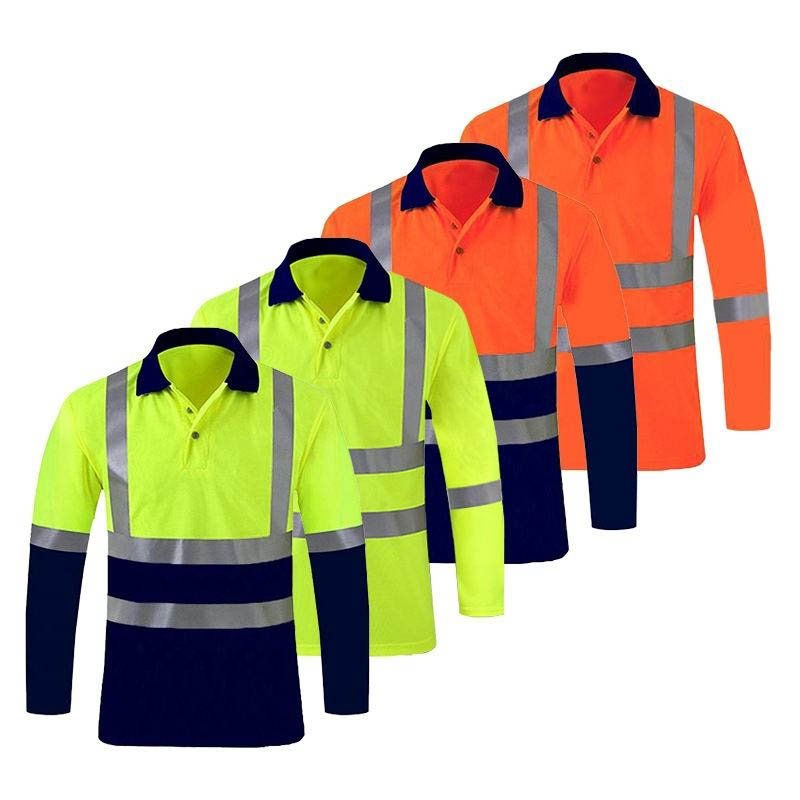
Reflective Solutions for the Mining Industry: Challenges and Best Practices
Engineering high-performance visibility gear that withstands extreme mining environments
What Makes Effective Reflective Solutions for Mining?
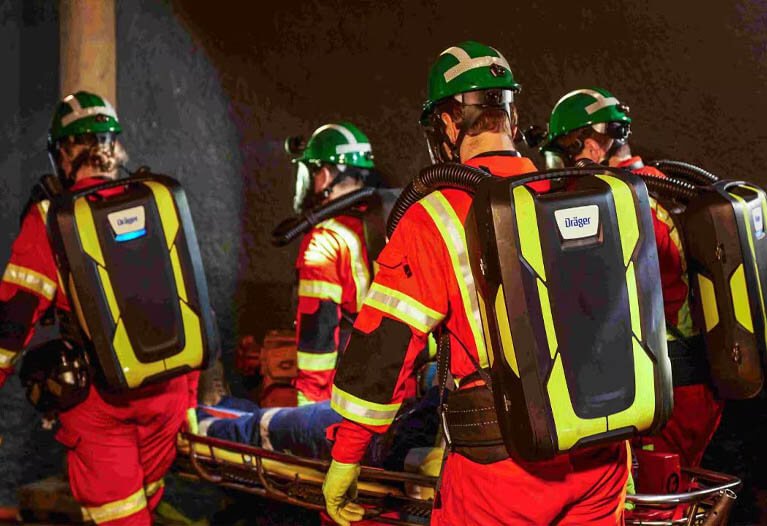
Effective reflective solutions for mining require specialized engineering that goes beyond compliance—they must withstand constant rock dust abrasion, resist chemical degradation from grease and solvents, maintain reflectivity through 50+ industrial wash cycles, and remain breathable in high-temperature underground environments. The most successful implementations combine high-performance microprismatic reflective technology with application-specific fabric constructions featuring reinforced weaves, flame-retardant coatings, and segmented reflective tape designs that prevent delamination under extreme stress. This integrated approach ensures that visibility standards don’t degrade prematurely in mining’s harsh conditions, ultimately protecting workers when it matters most—during emergencies or low-light underground operations.
The Core Challenge: Beyond Compliance
Mining safety managers rarely ask, “Does this hi-vis vest meet EN ISO 20471?” The real question—formed through years of field experience—is different: “Will this reflective tape maintain visibility after 50 wash cycles? Can it survive constant rubbing against machinery and rock? Will the adhesive hold when underground heat reaches 35°C?”
This shift from compliance-centric thinking to durability-focused engineering represents the core challenge of mining reflective solutions. Standard certified hi-vis clothing checks regulatory boxes in a laboratory—but fails catastrophically in a mine.

The distinction matters. A standard reflective vest might lose 60% of its brightness after 30 wash cycles in a mine—exactly when it’s most needed during safety drills or emergency evacuations. Mining-grade solutions, by contrast, maintain 90%+ reflectivity after 50+ cycles because they’re constructed differently from the ground up.
The Unique Environmental Stressors in Mining Operations
Mining environments assault reflective materials through multiple simultaneous vectors—a combination that seldom occurs together in construction, road work, or logistics.
Rock Dust & Mineral Abrasion
Unlike construction dust, mine dust contains silica and hard mineral particles that act as permanent micro-abrasives. Workers in a coal mine’s wear zone experience equivalent abrasion to being sand-blasted for 8-10 hours daily. This gradually degrades reflective tape surfaces, reducing retroreflectivity faster than standard durability testing predicts.
Chemical Exposure & Adhesive Failure
Diesel spills, hydraulic fluid from machinery, and grease penetrate standard adhesive layers, creating separation between reflective tape and fabric. Solvent-resistant adhesives are specialty items requiring OEM specification—they don’t come standard on entry-level reflective materials.
Thermal Cycling Stress
Underground temperatures stay relatively constant at 20-35°C, but workers transition between deep mine temps and surface conditions (potentially 50°C+). This thermal cycling expands and contracts adhesive bonds, causing micro-cracks that accumulate into visible peel-back after 20-40 cycles. Deep-mine environments compound this with high humidity, accelerating degradation further.
Industrial Washing Intensity
Mining facilities wash work gear at 60-70°C with heavy-duty detergents designed to strip grease and mineral deposits. After 15-20 cycles, standard thermal adhesive becomes brittle. Purpose-engineered mining reflective tape uses polyurethane or contact cement formulations that withstand extreme wash temperatures without degradation.
Durability Requirements That Actually Matter in Mining
Compliance certifications (EN ISO 20471, ANSI/ISEA 107) establish baseline visibility requirements, but they don’t address mining-specific durability. Leading mining operators establish additional specifications:
Performance Metrics
- • 50+ wash cycles @ 60°C, minimum 90% reflectivity retention
- • Abrasion resistance: ISO 12947 ≥100,000 cycles
- • Adhesion strength: ASTM D3359 Rating ≥4B after thermal cycling
- • Chemical resistance: ASTM D543 v. diesel, minerals, detergents
Additional Certifications
- • Flame-retardant: NFPA 2112 or EN ISO 11612
- • Tensile strength: ≥80% retention after environmental aging
- • Breathability: MVTR ≥3000 g/m²/24h (for underground comfort)
- • Seam strength: ≥50 N minimum after washing cycles
Mining operations that enforce these specifications see 40-60% fewer reflective gear replacements annually compared to those using certification-only approaches. The higher initial cost per garment (typically 15-25% premium over standard certified wear) is offset by dramatically improved replacement intervals.
Reflective Technology: Microprismatic vs. Glass Bead Engineering
The fundamental technology choice—microprismatic or glass bead—becomes critical when applied to mining conditions. Both types achieve reflectivity in the lab, but behave entirely differently under mining stress.
Microprismatic Reflective Materials
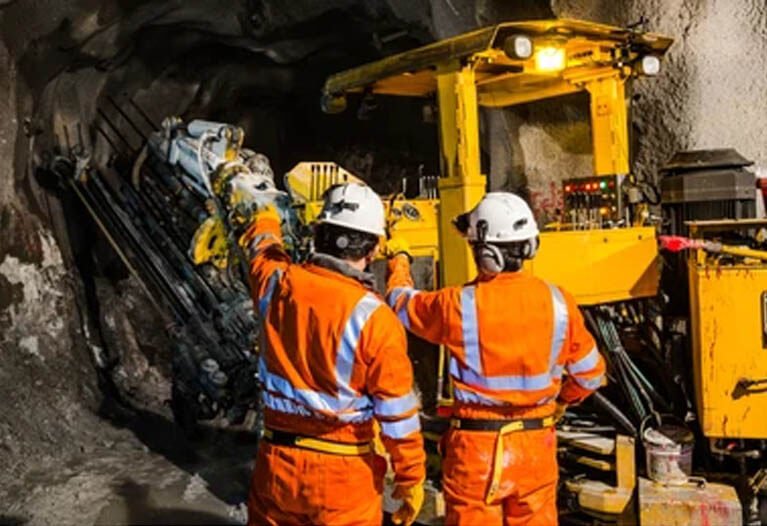
Microprismatic designs use light-bending prisms at the material surface. For mining applications, the critical innovation is segmented construction—intentional breaks in the reflective layer that allow the material to flex without cracking.
Performance advantages for mining: Retroreflectivity of 250-450 cd/lux/m² (vs. 75-150 for glass bead), superior moisture resistance, faster reflectivity recovery at closer distances, and segmented designs prevent catastrophic delamination when fabric stretches or flexes during rugged mining work. The segmented structure looks like intentional dashed lines—this isn’t a defect, it’s the engineered solution that allows reflectivity to persist through mining’s dynamic stress.
Glass Bead Reflective Materials
Glass beads scatter light retroreflectively through sphere behavior. Standard glass bead products aren’t engineered for mining because (1) Continuous surfaces crack under flex stress without segmentation, (2) Beads are more susceptible to grease infiltration and displacement, (3) Abraded beads lose reflectivity faster than equivalent microprismatic materials, and (4) Most glass bead formulations exceed moisture absorption thresholds in high-humidity underground mines. Glass bead enters mining applications only when cost pressures dominate safety considerations—it’s the wrong choice for serious operations.
For mining environments, segmented microprismatic reflective tape is the industry standard among safety-conscious operations. This isn’t an opinion—it’s what Chilean copper mines, Australian coal operations, and Canadian hard rock mining sites specify in their PPE procurement standards.
Best Practices for Mining Reflective Safety Implementation
Effective mining safety programs combine technology selection with operational practices:
1 Specify Segmented Microprismatic Tape by Default
Include segmented design as a mandatory specification in PPE procurement. This single requirement eliminates approximately 70% of reflective peeling failures observed in mining operations. Partner with industrial reflective tape suppliers who understand mining durability requirements rather than purchasing from general safety apparel vendors.
2 Establish Reflectivity Inspection Protocols
Monitor reflectivity degradation through monthly spot checks using reflectivity meters. A 25-30% loss compared to new condition signals replacement needed. This proactive approach prevents relying on worker attention to degraded visibility (which rarely happens until a near-miss or incident occurs). Document baseline reflectivity readings when gear reaches workers to establish degradation baselines specific to your mine.
3 Control Pre-Wash Fabric Preparation
Grease and mineral contamination on new gear before tape application causes premature adhesive failure. Establish a protocol: all newly manufactured mining gear must be pre-treated (degreasing wash at 40°C, solvent wipe, or ultrasonic cleaning) immediately before reflective tape application in-facility. This step is often skipped by budget-conscious manufacturers but is non-negotiable for mining durability.
4 Implement Flame-Retardant Dual Certification
Ensure all mining reflective gear carries both EN ISO 20471 (visibility) AND NFPA 2112 or EN ISO 11612 (flame-retardant) certifications. Underground explosions and fuel spills are mining realities—FR properties shouldn’t be an afterthought. Mining-grade FR reflective materials exist (dual-certified), but require intentional sourcing rather than standard visibility wear.
5 Replace Per Condition, Not on Time Schedule
Generic time-based replacement (e.g., “replace all vests annually”) ignores actual degradation. Use a condition-based model: replace when reflectivity drops 30% from baseline, tape shows visible peel-back, seams show separation, or after traumatic incidents. This requires tracking which workers have which gear—manageable with modern inventory systems and dramatically more cost-effective than blanket annual replacement.
Ready to Upgrade Your Mining Reflective Solutions?
Partner with suppliers who understand mining durability challenges. Our mining-grade industrial reflective tape and hi-vis workwear are engineered for extreme mining environments, not laboratory compliance.
Request Mining Specifications & SamplesFrequently Asked Questions About Mining Reflective Solutions
Why does standard hi-vis reflective material fail in mining environments?
Standard reflective materials aren’t engineered for mining-specific stressors. Rock dust creates constant micro-abrasion that degrades reflective coatings, machinery oils and grease cause adhesive failure between reflective tape and base fabric, frequent industrial washing cycles break down reflective microprisms faster than they’re rated for, and deep-level mining conditions create heat and humidity that compromise adhesion. Additionally, many entry-level reflective solutions lack the segmented design necessary to maintain reflectivity when the base fabric stretches or flexes during rugged work.
What durability standards should mining safety gear meet?
Mining reflective gear should meet EN ISO 20471 Class 3 standards (for high visibility clothing visibility requirements) combined with enhanced durability testing: minimum 50 industrial wash cycles at 60°C without reflectivity loss below 50%, abrasion resistance exceeding ISO 12947 standards, flame-retardant certification (NFPA or equivalent), tensile strength retention above 80% after simulated environmental exposure, and chemical resistance to diesel, hydraulic fluid, and standard degreasers per ASTM D543.
How do microprismatic vs. glass bead reflective tapes compare for mining?
Microprismatic reflective materials outperform glass bead designs in mining contexts because they provide superior retroreflectivity (250-450 cd/lux/m² vs. 75-150 for glass bead), better durability against abrasion, enhanced moisture resistance that prevents edge delamination, and faster reflectivity recovery at closer distances. However, the key difference is that mining-grade microprismatic tape uses segmented construction (creating intentional breaks in the reflective layer) which prevents catastrophic delamination when fabric flexes and stretches, whereas standard continuous microprismatic can crack and peel under dynamic mining stress.
What causes reflective tape to peel off work uniforms in mining?
Reflective tape peeling in mining results from several combined factors: (1) Inadequate base fabric preparation and adhesive incompatibility with industrial wash detergents, (2) Thermal stress from temperature fluctuations between underground work and surface—tape adhesives fail when cycling between 30°C underground and 50°C at surface, (3) Grease and hydraulic fluid contamination on fabric before tape application, which prevents proper adhesion, (4) Continuous flexing and stretching of the fabric during heavy work creates stress that standard adhesives cannot withstand, and (5) Using standard-grade thermal adhesive instead of industrial-strength polyurethane or contact cement specifically formulated for high-flex applications.
Are flame-retardant reflective materials automatically both FR and reflective?
Not automatically. Reflective materials and flame-retardant properties require separate engineering. You need to specifically source flame-retardant reflective tape and FR-treated base fabrics. Look for products that carry both EN ISO 20471 (visibility) and NFPA 2112 or EN ISO 11612 (flame-retardant) certifications. Flame-retardant microprismatic reflective tapes exist, but they’re specialized products requiring custom sourcing. The FR treatment doesn’t reduce reflectivity when properly formulated, but cheaper alternatives sometimes compromise visibility to add flame resistance.
How often should mining reflective gear be replaced?
In heavy-duty mining operations, reflective gear replacement should follow a condition-based schedule: inspect monthly for tape damage, peel-back, or loss of reflectivity (test with a flashlight at night), replace when reflectivity visibly diminishes by 30% from original brightness, or after 200 service hours in abrasive environments. Most well-engineered mining-grade hi-vis clothing lasts 12-24 months with weekly industrial washing, compared to 6-8 months for standard-grade options. Budget for replacement after major incidents involving chemical spills or extreme abrasion.
Explore Our Mining-Grade Reflective Solutions
To learn more about the advanced engineering that makes these solutions work in extreme mining conditions, visit our detailed resource on industrial reflective tape specifications. Our mining-specific products are engineered to withstand the exact environmental stressors discussed in this article, with segmented microprismatic construction, industrial-strength adhesives, and dual flame-retardant certifications.
External Resources for Mining Safety Standards
- ISO 20471:2013 – High-Visibility Clothing – The international standard for visibility requirements in hazardous work
- NFPA 2112 – Standard on Flame-Resistant Garments – Essential for mining’s flame-retardant requirements
- ASTM D3359 – Adhesion Testing Methods – Measures tape adhesion strength after environmental stress
- MSHA Standards & Guidance (U.S. Occupational Safety & Health) – Official mining safety compliance requirements
- EN ISO 11612 – Protective Clothing Against Heat & Flame – Establishes FR performance for mining applications
- ISO 12947 – Abrasion Resistance Testing – Critical durability metric for mining materials
- Mining Standards & Best Practices (International Mining Community) – Industry consensus on reflective gear specifications
Conclusion: Engineering Mining Safety, Not Just Compliance
Mining environments demand reflective solutions engineered for durability, not just regulatory compliance. The distinction between “certified” and “mining-durable” is where worker safety truly lives—in the field conditions that destroy standard reflective materials but leave mining-grade solutions intact.
Segmented microprismatic reflective tape, dual-certified flame-retardant construction, industrial-strength adhesives, and condition-based replacement protocols form the foundation of effective mining reflective safety programs. These aren’t optional enhancements—they’re the engineering realities that allow visibility standards to persist where they matter most: during dark underground shifts, emergency evacuations, and the unseen moments when visibility prevents tragedy.
When miners can see and be seen, safety culture strengthens. Mining-grade reflective solutions make this fundamental commitment to visibility real. The investment in specialized materials isn’t a budget item—it’s a commitment to bringing workers safely home.
Need mining-specific reflective material specifications? Our team has equipped operations across Chile, Australia, Canada, and Central Africa with reflective solutions engineered for extreme mining conditions.
Request Mining Reflective Material Consultation