ANSI/ISEA 107 Explained: Choosing the Right Reflective Piping for Safety Gear
For safety apparel brands, distributors, and procurement teams, reflective piping is no longer a decorative trim. It is a performance component that can support—or quietly undermine—the compliance life of a high-visibility garment.
Quick Answer
To choose the right reflective piping for ANSI/ISEA 107 safety gear, match the piping to the garment’s intended ANSI type and class, end-use hazards, wash-cycle requirement, fabric construction, and expected service life—not just its initial brightness. ANSI/ISEA 107 evaluates high-visibility garments as complete safety systems, so a premium Type R, Class 3 jacket can still fail in the field if its reflective piping loses retroreflectivity, cracks, delaminates, or lacks flame-resistant properties before the main reflective tape does. The best practice is to use a “component lifecycle” approach: verify photometric performance, wash durability, abrasion resistance, UV exposure tolerance, compatibility with industrial laundering, FR or non-FR requirements, and traceability data before bulk production. If your brand needs compliant, lifecycle-matched wholesale reflective piping, always select a supplier that can provide test data, material consistency, and garment-level application support.

Why ANSI/ISEA 107 Matters When Selecting Reflective Piping
ANSI/ISEA 107 is the key high-visibility safety apparel standard used in the United States. It defines garment types, performance classes, background material requirements, and retroreflective material placement rules for workers exposed to moving vehicles, equipment, low light, or complex jobsite conditions. Many buyers correctly focus on the large reflective tape zones across the torso, arms, and legs. However, reflective piping is often overlooked because it appears small compared with the main tape.
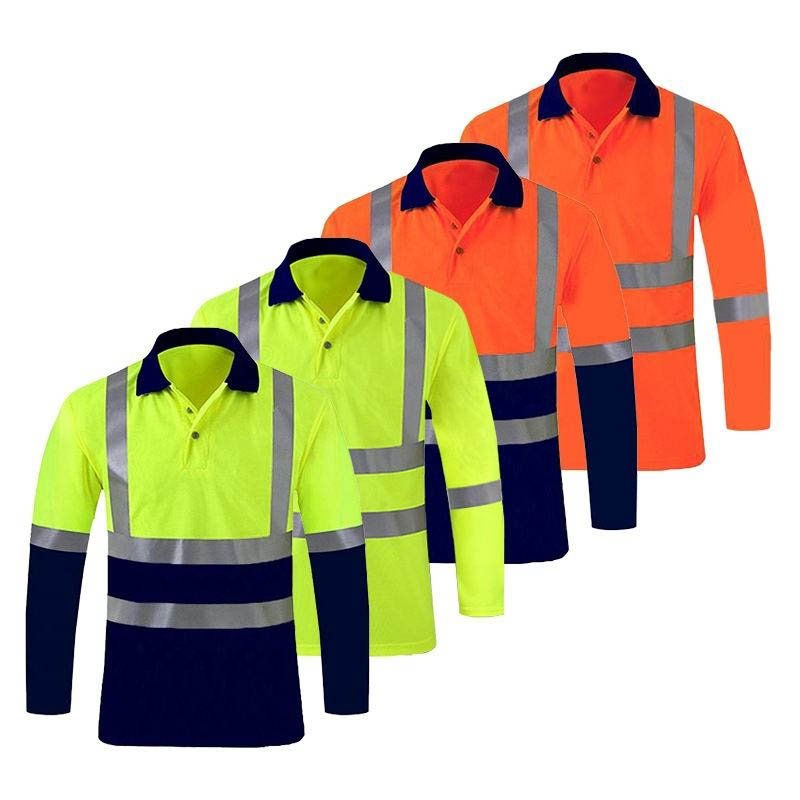
That is where problems begin. In real sourcing projects, reflective piping is frequently selected late in the development process, sometimes as a cost-saving trim. But on a finished hi-vis vest, jacket, rain suit, or winter workwear style, piping may be placed along shoulders, seams, pockets, sleeves, side panels, and hood edges. These zones experience bending, abrasion, washing stress, rain exposure, and repeated movement. If the piping fails earlier than the garment body or main reflective tape, the product’s field performance drops before its expected end-of-life.
For reference, buyers can review the standard publisher’s information through the ISEA ANSI/ISEA 107 overview, while employers can compare usage expectations with OSHA’s broader guidance on personal protective equipment.
Reflective Piping Is a Visibility Component, Not Just a Trim
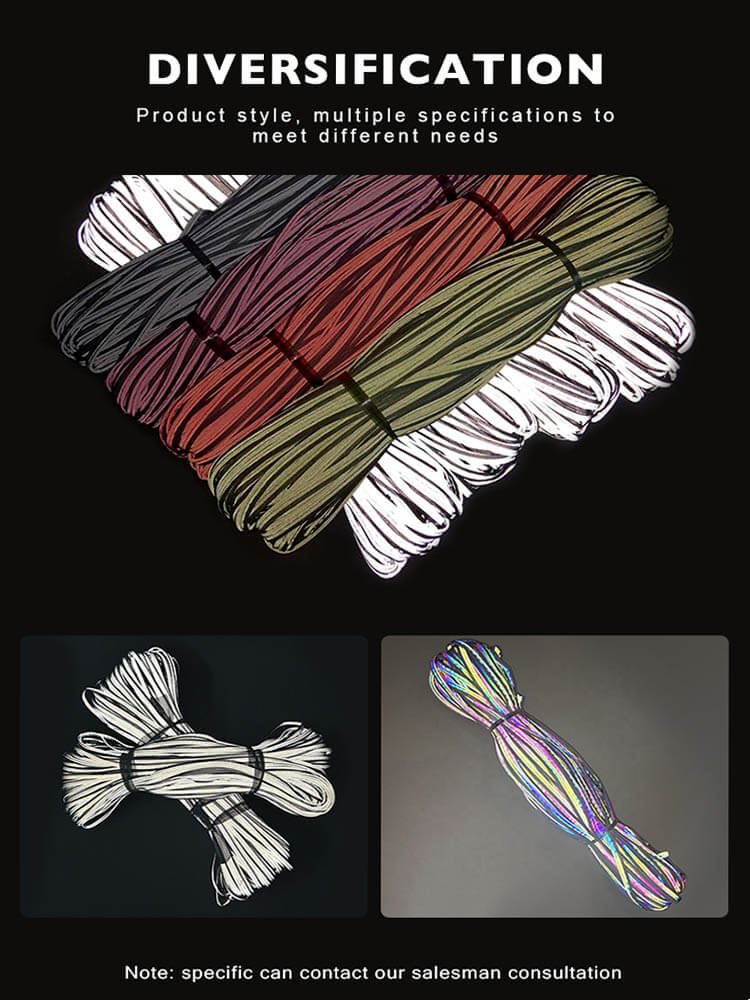
Reflective piping is typically made by combining a retroreflective surface with a textile or polymer base and then constructing it into a corded or folded profile that can be sewn into seams. Its biggest advantage is edge visibility: it outlines the human form, highlights garment contours, and adds visual cues from side angles where wide reflective tape may be less visible.
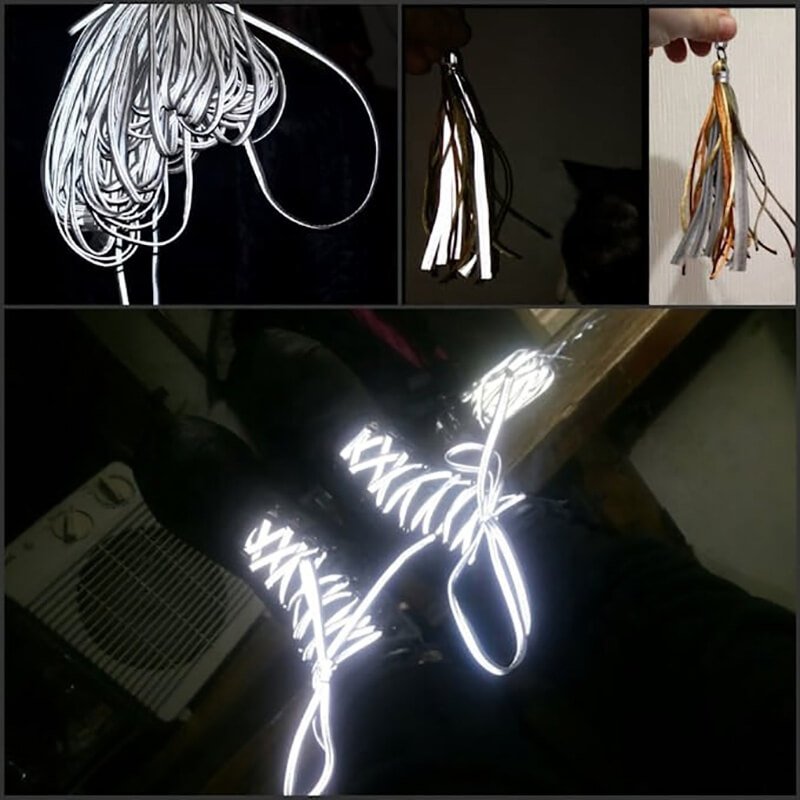
On workwear, piping is especially useful at shoulder seams, sleeve seams, pocket flaps, storm plackets, trouser side seams, and rainwear panels. It gives the garment a finished appearance while increasing conspicuity. But the same raised structure that makes piping visible also exposes it to wear. It may rub against tool belts, harnesses, vehicle seats, backpacks, and washing equipment.
This is why responsible product teams evaluate piping in the same way they evaluate reflective tape: retroreflective performance, wash durability, substrate strength, sewing compatibility, and after-care behavior.
Understanding ANSI/ISEA 107 Types and Classes
ANSI/ISEA 107 organizes garments by use environment and visibility level. While reflective piping itself may not replace the required area of compliant retroreflective tape unless specifically designed and tested for that purpose, it must still be compatible with the garment’s safety intent.
| Category | Typical Use | Reflective Piping Consideration |
|---|---|---|
| Type O | Off-road workers near equipment or moving machinery | Prioritize abrasion resistance and shape recognition. |
| Type R | Roadway workers exposed to traffic and vehicles | Match piping lifecycle to Class 2 or Class 3 garment durability. |
| Type P | Public safety personnel including police, fire, and EMS | Consider mobility, emergency-use durability, and specialized hazards. |
| Class 1, 2, 3 | Increasing visibility level based on material area and design | Do not let small trims become the weakest compliance point. |
For work zone apparel selection, buyers may also compare ANSI requirements with highway work zone recommendations from the Federal Highway Administration MUTCD resources. For laboratory performance language around retroreflective materials, the ASTM International standards library is also useful for procurement and testing teams.

The 2026 Shift: From “Certified?” to “Correct for the Lifecycle?”
In 2026, the smartest safety apparel buyers are moving beyond checkbox compliance. The more practical question is not simply, “Is this reflective piping certified?” It is, “Will this piping remain suitable for this specific garment after repeated washing, jobsite abrasion, weather exposure, and real use?”
Consider a premium ANSI Type R, Class 3 jacket designed for construction or road work. The shell fabric may be strong. The main reflective tape may be rated for many industrial wash cycles. The garment pattern may meet the required layout. But if the brand specifies a generic reflective piping with a lower wash-cycle rating, the piping may dull, crack, or peel long before the main tape fails. The wearer may still think the garment is protective, but the visual performance has already declined.
This “component mismatch” is one of the most expensive mistakes in hi-vis workwear development. It causes premature claims, failed inspections, inconsistent product quality, and reputational damage for distributors. More importantly, it places workers at risk because the garment no longer performs as the safety system originally intended.
Practical sourcing rule: every visible component on a high-visibility garment should be specified to survive the same realistic service life as the garment itself.
At VizGlo Safety, this is why we discuss wash cycles, jobsite hazards, UV exposure, abrasion points, garment fabric, and application method before recommending reflective piping. As a reflective piping manufacturer, we treat piping as part of a compliance solution rather than a last-minute accessory.
Common Mistakes That Can Undermine Garment Performance
- 1. Choosing piping only by price. A few cents saved per meter can lead to early reflectivity loss, higher return rates, and replacement costs.
- 2. Ignoring wash-cycle compatibility. If the main reflective tape is designed for industrial laundering but the piping is not, the garment has a hidden weak point.
- 3. Using standard piping on FR garments. Utility, electrical, oil and gas, and certain railway or industrial workers may require flame-resistant properties. Non-FR piping on FR workwear can create serious liability.
- 4. Forgetting sewing and seam stress. Piping must handle needle penetration, bending, seam compression, and repeated movement without cracking or twisting.
FR, Rainwear, Stretch, and Industrial Laundry: Match the Piping to the Garment
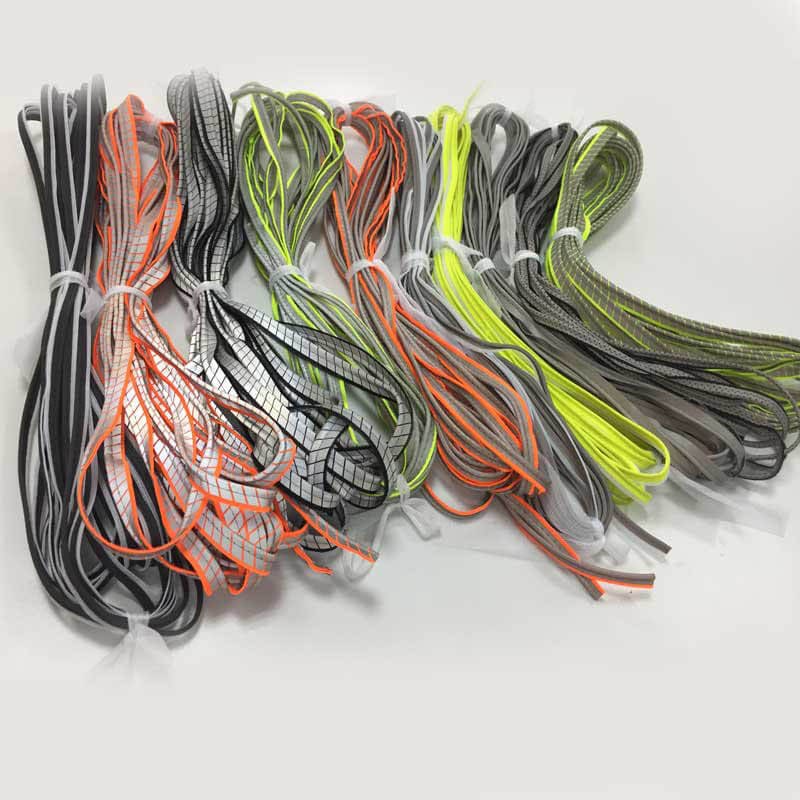
Different safety garments need different piping constructions. A lightweight safety vest may only require standard durable reflective piping for low to moderate washing. A waterproof hi-vis rain jacket needs piping that works with coated fabrics and resists moisture-related degradation. A winter jacket may need better flexibility at low temperatures. A stretch workwear garment requires elastic compatibility so the piping does not restrict movement or distort seams.
FR garments are a separate category. If the garment is designed for flame-resistant protection, the reflective piping should be assessed for flame-resistant compatibility as well. In many cases, buyers need documentation for the full material package, not only the shell fabric. This is especially important for utility workers, electrical maintenance crews, petrochemical environments, and industrial contractors.
Sustainability and traceability are also becoming stronger procurement questions. More buyers now ask whether recycled content, restricted substances, and supplier chain data can be documented. For chemical safety expectations in textiles, many international buyers use references such as the OEKO-TEX STANDARD 100 framework when building supplier qualification systems.
Buyer’s Checklist: How to Specify Reflective Piping for ANSI/ISEA 107 Safety Gear
Performance Data
- Initial retroreflective brightness
- After-wash retroreflective retention
- Abrasion and flex resistance
- UV and weathering behavior
Garment Compatibility
- Compatible with vest, jacket, rainwear, or trouser fabric
- Suitable for seam construction and sewing method
- Flexible enough for movement zones
- Appropriate for coated or laminated fabrics
Hazard Matching
- FR option when used on FR garments
- Industrial laundry suitability when needed
- Resistance to jobsite abrasion points
- Performance under rain, cold, or sun exposure
Procurement Control
- Consistent color and reflection between batches
- Traceable raw material records
- Clear packaging and roll identification
- Supplier support for OEM/ODM garment programs
Need Reflective Piping Matched to Your Garment Program?
VizGlo Safety supports global distributors, private-label brands, and industrial workwear buyers with reflective piping, reflective tape, hi-vis clothing, and OEM/ODM safety garment manufacturing. Share your garment type, target ANSI class, wash requirement, and end-use environment—we will help you select the right component package before production.
Request Reflective Piping ConsultationWordPress/Elementor note: this button uses your existing Elementor popup action and popup ID 26.
Final Recommendation
ANSI/ISEA 107 compliance should be treated as a garment-level responsibility, not a label applied at the end of production. Reflective piping may be narrow, but it sits at high-stress zones and contributes to the wearer’s recognizable outline in low-light environments. When it fails early, the garment’s real-world protection is weakened.
The right approach is simple: specify reflective piping according to the garment’s lifecycle. Match it to the ANSI use type, class intention, wash method, fabric system, environmental exposure, and jobsite hazard. If you are developing a new safety gear collection or upgrading an existing program, visit our reflective piping product center for material options, customization support, and OEM/ODM sourcing guidance: VizGlo Safety Reflective Piping.
FAQ: ANSI/ISEA 107 and Reflective Piping
Does reflective piping count toward ANSI/ISEA 107 reflective material area?
Usually, reflective piping is treated as a supplementary visibility component unless it is specifically designed, tested, and accepted as part of the required retroreflective material layout. Buyers should not assume piping can replace standard reflective tape without garment-level compliance review.
What is the biggest risk when using low-cost reflective piping?
The biggest risk is lifecycle mismatch. Low-cost piping may look acceptable when new but can lose brightness, crack, delaminate, or fail after fewer washes than the main garment components.
Do FR garments need FR reflective piping?
If the garment is intended for flame-resistant protection, every visible and structural component should be reviewed for FR compatibility, including reflective piping. Standard non-FR piping can create safety and liability concerns.
How should distributors specify reflective piping for private-label safety gear?
Distributors should define garment type, ANSI target class, wash requirement, fabric type, end-use industry, color requirements, FR needs, and packaging/traceability expectations before requesting samples or pricing.