Australian Standards for Hi Vis Clothing: What Buyers and Importers Need to Know
Australian standards for hi vis clothing require strict adherence to a two-tier compliance framework: raw material performance under AS/NZS 1906.4 (specifying minimum chromaticity, daytime luminance, and retroreflective coefficient values) combined with garment design rules under AS/NZS 4602.1 (mandating layout classifications such as Class D, Class N, and Class D/N). For global importers and safety brand buyers, passing Australian border and workplace inspections demands not just certified raw components, but accurate tape configurations (such as hoop, cross-back, and limbs-based biomotion patterns), proper color separation panels, and complementary compliance with UPF 50+ sun protection guidelines under AS 4399:2020.
Table of Contents: Sourcing Compliant Workwear for Australia
1. The Two-Tier Compliance Framework: Material vs Garment
When procuring safety apparel for the Australian and New Zealand workwear sectors, the most frequent misconception among international buyers is treating “AS/NZS compliance” as a single certification mark. In real manufacturing terms, Australian workplace regulators like Safe Work Australia require two completely distinct yet interconnected standards to be verified in sequence:
AS/NZS 1906.4
Controls the raw building blocks. It governs the chromaticity coordinates, luminance factors for day-glow fabrics, and retroreflective performance (minimum photometric values under wet and dry conditions) for all safety trims.
AS/NZS 4602.1
Controls the garment construction. It mandates the minimum surface area (0.2 m² for daytime fluorescent upper body coverage), front/back distribution, uninterrupted color zones, and precise positioning of reflective tapes.
A finished garment can never achieve AS/NZS 4602.1 compliance without accredited lab test reports demonstrating that the specific base dye batch and reflective elements comply with AS/NZS 1906.4. At VizGlo, our integrated factory lines manufacture premium certified reflective tapes in-house, giving B2B distributors complete chain-of-custody compliance from raw polymer to tailored safety gear.
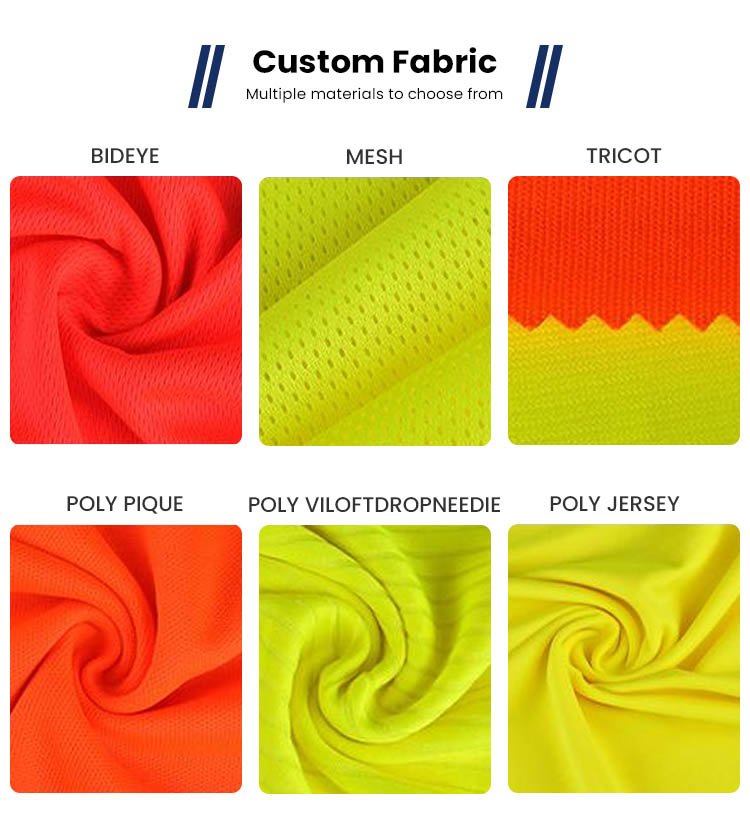
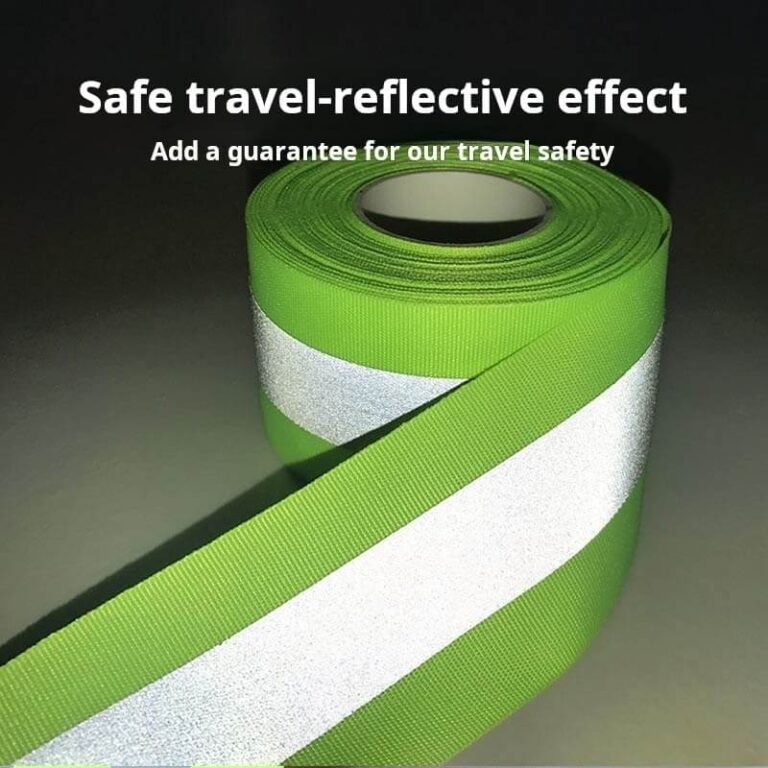
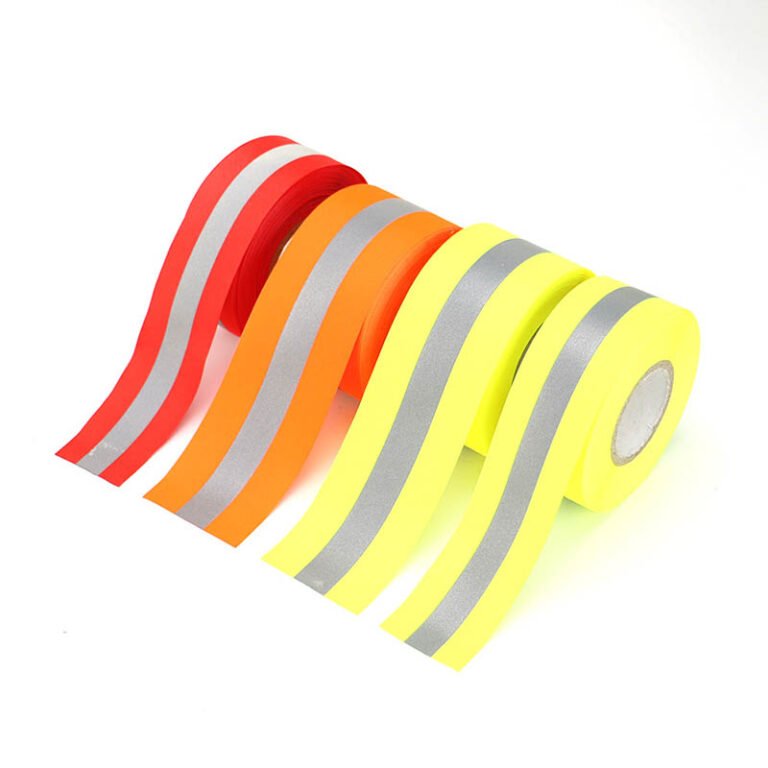
Fluorescent high-visibility fabric color testing matching AS/NZS 1906.4 chromaticity boundaries.
2. Decoding High-Visibility Garment Classes: D, N, and D/N
Placing a bulk purchase order for “generic hi-vis apparel” without defining the target operational class often leads to customs rejection or failed safety audits. Under AS/NZS 4602.1, apparel is categorized into three practical workplace scenarios:
Class D (Day Use Only)
Designed strictly for outdoor daytime operations. Garments must feature an uninterrupted minimum of 0.2 m² fluorescent or high daytime contrast material on both the front and back of the upper torso. No reflective tape is required, making this ideal for lightweight summer hi-vis polo shirts & t-shirts.
Class N (Night Use Only)
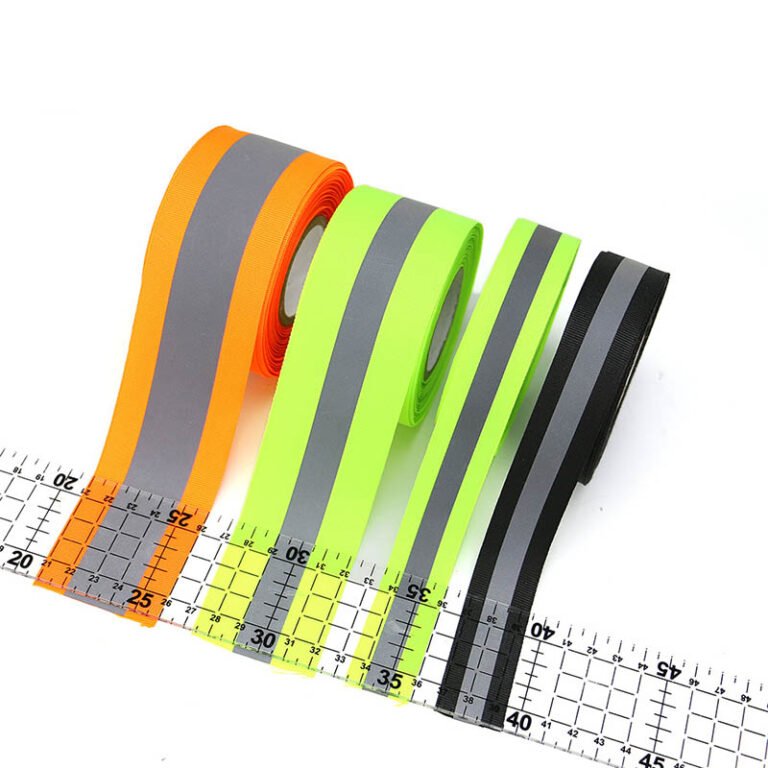
Engineered specifically for low-light or nocturnal operations illuminated by vehicular headlights. While daytime fluorescent fabric color is not strictly mandatory, the garment must utilize minimum 50mm wide retroreflective tape arranged in specified geometric configurations.
Class D/N (Day & Night 24-Hour Use)
The most widely specified class in modern civil construction, mining, and road maintenance. Combines full fluorescent daytime background fabric specifications (Class D) with strategically mapped 50mm retroreflective tape arrangements (Class N).
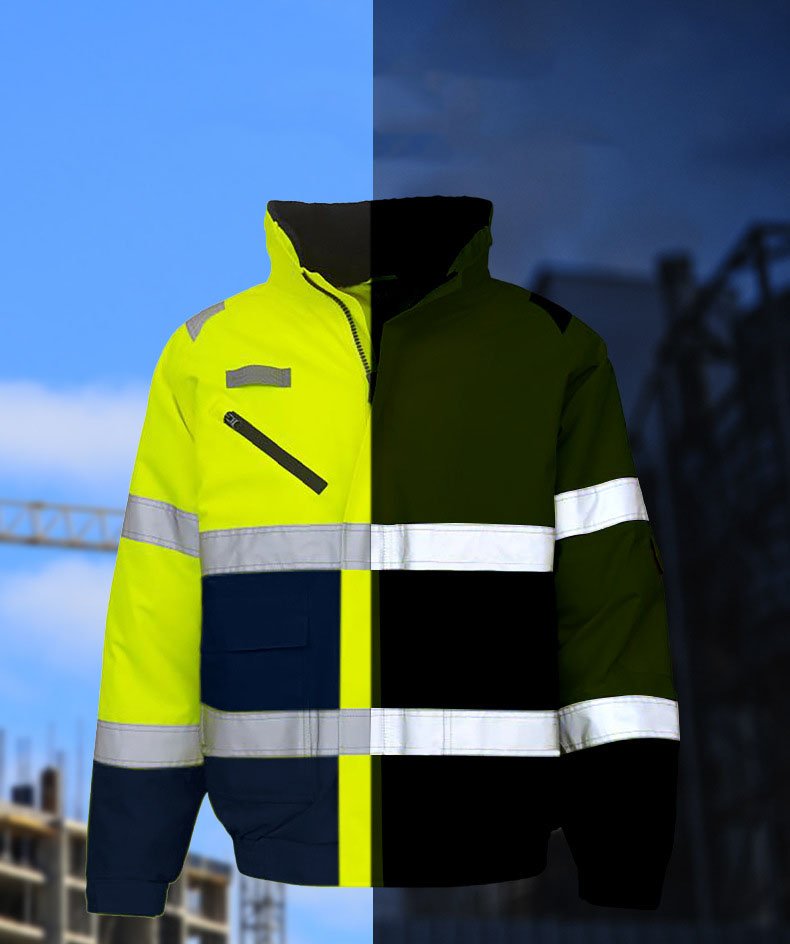
Class D/N high-visibility thermal jacket providing dual daytime brilliance and nocturnal retroreflectivity.
3. Reflective Tape Layouts & The “Biomotion” Advantage
A key distinction between Australian standards and US ANSI/ISEA 107 or European EN ISO 20471 specifications is Australia’s heavy emphasis on Biomotion tape mapping.
Research proven by Australian road safety agencies shows vehicle operators recognize a human form significantly faster when retroreflective materials are placed on moving body parts—namely the wrists, forearms, knees, and ankles.
Standard AS/NZS Tape Configurations:
- Hoop Pattern: Continuous horizontal reflective band circling the torso paired with vertical shoulder straps.
- Cross-Back (“X” Back): Mandatory on many heavy mining, civil infrastructure, and railway sites to allow heavy machinery operators to instantly distinguish if a worker is facing toward or away from the vehicle.
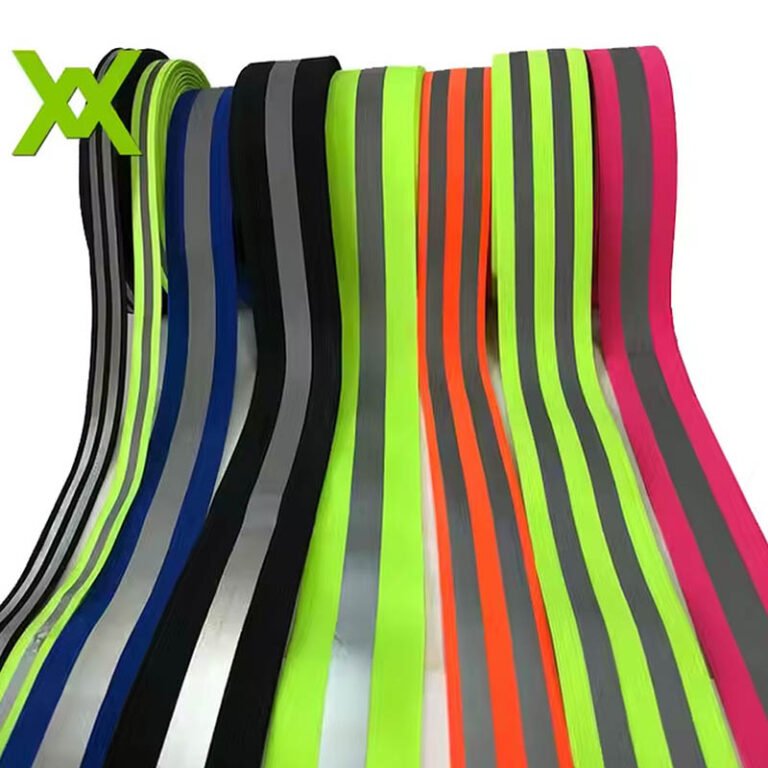
- Segmented Flexible Heat Transfer Tape: Widely adopted on active workwear to provide elasticity without breaking compliance. Explore our factory-direct segmented reflective films that withstand industrial laundering cycles.
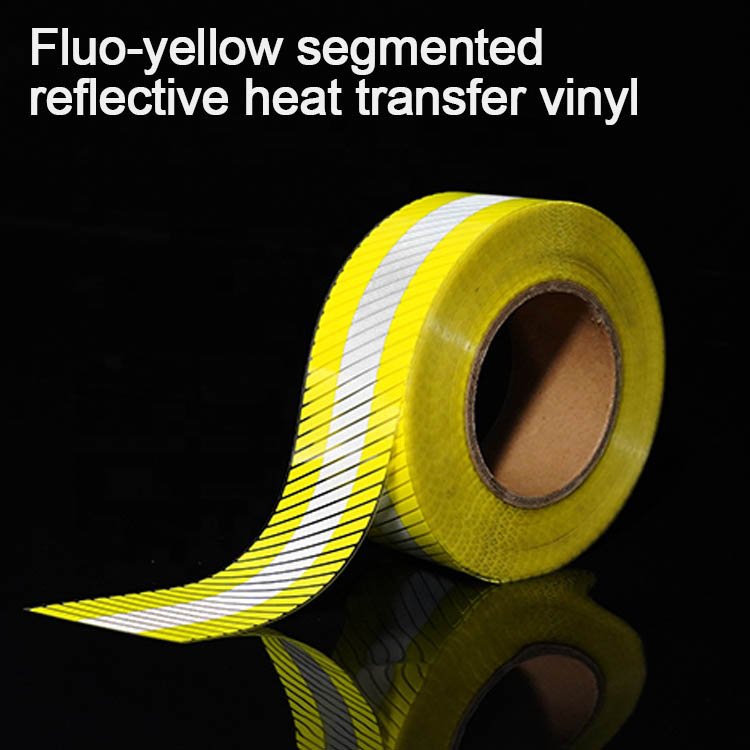
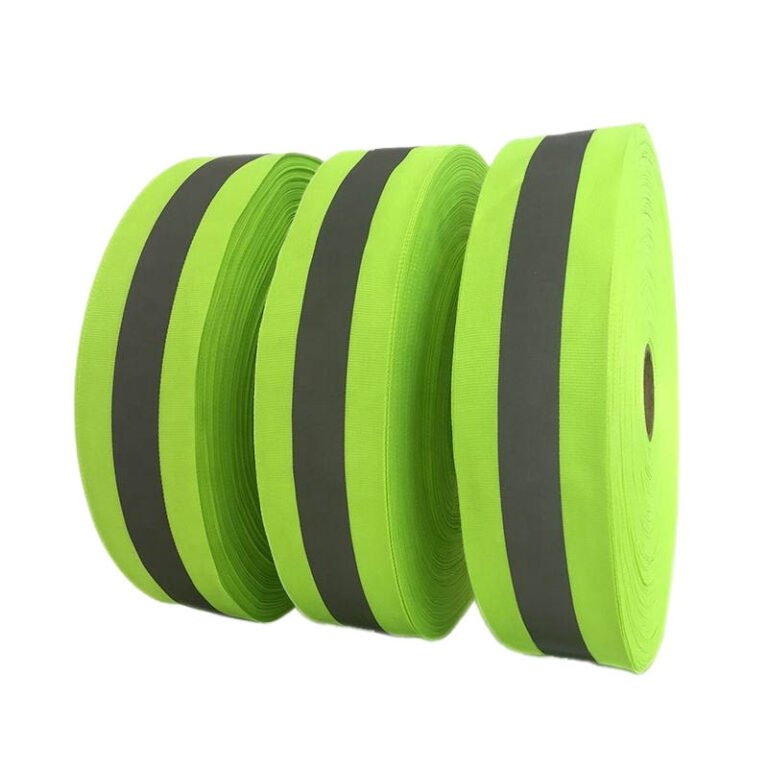
Segmented retroreflective film providing breathability, high stretch, and certified nocturnal visibility.
4. Beyond Visibility: AS 4399:2020 Sun Protection & Heavy Mining Demands
The Australian climate presents unique occupational hazards. Operating under high UV indices and intense humidity means workwear buyers cannot settle for thick, non-breathable polyester garments. Australian site managers routinely demand dual certification:
- AS 4399:2020 Sun Protective Clothing: Garments must offer rated UPF protection (typically UPF 30, UPF 50, or UPF 50+ Excellent Protection) to safeguard outdoor laborers against skin melanoma risks.
- Breathable Cotton-Back Polyester: Blended fabrics with poly on the face (for fluorescent dye durability) and pure cotton against the skin for moisture-wicking comfort.
- OEKO-TEX STANDARD 100 Certification: Importers require guarantees that skin-contact work garments are completely free from toxic AZO dyes and harmful industrial chemical residues.
For complete protective apparel collections tailored to Australian site requirements, view our comprehensive custom hi-vis workwear catalog.
5. Top 4 OEM Pitfalls Importers Face in the Australian Market
1. Over-Branding with Custom Logos
Printing large, solid company logos across the chest or upper back can reduce the continuous fluorescent area below the required 0.2 m² threshold, automatically invalidating Class D compliance.
2. Incorrect Contrast Panel Proportions
Adding navy, black, or charcoal dirt-hiding panels on the lower body is common, but extending dark fabric higher than the midriff can violate front-torso visibility minimums.
3. Non-Compliant Fasteners & Zips
Using standard shiny or high-contrast zippers that split the front panel without a protective fluorescent storm flap can break the uninterrupted color surface rule under 4602.1.
4. Generic Test Certificates
Submitting 3-year-old fabric batch certificates for current shipments. Australian enterprise buyers demand valid batch-specific test data from accredited laboratories.
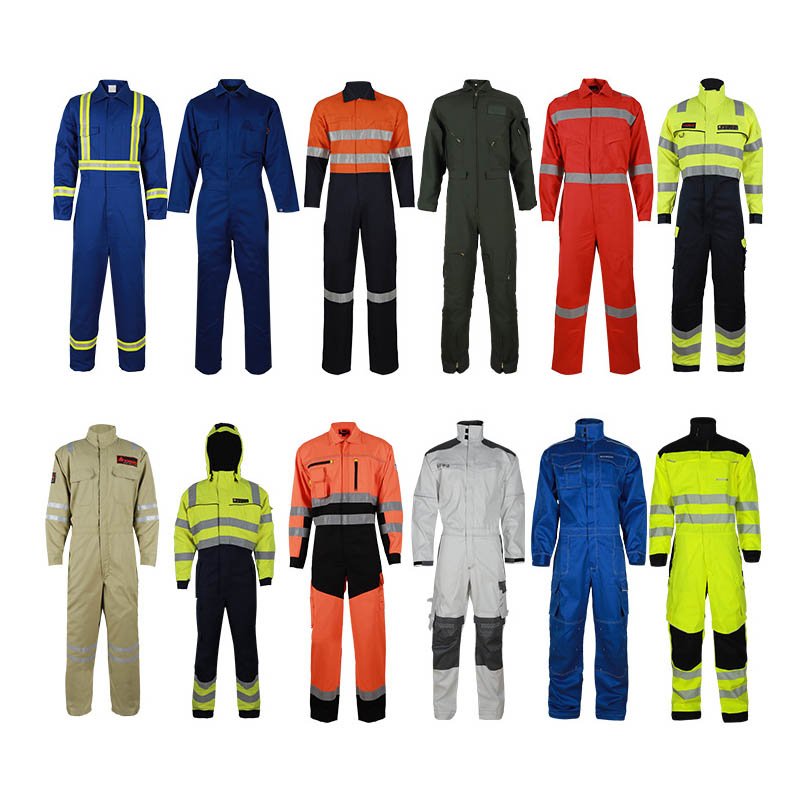
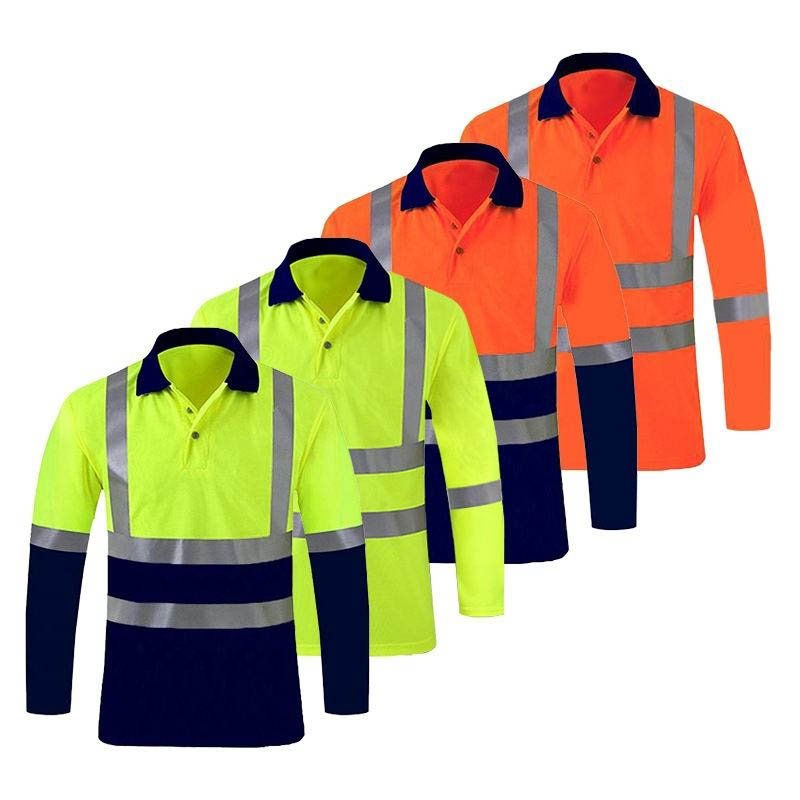
Correct ratio of two-tone contrast dirt-hiding panels and high-luminance fluorescent zones.
6. Buyer Quality Control Checklist: Sourcing from VizGlo
Before approving mass production runs for Oceanic distribution, ensure your manufacturing partner verifies the following parameters:
Looking to Import Compliant Hi-Vis Workwear to Australia?
Work directly with Nanjing VizGlo Safety Technology. Over 15 years of OEM/ODM manufacturing expertise, vertically integrated reflective materials, and complete AS/NZS compliance documentation.
Request a Custom Quote & Compliance Pack24-48 Hour Sample Dispatch • Full Lab Test Certificates Provided
7. Frequently Asked Questions (FAQ)
What is the core difference between AS/NZS 1906.4 and AS/NZS 4602.1? ▼
AS/NZS 1906.4 regulates raw materials (such as the chromaticity, luminosity, and durability of fluorescent base fabrics and retroreflective tapes). AS/NZS 4602.1 governs garment construction (how the fabric and tapes are arranged, minimum surface areas, contrast panel placement, and class classifications like D, N, and D/N).
Can an ANSI/ISEA 107 compliant garment be sold as compliant in Australia? ▼
Not automatically. While ANSI and AS/NZS share similar photometric safety principles, Australian standards enforce specific tape placement schemes (such as cross-back configurations and limb biomotion rules) and stricter uninterrupted front-torso fluorescent area calculations. Garments must be certified specifically to AS/NZS 4602.1.
What colors are permitted under Australian hi-vis regulations? ▼
Under AS/NZS 1906.4, approved fluorescent colors for high-risk day use are Fluorescent Yellow-Green, Fluorescent Orange-Red, and Fluorescent Red. Non-fluorescent high-visibility colors are permitted under restricted conditions for non-hazardous day environments.
Is UPF 50+ sun protection mandatory for Australian safety workwear? ▼
While AS/NZS 4602.1 strictly dictates visibility, most enterprise buyers and tier-1 construction contractors in Australia mandate compliance with AS 4399 (Sun Protective Clothing), demanding UPF 30+ to UPF 50+ ratings due to occupational workplace health and safety laws.