A Manufacturer’s Guide to Reflective Webbing for Outdoor & Sports Gear
For backpacks, running vests, tents, cycling bags, dog gear, and performance apparel, reflective webbing is no longer just a safety trim. It is a structural, visual, and brand-defining component that must survive real outdoor use.
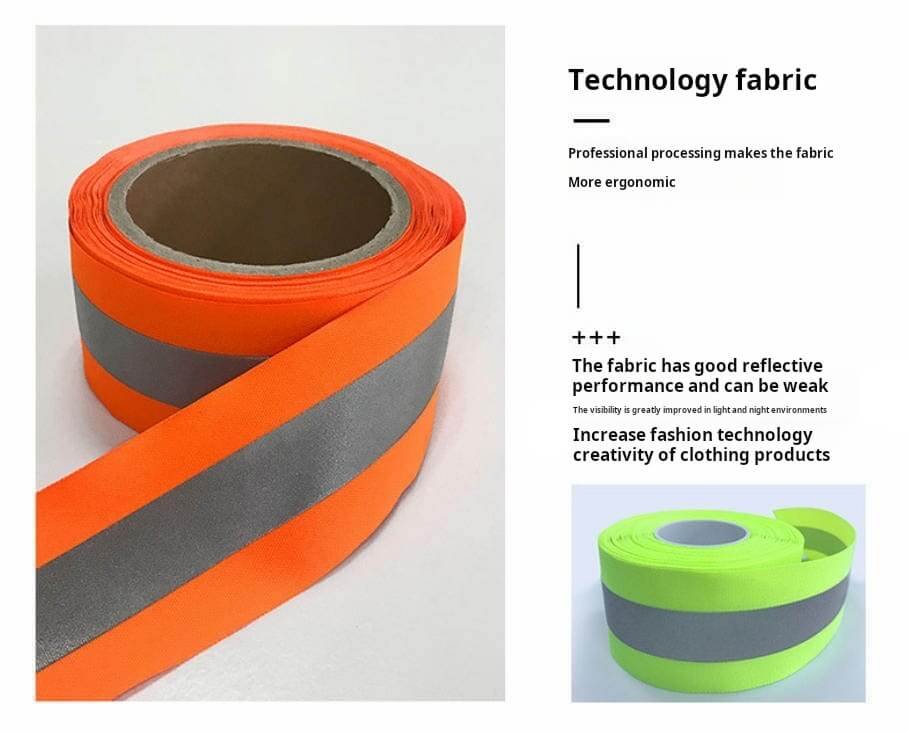
Table of Contents
Quick Answer: What Should Manufacturers Look for in Reflective Webbing?
Manufacturers should choose reflective webbing according to the final product’s real-use conditions, not only its initial brightness. For outdoor and sports gear, the best reflective webbing combines reliable retroreflectivity, suitable tensile strength, low weight, abrasion resistance, UV stability, wash durability, and the right hand feel for the application. Rugged backpacks and trekking gear usually need high-strength polyester or nylon webbing with strong resistance to snagging and fraying; running vests, cycling apparel, and stretch panels need lightweight, flexible, or elastic reflective webbing that moves with the body; tents, guy lines, pet gear, and accessories may prioritize weather resistance, color options, and night-time visibility. A qualified supplier should provide test data for reflectivity, abrasion, washing, color fastness, and substrate strength, while also supporting custom width, color, pattern, logo integration, and recycled material options.
Reflective Webbing Has Moved from Compliance Trim to Performance Design
A few years ago, many brands treated reflective webbing as a small safety detail: specify a width, check the reflective value, confirm the price, and move on. That approach is becoming outdated. In outdoor and sports categories, a reflective strap is touched, stretched, pulled, buckled, scraped against rocks, exposed to sweat, washed repeatedly, and left under sunlight. If it cracks, delaminates, loses brightness, or feels stiff against the body, the entire product feels cheaper.
The market is also more competitive. A running vest, commuter backpack, cycling pouch, or trekking pack has only seconds to communicate quality. Reflective webbing can do that instantly. It can frame a silhouette, highlight a technical feature, create a night-time identity, or make a brand recognizable in low-light photos shared by users.
From a manufacturer’s point of view, this changes the sourcing conversation. The question is no longer “Is it reflective enough?” The better question is: “Will this reflective webbing still look, feel, and perform like part of a premium product after one or two seasons of use?”
Application-Specific Choices: One Webbing Does Not Fit All
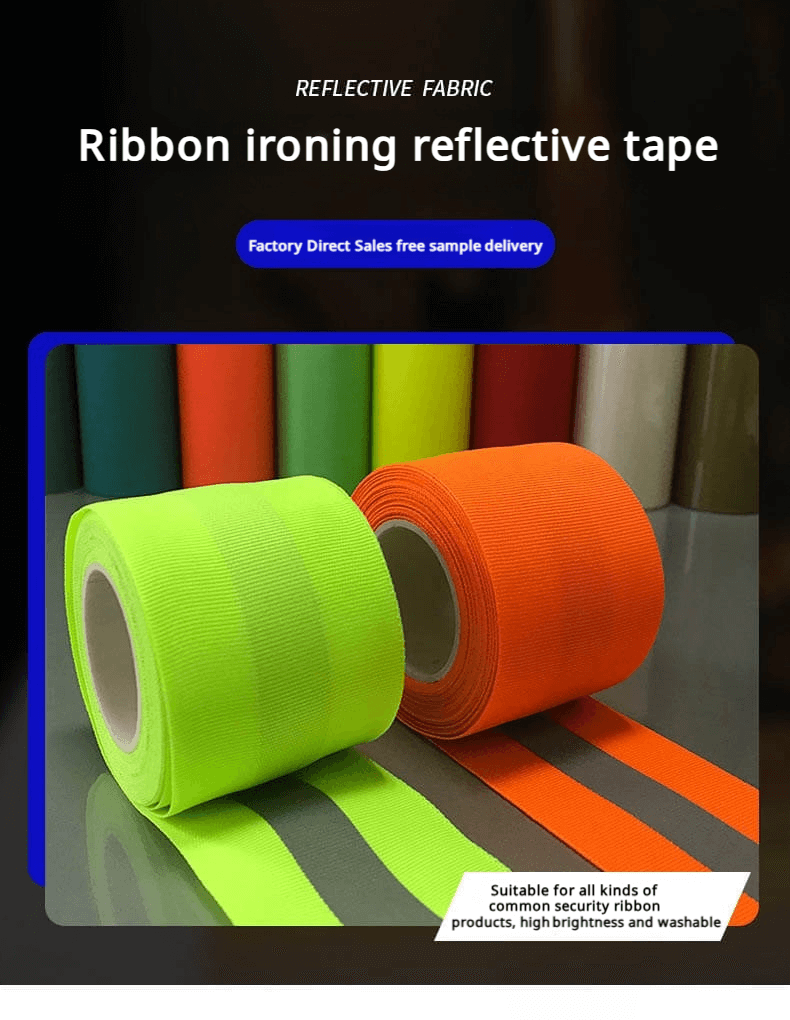
Outdoor brands often use reflective webbing across multiple product lines, but the technical requirements can vary sharply. A single generic material may simplify purchasing, yet it can weaken product performance. Manufacturers should build a webbing specification around the use case.
Running Vests & Sports Apparel
Lightweight, soft, breathable, and flexible webbing is usually more important than maximum tensile strength. For body-contact areas, consider elastic reflective webbing or segmented reflective structures that reduce stiffness and improve comfort.
Backpacks & Trekking Gear
Shoulder adjustment straps, compression straps, daisy chains, and gear loops need higher tensile strength, abrasion resistance, edge stability, and resistance to fraying. Nylon or high-tenacity polyester bases are commonly considered.
Tents, Guy Lines & Campsite Gear
Night visibility, UV resistance, moisture resistance, and low-temperature flexibility matter. Reflective webbing helps users locate tent entrances, tie-out points, and equipment in the dark.
Cycling Bags, Pet Gear & Accessories
These products often require high visibility from multiple angles, color matching, compact widths, and strong stitching compatibility for collars, harnesses, handlebar bags, and commuter accessories.
For product teams, the safest method is to define the use environment first: body movement, load, weather exposure, washing frequency, expected product life, and brand appearance. The webbing specification should come after that, not before.
Material Selection: Polyester, Nylon, Elastic, and Reflective Technology
The substrate is the backbone of reflective webbing. Polyester webbing is widely used because it offers good dimensional stability, UV resistance, and color fastness. Nylon webbing is valued for strength, toughness, and a premium hand feel, though it may absorb more moisture depending on construction. Elastic reflective webbing is ideal where stretch recovery and body movement are central to the design.
Reflective technology also matters. Glass bead reflective elements are common, flexible, and suitable for many apparel and accessory applications. Micro-prismatic options may deliver stronger directional brightness, but they can behave differently in flexibility, surface feel, and abrasion conditions. The best choice depends on whether the webbing is decorative, safety-critical, load-bearing, or body-contact.
If your product is sold in regulated workwear or roadside use categories, standards such as EN ISO 20471 high-visibility clothing guidance and ANSI/ISEA 107 information may influence material selection. Outdoor sports gear is not always certified under these standards, but understanding them helps brands communicate safety performance more accurately.

Performance Tests Outdoor Brands Should Ask For
Initial retroreflectivity is only one part of the story. For outdoor and sports gear, the webbing must keep performing after repeated friction, folding, washing, sweating, UV exposure, and sewing operations. A premium-looking reflective strip that fails after one season creates returns, bad reviews, and brand damage.
| Test Area | Why It Matters | Typical Buyer Question |
|---|---|---|
| Retroreflectivity | Confirms night-time visibility under light source | What is the RA value before and after use? |
| Abrasion Resistance | Critical for backpacks, straps, belts, and outdoor friction points | How does it perform after repeated abrasion cycles? |
| Washing Durability | Important for apparel, running vests, and pet gear | Does it survive 25 or 50 domestic wash cycles? |
| UV Resistance | Prevents fading and degradation in sunlight | Will color and reflection remain stable outdoors? |
| Tensile Strength | Necessary for load-bearing straps and adjustment systems | Can it meet our strength requirements after sewing? |
For broader textile testing references, manufacturers can review resources from ASTM textile testing standards, AATCC textile test methods, and OEKO-TEX STANDARD 100 when building a responsible specification package.
Customization: Turning Safety into a Signature Look
Standard silver-grey reflective webbing is still useful, but it no longer satisfies every premium outdoor brand. Today’s product teams are asking for colored reflective yarns, tonal reflective effects, woven patterns, jacquard logos, branded repeat graphics, contrast edge colors, and combinations of reflective webbing with reflective piping or heat-transfer reflective elements.
This is where reflective webbing becomes more than a trim. A black commuter backpack with subtle charcoal reflective webbing can maintain a clean urban look during the day and become highly visible at night. A trail-running brand may prefer lime, orange, or gradient reflective accents that match its seasonal palette. A pet gear brand may want colorful reflective straps that look friendly and highly visible during evening walks.
Sustainability is also moving from “nice to have” to “required.” Many premium outdoor brands now request recycled PET yarn, lower-impact dyeing, or documentation that supports their responsible sourcing story. If this is part of your brand positioning, ask your webbing supplier early whether recycled substrate options are available and whether they can support traceability documentation.
A Practical Sourcing Checklist for Manufacturers
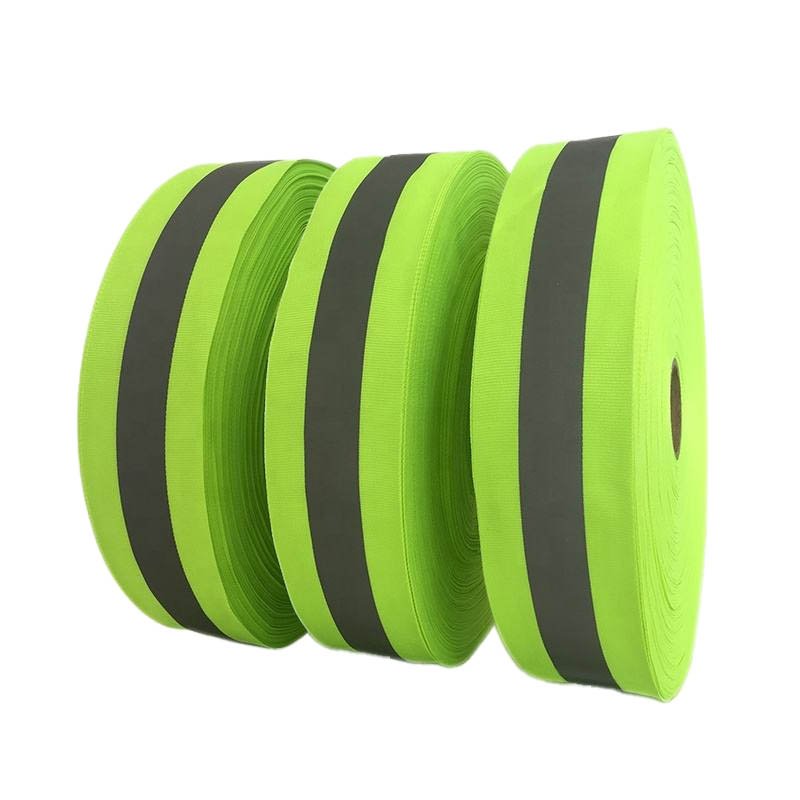
Before placing a bulk order, manufacturers should move beyond price-per-meter comparisons. Two reflective webbings can look similar in photos but behave very differently in sewing, stretching, abrasion, and end-user wear. Use the checklist below when qualifying a supplier:
- ✓Confirm substrate: polyester, nylon, elastic, recycled PET, or blended construction.
- ✓Request reflectivity data before and after washing, abrasion, or weather exposure.
- ✓Test sewing compatibility with your machine, thread, stitch density, and seam design.
- ✓Check edge stability, fraying resistance, hand feel, and flexibility after repeated bending.
- ✓Ask for custom options: width, color, logo, pattern, packaging, and roll length.
- ✓Verify production capacity, lead time, batch consistency, and quality inspection process.
The strongest sourcing strategy is not simply buying reflective webbing; it is working with a material partner that understands how webbing behaves inside finished products. At VizGlo Safety, our team supports outdoor brands and OEM manufacturers with reflective webbing development, substrate selection, sample testing, color matching, logo customization, and bulk production.
Need reflective webbing engineered for your next outdoor product line?
Explore our material capabilities, custom options, and OEM/ODM support for backpacks, sports apparel, tents, pet gear, and technical accessories.
Final Recommendation
Stop treating reflective webbing as a commodity. For outdoor and sports gear, webbing influences durability, user comfort, low-light safety, and brand perception. The right supplier should help you engineer the correct substrate, construction, reflectivity, finish, and visual identity for the exact product you are building.
If your team is developing backpacks, running vests, cycling accessories, tents, pet gear, or outdoor apparel, choosing the right reflective webbing early can reduce quality risks and create a stronger product story. For further product development, you can also compare related reflective solutions such as reflective tapes, reflective piping, and custom reflective logos within VizGlo Safety’s reflective material system.
FAQ: Reflective Webbing for Outdoor & Sports Gear
What is reflective webbing used for in outdoor gear?
Reflective webbing is used for backpack straps, compression straps, running vests, cycling bags, tents, pet collars, harnesses, outdoor accessories, and sports apparel. It provides both structural function and low-light visibility.
Is polyester or nylon reflective webbing better?
Polyester is often chosen for UV stability, color fastness, and dimensional stability. Nylon is often selected for strength, toughness, and a premium hand feel. The better option depends on the application, load requirement, exposure conditions, and desired texture.
Can reflective webbing be elastic?
Yes. Elastic reflective webbing is suitable for running vests, sportswear, fitness accessories, adjustable straps, and body-contact areas where flexibility and recovery are important.
Can brands customize reflective webbing colors and logos?
Yes. Reflective webbing can be customized by width, base color, reflective color, woven pattern, printed pattern, logo integration, edge design, elasticity, and packaging. Customization helps brands turn visibility into a recognizable design feature.
What tests should manufacturers request before bulk production?
Key tests include retroreflectivity, tensile strength, abrasion resistance, washing durability, UV resistance, color fastness, sewing compatibility, and fraying resistance. Testing should match the final product’s real use conditions.