How to Choose the Right Reflective Webbing for Pet Products (Leashes & Collars)
For pet brands, reflective webbing is not just a shiny trim. It is a safety feature, a comfort component, and a visible part of your product identity.
Quick Answer: What Makes Reflective Webbing Right for Pet Leashes and Collars?
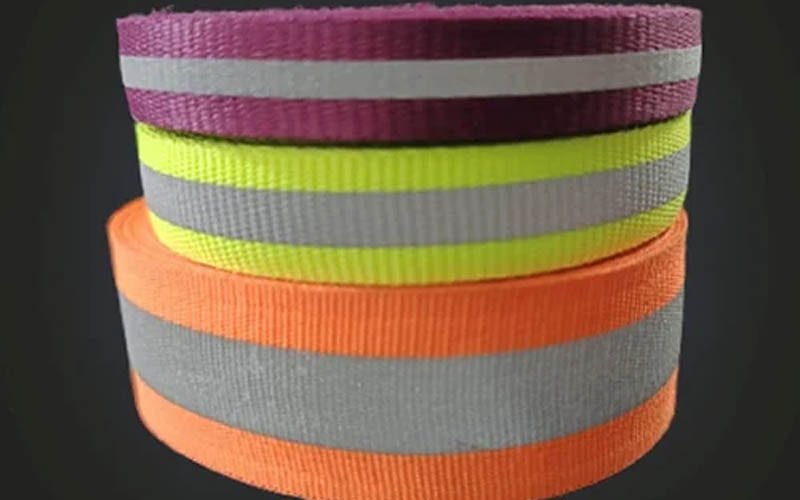
The right reflective webbing for pet products should balance visibility, durability, comfort, and brand appearance rather than simply choosing the highest initial brightness value. For leashes and collars, look for webbing that keeps strong retroreflectivity after rain, mud, washing, UV exposure, and abrasion; choose a base material such as polyester when outdoor UV resistance and low water absorption matter, or nylon when a softer handfeel and premium touch are priorities; confirm that the surface is smooth enough for repeated contact with pet fur and skin; select colors, reflective stripes, piping, or logo effects that match your brand positioning; and always test finished samples for pull strength, edge softness, wash resistance, and night visibility from different viewing angles before bulk production.
1. Start with Real-World Performance, Not Just “Brightness”
Most first inquiries we receive from pet product companies begin with two questions: “What is your brightest reflective webbing?” and “What is the price per meter?” Both are fair questions, but neither is enough to make the right sourcing decision. A dog collar does not live under perfect laboratory lighting. It rubs against fur, rolls in wet grass, scrapes against walls, gets pulled under tension, and is often washed after mud, rain, or outdoor training.
Initial retroreflectivity, often measured through coefficient of retroreflection values, matters because it tells you how much light the material can return toward a light source. If you want to understand the technical foundation of retroreflection, the retroreflector explanation is a useful starting point. But the more important sourcing question is: how much reflectivity remains after the leash has been used for three months?
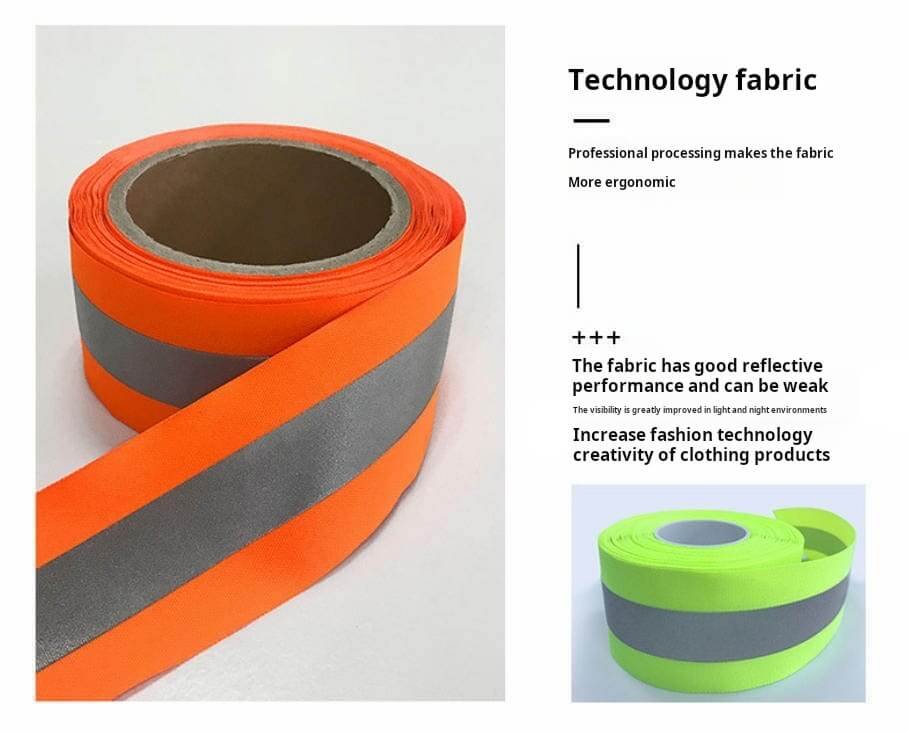
For pet brands targeting outdoor, hiking, running, or working-dog markets, we recommend asking suppliers about wash durability, dry and wet abrasion resistance, and visibility at wider observation angles. A car driver rarely sees a dog perfectly head-on. The leash may twist, the collar may rotate, and the animal may be moving quickly. Materials originally developed for professional safety apparel standards, such as those aligned with EN ISO 20471 high-visibility clothing requirements or ANSI/ISEA 107 visibility guidance, are often more robust than decorative reflective trims made only for short-term fashion use.
2. Choose the Base Webbing Carefully: Polyester or Nylon?
In pet products, the reflective element often gets the attention, but the base webbing carries the daily stress. This is where many low-cost collars and leashes fail. The reflective strip may look acceptable, but the webbing stretches, absorbs water, feels rough, fades quickly, or loses shape after outdoor use.
Polyester Reflective Webbing
- Best for: outdoor dog leashes, adventure collars, wet climates, private-label pet gear.
- Advantages: better UV resistance, lower water absorption, less mildew risk, better shape retention.
- Trade-off: can feel slightly firmer depending on weave density and finishing.
Nylon Reflective Webbing
- Best for: premium collars, soft-touch leashes, boutique pet accessories.
- Advantages: smoother handfeel, strong tensile performance, premium perceived quality.
- Trade-off: absorbs more moisture and may require extra attention to finishing and colorfastness.

A practical rule: choose polyester when your product story is “outdoor durability,” and choose nylon when your product story is “soft premium comfort.” For brands serving both segments, it often makes sense to build two webbing specifications instead of forcing one material to do everything.
3. Softness, Edge Finish, and Pet Skin Friendliness
Pet owners judge quality with their hands before their dogs ever wear the product. If the leash feels stiff, plasticky, or abrasive, it immediately feels cheap. More importantly, a collar with hard edges or a rough reflective surface may rub against short-haired dogs, sensitive skin, or the neck area during long walks.
For collars, especially adjustable collars, the webbing should bend smoothly through buckles and sliders without cracking the reflective surface. For leashes, the webbing should feel comfortable when gripped tightly. If your leash is designed for running, training, or strong pulling dogs, hand comfort becomes a product review issue. Customers may not describe it as “webbing handfeel,” but they will write comments such as “rough on the hands” or “feels cheap.”
Ask your supplier for sample swatches and test them in the same construction your factory will use: folded edges, stitched layers, riveted parts, heat-cut ends, and metal hardware. Also check chemical safety expectations for consumer textile products. For reference, many pet brands pay attention to textile safety frameworks such as OEKO-TEX STANDARD 100 when selecting fabrics and trims that may contact skin.
4. Match Reflective Webbing to Your Brand Aesthetic
Pet products are emotional purchases. A collar is safety equipment, but it is also an expression of the owner’s taste. This is why the “best” reflective webbing for a rugged hunting-dog brand may be completely wrong for a design-led urban pet brand.
Traditional silver reflective stripes still work well for high-visibility, safety-first collections. But many modern pet brands now request black reflective effects, tone-on-tone reflective yarns, colorful reflective strips, reflective piping, jacquard webbing, or custom reflective logo patterns. These options allow the safety feature to blend into the product design instead of looking like an industrial add-on.
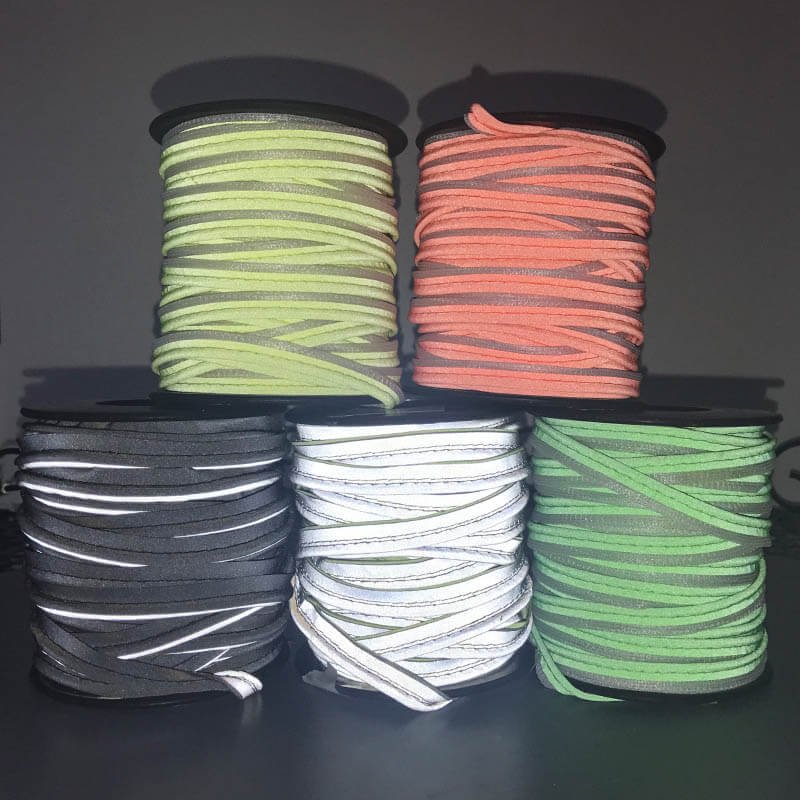
A premium city-walk collection may use a narrow reflective piping along the collar edge for a subtle night glow. A sport leash may use a bold reflective center stripe for maximum driver awareness. A youth-oriented pet brand may choose colorful reflective effects to stand out on social media and retail shelves. If you are building an OEM or ODM collection, discuss not only brightness but also color, width, weave texture, logo placement, and packaging presentation.
For a broader view of how pet safety products are regulated and evaluated in consumer markets, resources from organizations such as the American Veterinary Medical Association pet care guidance and the U.S. Consumer Product Safety Commission business resources can help product teams think beyond appearance and into end-user safety.
5. Testing Checklist Before Bulk Production
Before approving reflective webbing for mass production, test it as a finished pet product, not only as a roll of trim. The sewing method, hardware, heat cutting, printing, and packaging can all affect final performance.
Recommended Approval Checklist
- ✓ Initial night visibility from 10–50 meters
- ✓ Visibility from side angles, not only straight ahead
- ✓ Reflectivity after 10, 25, or 50 wash cycles
- ✓ Wet and dry abrasion resistance
- ✓ Pull strength after stitching and hardware assembly
- ✓ Edge softness against skin and fur
- ✓ Colorfastness under rubbing and moisture
- ✓ UV exposure and outdoor fading check
- ✓ Reflective surface cracking after repeated bending
- ✓ Compatibility with logo printing or heat transfer branding
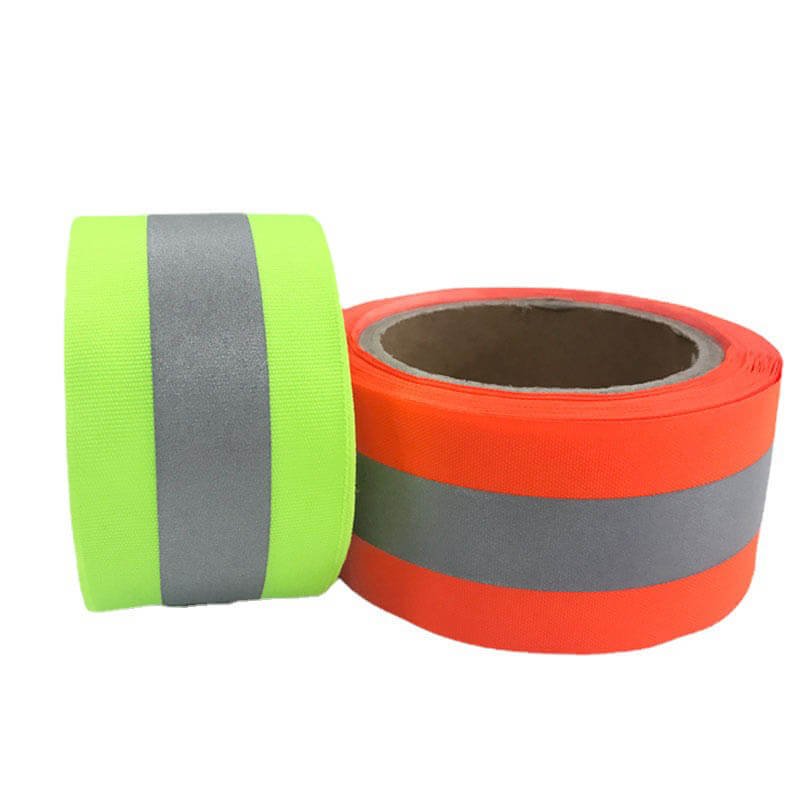
6. Anonymous OEM Case: From “Brightest Webbing” to a Better-Selling Product
One outdoor pet brand came to us looking for the brightest possible reflective webbing for a new leash and collar set. Their first idea was a wide silver reflective strip on black webbing. The visibility was excellent, but the prototype felt too industrial for their retail positioning. Their customers were urban dog owners who wanted safety, but not a construction-site appearance.
We adjusted the specification in three ways. First, we moved from a rigid reflective surface to a softer polyester webbing with a more comfortable bend. Second, we reduced the reflective stripe width and added a clean color contrast that matched their packaging. Third, we supplied a subtle reflective logo option for the leash handle, so the safety feature supported the brand identity instead of overpowering it.
The final product was not the “brightest” sample in the first comparison. It was the best-balanced one: durable enough for outdoor use, soft enough for daily handling, reflective enough for night walking, and stylish enough for premium retail shelves.
This is the mindset we recommend to pet product managers: stop treating reflective webbing as a component purchase and start treating it as a designed safety feature.
Need Reflective Webbing Developed for Your Pet Brand?
VizGlo Safety supports OEM/ODM pet product brands with polyester and nylon reflective webbing, custom colors, reflective piping, logo effects, width customization, and performance testing for collars, leashes, harnesses, and accessories.
Explore our material capabilities here: custom reflective webbing for your brand .
CTA opens your Elementor popup form.
FAQ: Reflective Webbing for Pet Products
Is polyester or nylon reflective webbing better for dog leashes?
Polyester is usually better for outdoor leashes because it has stronger UV resistance, lower water absorption, and better shape stability. Nylon can be better for premium soft-touch products where handfeel is the top priority.
Should I choose the highest reflective brightness available?
Not always. High initial brightness is useful, but pet products also need wash durability, abrasion resistance, softness, bending performance, and good visibility from side angles. The best webbing is the one that performs well after real use.
Can reflective webbing be customized in brand colors?
Yes. Reflective webbing can be customized by base webbing color, reflective stripe width, reflective piping style, logo printing, jacquard patterns, and special reflective effects such as black reflective or colorful reflective finishes.
What width is common for pet collars and leashes?
Common widths include 10 mm, 15 mm, 20 mm, 25 mm, and 38 mm, depending on whether the product is for small dogs, cats, medium dogs, large dogs, or heavy-duty training leashes. Width should match hardware strength and pet size.
What should I test before ordering reflective webbing in bulk?
Test night visibility, wash resistance, abrasion resistance, tensile strength after sewing, edge softness, colorfastness, UV resistance, bending durability, and compatibility with buckles, sliders, rivets, and logo decoration.