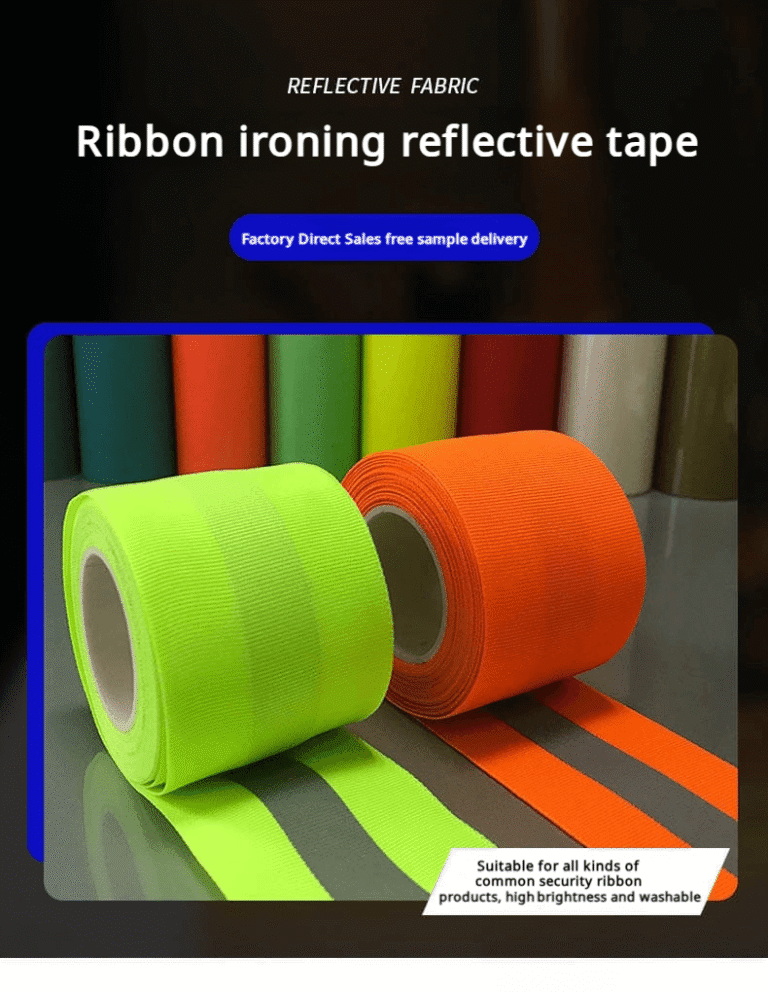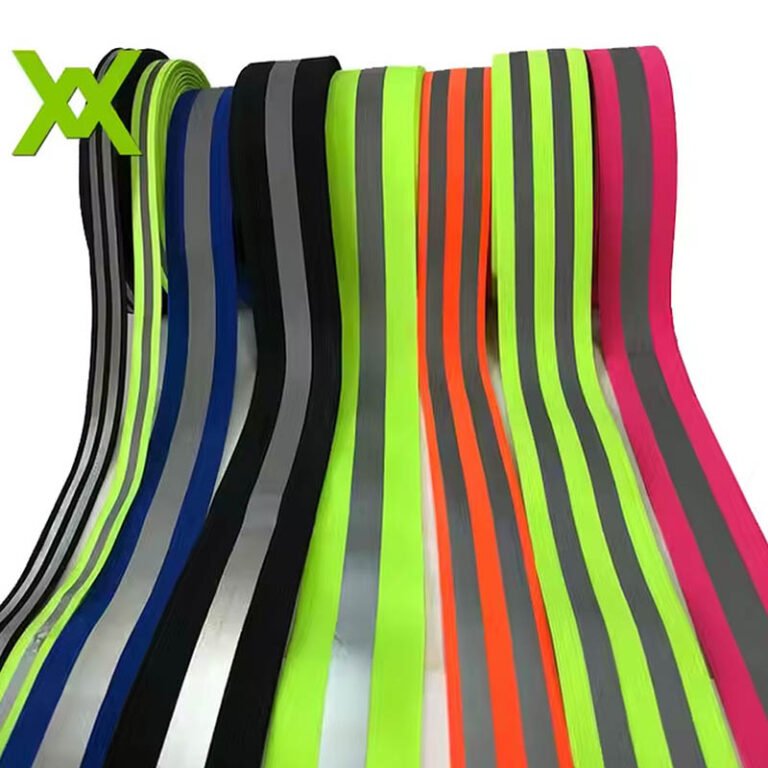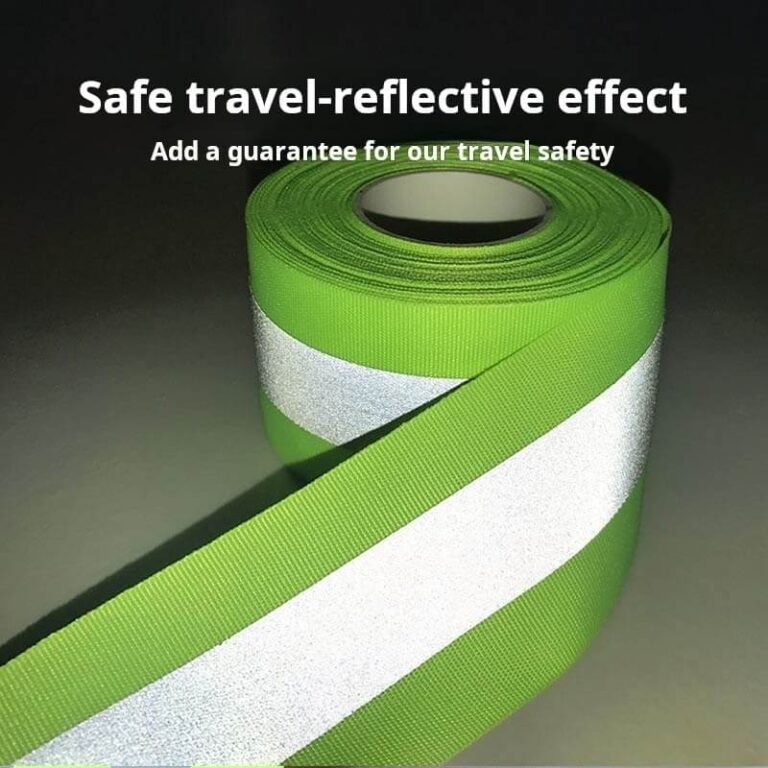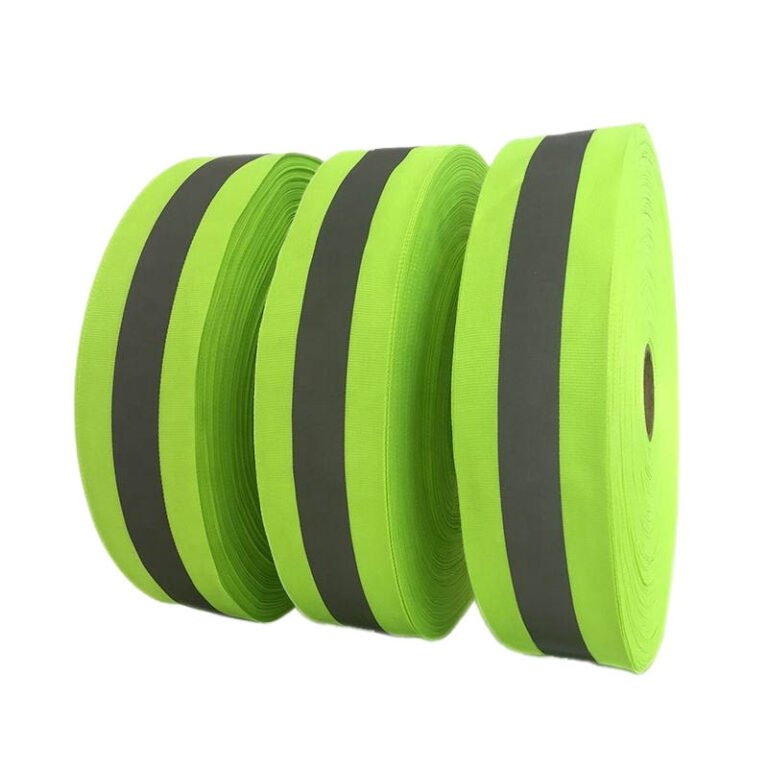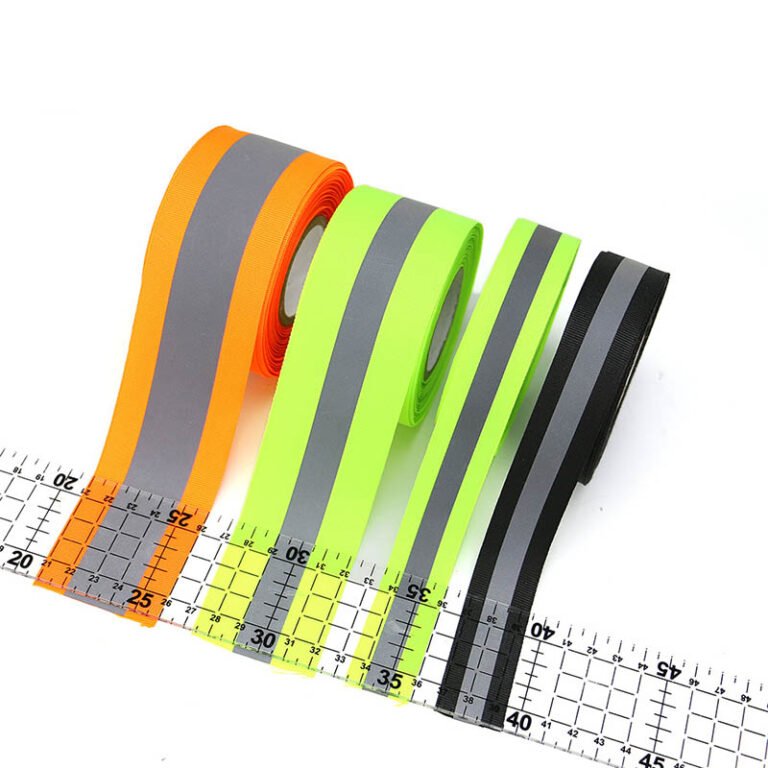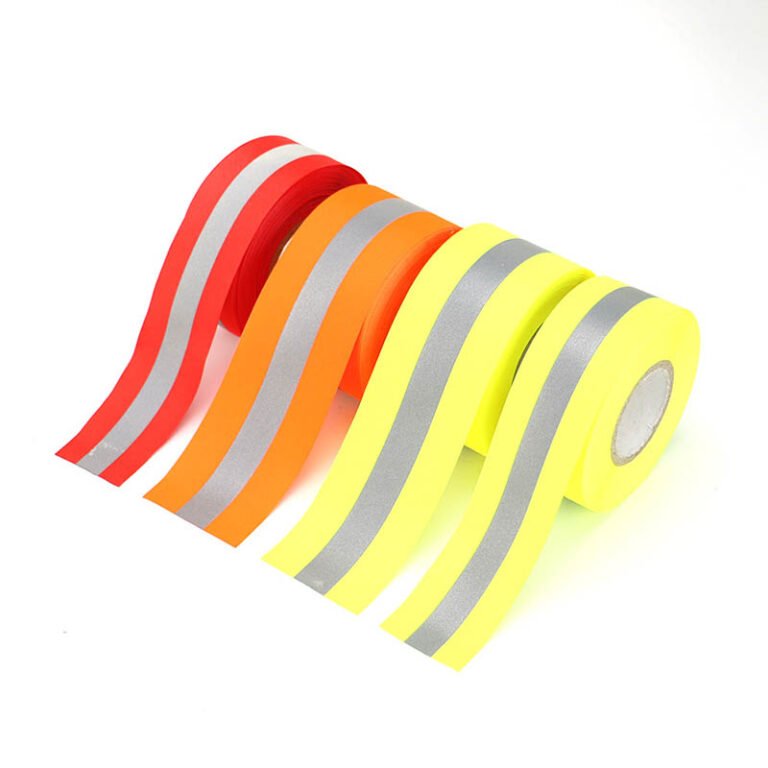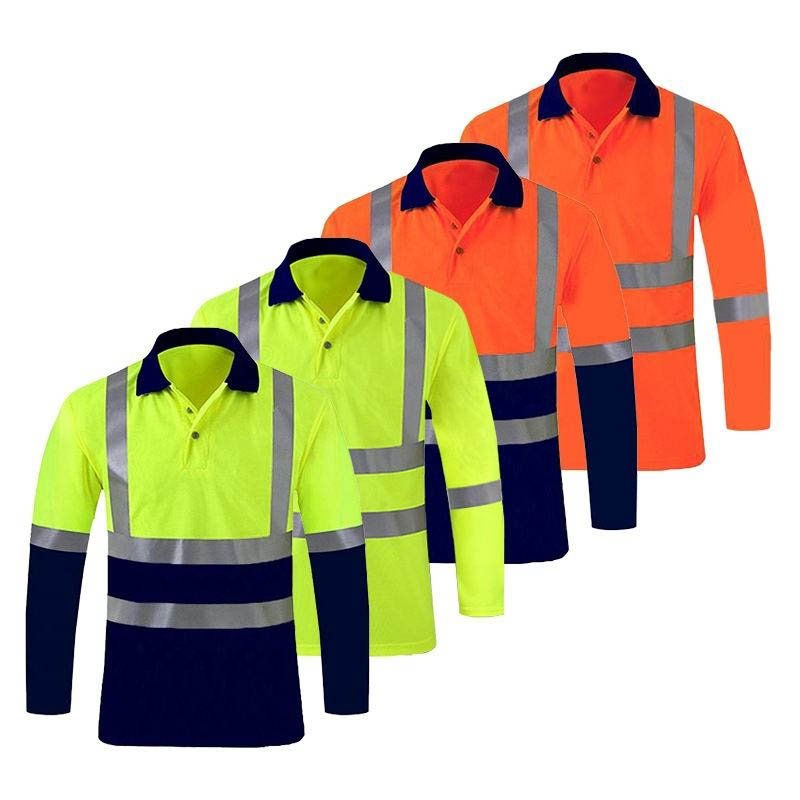
Understanding Minimum Order Quantities (MOQ) for Custom Reflective Materials
MOQ is one of the first questions buyers ask when developing custom reflective tape, piping, logos, films, or fabrics. The real answer is not just a number—it is a manufacturing equation involving raw materials, coating stability, color matching, certification, waste control, and long-term supply planning.
Table of Contents
Quick Answer: What Is MOQ for Custom Reflective Materials?
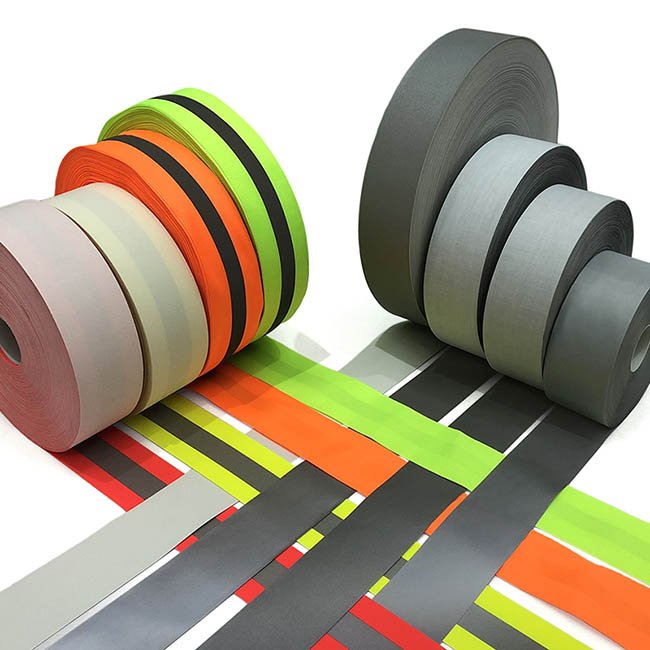
Minimum Order Quantity, or MOQ, is the smallest production volume a supplier can accept while keeping custom reflective material stable in quality, reasonable in cost, and practical to manufacture. For reflective materials, MOQ is influenced by raw fabric dyeing, reflective coating line setup, micro glass bead or micro-prismatic application, color matching, cutting width, logo tooling, testing, packaging, and waste rate. A higher MOQ is usually required for fully custom colors, special CPL brightness, certified EN ISO 20471 or ANSI-compliant materials, flame-retardant finishes, stretch substrates, or exclusive patterns. However, MOQ should not be treated as a fixed wall. For buyers sourcing items such as custom reflective tape, reflective heat transfer film, logos, webbing, or working with a reflective piping manufacturer, the best approach is to discuss annual forecasts, sample needs, stock alternatives, shared production runs, and digital printing options with the supplier to find a practical balance between customization, cost, and flexibility.
Why MOQ Exists: It Is Not Just a Supplier Rule
For many designers, brand owners, and safety product distributors, MOQ can feel like a frustrating gatekeeper. You may only need 300 meters of a new reflective trim for a pilot collection, but the supplier quotes 1,000 meters, 3,000 meters, or even more. From the buyer’s side, the obvious question is: “Why can’t the factory simply make less?”
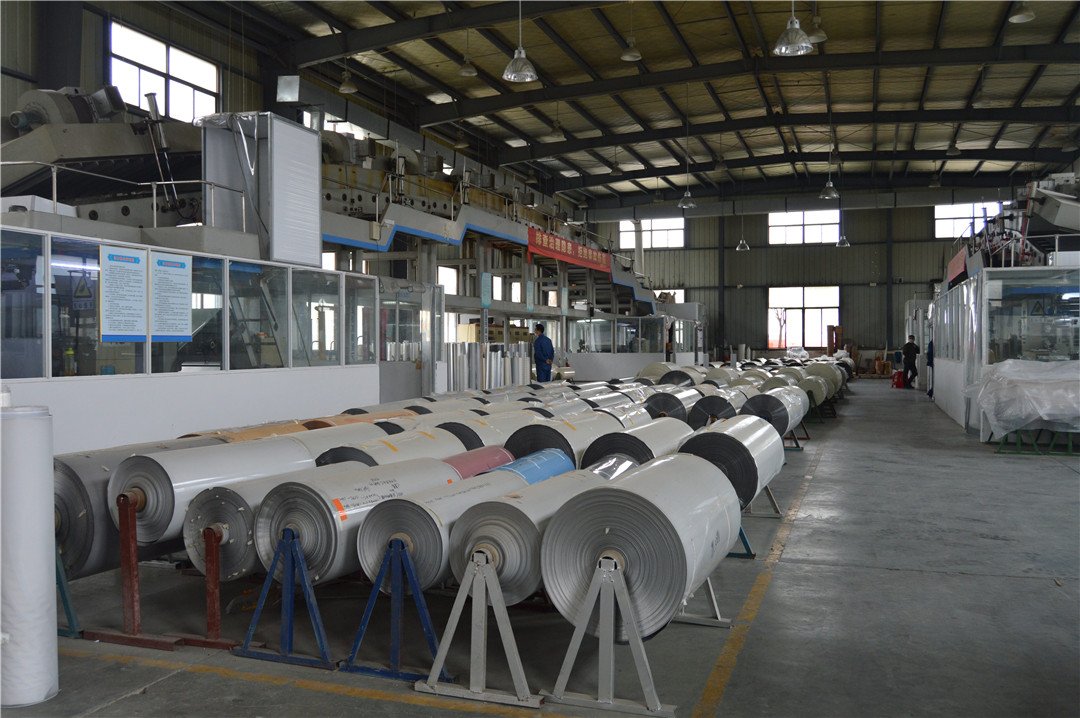
The answer lies in the way reflective materials are produced. A custom reflective material is not usually made by cutting a small piece from a shelf and adding a logo. It may require a chain of processes: base fabric preparation, dyeing, adhesive formulation, reflective layer coating, glass bead planting or prismatic film lamination, curing, slitting, inspection, rewinding, packaging, and sometimes laboratory testing. Every stage has a minimum efficient running length.
If a dye house needs to start a dye vat for a Pantone-matched fluorescent yellow or orange base, that vat may require hundreds or thousands of meters of fabric to run correctly. If a reflective coating line is adjusted for a specific coefficient of retroreflection, often measured as CPL or RA value, the machine needs time and length to stabilize. The first part of a run may be used for adjustment and testing before the final quality becomes consistent.
“MOQ is not a barrier when understood correctly. It is a reflection of production physics, material economics, and quality control.”
This is especially important for safety-related products. Reflective materials used on high visibility clothing must perform reliably under real conditions: rain, washing, abrasion, heat, cold, folding, stretching, and repeated wear. International standards such as EN ISO 20471 high-visibility clothing requirements and ANSI/ISEA 107 guidance make consistency more important than simply producing the smallest possible quantity.
The Main Factors That Affect MOQ
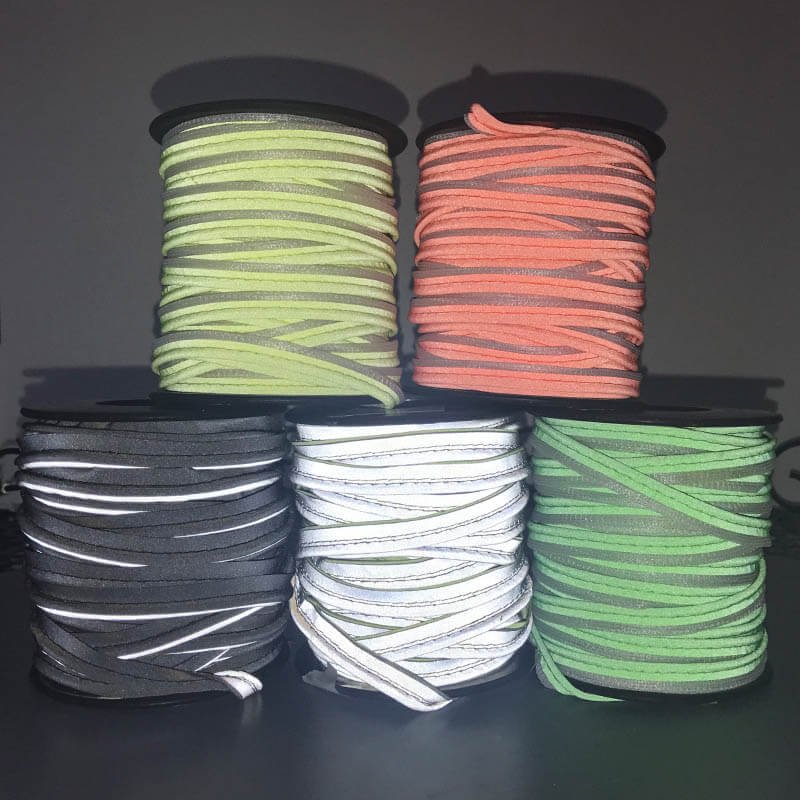
Not all custom reflective materials carry the same MOQ. A simple silver reflective tape on standard polyester backing may be much easier to produce in smaller quantities than a flame-retardant, segmented, stretchable, color-changing reflective heat transfer film. The more variables you add, the more production risk the supplier must control.
1. Base Material
Reflective materials can be built on polyester, TC fabric, spandex, nylon, aramid, cotton blends, webbing, TPU film, or heat transfer backing. Specialty substrates often require higher MOQ because the raw material supplier also has minimum production or purchasing requirements.
2. Reflective Technology
Micro glass bead reflective materials, micro-prismatic films, rainbow reflective fabrics, and segmented heat transfer films each need different machines and process controls. More technical products usually mean a higher setup cost and higher MOQ.
3. Color Matching
Pantone-matched fluorescent colors, brand-specific shades, or multi-color reflective effects require lab dips, dyeing trials, and sometimes multiple adjustments. If the target color must also meet visibility standards, the process becomes more complex.
4. Certification & Testing
If your material must comply with EN ISO 20471, ANSI/ISEA 107, AS/NZS 1906.4, flame-retardant standards, or OEKO-TEX requirements, testing costs and traceability requirements may influence MOQ and lead time.
Buyers should also consider finishing requirements such as slit width, roll length, backing paper, adhesive type, wash durability, logo printing, perforation, segmentation, stretch recovery, and packaging. Each detail may look small on a tech pack, but in production it changes tooling, machine setup, waste rate, or inspection time.
Typical MOQ Ranges by Reflective Material Type
Exact MOQ varies by factory, specification, market, and production schedule. Still, the following ranges help buyers set realistic expectations before asking for a quotation.
| Material Type | Typical MOQ Range | Why MOQ Changes |
|---|---|---|
| Standard Silver Reflective Tape | 500–1,000 meters | Lower if stock substrate and standard width are available. |
| Custom Color Reflective Tape | 1,000–3,000 meters | Color dyeing and coating stability increase setup needs. |
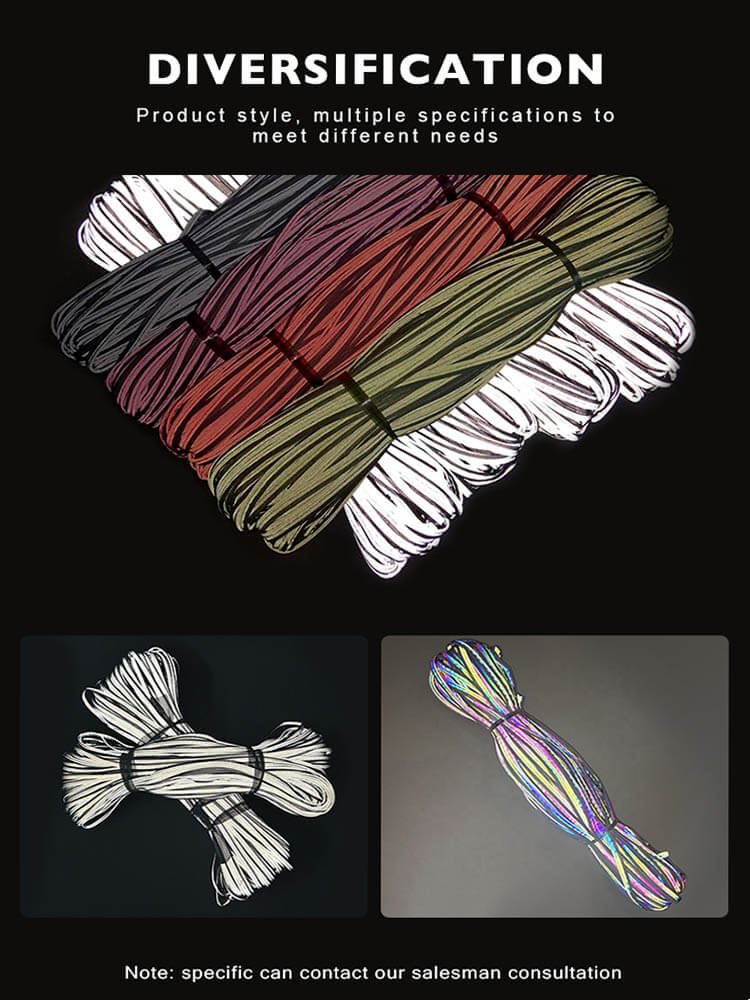
| Reflective Piping | 1,000–5,000 meters | Core cord, fabric wrapping, color, and diameter affect production. |
| Reflective Heat Transfer Film | 300–1,000 meters or sheets | Stock films and digital printing can reduce MOQ. |
| Custom Reflective Logos | 100–1,000 pieces | MOQ depends on size, colors, transfer process, and cutting method. |
| Flame-Retardant Reflective Material | 1,000–3,000 meters | Special substrates, FR adhesive, and compliance testing are needed. |
These numbers are not absolute. At VizGlo Safety, for example, we often review whether a buyer’s request can be matched with an existing material, a scheduled production run, or a stock semi-finished base. In some cases, a smart adjustment—such as accepting a standard roll width, choosing a close stock color, or using digital print reflective transfers—can significantly reduce the first-order burden.
How Buyers Can Reduce MOQ Pressure
The most productive question is not always “What is your lowest MOQ?” A better question is: “What specification choices can help us start at a manageable quantity without damaging quality or cost?” This turns MOQ from a negotiation battle into a product development discussion.
Use Stock Materials Where Possible
If a standard silver reflective tape, black reflective film, or common fluorescent backing can meet your design requirement, the MOQ may be lower. Stock-based customization is often the fastest route for distributors testing a new market.
Separate Sampling from Bulk Production
A good supplier can often provide lab samples, hand-made prototypes, or digitally printed trial pieces before full bulk production. This helps you confirm appearance, brightness, adhesion, and garment compatibility before committing to a large MOQ.
Accept Standard Widths and Roll Lengths
Custom slitting creates waste. If your design can work with common widths such as 25 mm, 50 mm, or 100 mm, you may avoid extra setup charges and reduce production complexity.
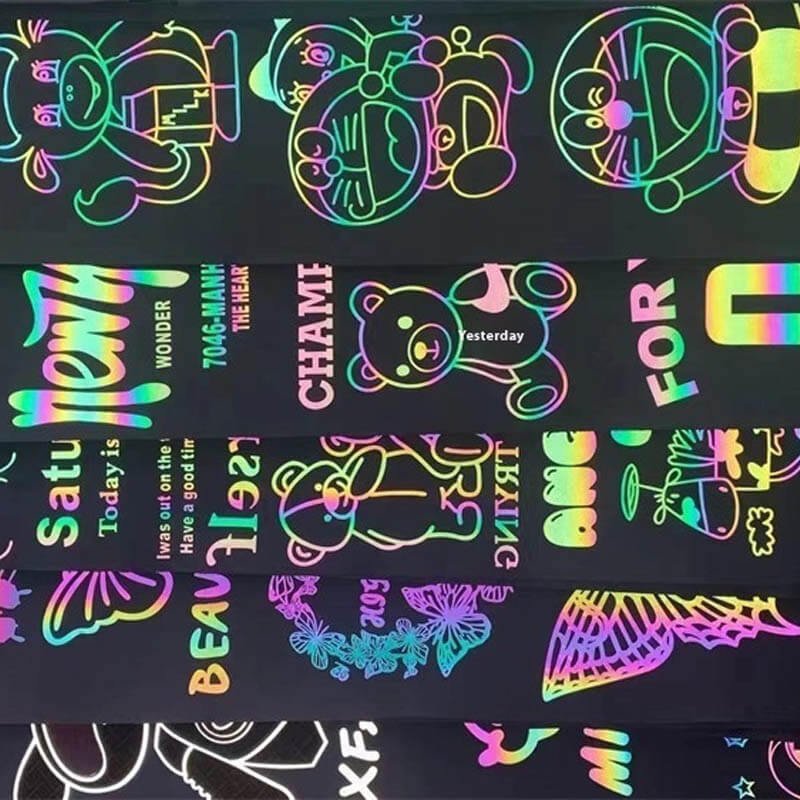
Use Digital Printing for Complex Logos
Five years ago, multi-color reflective logo development often required expensive screens, molds, and high MOQ. Today, digital printing and heat transfer technology allow much smaller batches for complex branding, event uniforms, fashion capsules, and limited safety campaigns.
Share Your Forecast Honestly
If your first order is small but your annual plan is strong, say so. Suppliers may be more flexible when they understand the long-term opportunity. A forecast of quarterly repeat orders can sometimes justify sample support, staged production, or inventory planning.
You can also ask whether your order can be aligned with a larger production run of a similar material. This is common in mature factories with regular production schedules. For example, if a larger customer is already running a similar reflective fabric base, a smaller buyer may be able to add a custom slitting or finishing requirement without starting the whole process from zero.
What to Tell Your Supplier Before Asking for MOQ
The more complete your information, the more accurate and flexible your MOQ discussion can be. If you only ask, “MOQ and price?” the supplier has to assume risk. If you provide a clear technical direction, the supplier can suggest realistic alternatives.
- Target product: reflective tape, piping, webbing, fabric, heat transfer film, or logo.
- Application: safety vest, workwear, rainwear, sportswear, bags, footwear, uniforms, or accessories.
- Required standard: EN ISO 20471, ANSI/ISEA 107, AS/NZS 1906.4, OEKO-TEX, flame-retardant, or internal brand standard.
- Color requirement: stock color, Pantone color, fluorescent color, black reflective, rainbow reflective, or printed pattern.
- Performance requirement: wash cycles, stretch, abrasion, brightness, waterproofing, or heat resistance.
- Estimated first order and annual forecast.
- Target price range and acceptable alternatives.
Buyers can also refer to testing and compliance resources from organizations such as ASTM International, OEKO-TEX STANDARD 100, the UK Health and Safety Executive, and OSHA personal protective equipment guidance when preparing specifications for high-visibility products.
A capable supplier should not only quote a number. They should explain what drives that number, what can be changed, and what risks exist if the order is forced too low. Extremely low MOQ can sound attractive, but if it leads to inconsistent brightness, unstable adhesion, color variation, or failed wash testing, the hidden cost is far higher than the saved meters.
Need a Practical MOQ Plan for Your Reflective Material Project?
Share your material type, target market, compliance needs, logo artwork, and first-order quantity. VizGlo Safety can help you compare stock options, custom development routes, and scalable OEM/ODM production plans.
Final Takeaway: MOQ Is the Start of a Smarter Sourcing Conversation
MOQ for custom reflective materials is not arbitrary. It is shaped by machine setup, raw material sourcing, coating chemistry, color control, compliance testing, labor, waste, and packaging. But that does not mean buyers should accept the first number without discussion.
In 2026, the reflective material market is becoming more flexible. Digital printing, improved heat transfer technology, modular production planning, and better supplier-buyer communication are making smaller customized batches more achievable than before. The best suppliers are no longer simply saying “our MOQ is X.” They are asking what the buyer needs to achieve, what the product must pass, and how both sides can build a scalable plan.
If your project involves custom reflective piping, logo transfers, reflective fabric, reflective tape, or high-visibility workwear materials, treat MOQ as a design and supply-chain variable—not just a purchasing obstacle. For more product options and customization ideas, visit our wholesale reflective piping product center.
FAQ: MOQ for Custom Reflective Materials
Why is MOQ higher for custom reflective material than standard stock tape?
Custom materials may require special dyeing, coating, lamination, slitting, testing, and packaging. Each step has setup costs and minimum machine running lengths, so MOQ is usually higher than ready-stock materials.
Can I order a small quantity for sampling before bulk production?
Yes. Many suppliers can provide stock samples, lab dips, hand-made prototypes, or digital print samples. However, sample cost may be higher per meter because it does not benefit from bulk production efficiency.
What is the best way to negotiate MOQ?
Provide your full specification, annual forecast, target market, certification needs, and acceptable alternatives. Ask whether stock materials, standard widths, shared production runs, or digital printing can reduce the first-order quantity.
Does lower MOQ always mean a better deal?
Not always. Very low MOQ can increase unit price or quality risk if production is forced below a stable running length. A balanced MOQ should protect both cost efficiency and performance consistency.
Which custom reflective products usually have the lowest MOQ?
Custom reflective logos and heat transfer designs made with digital printing often allow lower MOQ than fully custom dyed and coated reflective fabrics or piping. Stock-based customization also tends to be more flexible.