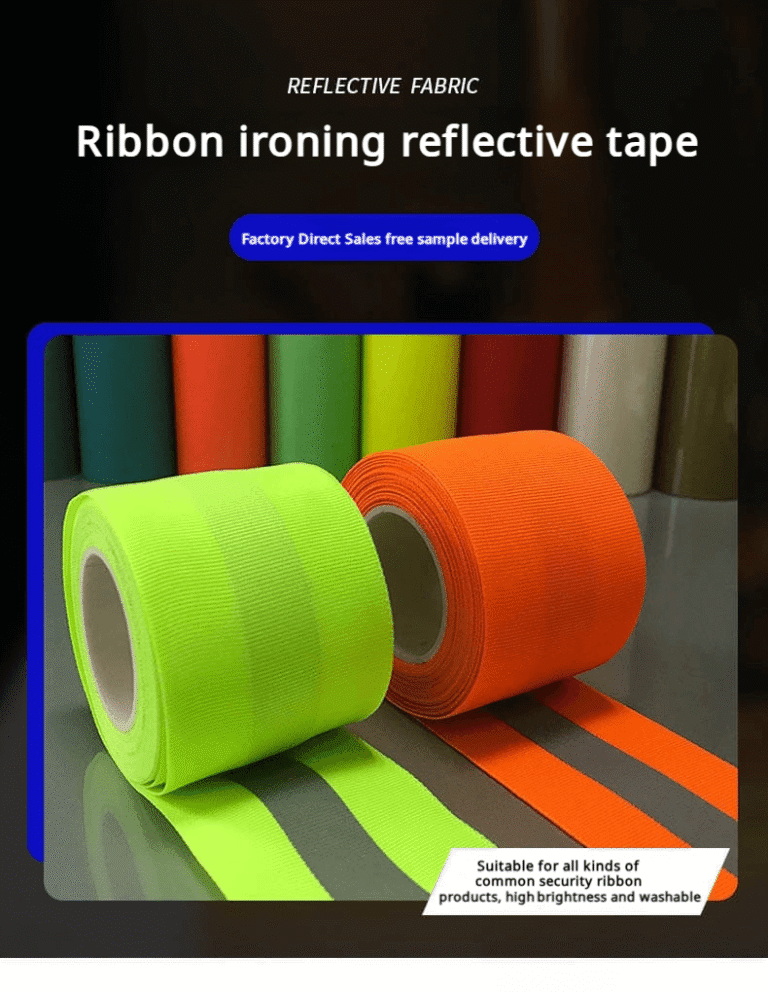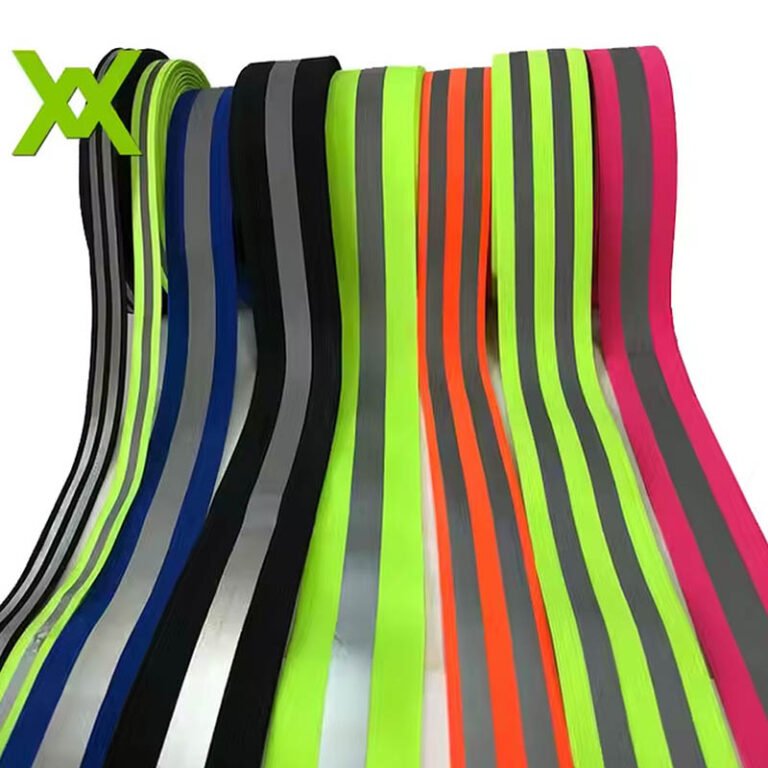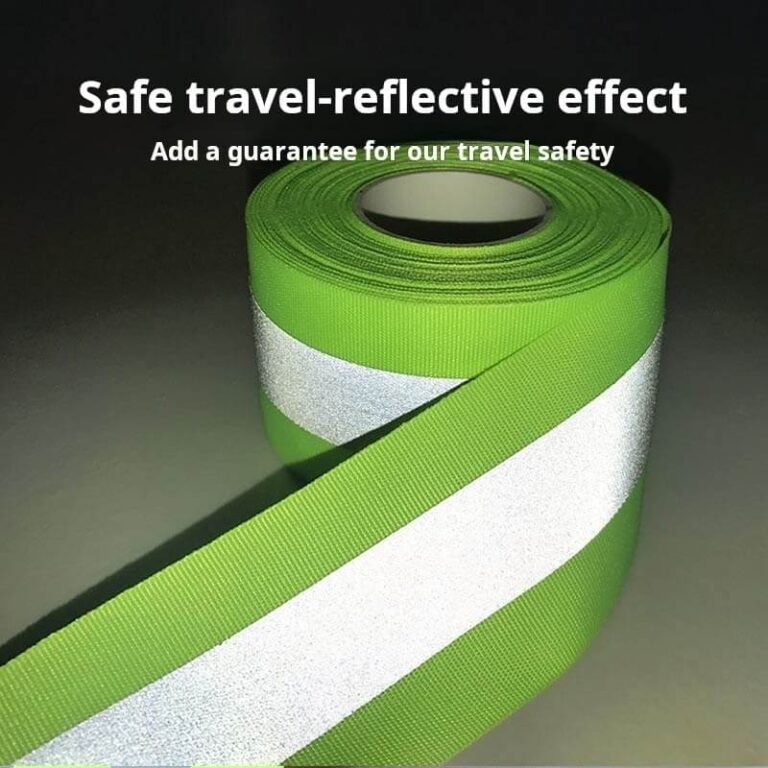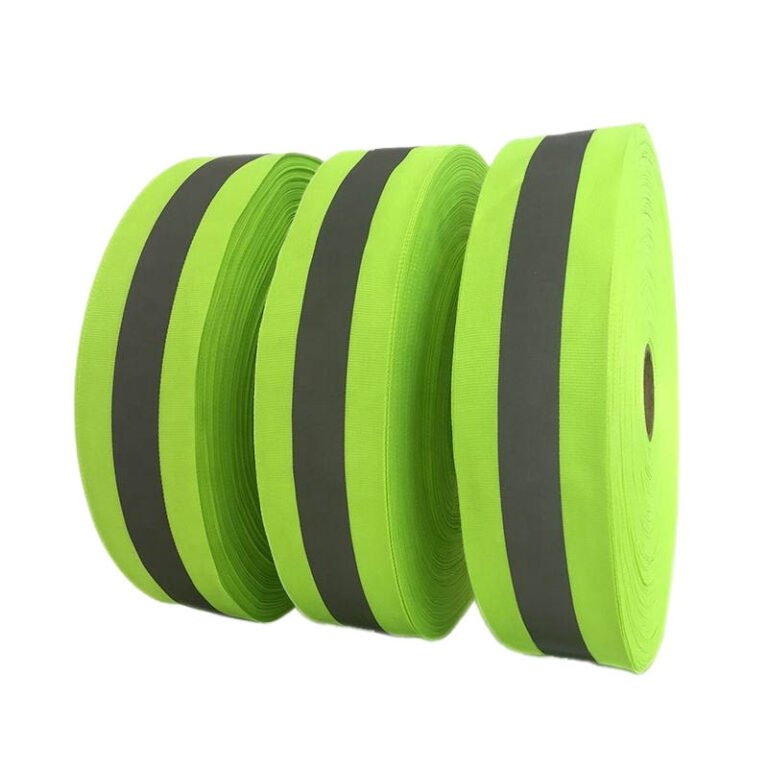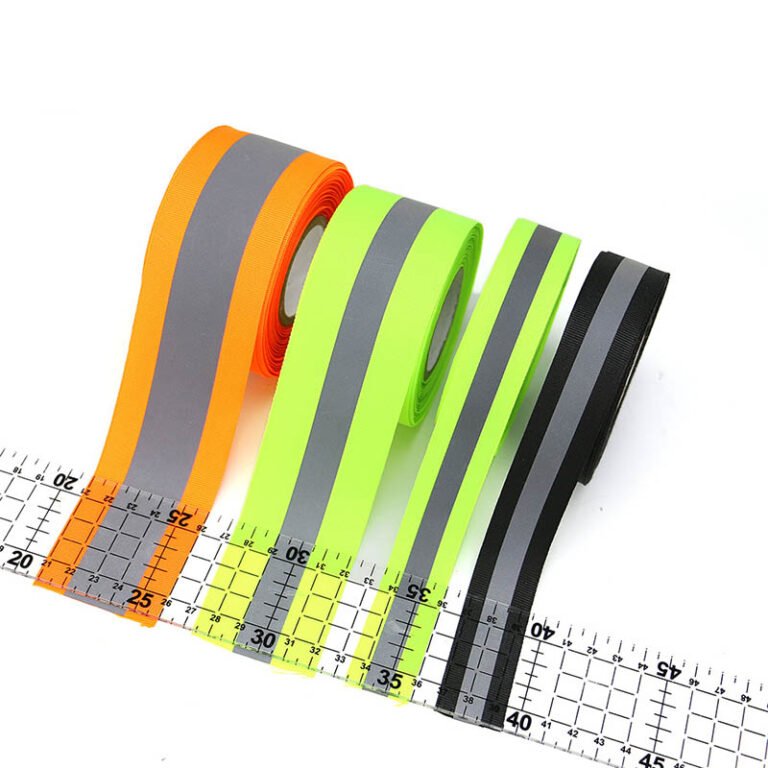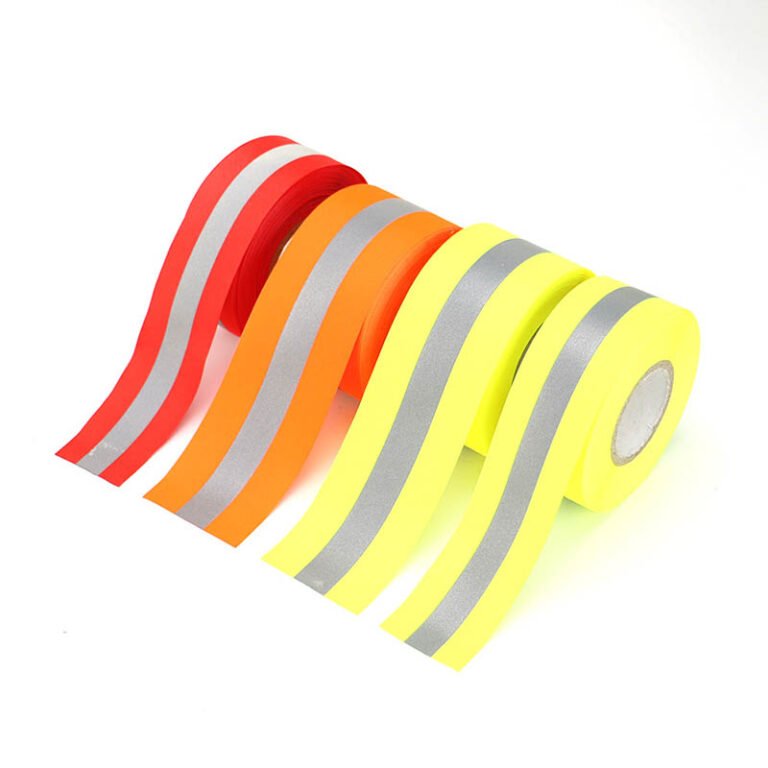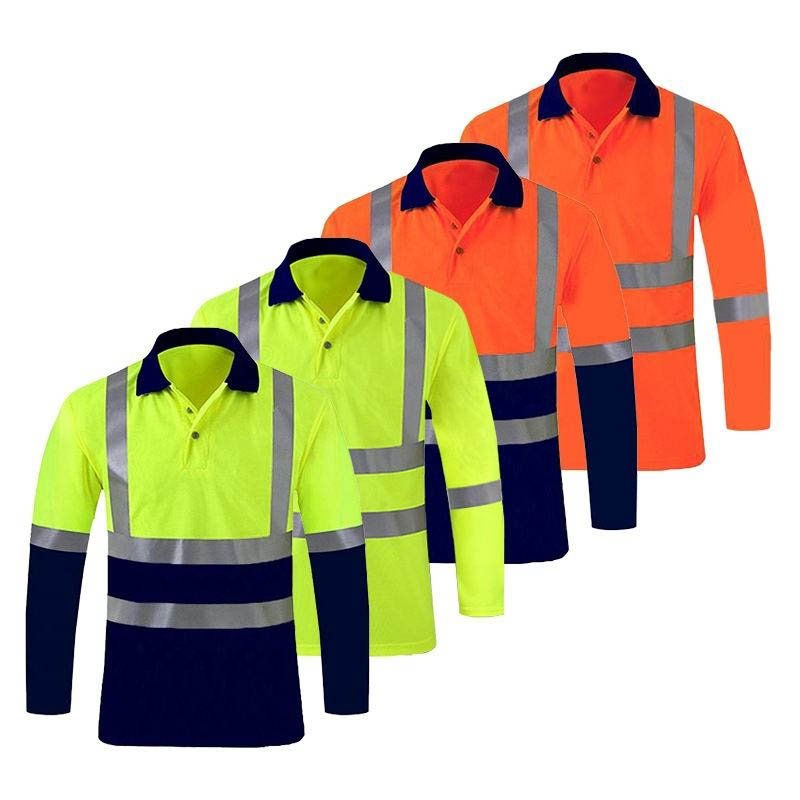
Flame Retardant (FR) Reflective Piping: What Fire Safety Gear Needs
For procurement teams, PPE brands, and safety managers, FR reflective piping is no longer a decorative trim. In modern fire safety gear, it is a small but critical part of the protection system.
Table of Contents
Quick Answer: What Fire Safety Gear Needs from FR Reflective Piping
Flame retardant reflective piping for fire safety gear must deliver three protections at the same time: it should resist ignition, melting, dripping, and after-flame in heat exposure; it should provide reliable retroreflective visibility in smoke, darkness, roadside emergencies, and industrial night work; and it should remain durable after repeated flexing, abrasion, sewing, and industrial laundering. Buyers should evaluate the piping as rigorously as the main FR fabric by checking the base material, flame-retardant chemistry, reflectivity level, wash-cycle durability, compatibility with the garment fabric, seam construction, and relevant standards such as NFPA 2112, NFPA 1971, EN ISO 11612, EN ISO 20471, and ANSI/ISEA 107. For bulk sourcing, work with a specialized reflective piping manufacturer or wholesale reflective piping supplier that can provide test reports, wash data, customized width or color, and production consistency.
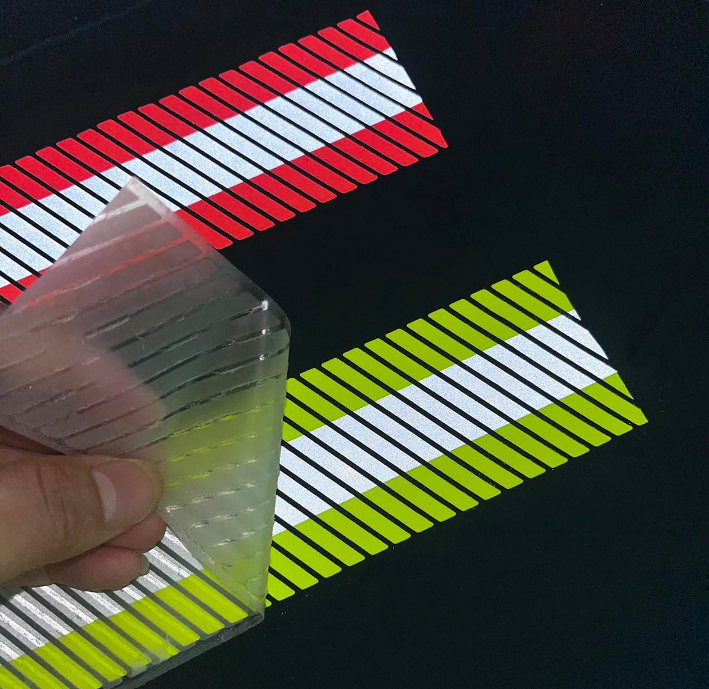
Why FR Reflective Piping Is Not Just a Trim
On a standard fashion garment, piping is often used to highlight a seam or create a clean visual outline. On fire safety gear, the role is completely different. FR reflective piping is positioned along shoulders, sleeves, chest panels, trouser seams, pockets, storm flaps, and garment edges to help define the wearer’s body shape in low-light environments. This improves recognition from multiple angles, especially where wide reflective tape may not fit or where a garment designer wants visibility without adding stiffness.
The safety concern is simple: fire protection is only as reliable as the weakest component. If the garment shell is made from aramid, modacrylic blend, treated cotton, or FR polyester-cotton, but the piping uses a non-FR core or non-compatible film, that narrow seam detail may become a failure point. In a flash fire, poor-quality trim can melt, shrink, drip, or keep burning. Worse, it may sit directly on a seam line, which means heat can be transferred along a pathway close to the wearer’s skin.
“The market has changed. Sophisticated buyers no longer ask only whether piping is FR. They ask what the base fabric is, how many industrial washes it survives, whether it stays flexible after abrasion, and whether it performs beyond the minimum standard.”
This is why experienced PPE buyers now treat FR reflective piping as a system component. It must match the risk profile of the garment, the working environment, the laundry process, and the expected service life.
Standards: What Should Buyers Check?
There is no single universal standard that answers every question about FR reflective piping. Instead, buyers need to map the piping specification to the garment’s intended certification and market. For North America, many FR garments are evaluated under standards and guidance connected with flash-fire and electrical hazards. You can review official context from NFPA fire protection standards and occupational safety requirements from OSHA personal protective equipment guidance. For high-visibility classification, buyers often reference ANSI/ISEA 107 high-visibility apparel requirements.
In Europe and many global export markets, EN ISO 11612 is commonly used for protective clothing against heat and flame, while EN ISO 20471 addresses high-visibility clothing. The European standardization framework is available through CEN-CENELEC European standards information. Buyers supplying Australia and New Zealand should also consider local visibility and retroreflective material requirements, including references from Standards Australia.
Flame Behavior
Check after-flame, after-glow, melting, dripping, shrinkage, and whether the piping remains structurally intact.
Visibility
Review retroreflective performance before and after laundering, abrasion, flexing, and weather exposure.
Garment Compatibility
Confirm that piping construction, stitching, and base fabric work with the shell fabric and intended certification.
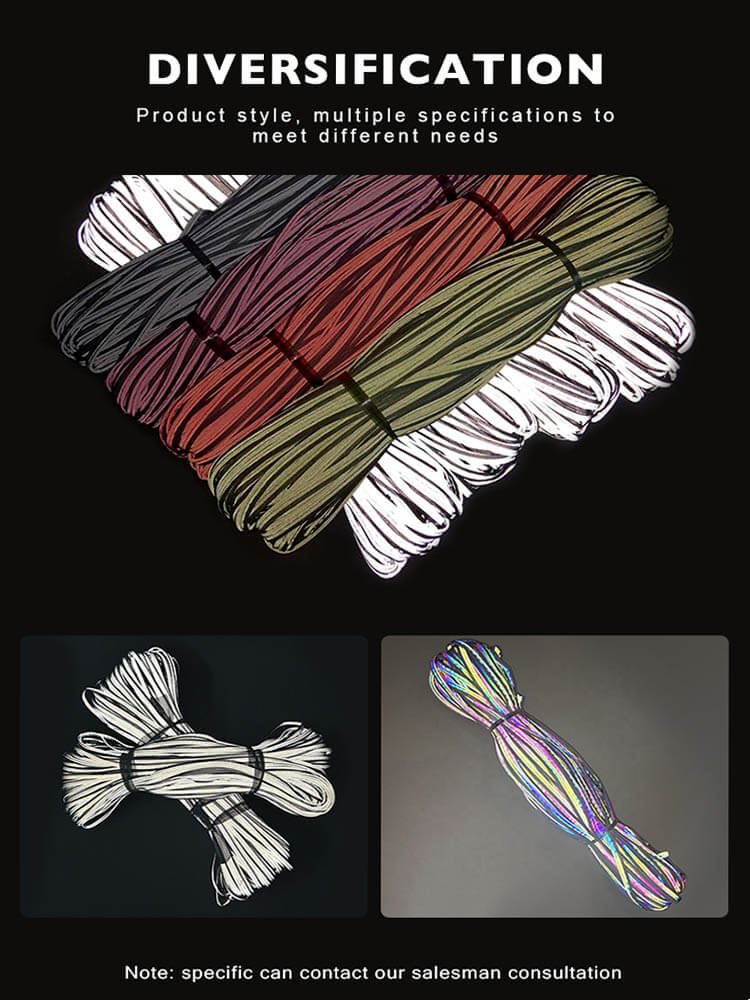
Material Selection: Base Fabric, Reflective Layer, and Flexibility
The first question should not be “Is it reflective?” The first question should be “What is it made of?” FR reflective piping may use different base constructions depending on the end use. Inherent FR fibers, such as aramid-based substrates, offer flame resistance that is built into the fiber. Treated FR cotton or blended fabrics may be more economical and comfortable but require careful control of chemistry and wash durability. Some applications may need anti-static properties, oil resistance, waterproof compatibility, or higher flexibility for ergonomic garments.
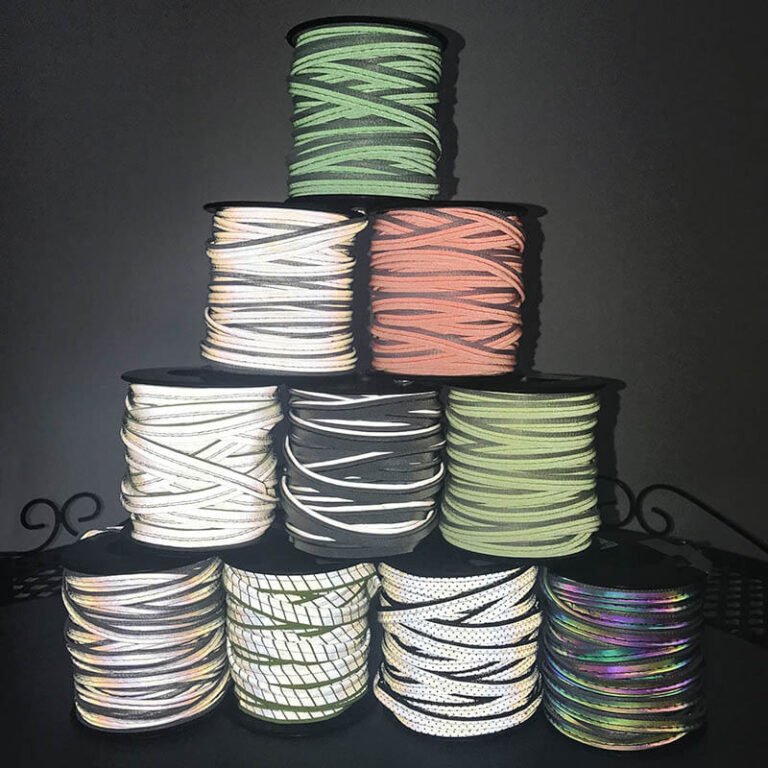
The reflective layer also matters. Glass-bead reflective systems are widely used in safety apparel because they return light toward the source, helping vehicle operators, rescue teams, and machinery operators identify workers quickly. However, the binder, coating, and backing must be suitable for FR applications. A reflective surface that looks bright in a showroom but cracks after flexing, loses brightness after 25 washes, or stiffens in cold weather can reduce both safety and wearer compliance.
Comfort is not a minor issue. If FR piping creates friction points at the shoulder, underarm, collar, wrist, or trouser side seam, workers may avoid wearing the garment correctly. In PPE, compliance often depends on comfort. A slightly softer, more flexible piping can be more valuable than a cheaper option that passes initial testing but fails in daily use.

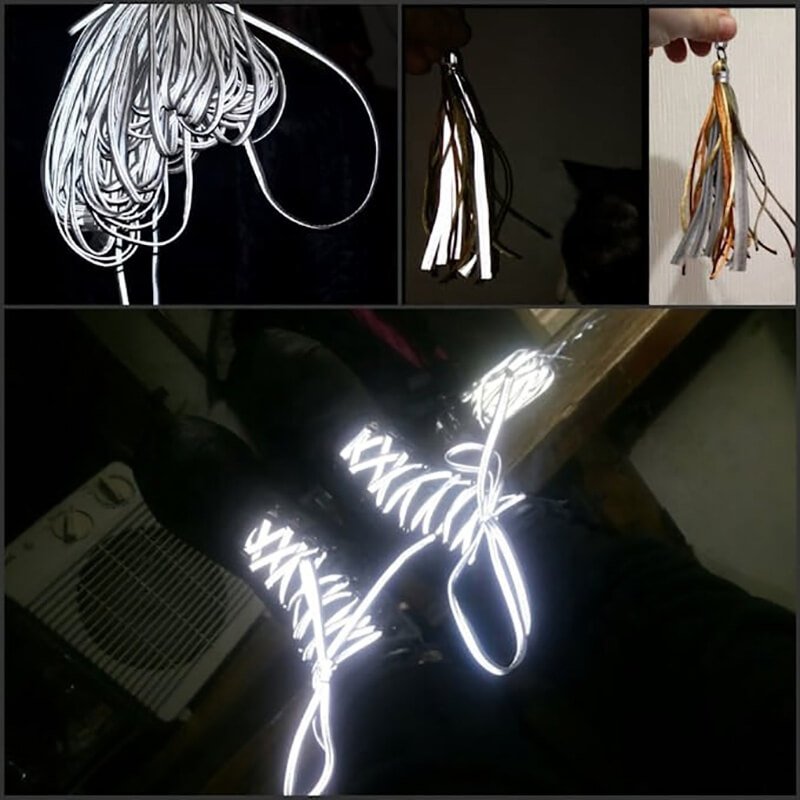
Where Fire Safety Gear Uses FR Reflective Piping
FR reflective piping is commonly used in FR coveralls, firefighter station wear, wildland firefighting garments, industrial FR jackets, utility workwear, oil and gas uniforms, railway safety clothing, mining garments, and rescue-team outerwear. It is especially useful where designers want to improve side visibility, outline body movement, or highlight garment transitions without applying wide reflective tape everywhere.
In oil and gas, buyers often prioritize flash-fire performance and industrial laundry durability. In railway and roadside environments, visibility from multiple angles is a major requirement. In firefighting and rescue applications, the trim must resist heat exposure and physical abrasion while maintaining mobility. In mining, reflective details may face dust, moisture, friction, and repeated washing. A single piping construction may not be ideal for every market, which is why application-specific development matters.
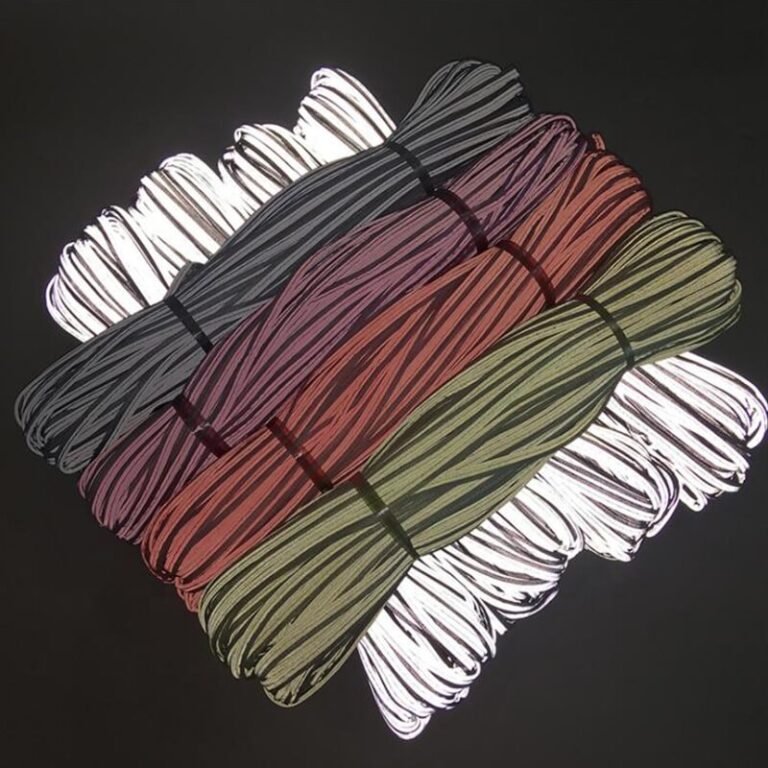
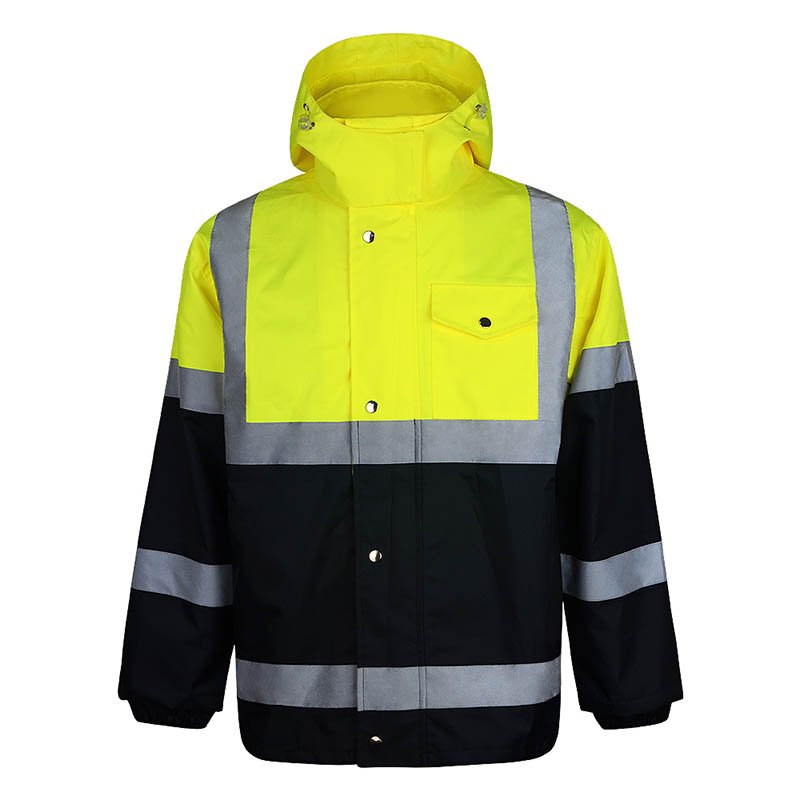
Procurement teams should also consider color and placement. Silver reflective piping is common for maximum brightness, while colored or contrast piping can support branding and garment identification. However, safety performance should always come before decoration. If color customization reduces reflectivity or FR performance, it should be reconsidered.
Buyer Checklist: Questions to Ask Before Ordering
- 1 What is the base fabric? Ask whether it is inherent FR, treated FR cotton, aramid blend, or another substrate.
- 2 Which standards does it support? Match the piping to the garment’s certification route and target market.
- 3 How many washes can it survive? Request data for domestic or industrial laundering, including reflectivity after washing.
- 4 Does it melt, drip, or continue burning? A low-cost trim that fails under flame exposure can compromise the whole garment.
- 5 Is it comfortable after sewing? Test finished samples, not only loose material, because seam construction changes hand feel.
- 6 Can the supplier control batch consistency? For PPE brands, roll-to-roll variation can create production and compliance risk.
OEM/ODM Sourcing: What VizGlo Safety Can Support
Nanjing VizGlo Safety Technology Co., Ltd. focuses on high-visibility clothing and reflective materials, with vertical integration from reflective material development to finished garment manufacturing. For FR reflective piping projects, this matters because many failures happen at the connection point between material and garment: the piping may be acceptable alone but unsuitable after sewing, washing, coating, or bonding with the main fabric.
VizGlo Safety supports custom reflective piping specifications for global distributors, private-label brands, industrial PPE programs, and safety apparel manufacturers. Options can include custom width, roll length, backing material, color, reflectivity level, FR substrate selection, packaging, and garment-level application testing. For buyers developing FR coveralls, FR rainwear, rescue jackets, railway workwear, or oil-and-gas uniforms, early material selection can reduce later testing delays and improve total cost of ownership.
If your project requires reflective trim plus complete garment production, our team can also coordinate piping, reflective tape, labels, fabric selection, pattern development, sample making, and bulk production under one OEM/ODM workflow.
Need FR Reflective Piping for Fire Safety Gear?
Send your target standard, garment type, wash requirement, width, color, and estimated order volume. VizGlo Safety can help you evaluate the right piping construction for your market.
WordPress/Elementor note: this CTA uses your Elementor popup action link and will open Popup ID 26 when the Elementor popup module is active.
Final Takeaway
FR reflective piping may look like a small line on a garment, but in real work conditions it carries a large responsibility. It contributes to worker visibility, garment outline recognition, flame protection integrity, comfort, and long-term durability. The best buyers no longer treat it as an accessory chosen at the end of development. They evaluate it early, test it with the main garment fabric, and confirm that it can survive the same working life expected from the finished PPE.
For more technical options, custom specifications, and bulk sourcing support, visit our dedicated product page for FR and high-visibility reflective piping solutions.
FAQ: Flame Retardant Reflective Piping
Is FR reflective piping required on every fire safety garment? +
Not always. It depends on the garment standard, job risk, visibility requirement, and design. However, if reflective piping is used on FR gear, it should be flame retardant and compatible with the garment’s protection level.
What is the difference between reflective tape and reflective piping? +
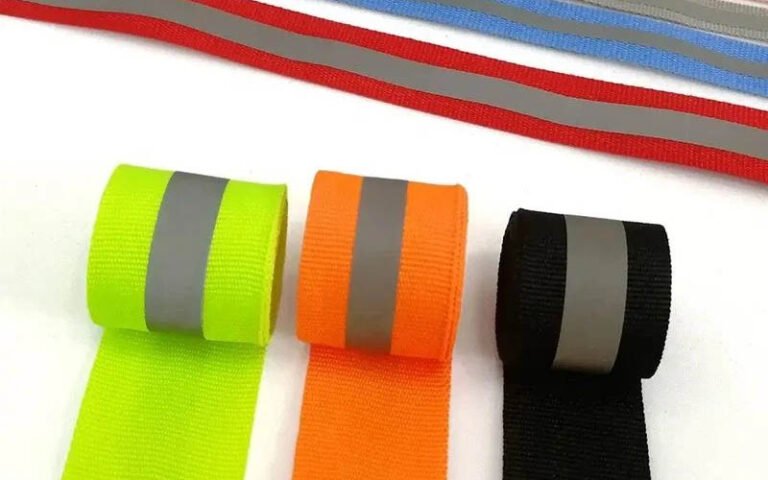
Reflective tape is usually a flat strip applied to larger garment areas. Reflective piping is a narrower trim often sewn into seams or edges to outline body shape and improve multi-angle visibility.
How many washes should FR reflective piping withstand? +
It should match the intended service life of the garment. For industrial PPE programs, buyers commonly request performance after 25, 50, or more industrial laundry cycles, depending on the garment specification.
Can FR reflective piping be customized? +
Yes. Width, color, backing fabric, reflectivity, roll length, packaging, and performance requirements can often be customized, provided the final design still meets the required safety performance.
Why should buyers test piping together with the finished garment? +
Sewing tension, seam placement, garment fabric, washing, abrasion, and wearer movement can all affect final performance. Testing only the loose piping material may not reveal garment-level risks.