Hi Vis Clothing Requirements in Ontario: Standards and Workplace Applications
By VizGlo Safety Technical Sourcing Team • Updated for CSA Z96-22 & Ontario Ministry of Labour Regulations
Summary of Ontario Hi-Vis Requirements
In Ontario, high-visibility clothing requirements are enforced by the Ministry of Labour, Immigration, Training and Skills Development (MLITSD) under the Occupational Health and Safety Act (OHSA) and technically defined by the CSA Z96 standard (High-Visibility Safety Apparel). Ontario workplaces mandate specific safety apparel classes based on ambient lighting and vehicle speeds: Class 1 (Basic) for low-speed warehouse environments (<30 km/h), Class 2 (Intermediate) featuring a full 360-degree torso coverage with retroreflective stripes in an ‘X’ pattern on the back for construction zones, and Class 3 (High Risk) pairing Class 2 upper garments with retroreflective leg bands or sleeves for highway workers (e.g., Highway 401/QEW) and nighttime utility operations.
1. Ontario Regulatory Framework: OHSA & CSA Z96-22 Standard
For PPE distributors, safety equipment retailers, and private label importers, serving the Canadian market—specifically Ontario—demands a clear understanding of provincial occupational health laws. High-visibility safety apparel (HVSA) is governed across industries by specific regulations under the Ontario Occupational Health and Safety Act (OHSA), including:
- O. Reg. 213/91 (Construction Projects): Requires workers exposed to vehicular traffic or mobile plant equipment to wear conspicuous garments with specified fluorescent and retroreflective area minimums.
- O. Reg. 851 (Industrial Establishments): Mandates visibility PPE in material handling yards, intermodal hubs, and busy warehousing complexes.
- O. Reg. 854 (Mines and Mining Plants): Outlines stringent reflective tape placement and contrast specifications for underground and surface operations.
The benchmark technical standard is CSA Z96-22, which replaced earlier iterations. Unlike the American ANSI/ISEA 107 standard, CSA Z96 has unique mandatory structural criteria, most notably the symmetric retroreflective ‘X’ pattern on the back of the torso to instantly alert motorists when a worker is facing away from traffic.

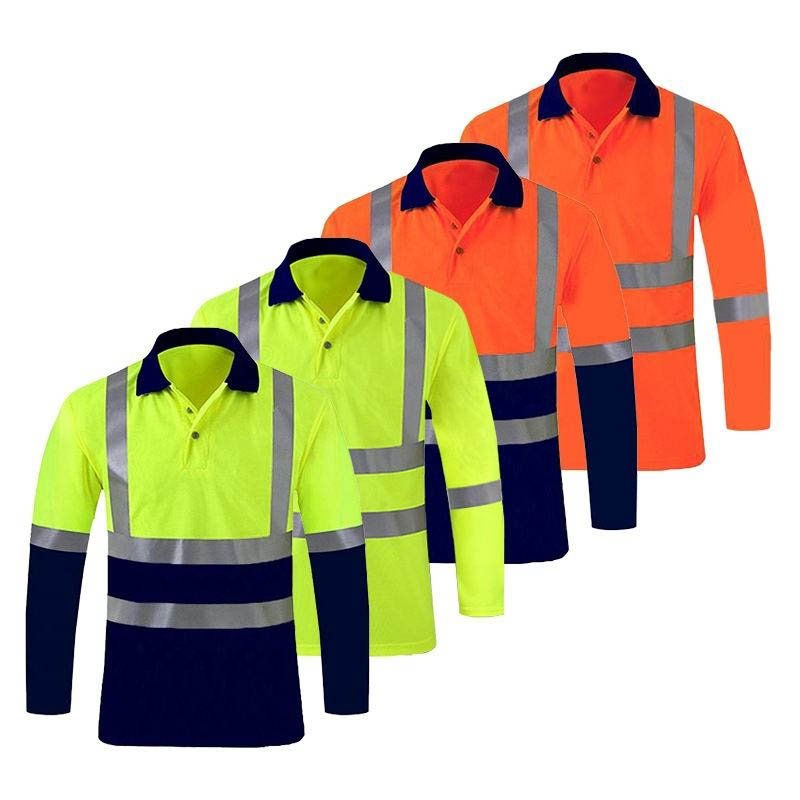
Engineered garments meeting strict CSA Z96-22 retroreflective striping and background material thresholds.
2. Translating CSA Z96 Garment Classes to Ontario Workplace Applications
When curating inventory or planning contract tenders, commercial buyers must align specific apparel types with the end-user’s operational risk level:
| CSA Class | Required Coverage | Key Ontario Job Roles & Sites |
|---|---|---|
| Class 1 (Low Risk) | Basic torso coverage; minimum 0.14 m² background, 0.10 m² retroreflective. | Warehousing crews in the GTA logistics corridor, delivery drivers, parking attendants where traffic speeds remain below 30 km/h. |
| Class 2 (Moderate Risk) | Full torso coverage with horizontal/vertical bands & back ‘X’; 0.40 m² background, 0.13 m² retroreflective. | Municipal road maintenance, urban construction in Downtown Toronto, forestry crews, crossing guards, survey engineers. |
| Class 3 (High Risk) | Full body coverage; combines Class 2 upper garment with retroreflective bands on limbs (sleeves or Class E pants). | Nighttime 400-series highway crews (401, 400, QEW), emergency responders, high-speed rail corridor technicians, tow operators. |
To dive deeper into the complete product categories available for full-body coverage, explore our complete line of hi vis clothing engineered to satisfy North American industrial standards.
3. The “Ontario Reality”: Building Four-Season Protection (-30°C to +35°C)
Ontario experiences one of the widest temperature ranges in North America. A one-size-fits-all vest line fails to meet field demands. Suppliers and brand owners win high-margin wholesale accounts by offering season-specific systems:
Winter & Sub-Zero
Heavy insulated 3-in-1 parkas, fleece-lined bomber jackets, and high-visibility bib pants engineered with PU-coated waterproof oxford fabric.
Down to -30°CHot & Humid Summers
Ultra-breathable birdseye mesh T-shirts, lightweight surveyor vests with segmented reflective tape for maximum airflow and zero heat retention.
Up to +35°CShoulder Seasons
Seam-sealed, breathable rain suits and windproof high-visibility shell jackets complying with both Class 3 configurations and severe weather ratings.
Spring/Fall Rain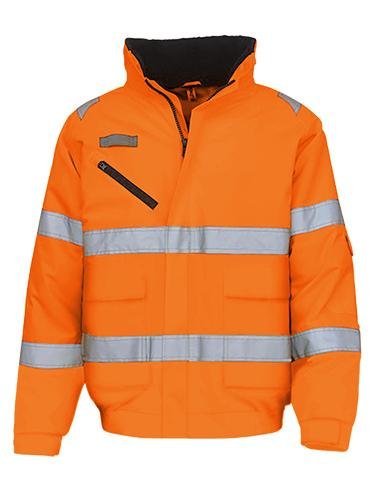
Multi-layer insulated winter parkas custom-built for Ontario’s cold weather road crews.
For extreme climate applications, check out our field-tested hi vis jackets and winter systems manufactured with wind-resistant shells and modular liners.
4. Commercial Sourcing Playbook: How Distributors Can Win the Ontario Market
Supplying the Ontario market requires more than having inventory; it requires having the right certifications and functional utility. Leading North American PPE procurement professionals prioritize the following:
Multi-Standard Certification (CSA Z96 & ANSI/ISEA 107)
Cross-border logistics and construction contractors prefer garments certified under both CSA Z96 and ANSI 107. This simplifies procurement across Ontario and US operations.
Dual Hazard & Flame Resistance (FR) Capabilities
Ontario’s nuclear, hydro-electric, and natural gas utility contractors mandate dual-protection: high visibility combined with ASTM F1506 / NFPA 70E flame resistance.
Skin-Safe & Eco-Compliant Materials
Ensure base layers and high-visibility fabrics hold OEKO-TEX® Standard 100 certification, verifying that fabrics touching warm, sweaty skin are free from harmful chemical dyes and allergens.

Rigorous factory testing for seam-sealing, hydrostatic head pressure, and retroreflective luminosity.
5. High-Value Customization: Features Ontario Workers Actually Demand
Generic safety vests often fail under true field conditions. By working with an agile OEM/ODM manufacturer, private brands can incorporate specialized value-add details that justify premium pricing:
- Segmented Heat-Transfer Tape: Upgrades garment breathability and stretch by 30% compared to solid stitched tape.
- 5-Point Tear-Away System: Critical for workers operating near heavy machinery, rollers, and conveyors to prevent snag entanglement.
- Reinforced Dual Mic Tabs & Radio Pockets: Essential for field communication equipment on active transit projects.
- Custom Corporate Branding: Placement of silk screen, embroidery, or custom reflective heat-transfer logos without violating CSA surface area formulas.
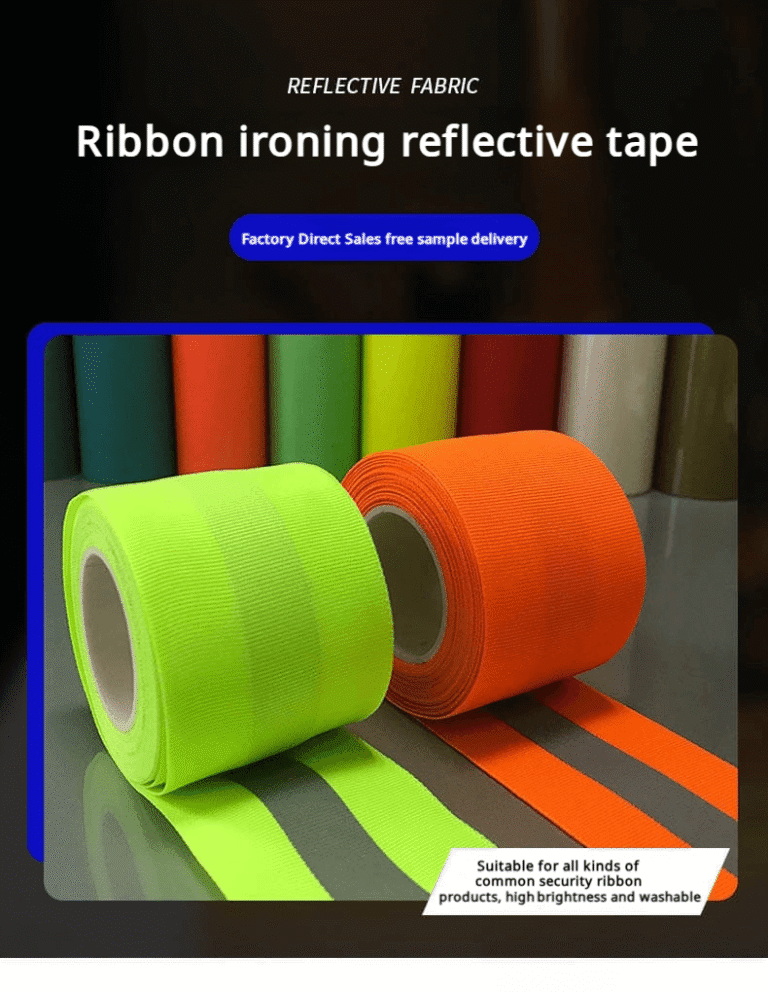
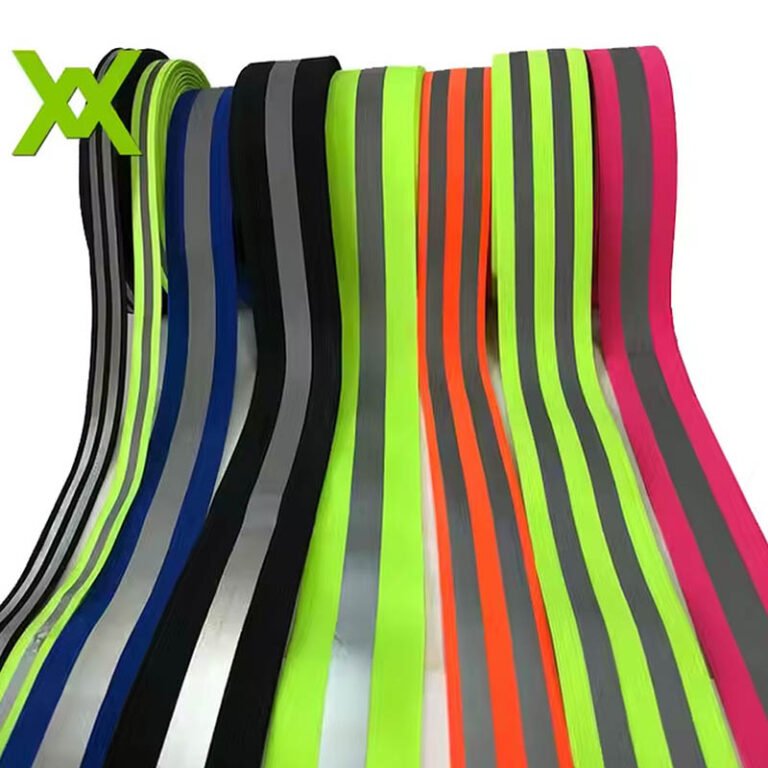
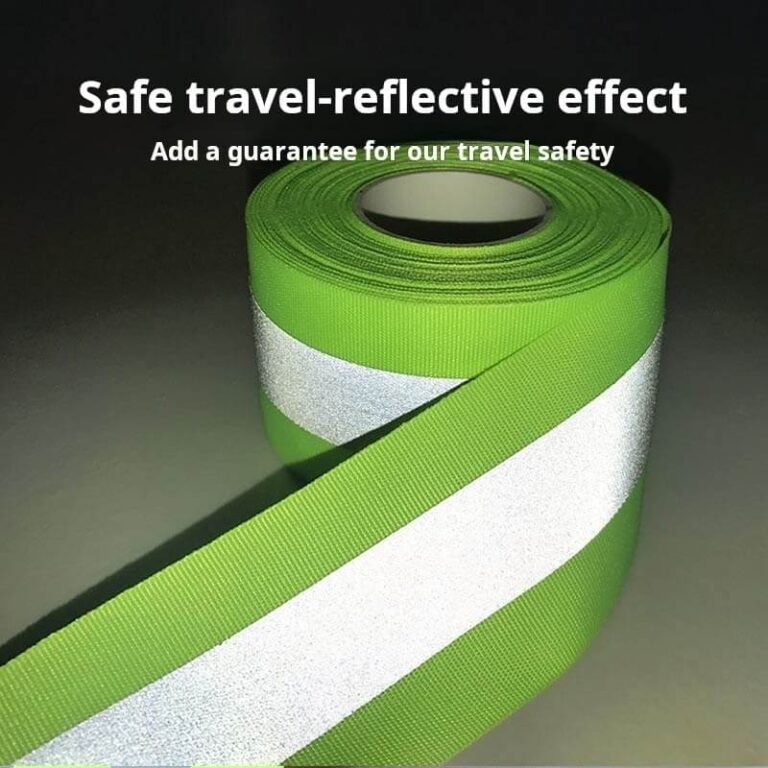
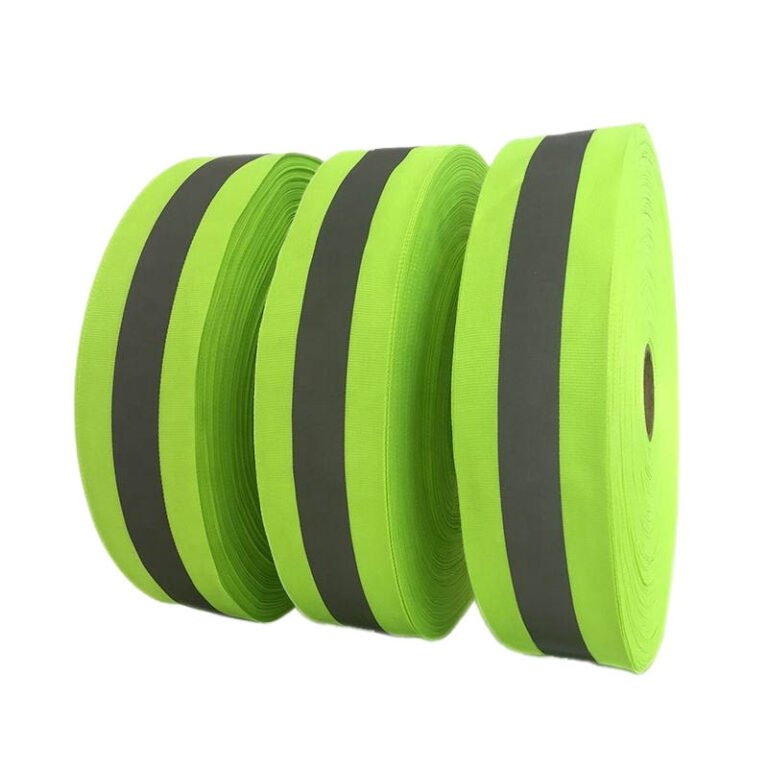
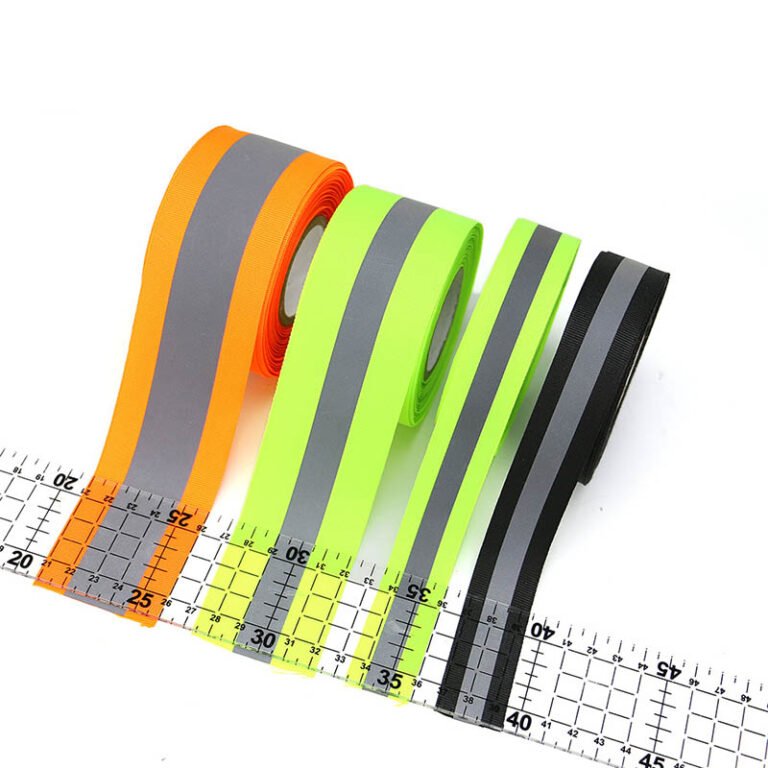
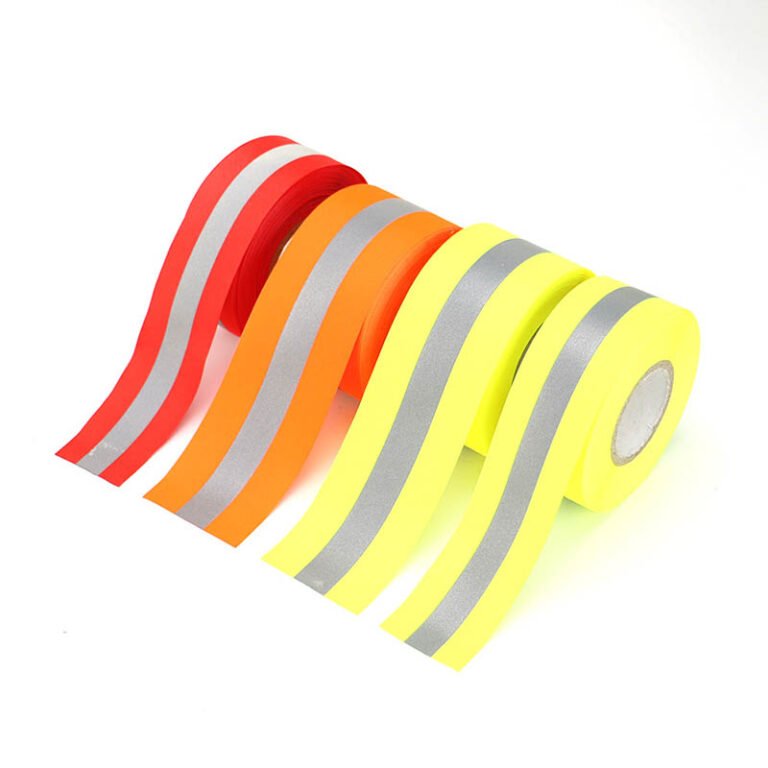
Explore our proprietary options in high-performance reflective materials, including heat transfer films and elastic retroreflective tapes customized to your specifications.
Build Your Compliant CSA Z96 Workwear Line
Partner directly with Nanjing VizGlo Safety Technology. Benefit from 15+ years of specialized OEM/ODM manufacturing, rigorous third-party certified fabrics, and tailored sample turnarounds within 24–48 hours.
6. Frequently Asked Questions (FAQ)
What is the key difference between CSA Z96 and ANSI/ISEA 107 standards?
While both standards regulate high-visibility safety clothing, CSA Z96 (Canada) specifically mandates an ‘X’ pattern on the back of the garment to indicate that the worker has their back turned to oncoming traffic. ANSI/ISEA 107 (United States) allows straight vertical or ‘H’ pattern configurations on the back. Many modern manufacturers engineer hybrid patterns compliant with both jurisdictions.
What hi-vis color is mandatory for construction workers in Ontario?
Under Ontario Regulation 213/91, fluorescent yellow-green and fluorescent orange-red background fabrics are both compliant. However, fluorescent orange-red is strongly preferred on Ontario provincial highway construction (e.g., MTO projects) due to optimal contrast against green natural backdrops and concrete barriers.
Can company logos be added to CSA Z96 garments without voiding certification?
Yes, logos can be applied using silk screening, embroidery, or reflective heat-transfer films, provided the total surface area of the fluorescent background and retroreflective tape does not fall below the mandatory square meterage defined by CSA Z96 for that garment class.
What is the typical lifespan and replacement cycle for hi-vis workwear?
For everyday use in harsh industrial environments, garments generally last 6 to 12 months. Apparel must be replaced immediately when the fluorescent fabric is heavily soiled/faded or when the retroreflective tape’s RA (coefficient of retroreflection) drops below 100 cd/(lx·m²).