Hi Vis Protective Clothing: How to Choose the Right Workwear for Your Industry
Published by VizGlo Technical Sourcing Advisory | Last Updated: 2026 Procurement Guide
Executive Summary: How to Select Industrial Hi-Vis Workwear
To choose the right high-visibility protective clothing for your industry, you must evaluate operational risk environments, mandatory regional compliance ratings (such as ANSI/ISEA 107 in North America or EN ISO 20471 in Europe), climate-driven material engineering, and actual cost-per-use lifespan rather than simple garment acquisition price. The correct setup balances risk-specific requirements—such as GO/RT 3279 fluorescent orange for rail tracks or fire-retardant (FR) treatments for oil and gas sites—with breathable, ergonomic garment systems that ensure full workforce compliance across all seasons.
1. Beyond Purchase Price: The True Cost-Per-Use Equation
Procurement managers frequently face the trap of buying low-bid garments to hit immediate quarterly budgets. However, in heavy infrastructure and logistics, low-cost hi-vis wear consistently drives up the Total Cost of Ownership (TCO). A generic non-certified vest bought at $2.50 that deteriorates after five commercial laundry cycles costs exponentially more than a heavy-duty, lab-certified garment built to endure 50 full washes.
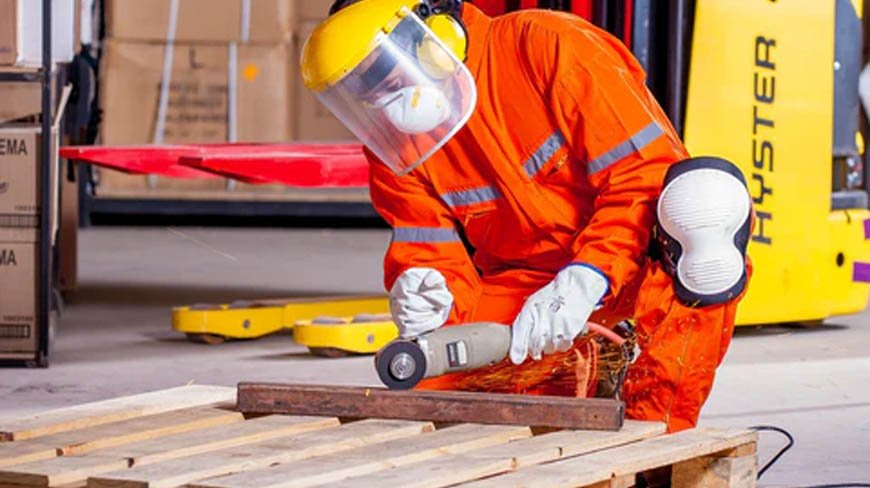
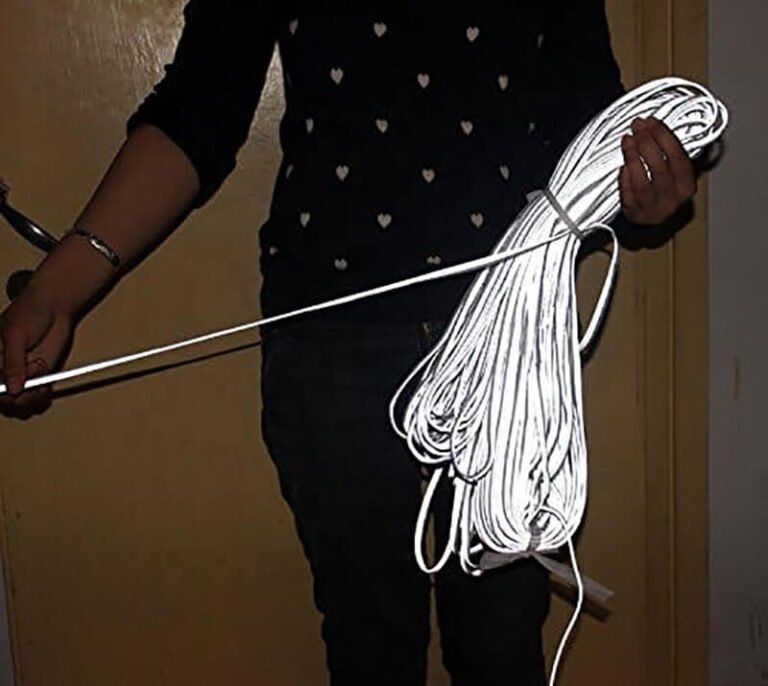
Industrial-grade PPE delivers durable retroreflection across repetitive industrial washing routines.
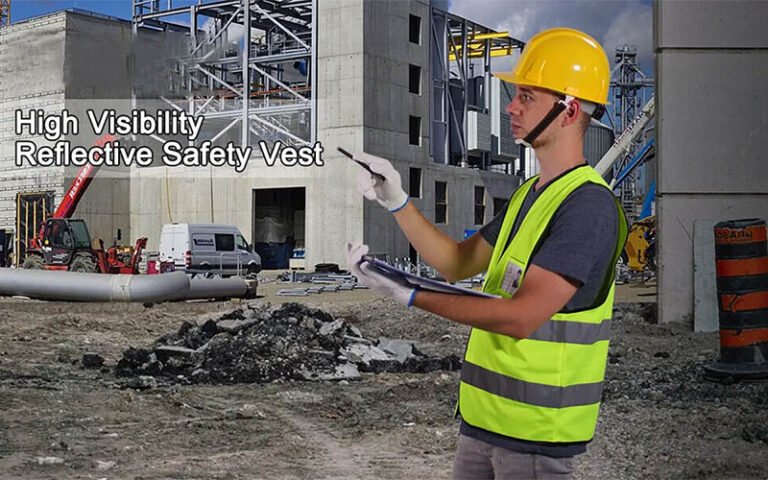
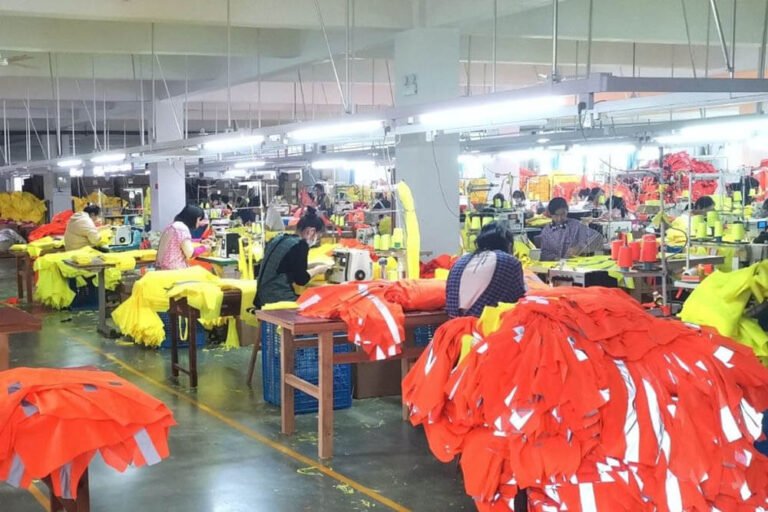
When auditing your PPE supplier, evaluate the glass bead retroreflective properties and the dye stability of the background fluorescent textiles. For example, our manufacturing lines integrate high-spec micro-bead matrices on robust backing cloth to meet strict international standards defined by organizations like the OSHA Safety & Health Regulations and the International Organization for Standardization (ISO).
| Garment Tier | Initial Unit Cost | Certified Wash Cycles | Cost Per Clean Cycle |
|---|---|---|---|
| Economy Commodity Vest | $2.50 | 5 Cycles | $0.50 / use |
| VizGlo Engineered Class 2 Workwear | $6.50 | 50+ Cycles | $0.13 / use |
2. Fabric Technology: Why Comfort Governs On-Site Compliance
Safety policies only work when crew members actually keep their protective equipment on. In oppressive summer heat or humid terminal yards, stiff, non-breathable polyester solid vests are routinely unzipped or removed altogether, creating serious liability hazards.
To eliminate this problem, modern workwear programs transition to specialized fabric constructions:
- Moisture-Wicking Bird-Eye Knit: Engineered synthetic weaves pull sweat away from skin surfaces, making Hi Vis Polo Shirts & T-Shirts significantly more breathable than classic solid textiles.
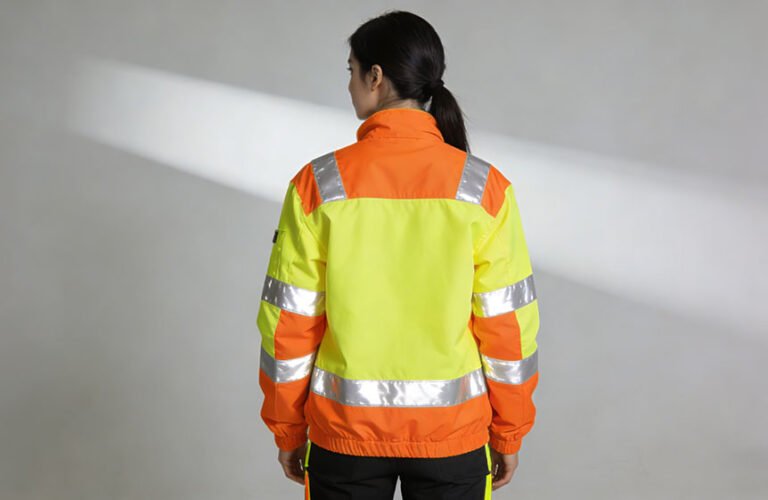
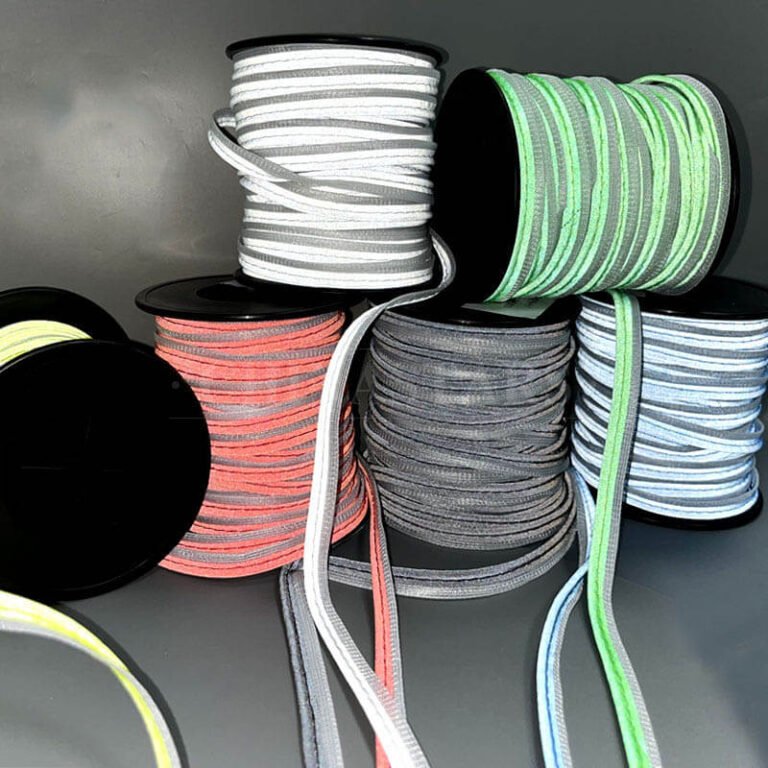
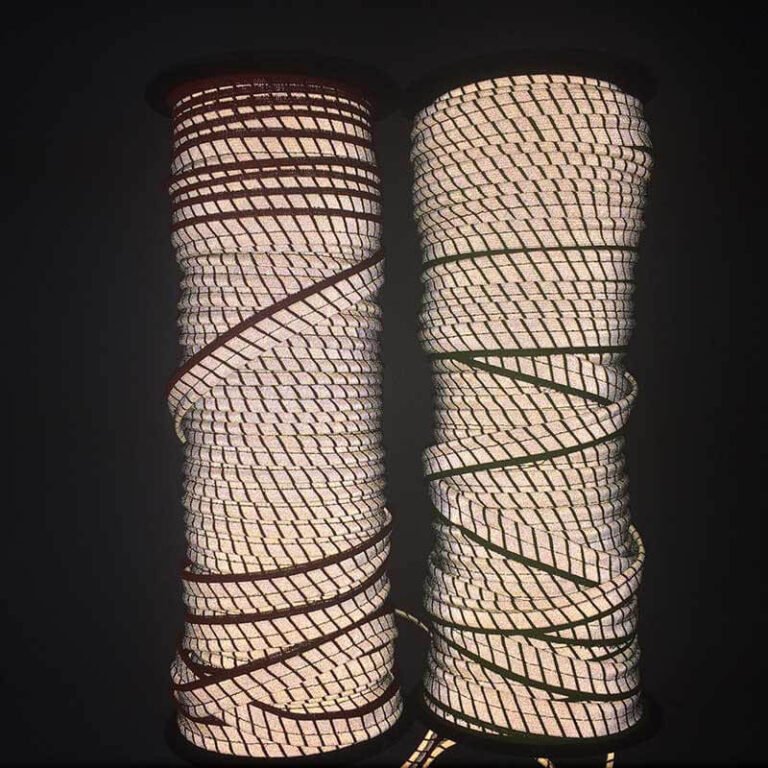
- Segmented Heat-Transfer Tape: Replacing solid, rigid retroreflective trim with flexible, segmented heat-pressed patterns allows natural garment stretch and unobstructed airflow across seams.
- 4-Way Stretch Blends: Integrating mechanical stretch properties prevents sleeve binding during overhead lifting or climbing operations.
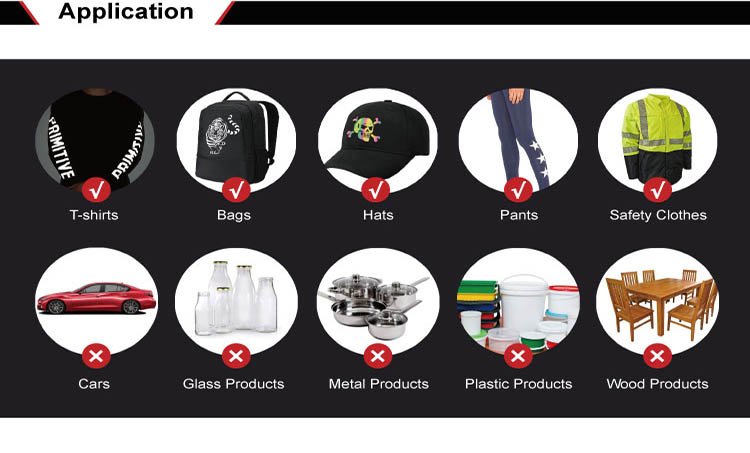
Segmented flexible heat transfer films maintain complete retroreflection without impeding textile ventilation.
3. The 4-Season Layering System Approach
Forward-thinking operations avoid purchasing one-off garments as ad-hoc needs arise. Instead, they introduce an integrated hi-vis wardrobe system designed to keep field crews fully compliant in every operational season.
Summer / High Activity
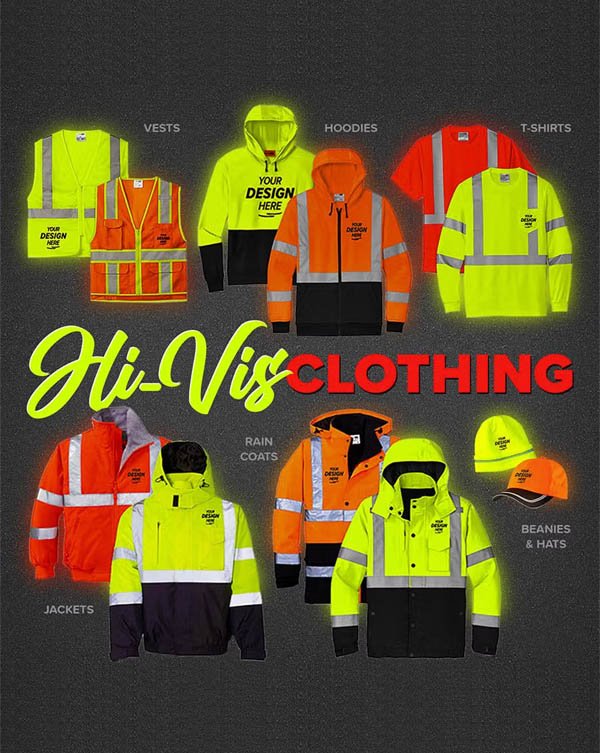
UV-protective, moisture-wicking fluorescent tees and polo work shirts with micro-mesh body panels.
Transitional Weather
Fleece-lined Hi Vis Sweatshirts & Hoodies offering thermal retention without sacrificing freedom of motion.
Severe Environments
Windproof, seam-sealed Hi Vis Raincoats and multi-norm parkas protecting against rain, sleet, and night-shift chills.
Setting up this type of unified wardrobe plan stabilizes fleet inventory control, provides brand consistency across field sites, and ensures certified visibility throughout the entire year.
4. Application-Specific Blueprints for Industrial Sectors
Generic workwear rarely holds up against specialized site demands. The environmental hazards of an airport ramp differ fundamentally from the operating conditions along trackside rail maintenance lines.
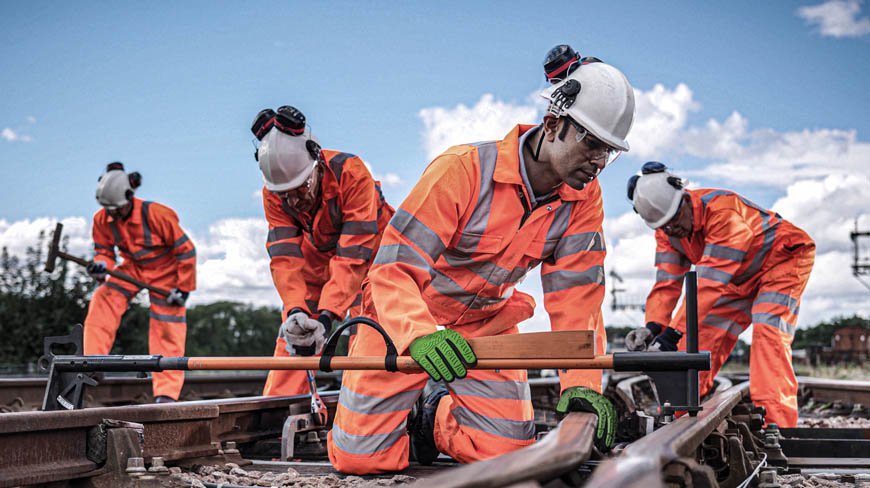
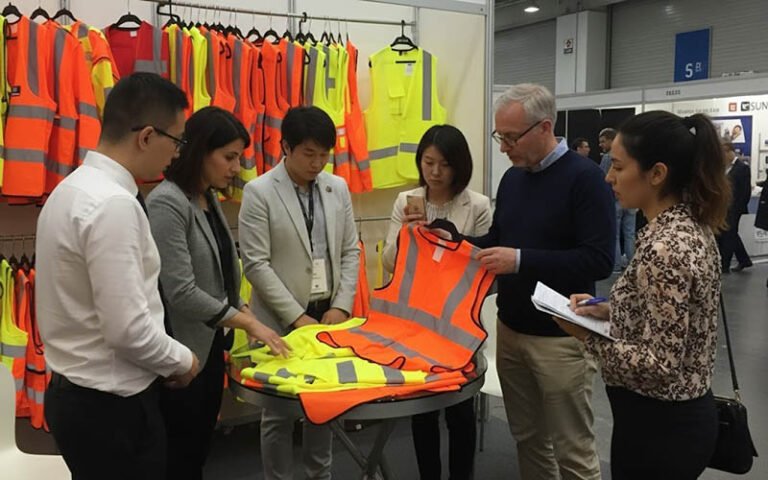
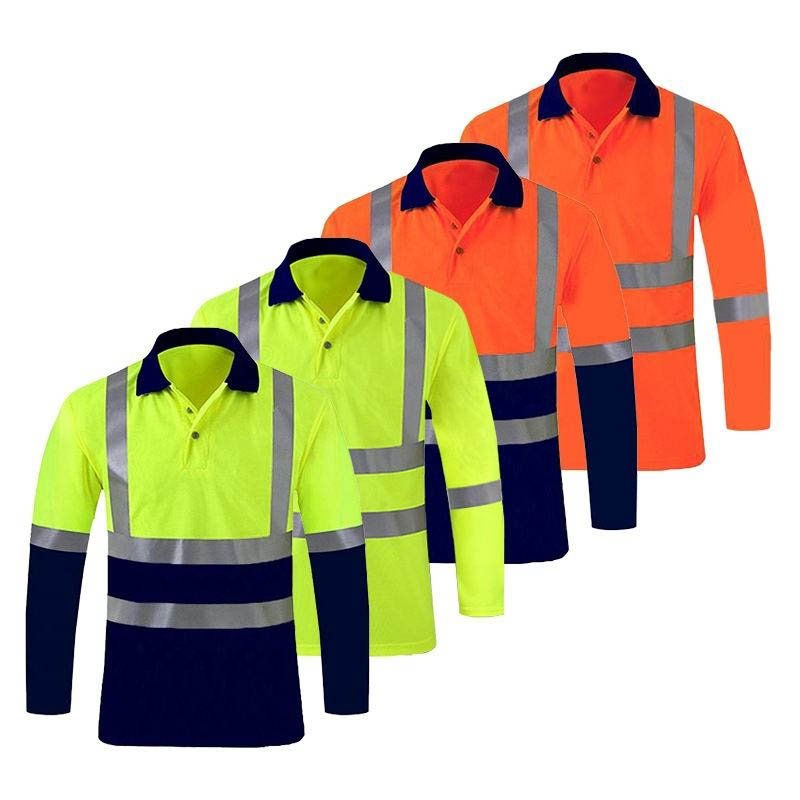
Rail maintenance crews operating under specific European and UK safety color mandates.
Railways & Rapid Transit
Work near rail lines requires specific fluorescent orange textiles compliant with standards such as the UK’s Rail Safety and Standards Board (RSSB) RIS-3279-TOM specification. Fluorescent yellow is restricted to prevent locomotive drivers from confusing worker apparel with trackside green signal aspects.
Airport Aprons & Ground Support Handling
Ground handling teams work constantly around jet engine intake zones, moving baggage carts, and extreme wind gusts. Garments require anti-snag trims, tight cuff profiles, tear-away breakaway snaps, and dual radio loop points for communication gear.
Road Surface Paving & Infrastructure
Paving operators deal with high ambient radiant heat, sticky bitumen residue, and heavy road-roller movements. Workwear requires dirt-masking dark lower panels, high-heat resistant zipper hardware, and durable Class 3 configurations.
5. Custom Branding: Elevating Safety Garments into Brand Assets
Modern high-visibility apparel is also a prominent billboard for your enterprise. Faded, poorly tailored safety gear projects an unorganized, careless image to project owners and the general public.
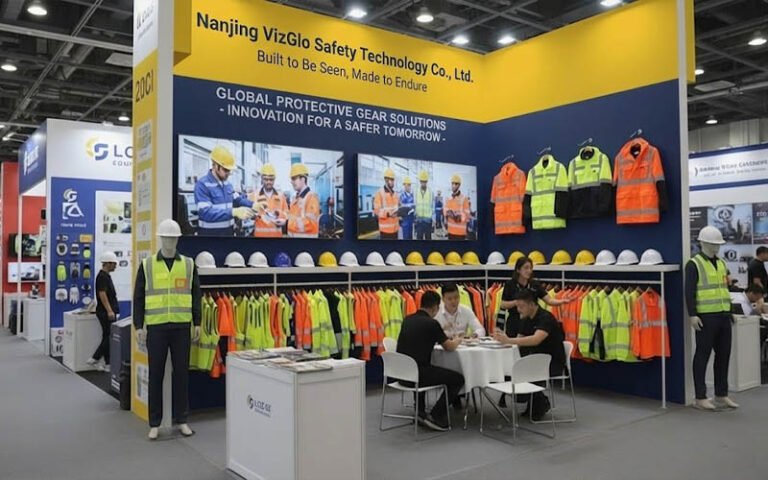
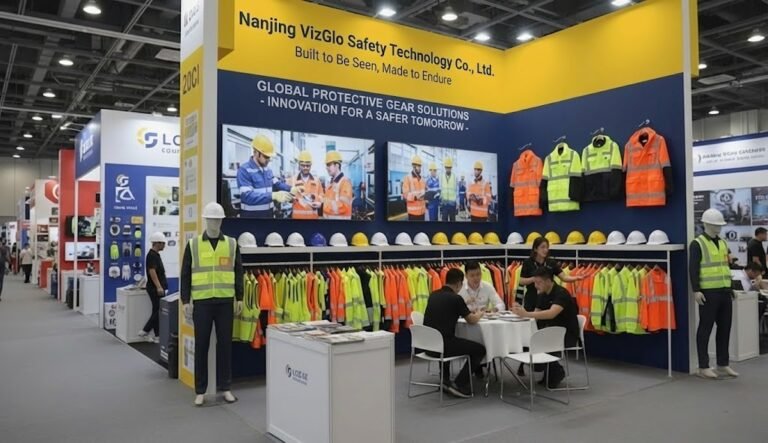
At VizGlo Safety, our integrated manufacturing lines provide clean, professional OEM and ODM customization services:
- Reflective Heat-Applied Badging: High-precision cut logo applications that integrate retroreflective properties directly into your corporate mark.
- Compliant Non-Conductive Trims: Heavy-duty resin zippers, reinforced mic tabs, and transparent PVC ID card holders positioned to preserve mandatory retroreflective surface areas.
- Color-Blocked Form Factors: Navy, black, or grey high-wear zones at the waist and sleeves to keep uniforms looking clean and sharp despite oily field contact.
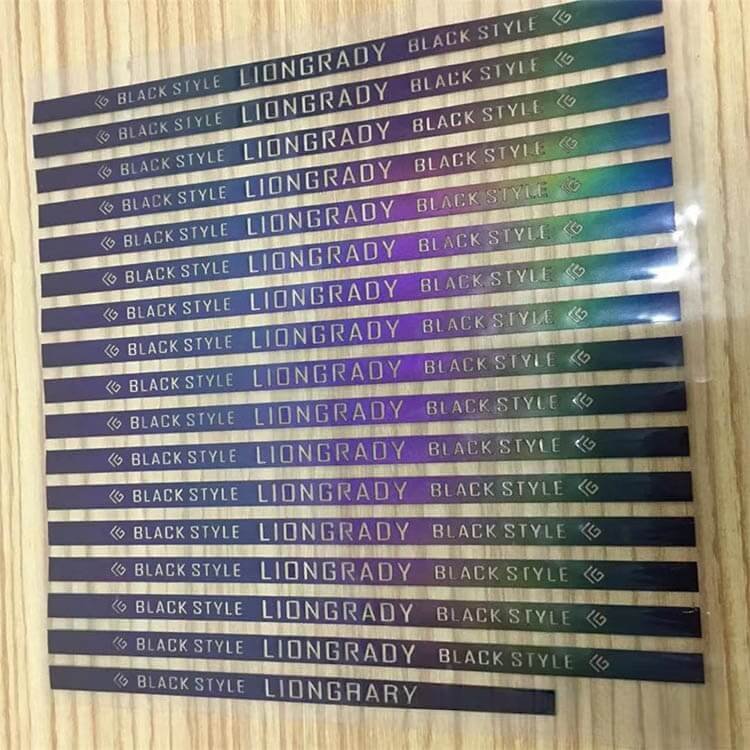
Custom heat-applied reflective badges keep company branding sharp without breaching photometric compliance.
Upgrade Your Workforce Safety Program
Contact our OEM/ODM technical team to review certifications, request custom samples, or calculate the Total Cost of Ownership for your fleet.
6. Frequently Asked Questions (FAQ)
How does workwear washing frequency affect hi-vis retroreflectivity? ▼
Every wash cycle subjects retroreflective glass beads and fluorescent dyes to mechanical abrasion and chemical exposure. Certified premium workwear uses high-density glass-bead matrices on heat-bonded or reinforced backings, retaining certified retroreflectivity (over 330 cd/lx/m²) for 25 to 50+ industrial washes, whereas non-certified alternatives degrade significantly after fewer than five washes.
What is the difference between solid reflective tape and segmented tape?
▼
Solid reflective tape is continuous and sewn or heat-applied onto the garment, which can stiffen the textile and trap heat. Segmented tape features engineered gaps throughout the reflective pattern, allowing the garment to stretch, breathe, and move naturally with the worker, which significantly improves long-shift comfort.
Why are trackside workers required to wear fluorescent orange instead of yellow? ▼
In rail operations, fluorescent yellow-green can visually blend with trackside signals or foliage, potentially confusing train drivers. Standards such as RIS-3279-TOM mandate specialized fluorescent orange to ensure rapid, unambiguous visual recognition under trackside lighting and at high speeds.