Hi Vis Workwear Pants: Features, Standards and Bulk Buying Guide
A strategic engineering and sourcing perspective for safety directors, procurement managers, and global PPE distributors seeking to de-risk volume manufacturing.
Key Takeaways for Sourcing Managers
Hi vis workwear pants serve as a critical component of personal protective equipment (PPE), engineered to provide lower-body conspicuity in high-hazard environments. To guarantee workplace safety and regulatory adherence, commercial hi vis trousers must comply with stringent international standards such as OSHA workplace PPE regulations, ANSI/ISEA 107 (Class E) in North America, and EN ISO 20471 (Class 1 or 2) in Europe. Strategic bulk procurement extends beyond baseline compliance: commercial buyers must prioritize ergonomic durability (such as 4-way stretch gussets and Cordura-reinforced knee pad slots), wash cycle longevity (ensuring retroreflectivity remains above 330 cd/lx/m² through 25–50 industrial laundering cycles), and end-to-end supply chain traceability.
1. Standards as the Starting Point, Not the Finish Line
When procurement directors evaluate safety pants, technical specifications often highlight standard acronyms like ANSI/ISEA 107, EN ISO 20471, and AS/NZS safety garment codes. In professional workwear sourcing, meeting these benchmarks is simply the entry ticket. A smart buyer does not ask whether a sample meets the standard today; they determine whether the factory can guarantee identical chromaticity and retroreflectivity across a production run of 10,000 units.
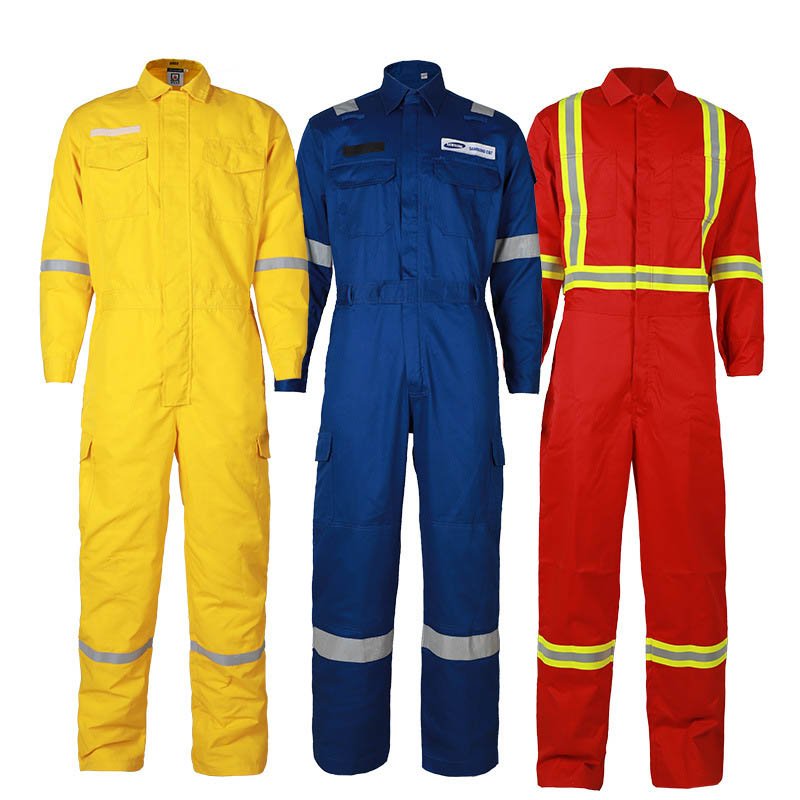
Standard-compliant hi vis trousers engineered for construction and logistics operations.
| Standard | Classification | Application & Regulatory Logic |
|---|---|---|
| ANSI/ISEA 107-2020 | Class E | Covers trousers and bibs. When combined with an ANSI Class 2 upper garment, the overall outfit is classified as full Class 3. |
| EN ISO 20471:2013 | Class 1 or Class 2 | Calculated based on visible fluorescent fabric (min 0.14 m² for Class 1; min 0.50 m² for Class 2) and reflective area. |
| RIS-3279-TOM | UK Rail Standard | Demands specific high-visibility fluorescent orange dyes for trackside crew recognition against rail infrastructure. |
For an in-depth view of how different categories integrate with complete upper-body gear, explore our full system approach in Hi Vis Workwear Solutions. Proactive compliance means staying ahead of evolving standards, including environmental chemical restrictions mandated by OEKO-TEX Standard 100 protocols.
2. Beyond Basic Features: Functionality, Ergonomics & Durability
High worker turnover and site dissatisfaction often trace back to poorly designed PPE. Standard commodity pants rip at the crotch, trap heat, and cause restricted movement. When custom-engineering pants for high-demand trades, procurement decisions should focus on field ergonomics and Return on Investment (ROI).
Ergonomic Mobility Systems
Integrating 4-way mechanical stretch panels across the crotch gusset, lower back yoke, and behind the knees reduces seam pressure during repetitive squatting. This directly increases trouser lifespan and lowers replacement frequency.
Impact: Reduced garment blowoutReinforced Abrasion Zones
Top-loading knee pad pockets and heel kick-plates constructed from 500D or 1000D Oxford Nylon ensure that heavy abrasion from asphalt and steel does not wear through primary safety fabrics.
Impact: 2x operational lifespan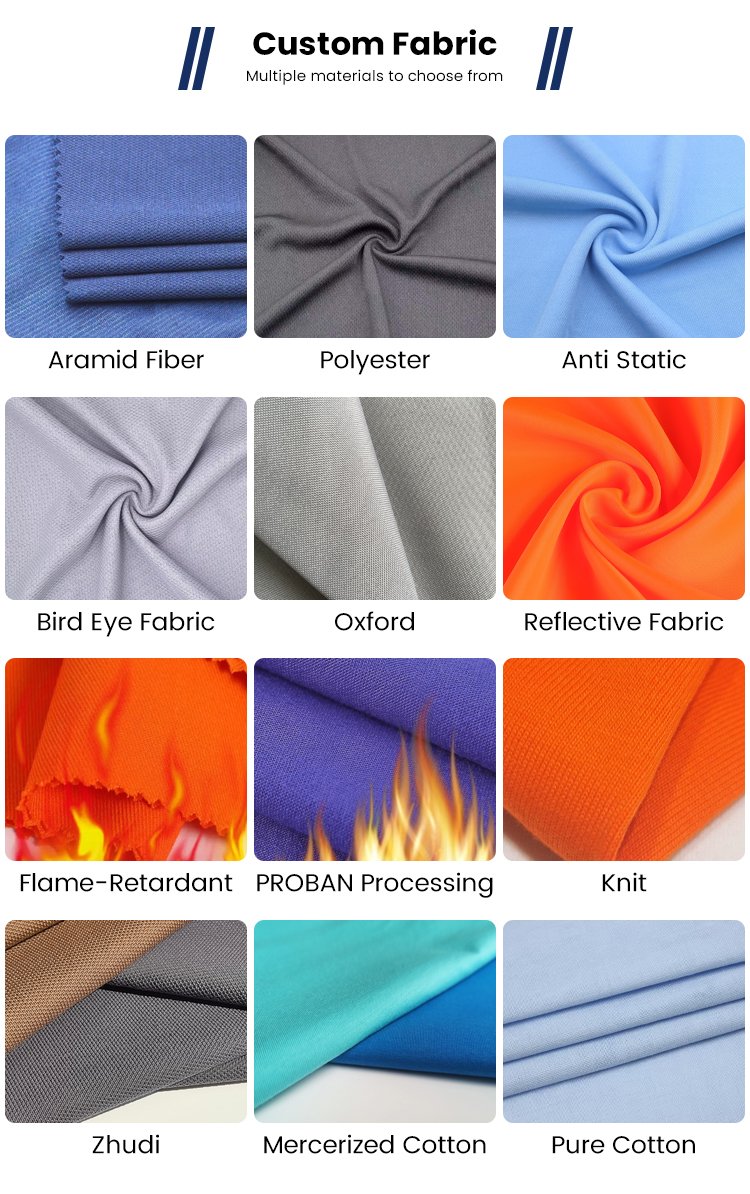
Custom fabric development: high-tensile ripstop blends combined with ergonomic reinforcement.
Whether specifying rain-tight taped seams for offshore logistics or breathable ripstop for highway construction, OEM customization allows brands to tailor pockets, hammer loops, and venting channels to exact job functions.
3. The Engine of Conspicuity: Tape Performance & Vertical Control
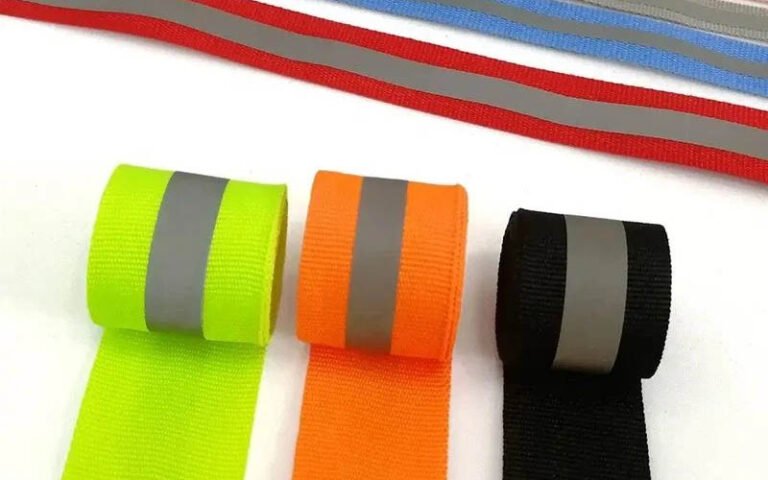
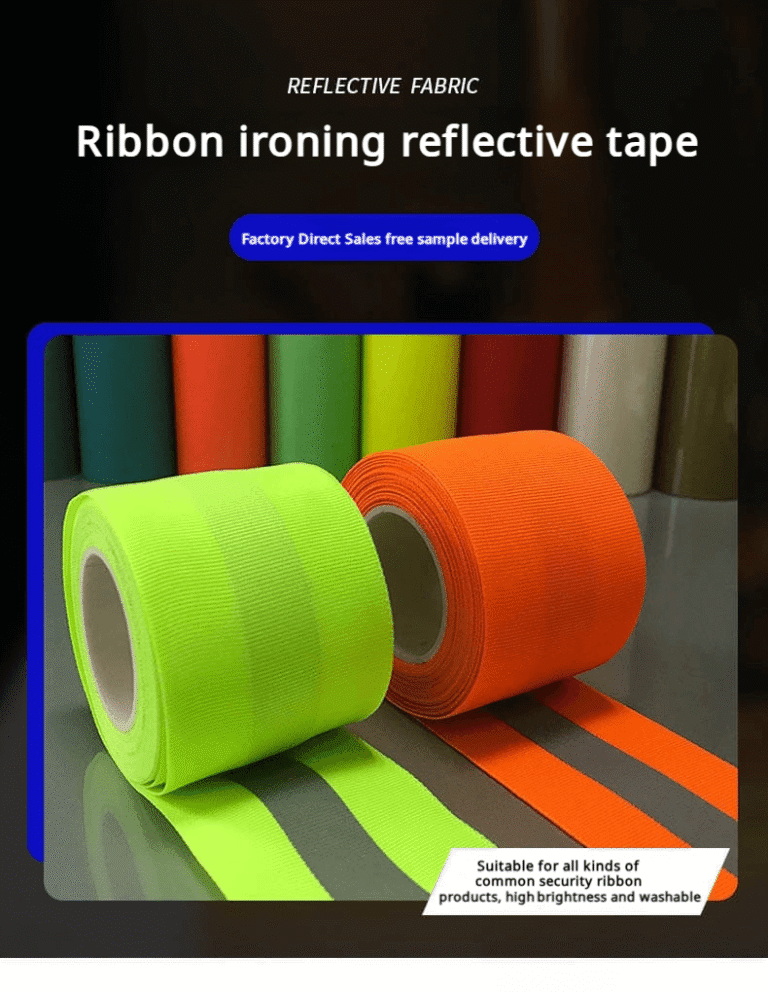
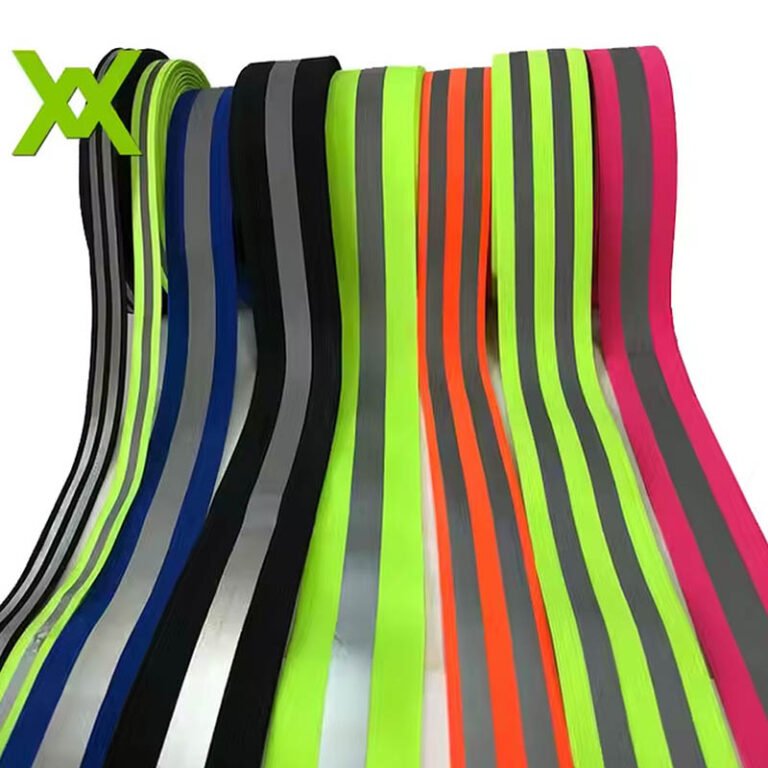
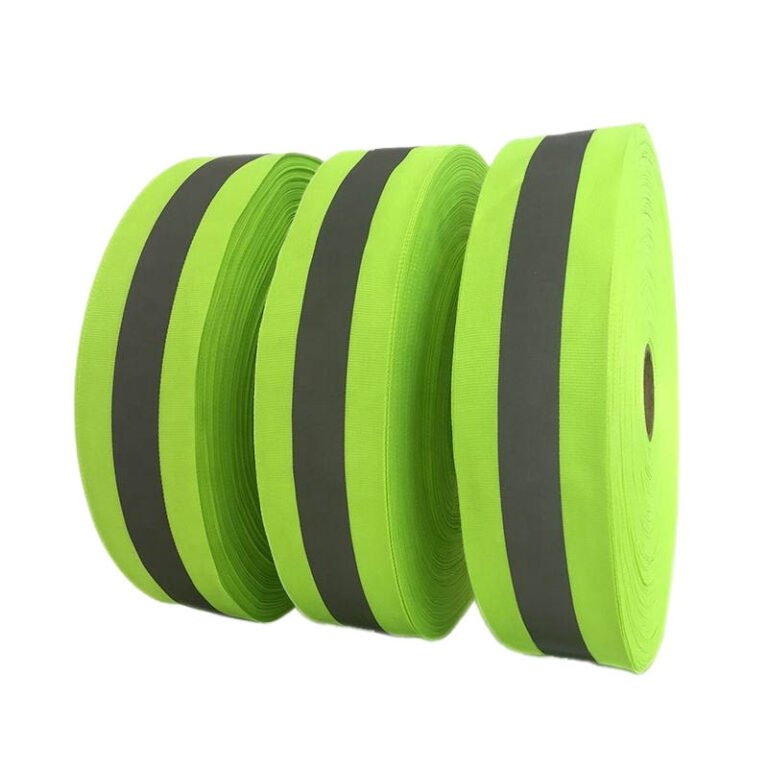
The reflective tape on a pair of work trousers endures harsh conditions: gravel abrasion, high-temperature industrial washing, grease contact, and continuous flexing. Substandard tape will peel, crack, or lose its retroreflective coefficient ($R_A$) within five laundering cycles, turning an investment into non-compliant scrap.
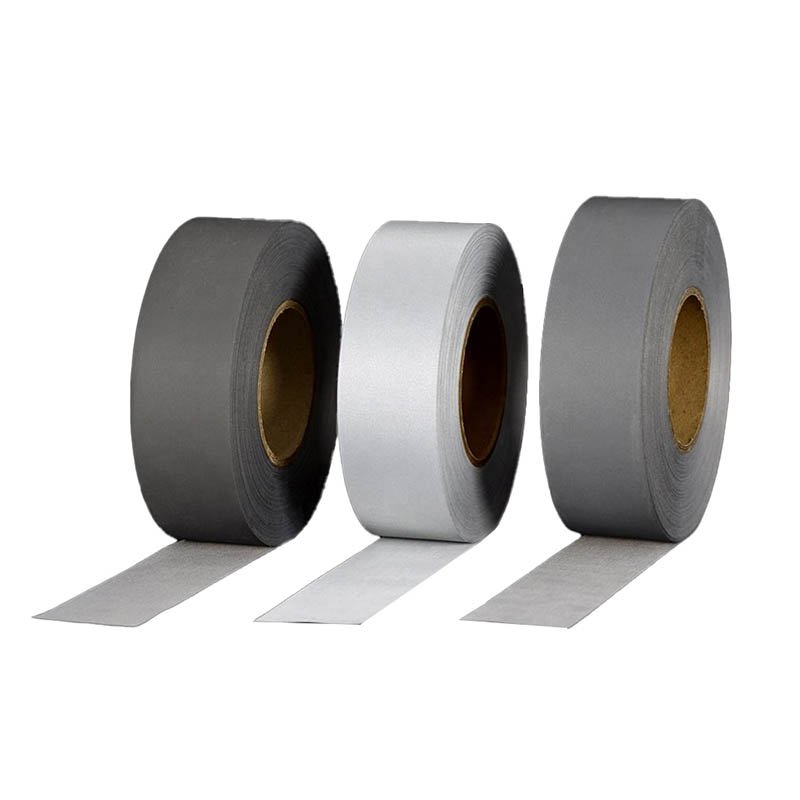
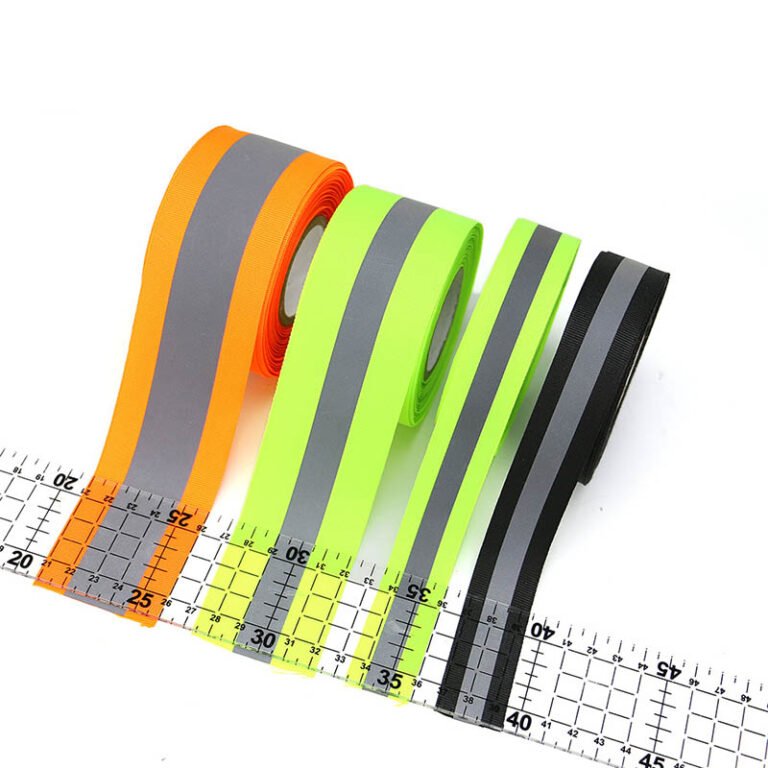
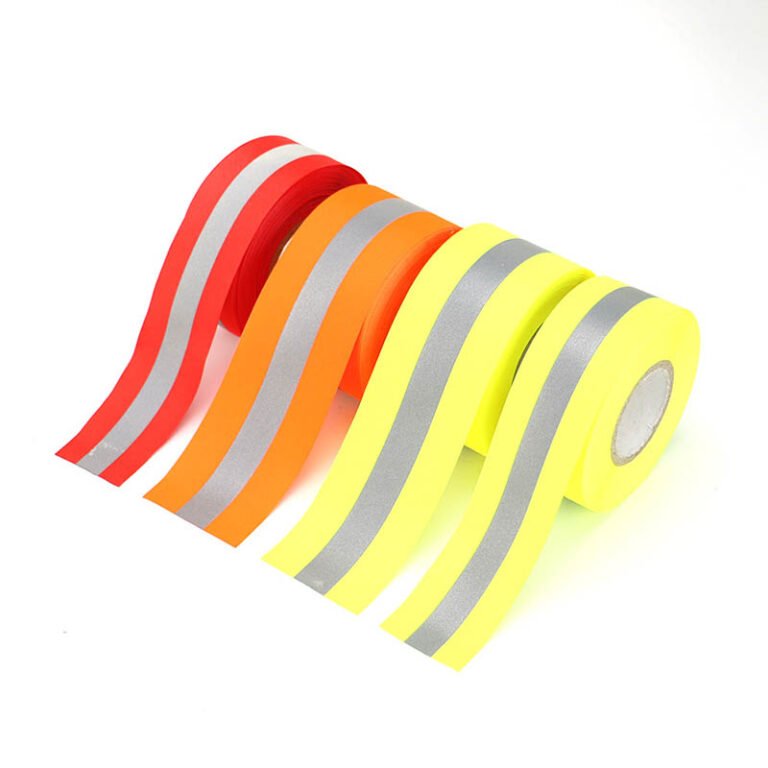
Precision micro-glass bead retroreflective tapes manufactured in-house for consistent optical quality.
Segmented vs. Solid Reflective Tape on Pants
While traditional solid sewn-on reflective tape is cost-effective, heat-applied segmented reflective tape offers significant advantages on trousers. Segmented films move naturally with the stretch of the garment, allow body heat to dissipate through gap patterns, and resist the puckering common to stitched ribbons after multiple washings.
4. Bulk Buying Guide: Selecting the Right OEM/ODM Manufacturing Partner
For an enterprise buyer or private label brand, selecting a manufacturing partner is a risk-management exercise. Low unit pricing from a trading intermediary often masks hidden costs: customs rejections from flawed test reports, shipment delays, or rapid retroreflective failure.
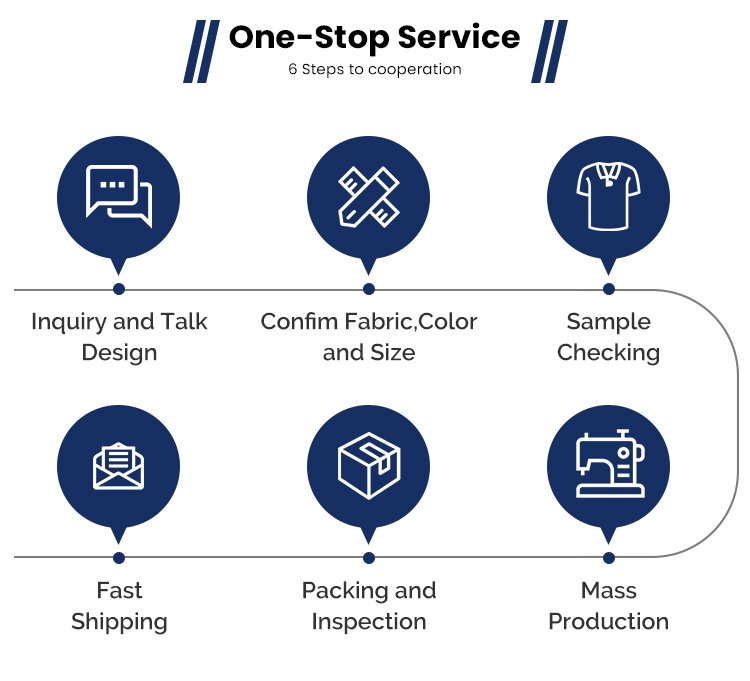
Full-scope OEM/ODM production line: from automated CAD cutting to final FQC testing.
Key Vetting Criteria for Volume Procurement
-
1
Vertical Supply Integration: Does the factory manufacture its own reflective materials? In-house production of trims and tapes ensures tight color matching, verified wash endurance, and predictable lead times without sub-supplier markups.
-
2
Certified Quality Audits: Verify corporate compliance through internationally recognized certifications such as amfori BSCI social audit standards and ISO 9001 quality management systems.
-
3
Comprehensive Customization: Professional manufacturers support end-to-end custom design, including pantalon pattern alterations, specialized pocket arrays, custom-dyed fabrics, branded rubber badge pulls, and retail-ready packaging. Learn more about our custom programs via our OEM/ODM Customization Services.
-
4
In-House Testing Laboratories: Confirm that the supplier operates in-house testing rigs for retroreflectance meters, hydrostatic head water-pressure testers, and xenon lightfastness chambers.
Partner with a Fully Integrated Hi-Vis Manufacturer
Eliminate quality defects and supply-chain volatility. Nanjing VizGlo Safety delivers over 15 years of technical expertise, providing fully certified hi vis apparel and reflective materials directly to enterprise distributors.
Request Custom Quote & Factory Direct SamplesFrequently Asked Questions (FAQ)
What makes high visibility workwear pants ANSI Class E compliant? ▼
ANSI/ISEA 107 Class E designates high-visibility trousers, bibs, or shorts with certified retroreflective and background fluorescent materials. When worn on their own, Class E pants do not meet full Class 2 or 3 standards; however, when combined with an ANSI Class 2 top garment, the overall ensemble automatically earns an ANSI Class 3 rating.
Why is vertical integration in reflective material critical when buying hi vis pants in bulk? ▼
Manufacturers that produce their own retroreflective tapes and trims eliminate raw material delays, maintain strict quality control (guaranteeing minimum 25-50 wash cycles), and offer direct OEM cost advantages without middleman markups or cross-supplier finger-pointing.
What fabric compositions are best for heavy-duty hi vis work trousers? ▼
The industry standard for durable daily workwear is an 80/20 or 65/35 Poly-Cotton blend (280–320 GSM) treated with a stain-resistant finish, combined with 4-way mechanical stretch panels at the crotch and Cordura/Oxford nylon reinforcement at the knee pad pockets and hems.
How do segmented reflective tapes compare to solid tapes on trousers? ▼
Heat-applied segmented reflective tapes allow for fabric breathability and natural movement when bending or squatting, significantly reducing seam stress, worker fatigue, and heat buildup compared to rigid, solid sewn-on bands.