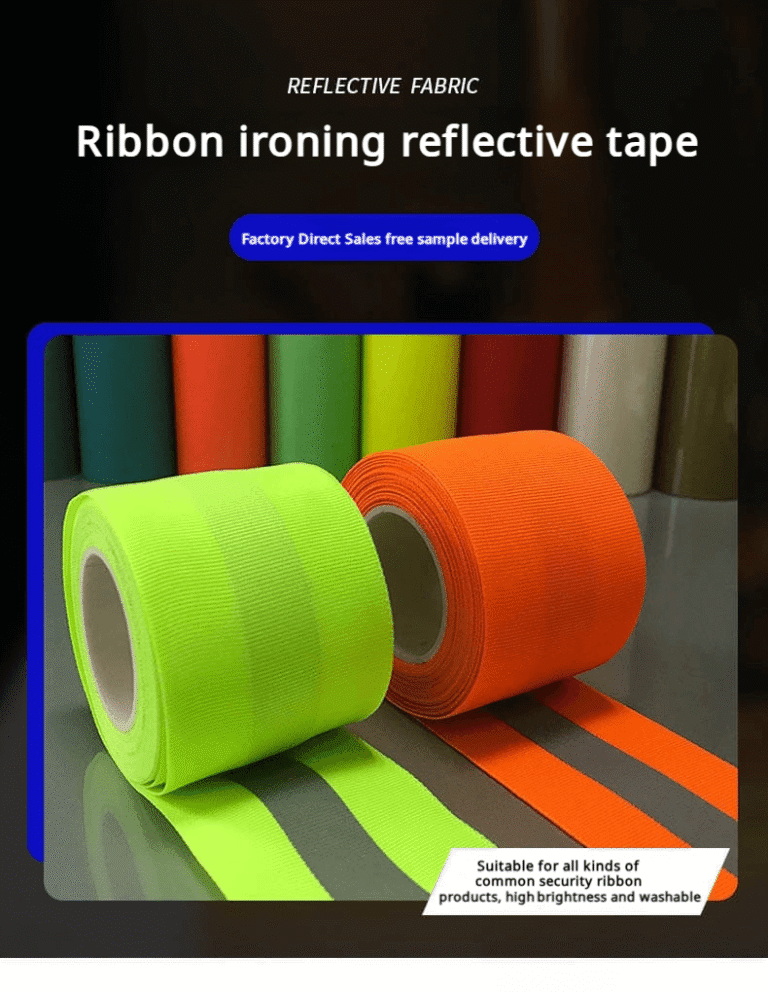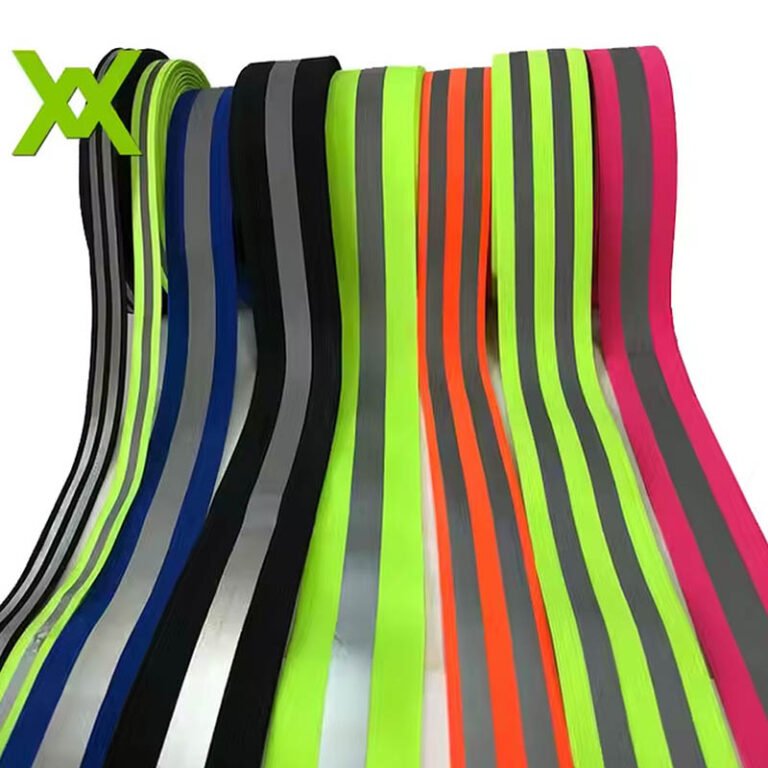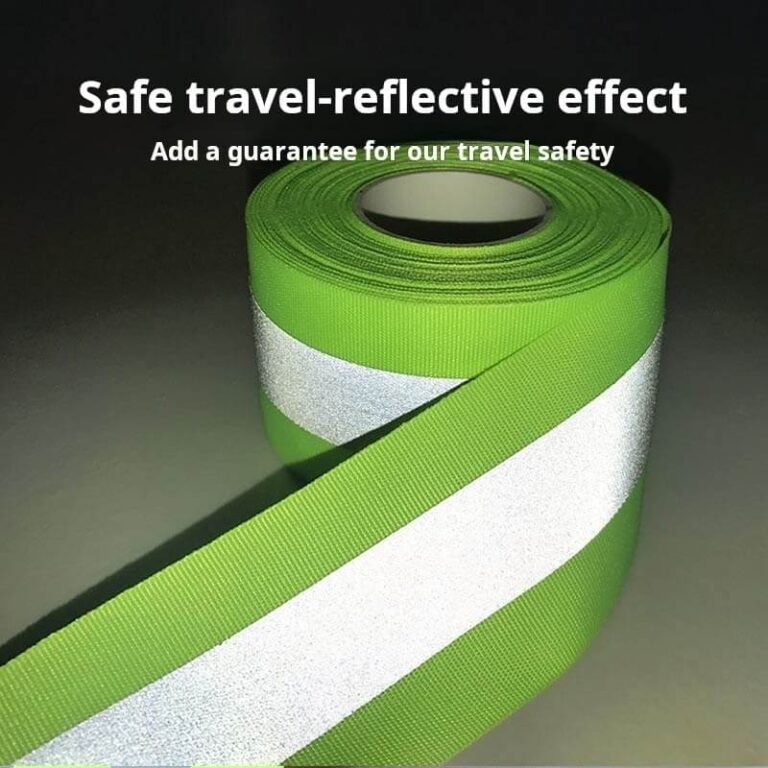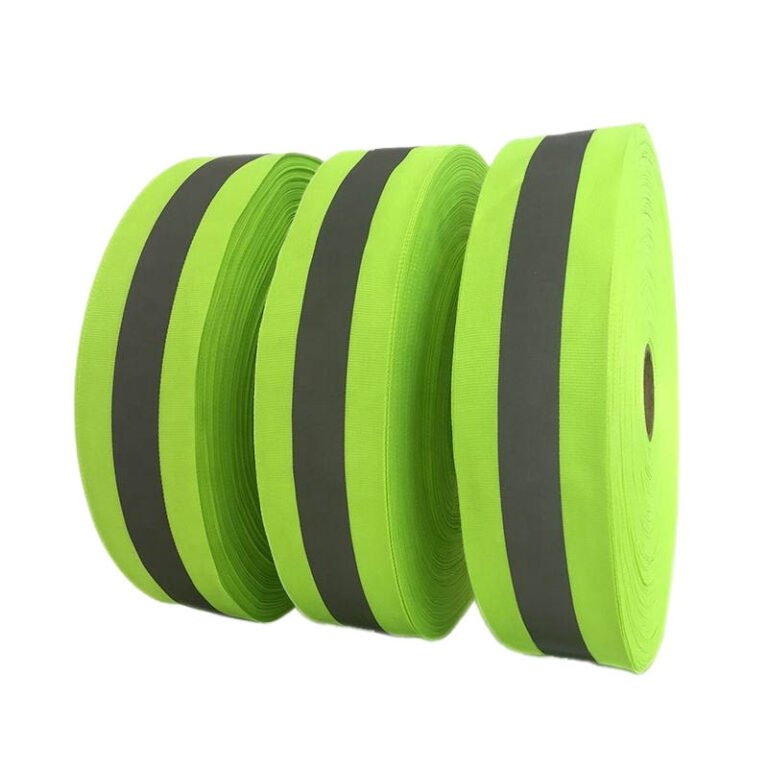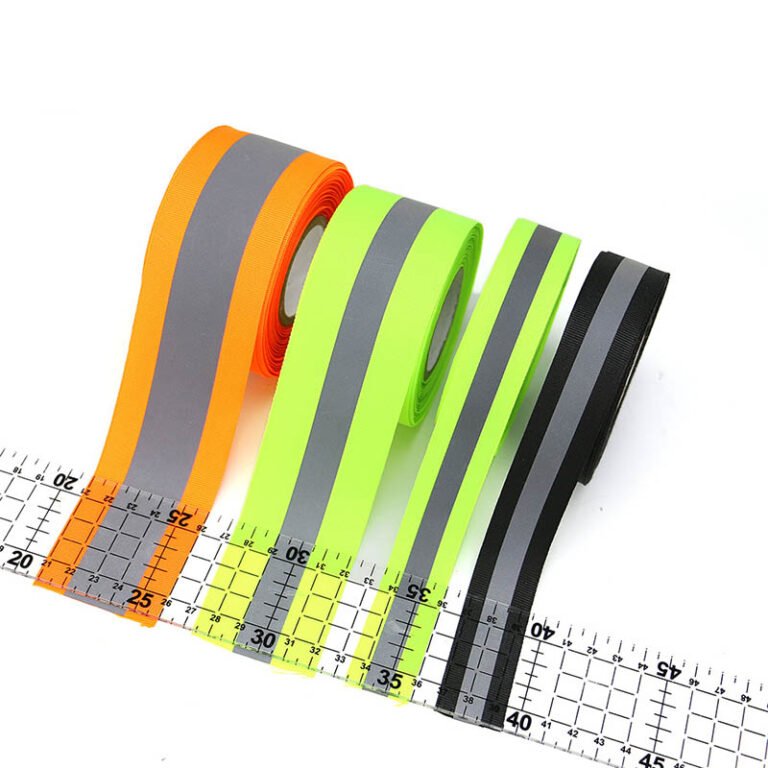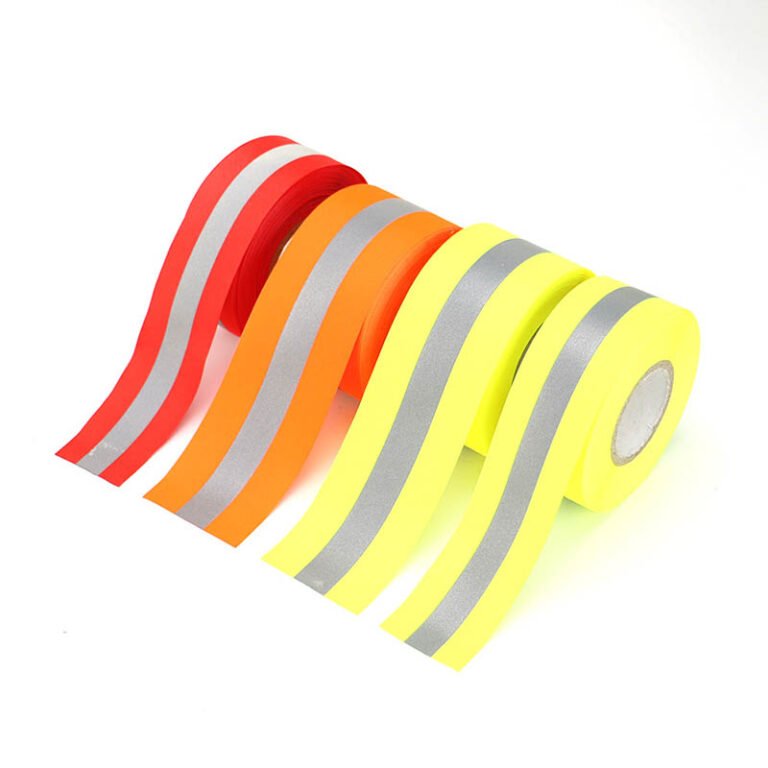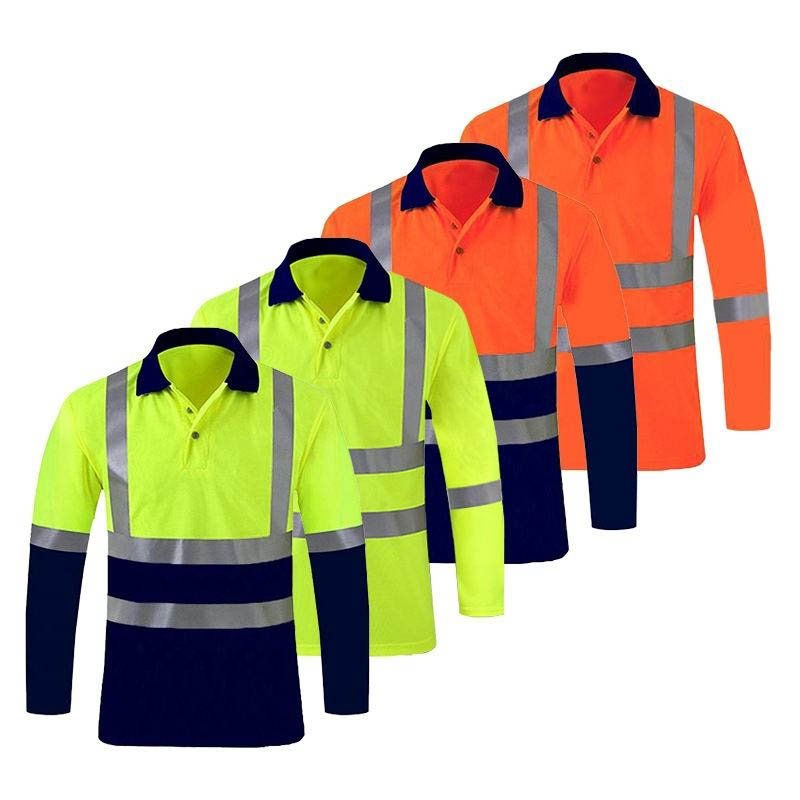
The Ultimate Guide to Importing Reflective Webbing from a China Manufacturer in 2024
For safety gear distributors, workwear brands, bag manufacturers, pet accessory suppliers, and PPE wholesalers, importing reflective webbing from China can be highly profitable — but only if you manage certification, logistics, payment, customs, and supplier communication correctly.
Quick Answer: How Do You Import Reflective Webbing from China Successfully?
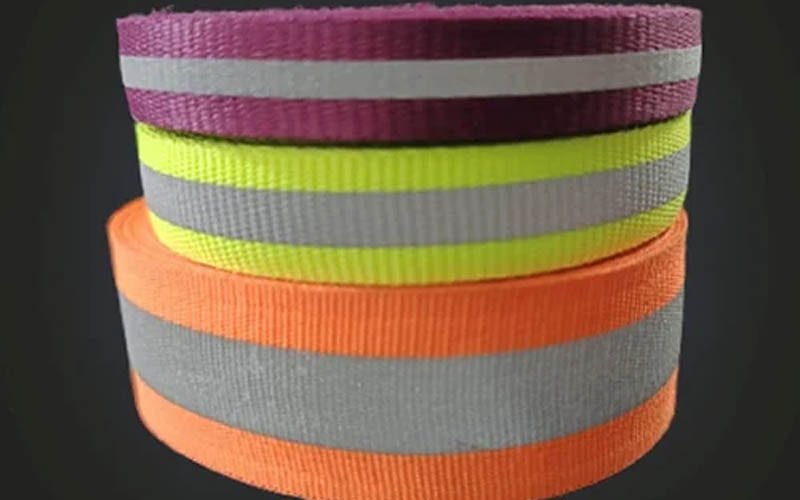
To import reflective webbing from a China manufacturer, start by defining the application, width, base material, tensile strength, reflectivity level, wash durability, color, packaging, and compliance standard; then verify the supplier’s certifications such as OEKO-TEX, GRS, EN ISO 20471-related reflective performance, ANSI/ISEA 107 application suitability, or AS/NZS requirements where relevant. Request counter samples, lab test reports, and pre-production samples before bulk production. Use clear Incoterms such as EXW, FOB, CIF, DAP, or DDP, confirm HS code and import duty with your broker, choose sea, air, courier, or rail shipment according to urgency and volume, and protect payment through staged terms such as 30% deposit and 70% before shipment after inspection. The safest importers treat the Chinese supplier as a long-term technical partner, not just a low-price vendor.
1. The New Reality: Importing Is No Longer About the Lowest FOB Price
Several years ago, most reflective webbing inquiries sounded almost identical: “Please quote your lowest FOB price for 25 mm silver reflective webbing.” That approach still exists, but experienced buyers now know it is risky. A low unit price means very little if the webbing fails after ten washes, arrives without usable documentation, cannot pass a customer audit, or creates customs delays because the paperwork is incomplete.
In the current global market, especially for European and North American buyers, the real question is not “How cheap can I buy it?” but “Can this supplier consistently deliver certified, high-performance, compliant material without disrupting my supply chain?” Major workwear brands and safety product distributors are paying close attention to total landed cost, reliability, sustainability, after-wash reflectivity, and the supplier’s ability to support new product development.
The price-chasers of yesterday are often the out-of-stock, non-compliant companies of today. Smart importers build supplier partnerships that protect their brand, not just their purchase price.
If your reflective webbing will be used on PPE, hi-vis clothing, outdoor safety accessories, railway garments, logistics uniforms, pet leashes, sportswear, or branded bags, you need to think beyond the quotation sheet. You need to know whether the material can meet your market’s expectations for safety, sustainability, durability, and documentation.
2. How to Qualify a China Reflective Webbing Manufacturer
A reliable reflective webbing manufacturer should be able to discuss your end use before quoting. If the supplier only says “yes, we have it” without asking about application, wash cycles, target market, compliance standard, or packaging method, that is a warning sign. A technical supplier will ask whether the webbing is for workwear, bags, harness details, outdoor equipment, pet products, military-style gear, rainwear, elastic applications, or flame-resistant garments.
Strong Supplier Signals
- Provides test reports and explains test conditions.
- Understands EN ISO 20471 and ANSI/ISEA 107 application expectations.
- Offers OEKO-TEX or GRS options for sustainability-sensitive markets.
- Can customize color, width, pattern, reflectivity, packaging, and logo labels.
- Has English-speaking sales and technical support teams.
- Supports pre-shipment inspection and production traceability.
Red Flags
- Only competes on price and avoids certification questions.
- Cannot provide consistent batch records or sample references.
- Quotes very low prices without confirming yarn, width, or reflectivity.
- Refuses third-party inspection.
- Uses vague terms like “European standard” without actual documents.
- Changes payment account details without formal company confirmation.
For regulatory background, buyers can review external references such as ISO information on EN ISO 20471-related high visibility clothing standards, ANSI/ISEA 107 guidance from ISEA, and OEKO-TEX STANDARD 100 information.
3. Product Specifications You Must Confirm Before Ordering
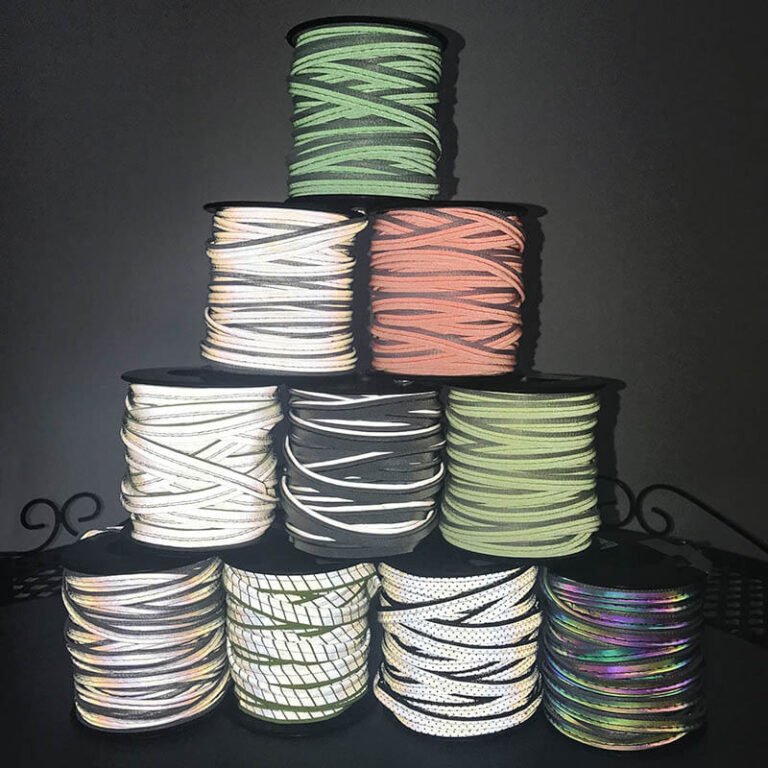
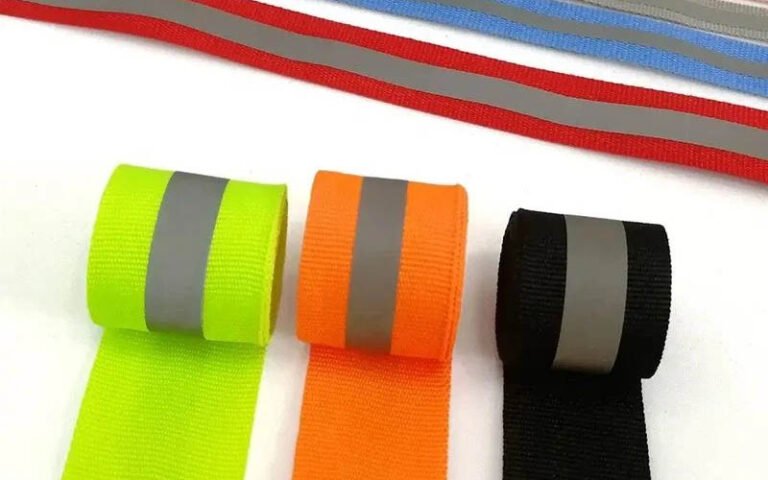
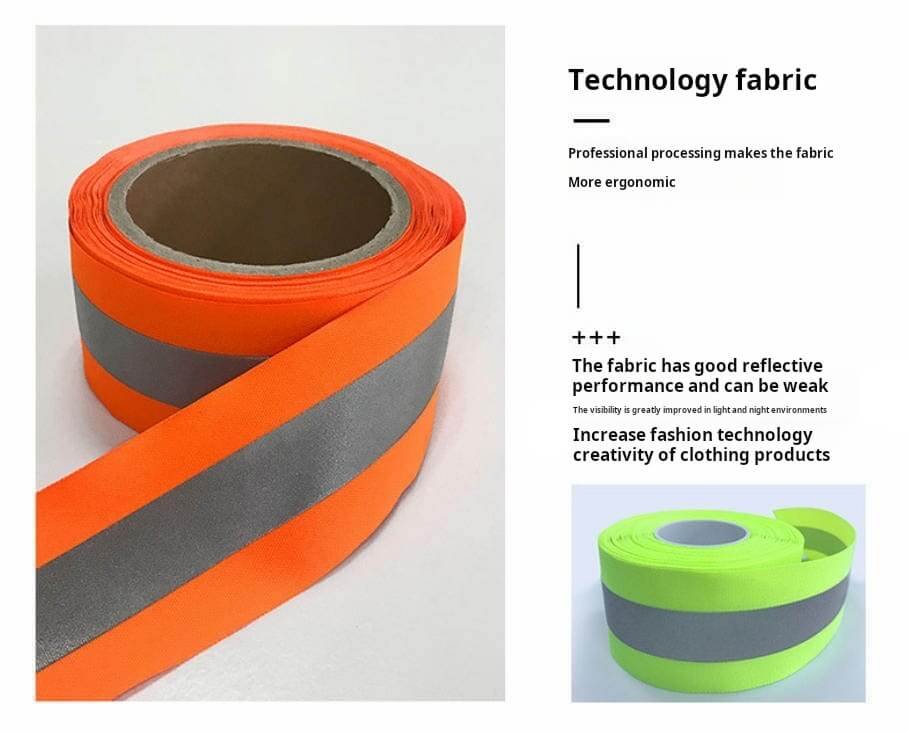
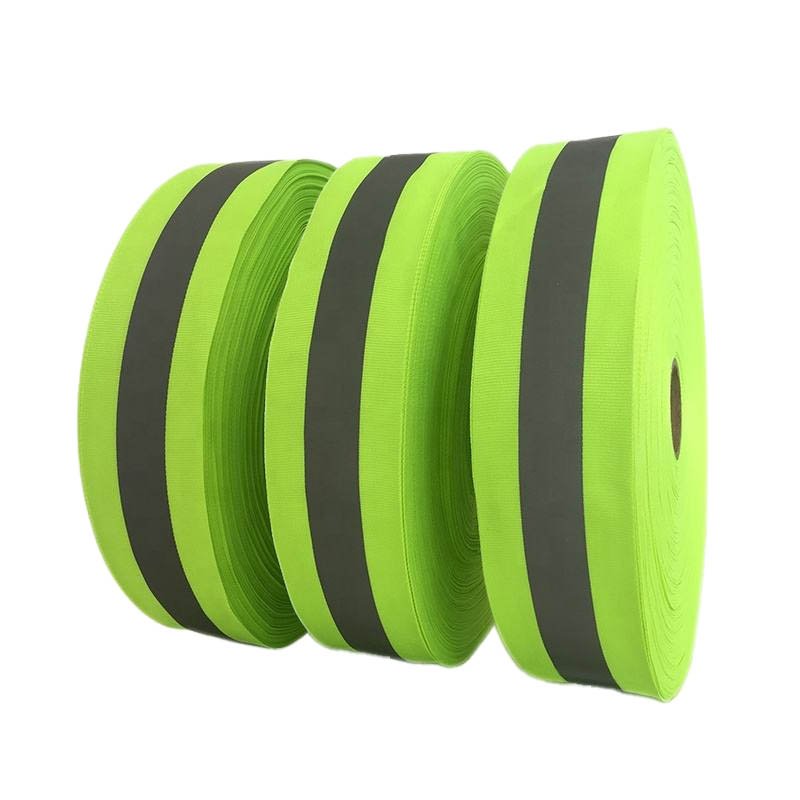
Reflective webbing looks simple, but a professional purchase order should be specific. At minimum, confirm the width, thickness, base material, color, reflective strip width, retro-reflectivity, tensile strength, washing requirement, roll length, packing method, and tolerance range. If you are buying for PPE or premium workwear, do not rely on photos alone. Ask for physical samples and compare them under daylight, low light, and direct flashlight conditions.
| Specification | What to Confirm | Why It Matters |
|---|---|---|
| Base Material | Polyester, nylon, PP, elastic, rPET | Affects strength, price, hand feel, sustainability, and application. |
| Reflectivity | Initial cd/lux·m² and after-wash value | Premium buyers often request high retention after 50–75 wash cycles. |
| Width | 10 mm, 15 mm, 20 mm, 25 mm, 38 mm, 50 mm, custom | Different markets and products require different visual proportions. |
| Certification | OEKO-TEX, GRS, application test reports | Critical for EU, North America, and brand compliance programs. |
| Packaging | Roll length, carton size, labels, palletization | Impacts warehouse handling, customs declaration, and distribution. |
Sustainability has become a serious purchasing factor. Many international buyers now request rPET webbing with GRS documentation, especially for private-label outdoor brands and European distributors. For more details on recycled material verification, buyers may refer to Global Recycled Standard information from Textile Exchange.
If you are building a long-term product line rather than a one-time purchase, ask your supplier whether they can co-develop custom segmented reflective webbing, brand-color webbing, stretch reflective webbing, flame-retardant reflective webbing, or special reflective patterns. A manufacturer with real R&D capacity will help you turn reflective webbing from a commodity into a product advantage.
4. Logistics: EXW, FOB, CIF, DAP, or DDP?
Logistics is where many first-time importers make expensive mistakes. Reflective webbing is relatively compact compared with finished garments, but freight cost still depends on carton dimensions, gross weight, destination, shipping mode, and whether goods are shipped loose cartons or palletized. Your logistics plan should be confirmed before production finishes, not after the cartons are ready.
Courier / Express
Best for samples, urgent small orders, and early product launches. Fast, simple, but expensive per kilogram.
Air Freight
Suitable for urgent mid-volume orders. Faster than sea freight, cheaper than courier for larger shipments.
Sea Freight
Best for regular bulk orders. Lowest cost per unit, but requires longer planning and customs coordination.
Incoterms define who pays for freight, who handles export clearance, and where risk transfers from seller to buyer. Common options include EXW, FOB, CIF, DAP, and DDP. For most experienced importers, FOB China port is a practical choice because it allows the buyer’s own forwarder to control the international freight. DDP can be convenient for smaller buyers because the supplier arranges delivery with duties included, but you must confirm exactly what is included and whether the importer of record is handled correctly.
Before shipment, confirm the HS code with your customs broker. Reflective webbing classification can vary depending on material composition and construction, so do not blindly copy an old code from another product. Useful external references include ICC Incoterms rules, the U.S. Harmonized Tariff Schedule, and the EU TARIC customs database.
Importer Tip
Ask your supplier for carton dimensions, gross weight, net weight, packing list format, commercial invoice, material description, and certificate copies before shipment booking. A good supplier will provide clean documents quickly; a weak supplier may delay your customs clearance with inconsistent product names or incomplete packing data.

5. Payment Methods: How to Reduce Risk Without Slowing Down Production
The most common payment term for reflective webbing orders is T/T: 30% deposit before production and 70% balance before shipment after photos, inspection, or document confirmation. For larger or newer partnerships, buyers may request a letter of credit, though many factories prefer T/T because it is faster and less administratively heavy. For sample charges and small trial orders, PayPal or credit card may be possible, but fees are usually higher.
The key is not simply choosing a payment method; it is designing a payment workflow. Never send payment to a bank account that does not match the supplier’s company name unless there is a formal, signed explanation and you have verified it independently. Confirm the proforma invoice, company stamp, bank account, beneficiary name, SWIFT code, and order details. If bank details change suddenly, call the supplier using a known phone number or video call contact — do not rely only on email.
Recommended Risk-Control Checklist
- Start with samples before bulk order approval.
- Use a detailed proforma invoice with product specifications.
- Pay deposit only to the verified company account.
- Request pre-production sample approval for custom webbing.
- Arrange in-line or final inspection for large orders.
- Release balance after inspection report, packing photos, and shipping documents are confirmed.
6. The Best Communication Workflow with a China Manufacturer
Good communication prevents most import problems. The best importers send clear information from the beginning: application, target market, expected annual volume, compliance requirements, drawing or photo reference, color standard, width, quantity, packaging, and shipping destination. This allows the supplier to recommend the correct structure rather than blindly quoting a generic product.
-
1
Inquiry & Requirement Review
Buyer shares product use, market, width, color, certification needs, and estimated order quantity.
-
2
Specification Confirmation
Supplier recommends material, reflectivity level, structure, MOQ, sample time, and packing method.
-
3
Sampling
Physical samples are produced or selected from stock, then shipped by courier for evaluation.
-
4
Bulk Production
After sample approval and deposit, production begins with internal quality checks and batch tracking.
-
5
Inspection & Shipment
Final inspection, packing list, invoice, photos, and shipping booking are completed before dispatch.
7. Why Partner with VizGlo Safety for Reflective Webbing Imports?
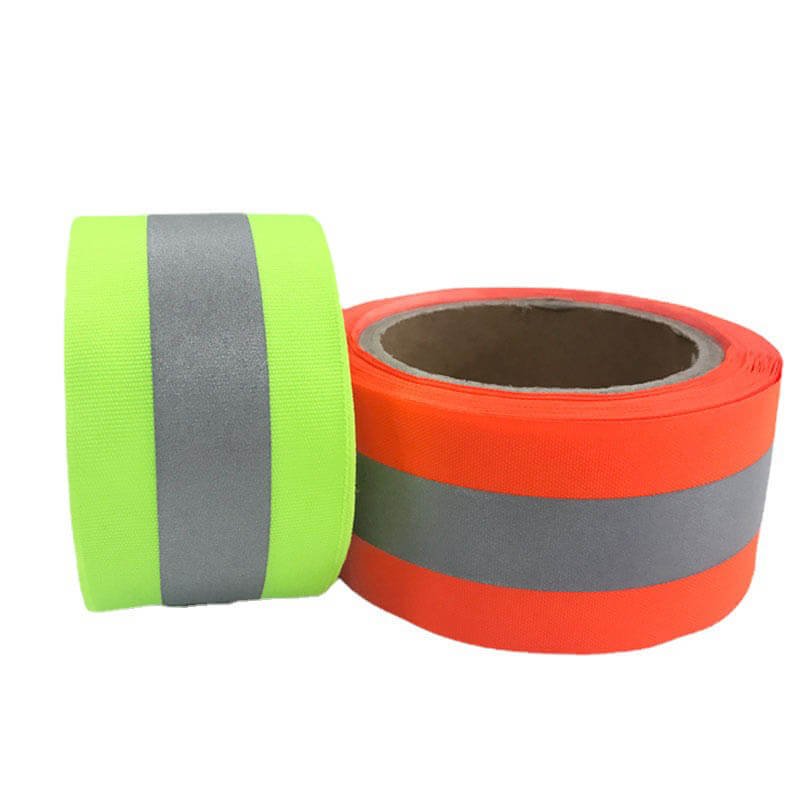
Nanjing VizGlo Safety Technology Co., Ltd. is a specialized manufacturer of hi-vis clothing and reflective materials with more than 15 years of industry experience. Because we manufacture both finished safety apparel and reflective materials, we understand how reflective webbing performs not only as a roll material, but also as a functional component in finished products.
Our reflective webbing options can support OEM and ODM projects for safety gear distributors, private-label workwear brands, outdoor equipment companies, pet accessory brands, bag factories, and garment manufacturers. We can assist with material selection, specification development, sample making, packaging design, export documentation, and shipment coordination.
If you are comparing suppliers, do not only ask for the lowest price. Ask who can help you avoid customs delays, certification gaps, washing failures, customer complaints, and inconsistent repeat orders. That is where a manufacturing partner creates real value.
Need Help Importing Reflective Webbing?
Send us your specification, destination country, estimated quantity, and required certification. Our team can help you evaluate product options and shipping routes.
To review product options and speak with our export support team, contact our global logistics team .
FAQ: Importing Reflective Webbing from China
What is the MOQ for reflective webbing from China?
MOQ depends on width, color, material, and customization. Stock styles may support lower quantities, while custom colors, custom patterns, rPET materials, or special packaging usually require higher MOQs.
How long does production usually take?
Sample preparation may take several days depending on complexity. Bulk production commonly takes two to five weeks after sample approval and deposit, but this varies by order volume, material availability, and seasonal factory load.
Can reflective webbing be customized?
Yes. Customization may include width, base webbing color, reflective strip width, segmented pattern, woven texture, elastic stretch, flame-retardant performance, roll length, private labels, carton marks, and retail packaging.
Which shipping method is best for reflective webbing?
Courier is best for samples and urgent small shipments. Air freight is suitable for urgent medium-volume orders. Sea freight is usually the most economical option for bulk orders and long-term replenishment programs.
Do I need import duties and customs clearance?
In most countries, yes. Duties and taxes depend on destination, HS code, declared value, and trade policy. Always confirm classification and duty rate with your customs broker before shipment.