Reflective Material Testing Guide
Industrial Wash vs. Home Wash: Testing Reflective Piping Durability
A practical guide for safety managers, PPE buyers, laundry providers, and workwear brands who need reflective piping to stay bright after repeated washing—not just look good on day one.
Short answer: industrial washing is far harsher on reflective piping than home washing because it combines higher temperatures, stronger alkalinity, oxidizing chemicals, longer mechanical action, and tunnel drying; home washing is gentler but less controlled. For reliable durability testing, reflective piping should be evaluated under the same laundering method it will face in real use, then checked for retroreflectivity, edge cracking, delamination, shrinkage, color change, and seam abrasion after the claimed wash cycles. If garments will be processed by a commercial laundry, choose industrial-wash-rated piping from a qualified reflective piping manufacturer; if they are washed by workers at home, home-wash-rated piping may be sufficient, but only when wash instructions are realistic and compliance risks are low.
Why This Debate Matters More Than Most Buyers Realize
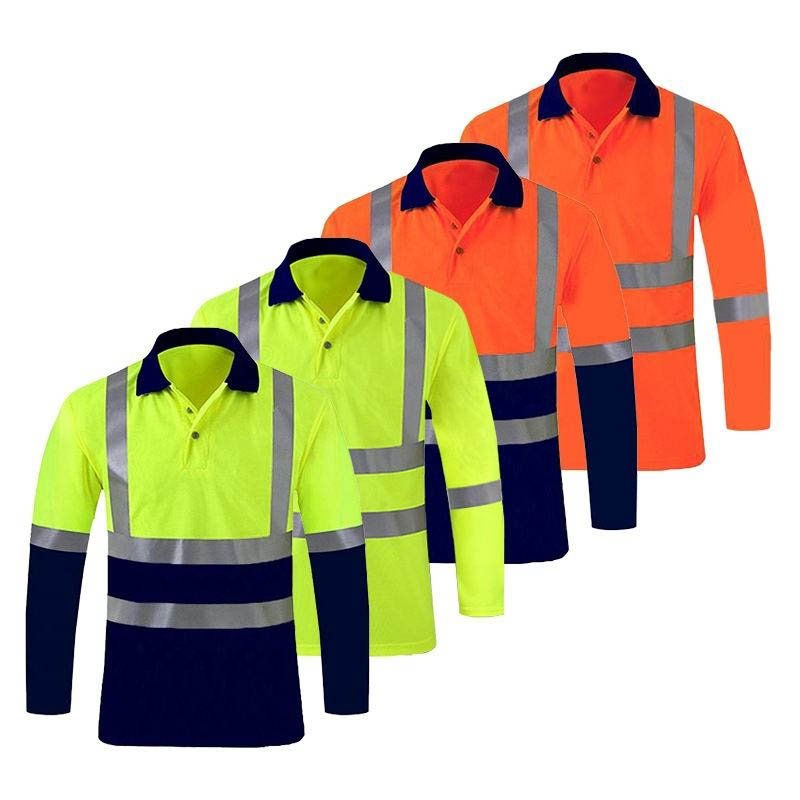
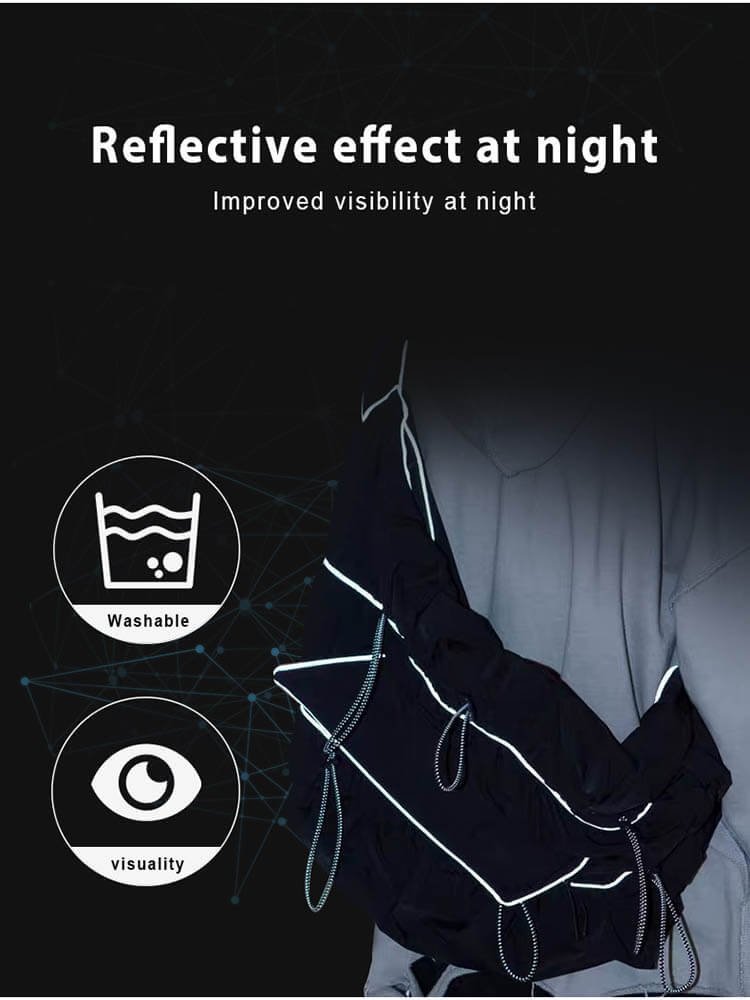
In hi-vis workwear, reflective piping is often treated as a finishing detail: a narrow cord, a bright edge, a trim used on shoulders, sleeves, pockets, rainwear seams, or vest borders. In reality, it is a technical safety component. When a vehicle headlamp hits the garment at night, the tiny glass beads or microprismatic elements in the piping return light toward the driver, helping the worker stand out from background clutter.
The problem appears after washing. A vest can still look fluorescent in daylight while the reflective piping has quietly lost a dangerous amount of retroreflective performance. For a procurement manager, that creates three risks at once: workers become less visible, the garment may no longer support compliance, and the company faces replacement costs far earlier than expected.
This is why the question is not simply, “Is this piping washable?” A better question is: “Washable under which process, for how many cycles, and with what retained reflectivity after testing?”
Industrial Wash vs. Home Wash: What Actually Changes?
Home washing usually involves a domestic washing machine, moderate load size, consumer detergent, and variable water temperature. It is milder than industrial laundering, but not perfectly predictable. One worker may wash a vest at 40°C with mild detergent; another may throw it into a hot cycle with jeans, towels, bleach, and heavy abrasion. That is why home wash is often less aggressive on paper, yet inconsistent in the field.
Industrial laundering is different. Commercial laundries are designed for efficiency, sanitation, oil removal, and high-volume turnaround. Typical stress factors include elevated wash temperatures, higher alkalinity, stronger detergents, oxidizing agents, larger drum loads, repeated mechanical tumbling, extraction force, and high-temperature drying. For reflective piping, those combined stresses attack the adhesive bond between reflective elements and the textile or polymer substrate.
| Factor | Home Wash | Industrial Wash | Impact on Reflective Piping |
|---|---|---|---|
| Temperature | Often 30–60°C | Can be higher and more sustained | Softens binders, accelerates cracking or delamination |
| Chemistry | Consumer detergent, variable additives | Alkaline detergent, boosters, disinfectants | Attacks bead bond, coating, and color layer |
| Mechanical action | Moderate, inconsistent | Heavy and repetitive | Abrades piping edges and exposed reflective surface |
| Drying | Line dry or tumble dry | Often high heat, tunnel drying | Causes shrinkage, curling, hardening, and edge lift |
International standards are also part of the picture. Buyers working in regulated markets should understand the visibility requirements behind EN ISO 20471 high-visibility clothing, the U.S. framework of ANSI/ISEA 107, and test concepts such as retroreflection measurement under controlled geometry from organizations like ASTM International.
How Reflective Piping Fails After Repeated Washing
Reflective piping usually combines a core or folded textile structure with a reflective surface. Depending on the product, the reflective layer may use glass bead technology, microprismatic film, or a coated reflective fabric laminated onto a base. This layered construction is exactly what makes durability testing necessary. The piping does not fail all at once; it normally deteriorates in stages.
- 1. Surface dulling: detergent residue, abrasion, or chemical attack reduces the clarity of the reflective surface.
- 2. Bead loss or prism damage: the microscopic optical elements no longer return light efficiently.
- 3. Edge cracking: the narrow piping structure bends repeatedly at seams and garment edges, creating stress lines.
- 4. Delamination: the reflective layer separates from the backing, especially after heat, alkalinity, and mechanical tumbling.
- 5. Shrinkage mismatch: the piping and garment fabric shrink at different rates, creating puckering or seam distortion.
“A garment that loses reflectivity is not merely old; in many work environments, it becomes a compliance and liability problem.”
A Practical Testing Method for Reflective Piping Durability
The correct test starts with the intended laundering process. If a logistics company sends all uniforms to a commercial laundry, home-wash testing is not enough. If construction workers take garments home, industrial-wash data may be useful but not always necessary for the price point. Testing should match the real cleaning environment as closely as possible.
Before Washing
- Record initial coefficient of retroreflection.
- Photograph piping under daylight and headlamp conditions.
- Measure width, length, seam position, and edge condition.
- Check stitching tension and piping insertion quality.
After Each Test Interval
- Inspect cracking, peeling, curling, and dull areas.
- Measure retained reflectivity.
- Check dimensional stability and seam distortion.
- Compare results against the garment’s declared wash cycles.
A sensible test plan might evaluate samples after 5, 10, 25, and 50 cycles, depending on the product claim. For industrial programs, the test should include the same detergent chemistry and drying profile used by the laundry provider. For home-wash programs, test at the maximum care-label temperature and include realistic tumble drying if the end users are likely to use it.
For buyers who want a deeper understanding of laundering variables, the CINET professional textile care knowledge base and textile testing guidance from AATCC textile testing resources are useful references.
The TCO Lesson: Cheap Piping Can Become Expensive Fast
The most common procurement mistake is comparing reflective piping only by unit price. A lower-cost trim may pass a visual check at delivery, but if it fails after ten industrial wash cycles, the buyer pays again through premature replacement, complaints, disrupted uniform programs, and potential compliance exposure.
Total Cost of Ownership, or TCO, gives a more honest comparison. Suppose Garment A costs 30% less but survives only 10 effective wash cycles. Garment B costs 30% more but maintains performance for 50 verified industrial cycles. Garment B usually wins, because the cost per compliant wear is dramatically lower. It also reduces administrative friction: fewer returns, fewer emergency reorders, fewer disputes with laundries, and fewer uncomfortable conversations with safety auditors.
This is especially important in markets where standards and employer responsibilities are closely watched. Buyers should also keep an eye on occupational safety guidance from agencies such as OSHA workplace safety resources when building PPE programs for road, logistics, utilities, and industrial environments.
Procurement Checklist: What to Ask Before Ordering Reflective Piping
Whether you are buying reflective piping for garment production or finished hi-vis clothing, the supplier should be able to answer specific laundering questions. Vague claims such as “washable” or “high quality” are not enough for professional PPE programs.
Ask for Wash Rating
Confirm whether the piping is designed for home wash, industrial wash, dry cleaning, or limited-use applications.
Ask for Test Conditions
Request temperature, detergent type, drying method, number of cycles, and reflectivity after washing.
Ask for Garment-Level Validation
Piping can perform differently after sewing, folding, seam compression, and repeated flexing on real garments.
Ask for Application Match
Road crews, rail teams, mining workers, rainwear users, and logistics staff may need different durability levels.

Need Reflective Piping Built for Your Laundry Conditions?
VizGlo Safety manufactures reflective piping and hi-vis workwear for global distributors, private labels, and industrial uniform programs. Tell us your target market, wash process, compliance requirement, fabric type, and expected service life—we can help match the right reflective material construction before you place a bulk order.
FAQ: Reflective Piping Wash Durability
Is industrial-wash-rated reflective piping always necessary? +
No. It is necessary when garments are processed by commercial laundries or exposed to harsh cleaning chemistry. For garments washed gently at home, home-wash-rated piping may be adequate, provided the care label is followed and compliance requirements are not unusually demanding.
Why does reflective piping fail faster than wider reflective tape? +
Piping is narrow, curved, and often placed on seams or garment edges. These areas experience bending, abrasion, and stitching stress. Wider reflective tape has more surface area and may be placed on flatter zones, so it can behave differently in laundering.
How many wash cycles should reflective piping survive? +
It depends on the garment’s intended use and stated certification. Many professional buyers request 25 or 50 wash-cycle performance data. The key is not the number alone, but whether the test conditions match home or industrial laundering in real use.
Can a garment look fine but still fail reflectivity requirements? +
Yes. Daylight appearance can be misleading. The fluorescent fabric may still look bright while the reflective piping has lost retroreflective performance. A headlamp check and instrument measurement provide a more accurate assessment.
What is the best way to avoid customer disputes? +
Define the laundering process before production, select piping rated for that process, document test results, and make care instructions clear. Most disputes begin when home-wash products are unknowingly sent through industrial laundry cycles.