Top 5 Reasons Reflective Piping Cracks (And How to Prevent It)
Reflective piping is a small trim with a big safety responsibility. When it cracks, flakes, or becomes brittle, the problem is rarely cosmetic only—it often points to a mismatch between material, garment design, work environment, and laundering conditions.
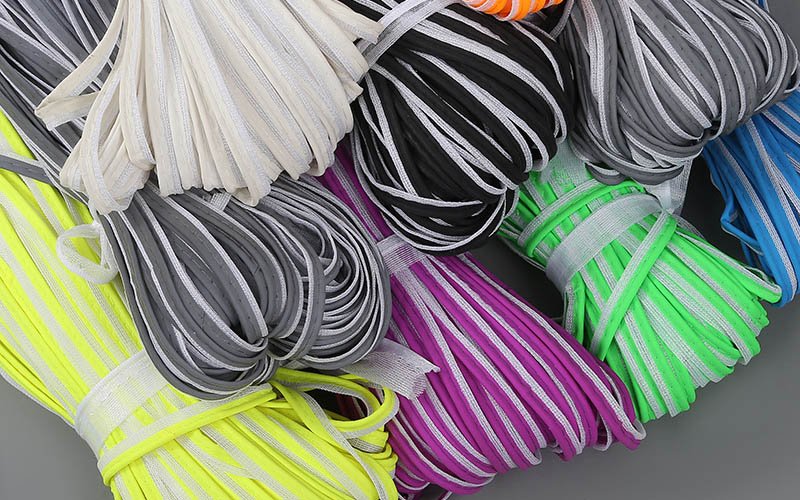
Table of Contents
Quick Answer: Why Does Reflective Piping Crack?
Reflective piping cracks mainly because the material is not flexible or stable enough for its real working conditions. The five most common causes are low-grade PVC or poor plasticizer systems, long-term UV and heat exposure, freezing temperatures that make the trim brittle, aggressive industrial laundering, and incorrect garment construction that forces the piping to bend too sharply. To prevent cracking, buyers should specify TPU or high-quality flexible PVC where appropriate, request a Technical Data Sheet, match the piping to climate and washing requirements, test samples before bulk production, and control stitching tension, seam allowance, and bending radius during garment assembly. If you are sourcing wholesale reflective piping for safety apparel, the lowest cost per meter is rarely the best value; durability, compliance, and total replacement cost matter more.
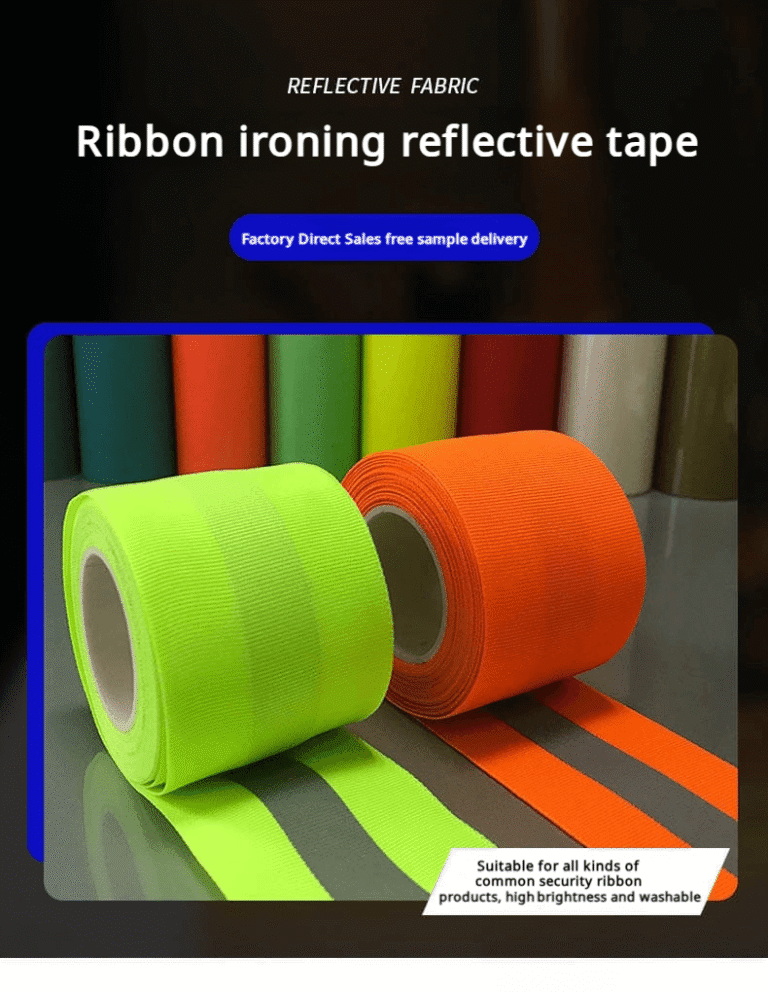
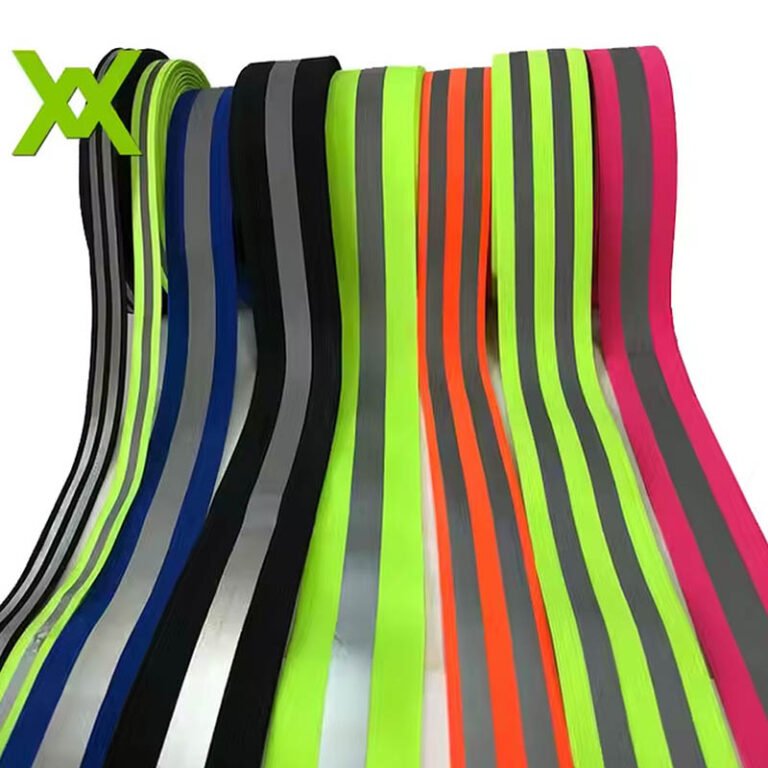
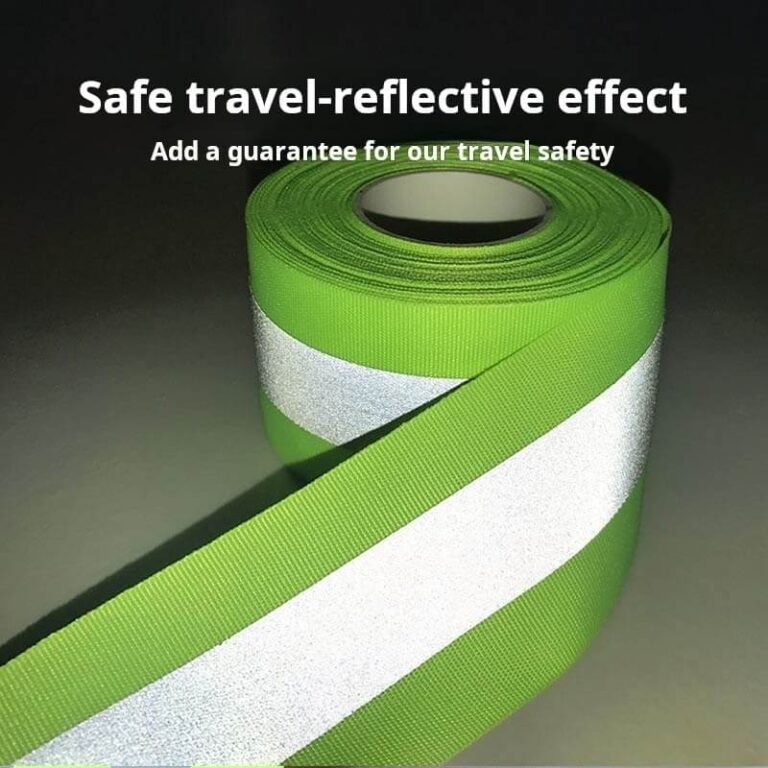
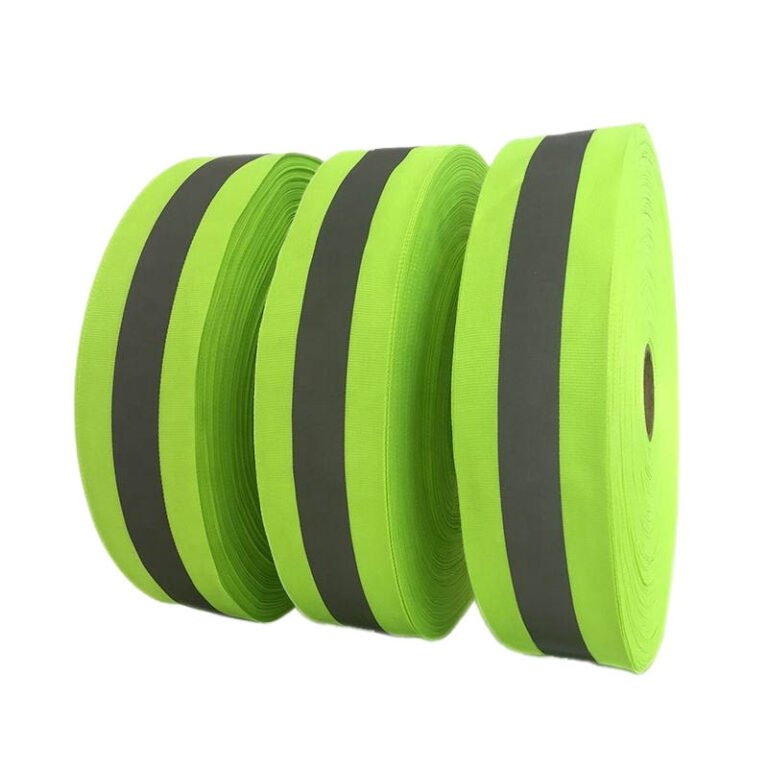
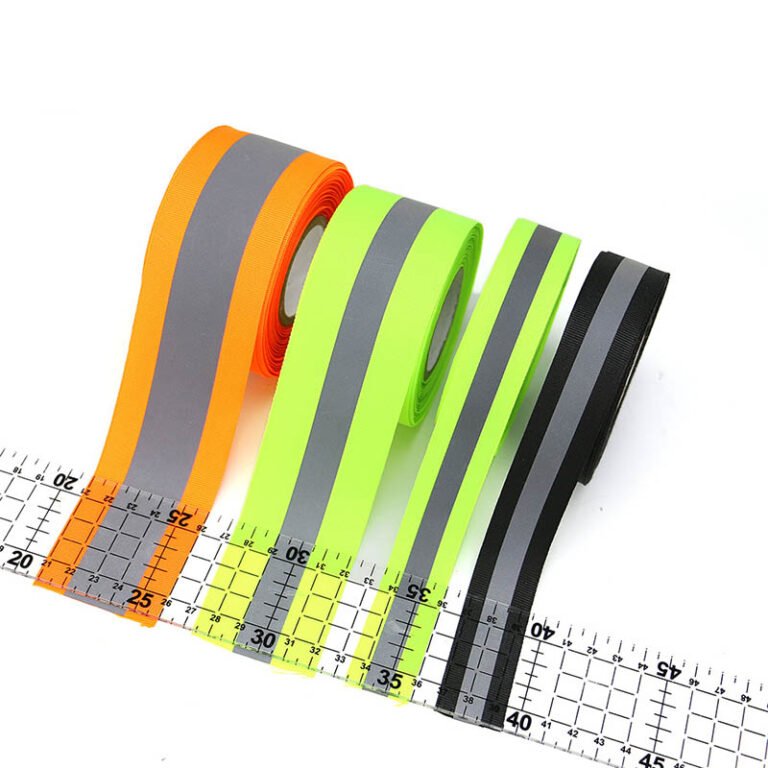
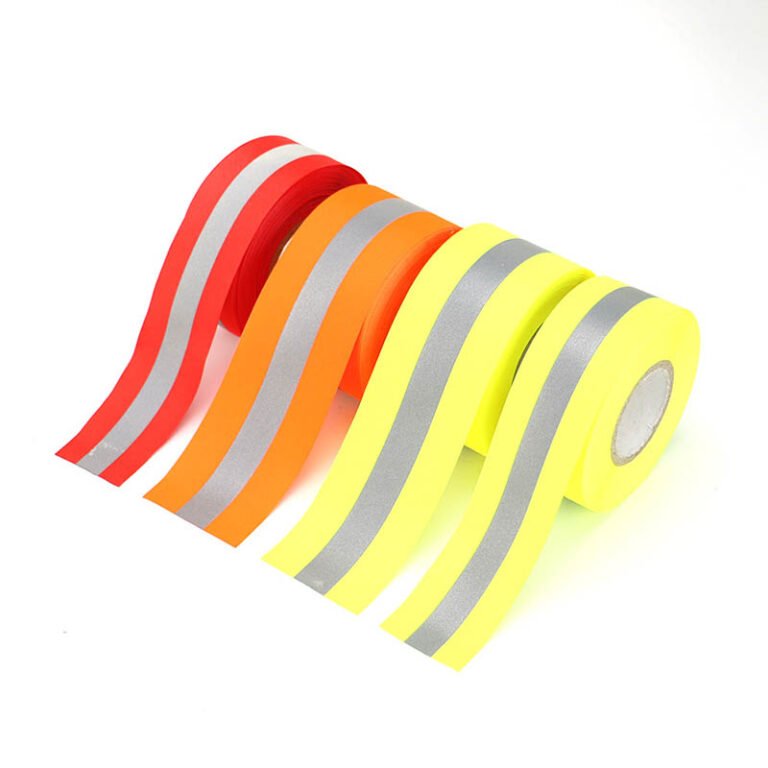
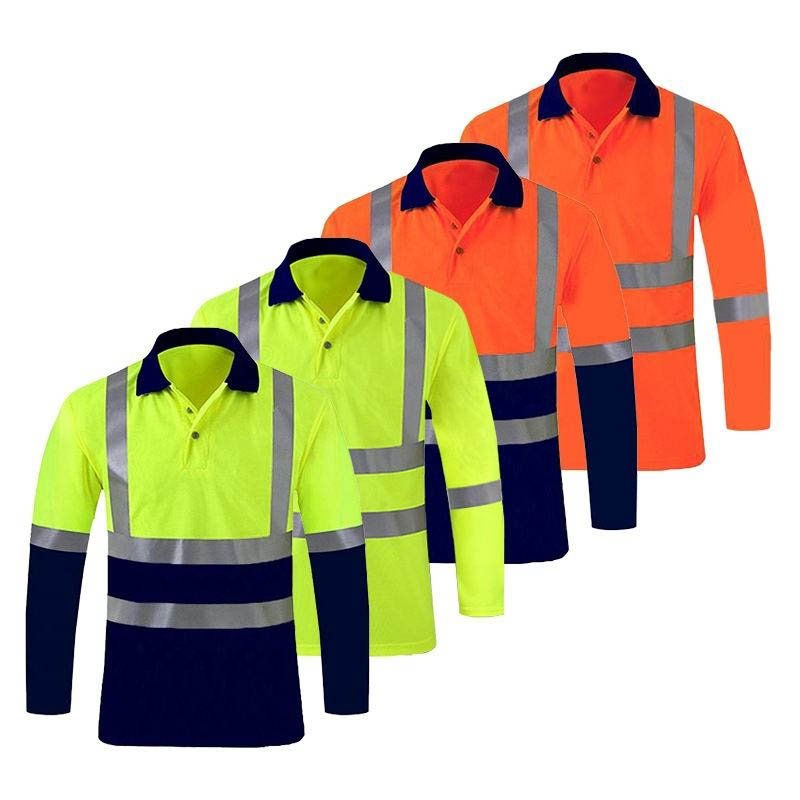
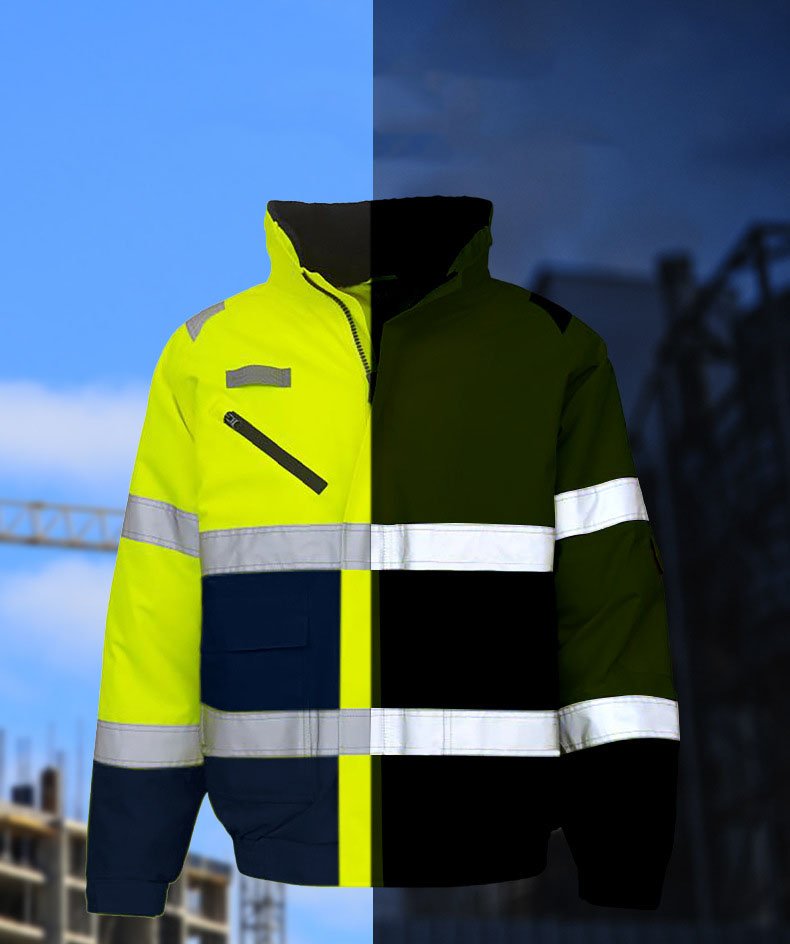
In high-visibility clothing manufacturing, reflective piping is often used around jacket seams, pocket edges, rainwear panels, trouser side seams, backpacks, and workwear trims. It adds outline visibility at night without taking up as much surface area as reflective tape. But because piping is narrow, raised, stitched into seams, and repeatedly bent during wear, it experiences stress differently from flat reflective tape.
From a procurement perspective, cracked piping is one of those failures that appears “suddenly” after delivery but is usually decided much earlier—during material selection. A garment may pass a visual inspection at the factory, yet fail after months of Dubai sun, Canadian winter, mining-site dust, or repeated high-temperature washing. That is why buyers should evaluate reflective piping as a performance component, not as a decorative accessory.
The following five reasons explain most cracking problems we see in hi-vis apparel export projects, especially for construction, logistics, road work, railway, mining, and outdoor utility uniforms.
Reason #1: Wrong Material Composition
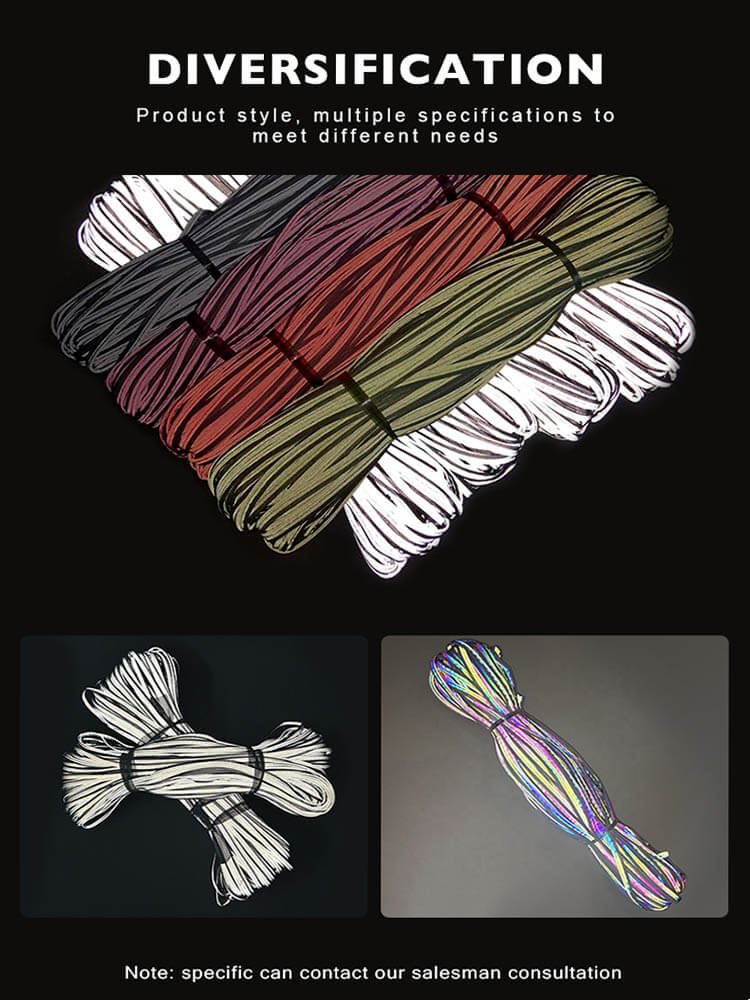
The most common reason reflective piping cracks is simple: the material was selected for price, not performance. Many low-cost reflective piping products use lower-grade PVC with an unstable plasticizer system. Plasticizers are additives that make rigid plastic flexible. Over time, poor-quality plasticizers can migrate, evaporate, or leach out—especially under heat, washing, chemicals, or sunlight. Once that happens, the piping loses flexibility and begins to crack when bent.
TPU-based reflective piping generally offers better flexibility, abrasion resistance, and environmental stability than many low-end PVC options. That does not mean all PVC is bad; high-quality PVC can still work well for certain applications. The key is matching the polymer and formulation to the job. A safety vest used occasionally in a mild climate has different requirements from rainwear worn daily by road crews or winter jackets used in sub-zero conditions.
How to prevent it
- Ask whether the binder layer is TPU, PVC, PU, or another compound.
- Request a Technical Data Sheet, not only photos or a quotation.
- Confirm bending resistance, wash durability, and recommended temperature range.
- For premium workwear, consider lifecycle cost rather than only cost per meter.
Reason #2: UV Exposure and High Heat Accelerate Aging
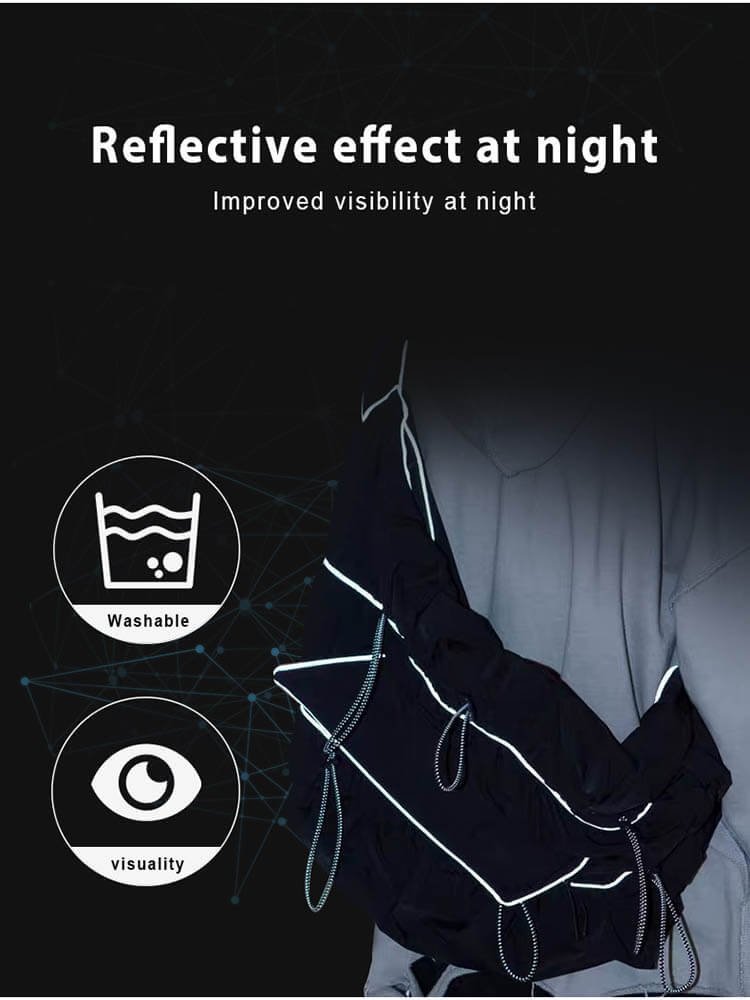
Reflective piping used on construction jackets, road-work rainwear, and outdoor uniforms is exposed to sunlight for long hours. UV radiation can break down polymers and weaken the surface layer. Heat speeds up that process. In hot regions such as the Middle East, Australia, parts of Africa, and southern U.S. states, reflective trims may face surface temperatures far higher than the air temperature, especially on dark fabrics.
Cheap piping may look bright when new, but after weeks or months of UV exposure it can yellow, harden, shrink, crack, or separate from its textile base. This is why outdoor-use garments should not be evaluated only under showroom lighting. They should be evaluated for long-term weathering and real climate exposure.
How to prevent it
- Specify UV-resistant reflective piping for outdoor garments.
- Ask suppliers whether the material has been tested for accelerated aging.
- For desert or high-sunlight markets, avoid bargain-grade PVC piping.
- Test finished garments after sunlight exposure, not just raw trims.
For a broader understanding of high-visibility performance requirements, you can review the EN ISO 20471 high-visibility clothing standard. For U.S. buyers, the ANSI/ISEA 107 standard overview is also useful when defining garment visibility expectations.
Reason #3: Cold Weather Makes Inferior Piping Brittle
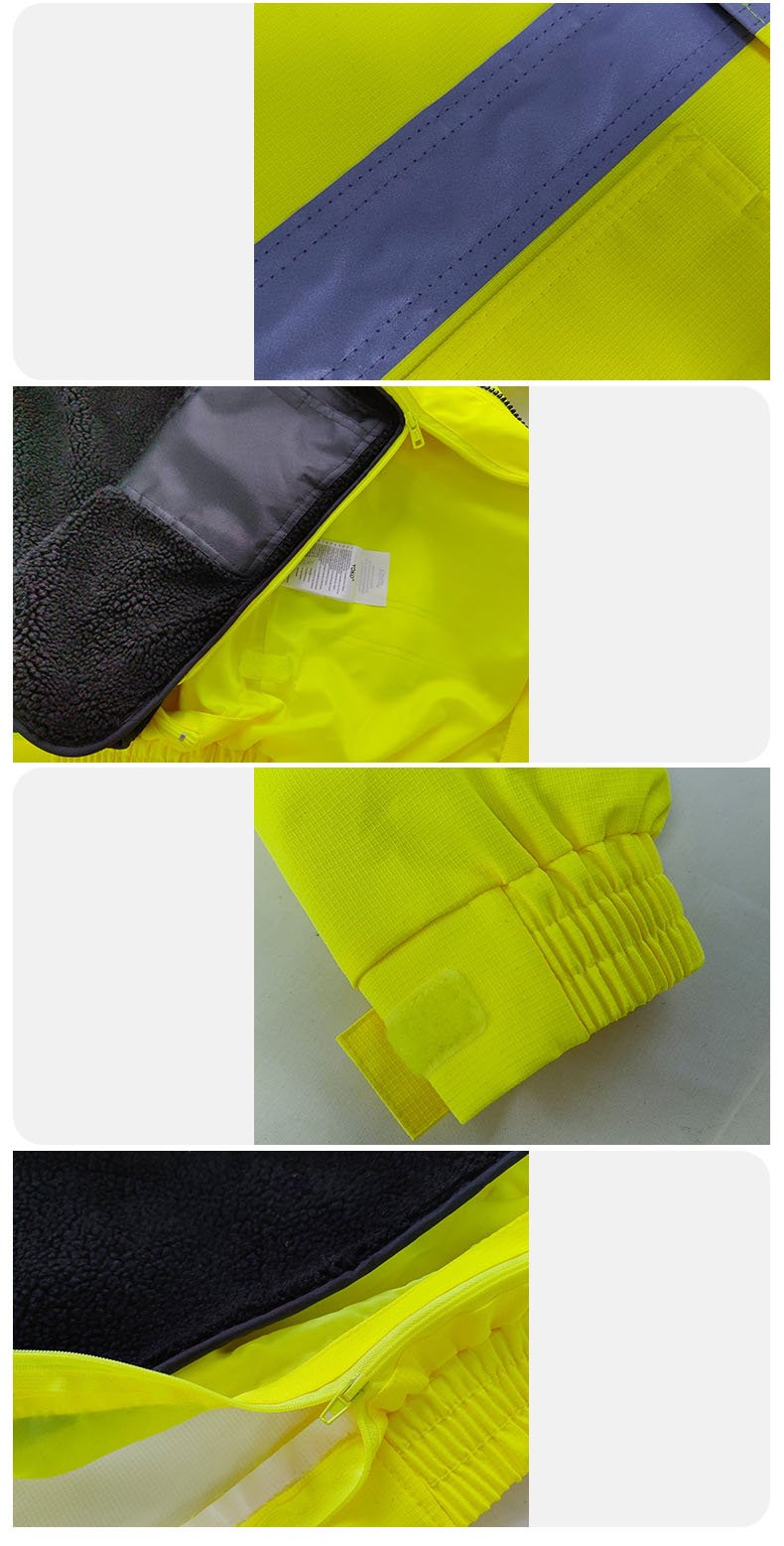
Low temperatures are a serious stress test for reflective piping. In cold climates, flexible materials can become stiff. If the piping formulation has poor low-temperature flexibility, it may crack when workers bend, kneel, climb, carry tools, or fold the garment. This is especially common in winter jackets, insulated coveralls, railway workwear, snow-removal uniforms, and mining garments.
The failure often appears along curved seams or folded storage lines. A jacket may be compressed in a warehouse, shipped across continents, stored in freezing conditions, and then worn in outdoor work. Each fold becomes a pressure point. If the piping cannot recover after bending, small cracks develop and spread.
How to prevent it
- Request low-temperature flexibility data before placing bulk orders.
- Test samples by folding and bending after cold conditioning.
- Choose TPU or cold-resistant formulations for winter markets.
- Avoid tight folding and heavy compression during packing when possible.
Reason #4: Harsh Industrial Laundering Damages the Piping
Industrial laundry is much more aggressive than home washing. Workwear may be exposed to high temperatures, strong detergents, alkaline chemicals, disinfectants, tumble drying, and mechanical abrasion. Reflective piping that performs well in domestic wash tests may still fail in industrial laundering if the binder, surface coating, or base fabric cannot tolerate those conditions.
Cracking after washing can also be caused by repeated swelling and shrinking between the reflective layer and the fabric core. If the layers expand at different rates, the surface may split. In some cases, the piping itself is not the only weak point; the seam, thread, and garment fabric create uneven tension that accelerates damage.
The question should not be “Can this piping pass one wash?” The better question is “Can this piping survive the real laundry cycle my customer will use for the life of the garment?”
How to prevent it
- Define the washing method before material approval: home wash or industrial wash.
- Ask for wash-cycle durability claims and test reports where available.
- Check compatibility with detergents, drying temperature, and tunnel finishing.
- Test finished garments, not only loose piping samples.
Buyers responsible for PPE programs may also find guidance from the UK HSE PPE guidance and OSHA’s personal protective equipment resources helpful when reviewing safety garment maintenance procedures.
Reason #5: Poor Garment Construction Creates Excess Stress
Even good reflective piping can fail if it is sewn incorrectly. Piping is usually inserted into a seam, which means it is compressed by fabric layers and thread. If stitching tension is too high, the seam allowance is too narrow, the piping is forced around sharp curves, or the garment panel shrinks differently after washing, the reflective surface may be stretched beyond its tolerance.
Common high-risk areas include shoulder curves, hood edges, pocket corners, knee areas, side seams, and cuffs. These zones bend frequently during work. If a designer places piping only for appearance without considering movement, cracking becomes more likely.
How to prevent it
- Maintain a suitable bending radius around curves and corners.
- Control sewing tension to avoid cutting or over-compressing the piping.
- Use compatible thread, fabric, and seam construction.
- Review sample garments after wear simulation and washing.
- Ask the manufacturer to provide pre-production samples from bulk materials, not substitute trims.
Buyer Checklist: What to Ask Before Ordering Reflective Piping
If you are a safety apparel brand, distributor, sourcing manager, or uniform program buyer, use the checklist below before approving a reflective piping material for bulk production.
Material Questions
- Is the main binder TPU, PVC, PU, or another compound?
- What is the base fabric or core structure?
- Does it contain a stable plasticizer system?
- Is it suitable for outdoor use?
Performance Questions
- What is the recommended temperature range?
- How many washes can it withstand?
- Is it suitable for industrial laundering?
- Has it been tested after bending or folding?
Application Questions
- Will the garment be used in heat, cold, rain, or chemicals?
- Is the piping placed on a high-movement area?
- Will it be sewn into thick fabric layers?
- Does the design require tight curves?
Supplier Questions
- Can the supplier provide a TDS?
- Can they provide consistent bulk material?
- Can they customize width, color, brightness, and backing?
- Do they understand hi-vis garment production, not only trim supply?
For technical background on textile performance testing, organizations such as ASTM International and AATCC textile testing resources can help buyers understand why standardized testing matters.
Cost Per Meter vs. Total Cost of Ownership
In sourcing meetings, reflective piping is often compared by price per meter. That is understandable, but it is not enough. A cheaper trim may reduce the first invoice but increase the total cost through warranty claims, replacement garments, failed inspections, dissatisfied distributors, and reputational damage. In safety apparel, material failure also carries a risk that cannot be measured only in dollars: reduced worker visibility.
The smarter buying strategy is to calculate total cost of ownership. If a slightly better reflective piping material extends garment life, reduces returns, protects your brand reputation, and keeps workers visible for longer, the added material cost is usually justified. This is especially true for private-label workwear, government tenders, industrial laundry programs, and high-risk sectors like road construction, railway maintenance, and mining.
As a vertically integrated manufacturer of high-visibility clothing and reflective materials, VizGlo Safety supports buyers with material selection, sample testing, OEM/ODM garment development, and custom reflective piping solutions. If you need a reliable reflective piping manufacturer for bulk hi-vis workwear programs, our team can help you choose the right specification before production begins.
Need Crack-Resistant Reflective Piping for Your Workwear Line?
Send us your garment type, target market, washing method, and required width. VizGlo Safety can recommend suitable reflective piping and provide OEM/ODM support for hi-vis clothing and reflective materials.
FAQ: Reflective Piping Cracking
Is all PVC reflective piping bad?
No. High-quality PVC reflective piping can work well in suitable applications. Problems usually come from low-grade PVC, unstable plasticizers, or using the material in harsh heat, cold, UV, or laundering conditions beyond its design limits.
Is TPU reflective piping better than PVC?
TPU often provides better flexibility, abrasion resistance, and environmental stability, especially for premium or demanding workwear. However, the correct choice depends on target price, climate, washing method, garment design, and expected service life.
Can cracked reflective piping still be used?
Cracked piping should be treated as a warning sign. It may reduce visibility, worsen after washing, and indicate that the garment is no longer performing as intended. For safety garments, damaged reflective components should be assessed and replaced when necessary.
How should I test reflective piping before bulk production?
Test both raw piping and finished garments. Recommended checks include bending, folding, wash testing, low-temperature conditioning, heat exposure, UV exposure where relevant, and inspection after sewing into actual garment seams.
What information should I give my supplier?
Provide the garment type, end-use industry, target country, climate, washing process, required width, color, brightness level, sewing position, and any compliance requirements. The more specific the application, the easier it is to choose the right reflective piping.