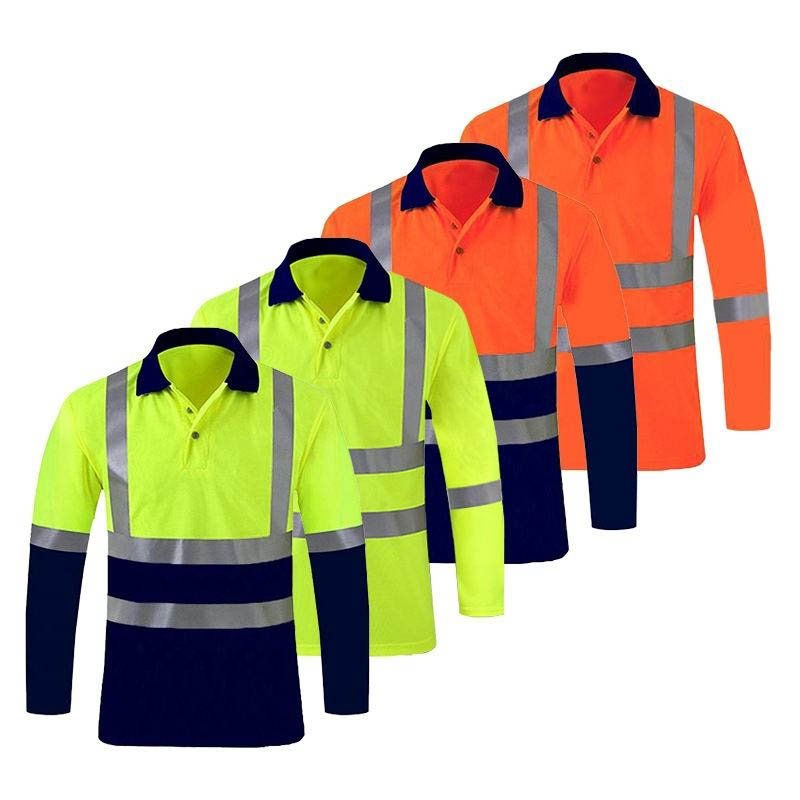
Meeting ANSI/ISEA 107 & EN ISO 20471 Standards with Your Safety Vests: The Role of Reflective Webbing
For PPE manufacturers, safety distributors, and global workwear brands, reflective webbing is not just a trim. It is one of the components that can decide whether a safety vest performs reliably, passes certification testing, and remains compliant after real workplace use.
Quick Answer: How Does Reflective Webbing Help Safety Vests Meet ANSI/ISEA 107 and EN ISO 20471?
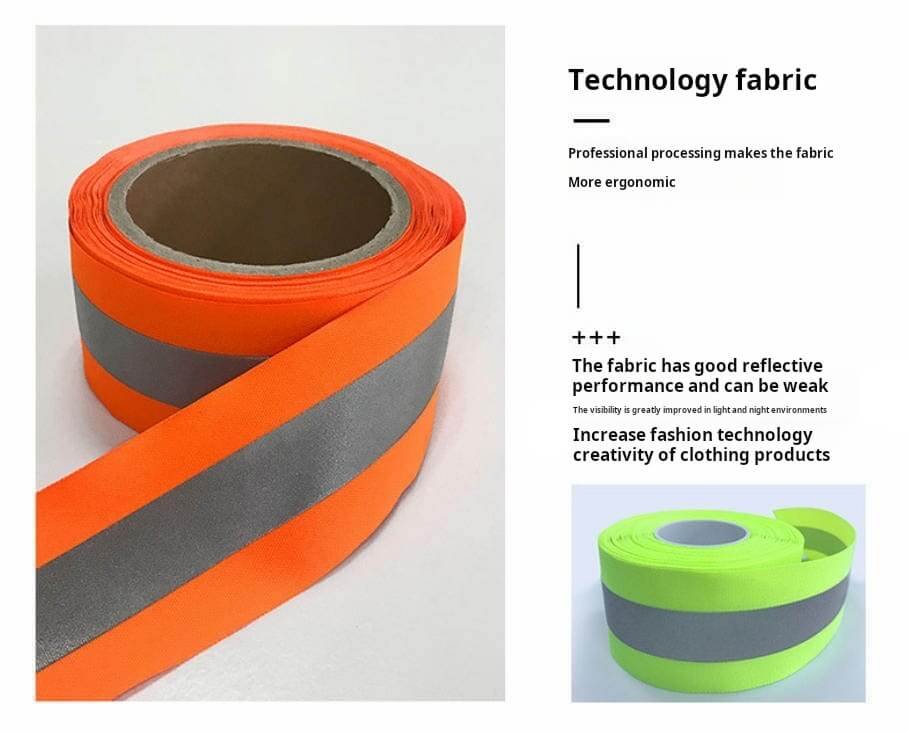
Reflective webbing helps safety vests meet ANSI/ISEA 107 and EN ISO 20471 by providing certified retroreflective performance, correct visible striping areas, durable attachment to the garment, and long-term visibility after washing, abrasion, bending, and outdoor use. While fluorescent background fabric delivers daytime conspicuity, reflective webbing is responsible for returning vehicle headlights back toward the driver at night or in low-light conditions. For global PPE programs, the right webbing should be tested for coefficient of retroreflection, width, placement compatibility, wash-cycle durability, and performance after exposure to rain or mechanical stress. In practice, a vest is not truly compliant simply because it has silver stripes; it becomes compliant when the reflective material, garment design, certification documentation, and production quality control all work together.
Why Reflective Webbing Is the “Small Component” That Carries Big Compliance Risk
In the PPE industry, many purchasing conversations still begin with the vest: color, fabric weight, zipper type, pockets, logo position, and target price. But when a safety vest is tested against high-visibility standards, the reflective material becomes one of the most closely examined parts of the garment. It affects nighttime visibility, pattern continuity, minimum material area, wash durability, and real-world performance in harsh work environments.
The market has changed. Procurement managers in Germany, the United States, the UK, Australia, and the Middle East increasingly want one product line that can support multinational teams. A US logistics group may specify ANSI/ISEA 107 for its domestic operations, while the same company’s European sites require EN ISO 20471. For a brand owner or distributor, this creates a dual-standard challenge: how do you design one vest platform that can satisfy both commercial expectations and regulatory realities?
This is where high-quality reflective webbing becomes strategic. Compared with some basic film-based tapes, woven reflective webbing can offer excellent tensile strength, abrasion resistance, sewability, and dimensional stability. When engineered correctly, it supports certification while also extending the service life of the garment. That matters because safety managers are no longer satisfied with a vest that passes testing on day one but loses reflectivity after ten industrial washes.
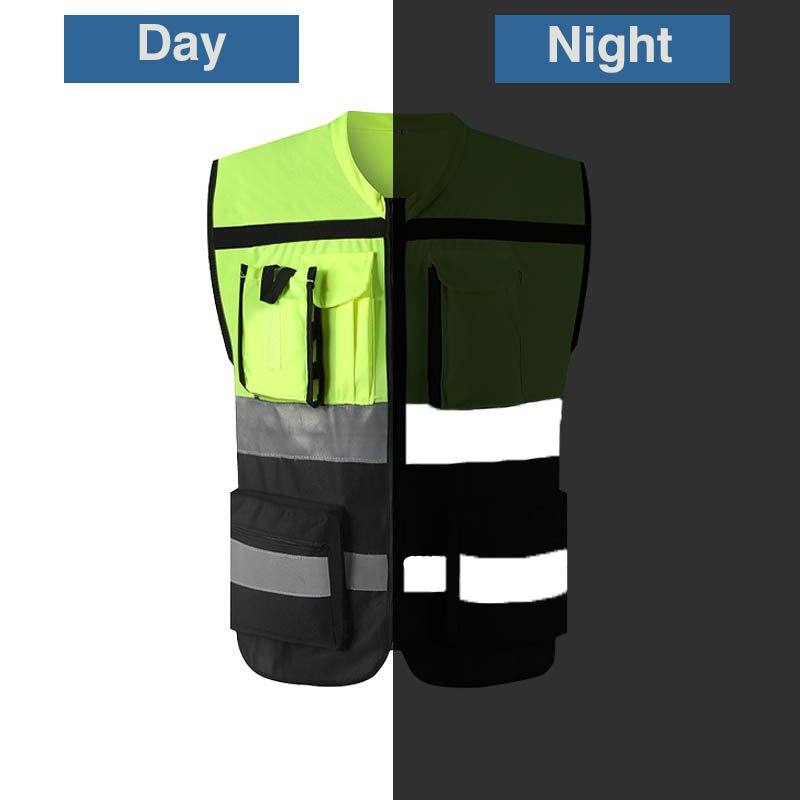
“A vest that loses its reflectivity after repeated washing is no longer a compliant safety product in the field. Durability is not an upgrade anymore; it is part of practical compliance.”
ANSI/ISEA 107 and EN ISO 20471: What PPE Buyers Need to Understand
ANSI/ISEA 107 is the primary high-visibility safety apparel standard used in the United States. EN ISO 20471 is the main high-visibility clothing standard used across Europe and many international procurement specifications. Both standards focus on making workers more visible through a combination of fluorescent background material and retroreflective material, but they differ in classification, test methods, labeling practices, and sometimes in how buyers interpret garment application.
For authoritative background reading, buyers can refer to the ANSI/ISEA 107 standard overview, the ISO page for EN ISO 20471, and the European Commission’s PPE regulation guidance through harmonised PPE standards. These resources help explain why compliance is a system, not a single material claim.
| Area | ANSI/ISEA 107 | EN ISO 20471 | Reflective Webbing Impact |
|---|---|---|---|
| Main Market | United States and North American programs | Europe and many global tenders | Dual-tested webbing simplifies global product development. |
| Visibility System | Fluorescent background + retroreflective material | Background material + retroreflective material | Webbing must contribute to required reflective area and performance. |
| Testing Focus | Retroreflection, design, labeling, garment type/class | Material performance, garment class, durability | TDS and test reports should confirm coefficient of retroreflection. |
| Field Concern | Roadway, utility, logistics, construction | Construction, railway, roadside, industrial work | Abrasion-resistant webbing supports longer service life. |
Another useful reference is the OSHA PPE overview, especially for companies building broader safety programs around garment selection, hazard assessment, and worker protection responsibilities.
Technical Factors That Decide Whether Reflective Webbing Supports Certification
When a buyer asks whether a safety vest is compliant, the correct answer should not be a casual “yes.” A reliable supplier should be able to discuss the construction of the reflective webbing, the test data, the applicable standard, and how the material is integrated into the vest design. The most important technical factors include retroreflective brightness, minimum width, color and appearance, washing performance, abrasion resistance, and the consistency of production batches.
1. Retroreflective Performance
Buyers should request the coefficient of retroreflection, commonly expressed in cd/lux/m². Meeting the minimum requirement may be acceptable for certification, but premium programs often specify higher values to protect performance after washing and wear.
2. Width and Visible Area
Reflective webbing must be wide enough and arranged properly to contribute to the minimum reflective area. A strong material can still fail the garment if the pattern is interrupted, too narrow, or incorrectly placed.
3. Sewability and Construction
Webbing should remain stable during sewing and garment assembly. Poor dimensional stability can cause puckering, twisting, or reduced visible surface area after production.
4. Wet and Angled Visibility
Real workers are seen from different angles and in rain, mist, dust, and low-light traffic conditions. Technical data should include more than a showroom brightness claim.

It is also helpful for procurement teams to compare certification expectations with the broader PPE framework explained by organizations such as the UK Health and Safety Executive PPE guidance. This encourages teams to view high-visibility garments as part of a complete risk-control process rather than a commodity purchase.
Durability Is the New Compliance: Why Wash Cycles Matter
In export conversations today, one of the most common questions is no longer “Can this material pass?” but “How long does it continue to pass?” This is especially true for logistics, roadwork, railway, mining, utilities, and rental laundry programs. If a vest is issued to a worker and washed weekly, the reflective material must survive repeated laundering without cracking, delaminating, fraying, dulling, or losing too much retroreflective performance.
Reflective webbing can be a strong choice for these applications because its woven structure often provides better resistance to mechanical stress than lightweight decorative reflective trims. Depending on the specification, webbing can be developed with polyester or nylon bases, different reflective yarn or film integration methods, customized widths, and target wash-cycle performance. For demanding PPE programs, 25 washes may not be enough; many buyers now ask for 50 washes or more, supported by test documentation.
Durability should be evaluated in three practical ways. First, check the test report before production. Second, test actual bulk material from the order, not only the supplier’s display sample. Third, inspect garments after laundering and abrasion simulation, paying attention to reflectivity, edge stability, stitching, and visual continuity. A safety vest that looks bright in a product photo may not provide the same value after months in a warehouse, on a rainy roadside, or inside a tunnel project.
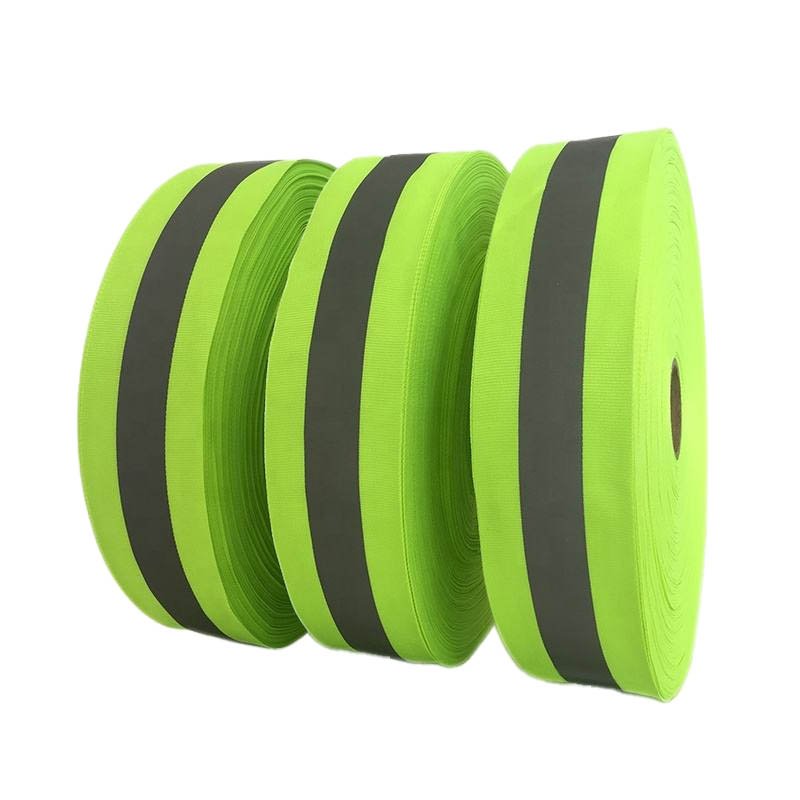
Reflective Webbing Supplier Checklist for PPE Brands and Vest Manufacturers
If you manufacture or source safety vests for professional PPE markets, your reflective webbing supplier should be able to support both material performance and garment compliance thinking. The ideal partner does not simply sell rolls of webbing; they help you engineer the right visibility solution for the target market, garment class, wash requirement, and price level.
Ask these questions before bulk purchasing:
- Can the supplier provide a technical data sheet showing retroreflective values?
- Has the webbing been tested to requirements relevant to ANSI/ISEA 107 and EN ISO 20471?
- What wash-cycle performance can be supported: 25, 50, or more?
- Does the reflective performance remain stable after abrasion, folding, and sewing?
- Can the supplier customize width, base material, color, pattern, packaging, and logo requirements?
- Is there batch-level quality control for brightness, width tolerance, appearance, and adhesion or yarn stability?
- Can the same material support both North American and European PPE product lines?
At VizGlo Safety, our reflective material division works closely with our hi-vis clothing production team, which gives us a practical advantage: we understand how a reflective component behaves not only in a lab report but also on a finished vest, jacket, rainwear garment, or workwear set. This vertical integration helps customers reduce sampling time, solve compliance questions earlier, and build a more stable product line for distributors and end users.
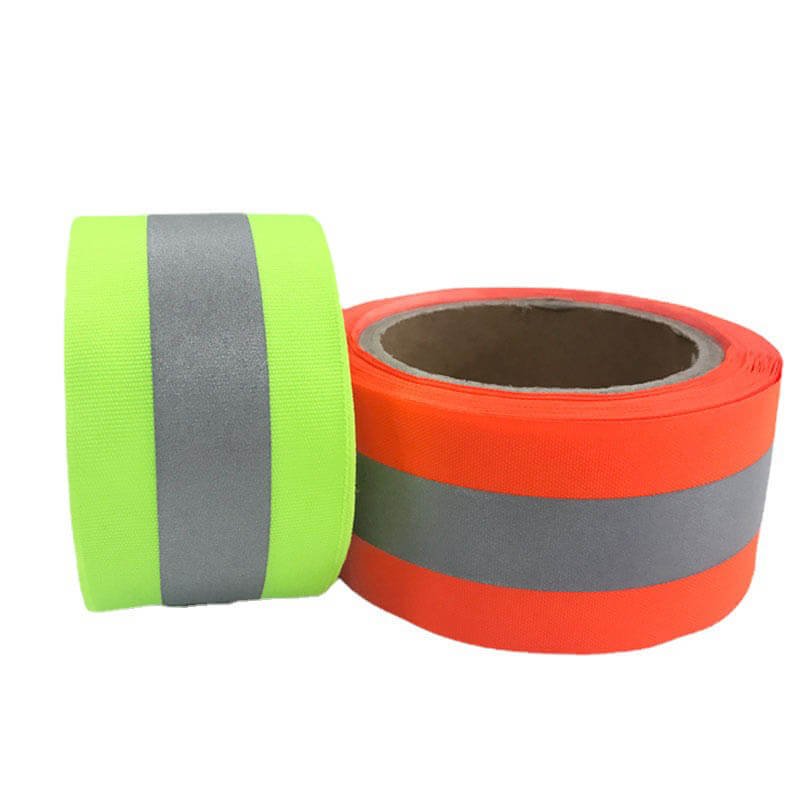
For buyers who want to go deeper into product-level certification and testing, organizations such as SATRA PPE testing services and Intertek PPE testing and certification provide useful references on third-party testing, conformity assessment, and market access requirements.
Need Reflective Webbing for ANSI/ISEA 107 or EN ISO 20471 Safety Vests?
VizGlo Safety supports PPE brands, distributors, and garment manufacturers with OEM/ODM reflective webbing solutions, technical data support, wash-durability options, and application guidance for high-visibility safety vests.
Explore our material capabilities here: certified reflective webbing supplier .
Opens inquiry form via Elementor popup.
FAQ: Reflective Webbing for Certified Safety Vests
Is reflective webbing required for ANSI/ISEA 107 safety vests?
The standard requires compliant retroreflective material, but the material can be constructed in different forms. Reflective webbing is one option when it meets the necessary retroreflective performance, width, placement, and durability requirements for the intended garment type and class.
Can one safety vest meet both ANSI/ISEA 107 and EN ISO 20471?
Yes, it is possible to design a vest for dual-market use, but the garment must be engineered carefully. The reflective webbing, background fabric, visible material area, placement, labeling, and certification route must be reviewed against both standards.
Why choose reflective webbing instead of standard reflective tape?
Reflective webbing may provide better abrasion resistance, tensile strength, edge stability, and durability in demanding work environments. It is especially useful for heavy-duty vests, harness-style designs, bags, straps, and workwear requiring stronger trim performance.
What documents should I request from a reflective webbing supplier?
Ask for a technical data sheet, retroreflective performance test results, wash-cycle data, material composition, width tolerance, recommended sewing or application instructions, and any relevant third-party test reports for ANSI/ISEA 107 or EN ISO 20471 programs.
How many washes should reflective webbing withstand?
The required wash performance depends on the target market and end-use environment. Many professional buyers now request reflective materials that maintain acceptable performance after 25 to 50 washes or more, especially for logistics, construction, roadwork, and rental laundry programs.