5 Key Questions to Ask Your Potential Reflective Webbing Wholesale Supplier
Choosing a reflective webbing supplier is not simply about finding the lowest price per meter. For safety brands, PPE distributors, garment factories, bag manufacturers, pet accessory brands, and industrial buyers, reflective webbing is a performance-critical component that affects end-user visibility, product compliance, and your brand reputation.
Quick Answer
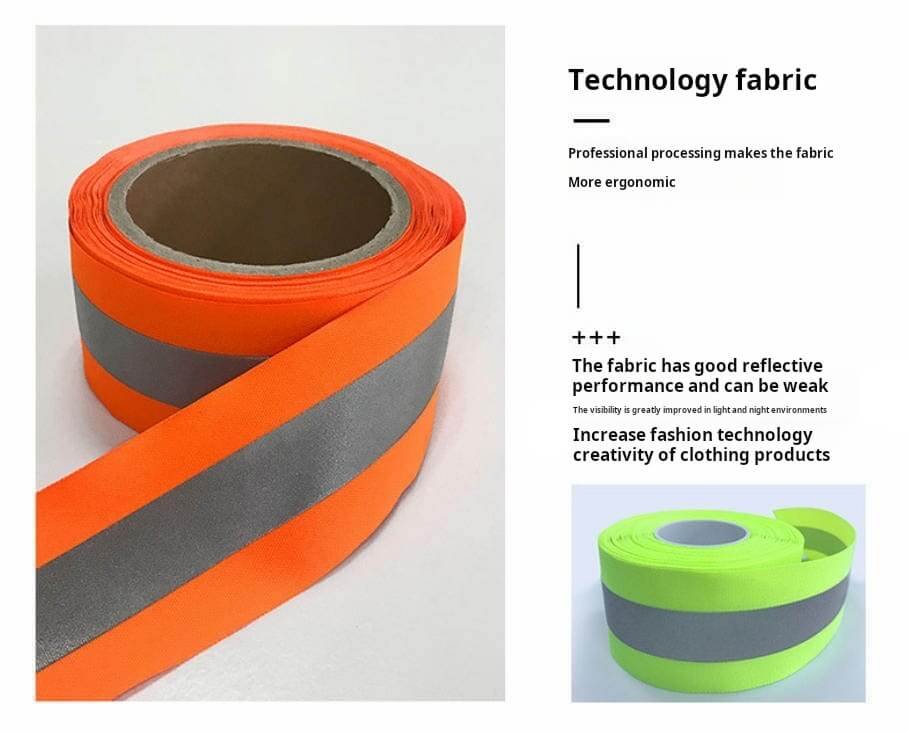
Before choosing a reflective webbing wholesale supplier, ask five essential questions: What is your MOQ and how flexible is it for trial orders? Can you provide real samples and explain your sample policy? Which safety certifications and test reports can you supply for retroreflectivity, washing, abrasion, and material performance? What is your normal production lead time and how do you control delivery risk? Finally, what level of customization can you support for width, color, base webbing, reflective tape type, logo, packaging, and application-specific requirements? A reliable supplier should answer these questions with clear data, batch traceability, realistic timelines, and engineering-level advice rather than vague promises or price-only quotations.
In the reflective materials trade, one of the most common mistakes buyers make is treating reflective webbing as if it were ordinary nylon or polyester tape. It may look simple: a woven webbing base with reflective material stitched, laminated, or integrated onto the surface. But in real-world use, that strip may be attached to a construction safety harness, a highway worker’s vest, a school backpack, a dog leash, a cyclist’s running belt, or a firefighter’s turnout gear. If the webbing loses brightness after washing, cracks under bending, frays during sewing, or fails abrasion testing, the problem is no longer just a purchasing issue. It becomes a safety, liability, and reputation issue.
This is why professional sourcing teams do not stop at “How much per meter?” A strong supplier welcomes tough questions. They can explain their quality control process, offer proper samples, provide batch-specific data, and guide you toward the right specification for your application. The five questions below are designed to help you separate a basic vendor from a long-term safety materials partner.
For additional context on visibility requirements, you may also review external references such as EN ISO 20471 high-visibility clothing information, ANSI/ISEA 107 guidance, and ASTM testing standards.
1. What Is Your MOQ and How Flexible Is It for Trial Orders?
MOQ, or minimum order quantity, is often the first practical question because it affects your inventory risk, cash flow, and product launch speed. However, the answer should not be judged by number alone. A supplier offering a very low MOQ may be trading existing stock without stable production control, while another supplier with a higher MOQ may provide better consistency, color control, and customization reliability.
Ask whether the MOQ differs by material type. Standard reflective polyester webbing, reflective nylon webbing, elastic reflective webbing, flame-retardant reflective webbing, and custom-color webbing may all have different production requirements. If you need a specific width, base color, reflective stripe width, or branded pattern, the supplier should explain which parts are stock-supported and which require custom production.
What a strong supplier should say:
“We can support standard items with a practical MOQ for sampling and market testing, and we can scale to bulk production once the specification is confirmed. For customized reflective webbing, MOQ depends on base yarn color, width, reflective material type, and packaging requirement.”
At VizGlo Safety, we understand that distributors and brand owners often need to test market response before committing to a large order. A supplier’s flexibility at the sample and trial stage is a useful sign of whether they understand real wholesale business, not just factory production.
2. Can You Provide Real Samples, and What Is Your Sample Policy?
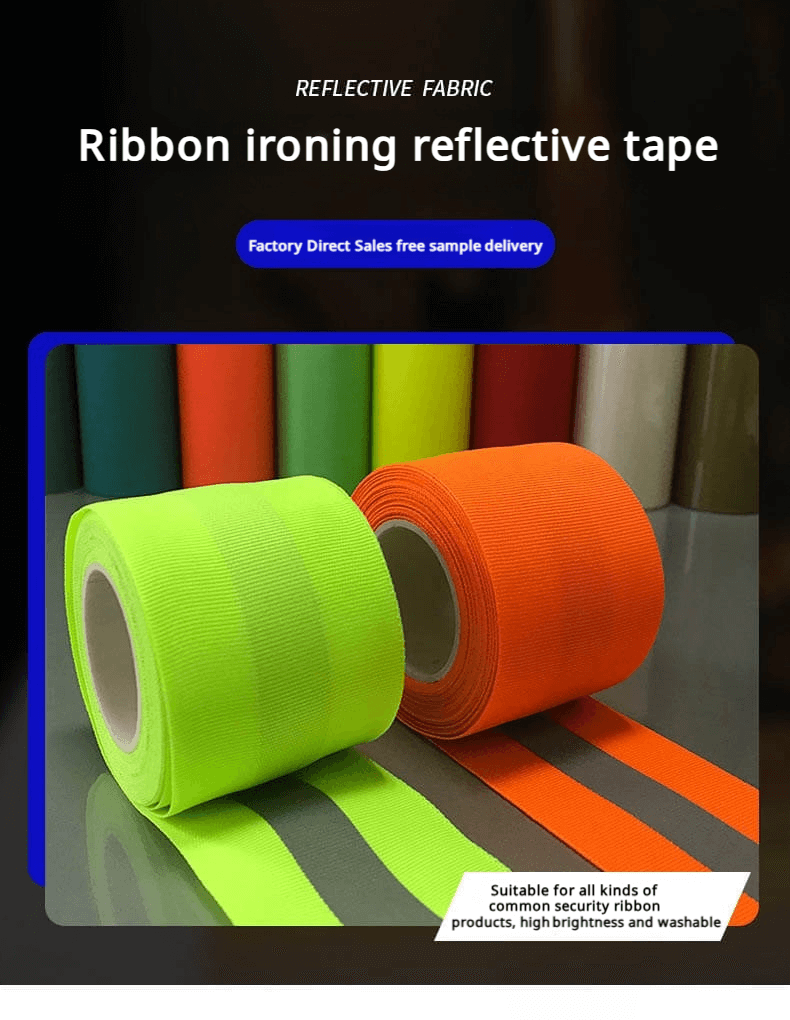
A photo is never enough for reflective webbing. Buyers need to touch the material, check stiffness, observe reflective brightness under light, test sewing performance, and compare color against their product design. If your product will be washed, stretched, folded, exposed to rain, or used outdoors, samples are essential before any bulk commitment.
Ask whether samples are cut from current production stock or prepared specially. Ask how long sample preparation takes, whether the sample can include your requested width and color, and whether the supplier can provide a small roll rather than only a short cutting. For garment factories, a small roll is much more useful because your production team can test feeding, sewing, tension, needle marks, and compatibility with fabric.
A good sample policy should also be transparent about cost. Many professional suppliers charge for customized samples, then refund or deduct the fee after bulk order confirmation. This is normal, especially when custom yarn dyeing, special reflective film, logo weaving, or dedicated tooling is involved.
The sample stage is where you verify whether the supplier’s “high brightness” claim survives real handling, sewing, bending, and washing. Never skip it for safety-related products.
3. Which Certifications and Test Reports Can You Provide?
Certifications are where many weak suppliers become vague. They may show a general certificate, but it may not apply to the exact material you are buying. For reflective webbing, you should ask for test reports related to the actual reflective component, base material, and intended application. Initial retroreflectivity is only one part of the story. The more important question is how the webbing performs after use, washing, abrasion, flexing, and environmental exposure.
Depending on your market, you may need materials that support finished products compliant with EN ISO 20471, ANSI/ISEA 107, AS/NZS 1906.4, or other regional standards. If the reflective webbing is used on protective clothing, check whether the finished garment standard requires certified reflective material placement, minimum reflective area, and performance after care cycles. You can also refer to resources from the UK Health and Safety Executive and OSHA workplace safety resources for broader workplace safety expectations.
Ask your supplier for data on retroreflective performance, wash durability, abrasion resistance, color fastness, tensile strength, and material composition. If the webbing is for flame-resistant garments, ask specifically about flame-retardant reflective materials and whether the performance is suitable for the final garment’s risk category.
Basic supplier answer
“Yes, we have certificates. Please see attached.”
Professional supplier answer
“Here are reports for this material type, including retroreflectivity, washing performance, abrasion, and batch testing. We can also test according to your target market requirement.”
4. What Is Your Production Lead Time and How Do You Control Delivery Risk?
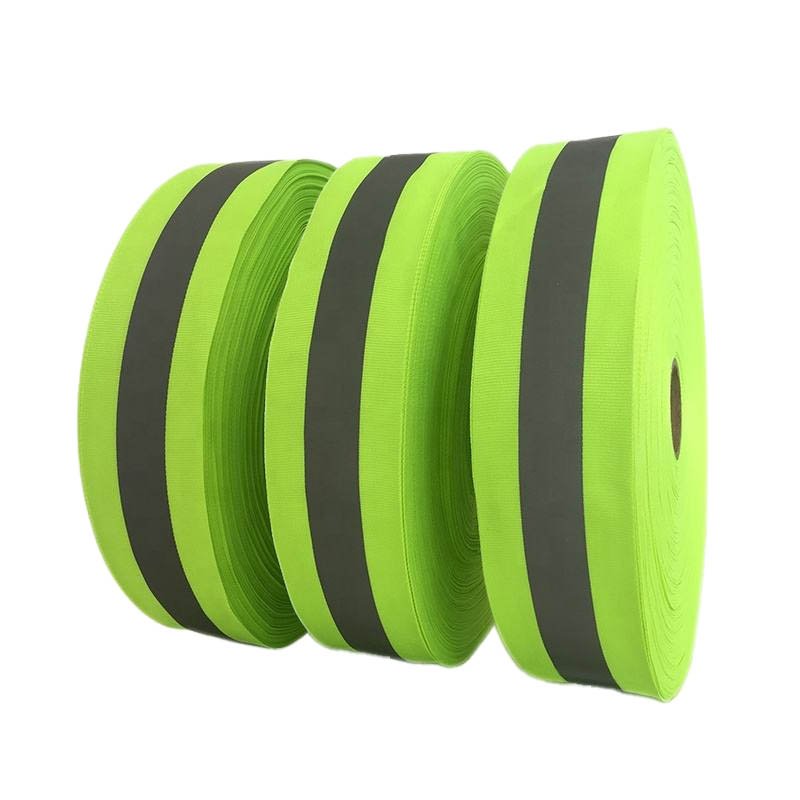
Lead time is not just a date on a quotation. It reflects the supplier’s raw material planning, production capacity, color matching process, quality inspection, packaging, and export coordination. A supplier who promises an unrealistically short lead time may be relying on uncertain stock or skipping proper checks.
Ask for separate timelines for standard stock, custom production, pre-production sample approval, bulk manufacturing, inspection, and shipping preparation. If you are building a seasonal product line, such as spring cycling accessories or winter hi-vis workwear, even a one-week delay can affect sales windows. For larger orders, ask whether the supplier can provide production updates, in-line inspection photos, and shipment planning support.
Professional reflective webbing suppliers should have a clear process: confirm specification, prepare sample, approve sample, schedule production, inspect semi-finished and finished materials, pack by roll or carton, then prepare export documents. If they also manufacture hi-vis garments, they will usually understand how material delays affect garment production lines.
VizGlo Safety’s vertical experience in both reflective materials and high-visibility clothing helps us evaluate production schedules from the buyer’s point of view. We know reflective webbing is often one component in a larger product launch, so delivery stability matters as much as unit price.
5. What Customization Capabilities Do You Offer?
Customization is where you can quickly identify whether a supplier is a trader, a limited workshop, or a true manufacturing partner. Reflective webbing customization may involve webbing width, base material, yarn color, reflective stripe width, reflective brightness, surface texture, elasticity, logo pattern, stitching method, roll length, carton labeling, and retail packaging.
For example, a pet leash brand may care about color matching, softness, and stylish reflective effect. A tactical bag manufacturer may need high tensile strength and abrasion resistance. A hi-vis garment factory may need compatibility with sewing machines and repeated wash performance. A firefighter gear supplier may need flame-retardant reflective webbing with strict compliance documentation. These are completely different requirements, even if all buyers use the same phrase: “reflective webbing.”
Ask whether the supplier can recommend the right structure for your application. Can they combine reflective tape with polyester or nylon webbing? Can they make segmented or patterned reflective effects? Can they develop custom colors? Can they provide matching reflective piping, reflective logos, or reflective tape for the rest of your product line? A supplier with broader reflective material capability can help you keep design and performance consistent across multiple SKUs.

This is where VizGlo Safety’s OEM/ODM background becomes especially useful. We produce reflective webbing as part of a wider reflective materials system, including reflective tapes, films, logos, piping, and hi-vis clothing. That means our team can discuss not only the webbing itself, but also how it will behave in the final product.
If you are comparing suppliers, review our reflective material capabilities here: why choose VIZGLO as your webbing supplier .
A Practical Supplier Evaluation Checklist
- ✓MOQ is clear for both stock and custom webbing.
- ✓Samples are available before bulk order confirmation.
- ✓Test reports match the actual material being purchased.
- ✓Supplier can explain wash, abrasion, and reflectivity performance.
- ✓Lead time includes sampling, production, inspection, and packing.
- ✓Customization options are documented, not guessed.
- ✓Quality control includes batch traceability.
- ✓Supplier understands your final application and risk level.
Why Price-per-Meter Should Not Be Your Only Buying Standard
Price matters, especially in wholesale purchasing. But reflective webbing is not a decorative trim that can be swapped without consequence. If you buy a cheaper webbing that fades quickly, cracks after bending, loses reflectivity after washing, or fails customer inspection, the real cost becomes much higher than the original savings. You may face rejected shipments, complaints from distributors, damaged buyer trust, or product liability exposure.
A serious supplier should help you calculate value in terms of performance consistency, fewer defects, documentation support, delivery stability, and fewer after-sales problems. For buyers selling into Europe, North America, Australia, or government procurement channels, these factors are often decisive. You can also compare safety procurement expectations through resources such as the U.S. Consumer Product Safety Commission when reflective webbing is used in consumer-facing products.
The right question is not “Who is cheapest?” It is “Who can protect my end user, my delivery schedule, and my brand reputation while still giving me a competitive wholesale cost?”
Need a Reliable Reflective Webbing Wholesale Partner?
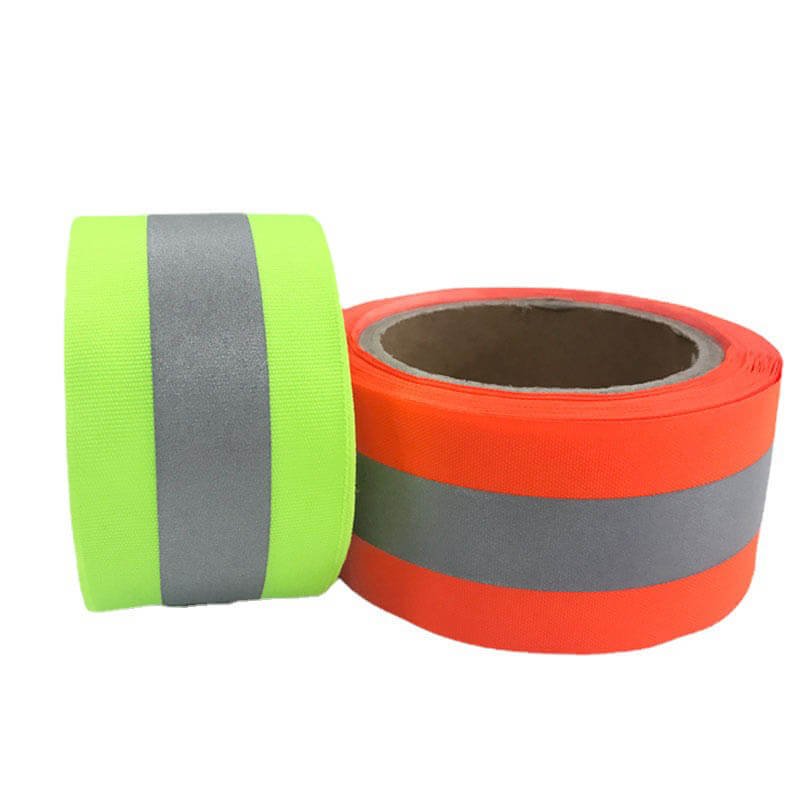
VizGlo Safety supports distributors, safety product brands, garment factories, outdoor accessory companies, and OEM/ODM buyers with reflective webbing, reflective tapes, reflective logos, piping, films, and high-visibility apparel solutions.
Request Samples or Wholesale QuoteElementor popup ID 26 will open when this CTA is clicked.
FAQ: Reflective Webbing Wholesale Supplier Selection
What MOQ is normal for reflective webbing wholesale orders? +
MOQ depends on whether the reflective webbing is standard stock or customized. Stock colors and standard widths usually allow lower trial quantities, while custom color, special width, flame-retardant performance, logo design, or unique packaging may require a higher MOQ.
Should I test reflective webbing before placing a bulk order? +
Yes. You should test brightness, sewing performance, hand feel, bending resistance, washing durability, abrasion resistance, and compatibility with your final product. For safety-related products, sample testing is not optional.
Which certifications matter for reflective webbing? +
It depends on your target market and final application. For high-visibility clothing, buyers often check EN ISO 20471, ANSI/ISEA 107, AS/NZS 1906.4, and related performance reports. You should confirm that the test report applies to the actual reflective material you plan to buy.
Can reflective webbing be customized with brand colors or logos? +
Yes. Professional suppliers can customize base webbing color, width, reflective stripe design, logo effect, roll length, labeling, and packaging. The feasibility and MOQ depend on the design complexity and material requirements.
Why should I choose a supplier with both reflective material and garment experience? +
A supplier with garment experience understands how reflective webbing performs during sewing, washing, wearing, and compliance checks. This helps reduce material mismatch, production defects, and finished-product quality problems.