How to Source Reflective Fabric from China? A B2B Buyer’s Checklist
The answer isn’t just about finding the cheapest supplier. Successful reflective fabric sourcing from China begins with one critical question: What is your end-use application?
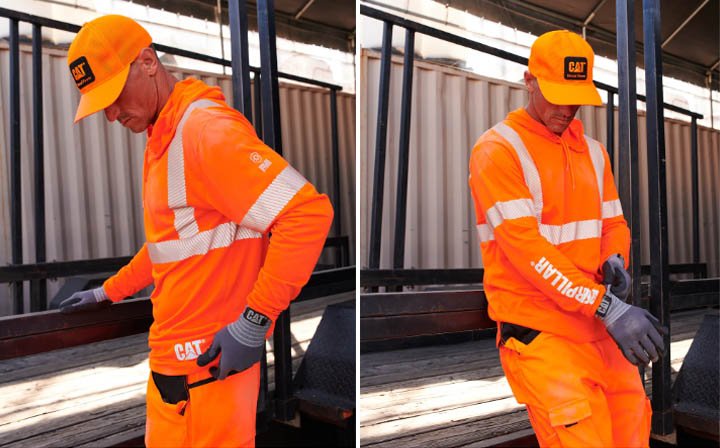
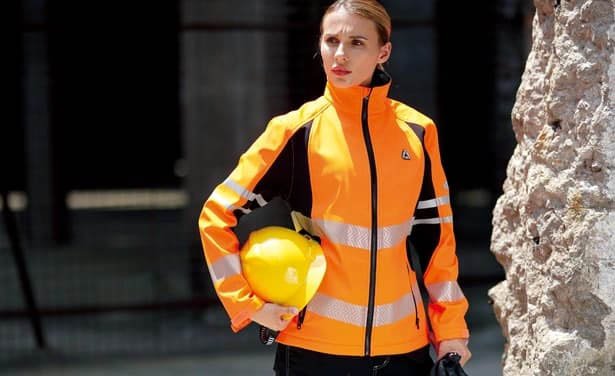
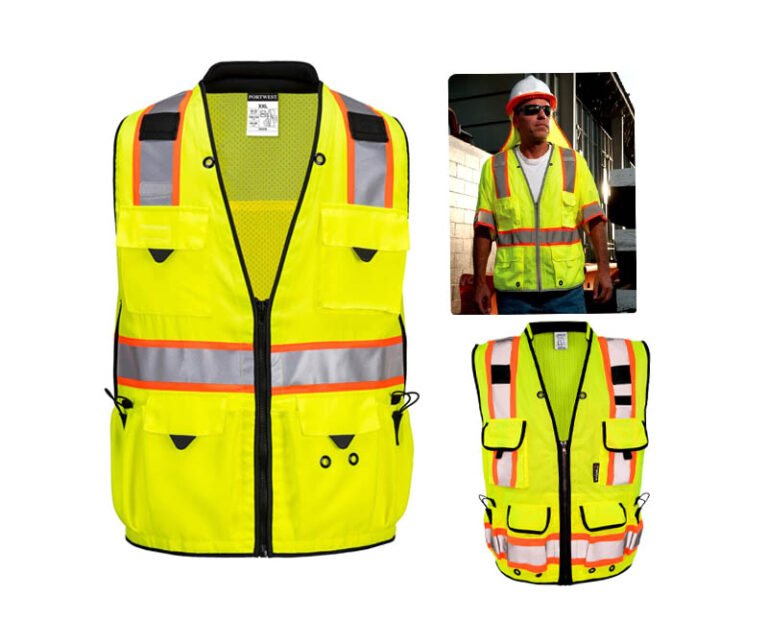
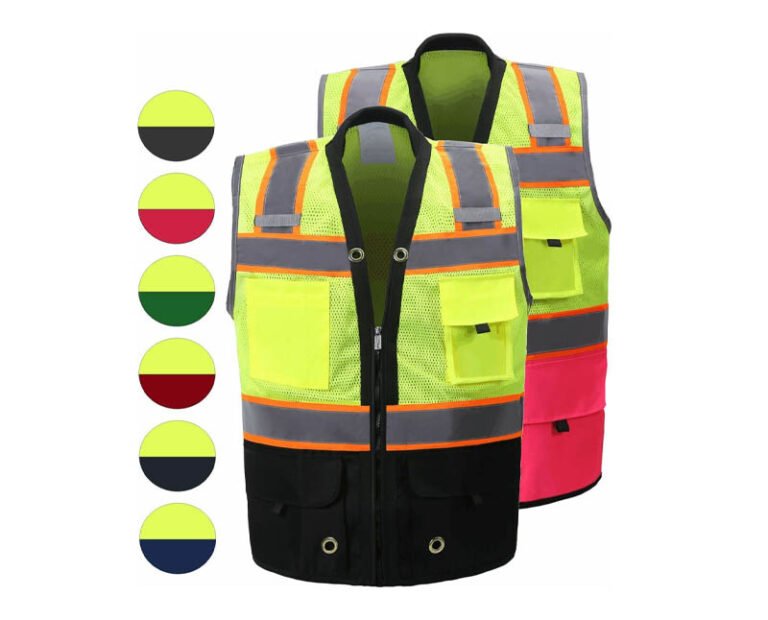
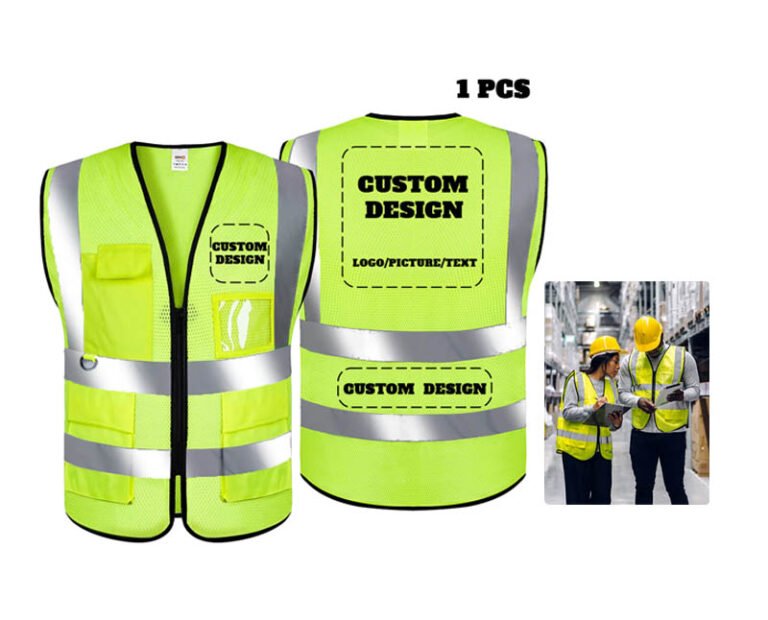
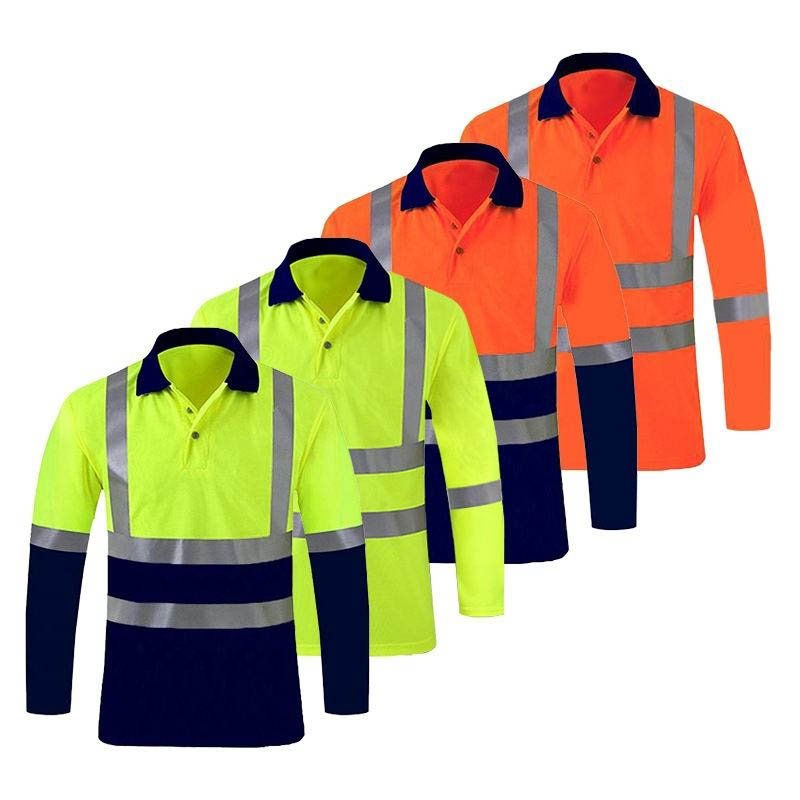
The retroreflective performance (Ra value), durability requirements, and applicable certification standards are completely different for an EN ISO 20471-certified safety vest destined for European roadways versus decorative trim on a fashion product. This is why the most savvy B2B importers don’t start by asking “What’s your price per meter?” Instead, they ask their suppliers intelligent questions about application requirements, performance specifications, and compliance testing. When evaluating Chinese suppliers, pay close attention to the questions they ask you—a supplier invested in your success will challenge your requirements and ensure you’re getting the right material for the job, not just the cheapest option. This fundamental shift from “sourcing a commodity product” to “finding a technical manufacturing partner” is the single most important factor in securing reliable, compliant, and cost-effective industrial reflective fabric from China.
Published: January 15, 2025 | Updated: January 15, 2025
1. Clarify Your Application & Performance Requirements
Before you contact a single Chinese supplier, spend time understanding your exact application. This seemingly obvious step is where many importers stumble. The reflective fabric for a Class 3 European safety vest (high visibility with shoulder and arm bands) requires different technical properties than reflective piping for a industrial uniform jacket, which differs entirely from decorative reflective trim for fashion apparel.
Key Application Questions to Answer:
- ■ End-Use Environment: Is this for roadway safety, construction, airport ground crew, emergency responders, or fashion/leisure?
- ■ Visibility Requirements: What is the minimum retroreflectivity (Ra) value required? (Typically 100-200 cd/lux/m² for safety, 50+ for industrial)
- ■ Durability Demands: How many wash cycles must the reflectivity withstand? (40, 80, 120+ cycles per ISO 6330)
- ■ Climate Conditions: Will the fabric face intense UV exposure, high humidity, salt spray, or extreme temperatures?
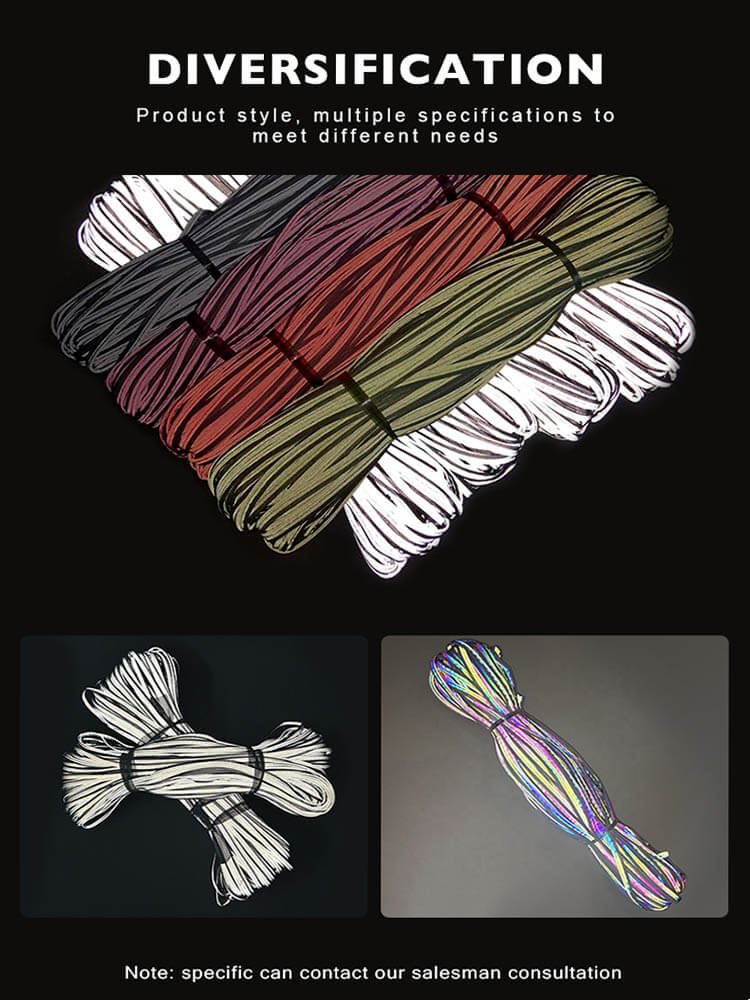
- ■ Weight & Comfort: Is this a thin piping tape (2-5cm wide) or broad fabric for full coverage? Weight tolerance?
Here’s an insider tip: Use these questions not just for internal clarity, but as your screening mechanism for suppliers. A competent Chinese manufacturer like VizGlo Safety will ask you these exact same questions before quoting. If a supplier immediately offers a price without probing your requirements, they’re treating this as a commodity transaction, not a technical partnership.
2. Identify Relevant Certifications & Standards
Compliance isn’t optional in the reflective fabric world—it’s your legal and moral obligation. Different geographical markets have different mandatory standards, and a material approved for Europe may not be acceptable in North America, Australia, or other regions. Understanding which standards apply to your market is non-negotiable.
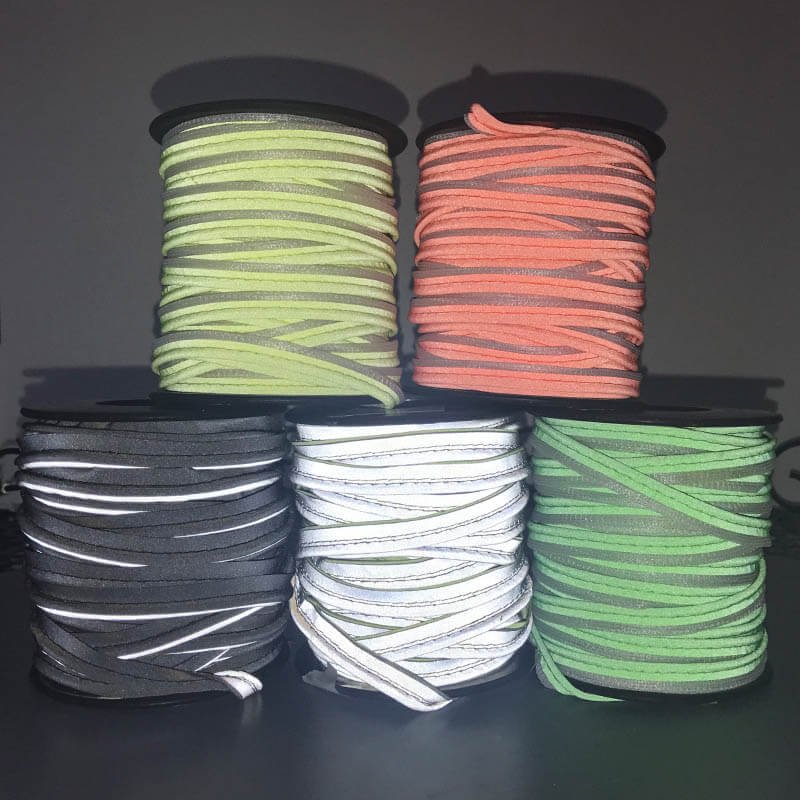
Critical Standards by Market:
🇪🇺 European Union
EN ISO 20471:2023 – High Visibility Clothing
Mandatory for safety vests, jackets, and workwear in EU markets. Specifies minimum luminance coefficient (cd/m²/lux) and retroreflectance values.
🇺🇸 North America
ANSI/ISEA 107-2020 – High-Visibility Safety Apparel
US & Canada standard with similar but distinctly different requirements. Three performance classes (1, 2, 3) based on visibility needs.
🇦🇺 Australia & New Zealand
AS/NZS 1906.4 & 4602.1
Specifies color and retroreflectance requirements for high-visibility apparel in ANZ markets.
🌍 Environmental & Safety
OEKO-TEX STANDARD 100 – Textiles Chemical Safety
Verifies absence of harmful chemicals; increasingly required by EU retailers and conscious brands.
Pro tip: When requesting quotes from Chinese suppliers, explicitly state your target market and ask for third-party lab test certificates proving compliance. Don’t accept supplier self-assessments. Request certificates from recognized testing labs like TÜV or Intertek.
3. Evaluate Supplier Capabilities & Track Record
China’s reflective fabric industry is vast. You’ll find everything from sophisticated manufacturers with ISO 9001 certification and in-house testing labs to workshops lacking basic quality control. Separating the reliable from the risky requires systematic due diligence.
What to Investigate About the Supplier:
| Evaluation Criterion | What to Look For | Red Flags |
|---|---|---|
| Certifications | ISO 9001, BSCI, OEKO-TEX accreditation | No verifiable certifications; only marketing claims |
| Testing Lab | In-house or contracted third-party lab with accreditation | No testing capability; asks you to trust their word |
| Production Scale | Documented monthly capacity; scalable equipment | Vague about capacity; manual processes only |
| Lead Time | 15-30 days for standard; 30-45 for custom | Promises 7-day delivery on custom orders |
| Client References | Verifiable list of established brands or distributors | No references; unwilling to provide them |
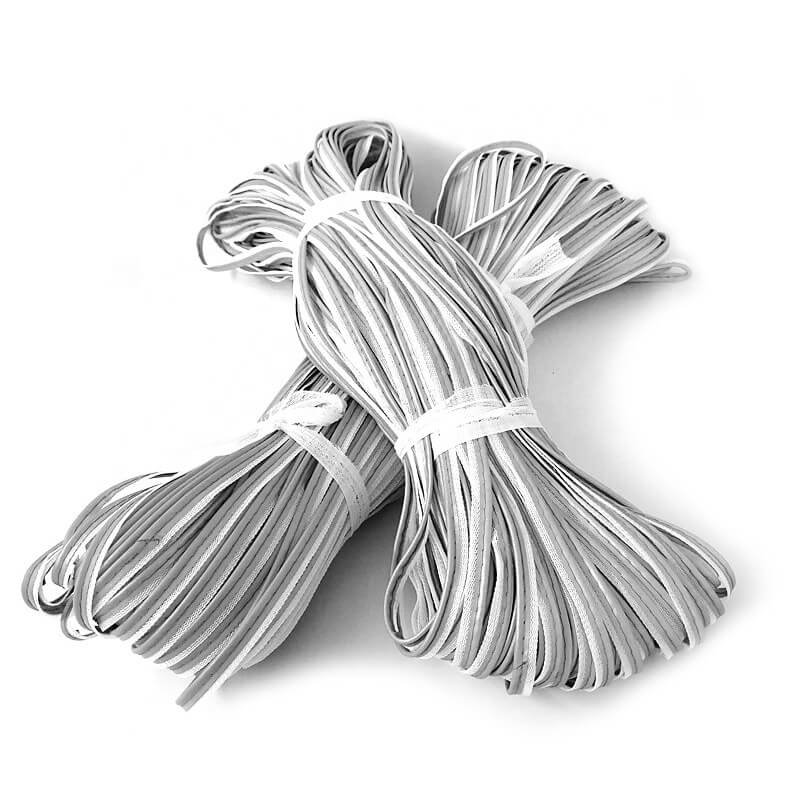
Conduct Background Research:
- ✓ Alibaba/Global Sources: Check supplier ratings, buyer feedback, and years in business. Read detailed reviews carefully.
- ✓ Company Registration: Verify legal business registration via Chinese government business registry.
- ✓ Factory Audit: If order is significant (>100,000 USD), consider hiring a third-party inspection firm to conduct an audit.
- ✓ Trade References: Ask the supplier for 3-5 verifiable customer references you can contact directly.
4. Request & Analyze Technical Samples
Samples are your window into a supplier’s true capabilities. Never—and we mean never—make a bulk purchase without physically evaluating samples and reviewing accompanying test reports. This is the most critical use of your pre-purchase budget.
What to Specify in Your Sample Request:
Sample Specification Template
Quantity: 5-10 meters of each variant (different colors/specifications)
Desired Performance: Specify minimum Ra value (e.g., 150 cd/m²/lux for EN ISO 20471 Class 2)
Test Reports Required: Ask for ISO test certificates covering retroreflectivity, wash durability (40/80/120 cycles), color fastness, and tensile strength
Production Timeline: Request samples with realistic lead time; avoid suppliers who promise samples in 3-5 days (indicates cut corners)
Sample Costs: Small sample fees are acceptable; budget $50-200 per variant plus shipping
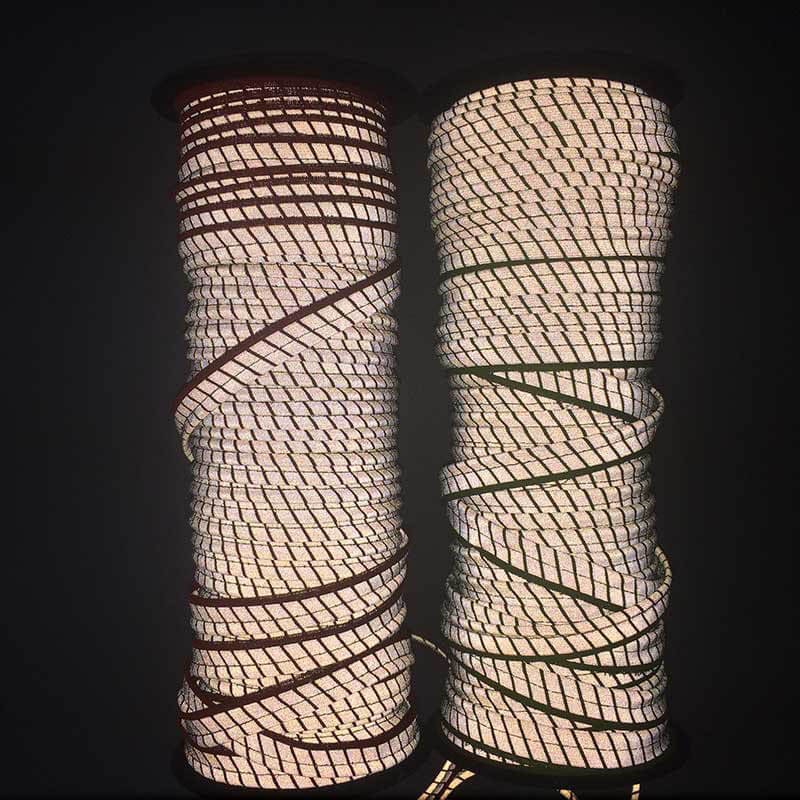
Hands-On Sample Evaluation Checklist:
Many suppliers provide samples that outperform bulk production. It’s a known industry practice: the sample batch gets extra QC attention. This is why requesting samples from multiple suppliers is crucial. You want to compare 3-5 suppliers’ samples, not just accept the first one.
5. Negotiate Terms & Quality Assurance
Once you’ve narrowed to 2-3 preferred suppliers, it’s time to negotiate commercial and quality terms. This phase determines whether your ongoing relationship operates smoothly or becomes a source of friction.
Key Commercial Terms to Negotiate:
- 1. Price & Volume Breaks: Typical pricing: $1.50-3/meter for standard reflective tape depending on width/quality. Negotiate volume discounts at 5k, 10k, 20k meter thresholds.
- 2. MOQ & Payment: Standard MOQ is 1,000-2,000 meters. Negotiate payment: 30% deposit, 70% before shipment or via LC (Letter of Credit).
- 3. Lead Time Commitment: Get written confirmation of production + shipping timeline. Build in 3-5 day buffer for inspections.
- 4. Quality Guarantees: Insist on written QA terms: acceptance criteria (Ra value ±5%), defect rate (<2%), and remedy (rework or credit) if standards not met.
Mandatory Quality Assurance Clauses:
Third-Party Inspection: For orders >$50,000, include a clause permitting third-party inspection (SGS, Intertek) at your cost before shipment. Supplier must cooperate.
Certificate of Conformance: Require CoC + test certificates for every shipment batch, not just spot checks.
Retention Policy: Require supplier to retain 5 meters of each production batch for 12 months for audits/disputes.
Right to Reject: Include clear terms for rejection if delivery doesn’t meet specifications (e.g., “Material rejected if Ra value <145 cd/m²/lux per EN ISO 20471")
Here’s a reality check: The supplier who asks the most detailed questions about your QA expectations is the one most likely to deliver consistently. Conversely, suppliers who brush off QA discussions (“We always pass tests, no need to worry”) should raise concerns. Quality assurance isn’t a cost—it’s an investment in predictable, reliable supply.
6. Common Pitfalls to Avoid
Based on years of industry experience, here are the mistakes B2B buyers most frequently make when sourcing from China—and how to avoid them:
❌ Pitfall #1: Price-First Decision Making
The Trap: Selecting suppliers based purely on lowest $/meter quote, ignoring quality variations.
The Reality: A 20% cheaper fabric that degrades 30% faster after washing isn’t a bargain—it’s a false economy.
The Fix: Calculate true cost-of-ownership: (Price × Expected Lifespan Cycles) + overhead of managing quality issues. A $0.10/meter premium for reliable product often saves $0.50+/meter in rework and reputation costs.
❌ Pitfall #2: Skipping Sample Testing
The Trap: Accepting supplier’s word that material meets specs without independent verification.
The Reality: Samples and production batches often differ. We’ve seen 20-40% performance drops between quoted samples and delivered goods.
The Fix: Always request samples. Independently test them or hire a lab. Budget $300-500 for testing is cheap insurance against a $50,000 bad order.
❌ Pitfall #3: Misunderstanding Certification Names
The Trap: Believing “CE marked” means compliance with all EU standards. (It doesn’t—CE just means applicable standards were assessed.)
The Reality: Many suppliers falsely claim compliance with standards they’ve never tested against.
The Fix: Request specific, dated test certificates from accredited labs—not just logos. Verify lab accreditation independently via ILAC.
❌ Pitfall #4: Unrealistic MOQs or Lead Times
The Trap: Accepting promises of 500-meter MOQ on custom reflective fabric or 7-day delivery on large orders.
The Reality: Suppliers who promise these often cut corners—rushing through quality checks or substituting materials.
The Fix: Accept realistic requirements: 1,500+ meter MOQ for custom, 15-30 day lead time. Unrealistic offers almost always backfire.
❌ Pitfall #5: Ignoring Currency & Payment Risk
The Trap: Agreeing to full payment upfront (100% prepayment) without supplier bonds or LC protection.
The Reality: Unscrupulous suppliers disappear after receiving full payment, leaving you with no recourse.
The Fix: Use Letters of Credit for large orders, 30% deposit + 70% on shipping, or escrow services for new suppliers.
7. Complete Pre-Order Sourcing Checklist
Use this comprehensive checklist before placing any bulk order. Print it, fill it out, and share with your procurement and quality teams:
✓ Application & Requirements Defined ▼
☐ End-use application clearly documented (safety vest, industrial jacket, etc.)
☐ Required retroreflectivity value (Ra) specified in writing
☐ Durability requirement (wash cycles) determined
☐ Applicable standards identified (EN ISO 20471, ANSI/ISEA 107, etc.)
☐ Weight, width, and color specifications confirmed
✓ Supplier Evaluation Complete ▼
☐ 3+ suppliers contacted and initial responses received
☐ ISO 9001 certification verified for each supplier
☐ Company registration confirmed via official channels
☐ Minimum 2 customer references verified
☐ Production capacity confirmed in writing
✓ Samples Evaluated ▼
☐ Samples received from 2+ suppliers
☐ Laboratory test certificates reviewed (Ra, wash durability, color fastness)
☐ Lab accreditation verified independently
☐ Physical tactile and visual inspection completed
☐ Daylight and night reflectivity visually confirmed
☐ Preferred supplier(s) selected
✓ Commercial Terms Negotiated ▼
☐ Unit price confirmed with volume tiers documented
☐ MOQ clearly stated in writing
☐ Lead time confirmed in writing (including contingencies)
☐ Payment terms agreed: deposit %, LC setup, inspection window
☐ Shipping & insurance responsibilities defined
✓ Quality Assurance Clauses in Place ▼
☐ Written quality acceptance criteria (Ra min/max values)
☐ Defect tolerance rate specified (typically <2%)
☐ Third-party inspection rights reserved (if budget warrants)
☐ Certificate of Conformance + test reports required per shipment
☐ Rejection & remedy terms defined (rework vs. credit)
☐ Sample retention requirement (12 months minimum)
✓ Legal & Risk Management ▼
☐ Purchase agreement drawn up or supplier’s terms reviewed by counsel
☐ Force majeure & dispute resolution clauses in place
☐ Supplier’s liability insurance verified (if applicable)
☐ NDA signed if custom/proprietary specifications shared
☐ Supply continuity plan (backup supplier identified)
Ready to Source Reflective Fabric with Confidence?
VizGlo Safety brings 15+ years of manufacturing excellence and ethical sourcing standards. We’re not just a supplier—we’re a technical partner who asks the right questions to ensure your success.
Request Technical Consultation & SamplesNo commitment. Direct access to our sourcing specialists.
8. Frequently Asked Questions
What certifications should I prioritize for European markets? ▼
EN ISO 20471:2023 is mandatory for high-visibility apparel in EU markets. This standard specifies minimum luminance coefficients (daytime visibility) and retroreflectance values (nighttime visibility), with three performance classes. Additionally, require CE marking certification and OEKO-TEX STANDARD 100 for chemical safety compliance. For fire-prone environments, EN ISO 14116 (protective clothing against flame) may also be required. Always verify that test certificates are from accredited notified bodies, not just general labs.
How do I know if lab test certificates are genuine? ▼
Verify accreditation directly through ILAC (International Laboratory Accreditation Cooperation). Check that the lab’s accreditation scope includes the specific test method (e.g., ISO 6330 for wash durability). Look for: (1) Lab’s unique accreditation number, (2) Test dates within past 6 months, (3) Specific numerical results (not vague “passes”), (4) Lab letterhead with contact info you can independently verify. Be suspicious of generic certificates without these details.
What’s a realistic lead time from China to my warehouse? ▼
For standard reflective fabric (existing colors/specifications): 15-25 days production + 2-5 days for inspection + 15-30 days ocean freight = 32-60 days total. For custom specifications (new colors, patterns): 25-45 days production + inspection + freight = 45-80 days. Build in 3-5 extra days for customs clearance. Never accept “7-10 day delivery” promises on large custom orders—these almost always fail. Always factor in a 10-15% timeline buffer for contingencies in your supply planning.
Should I use escrow or always Letters of Credit? ▼
For first-time orders or unproven suppliers: Use 30% prepayment + 70% via Letter of Credit (LC). The LC protects both parties: you ensure material meets specs before paying remainder. For established suppliers with proven track record: 50% prepayment + 50% COD (Cash on Delivery) before shipment. Avoid 100% prepayment for new suppliers. Bank fees for LC (0.5-1.5% of order value) are insurance worth paying. Escrow services like Alibaba Escrow work but less reliably for quality disputes.
What’s the difference between reflective fabric grades? ▼
Standard Grade: Ra 100-150 cd/m²/lux. Suitable for decorative/leisure apparel. Moderate wash durability (30-40 cycles). High-Visibility Grade: Ra 150-250+ cd/m²/lux. For safety vests, construction wear. Superior wash durability (80-120+ cycles). Premium Grade: Ra 300+ cd/m²/lux with >120 wash cycles. For demanding environments (roadway work, rail). The higher the grade, the more expensive. Don’t overspend on premium if your application only needs standard. Conversely, don’t cheap out with standard if your end-users need high-visibility for legal/safety reasons.
How do I ensure consistent quality across batches? ▼
Include in your contract: (1) Batch testing requirement: Every production batch must include full lab test certificates (not spot checks). (2) Sample retention: Supplier retains 5m of each batch for 12 months for audits. (3) Process control limits: Specify tolerance bands (e.g., “Ra values must fall between 180-220 cd/m²/lux”). (4) Incoming inspection: Upon receipt, conduct random sampling and test 2-3 meters from each bulk shipment. (5) Third-party audits: Annually hire SGS or Intertek to audit supplier’s QC procedures. These measures prevent the “sample perfection vs. bulk mediocrity” trap.
Explore VizGlo’s Reflective Material Solutions
Understanding sourcing best practices is just the beginning. Our comprehensive range of industrial reflective tapes and fabrics represents over 15 years of manufacturing excellence and international compliance. We manufacture EN ISO 20471-certified reflective materials, ANSI/ISEA 107-compliant solutions, and custom specifications tailored to your precise application requirements.
Every batch undergoes rigorous in-house testing and third-party certification. We make the buying process transparent: no hidden quality issues, no surprises. When you partner with VizGlo, you’re getting a technical manufacturing partner who understands your compliance obligations and delivers consistent, reliable results batch after batch.
Learn more about our production capabilities, certifications, and OEM/ODM services on our product center page.
Final Thoughts: Move Beyond “Price per Meter”
Sourcing reflective fabric from China doesn’t require mystery or fear if you follow this systematic checklist. The most successful B2B buyers we know have internalized one key principle: the supplier who asks you the most intelligent questions is the one most likely to deliver outstanding results.
Price matters, but it’s only one variable in a complex equation. When you focus solely on cost, you optimize for the wrong metric. Instead, optimize for:
- ▪ Regulatory Compliance: Does the fabric meet your target market’s mandatory standards?
- ▪ Durability & Performance: Will it withstand the service life you’ve committed to customers?
- ▪ Supply Reliability: Can you trust consistent quality batch after batch?
- ▪ Partnership & Support: Does the supplier invest in your long-term success?
Use this checklist. Ask the hard questions. Demand documentation. Verify certifications. And remember: the few hours you invest in proper vetting now will save you weeks of crisis management later. That’s not just sourcing wisdom—that’s business common sense.
Start Your Reflective Fabric Sourcing Journey Today
Let VizGlo Safety guide you through every step—from application clarity to compliance verification to production delivery.
Schedule Your Free Consultation