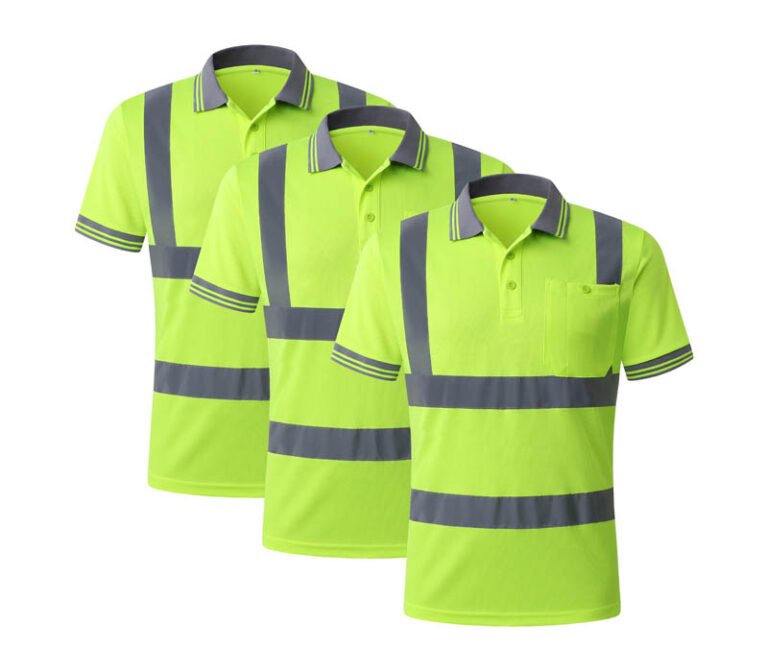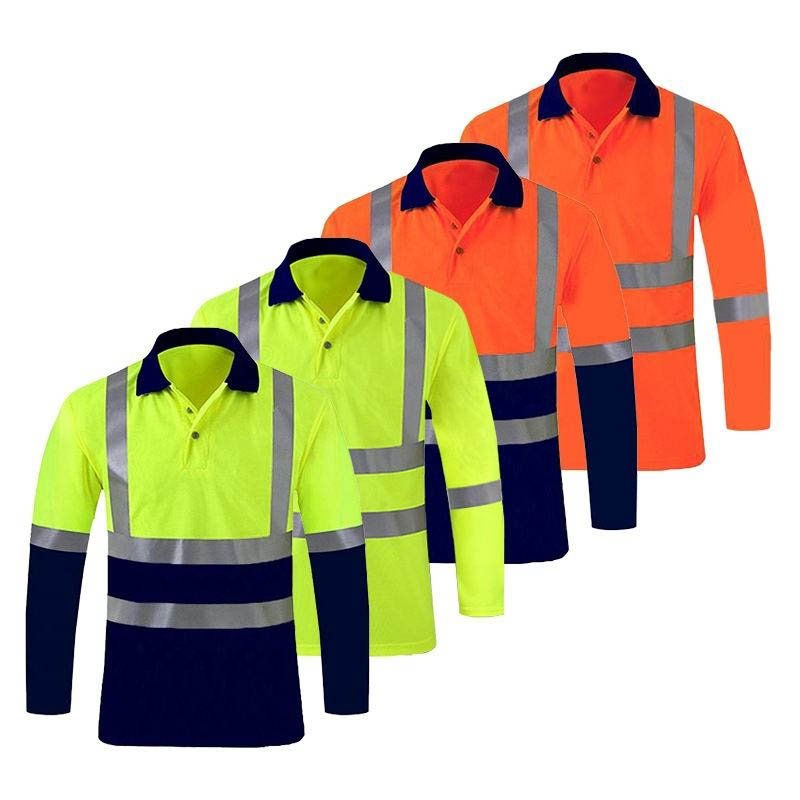
Understanding Retroreflectivity: The Science Behind How Reflective Tape Works
Published on January 15, 2025 | By VizGlo Safety Technology
Quick Answer (Featured Snippet)
Retroreflectivity is the engineered capability of a material—typically using embedded glass beads or microprisms—to capture incoming light and redirect it precisely back to its source. Unlike ordinary reflective surfaces that scatter light in all directions, retroreflective tape contains millions of tiny optical elements. When a vehicle’s headlight beam hits the tape, the glass beads (or microprisms) refract the light inward to a reflective backing layer, which bounces it back through the lens and returns it to the driver’s eyes with remarkable brightness. This is why workers wearing high-visibility clothing with industrial reflective tape are visible at distances exceeding 1,000 feet at night—a life-saving distinction that standard reflective materials simply cannot achieve.
What is Retroreflectivity?
Retroreflectivity is a fundamental optical property—one of the most important yet misunderstood concepts in workplace safety. At its core, retroreflectivity refers to the ability of a material to reflect light back toward its source, regardless of the angle at which the light arrives. The term comes from the Latin retro (backward) and the word reflect.
Most people confuse retroreflectivity with ordinary reflection or simple “shininess.” This misconception can be dangerous. A glossy white wall appears bright in daylight, but put a vehicle operator in front of it at night with only headlights for illumination, and it becomes nearly invisible. That white wall is reflective—it scatters light in all directions. Retroreflective material does something entirely different: it intercepts that headlight beam and sends it back to the driver’s eyes, creating visibility that can exceed 1,000 feet at night.
💡 Key Insight: Retroreflectivity is not about brightness—it’s about direction. The material’s entire optical design is engineered with one purpose: to capture light from a specific direction (the vehicle’s headlights) and return it precisely to that source.
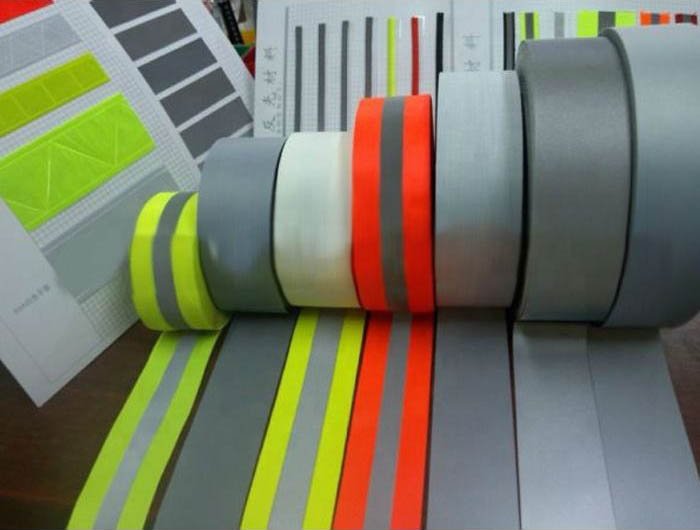
Figure 1: Microstructure of professional-grade reflective tape with visible glass beads embedded in the adhesive backing.
Reflective vs. Retroreflective: The Critical Difference
Understanding the distinction between these two terms is crucial for anyone responsible for workplace safety. Many safety managers use these words interchangeably, but they represent entirely different optical phenomena.
Reflective Materials
- • Reflects light in multiple directions
- • Visible primarily in daylight
- • Relies on natural luminosity or ambient light
- • Examples: white paint, fluorescent vests
- • Night visibility: Very Limited
Retroreflective Materials
- • Redirects light back to source
- • Highly visible in low-light conditions
- • Uses engineered optical elements (beads/prisms)
- • Examples: safety tape, road signs, hi-vis apparel
- • Night visibility: Excellent (1000+ feet)
Real-World Analogy: A mirror is reflective—it bounces light away from itself to other locations. Your retroreflective safety vest is the opposite—it captures light from a vehicle’s headlights and acts like thousands of tiny mirrors all aimed precisely back at the driver. That’s why a construction worker wearing a quality retroreflective vest becomes a “glowing target” to approaching traffic at night, while a worker in a plain white shirt remains nearly invisible.
How Retroreflective Tape Works: The Science
The magic of retroreflective tape lies in its layered construction. Unlike a simple reflective coating, a well-engineered retroreflective tape contains several carefully designed layers, each serving a specific optical purpose.
Layer 1: Optical Elements (Glass Beads or Microprisms)
Embedded in the upper adhesive layer, these tiny spheres or prisms are the workhorses. When light enters a glass bead, it refracts (bends) due to the curved surface, traveling deeper into the bead.
Layer 2: Reflective Backing
Behind each bead, a metallic reflective coating (usually aluminum or silver) bounces the converged light beam backward.
Layer 3: Adhesive Matrix
Holds the beads in place while filling the spaces between them, creating a uniform optical surface.
Layer 4: Backing Substrate
Provides structural support and often features foam or polyester for durability and conformity to curved surfaces.
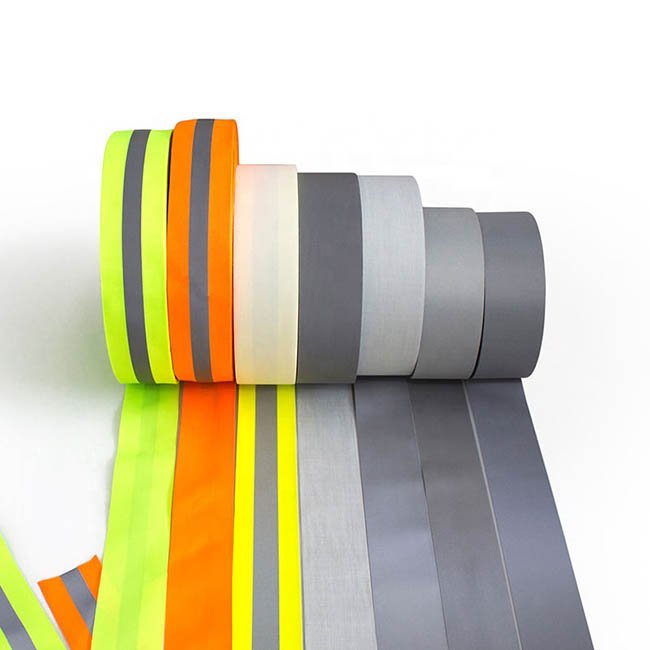
Figure 2: Layered construction of professional retroreflective tape—each layer serves a critical optical function.
When a vehicle’s headlight beam strikes the tape at a shallow angle (which is typical in real-world nighttime driving scenarios), each glass bead acts as a lens. The light converges toward the reflective backing layer, bounces off the metallic coating, and travels back through the bead along nearly the same path it entered. This back-scattering efficiency is what creates the extraordinary brightness that allows drivers to spot safety personnel from 1,000+ feet away.
🔬 Physics in Action: The coefficient of refractive index in the glass (typically 1.5–1.9) is carefully chosen so that light entering the bead converges at precisely the depth of the reflective backing. This is not accidental—it’s the result of decades of materials science research.
Glass Beads: The Foundation Technology
Glass beads have been the dominant retroreflective technology for decades, and for good reason. They are cost-effective, well-understood, and deliver consistent performance when manufactured to strict specifications.
How Glass Bead Retroreflectivity Works
A typical retroreflective tape contains glass beads with diameters ranging from 90 to 200 microns (a human hair is roughly 75 microns wide). The exact diameter determines the tape’s optical performance and viewing angle range. Larger beads produce brighter retroreflection but work well only at shallow angles; smaller beads maintain performance across wider angles but with slightly less peak brightness.
Bead Size vs. Performance Trade-Off:
-
⚫
Larger Beads (150–200 μm)
Superior brightness at normal angles; ideal for highway signs and high-speed applications.
-
⚫
Medium Beads (100–150 μm)
Balanced performance; excellent for general safety apparel and daytime/nighttime visibility.
-
⚫
Smaller Beads (80–110 μm)
Wider viewing angle; suitable for applications where observers approach at extreme angles.
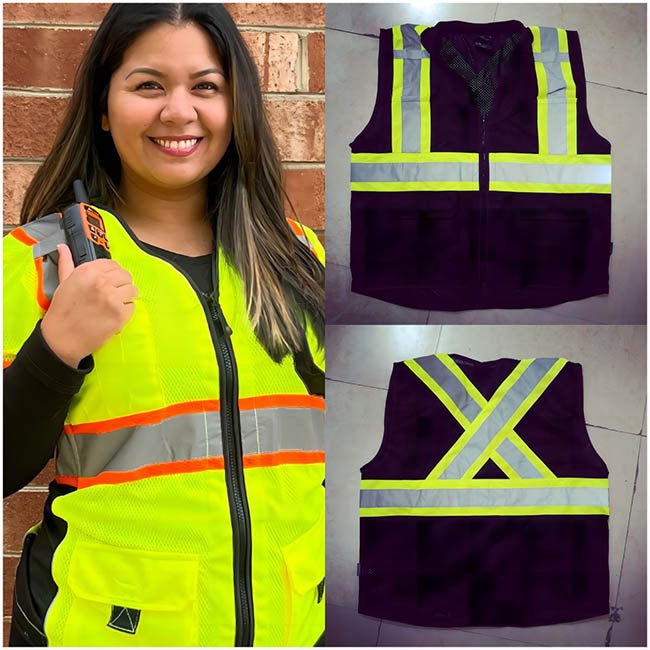
Figure 3: Microscopic examination of glass bead uniformity—quality control ensures consistent sphere diameter and spacing.
The Refractive Index Advantage
The refractive index of glass used in retroreflective tapes (typically 1.52–1.93) is critical. This value determines how strongly light bends as it enters the bead. According to peer-reviewed materials science research on optical properties, the optimal refractive index creates a focal point precisely at the depth of the reflective backing layer. If the glass’s refractive index is too low, the light doesn’t converge tightly; if too high, the focus point moves beyond the backing, reducing efficiency.
Durability Challenges with Glass Beads
Despite their effectiveness, glass beads have limitations. The reflective coating on the back surface can be degraded by:
- UV radiation: Degrades the reflective layer over time, especially in outdoor applications
- Moisture intrusion: Water penetrating between layers causes oxidation and coating failure
- Mechanical abrasion: Washing, friction, and contact wear away the reflective backing
- Thermal cycling: Freezing and thawing cycles can crack beads or separate layers
This is why higher-quality retroreflective tapes incorporate UV-stabilized coatings and advanced adhesive systems that resist moisture—they’re investments in durability and long-term safety performance.
Microprisms: The Next Generation
In recent decades, a more sophisticated retroreflective technology has emerged: microprisms (also called corner cubes or retroreflectors). Instead of spheres, these materials use precisely engineered pyramid or cube-shaped structures that achieve superior optical efficiency.
How Microprisms Differ from Glass Beads
While glass beads are spheres that refocus light at a depth inside the material, microprisms are multi-faceted structures where three perpendicular faces act like interconnected mirrors. Light entering the prism bounces off multiple faces and emerges traveling almost exactly parallel to its incident direction—achieving retroreflection with geometrical perfection rather than relying on refraction alone.
Advantages of Microprism Technology
✓ Superior Peak Brightness
Microprisms can achieve CPL values of 500+ compared to 200–300 for quality glass bead tapes, making objects visible from even greater distances.
✓ Consistent Viewing Angle
Microprisms maintain performance across a broader range of observation angles, crucial for complex, multi-directional lighting environments.
✓ Better Durability
The reflective mechanism relies on geometry rather than a coating, so microprism tapes resist UV degradation and maintain performance through extended washing cycles.
✓ Superior Weather Resistance
Microprisms perform consistently in rain, fog, and harsh environmental conditions where glass bead tapes may degrade.
The Trade-Off: Cost
The primary limitation of microprism technology is cost. Precision engineering of microprisms is more expensive than manufacturing glass beads, making microprism-based tapes 2–5 times costlier than quality glass bead alternatives. This is why microprism tapes are typically reserved for premium applications: high-speed highways, emergency vehicle markings, and specialized industrial safety clothing where durability and maximum visibility justify the investment.
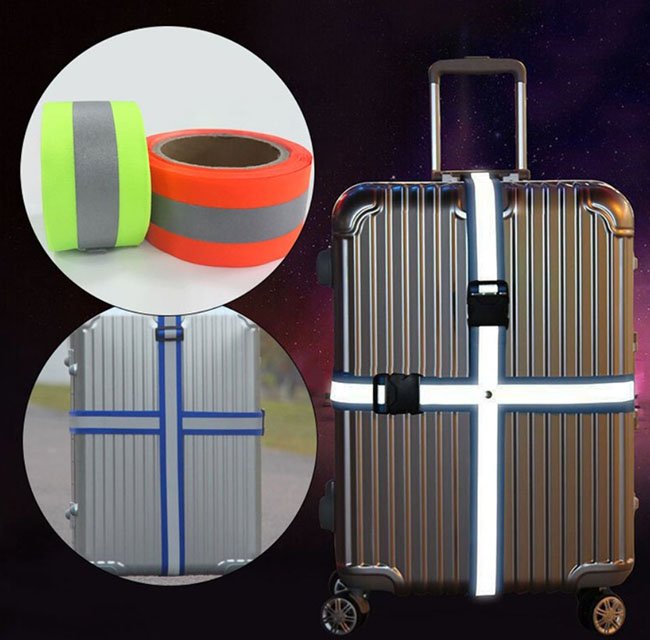
Figure 4: Microscopic comparison—glass beads (spherical) vs. microprisms (pyramidal structures) in retroreflective films.
Understanding Performance Metrics
When comparing retroreflective materials, understanding the terminology used in specifications is essential. These metrics directly correlate to real-world safety performance.
Key Performance Specifications
1 CPL (Coefficient of Luminous Intensity)
CPL measures the brightness of the retroreflective material. It represents how much light is reflected back toward the source at a standard observation geometry.
Typical Values: Basic tape: 100–150 CPL | Quality tape: 200–350 CPL | Premium tape: 400–500+ CPL
Safety Implication: Higher CPL = visible from greater distances at night
2 RA (Retrorreflectance Angle)
RA indicates the range of angles at which the material maintains retroreflective performance. A wider RA is advantageous for complex geometry scenarios.
Typical Values: ±20° to ±30° for glass beads | ±40° to ±60° for microprisms
3 Color Retention
While retroreflectivity depends on light reflection, color saturation affects daytime visibility and brand recognition.
Measured By: Color fastness testing standards (ISO 105, EN ISO 11086)
Impact: Faded colors reduce daytime visibility and make materials look worn, reducing compliance with safety standards
4 Durability (Wash/Abrasion Cycles)
Specified in how many industrial wash cycles the tape retains a percentage (typically 70–80%) of its original retroreflective performance.
Example: “Retains 80% CPL after 50 home laundry cycles” or “500 industrial wash cycles”
Standards That Define These Metrics
Different regions specify retroreflective performance using standardized tests:
- • EN ISO 20471 (Europe): Defines three performance levels for hi-vis clothing; Level 3 requires highest retroreflectivity
- • ANSI/ISEA 107 (North America): Specifies performance based on garment type and application environment
- • AS/NZS 1906.4 & 4602.1 (Australia/New Zealand): Aligns with international standards but includes additional climate-specific requirements
Real-World Applications and Safety Impact
Understanding retroreflectivity is not merely academic—it’s directly connected to preventing workplace injuries and fatalities. Let’s examine how retroreflective technology saves lives in specific, high-risk environments.
High-Risk Industries Where Retroreflectivity is Critical
🛣️ Road Work & Highway Maintenance
Road construction workers operate in the most dangerous visibility conditions. A worker illuminated only by approaching vehicle headlights must be visible from 1,000+ feet to give drivers adequate reaction time.
Requirement: EN ISO 20471 Level 3 or ANSI/ISEA 107 Class 3 garments with high-CPL retroreflective tape
🚂 Railway & Metro Operations
Railway workers face lateral lighting from trains traveling at high speeds. Retroreflective coverage on chest, back, and sleeves ensures visibility from all directions.
Requirement: Enhanced retroreflective strips meeting EN 20471 with minimum 200+ CPL
⛏️ Mining & Underground Work
Even in controlled underground environments, miners rely on retroreflective vests to be visible in headlamp-only lighting at distances of 200+ feet.
Requirement: Specialized industrial reflective tape rated for mine-legal compliance
📦 Logistics & Warehouse Operations
Forklift operators, dock workers, and warehouse staff require retroreflective visibility in low-light warehouse environments and vehicle-worker interfaces.
Requirement: Minimum ANSI Level 2 or EN 20471 Level 2 coverage
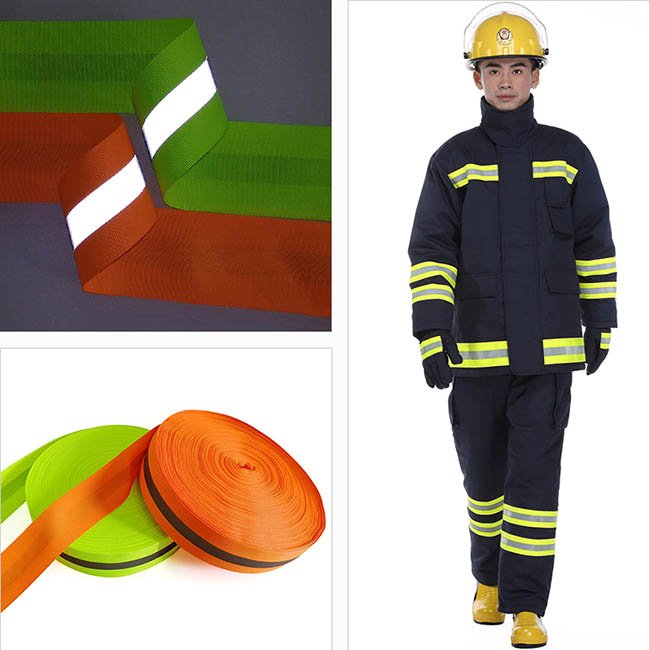
Figure 5: Real-world applications—retroreflective tape saves lives across multiple industries by ensuring visibility in critical low-light scenarios.
The Mathematics of Safety
Consider the physics of a nighttime roadway scenario: A vehicle traveling at 55 mph (88 km/h) has approximately 5.5 seconds of distance before impact at a sight distance of 300 feet. That’s the critical reaction-braking window. According to research published by the National Association of City Transportation Officials, retroreflective materials visible at 1,000+ feet provide a safety margin that can mean the difference between a near-miss and a fatality.
This is why the difference between reflective and retroreflective is not just semantic—it’s a quantified safety advantage measured in the distance at which a worker becomes visible to approaching traffic.
Frequently Asked Questions
What is the difference between reflective and retroreflective materials? +
A mirror is reflective—it bounces light away from the source in multiple directions. Retroreflective material is engineered to capture light and redirect it precisely back to its source. A mirror makes a poor safety material because it sends light in random directions. Retroreflective tape becomes a “glowing beacon” visible at 1,000+ feet.
How do glass beads in reflective tape work? +
Glass beads embedded in retroreflective tape act as tiny lenses. When light from a vehicle’s headlights hits a bead at an angle, it refracts (bends) through the curved glass surface, converges toward the reflective backing layer, bounces off the metallic coating, and travels back through the bead to return to the driver’s eyes. The diameter of the beads (typically 90–200 microns) determines the brightness and viewing angle of the retroreflection.
What does CPL mean in reflective tape specifications? +
CPL stands for Coefficient of Luminous Intensity. It measures the brightness of retroreflective material without light source attached to it—essentially how efficiently the material reflects light back toward its source. Higher CPL values mean better visibility at greater distances. Premium industrial tapes typically have CPL values of 200–500+, while basic consumer tapes might be 80–150. For a worker in a dark environment at night, the difference between 150 CPL and 300 CPL is the difference between being visible at 600 feet versus 1,200 feet.
What are microprisms and how do they differ from glass beads? +
Microprisms are precision-engineered pyramid or cube-shaped optical elements that replace glass beads in advanced retroreflective materials. Instead of refracting light like a sphere, microprisms use three perpendicular faces that act as interconnected mirrors. Light bounces off these faces and returns along nearly the same path it came from, achieving retroreflection through geometry rather than refraction. Microprisms offer superior brightness (CPL 500+), wider viewing angles, and better durability, but cost 2–5 times more than glass bead alternatives.
Why does retroreflective tape degrade over time? +
Retroreflective materials degrade due to several mechanisms: (1) UV exposure degrades the reflective coating on the back of glass beads; (2) Moisture intrusion causes oxidation of the reflective layer; (3) Mechanical abrasion from washing or friction removes the reflective backing; (4) Thermal cycling (freeze-thaw) can crack beads or separate layers. Quality retroreflective tapes with UV-stabilized coatings and advanced adhesives maintain performance longer. This is why investing in premium materials often provides better long-term value.
How does retroreflectivity differ between day and night visibility? +
Daytime visibility relies primarily on the saturation and brightness of the fluorescent color in the retroreflective material (yellow-green being the most visible). Nighttime visibility depends almost exclusively on retroreflectivity—the material’s ability to capture vehicle headlights and send them back to the driver’s eyes. This is why professional hi-vis clothing combines both: bright fluorescent base color for day + high-CPL retroreflective tape for night. In pure darkness, a white vest would be nearly invisible; a retroreflective vest becomes a glowing beacon.
Which international standards govern retroreflective performance? +
Major standards include: EN ISO 20471 (Europe) with three performance levels based on retroreflective area; ANSI/ISEA 107 (North America) with Class 1, 2, and 3 based on visibility distance; and AS/NZS 1906.4 & 4602.1 (Australia/New Zealand). These standards specify minimum retroreflective area, minimum brightness (CPL), and color requirements. Compliance ensures that workers meet legally recognized safety benchmarks.
Optimize Your Safety with Premium Retroreflective Materials
Understanding retroreflectivity is the first step. The next step is selecting materials that deliver consistent, measurable performance. Whether you’re outfitting a construction team or a distribution center, we can help you find the right retroreflective solution for your specific industry needs.
Get a Custom Safety RecommendationDiscover Our Retroreflective Solutions
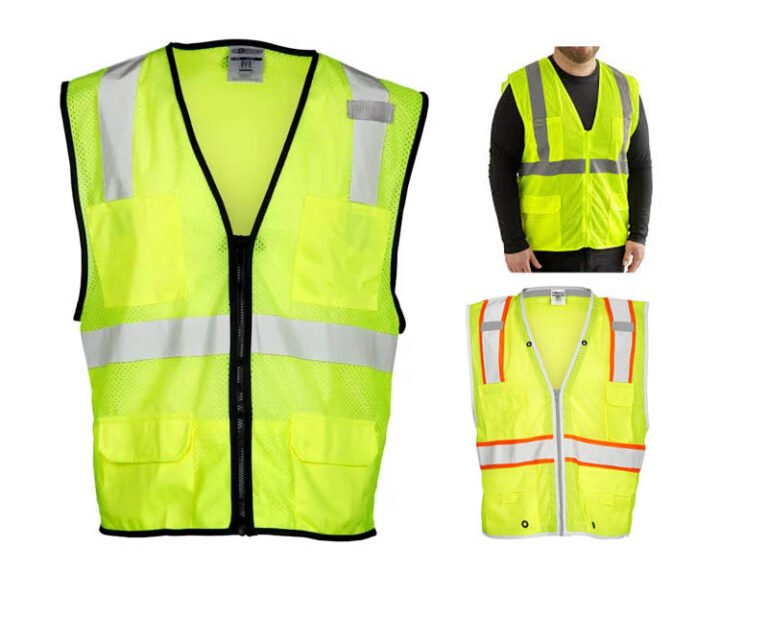
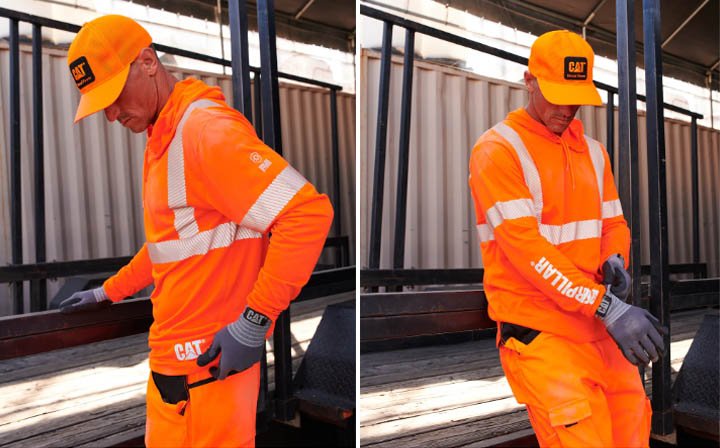
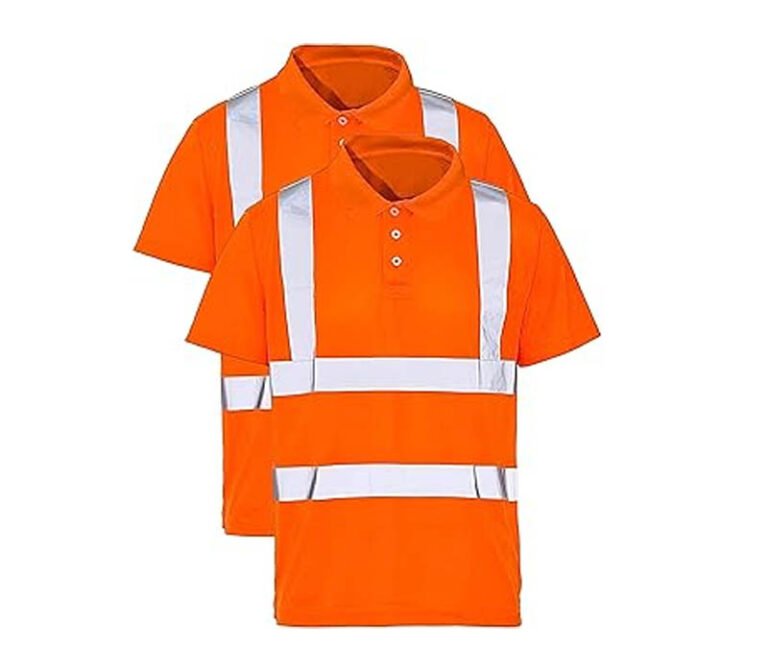
Now that you understand the science behind retroreflectivity, explore how this technology is implemented in professional-grade industrial reflective tape and comprehensive safety apparel solutions. At VizGlo Safety, we leverage advanced retroreflective materials—both traditional glass bead and cutting-edge microprism technologies—to create high-visibility clothing that keeps workers visible and safe in the most demanding environments.
Whether you need standard retroreflective tape for OEM applications or custom safety garments engineered to exceed international standards, our team of experts can design solutions tailored to your specific industry requirements. Visit our reflective tape product center to discover the full range of materials available.
Additional Resources & References
For readers interested in deeper technical knowledge, here are authoritative external resources:
- → ISO 20471: High-Visibility Clothing and Accessories (International Organization for Standardization)
- → ANSI/ISEA 107 Standard for High-Visibility Safety Apparel (National Fire Protection Association)
- → Journal of Optical Materials – Research on Retro-reflective Optical Systems
- → NIOSH – Visibility and Worker Safety Research
- → FHWA – Safety Resources for Road Work and Highway Visibility
- → AS/NZS 1906 & 4602 – Australian/New Zealand High-Visibility Standards
The Bottom Line: Retroreflectivity Saves Lives
Retroreflectivity is far more than a technical specification—it’s a scientifically engineered safety system that transforms invisible workers into visible ones in critical low-light environments. The difference between ordinary reflective materials and true retroreflective tape can mean the survival difference for someone working near traffic or in darkness.
Whether through time-tested glass bead technology (CPL 200–350) or advanced microprism systems (CPL 500+), retroreflective materials ensure that workers are visible when it matters most—at night, in fog, and at the exact moment when a driver’s split-second reaction can prevent a tragedy. This is the physics of safety, and it works.
The next time you see a worker wearing a retroreflective vest glowing under vehicle headlights, remember: that visibility isn’t accidental. It’s the result of decades of optical engineering, careful material selection, and a commitment to keeping people safe.
About VizGlo Safety Technology
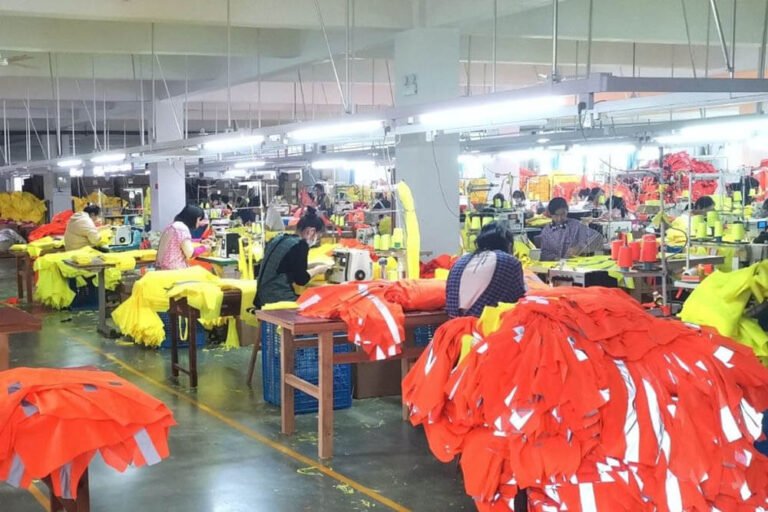
Nanjing VizGlo Safety Technology Co., Ltd. is a leading manufacturer of high-visibility safety apparel and retroreflective materials, serving clients across 50+ countries. With over 15 years of industry expertise, VizGlo specializes in OEM/ODM solutions that combine cutting-edge retroreflective technology with rigorous quality standards to keep workers safe in the world’s most demanding environments. From industrial reflective tape to custom safety garments, VizGlo’s mission is to make every worker visible, protected, and accounted for.
Learn more: Visit VizGlo Safety