What is EN ISO 20471? A Simple Explanation for Safety Managers
If you’re responsible for workplace safety, you’ve probably seen “EN ISO 20471 compliant” stamped on hi-vis vests and workwear. But do you really understand what this certification means—and more importantly, does it guarantee your team gets adequate protection? This guide cuts through the jargon to explain the standard and reveal the critical detail most safety managers miss.
What is EN ISO 20471?
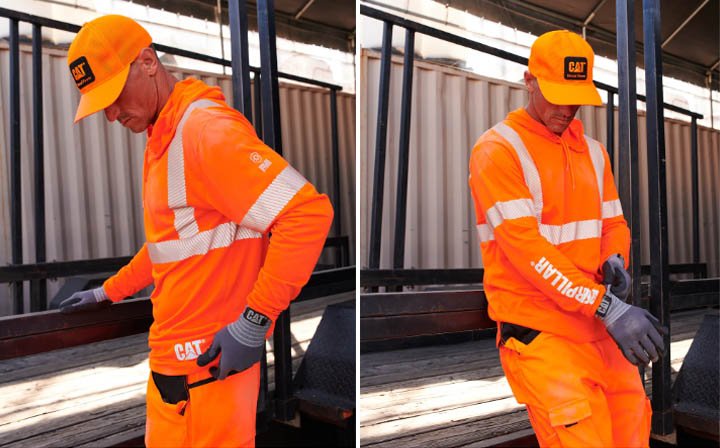
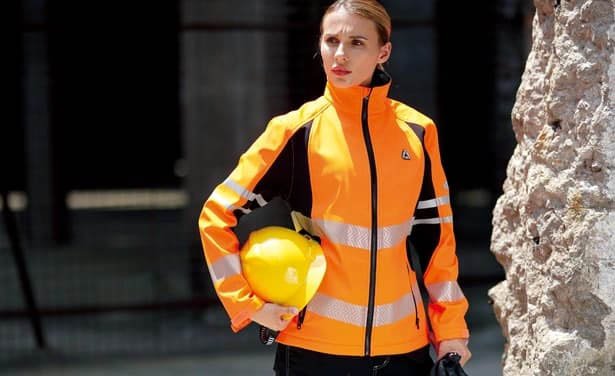
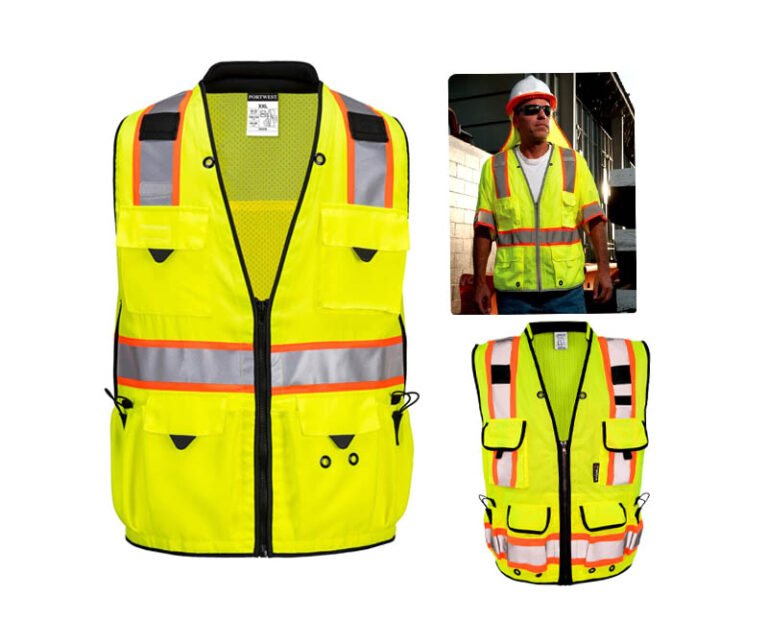
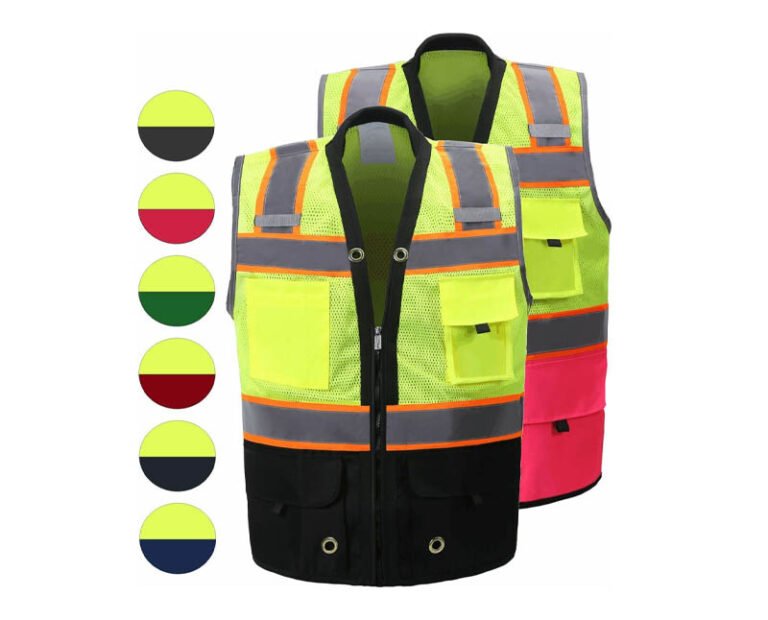
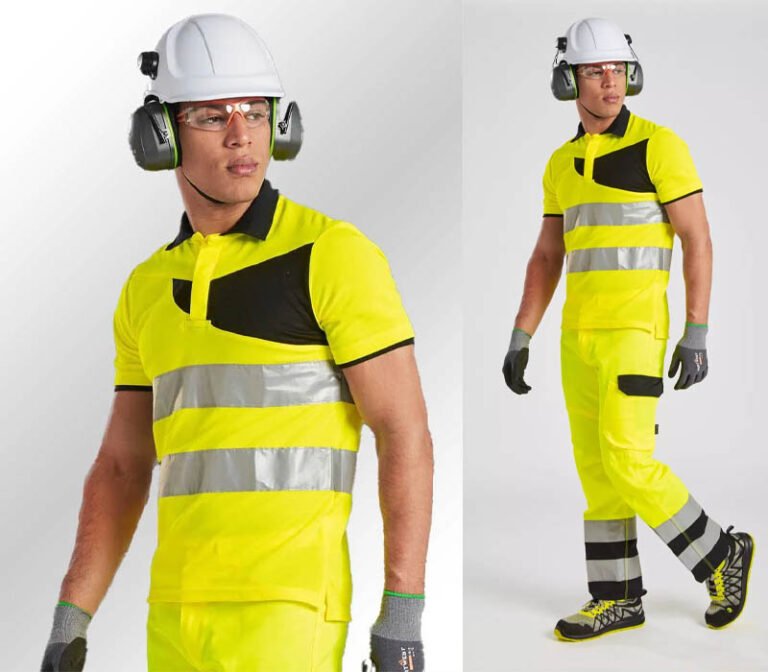
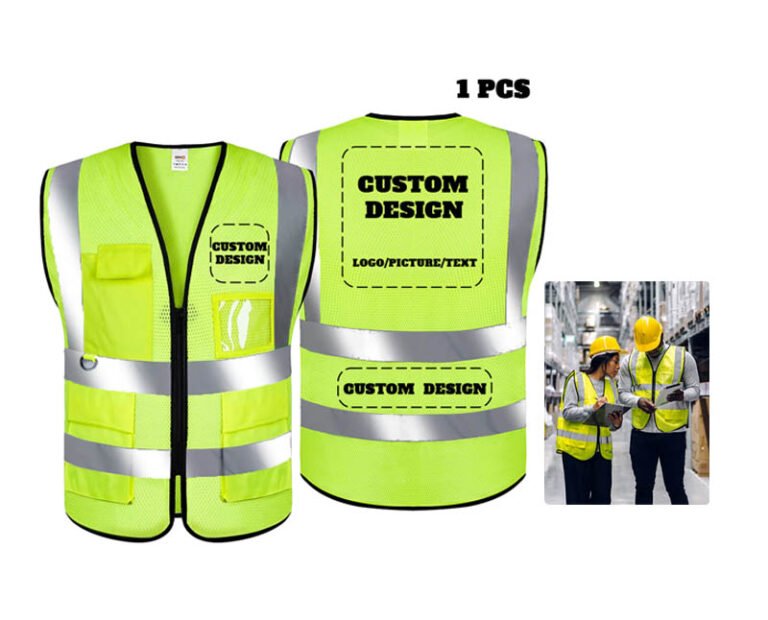
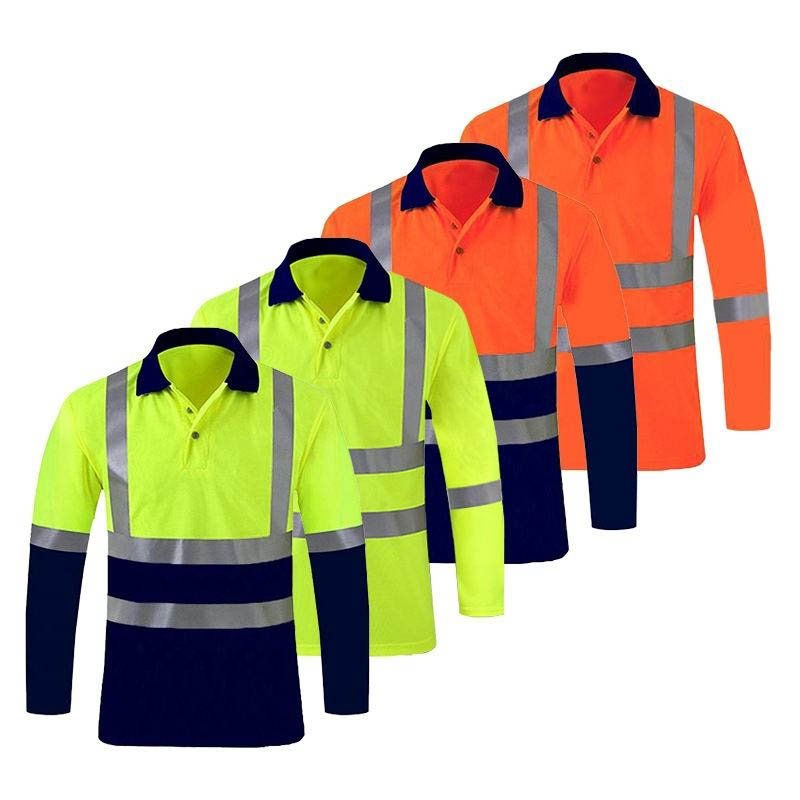
EN ISO 20471 is a European standard that specifies requirements for high visibility safety clothing. Published by the European Committee for Standardization (CEN), this standard establishes minimum performance requirements for garments designed to be easily and quickly noticed in daylight and from artificial light sources, particularly during low-visibility conditions like dawn, dusk, fog, or nighttime work. The standard isn’t just a certification box to check—it’s a technical specification that defines exact measurements for reflective material coverage, color requirements (fluorescent yellow, orange, or red-orange), and retro-reflectivity levels. Think of it as a blueprint: when a safety vest carries the EN ISO 20471 mark, it means the manufacturer has verified that the garment meets precise performance standards for visibility, ensuring workers remain visible to approaching vehicles, equipment operators, and other hazards.
💡 Key Point: EN ISO 20471 is recognized across Europe, Australia, and many other regions as the gold-standard certification for hi-vis workwear. If your operations span multiple countries, this standard often simplifies compliance.
Why Does This Standard Matter?
Visibility saves lives. According to road traffic statistics and occupational injury reports, one of the most significant factors in preventing accidents involving workers is their visibility to approaching traffic and moving equipment. Workers in construction, road maintenance, logistics, mining, and transportation face constant exposure to vehicles and machinery operating at speed. A single moment of poor visibility—a driver not seeing a worker in dim light, an equipment operator missing a team member’s presence—can result in tragedy.
EN ISO 20471 exists because standardized visibility requirements work. The standard ensures that no matter which manufacturer produces your hi-vis vest, or which distributor you purchase from, the garment will meet consistent performance benchmarks. This predictability is crucial for safety managers: you can trust that a certified vest will deliver the visibility level you’ve selected for your workplace risk profile.
✓ Benefits of Compliance
- • Verifiable protection level
- • Legal compliance in EU regions
- • Reduced accident risk
- • Insurance coverage protection
✗ Risks of Non-Compliance
- • Unpredictable visibility
- • Regulatory violations
- • Liability exposure
- • Insurance disputes
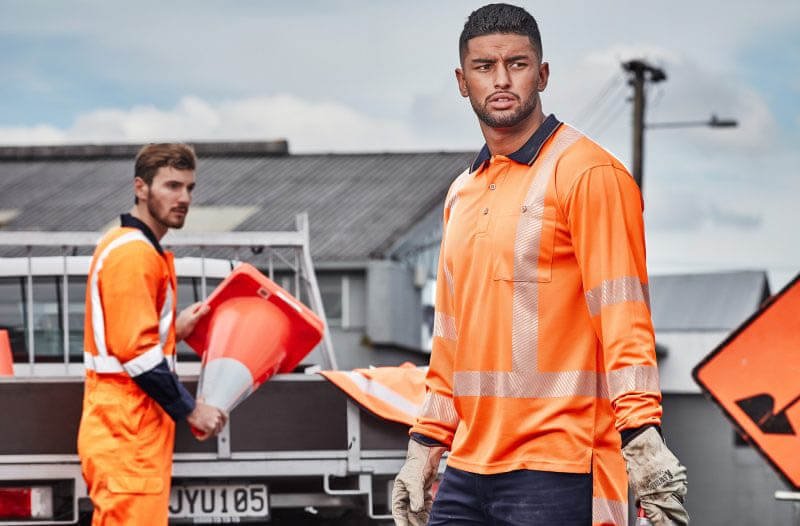
The Three Classes Explained: This is Where Most Managers Get Lost
Here’s where the standard matters most: EN ISO 20471 defines three performance classes. Many safety managers see “EN ISO 20471 compliant” and assume all certified garments are equivalent. They are not. The class designation is critical because it indicates the minimum visible surface area of reflective and fluorescent material, as well as the retro-reflectivity performance levels. Choosing the wrong class is like installing a fire extinguisher that works on wood fires in a facility with electrical fires—it looks compliant but it fails where it counts.
Class 1: Lower Risk Environments
Class 1 is for lower-speed, lower-risk environments where visibility is less critical. Typical uses include parking attendants, warehouse staff, or security personnel in low-traffic areas.
- Minimum visible area: 0.14 m² of reflective material
- Typical applications: Warehouse, parking, daytime work in low-speed zones
- Risk level: ⭐ Low
Class 2: Moderate Risk (Most Common)
Class 2 is the workhorse of workplace safety, used in construction sites, delivery operations, and light industrial environments. It provides solid visibility for moderate-risk scenarios where workers are exposed to traffic at speeds up to roughly 40 km/h.
- Minimum visible area: 0.50 m² of reflective material
- Typical applications: Construction, delivery, light industry, mixed traffic
- Risk level: ⭐⭐ Moderate
Class 3: High Risk (Maximum Protection)
Class 3 is the maximum visibility tier, designed for the highest-risk environments. Highway workers, emergency responders, and personnel working in high-speed traffic zones require Class 3 protection. This class mandates the most extensive reflective coverage and the highest retro-reflectivity performance.
- Minimum visible area: 0.80 m² of reflective material
- Typical applications: Highway work, emergency services, high-speed traffic zones
- Risk level: ⭐⭐⭐ High
⚠️ Critical Alert: A Class 2 vest is NOT simply “a lite version” of Class 3. The difference in reflective coverage area (0.50 m² vs 0.80 m²) and retro-reflectivity standards represents a substantially different visibility profile. Using Class 2 for highway work is a compliance failure waiting to happen.

The Critical Mistake Most Safety Managers Make
Here’s where my years of experience in workplace safety reveals the biggest oversight: Safety managers often treat EN ISO 20471 certification as a one-size-fits-all compliance checkbox. They see the certification mark, verify the garment is “compliant,” and move on. What they miss is matching the class rating to their actual workplace risk profile.
Real Example: Highway Contractor Disaster
I consulted with a highway maintenance company that equipped all workers with Class 2 vests to cut costs. The vests were EN ISO 20471 compliant—technically. But highway speeds demand Class 3 visibility. After a near-miss incident where a high-speed driver almost struck a worker, their insurance company flagged the non-compliant class selection. The company faced potential coverage denial, legal liability, and regulatory fines. The cost of their “savings” was far greater than the difference between Class 2 and Class 3 vests.
Lesson: Compliance is not the same as adequate protection. You need compliance AND the right class.
The mistake happens because safety managers often prioritize budget over risk assessment. They ask, “What’s the cheapest EN ISO 20471 vest?” when they should ask, “What class does our workplace risk profile require?” Buying Class 2 vests for highway workers is like buying liability insurance for homeowners when you operate a commercial shipping fleet—it’s not adequate coverage.
How to Select the Right Class for Your Team
The first step in protecting your team is conducting an honest risk assessment. This isn’t bureaucracy—it’s the foundation of any sound safety strategy.
Step 1: Assess Your Actual Workplace Risk
Ask these questions about your work environment:
- • What types of vehicles or equipment operate near workers?
- • What are typical speeds (parking lot vs. highway)?
- • What lighting conditions do workers encounter during shifts (daylight, dusk, artificial light)?
- • How frequent is worker exposure to traffic or equipment hazards?
- • Have there been near-miss incidents? What were the circumstances?
Step 2: Match Risk Profile to Class
| Work Environment | Recommended Class | Why |
|---|---|---|
| Parking lots, warehouses, daytime work | Class 1 | Low vehicle speed, good lighting |
| Building sites, delivery zones, mixed traffic | Class 2 | Moderate speeds, variable lighting |
| Highways, emergency response, high-speed zones | Class 3 | High speeds, critical visibility needs |
Step 3: Ensure Quality Beyond the Label
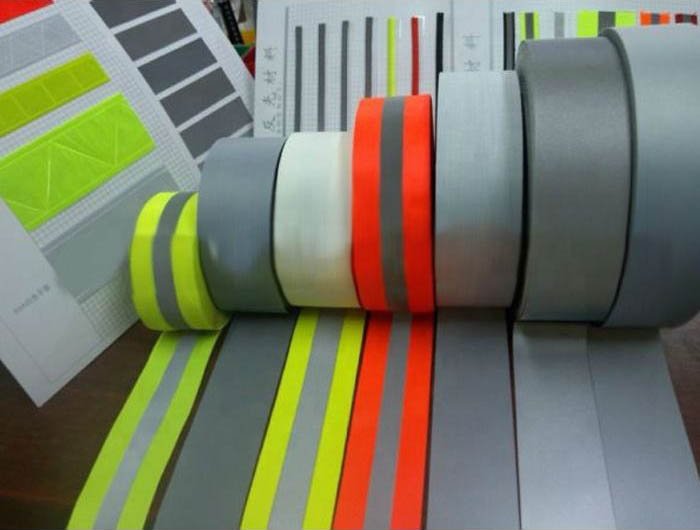
Certification is the floor, not the ceiling. When sourcing EN ISO 20471 compliant garments, verify that the manufacturer uses premium industrial reflective tape and constructs vests to last through washing cycles. Poor-quality reflective material degrades quickly; after 20-30 washes, inferior materials lose retro-reflectivity and become less visible—even if they started as certified.
Quality Indicator Checklist
- ✓ Does the manufacturer provide test reports for retro-reflectivity?
- ✓ Is wash durability specified (e.g., “maintains performance through 50 washes”)?
- ✓ Are seams reinforced to prevent reflective tape separation?
- ✓ Does pricing align with quality, or is it suspiciously cheap?
Ready to Protect Your Team with Certified Hi-Vis Clothing?
VizGlo Safety specializes in manufacturing premium EN ISO 20471 compliant hi-vis clothing across all three classes. We use industrial-grade reflective materials and offer OEM/ODM customization to match your brand and specific requirements. Get expert guidance on selecting the right class for your workplace.
Request Your Free Safety AssessmentFrequently Asked Questions
Is EN ISO 20471 the only standard I need to know about? ▼
EN ISO 20471 is the European standard. North America uses ANSI/ISEA 107, while Australia/New Zealand use AS/NZS standards. If your operations span regions, you may need to meet multiple standards. However, high-quality hi-vis manufacturers often design garments that comply with multiple standards simultaneously, making transition easier.
How often should I replace hi-vis clothing? ▼
The lifespan depends on maintenance and workplace conditions. Typically, hi-vis vests should be replaced every 1-2 years for regular use, or sooner if visual inspection reveals worn reflective material, fraying, or fading. Workers should report damaged vests immediately—a partially worn reflective strip is less visible than no strip at all.
Can a garment be “EN ISO 20471 compliant” but still inadequate for my workplace? ▼
Yes, absolutely. This is the most important question in this entire guide. A Class 1 vest is technically “EN ISO 20471 compliant” but completely inadequate for highway work. Compliance means meeting the standard’s technical requirements for the stated class. It does NOT mean the class is appropriate for your specific workplace risk. Always start with risk assessment, then select the class, then verify compliance certification.
What about nighttime visibility—does EN ISO 20471 cover that? ▼
EN ISO 20471 specifically addresses visibility in both daylight and under artificial light sources (like vehicle headlights). The standard includes retro-reflectivity requirements, which measure how much light is reflected back to the source—crucial for nighttime visibility when vehicle headlights illuminate your workers. Higher classes (2 and 3) provide better nighttime reflectivity than Class 1.
What’s the cost difference between classes? ▼
Class 1 vests typically cost 20-30% less than Class 2, which cost 15-25% less than Class 3. However, the cost difference is trivial compared to the expense of an accident, injury, legal liability, or insurance denial. A single serious incident can cost hundreds of thousands of dollars—far exceeding the per-unit savings from cheaper, inadequate clothing. Always let risk, not price, drive the decision.
The Bottom Line
EN ISO 20471 is not a one-size-fits-all certification. Yes, it’s an important standard that ensures consistent, measurable safety performance. But the standard only works if you use the right class for your workplace risk profile. A cheap Class 2 vest worn by a highway worker is compliant but inadequate—and it leaves you and your organization dangerously exposed.
Start with risk assessment, not the price list. Identify the actual hazards your workers face. Match that risk profile to the appropriate class. Then, source certified garments from manufacturers who use quality materials and proper construction. This approach—risk-driven rather than compliance-checkbox-driven—is the difference between adequate protection and false confidence.
Your team’s visibility, and potentially their lives, depends on this decision.
Confused About Which Class Your Team Needs?
VizGlo Safety has guided thousands of safety managers through this exact decision. We provide free workplace risk assessments to help you select the right EN ISO 20471 class, and we manufacture premium hi-vis clothing that exceeds standard requirements. Our custom reflective materials and expert team ensure your workers stay visible and protected.
Schedule a Free Risk AssessmentLearn More About Hi-Vis Safety Standards
ANSI/ISEA 107 (North America)
The North American standard for high visibility apparel. Learn how it compares to EN ISO 20471.
View ANSI/ISEA Homepage →EN 343: Protective Workwear Clothing
Learn about this complementary European standard for weather-protective workwear.
EN 343 Information →ISO 10961: Luminescence & Reflectance
The technical foundation for measuring retro-reflectivity in safety garments.
ISO 10961 Details →Workplace Safety Best Practices
Download free resources on conducting workplace risk assessments and selecting PPE.
OSHA Resources →Explore Our Full Range of Reflective Materials
VizGlo manufactures the premium industrial reflective tapes and materials that go into EN ISO 20471 compliant garments. From custom reflective logos to specialized heat-transfer films, we support OEM partners worldwide.
Explore Reflective Materials HubAbout the Author
This article was authored by the VizGlo Safety team, with insights drawn from 15+ years of experience manufacturing and consulting on hi-visibility safety clothing across Europe, North America, and Asia-Pacific regions. Our team works directly with safety managers, distributors, and large enterprises to ensure workplace visibility standards are not just met, but exceeded. We’re committed to translating complex safety standards into actionable, practical guidance that protects workers.