The Ultimate Hi Vis Workwear Checklist for Construction Site Managers
Stop ticking boxes. Start building a culture of safety with workwear that performs as hard as your crew.
“After years of exporting hi-vis workwear across North America, Europe, and Australia, I’ve seen countless construction site managers make the same costly mistake: treating safety apparel purely as a compliance checkbox. They buy the cheapest vests to meet ANSI or EN ISO 20471 standards, only to face low worker compliance because the gear is unbreathable or falls apart after two washes. Let me be clear: true site safety happens when high visibility meets everyday comfort and durability. This checklist isn’t just about avoiding OSHA fines—it’s about investing in gear your crew will want to wear.“

Part 1: The Foundation – Nailing Compliance & Classification
Before we talk about fabric and fit, let’s lock down the non-negotiables. High-visibility standards like ANSI/ISEA 107 (North America) and EN ISO 20471 (Europe) aren’t just bureaucracy; they’re data-driven frameworks designed to save lives in specific environments. Your first task is to match the work environment to the right class of garment.
Here’s a quick-glance guide for a typical construction site:
- Performance Class 2: This is your baseline for most on-site work where traffic is present but does not exceed 25 mph (40 km/h). Workers are separated from traffic, but visibility is key. Think site surveyors, equipment operators, and general laborers working away from active public roadways. The garment must have a minimum amount of fluorescent and reflective material covering the torso.
- Performance Class 3: This offers the highest level of visibility and is mandatory for workers exposed to high-speed traffic (above 25 mph / 40 km/h) or complex backgrounds. This includes flaggers, road construction crews, and anyone working in close proximity to moving vehicles. Class 3 garments require coverage on the sleeves and, often, the trousers.
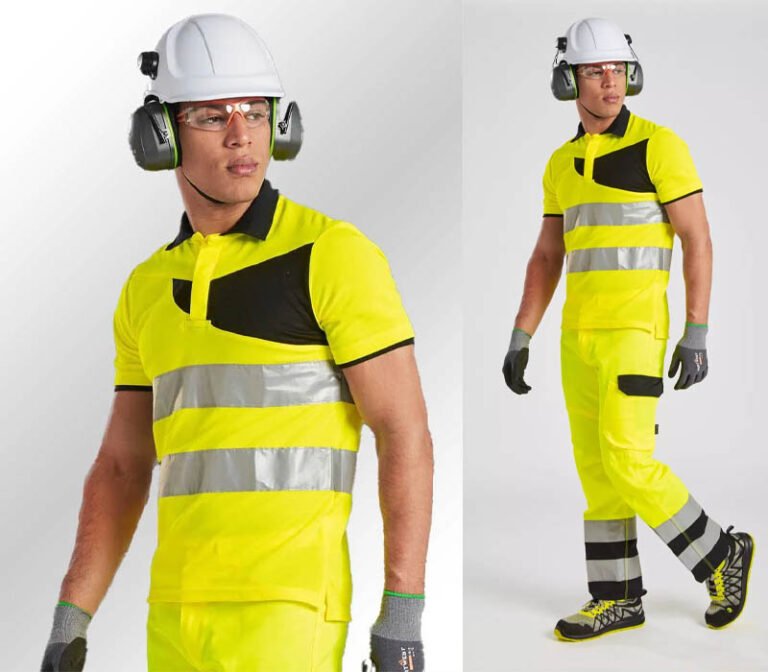
- Class E (Trousers): This classification applies to hi-vis trousers or shorts. When a Class E item is worn with a Class 2 garment, the total ensemble is rated as Class 3. This is a practical way to achieve maximum visibility, especially in colder weather.

Part 2: The Ultimate Selection Checklist (Beyond the Tag)
Compliance gets you in the game. Quality keeps your team safe and productive. Use this checklist when sourcing your next batch of hi-vis gear to ensure you’re making a smart investment.
✅ Fabric & Breathability: Does it work with the worker?
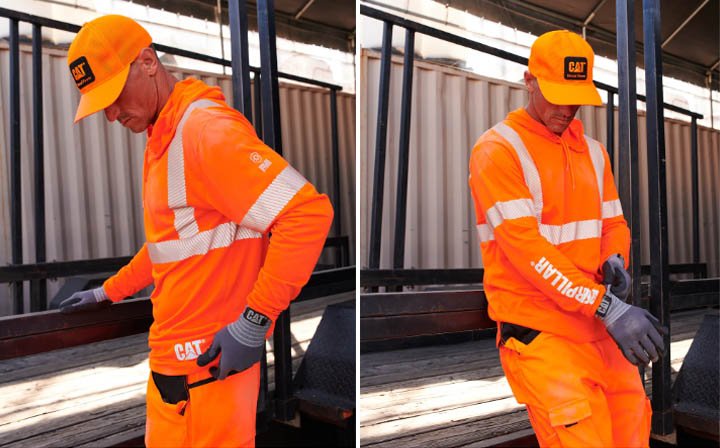
Cheap, non-breathable polyester is a primary reason workers ditch their vests in hot weather. Look for moisture-wicking fabrics (often called “bird’s-eye mesh”) for summer gear. For jackets, consider options with vents. A comfortable worker is a compliant worker.
✅ Reflective Material Quality: Will it last?
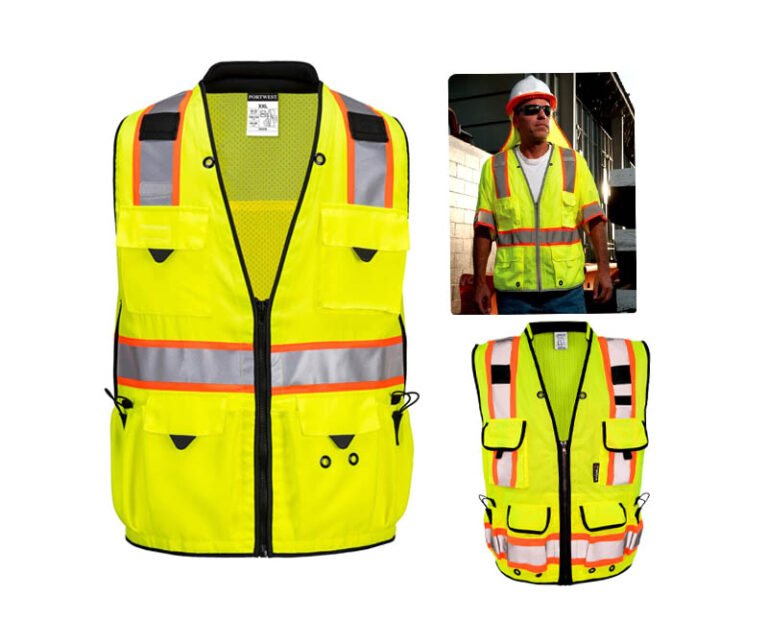
Not all silver tape is created equal. Ask about the tape’s certified wash cycles (e.g., 25, 50 washes). Segmented or perforated reflective tape can increase breathability and flexibility without sacrificing reflectiveness, a major plus for comfort.
✅ Construction & Durability: Is it built for the job?
Look at the details. Are the seams double-stitched? Are the pocket and zipper areas reinforced (bar-tacked)? A well-constructed garment will withstand the rigors of a construction site and deliver a far better return on investment than a flimsy, single-use alternative.
✅ Fit & Functionality: Does it help or hinder?
Poorly fitting gear can be a snag hazard. Look for adjustable waistbands or sides. Consider the tools your crew uses—are there enough durable pockets? Is there a mic tab for communication? The best hi-vis workwear integrates seamlessly into the daily workflow.
✅ Seasonal Versatility: Are you prepared for all conditions?
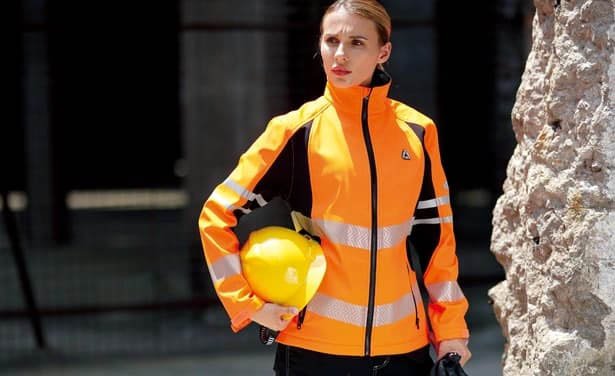
A single vest won’t cut it year-round. Your checklist should include lightweight T-shirts for summer, fleece-lined hoodies for cooler months, and waterproof, breathable rain jackets for bad weather. Providing season-appropriate gear shows your crew you value their well-being.

Part 3: Smart Implementation & On-Site Management
Buying the right gear is only half the battle. A successful program requires a simple, repeatable management process.
-
1.
Institute a Regular Inspection Policy.
Train foremen and workers to inspect their gear at the start of each shift. Look for rips, permanent stains covering fluorescent material, or reflective tape that is cracked or peeling. Faded gear is unsafe gear. Have a clear “retire and replace” protocol.
-
2.
Provide Clear Care Instructions.
Most workers don’t know that high heat or bleach can destroy reflective properties. A simple toolbox talk or a sticker in the breakroom about washing in cold water and hanging to dry can dramatically extend the life of your investment.
-
3.
Lead by Example.
As a site manager, you set the tone. If you’re wearing your PPE correctly, your crew is far more likely to follow suit. Use team meetings to reinforce not just the rules, but the reasons behind them—their safety. This builds a culture, not just compliance.
Ready to Equip a Safer, More Productive Site?
Stop gambling with off-the-shelf solutions. At VizGlo Safety, we are expert manufacturers specializing in OEM/ODM hi-vis workwear that meets your exact specifications for compliance, durability, and worker comfort. Let’s build a program tailored to your site’s unique needs.
Request a Custom QuoteFrequently Asked Questions
How often should hi-vis workwear be replaced? +
There’s no fixed timeline, as it depends on usage and care. A good rule of thumb is to replace any garment when it’s visibly faded, has permanent dirt that reduces fluorescence, or the reflective tape is cracked or missing in sections. A garment that fails to provide adequate visibility is no longer compliant or safe.
What’s the main difference between ANSI 107 and EN ISO 20471? +
Both standards define classes based on minimum areas of fluorescent and reflective material. However, they have different testing methods, classification criteria, and design requirements. For example, EN ISO 20471 requires reflective tape to encircle the torso and sleeves (if present), which is not always a strict requirement in ANSI 107. Always source gear certified for your specific region.
Can we customize workwear with our company logo? +
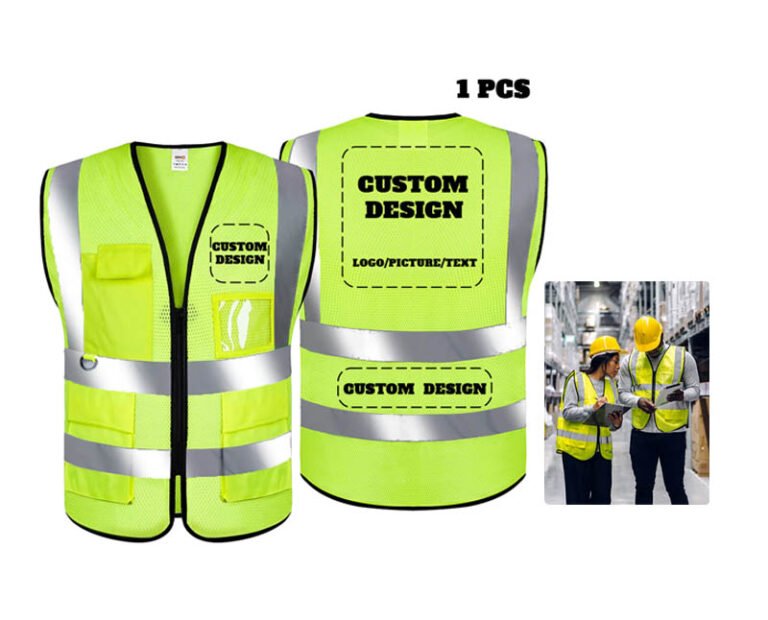
Absolutely. But it must be done correctly. Logos must not cover so much of the fluorescent material that the garment falls below its certified class minimums. We recommend using reflective logo transfers or placing standard logos strategically. As an OEM/ODM manufacturer, this is our expertise—we ensure your branding enhances, rather than compromises, safety.
Is fluorescent yellow-green or orange better? +
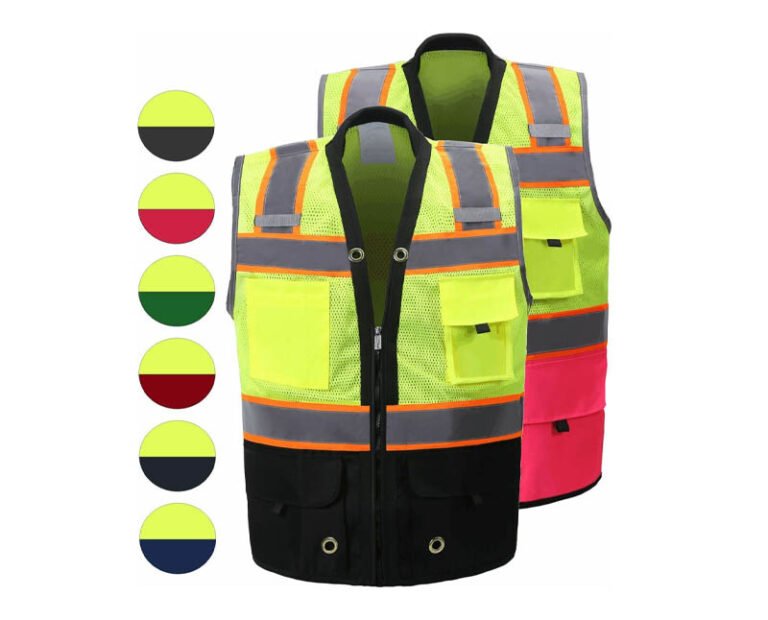
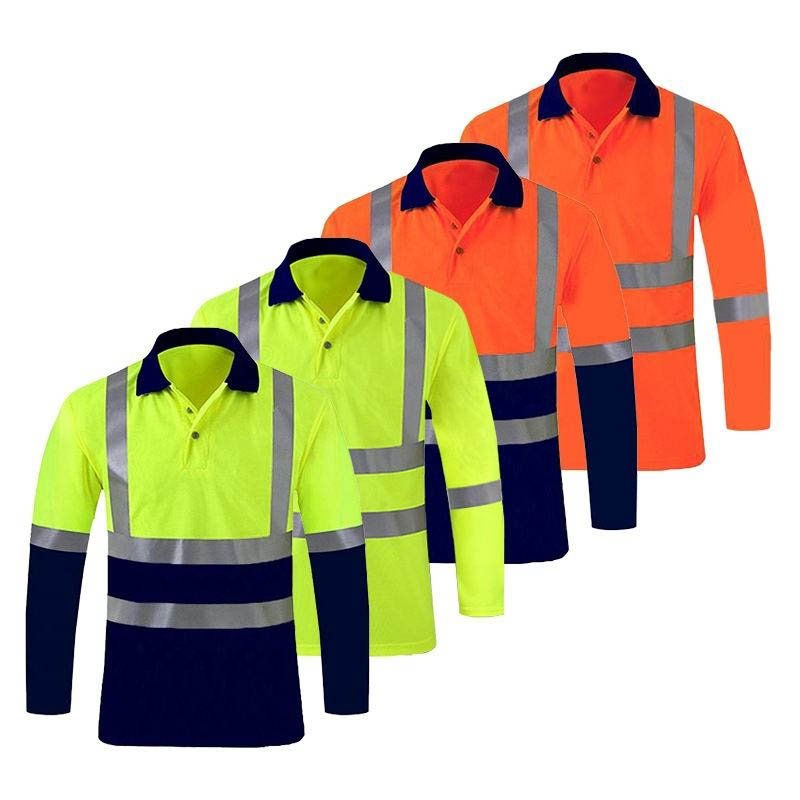
Both fluorescent yellow-green and fluorescent orange are highly effective and compliant. The best choice depends on the work environment. Yellow-green offers the highest contrast in most natural backgrounds (daylight, foliage). Orange offers excellent contrast against snow, and urban environments with lots of concrete and sky. Some companies use color to differentiate roles on a job site.