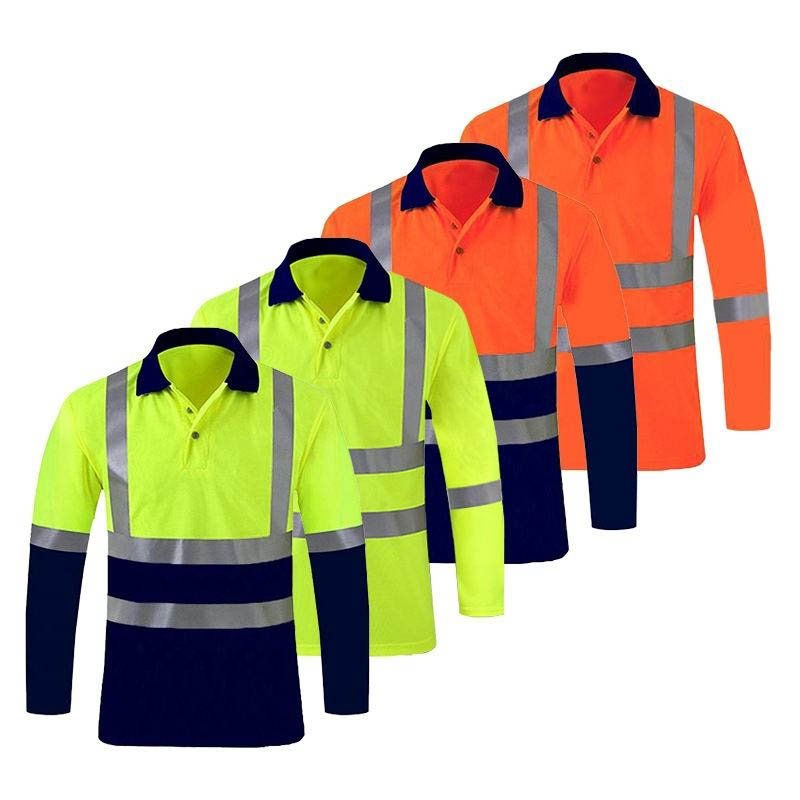
Engineering Grade vs. Prismatic Reflective Tape: Which One Do You Need?
Quick Answer
Engineering grade reflective tape is the ideal choice for budget-conscious procurement when your applications don’t demand extreme visibility or intense reflectivity—think standard warehouse uniforms or everyday construction gear. Prismatic reflective tape, with its superior retro-reflectivity (R.A. values typically exceeding 500 cd/lux/m²), wins when worker safety is non-negotiable in high-speed traffic environments or nighttime rail operations. The real decision isn’t about finding a cheaper knock-off; it’s about matching certified performance—whether ANSI/ISEA 107, EN ISO 20471, or AS/NZS 1906.4—to your specific application, geography, and wash-cycle requirements. Smart B2B buyers analyze the total cost of ownership: initial material cost plus durability across 25 or 50 wash cycles, not just the ticket price per meter.
Understanding Reflective Tape Technology
Before diving into the engineering vs. prismatic debate, let’s establish a fundamental truth: all reflective materials work on the principle of retro-reflection—bouncing light back toward its source. Think of shining a flashlight at a street sign. A good reflective tape reflects that light almost directly back to you, making it visible at night. The differences lie in how much light returns, at what angles, and for how long after repeated washing.
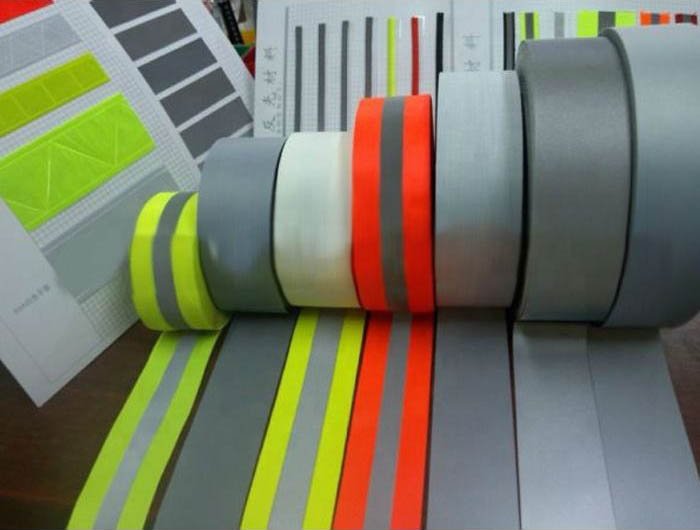
Industrial reflective tapes come in various grades, each engineered for specific performance standards.
The retro-reflectivity coefficient (R.A.) is measured in candela per lux per square meter (cd/lux/m²). This technical metric tells you: if I shine 1 unit of light at this tape, how much comes back at me? Higher numbers mean better nighttime visibility. However, here’s the industry secret that procurement managers need to understand: ANSI/ISEA 107 certification doesn’t require you to buy the highest-grade material—it only requires you meet minimum standards for your specific application class.
Engineering Grade Reflective Tape: The Workhorse Solution
Engineering grade reflective tape represents the middle ground in the reflective spectrum. With R.A. values typically ranging from 75-150 cd/lux/m², it delivers adequate visibility for moderate-risk applications—think warehouse staff, construction workers on daylight sites, or parking attendants.
Key Characteristics of Engineering Grade
- ✓ Glass bead technology for cost-effective light return
- ✓ Extended visibility up to approximately 300 meters
- ✓ Adequate performance maintained through 25-30 wash cycles
- ✓ Meets ANSI 107 Type 2 and EN ISO 20471 Class 2 requirements
- ✓ Budget-friendly per linear meter
Engineering grade tape’s greatest strength? Predictable performance within defined parameters. If your workers are mainly operating in well-lit environments or at moderate speeds (under 40 mph), engineering grade easily satisfies compliance requirements.
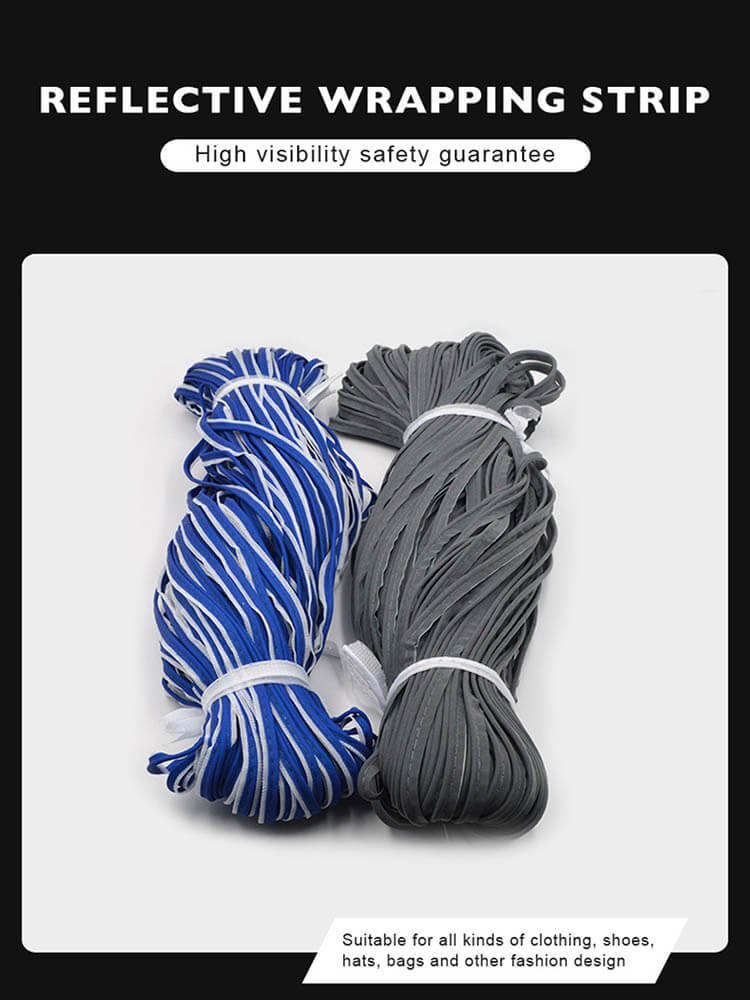
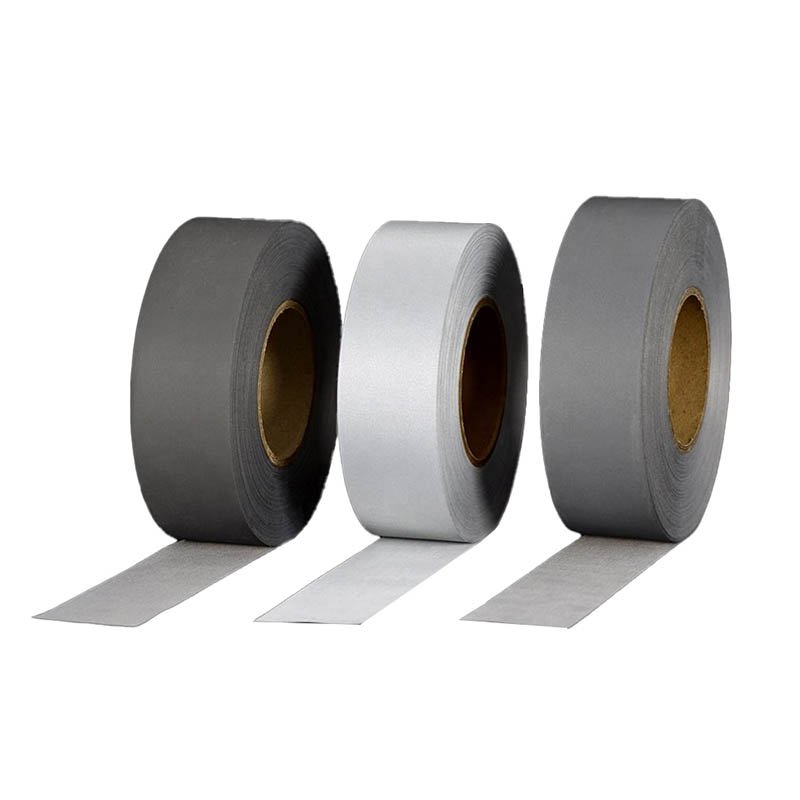
Engineering grade tape uses glass bead technology, providing reliable light reflection at an accessible price point.
However—and this is critical for procurement managers—NFPA standards require higher-grade tapes for first responders and high-speed traffic applications. Engineering grade simply won’t pass certification in these scenarios, no matter how attractive the unit cost.
Prismatic Reflective Tape: Excellence When Lives Depend On It
Prismatic reflective tape represents the pinnacle of reflective technology, utilizing microprism structures rather than glass beads. The result? R.A. values typically exceeding 500 cd/lux/m²—sometimes reaching 700+ for premium grades. This means that on a dark highway, a worker wearing prismatic-taped gear becomes visible from over 1,000 meters away, compared to roughly 300 meters for engineering grade.
Why Prismatic Technology Matters
- ★ Superior retro-reflectivity for extreme low-light/night work
- ★ Enhanced durability maintaining performance through 50+ wash cycles
- ★ Meets ANSI 107 Type 3 and EN ISO 20471 Class 3 (Highest Level)
- ★ Superior performance in wet conditions and at oblique angles
- ★ Industry standard for highways, railways, and emergency services
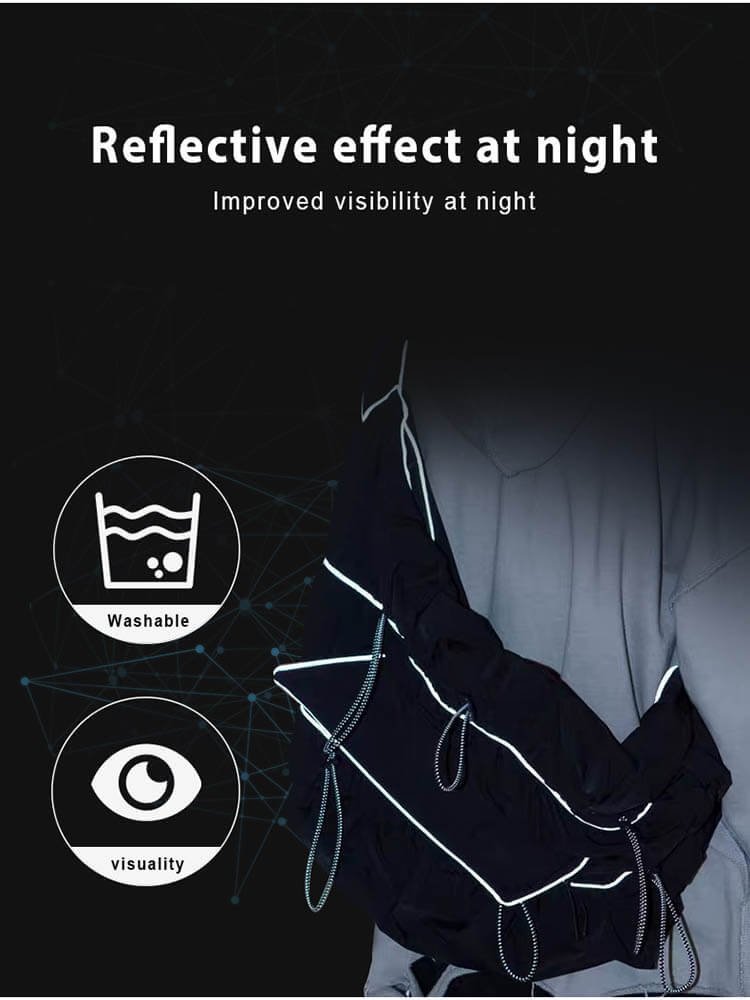
Prismatic tape delivers remarkable visibility in complete darkness, essential for high-risk environments.
The technical difference: Glass beads in engineering grade rely on diffuse reflection, while microprisms in prismatic tape achieve near-perfect retroreflection. This means the light pathway is dramatically more efficient. For procurement teams managing railway crews or highway maintenance workers, this difference isn’t academic—it’s the margin between a near-miss and a fatality.
That said, prismatic tape typically costs 2.5x to 4x more per linear meter than engineering grade. This is where the cost-benefit analysis becomes crucial—and where many organizations make mistakes.
Engineering Grade vs. Prismatic: Head-to-Head Comparison
| Feature | Engineering Grade | Prismatic Grade |
|---|---|---|
| Retro-reflectivity (R.A.) | 75-150 cd/lux/m² | 500-700+ cd/lux/m² |
| Visible Range at Night | ~300 meters | 1000+ meters |
| Washable Cycles | 25-30 cycles | 50+ cycles |
| ANSI Certification | Type 0, Type 1, Type 2 | Type 2, Type 3 |
| Cost per Meter | $0.40-$0.60 | $1.20-$2.00 |
| Typical Application | Low-speed, daytime work | High-speed, night work |
| Best For | Warehouses, construction | Highways, railways, emergency |
Real-World Application Guide: When to Choose Which
The $1 million question: which do you actually need? Here’s a practical decision framework:
Choose Engineering Grade When:
- → Work occurs primarily during daylight hours
- → Vehicle speeds are under 40 mph (warehouses, construction sites)
- → Budget constraints require cost-effective solutions
- → ANSI Type 1 or Type 2 certification suffices for your market
- → Garments will be replaced within 2-3 years anyway
Choose Prismatic Grade When:
- → Work includes highway or rail exposure
- → Significant nighttime operations (delivery, emergency response)
- → Your market demands EN ISO 20471 Class 3
- → Worker safety is non-negotiable (liability concerns)
- → Garments will be re-issued/washed 50+ times
Proper tape application is as important as tape selection—poor installation undermines even premium materials.
Real example from our clients: A Northern European logistics company initially chose engineering grade for their night shift warehouse staff wearing basic reflective bibs. After one near-miss where a forklift operator didn’t see a worker at 15 mph, they switched to prismatic tape. The extra cost? Approximately €0.50 per bib. The liability risk reduction? Immeasurable. This is the conversation smart procurement managers should have internally.
Cost Analysis & Total Cost of Ownership
Here’s where the “it’s cheaper” argument falls apart. Yes, engineering grade costs less per meter. But let’s discuss Total Cost of Ownership (TCO):
TCO Example: 500 Bibs for a Construction Company
Engineering Grade Scenario
- 500 bibs × €0.40/m × 2m = €400
- Replacement after 2 years = €400
- Near-miss incident admin = €2,000 (est.)
- Total TCO: €2,800
Prismatic Grade Scenario
- 500 bibs × €1.40/m × 2m = €1,400
- Replacement after 5 years = €0
- Reduced incident risk = €0
- Total TCO: €1,400
This is why European safety authorities recommend prismatic tape for professional workwear. The initial outlay is higher, but durability and risk management make it economically superior over a 5-year horizon.
Pro tip for procurement teams: Don’t just negotiate based on unit price. Ask your supplier for certified performance data at 25, 50, and 100 wash cycles. Request test reports showing R.A. values over time. A supplier that dodges these questions is probably cutting corners on quality control.
Making Your Decision: A Procurement Manager’s Checklist
Quality control and material consistency are often more important than the raw tape grade selected.
💡 Expert Insight from 15+ Years in Hi-Vis
The smartest procurement managers don’t chase the lowest price per meter. Instead, they ask: “Does this meet required certification for our market? What’s the R.A. value after 25 or 50 wash cycles? Can the supplier provide consistent quality control reports?” The goal isn’t to replace 3M with a cheaper alternative—it’s to find the perfect intersection of cost, compliance, and durability for your specific application. A value-engineered solution that delivers certified performance protects both your workers and your bottom line.
Need Expert Guidance on Reflective Tape Selection?
Our technical team has helped 1,000+ companies worldwide optimize their reflective material sourcing. Get a personalized consultation.
Get Your Material Recommendation →Frequently Asked Questions
Can I mix engineering and prismatic tape on the same garment?
Technically yes, but it’s not recommended. Mixed grades complicate compliance verification and create inconsistent visibility. If your standard requires Class 3 (prismatic), the entire garment must meet that standard. However, some companies strategically use prismatic tape on the front (high-visibility area) and engineering grade on sleeves (lower-risk zones) to optimize cost while maintaining compliance. This requires explicit approval from your certification body and detailed documentation.
How much does reflective tape degrade after washing?
Engineering grade tape typically loses 20-30% of its initial R.A. value after 10 wash cycles, and 50%+ after 25 cycles. Prismatic tape holds much better—typically losing only 5-15% after 25 cycles. This is why “wash cycle count” is crucial when comparing materials. Always request test data showing performance at multiple intervals, not just the fresh-from-the-roll R.A. value.
Is there a “sweet spot” between engineering and prismatic grades?
Yes—some manufacturers produce “Enhanced Engineering Grade” or “High-Visibility Engineering Grade” tape with R.A. values of 200-300 cd/lux/m². These materials offer better performance than standard engineering grade while costing 50-75% less than true prismatic. They’re ideal for transitional applications (moderate vehicle speeds, mixed day/night work). However, verify they still meet your target certification level before specifying them.
Does tape color affect visibility or performance?
Color affects perception but not retro-reflectivity. Fluorescent yellow-green is the industry standard because human eyes perceive it as most conspicuous. However, high-visibility orange and lime are also compliant. The underlying reflective material (whether engineering or prismatic) works the same regardless of color. That said, tape condition and cleanliness matter tremendously—exposed tape loses performance much faster than protected seams.
What should I look for when requesting supplier samples?
Request samples with certified test reports showing: (1) Initial R.A. values, (2) R.A. values after 10, 25, and 50 wash cycles using ISO 6330 washing standards, (3) Color fastness (ASTM D2409), (4) Tensile strength documentation, (5) Peel strength on target fabrics. Compare suppliers on consistency—variation between batches is a red flag. Ask how their quality control process differs between competitors. A supplier offering ISO 9001 certification (quality management) is typically a safer bet than one without.
Discover Our Complete Industrial Reflective Material Solutions
Whether you choose engineering grade or prismatic tape, VizGlo Safety supplies both grades with certified performance guarantees. Our comprehensive reflective tape collection includes:
- • Engineering and prismatic grades meeting ANSI, EN, and AS/NZS standards
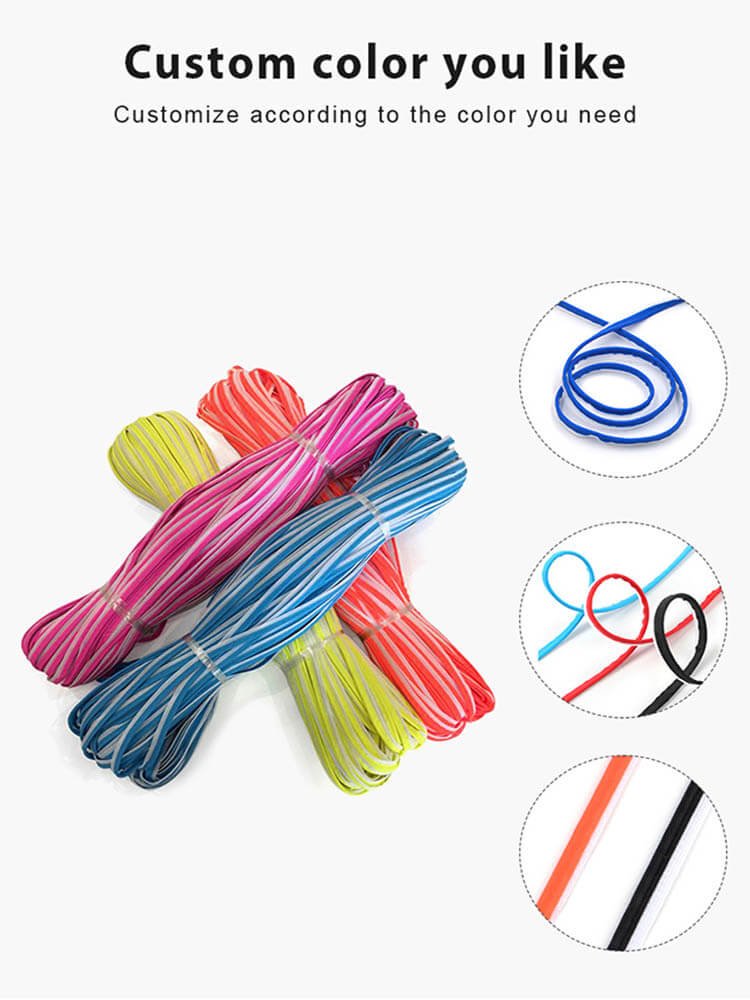
- • Custom color options and segmented/perforated specifications
- • Certified test data for all products beyond 50 wash cycles
- • Volume discounts and quick turnaround on OEM/ODM applications
Ready to specify the right tape for your application? Contact our technical team for personalized recommendations and sample testing.
Final Verdict: Choose Based On Risk, Not Just Price
The engineering grade vs. prismatic debate boils down to a simple principle: match the material grade to your risk profile. If your workers operate primarily during daylight at low speeds, engineering grade delivers compliant performance at optimal cost. If nighttime, highway, or emergency response is involved, prismatic tape’s superior reflectivity becomes non-negotiable.
The real mistake? Choosing based solely on price per meter rather than total cost of ownership, durability, and most importantly, worker safety outcomes. A procurement manager who negotiates engineering grade into a railway context commits a strategic error that auditors and lawyers will scrutinize intensely if incidents occur.
Smart procurement asks: “What’s the minimum tape grade that satisfies our certification requirements AND provides durability appropriate for our wash-cycle frequency AND protects our workers in their actual operating environment?” Answer that question rigorously, and price becomes a secondary consideration.