Hi Vis Workwear for Waste Management and Sanitation Teams
A Complete Procurement Guide for Municipal Contractors and Waste Management Companies
Hi vis workwear for waste management and sanitation teams requires specialized consideration beyond basic visibility. These workers face unique challenges including exposure to contaminants, abrasive materials, frequent washing cycles, and extended outdoor shifts in all weather conditions. The most effective approach involves selecting high-denier fabrics (300D Oxford or similar), soil-release finishes, segmented reflective tape for flexibility, and garments designed to withstand aggressive industrial laundering while maintaining ANSI/ISEA 107 or EN ISO 20471 compliance throughout their service life.
For procurement managers overseeing waste management operations, the choice of hi vis workwear extends far beyond meeting basic safety visibility requirements. Sanitation workers operate in some of the most demanding environments, where their protective clothing must survive constant exposure to dirt, chemicals, sharp objects, and weather extremes while maintaining safety compliance and worker comfort during 10-hour shifts.
The total cost of ownership for sanitation workwear depends heavily on durability, replacement frequency, and the ability to maintain safety standards after repeated washing cycles. OSHA guidelines emphasize that personal protective equipment must remain effective throughout its intended use period, making fabric selection and construction quality critical factors for municipal buyers and waste management contractors.
Durability Requirements for Harsh Working Conditions
High-Denier Fabrics for Abrasion Resistance
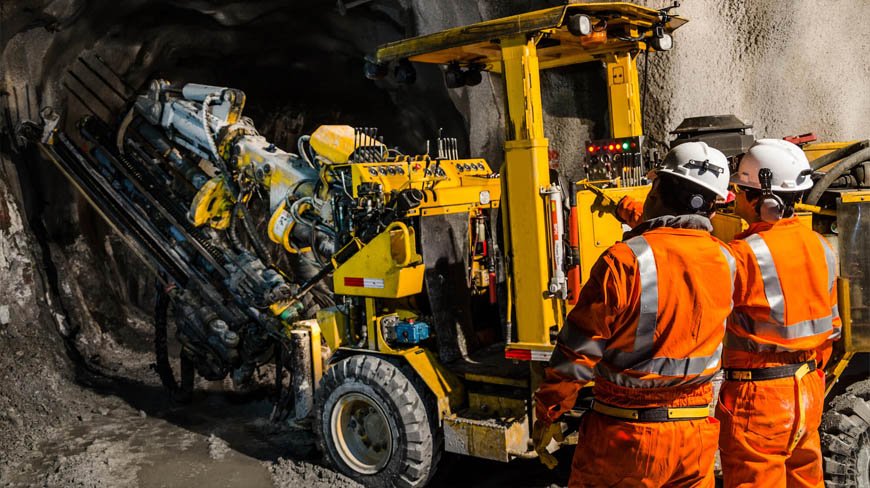
Waste management environments present constant abrasion risks from bin handling, vehicle contact, and debris. Standard 150D polyester fabrics commonly used in basic safety vests will not survive the rigorous demands of sanitation work. Procurement specifications should require minimum 300D Oxford weave polyester or equivalent high-denier materials that can withstand the physical stress of daily waste collection operations.
Soil-Release and Chemical-Resistant Finishes
Sanitation workers encounter various contaminants that can permanently stain or damage standard fabrics. Soil-release finish technologies similar to Teflon™ treatments create a barrier that allows dirt and oils to wash out more easily, extending garment life and maintaining professional appearance. These finishes also resist chemical degradation from cleaning agents commonly encountered in waste facilities.
Reinforced Stress Points
Critical wear areas require additional reinforcement to prevent premature failure. Key reinforcement points include shoulder areas (from carrying bins and equipment), pocket edges (from tool weight), and seam stress points. Double-stitched seams with high-tensile thread prevent separation under load, while reinforced shoulder panels distribute weight more evenly during lifting operations.
Procurement Tip: Industrial Laundering Survivability
Municipal uniforms often undergo aggressive commercial washing with high-temperature water and industrial detergents. Specify garments that maintain reflective performance and fluorescent color retention after a minimum of 50 industrial wash cycles. Request test reports documenting post-wash reflectivity values.
All-Weather Performance Systems
Waste collection operations continue regardless of weather conditions, requiring a systematic approach to worker protection. Rather than relying on single-layer solutions, successful procurement strategies involve layered systems that adapt to seasonal and daily weather variations while maintaining visibility and compliance standards.
Summer Performance: Moisture Management
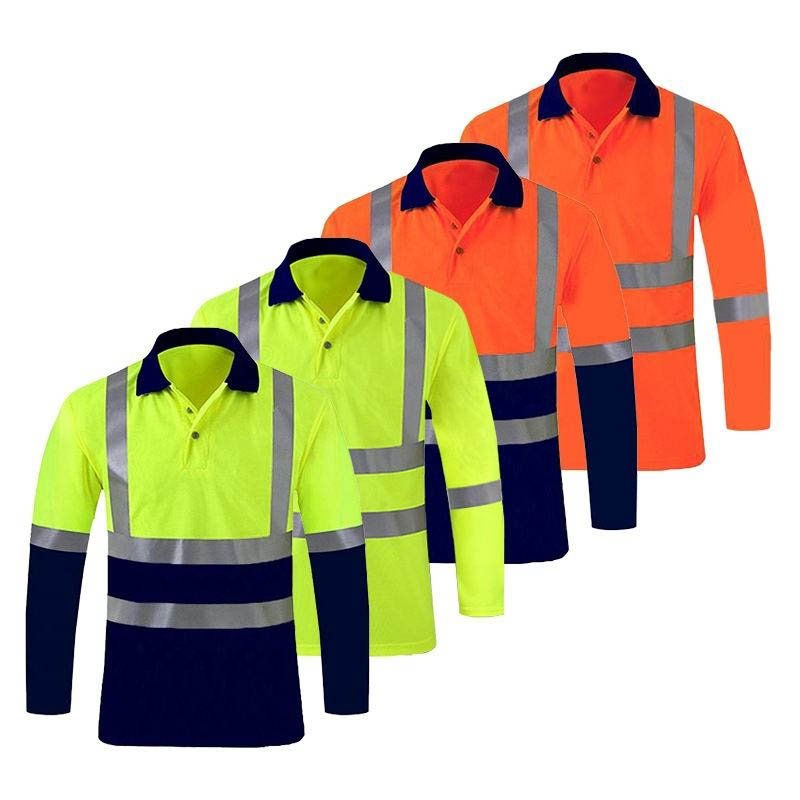
High-activity sanitation work generates significant body heat, making moisture-wicking properties essential for worker comfort and safety. Lightweight moisture-wicking polo shirts with Class 2 reflective configurations provide excellent breathability while meeting safety requirements. Hi vis polo shirts with mesh ventilation panels and segmented reflective tape allow maximum airflow during intensive physical labor.
Winter Protection: Thermal Insulation with Visibility
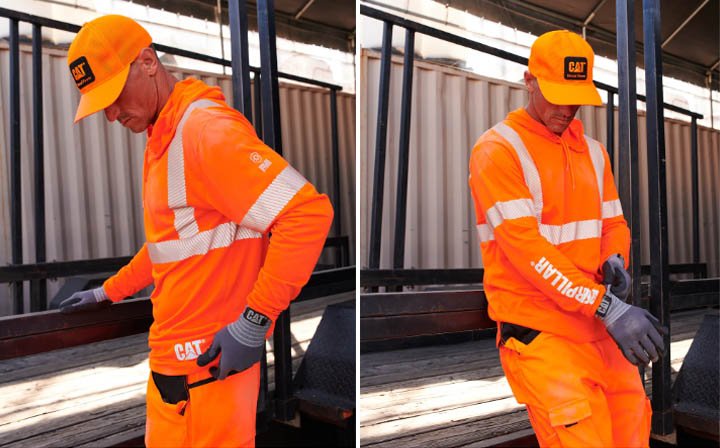
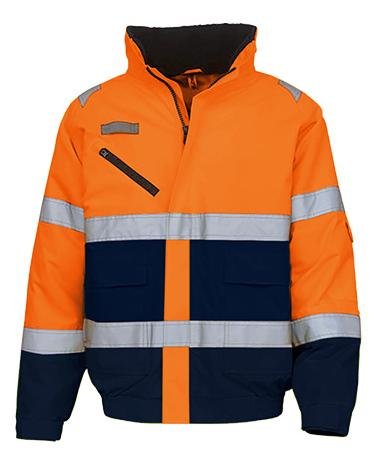
Cold-weather sanitation work requires insulated outer layers that don’t compromise visibility. Three-layer systems work most effectively: base moisture-wicking layer, insulating mid-layer, and hi vis outer shell. Hi vis hoodies and sweatshirts provide excellent intermediate warmth while maintaining compliance when worn under hi vis outer shells.
Waterproof Solutions: PU-Coated Rainwear
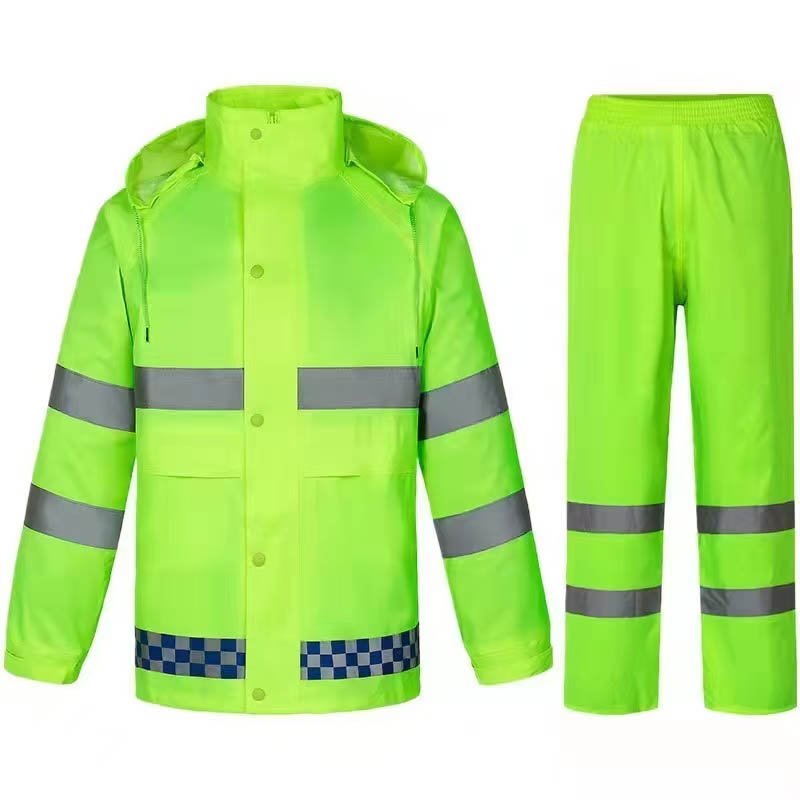
Polyurethane-coated rainwear offers superior waterproof protection compared to PVC alternatives, with better breathability and flexibility in cold conditions. Look for sealed seam construction and reflective tape that maintains performance when wet. Technical rainwear standards specify minimum water column pressure ratings that ensure protection during extended outdoor exposure.
Functional Features for Sanitation Work
Segmented Reflective Tape for Flexibility
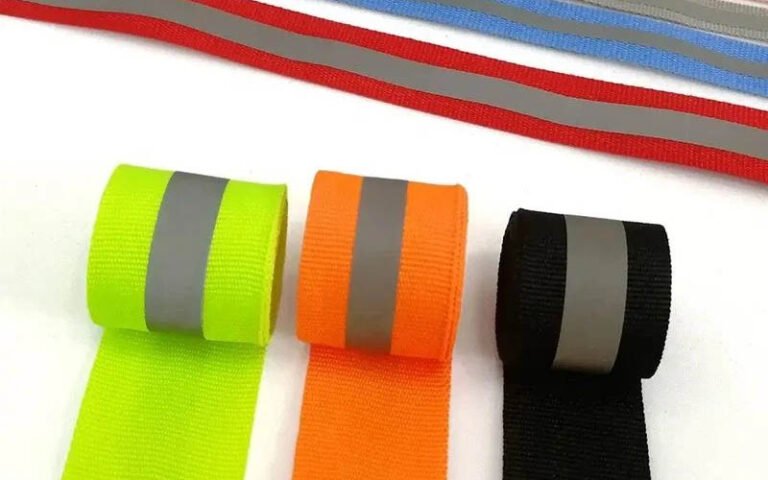
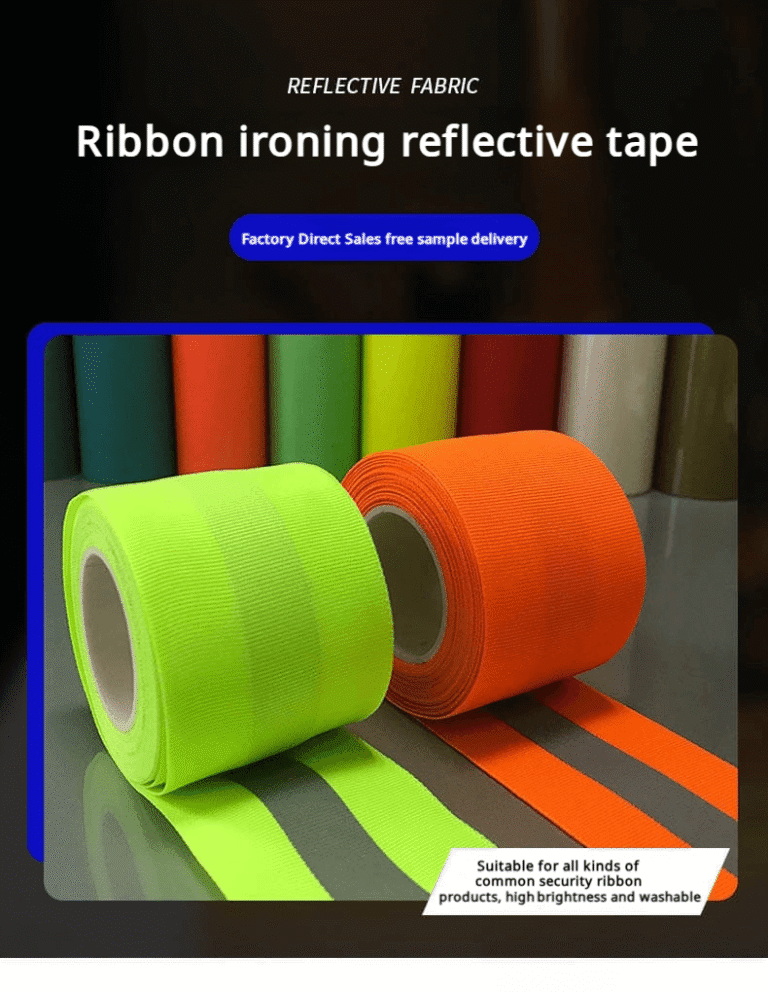
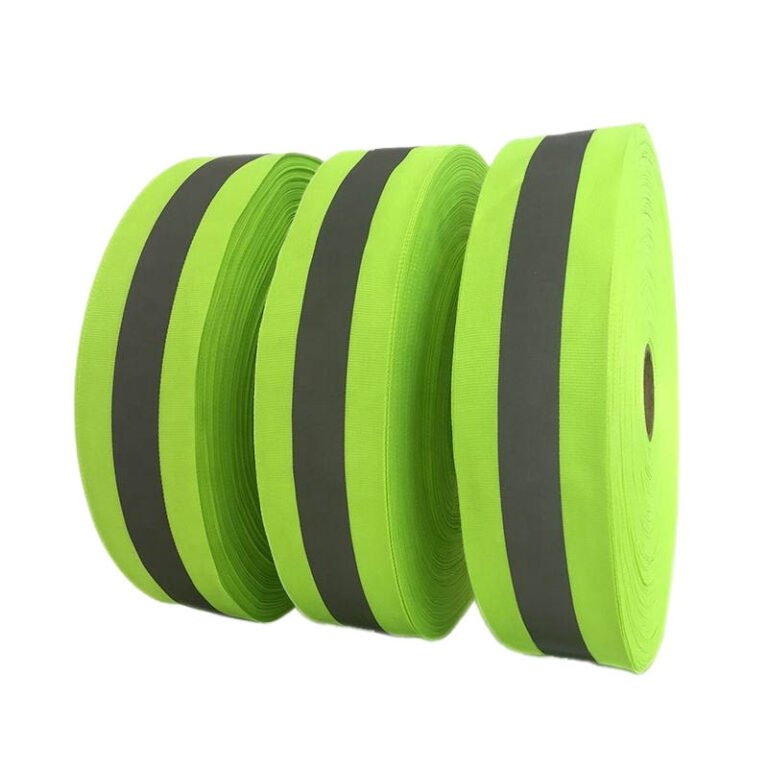
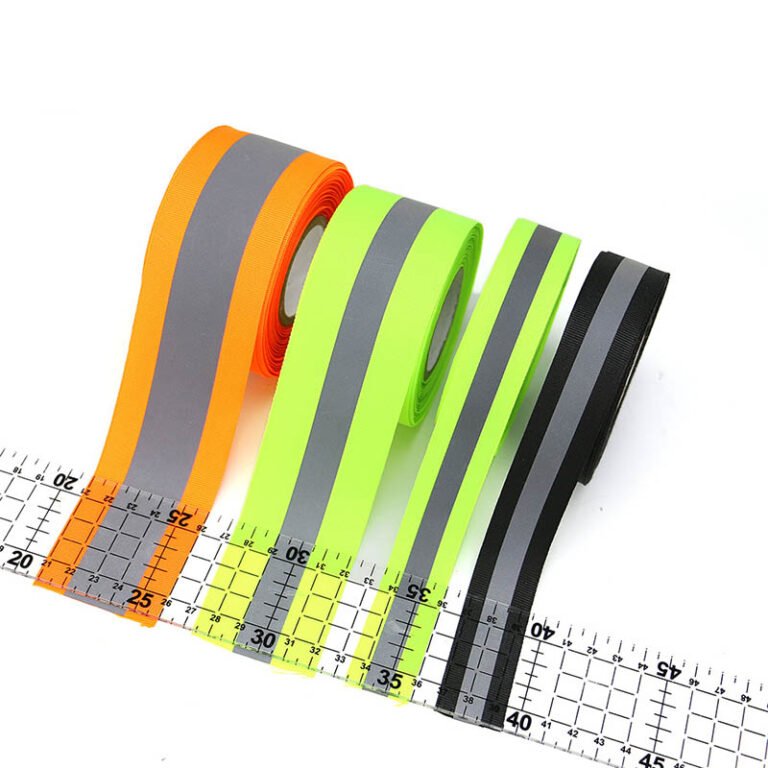
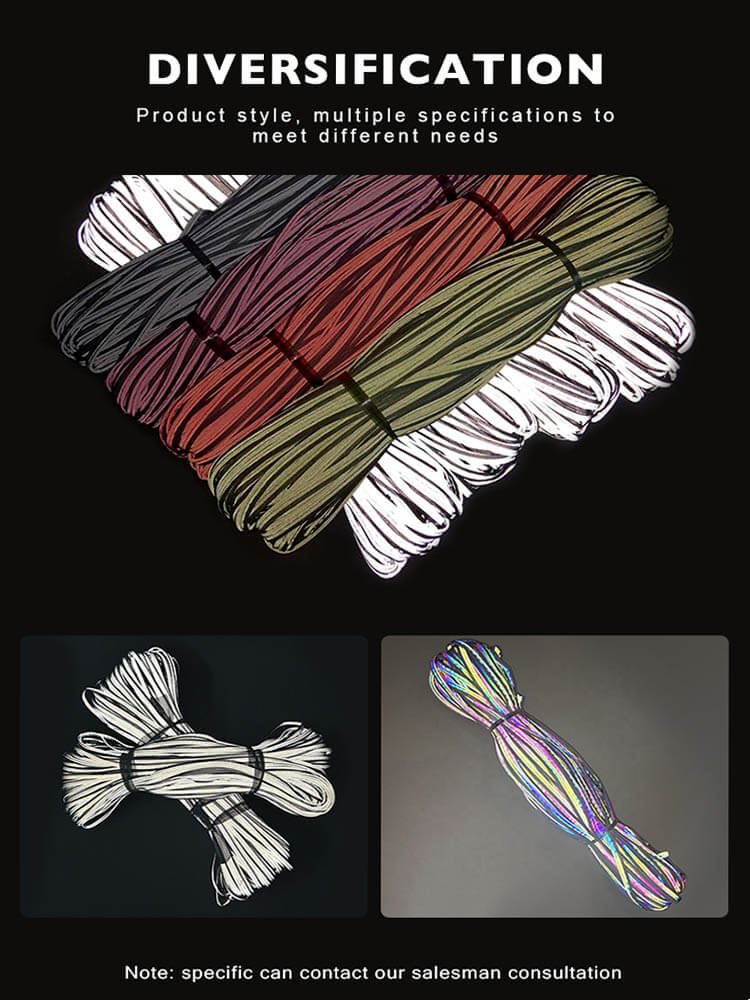
Continuous solid reflective tape restricts movement and reduces breathability during physical labor. Segmented reflective tape systems provide equivalent visibility while allowing greater flexibility and airflow. This design consideration significantly impacts worker comfort during extended shifts involving repetitive lifting, bending, and reaching motions common in waste collection.
Strategic Pocket Configuration
Sanitation workers require secure storage for tools, gloves, and personal items without compromising safety or mobility. Optimal pocket placement includes chest pockets for small tools and communication devices, side pockets reinforced for tool weight, and internal pockets for personal items. Velcro or zipper closures prevent item loss during active work periods.
Communication Integration
Modern waste management operations rely on constant communication between drivers, collectors, and dispatch. Microphone tabs, clear ID pockets, and radio attachment points integrated into workwear design facilitate efficient communication without compromising safety or comfort. These features eliminate the need for additional accessories that can create snag hazards.
Design Innovation: Multi-Season Adaptability
Consider modular design systems where base garments accept removable sleeves, liners, or outer shells. This approach reduces total inventory requirements while providing workers with adaptable protection for changing conditions throughout their shifts.
Compliance Standards and Regional Variations
ANSI/ISEA 107 Requirements for North American Markets
Waste management operations in the United States and Canada must comply with ANSI/ISEA 107-2020 standards. Type R (roadway) garments in Class 2 or Class 3 configurations are typically required for workers operating near traffic. Class 3 provides maximum protection for highway and urban collection routes where vehicle traffic presents elevated risks.
EN ISO 20471 for European Operations
European waste management operations follow EN ISO 20471 Class 2 or Class 3 requirements. The standard emphasizes minimum areas of fluorescent and retroreflective materials, with specific measurement requirements that differ from ANSI standards. Procurement managers operating in multiple regions should specify dual certification to simplify inventory management.
Regional Color Preferences and Requirements
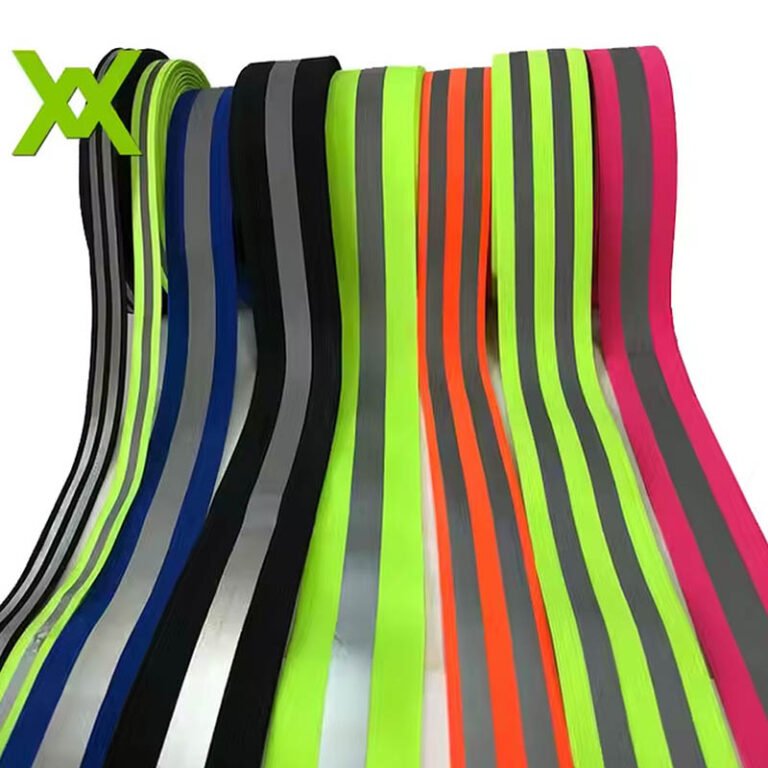
Color selection varies significantly by region and municipal requirements. North American markets strongly favor fluorescent yellow-green (lime) for waste management applications, while UK and European operations show substantial demand for fluorescent orange. Some municipalities specify color requirements in their contracts, making regional color planning essential for large-scale procurement.
Compliance Documentation
Procurement specifications should require suppliers to provide:
- Third-party test reports for retroreflectivity values
- Colorfastness certification for specified wash cycles
- Fabric composition and weight documentation
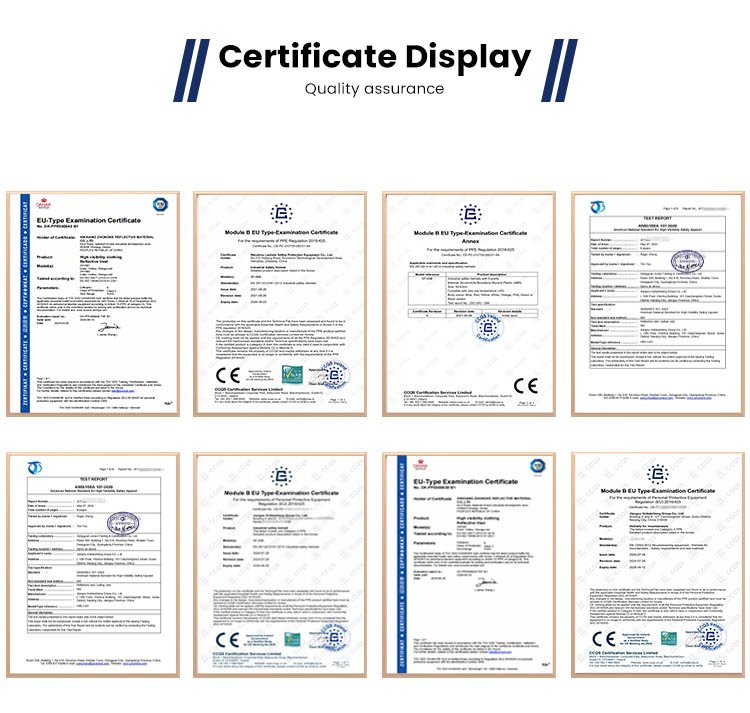
- Country-specific compliance certificates
Procurement Strategies for Municipal Buyers
Total Cost of Ownership Analysis
Effective procurement decisions require analysis beyond initial unit costs. High-quality garments with superior durability often provide lower total cost of ownership through extended service life and reduced replacement frequency. Factor in washing costs, replacement labor, and potential safety incidents when comparing supplier proposals.
Bulk Ordering and Inventory Management
Municipal operations benefit from bulk ordering to achieve better unit pricing and ensure consistent supply. However, balance bulk savings against storage costs and the risk of specification changes. Consider seasonal ordering patterns that align with budget cycles while maintaining adequate safety stock for immediate replacements and new hires.

Supplier Partnership for Custom Solutions
Working with an experienced OEM/ODM manufacturer enables custom solutions tailored to specific operational requirements. Custom features might include municipal logo integration, specialized pocket configurations, or fabric modifications for local climate conditions. VizGlo’s OEM/ODM capabilities allow for complete customization while maintaining compliance and durability standards.
Procurement Checklist
- Minimum 300D fabric weight specification
- Soil-release finish treatment
- 50+ industrial wash cycle retention testing
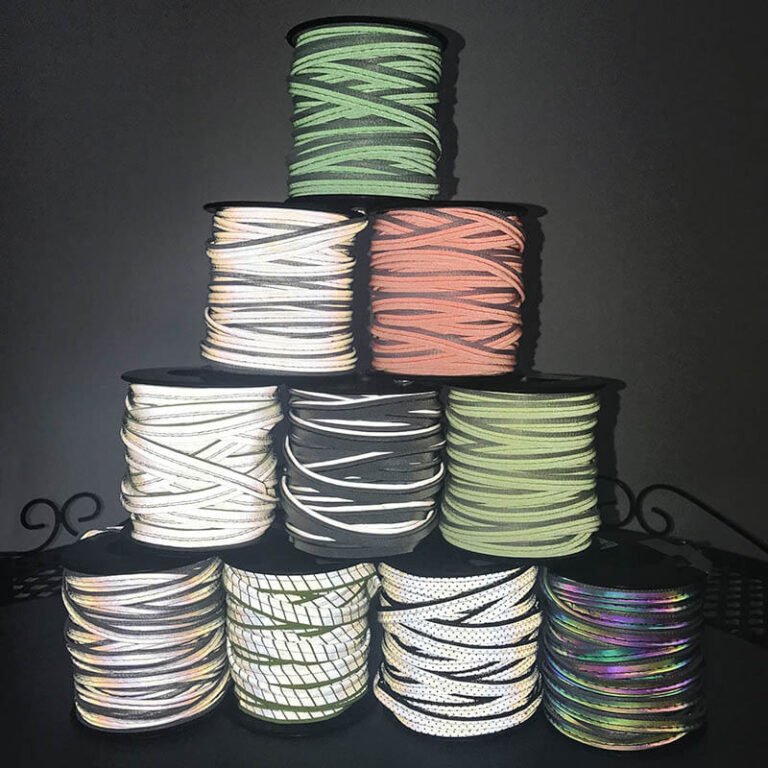
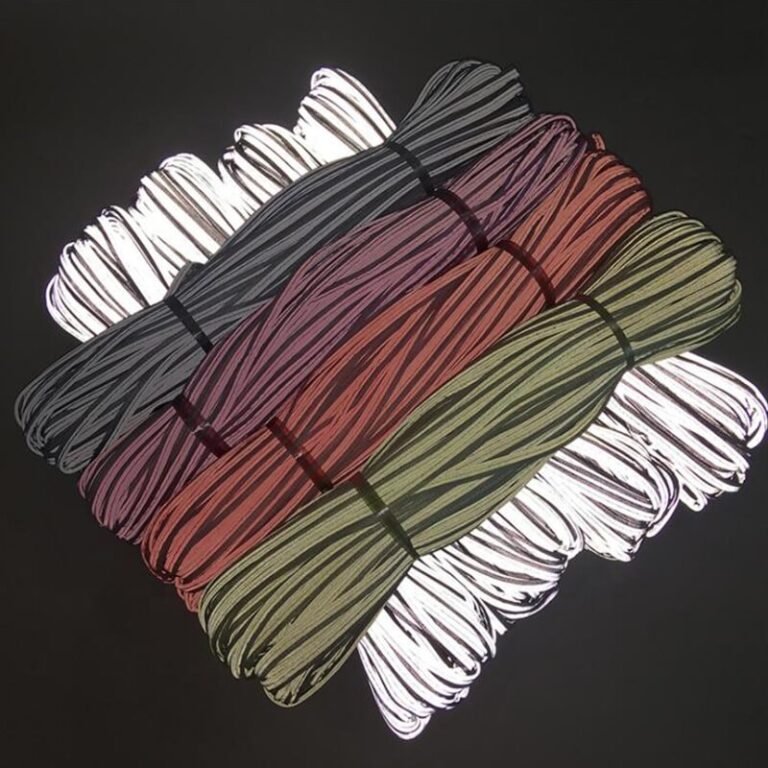
- Segmented reflective tape for flexibility
- Reinforced stress point construction
- Regional compliance certification
- Municipal logo customization options
- Size range including plus sizes
Successful waste management workwear programs recognize that sanitation workers deserve protective equipment that matches the demanding nature of their essential work. By focusing on durability, functionality, and worker comfort, procurement managers can create programs that protect workers, control costs, and maintain operational efficiency. Learn more about our comprehensive approach to municipal workwear solutions at our product center page.
Source Durable Hi Vis Workwear for Your Sanitation Team
Partner with VizGlo Safety to develop a custom hi vis workwear program that meets the unique demands of waste management operations. Our OEM/ODM expertise ensures durability, compliance, and cost-effectiveness for municipal buyers.
Request Municipal Workwear Bulk PricingFrequently Asked Questions
What fabric weight is recommended for waste management workwear?
Minimum 300D Oxford weave polyester is recommended for waste management applications. This provides superior abrasion resistance compared to standard 150D fabrics used in basic safety vests, ensuring longer service life in harsh working conditions.
How many wash cycles should municipal workwear survive?
High-quality municipal workwear should maintain reflective performance and color retention for a minimum of 50 industrial wash cycles. This ensures cost-effective operation and consistent safety compliance throughout the garment’s service life.
Why is segmented reflective tape important for sanitation workers?
Segmented reflective tape allows greater flexibility and airflow compared to solid tape, significantly improving comfort during physical labor. This design maintains equivalent visibility while accommodating the repetitive movements common in waste collection operations.
What compliance standards apply to waste management workwear?
North American operations require ANSI/ISEA 107 Type R Class 2 or 3 certification. European operations follow EN ISO 20471 Class 2 or 3 standards. Many suppliers offer dual certification to simplify multi-regional procurement.
How should municipalities approach bulk ordering for cost savings?
Balance bulk savings against storage costs and specification change risks. Consider seasonal ordering aligned with budget cycles while maintaining adequate safety stock. Analyze total cost of ownership including durability and replacement frequency, not just initial unit costs.