Hi Vis Workwear Wholesale: How to Source Workwear in Bulk
To source hi vis workwear wholesale in bulk successfully, buyers must look beyond initial unit price and establish direct relationships with vertically-integrated manufacturing partners. This strategic approach requires verifying compliance with ANSI/ISEA 107 or EN ISO 20471 standards, evaluating material durability and sustainable fabrics like rPET, utilizing ODM capabilities for brand customization, and mitigating supply chain risks through comprehensive factory audits and established quality control protocols.
1. The Shift: Wholesaler vs. Direct Manufacturing Partner
For years, corporate buyers, distributors, and safety managers approached bulk purchasing through a simple lens: find the lowest price-per-vest on a marketplace, place an order, and wait for shipment. However, the global supply landscape has changed dramatically. Relying strictly on basic “wholesalers”—which are frequently middleman trading companies operating storefronts without direct production oversight—often leads to inconsistent fabric weights, non-compliant reflective trims, and delayed deliveries.
Sourcing high-visibility gear today requires viewing bulk procurement through a strategic operational framework. Transitioning from buying off-the-shelf inventory to collaborating with a vertically-integrated OEM/ODM manufacturer changes the dynamic entirely.

Inside a vertically integrated safety garment factory: precise quality control at every stage.
When working directly with a primary producer, you gain direct access to raw material selection, custom color dying, specialized stitch reinforced patterns, and calibrated reflective tape placement. Rather than taking margins from intermediate brokers, vertical integration provides cost transparency while ensuring every garment strictly complies with regional safety mandates.
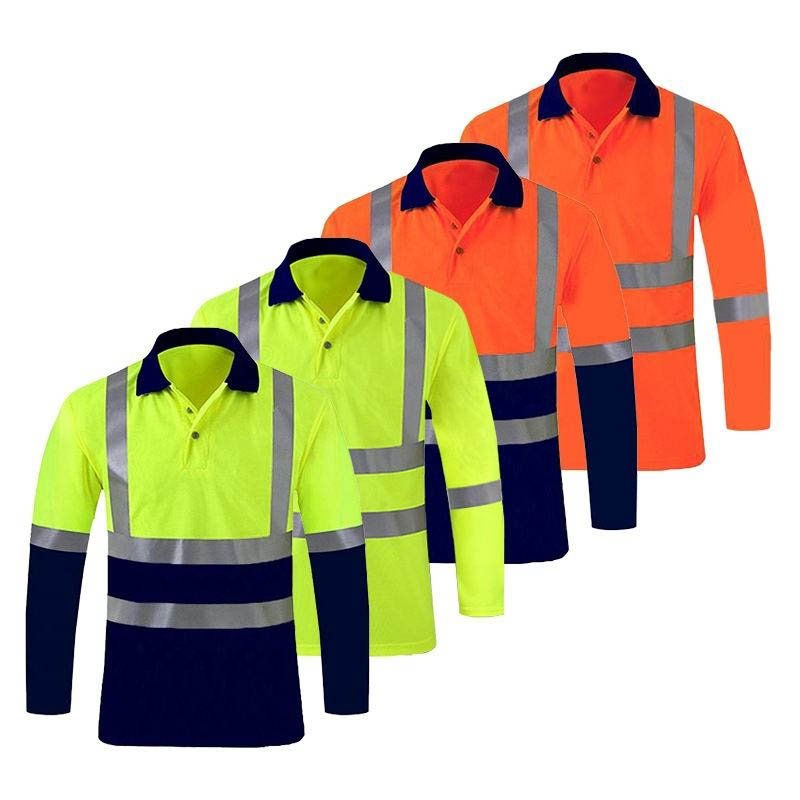
If your business requires specialized gear, such as multi-functional hi vis workwear apparel, direct manufacturer communication ensures that critical specifications—such as radio loops, heavy-duty zippers, and reinforced knee pockets—are designed correctly right from the technical design phase.
2. The New Trinity of Sourcing Decisions
High-volume procurement decisions no longer center solely on initial purchase orders. Professional safety distributors and enterprise buyers evaluate potential manufacturing partners based on three core pillars:
Pillar 1: Verified Compliance & Complete Audit Trails
A self-declared compliance statement or a small printed badge on a garment is insufficient to protect businesses against compliance liabilities. Serious enterprise procurement teams mandate fully verifiable lab test reports for both background fluorescent fabrics and retroreflective materials.
Whether sourcing for North American markets governed by ANSI/ISEA 107 standards or European operations adhering to EN ISO 20471, buyers must ensure products undergo rigorous testing for chromaticity, luminance, and retroreflectivity after multiple wash cycles. For a detailed breakdown on compliance levels, read our analysis on understanding high visibility protection classes.
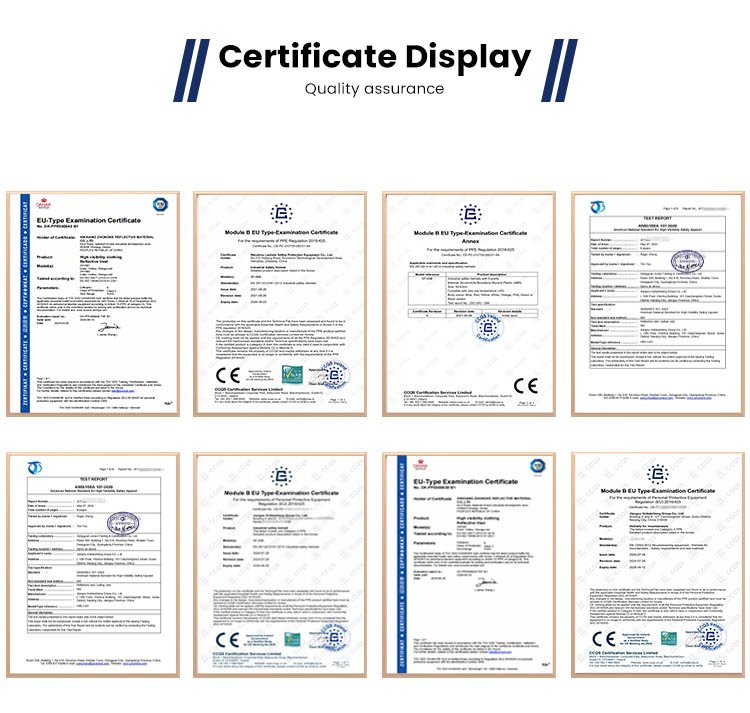
Always request full lab test reports and factory accreditation documents (ISO9001, BSCI) prior to placing bulk orders.
Pillar 2: Material Innovation & Sustainability
Corporate sustainability directives are changing how industrial apparel is made. Enterprise buyers increasingly demand workwear utilizing recycled polyester (rPET) derived from post-consumer plastics, as well as materials certified under OEKO-TEX Standard 100 to verify the absence of harmful chemical residues.
Furthermore, evaluating the lifecycle cost of a garment means prioritizing wash durability. A low-cost high-visibility vest that loses retroreflectivity after five industrial laundries costs significantly more over an annual contract than a premium garment engineered to withstand 25 to 50 wash cycles without degrading.
Pillar 3: Advanced ODM & Customization Options
Standard fluorescent yellow vests are widely available, but custom product designs offer safety distributors and private labels a distinct market identity. Advanced Original Design Manufacturing (ODM) enables custom functional modifications tailor-made for targeted industries.
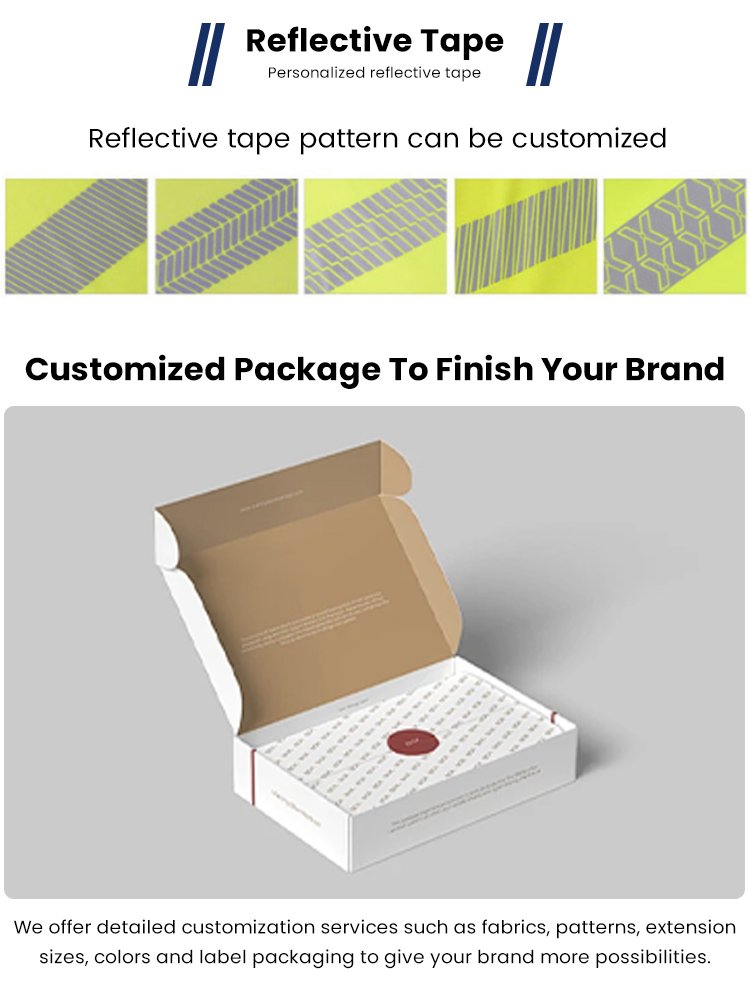
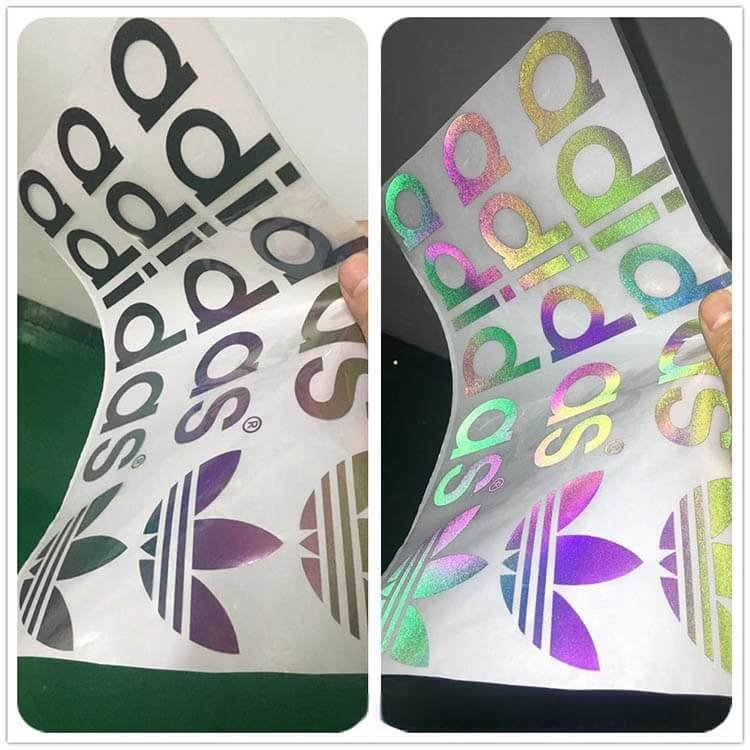
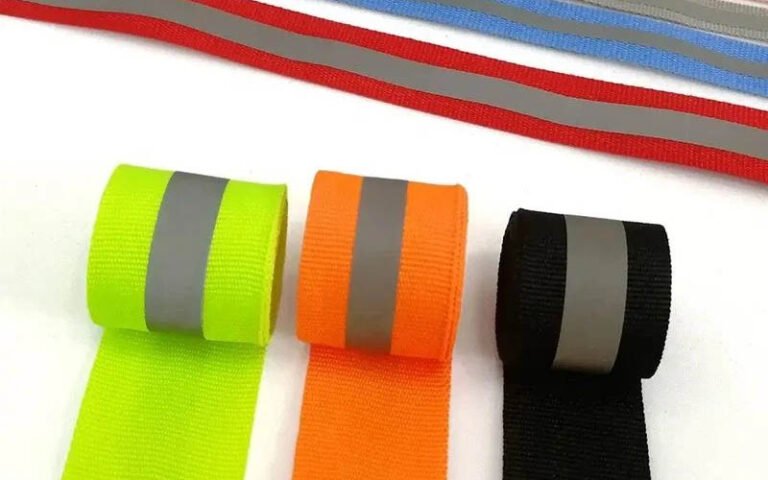
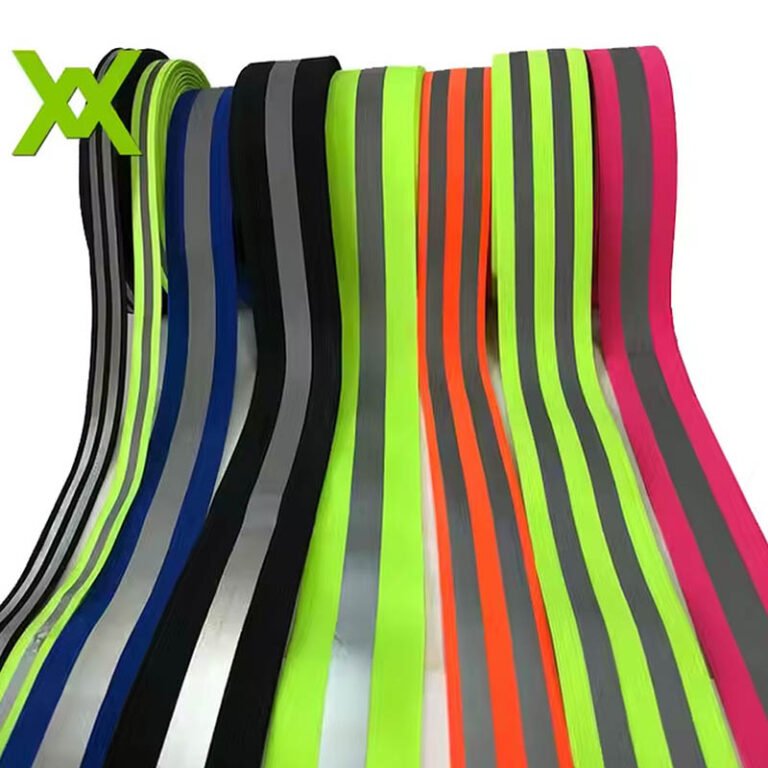
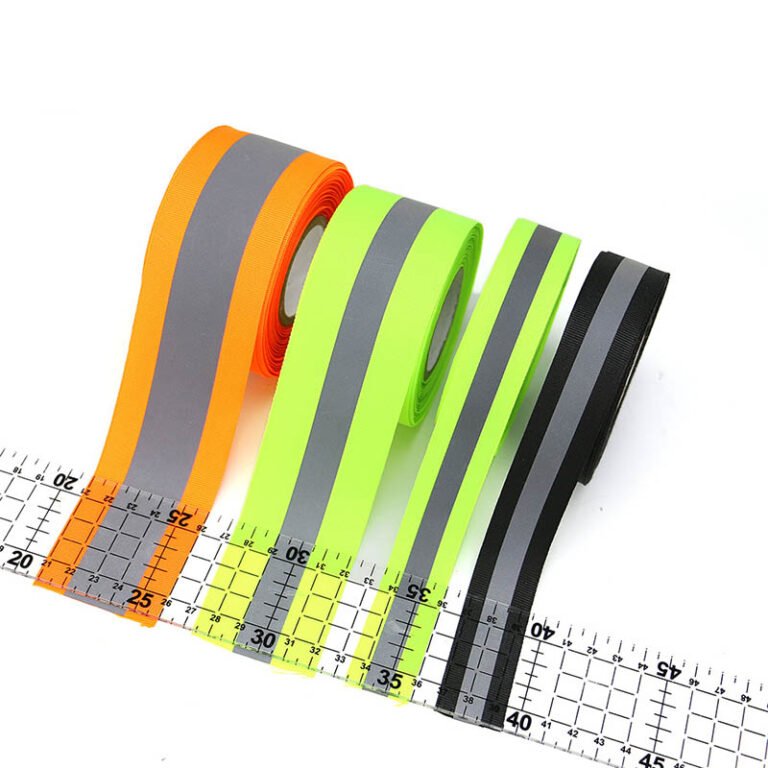
Customization options include heat-applied segmented reflective tape for enhanced stretch and mobility, engineered climate-control fabrics, specialized tool storage configurations, and high-definition reflective logos created using specialized reflective heat transfer films.
3. De-Risking Your Supply Chain
Supply chain disruptions in recent years highlighted the vulnerabilities of fragmented manufacturing. When procuring hi vis safety apparel in high volumes, de-risking your supply chain is as vital as negotiating price per unit.
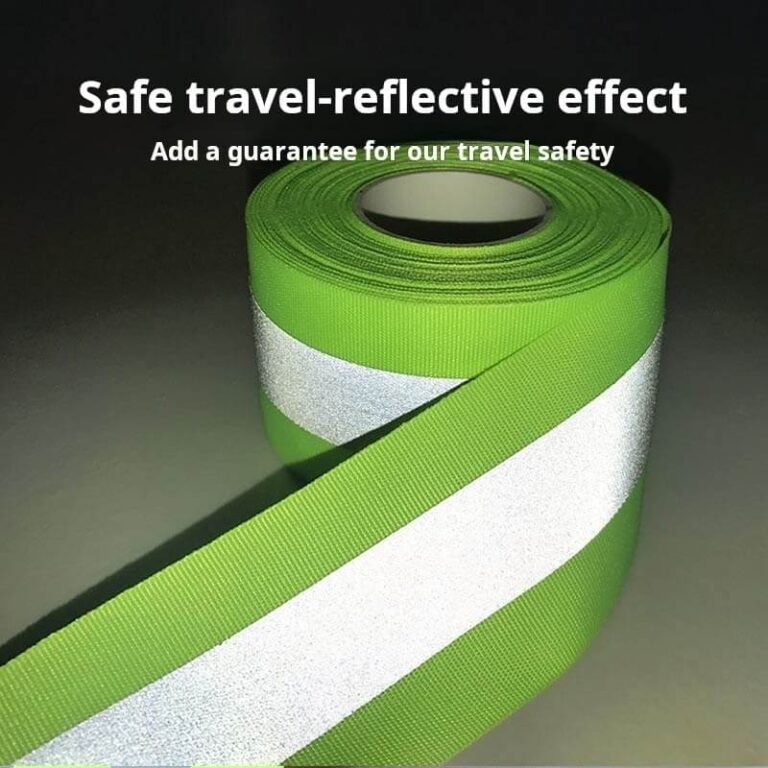
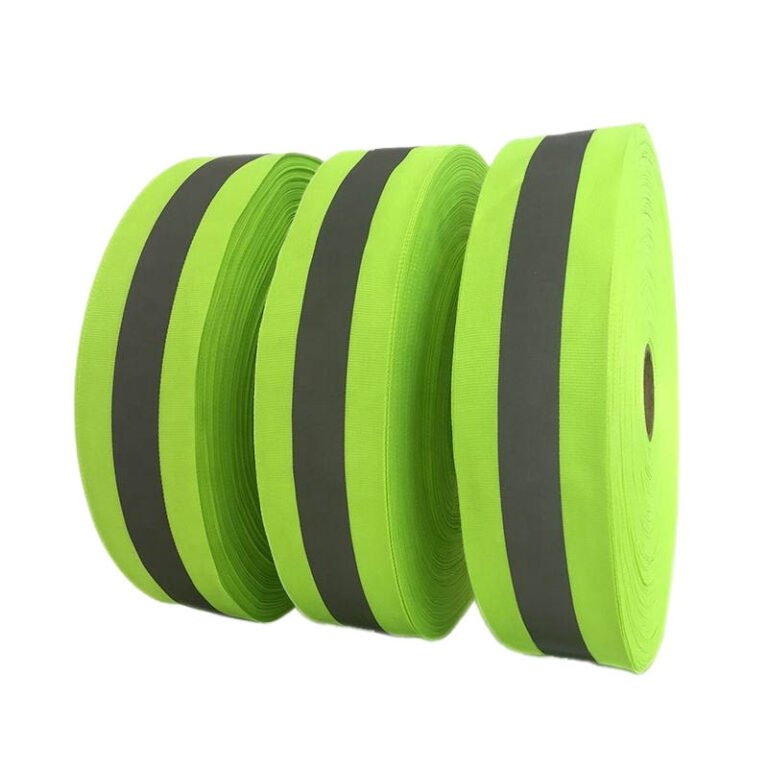
To evaluate potential manufacturing partners, inspect their raw material sourcing pipelines. Manufacturers with vertically-integrated material supply lines—such as in-house production of high performance reflective tapes—are protected against third-party component delays and color-matching variances.
Key Operational Benchmarks of a Reliable Factory:
- Proven Track Record: Minimum 10+ years specializing in safety apparel exports.
- Third-Party Audits: Current amfori BSCI or ISO 9001 factory audit reports available for review.
- Internal Quality Labs: In-house testing facilities checking retroreflectivity ($R_A$ values), hydrostatic head waterproofness, and tear strength on every production batch.
- Capacity Reserve: Scalable monthly output (e.g., 50,000+ technical garments/month) to absorb unexpected volume surges smoothly.
4. Strategic Buyer’s Checklist for Sourcing Bulk Hi Vis Gear
Use this actionable checklist when evaluating quotes and communicating with potential high-visibility apparel suppliers:
| Evaluation Category | Key Question to Ask Supplier | Red Flag to Avoid |
|---|---|---|
| Compliance & Certs | Can you provide full lab test reports under our regional standard (ANSI/EN ISO) matching this specific batch? | Expired certificates, blurred generic photos, or refusal to supply raw lab data. |
| Material Traceability | Are background fabrics and reflective trims manufactured in-house or sourced externally? | Lack of transparency regarding component origins or fabric wash-cycle limits. |
| Quality Control | What are your IQC, PQC, and FQC inspection protocols before final packing? | No defined internal inspection process; reliance solely on final container packing checks. |
| Customization (ODM) | What is the lead time and sampling cost for custom pattern development and tech-pack creation? | Inability to adjust pattern sizing or reluctance to provide pre-production physical samples. |
5. Building a Sustainable Procurement Partnership
Sourcing high-visibility workwear wholesale in bulk is a strategic investment in worker safety, brand reputation, and operational efficiency. Moving away from transactional price-shopping toward long-term manufacturing partnerships grants your organization greater control over material selection, full regulatory compliance, and dependable order fulfillment.
At Nanjing VizGlo Safety Technology Co., Ltd., we combine over 15 years of OEM/ODM manufacturing expertise with fully integrated production of high-visibility garments and reflective materials. Whether you are expanding your distributor portfolio or upgrading corporate workwear programs, our engineering and production teams are equipped to support your growth.
Optimize Your Bulk Hi Vis Sourcing Strategy
Connect with our technical sourcing specialists to review custom ODM options, request certified product catalogs, or receive a transparent bulk quote for your organization.
Request a Custom Bulk QuoteFrequently Asked Questions
What is the typical Minimum Order Quantity (MOQ) for custom wholesale hi vis workwear? ▼
Standard catalog items usually have lower MOQs starting around 200–500 units per style. For fully customized ODM garments requiring specialized fabric dyeing or custom reflective patterns, MOQs typically range from 1,000 to 2,000 units depending on technical specifications.
How do I verify if bulk-sourced hi vis gear meets ANSI/ISEA 107 or EN ISO 20471? ▼
Always request official test reports issued by accredited third-party laboratories (such as SATRA, SGS, or TÜV). Ensure the test report specifically references the exact batch, fabric weight, and reflective tape utilized in your production line.
What is the advantage of working with a vertically integrated manufacturer? ▼
A vertically integrated manufacturer controls raw material supply (such as manufacturing reflective tapes and dyeing fabrics) as well as garment assembly. This structure guarantees consistent quality control, lower production costs, faster lead times, and seamless custom ODM development.