Prismatic vs. Glass Bead: Which Reflective Film is Right for Your Application?
A comprehensive technical comparison of the two dominant reflective film technologies to help you make an informed decision for your safety project.
The Quick Answer
Prismatic and glass bead reflective films represent two fundamentally different optical technologies for light reflection. Glass bead films use thousands of tiny embedded glass spheres to reflect light, offering an affordable solution for temporary, low-risk applications with initial costs 30-40% lower than prismatic alternatives. However, they suffer critical limitations: brightness drops 50-70% when wet, viewing angles are restricted to 40-60°, and lifespan is only 2-3 years. Prismatic films employ precision-engineered micro-prism structures that redirect light with superior efficiency, maintaining 80-90% brightness in rain, offering 180° viewing angles, and lasting 5-7+ years. For fleet managers operating trucks on rainy nighttime routes, traffic engineers maintaining highway signage, or safety managers in liability-conscious industries, prismatic film isn’t just a product choice—it’s a risk management investment. The “right” choice depends entirely on your specific application’s visibility demands, budget constraints, environmental conditions, and the real cost of failure. This guide walks you through both technologies with honest performance data to help you decide.
Glass Bead Reflective Films: Understanding the Fundamentals
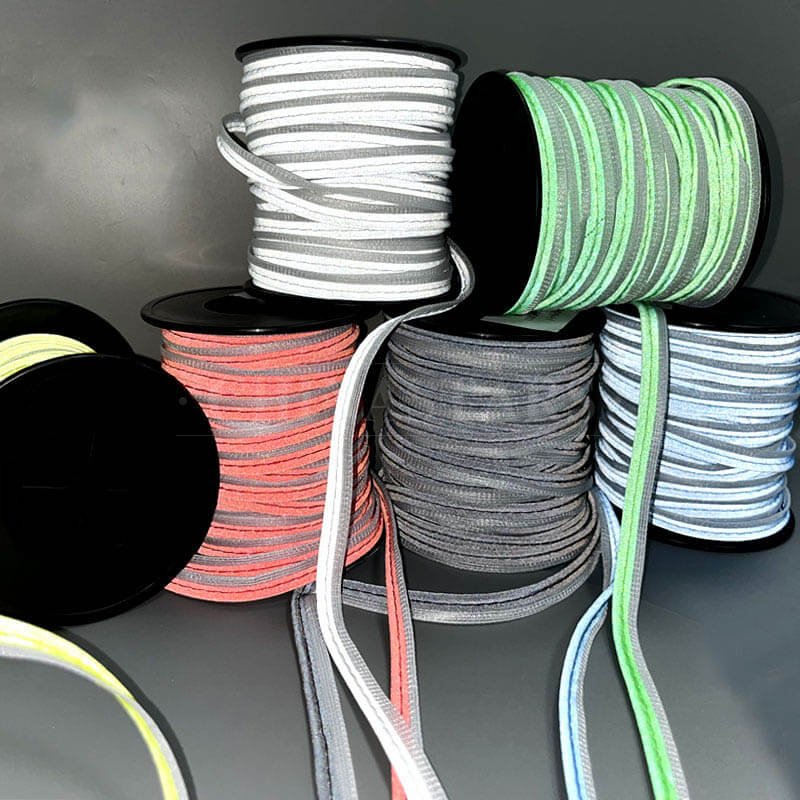
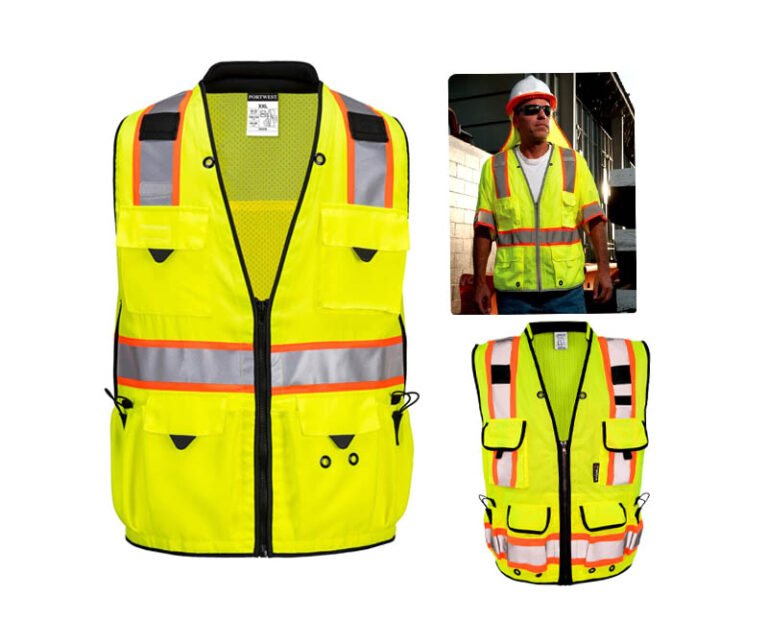
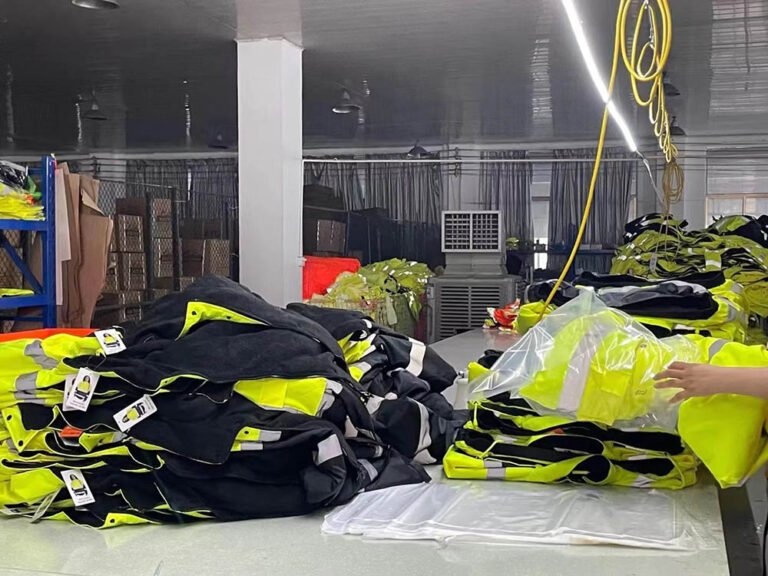
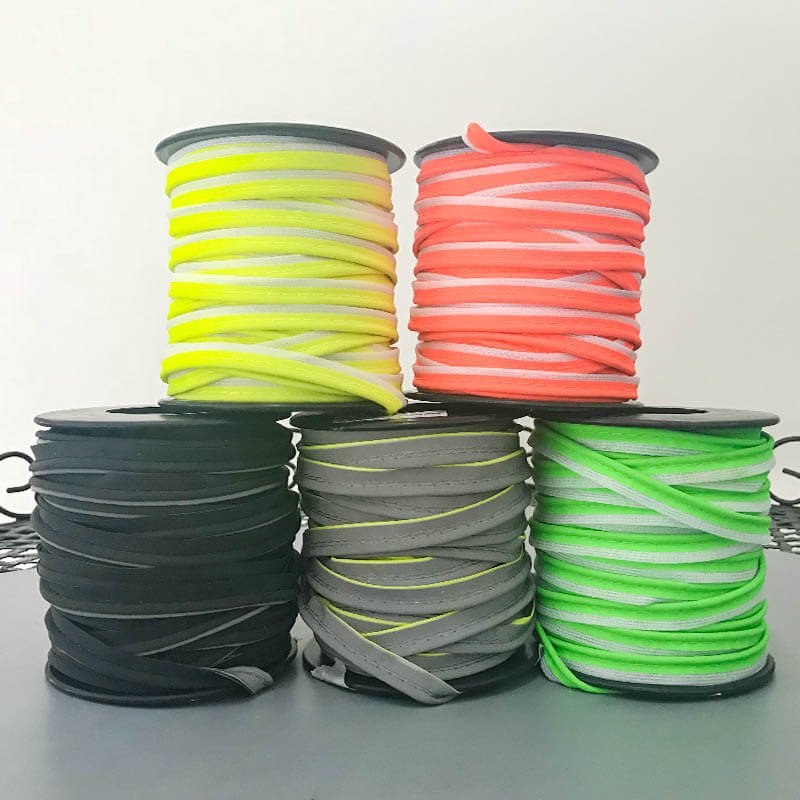
Glass bead reflective tapes provide cost-effective visibility for routine applications
Glass bead reflective technology has been the industry standard for nearly 50 years. These films work through a deceptively simple optical principle: microscopically uniform glass spheres (typically 50-100 micrometers in diameter) are embedded in a pressure-sensitive adhesive layer. When light from a vehicle’s headlights strikes these tiny spheres, each acts as a miniature lens, focusing the light back toward its source in what engineers call “retroreflection.”
Key Characteristics of Glass Bead Films:
- • Initial brightness: 100-200 cd/lux/m² (adequate for standard visibility)
- • Viewing angle: 40-60° (limited to near head-on viewing)
- • Cost: $0.30-0.50 per linear meter
- • Lifespan: 2-3 years in typical outdoor conditions
- • Moisture resistance: Poor; performance degrades significantly when wet
- • UV stability: Moderate; yellowing occurs after 18-24 months of intense sun exposure
The appeal of glass bead films is their affordability and ease of application. For parking lot safety vests, temporary construction signage, or indoor wayfinding markers, glass bead films deliver acceptable performance at a fraction of the cost of premium alternatives. In dry climates or controlled indoor environments, they perform adequately. However, from a strict performance and safety standpoint, glass bead films have become increasingly problematic for critical applications.
The critical weakness: moisture. Rain, fog, or even high humidity cause water droplets to coat the glass sphere surface. These droplets disrupt the precise light path, causing brightness to collapse by 50-70%. A worker wearing a glass bead safety vest becomes nearly invisible in a rainstorm—the exact moment visibility is most critical. This phenomenon has been extensively documented in industry studies on retroreflector performance, and it’s why modern safety standards in wet climates increasingly recommend alternatives.
Prismatic Reflective Films: The Advanced Solution
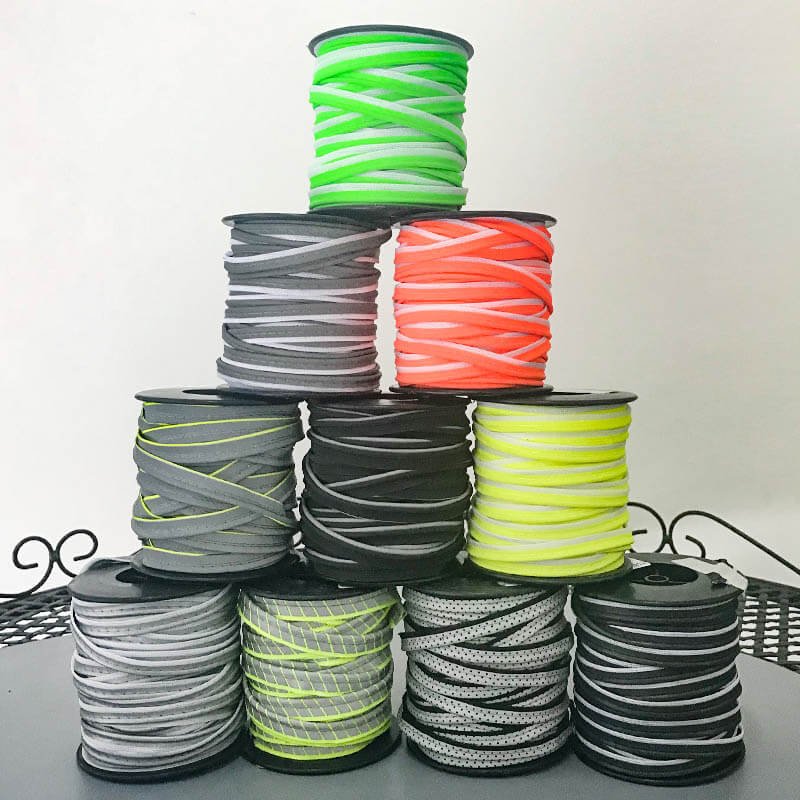
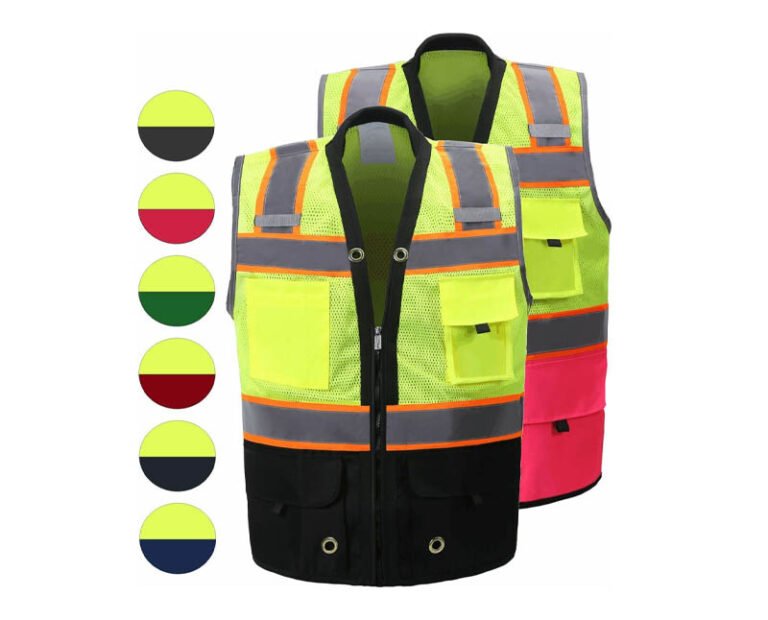
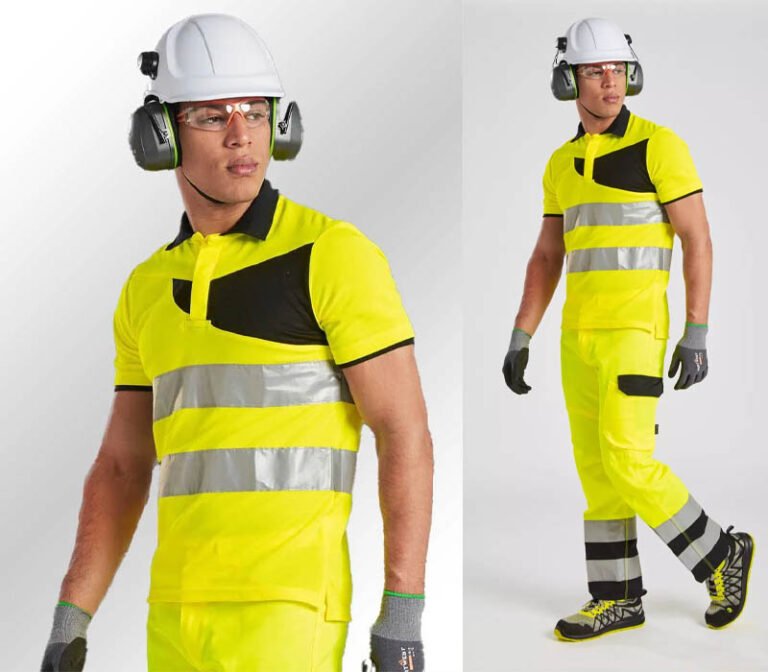
Prismatic films use micro-prism arrays for superior light reflection across a wide viewing angle
Prismatic film technology represents a quantum leap in reflective material science. Instead of relying on embedded spheres, prismatic films employ precision-engineered micro-prism arrays—microscopic three-dimensional geometric structures (typically 12-15 micrometers in dimension) arranged in calculated patterns across the film’s surface. Each prism is designed with specific angles and facets to redirect light with mathematical precision.
The optical principle differs fundamentally from glass bead films. Rather than scattering light through multiple sphere interfaces, prismatic films bend light along a single, highly controlled path. This geometry delivers two critical advantages: (1) Superior brightness efficiency—achieving 300-500+ cd/lux/m²—and (2) Dramatic expansion of the viewing angle to nearly 180°, meaning visibility is maintained whether a vehicle approaches head-on, at 45°, or even from nearly tangential angles.
Key Characteristics of Prismatic Films:
- • Initial brightness: 300-500+ cd/lux/m² (superior long-distance visibility)
- • Viewing angle: Up to 180° (maintained from virtually any approach angle)
- • Cost: $0.80-1.50 per linear meter
- • Lifespan: 5-7+ years with proper installation
- • Wet-weather performance: Exceptional; maintains 80-90% brightness in rain
- • UV stability: Excellent; color retention exceeds 95% over 5+ years
Here’s what makes prismatic film’s wet-weather performance revolutionary: the micro-prism geometry is engineered so that water droplets, while they may coat the surface, don’t significantly disrupt the light path. The structural geometry channels light around moisture. In real-world terms: a worker in a prismatic safety vest remains highly visible during a downpour. This is not incremental improvement—it’s a categorical difference in performance at the exact moment it matters most.
Prismatic films also excel at high-speed driver detection. On a rain-soaked highway at night, the expanded 180° viewing angle means a driver sees your safety vest or traffic sign clearly from 100+ meters away, even if they’re approaching at a shallow angle. At 60+ mph, that extra distance translates directly to reaction time and, potentially, to preventing accidents. This is precisely why leading safety standards globally—EN ISO 20471 in Europe and ANSI/ISEA 107 in North America—explicitly define reflectance coefficients that favor prismatic performance.
Head-to-Head Performance Comparison
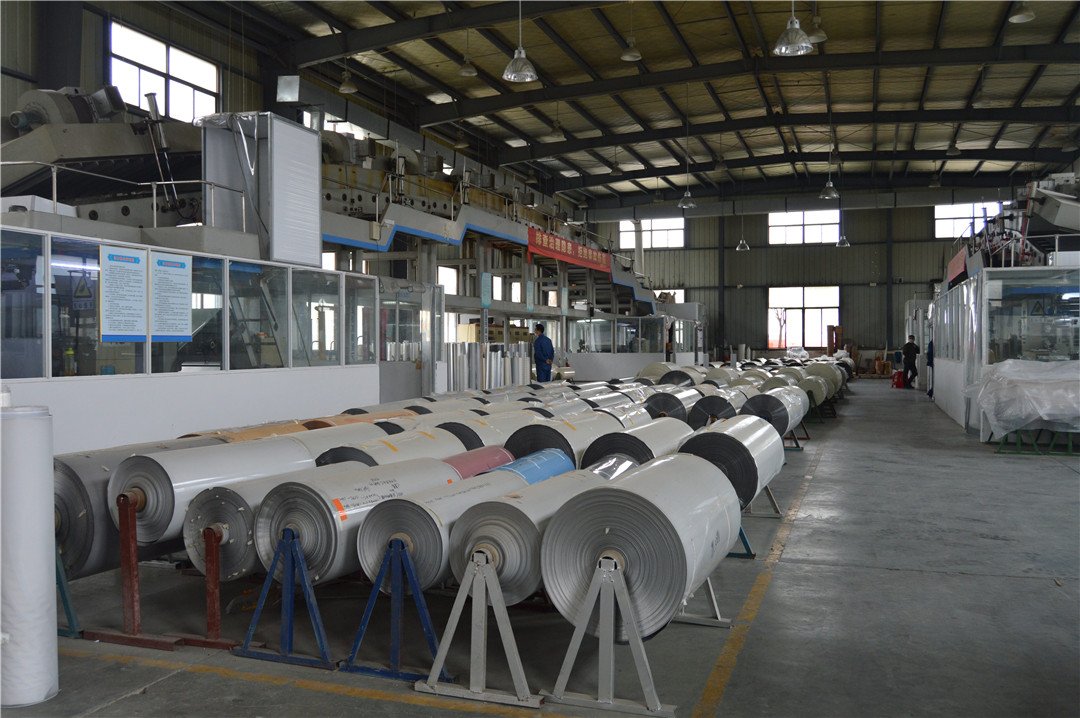
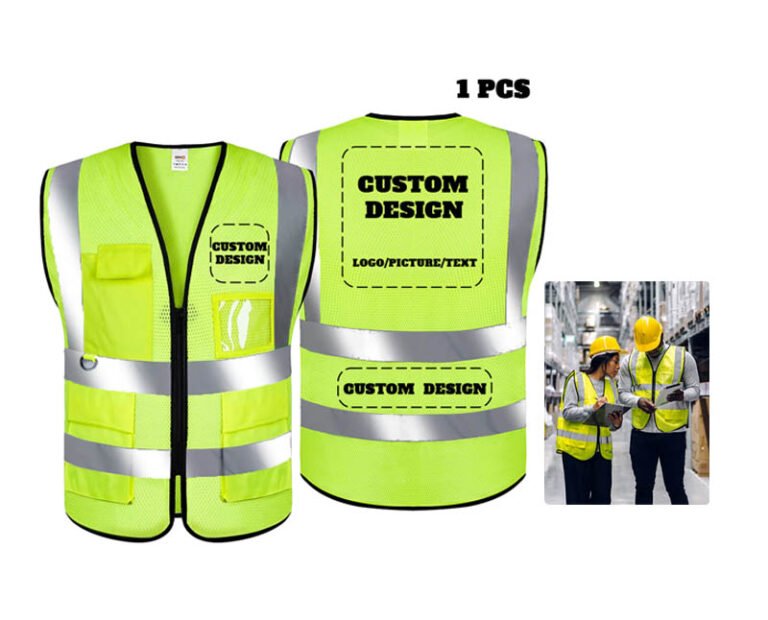
Professional-grade reflective materials undergo rigorous performance testing
| Performance Metric | Glass Bead | Prismatic | Winner |
|---|---|---|---|
| Initial Brightness (cd/lux/m²) | 100-200 | 300-500+ | Prismatic |
| Wet-Weather Brightness (%) | 30-50% | 80-90% | Prismatic |
| Viewing Angle (°) | 40-60 | ~180 | Prismatic |
| Expected Lifespan (years) | 2-3 | 5-7+ | Prismatic |
| UV Stability (color retention) | ~85% (18-24 mo) | 95%+ (5+ yrs) | Prismatic |
| Cost per Linear Meter | $0.30-0.50 | $0.80-1.50 | Glass Bead |
| Installation Difficulty | Straightforward | Straightforward | Tied |
The performance comparison reveals a clear pattern: prismatic films outperform glass bead films in nearly every metric that matters for visible safety. The only category where glass bead wins is initial cost—a narrow victory that ignores the true cost of ownership.
Which Film for Which Application?
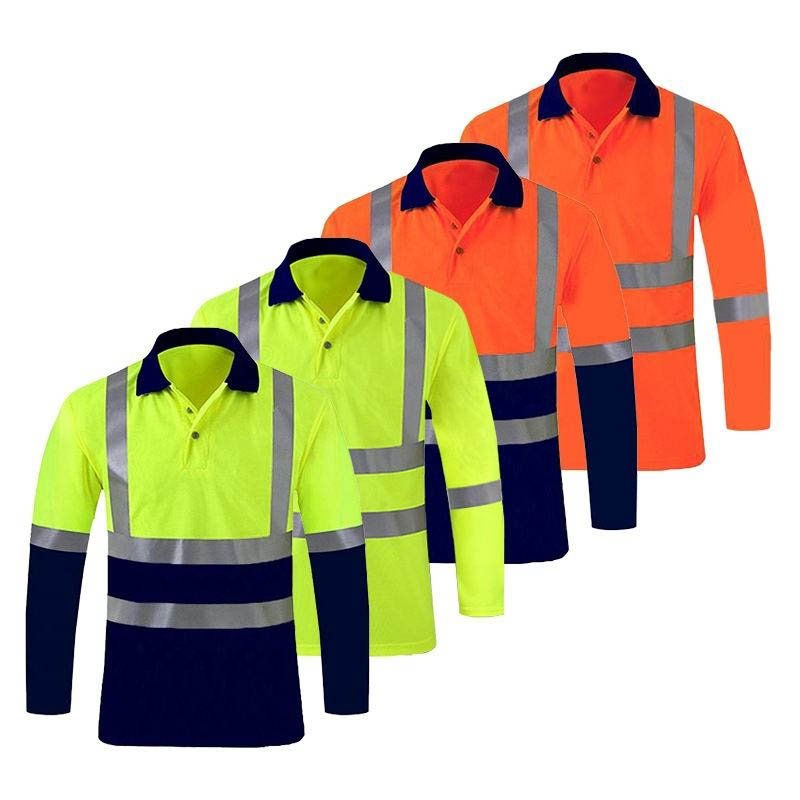
Advanced reflective materials are deployed across diverse industries
Glass Bead Films are Appropriate For:
- ✓ Temporary construction sites where signage will be removed within 3-6 months
- ✓ Indoor parking facilities or climate-controlled warehouses where moisture exposure is minimal
- ✓ Low-speed applications like parking lot wayfinding or property boundary marking where reaction time is not critical
- ✓ Arid climates (southwestern US deserts, Middle East) where precipitation is rare and budget is a primary constraint
- ✓ Educational or training materials where cost minimization is acceptable for demonstrative purposes
Prismatic Films are Recommended For:
- ★ Fleet vehicle safety markings exposed to all weather conditions, especially where wet-weather visibility during nighttime operation is critical
- ★ High-speed highway signage where drivers must identify hazards from 100+ meters away at night
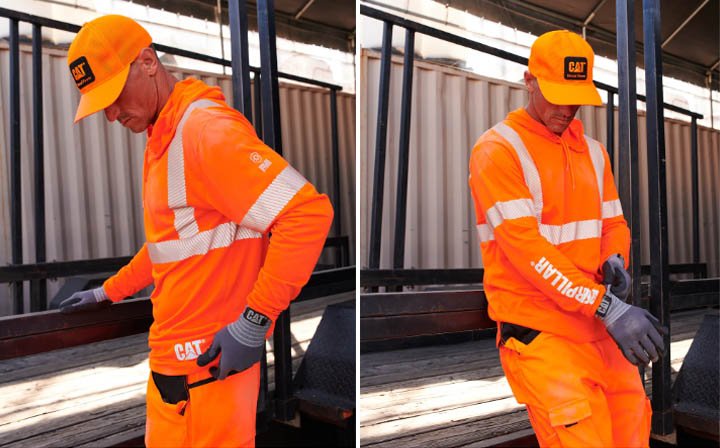
- ★ Industrial worker safety uniforms (mining, railway, construction) where liability exposure is extreme and performance consistency is non-negotiable
- ★ Traffic management and roadwork apparel particularly in wet climates or regions with seasonal rain
- ★ Compliant hi-vis clothing meeting EN ISO 20471 or ANSI/ISEA 107 standards where corporate standards mandate premium materials
- ★ Permanent installations in any outdoor environment where the cost is amortized over 5-7 years of use
The pattern becomes clear: if visibility during nighttime, wet-weather conditions is essential to preventing accidents or injuries, prismatic is the responsible choice. If you’re managing cost on temporary, low-risk applications in controlled environments, glass bead is defensible. The question you should ask is not “which is cheaper?” but rather “what is the cost if this material fails?”
Beyond Initial Price: Total Cost of Ownership Analysis
This is where the business case for prismatic film becomes compelling. Let’s work through a realistic example: a mid-sized logistics company with a fleet of 50 vehicles decides on the reflective striping for safety compliance.
Scenario: 50-Vehicle Fleet Safety Striping
Calculation assumes 50 linear meters of reflective tape per vehicle (typical for industry-compliant striping patterns)
Glass Bead Approach
Initial cost: 50 vehicles × 50m × $0.40 = $1,000
Replacement cycle: 2.5 years
5-year total: $1,000 + $1,000 (replacement at 2.5 yr) = $2,000
+ Labor for re-striping: ~$500 per replacement cycle
+ Risk of compliance violations if striping fades during rainy months
Prismatic Approach
Initial cost: 50 vehicles × 50m × $1.10 = $2,750
Replacement cycle: 6+ years (likely covers 5-year analysis period)
5-year total: $2,750 (one installation only)
+ Labor: Minimal (single installation)
+ Guaranteed compliance throughout 5-year period
Bottom line: Glass bead costs ~$2,500 over 5 years (including replacement labor and downtime). Prismatic costs $2,750 as a single investment. The difference is $250—a 10% premium—but prismatic delivers compliance certainty, elimination of replacement labor, and dramatically superior visibility in critical wet-weather conditions.
Now factor in liability. If a nighttime, wet-weather accident occurs and an investigation reveals that the fleet was using substandard glass bead striping when premium prismatic film was available, insurance adjusters and legal counsel will scrutinize that decision. The $250 “savings” disappears in the first hour of litigation. This is the “what-if” scenario that should drive the decision for risk-conscious organizations.
💡 Key Insight from Our Years in Safety Business: We’ve observed that forward-thinking fleet managers and safety directors calculate ROI by working backward from the cost of a single preventable accident. When you do that calculation, prismatic film becomes not an expense but one of the highest-ROI safety investments available. The “debate” between prismatic and glass bead quickly resolves itself when you’re thinking like a risk manager instead of a commodity buyer.
Industry Standards & Compliance
If your application involves regulated industries (transportation, occupational safety, or public infrastructure), compliance with formal standards is mandatory. Here’s where material choice becomes non-negotiable:
- EN ISO 20471 (Europe): This European standard for high-visibility clothing specifies minimum reflectance coefficients. Class 3 (the highest) requires 500+ cd/lux/m² coefficient—a standard glass bead films cannot reliably meet, particularly after 12 months of weathering.
- ANSI/ISEA 107 (North America): The American standard defines performance in wet conditions. Prismatic films are the default choice for organizations targeting Level 3 or Level 4 compliance in wet-weather environments.
- AS/NZS 1906.4 & 4602.1 (Australasia): These standards emphasize wet-weather performance, making prismatic materials the practical standard in Australia and New Zealand.
For regulatory compliance in safety-critical applications, prismatic film isn’t optional—it’s the professional standard. Organizations using glass bead for regulated applications may find themselves unable to certify compliance during audits.
Frequently Asked Questions
What is the primary difference between prismatic and glass bead reflective films? ▼
The fundamental difference is optical technology. Glass bead films embed thousands of tiny glass spheres in adhesive; when light hits these spheres, each acts as a microscopic lens. Prismatic films use engineered micro-prism structures that bend light along a controlled geometric path. Prismatic achieves 2-3x higher brightness (300-500+ vs. 100-200 cd/lux/m²), maintains visibility in wet conditions (80-90% vs. 30-50% brightness retention), and offers 180° viewing angles compared to glass bead’s 40-60°.
Why does glass bead reflective film perform so poorly in wet conditions? ▼
When water droplets coat the surface of glass bead film, they disrupt the precise optical path that each glass sphere relies on to redirect light. The water droplets act as microscopic lenses themselves, scattering and absorbing light that should be reflected. In rain, a glass bead film’s brightness can drop from 150 cd/lux/m² to 50 cd/lux/m²—a catastrophic loss precisely when visibility is most critical. Prismatic films’ engineered geometry channels light around moisture, maintaining 80-90% brightness.
Is the extra cost of prismatic film really justified? ▼
Yes—when you calculate total cost of ownership. Glass bead’s initial 40% cost savings disappear when accounting for replacement every 2-3 years. Prismatic films last 5-7 years, often covering the entire service life of a fleet vehicle or long-term installation. Additionally, from a liability perspective, prismatic film is the industry-standard choice for high-risk applications. The $250-500 premium over 5 years is trivial compared to a single-accident liability claim. Many organizations find prismatic materials cost less per year when spread across their actual lifespan.
Can I use glass bead film for a fleet vehicle that operates at night in rainy conditions? ▼
While technically possible, it’s not recommended from a safety perspective. Glass bead film’s brightness drops 50-70% in wet conditions—exactly when a driver needs maximum visibility to spot your vehicle from 100-200 meters away. The viewing angle limitation (40-60°) means approaching vehicles may not see the reflective striping clearly from oblique angles. Prismatic film is the professional choice for any fleet operating in conditions where visibility failure creates accident risk.
How long do these reflective films actually remain effective? ▼
Glass bead films typically show visible degradation within 18-24 months in sunny climates (UV fading reduces brightness by 15-25%). By 2.5-3 years, most installations are functionally obsolete. Prismatic films maintain 95%+ color and brightness for 5-7 years under normal outdoor exposure. In some sheltered environments (like interior building walls), prismatic films can last 7+ years. Quality matters significantly—premium prismatic films from established manufacturers outperform budget alternatives by 50%+.
Which reflective material should I specify for a new safety clothing line? ▼
For any professional safety clothing intended to meet modern standards (EN ISO 20471, ANSI/ISEA 107), specify prismatic material exclusively. Glass bead films cannot reliably meet Class 3 performance requirements, especially after 12 months of weathering. Customers wearing glass bead hi-vis clothing in wet conditions experience significant visibility degradation relative to prismatic counterparts. Building in prismatic materials differentiates your product, ensures compliance, and provides genuine safety advantages—all of which support premium pricing and brand loyalty.
Ready to Specify Premium Reflective Materials?
Whether you’re equipping a fleet, manufacturing hi-vis workwear, or engineering safety signage, the choice between prismatic and glass bead materials fundamentally impacts performance outcomes. Let our team of reflective material specialists guide you toward the optimal solution for your specific application.
Get Expert ConsultationOur engineers are ready to discuss your reflective material requirements and recommend the perfect solution.
Learn More About Advanced Reflective Materials
This guide focuses specifically on prismatic vs. glass bead film comparison. For a comprehensive overview of the full spectrum of reflective material options—including segmented films, colored reflectives, elastic materials, and application-specific variants—visit our complete resource:
Explore Our Industrial Reflective Tape Guide →This comprehensive pillar resource covers reflective webbing, heat-transfer films, custom logos, and application-specific performance metrics.
Final Recommendation
The “best” reflective film isn’t the cheapest—it’s the one that delivers the visibility performance your specific application demands. For temporary, low-risk, or budget-constrained projects in dry environments, glass bead films offer acceptable performance at reasonable cost. For anything involving nighttime operation, wet-weather exposure, regulatory compliance, or high-accident-consequence scenarios, prismatic films are the professional standard and the responsible choice.
The smart approach: Calculate the total cost of ownership across the expected service life, then add the cost of liability exposure if the material fails. When risk managers perform this calculation, prismatic film’s premium disappears. It becomes not an expense but an investment in safety—the kind of decision that prevents accidents, protects lives, and demonstrates genuine commitment to worker and public safety.
At VizGlo Safety, we’ve been manufacturing and supplying advanced reflective materials to discerning safety professionals for over 15 years. Whether you choose glass bead or prismatic, we ensure your materials meet the highest standards and perform flawlessly in real-world conditions. Contact our team to discuss your specific application and requirements.