EN ISO 20471 vs. ANSI/ISEA 107: A Guide for Safety Wear Brands
If your safety wear brand sells into Europe and North America, the question is rarely “Which standard is better?” The real question is how to build a compliant, commercially efficient product line without creating unnecessary SKUs, duplicated inventory, and avoidable testing costs.

Table of Contents
Quick Answer: EN ISO 20471 vs. ANSI/ISEA 107
EN ISO 20471 is the main high-visibility clothing standard used in Europe, while ANSI/ISEA 107 is the primary standard used in the United States and widely referenced across North America. EN ISO 20471 focuses heavily on the amount and performance of fluorescent background material and retroreflective material, classifying garments mainly by visible material area. ANSI/ISEA 107 classifies garments by worker environment and risk exposure, using garment types such as Type O, Type R, and Type P, plus performance classes. For global safety wear brands, the smartest approach is often not to create separate EU and US garments, but to engineer one dual-compliant product using the stricter shared requirements of both standards, verified through certified materials, correct reflective tape placement, and reliable laboratory testing.
The Real Difference Is Not Just Technical—It Is Commercial
Product managers often approach EN ISO 20471 and ANSI/ISEA 107 as if they are two columns in a compliance spreadsheet. That is understandable, but it misses the bigger business issue. A brand selling to Germany, France, the UK, the United States, and Canada does not simply need a compliant vest or jacket. It needs a product architecture that avoids duplicated development work, excessive stock keeping units, and confusing sales documentation.
In practical sourcing terms, the most expensive mistake is designing one garment for Europe and another similar garment for North America when a single dual-certified design could have served both regions. Every additional SKU means separate forecasting, separate stock holding, separate labels, separate test reports, and sometimes separate marketing assets. For a distributor or private-label workwear brand, that complexity quickly becomes more expensive than the garment itself.
Official documents and references can be reviewed through organizations such as the International Organization for Standardization, the International Safety Equipment Association, and the OSHA PPE guidance. But translating those rules into a profitable product line is where experienced manufacturing support becomes essential.
EN ISO 20471 vs. ANSI/ISEA 107: Practical Comparison for Brands
| Factor | EN ISO 20471 | ANSI/ISEA 107 | Brand Decision |
|---|---|---|---|
| Primary market | Europe and markets following EU-style PPE rules | United States and North American work zones | Define target geography before sketching the garment. |
| Classification logic | Classes mainly based on minimum visible material areas | Types and classes based on work environment and risk | Match design to worker risk, not only fabric area. |
| Design focus | High-performance fluorescent and retroreflective material coverage | Visibility requirements by Type O, Type R, Type P and class | A dual-compliant design must satisfy both layout rules. |
| Material testing | Strong emphasis on color performance, chromaticity, luminance, and durability | Includes specific performance and labeling requirements for intended use | Use the strictest common denominator when sourcing materials. |
| Inventory impact | Can drive EU-specific SKUs if designed separately | Can drive US-specific SKUs if designed separately | Dual certification can reduce SKU proliferation. |
The “Global Garment” Strategy: Why Smart Brands Design Once
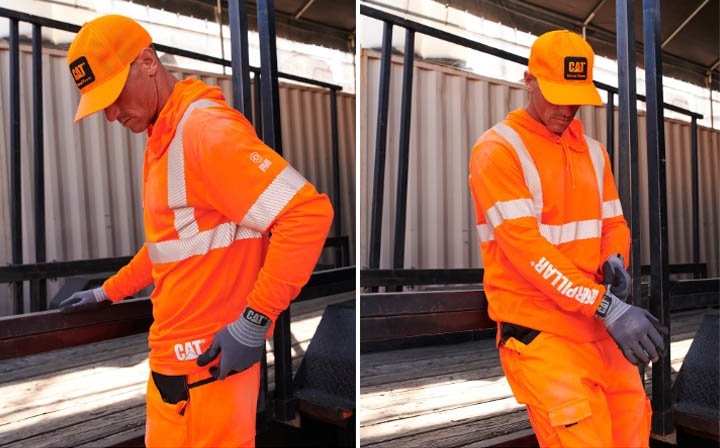
For safety wear brands, the ideal product is a “global garment”: one vest, jacket, polo, hoodie, or rainwear style that can be compliantly sold in multiple regions with minimal variation. This does not mean ignoring local rules. It means designing from the beginning around the strictest overlapping requirements.
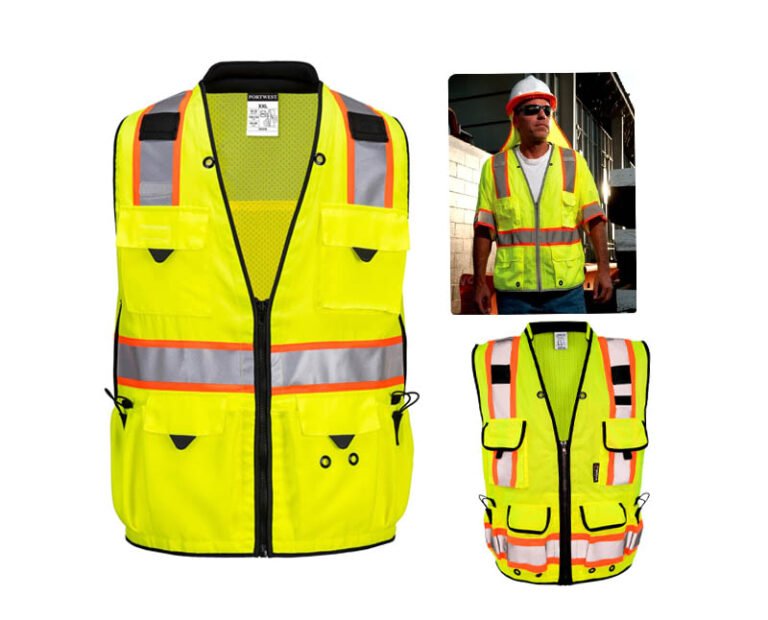
A common example is a high-visibility jacket intended for both European road crews and American construction contractors. If the garment is engineered to meet EN ISO 20471 Class 3 material area requirements, it may already exceed many ANSI/ISEA 107 Type R Class 3 area expectations. However, that does not automatically make it ANSI-compliant. Reflective tape configuration, garment labeling, documentation, and use-case classification still need to be checked.
The best dual-market garment is not created by adding more reflective tape at the end. It is created by planning compliance, pattern layout, fabric performance, and labeling before the first sample is cut.
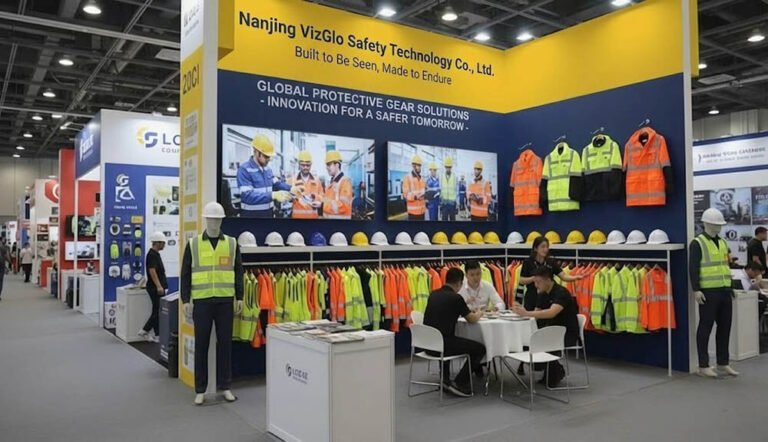
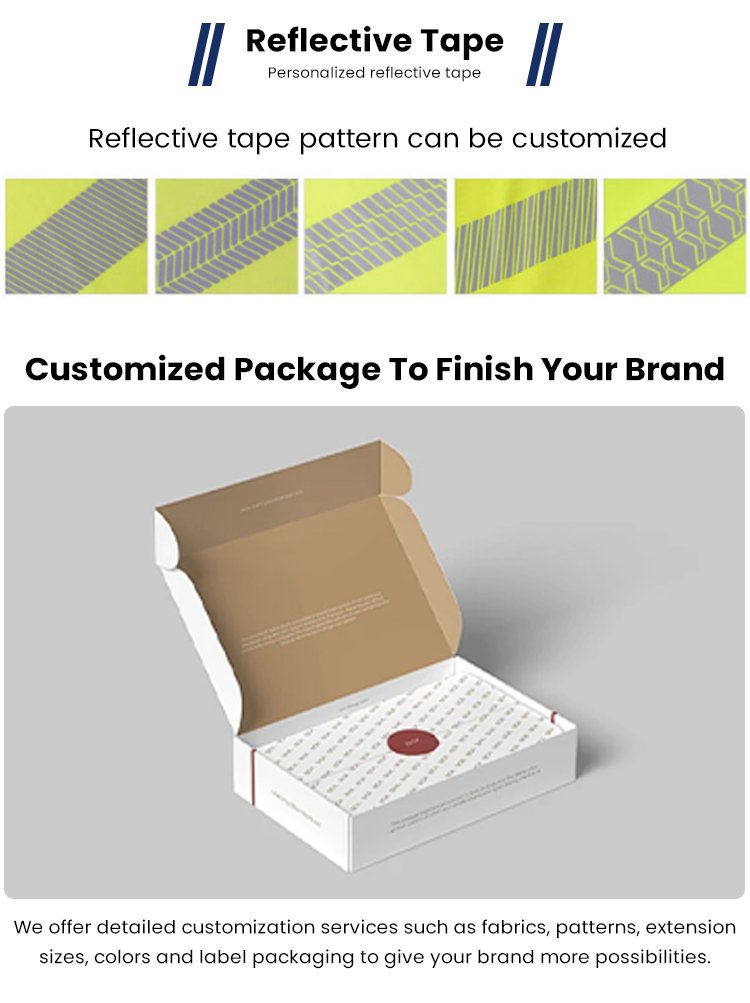
This is where experienced OEM/ODM development matters. At VizGlo Safety, we support brands with custom high-visibility garments across categories such as high visibility vests, hi-vis jackets, hi-vis rainwear, and reflective tapes. The goal is not just to manufacture your product, but to help you reduce unnecessary regional complexity.

The Hidden Hurdles Are in Material Testing
Newer brands often focus on the visible measurements: how many square meters of fluorescent fabric and how many square meters of reflective tape are required. Professionals know that many compliance problems do not appear on the pattern table—they appear in the lab.
Fluorescent background material must maintain required color and luminance performance. Retroreflective material must deliver the required brightness and durability after washing, abrasion, flexing, temperature exposure, or other relevant tests. If a garment claims additional performance such as moisture management, flame resistance, waterproofness, or stretch recovery, those claims can trigger additional evaluation. European PPE rules may also involve conformity assessment and documentation under the European Commission PPE framework.
For dual-market products, the safest sourcing rule is simple: select materials that pass the strictest relevant requirement between the two markets. That applies to fluorescent fabric colorfastness, retroreflective brightness, wash durability, shrinkage, seam performance, and any special function claimed on the product label.
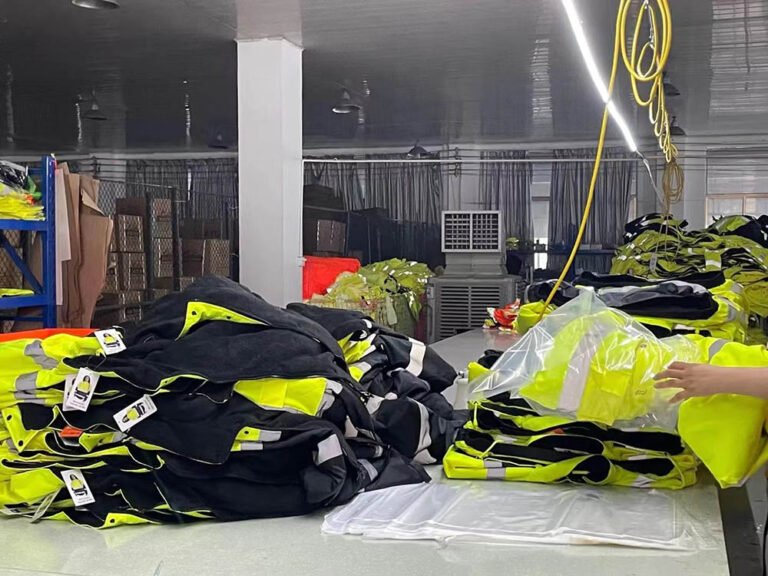
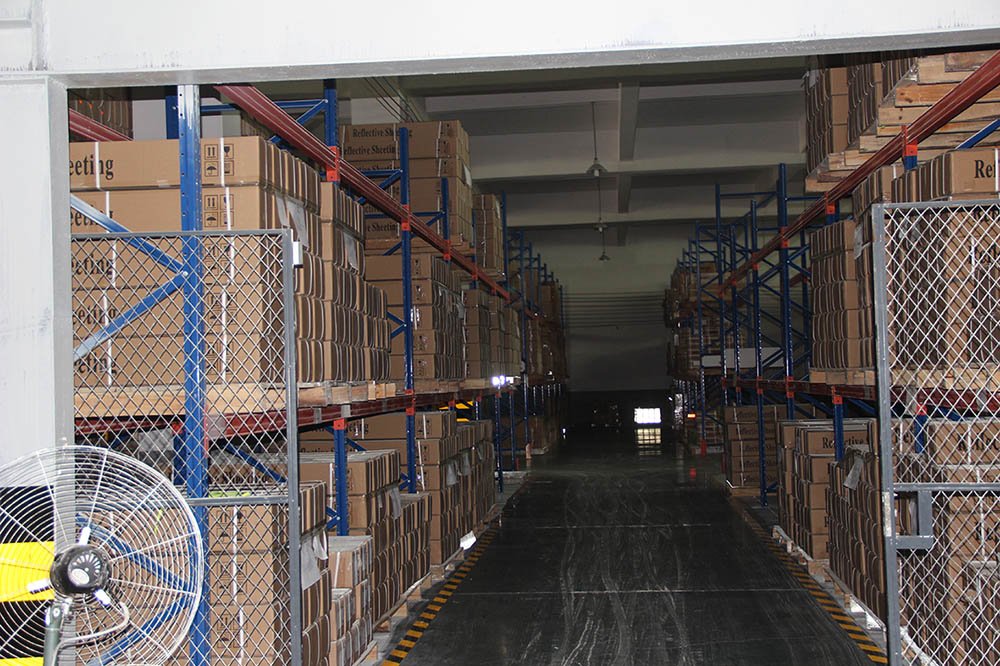
This is why vertical integration matters. A manufacturer that controls both garment production and reflective material sourcing can help prevent the classic problem of a garment sample looking correct but failing certification because one component was not suitable for the intended standard.
Design Philosophy: ANSI Thinks in Risk Scenarios, EN ISO Thinks in High-Performance Material Area
One of the most useful ways to explain the difference is this: ANSI/ISEA 107 is heavily tied to worker exposure and environment, while EN ISO 20471 sets a high performance expectation for the garment and classifies it by visible material area. This distinction affects design decisions more than many sourcing teams expect.
In the US, a brand may develop a simpler Class 2 vest for workers in moderate-risk environments, then offer Class 3 garments for higher-risk roadwork or heavy vehicle zones. In Europe, a similar-looking low-cost vest may struggle if it does not meet the minimum material requirements or configuration expectations. A design that sells well in one region may not be transferable to another without modification.
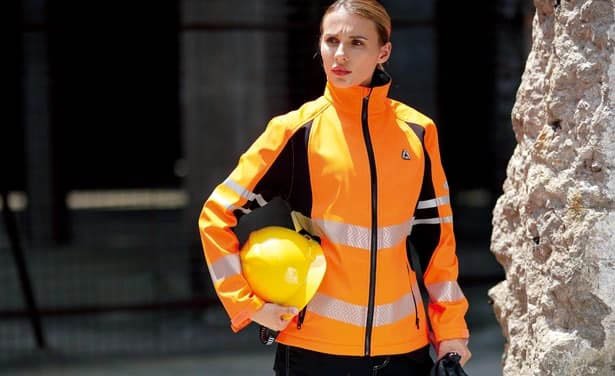
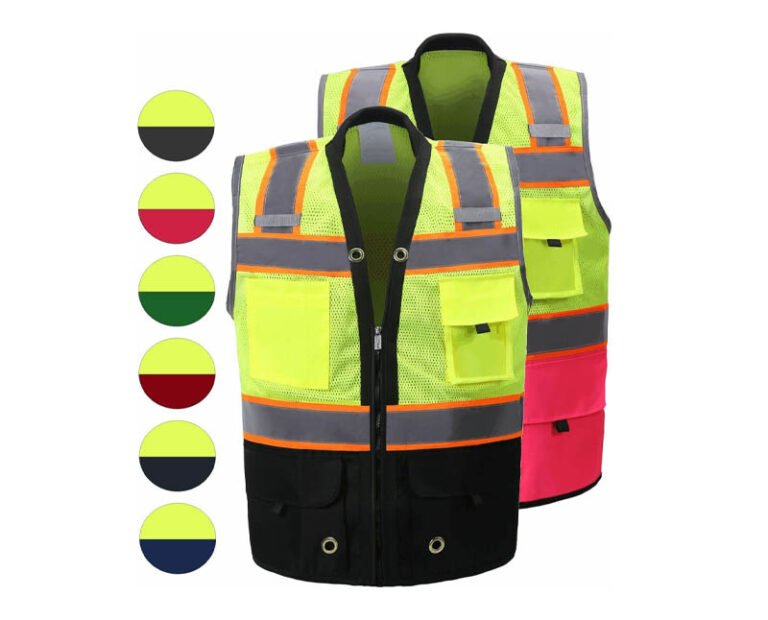
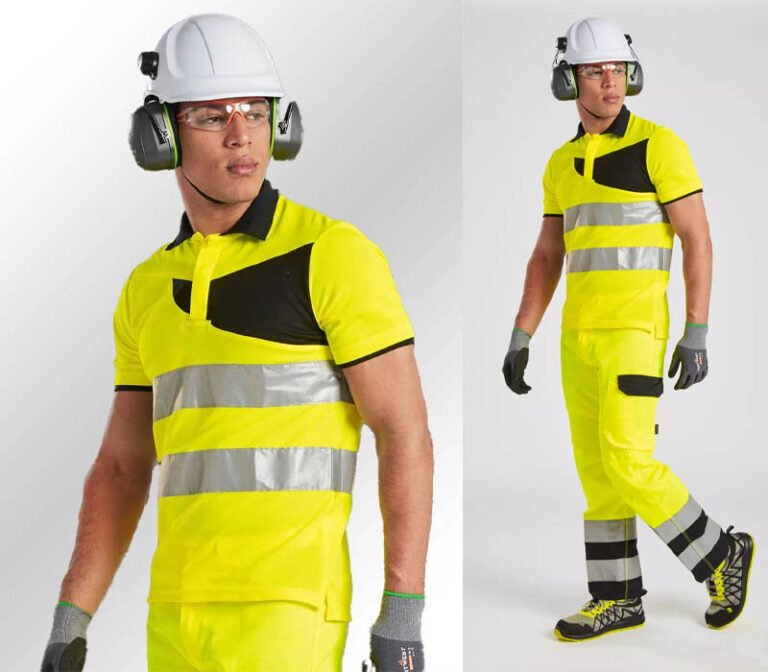
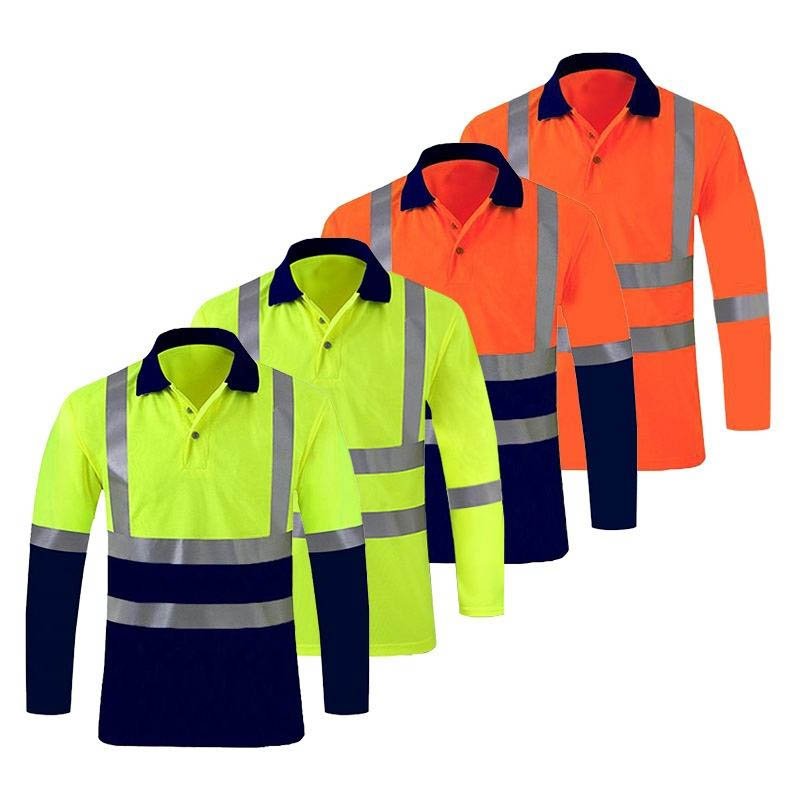
This is especially important for fitted women’s workwear, lightweight polo shirts, segmented reflective film designs, black-bottom garments, and waterproof jackets with contrast panels. Every design improvement—comfort stretch, darker panels, ventilation zones, pocket systems, branding, detachable hoods—can affect compliant visible area or reflective continuity.
If your brand plans a complete range, build the compliance map first. Decide which garments are regional and which can be global. Then develop your line around core styles that carry the largest sales volume and the broadest certification value.
A Practical Product Development Checklist
- 1 Define markets first: EU only, US only, North America, UK/EU, or global distribution.
- 2 Define worker scenarios: road work, construction, logistics, railway, airport, mining, utilities, or general industrial use.
- 3 Select certified materials: fluorescent fabric, reflective tape, heat transfer film, trims, and labels must match the intended claim.
- 4 Engineer tape placement early: do not leave reflective configuration until the final sample stage.
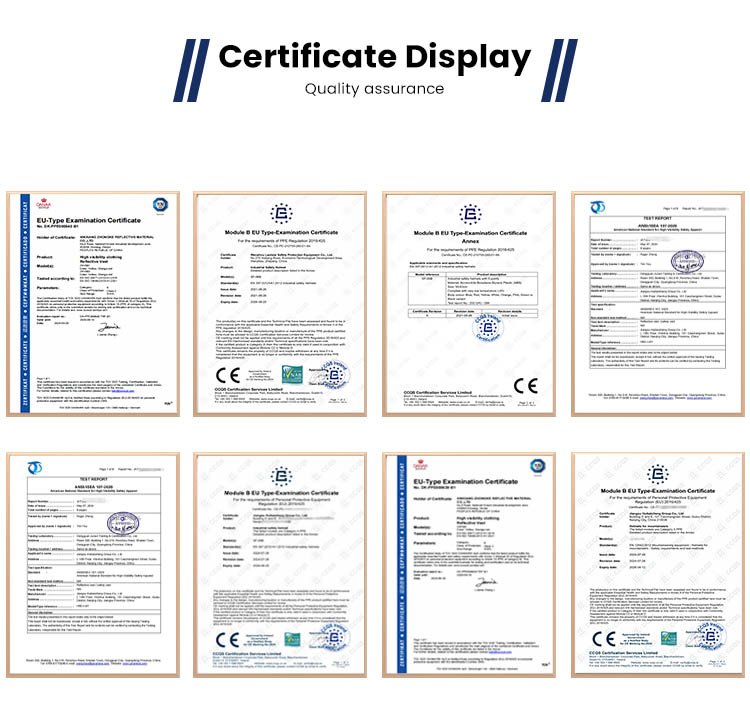
- 5 Verify documentation: ask for test reports, declarations, washing instructions, label content, and batch traceability.
How Safety Wear Brands Should Choose a Manufacturing Partner
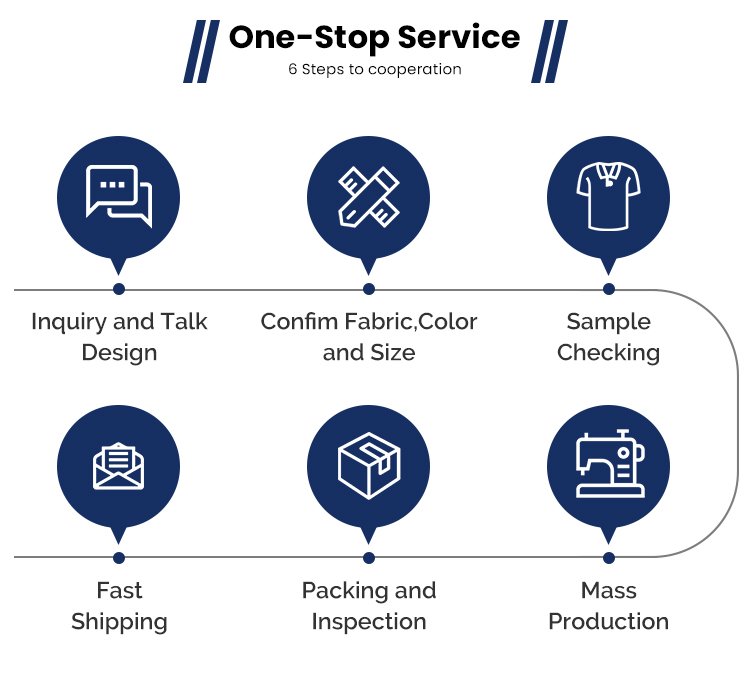
A low-cost sewing factory can make a vest. A strategic safety wear manufacturer helps you avoid failed certification, overbuilt products, underperforming materials, duplicated SKUs, and inconsistent production lots. For brands selling through distributors or public tenders, those differences matter.
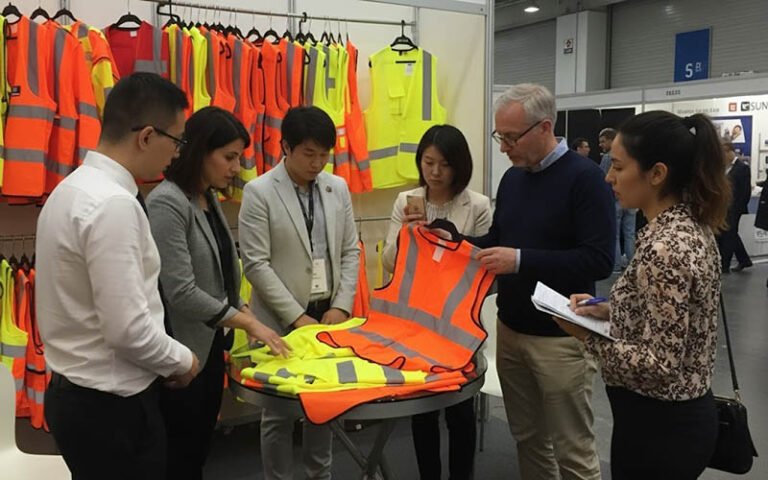
When evaluating suppliers, ask whether they understand both EN ISO 20471 and ANSI/ISEA 107 at the design stage, not only after production. Ask whether they can recommend compliant reflective materials, support private-label packaging, provide test documentation, manage sample revisions, and maintain consistent color and brightness across repeat orders. Guidance from organizations such as the UK Health and Safety Executive and CCOHS high-visibility safety apparel resources can help buyers understand workplace expectations, but the supplier must translate those expectations into production-ready garments.
VizGlo Safety supports global workwear brands, PPE distributors, and enterprise buyers with OEM/ODM high-visibility clothing and reflective materials. Our product scope includes safety vests, polo shirts, T-shirts, hoodies, jackets, rainwear, workwear sets, reflective tapes, reflective films, reflective logos, reflective webbing, and reflective piping. Explore our core Hi Vis Clothing category or our Reflective Material solutions to build a more efficient compliant product line.
Planning a Dual-Compliant Hi-Vis Product Line?
Send us your target markets, garment type, preferred fabric, and intended worker environment. Our team can help review the compliance direction, material options, reflective layout, and OEM/ODM production plan.
WordPress/Elementor note: this CTA uses your Elementor popup action link and should open Popup ID 26 when Elementor popup scripts are active.
FAQ: EN ISO 20471 vs. ANSI/ISEA 107
Can one hi-vis garment meet both EN ISO 20471 and ANSI/ISEA 107?
Yes, one garment can often be designed for both standards, but it must be engineered from the start for dual compliance. The garment must use suitable fluorescent and retroreflective materials, meet the required visible material areas, follow acceptable reflective tape configurations, and carry the right test documentation and labeling.
Is EN ISO 20471 stricter than ANSI/ISEA 107?
Neither standard is simply “stricter” in every area. EN ISO 20471 has strong requirements around high-performance background and retroreflective material area and performance. ANSI/ISEA 107 is strongly tied to worker risk categories, garment types, and intended use. For global brands, the safest method is to design around the strictest relevant requirement from both.
Why do brands care about dual certification?
Dual certification can reduce SKU proliferation, simplify inventory planning, lower development costs, and make it easier for distributors to sell the same product into multiple markets. It is especially valuable for private-label safety wear brands operating across Europe and North America.
What is the biggest mistake when designing for both standards?
The biggest mistake is treating compliance as a final inspection issue instead of a design-stage decision. Fabric color, reflective tape placement, garment cut, contrast panels, pockets, branding, and wash durability can all affect compliance. These must be reviewed before bulk production.
What documents should a brand request from a hi-vis manufacturer?
Brands should request relevant material test reports, garment compliance documentation, washing instructions, label details, declarations where applicable, and information about raw material traceability. For private-label programs, packaging and care label requirements should also be confirmed before production.