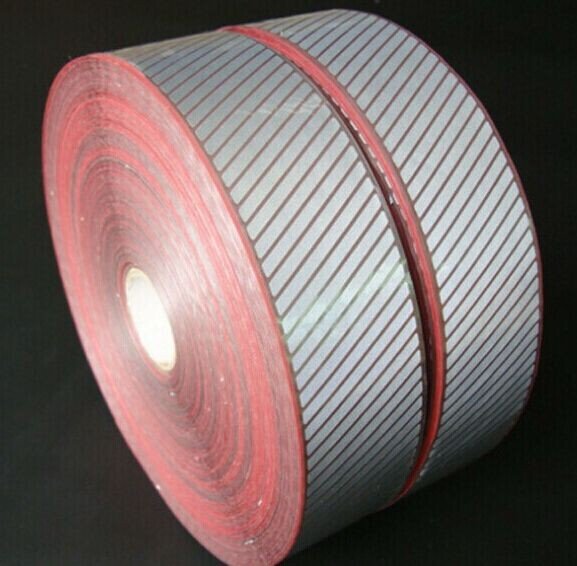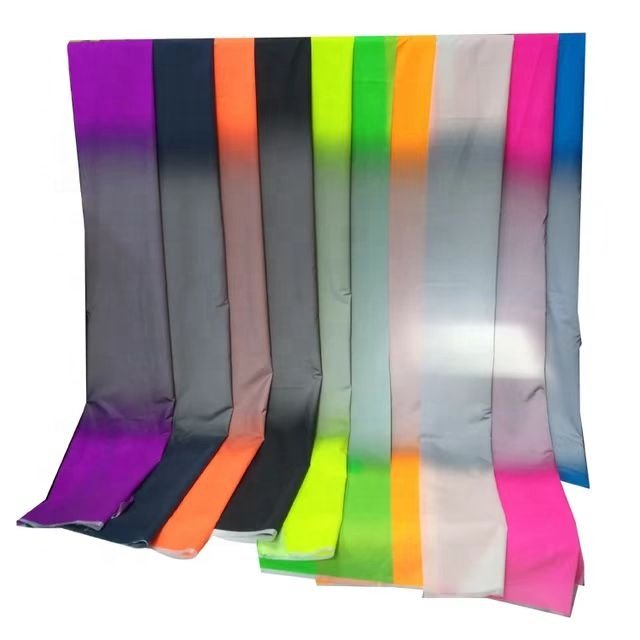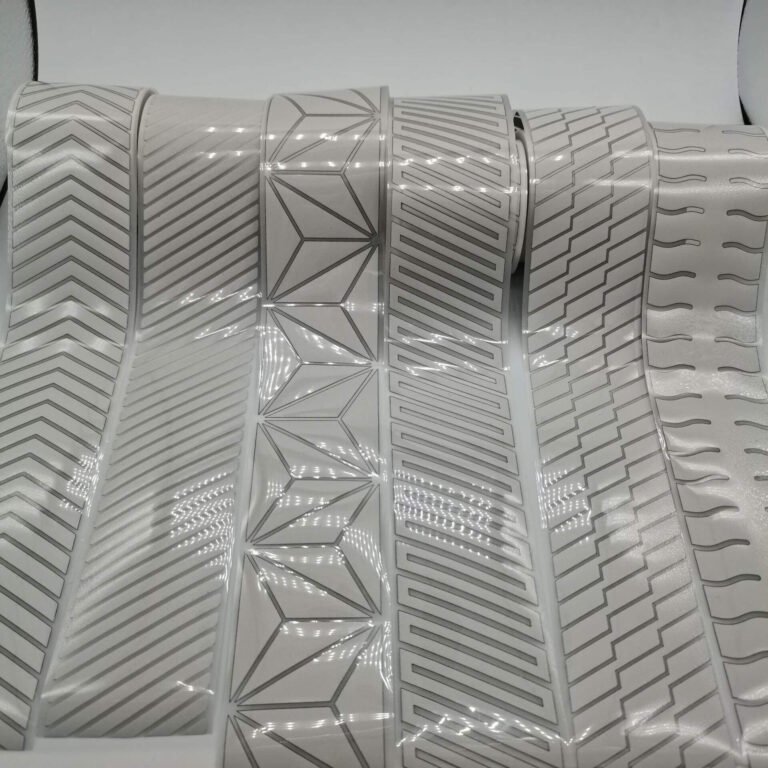
Spandex vs. T/C Backing: Choosing Reflective Piping for Activewear
The backing of reflective piping is no longer a minor specification. For activewear, it can decide whether a garment moves naturally, sews cleanly, survives repeated wear, and matches the brand promise your customer expects.
Quick Answer
For high-stretch activewear such as leggings, running jackets, cycling apparel, yoga pants, compression tops, and athleisure garments, spandex-backed reflective piping is usually the better choice because it stretches with the base fabric, reduces puckering, preserves wearer mobility, and supports a premium performance feel. T/C backing, short for Tetoron/Cotton, is better suited to safety vests, workwear, uniforms, bags, rugged outerwear, and cost-sensitive programs where dimensional stability, easier sewing, abrasion resistance, and value matter more than four-way stretch. In simple terms: choose spandex backing when the garment must move with the body; choose T/C backing when the garment must stay stable, durable, and economical. If you are developing a new reflective trim program and need a reliable reflective piping manufacturer, the best decision starts by matching the piping backing to the garment’s core function, not just to the lowest unit price.
Why the Backing Is More Than a Hidden Layer
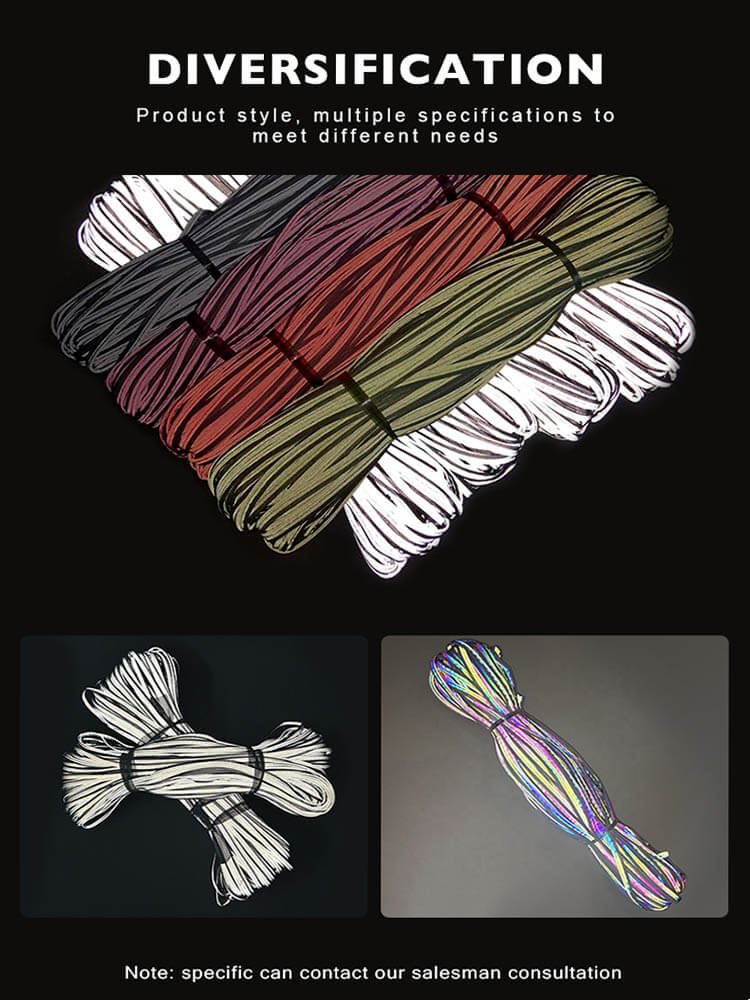
When buyers compare reflective piping, the conversation often starts with reflectivity, color, width, or price. Those details are important, but they are not the whole story. The backing fabric is the layer that interacts directly with the garment shell, the sewing machine, the seam tension, and ultimately the wearer’s movement. It controls whether the piping lies flat or ripples, whether it bends naturally around curves, and whether it can survive production without slowing down the factory line.
In activewear, this becomes especially critical. Modern performance garments are built with stretch fabrics, ergonomic panels, and body-mapped construction. A reflective detail placed along a side seam, pocket opening, sleeve line, hood edge, or leg panel must move as part of the garment. If the piping backing is too rigid, the garment may still look acceptable on a hanger, but it can fail during fitting: the seam pulls, the reflective edge puckers, and the wearer feels resistance exactly where the garment should feel smooth.
This is why experienced product developers now treat reflective piping as a performance component, not a decorative accessory. The right backing can support brand positioning; the wrong one can turn a technically advanced garment into a disappointing product.
Spandex-Backed Reflective Piping: Built for Movement
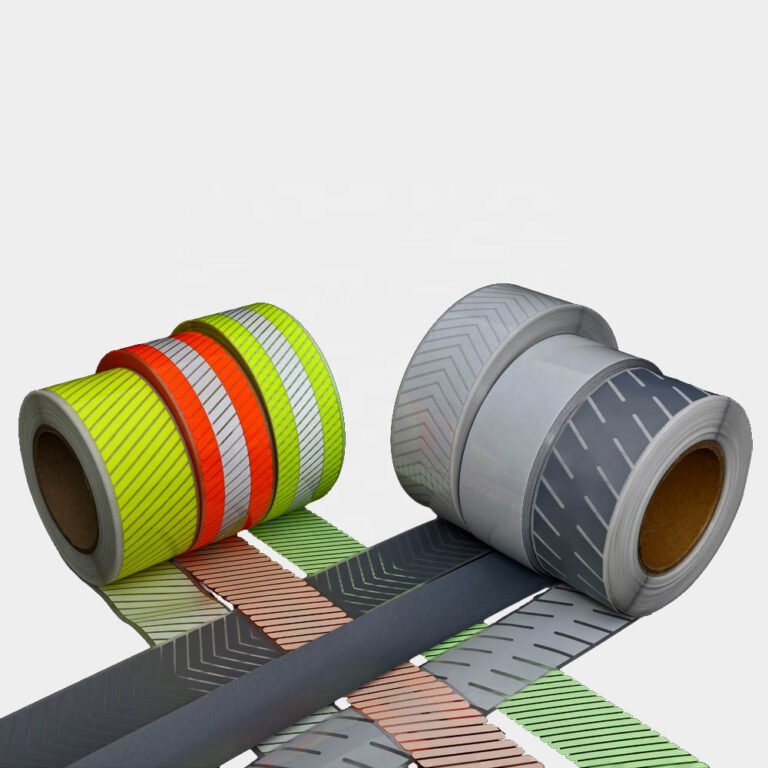
Spandex-backed reflective piping is designed for garments that stretch, flex, and recover repeatedly. The backing typically contains elastic fiber, allowing the piping to extend along with knit fabrics and return to shape after movement. For activewear brands, this matters because the reflective trim must not interrupt the wearer’s natural motion.
Consider a pair of running tights or yoga leggings. The side seam may stretch significantly during lunging, sprinting, cycling, or bending. If a non-stretch reflective pipe is inserted into that seam, it can act like a rigid cord. The result is often seam distortion, wearer discomfort, and visual puckering. Spandex backing helps avoid this by allowing the piping to participate in the garment’s stretch cycle.
The main advantage is comfort integration. The reflective element becomes part of the garment, rather than an attached obstacle. This makes spandex-backed piping especially suitable for premium running wear, cycling apparel, fitness tops, outdoor stretch jackets, yoga apparel, kids’ sportswear, and athleisure collections. Brands targeting North America, Western Europe, Japan, South Korea, and other performance-driven markets often prioritize this solution because consumers in these regions are sensitive to fit, stretch, and garment feel.
The trade-off is that spandex-backed piping generally costs more and requires better sewing control. Factories must manage feed tension carefully so the elastic trim is not stretched unevenly during stitching. If the operator pulls the trim too much, the seam may contract after sewing. If the trim is not stabilized properly, seam waviness may occur. In other words, spandex backing gives superior movement, but it also demands stronger production discipline.

T/C-Backed Reflective Piping: Stable, Durable, and Factory-Friendly
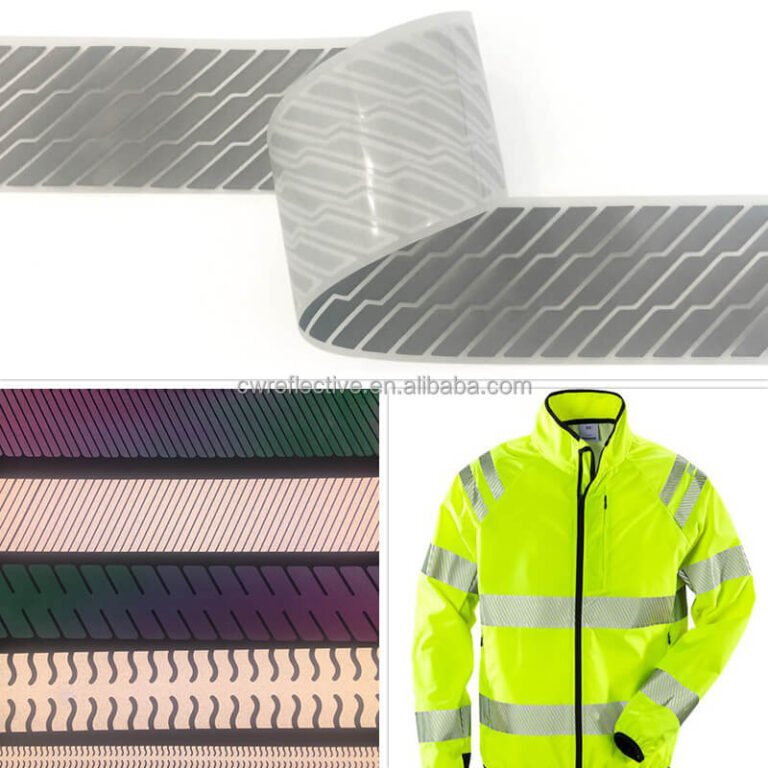
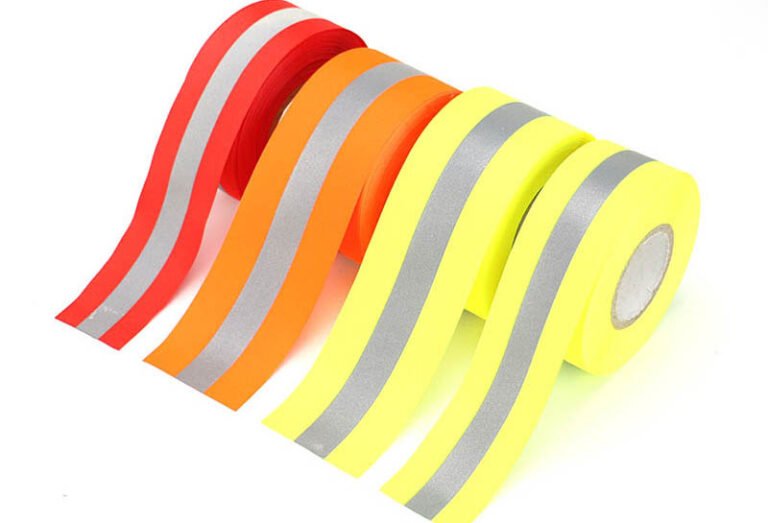
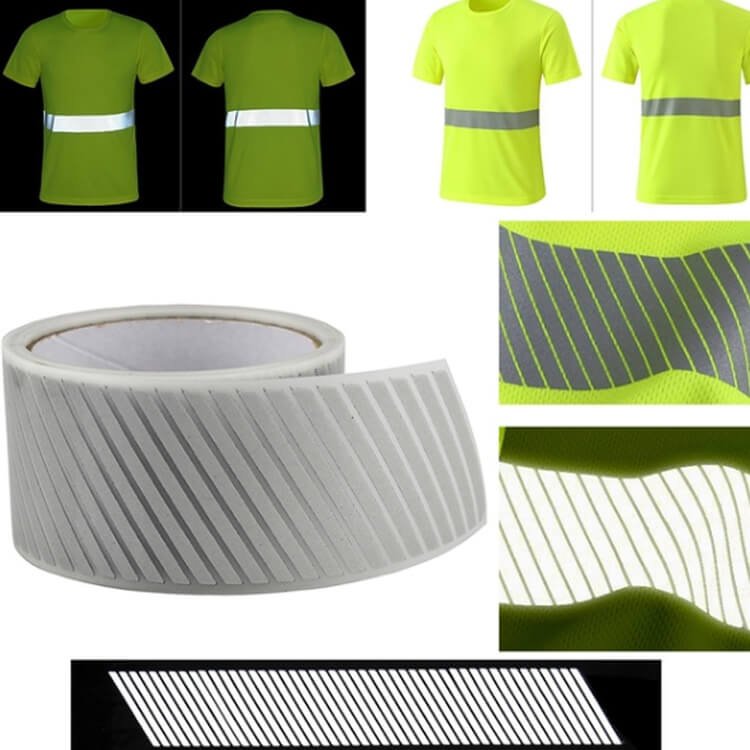
T/C backing refers to Tetoron/Cotton, a polyester-cotton blended base that has long been used in reflective trims. It is stable, relatively easy to sew, and cost-effective. For many garment categories, it remains the practical default because it delivers visibility without adding unnecessary complexity.
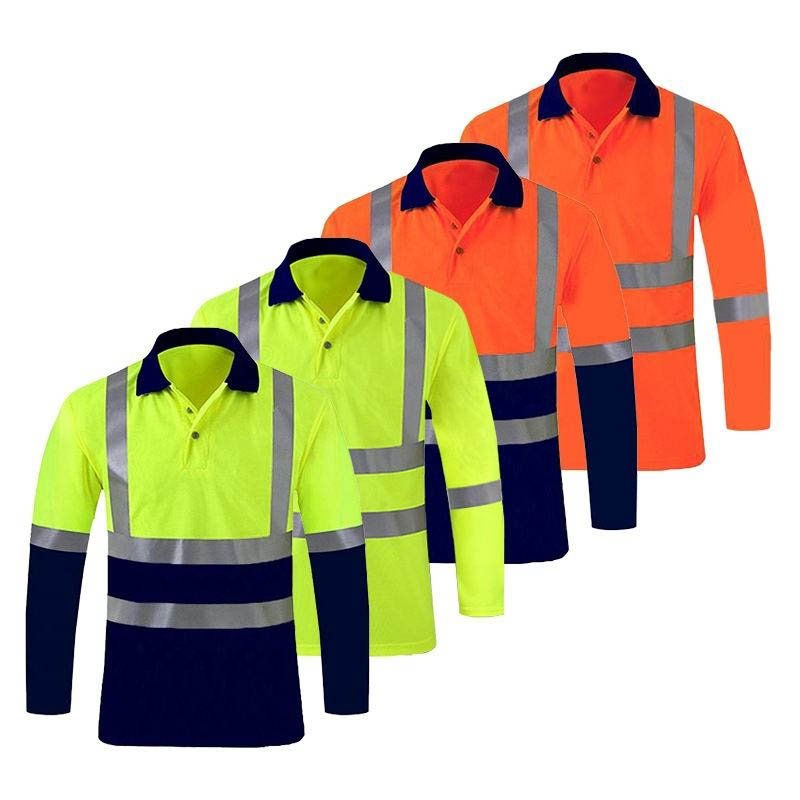
T/C-backed reflective piping performs well on garments that do not require significant stretch: safety vests, standard hi-vis jackets, workwear uniforms, rainwear edges, backpacks, school bags, pet accessories, outdoor gear, and protective apparel. It holds shape well, feeds consistently through sewing machines, and is easier for factories to handle during bulk production. That makes it highly attractive for industrial safety apparel, private-label uniforms, municipal programs, and price-sensitive distribution markets.
In regions where ruggedness and value are top priorities, such as parts of South America, the Middle East, Southeast Asia, and large-scale industrial supply channels, T/C backing is still an excellent choice. It offers dependable visibility and structural consistency without the premium cost of elastic backing.
Its limitation is stretch. T/C backing may bend and curve, but it does not move like a high-elastane fabric. If applied to compression garments, tight-fitting sportswear, or four-way stretch panels, it can restrict movement and create visual defects. This does not mean T/C is inferior; it simply means it should be used where stability is an advantage, not where elasticity is required.
Spandex vs. T/C Backing: Side-by-Side Comparison
| Factor | Spandex Backing | T/C Backing |
|---|---|---|
| Best Use | Activewear, athleisure, stretch jackets, leggings, cycling apparel | Safety vests, workwear, bags, uniforms, non-stretch outerwear |
| Stretch Performance | High; moves with elastic fabrics | Low; stable but not suitable for high-stretch panels |
| Sewing Difficulty | Requires tension control and skilled operators | Easier to sew consistently in mass production |
| Comfort | Excellent for close-to-body garments | Good for loose or structured garments |
| Cost | Higher | More economical |
| Brand Message | Performance, comfort, premium movement | Durability, value, reliable visibility |
For technical reference, brands developing high-visibility or reflective apparel should also understand applicable visibility standards. Useful external resources include the ISO overview of EN ISO 20471 high-visibility clothing, the ISEA information on ANSI/ISEA 107, and the ASTM International testing standards database.
How Buyers Should Choose the Right Backing
The most reliable way to choose between spandex and T/C backing is to start with the garment’s job. Ask what the wearer needs to do while wearing it. Will they run, stretch, squat, cycle, reach overhead, or perform repeated athletic movement? If yes, spandex backing deserves serious consideration. Will they wear the garment over other clothing for visibility, identification, or general protection? If yes, T/C backing may be the smarter and more economical solution.
Next, look at the base fabric. A four-way stretch nylon-spandex or polyester-spandex fabric usually requires a stretch-compatible reflective pipe. A woven polyester, Oxford fabric, mesh safety vest fabric, PVC-coated rainwear shell, or cotton-blend workwear fabric can usually work well with T/C-backed piping. A mismatch between piping and base fabric is one of the most common reasons reflective trim fails during fitting.
You should also consider the seam location. Reflective piping placed along a side seam of leggings experiences more stress than piping around a loose jacket pocket. Piping around curved panels, armholes, knees, elbows, or waistbands may require more flexibility. Piping used as an edge accent on a safety vest can prioritize stability.
Finally, align the decision with brand positioning. A premium activewear label cannot afford stiff reflective details that compromise comfort. A large-volume safety apparel distributor may not need elastic backing if the garment is not stretch-based. The best specification is not always the most expensive one; it is the one that supports the product promise.
Field insight from reflective material sourcing:
Choosing spandex backing says, “We prioritize comfort and seamless performance.” Choosing T/C backing says, “We prioritize durability and value.” The mistake is not choosing one over the other; the mistake is choosing a backing that contradicts the garment’s real function.
Testing Before Bulk Production
Before committing to bulk orders, brands should test reflective piping in real garment conditions. A lab sample of piping can look excellent on its own, but the true test happens after sewing, stretching, washing, and wearing. For activewear, request a trial run using the actual base fabric and seam construction. Check whether the seam remains flat after stretching and recovery. Inspect whether the reflective surface cracks, wrinkles, or separates after repeated movement.
Washing performance should also be confirmed. Reflective trims may face home laundering, industrial laundering, sweat exposure, detergent chemistry, tumble drying, and abrasion. Depending on the market, buyers may need to review care label rules and textile safety expectations from sources such as the FTC textile labeling guidance or textile safety programs like OEKO-TEX STANDARD 100.
Sewing evaluation is equally important. Spandex-backed piping may require differential feed adjustment, lighter handling tension, or seam reinforcement depending on the garment. T/C-backed piping is generally easier, but needle selection, stitch density, and seam allowance still affect final appearance. For brands working with multiple factories, it is wise to create a simple sewing instruction sheet that defines trim orientation, acceptable seam waviness, and stretch recovery requirements.
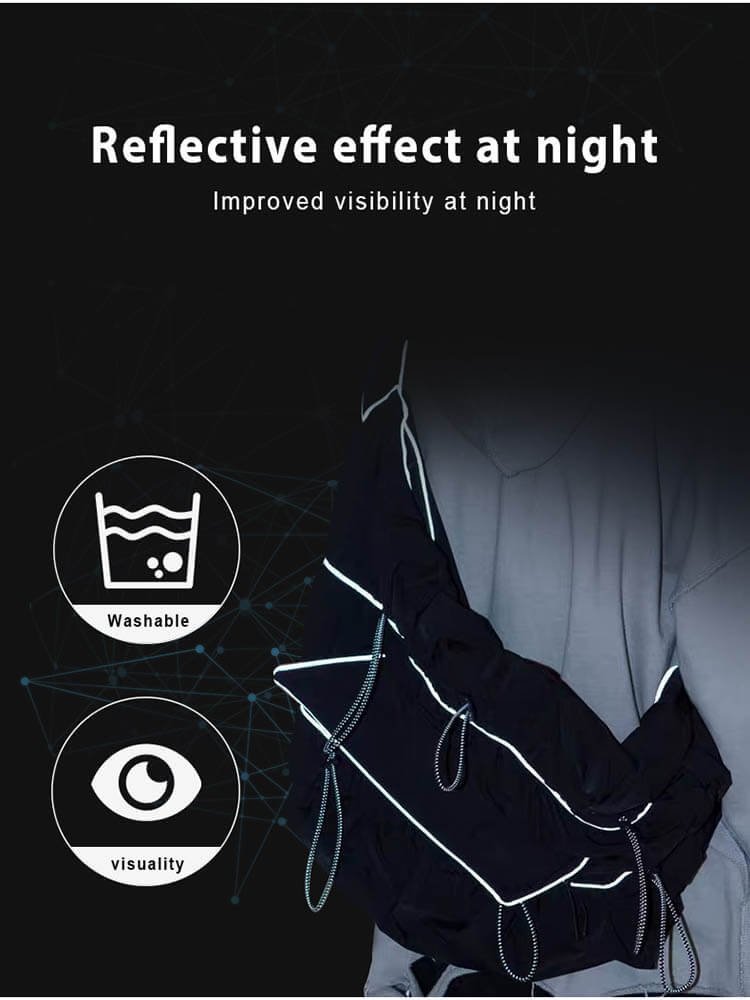
If your product is intended for road running, cycling, commuting, industrial workwear, or regulated high-visibility use, reflectivity should be checked after application, not only before sewing. The final garment should provide visibility where the wearer needs it most.

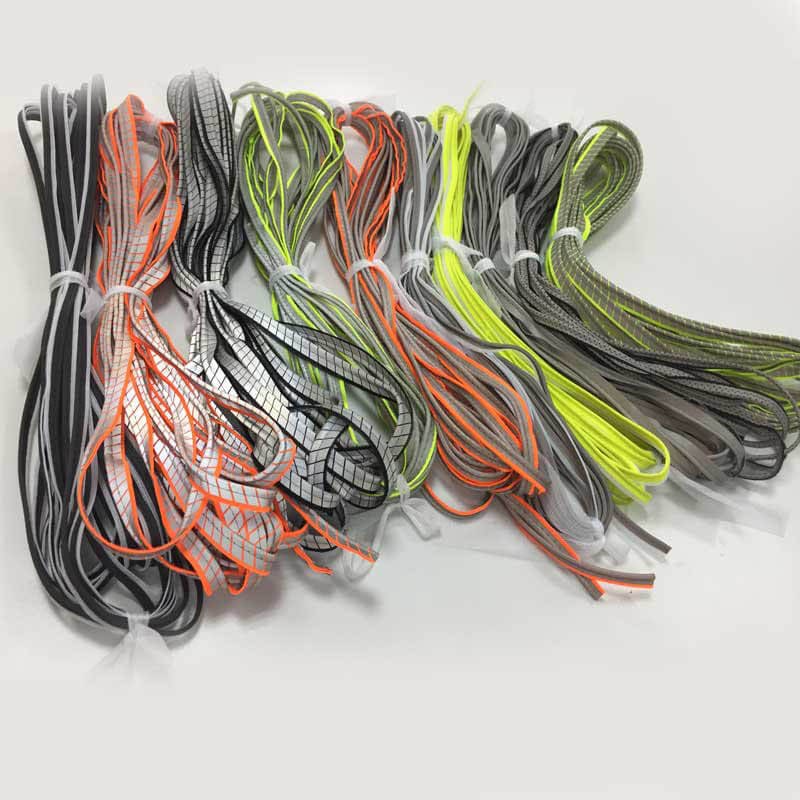
Recommended Applications by Product Type
Choose Spandex Backing For:
- Yoga pants and leggings
- Running tights and fitted jackets
- Cycling jerseys and compression wear
- Stretch outdoor shells
- Premium athleisure collections
- Children’s activewear with movement requirements
Choose T/C Backing For:
- Safety vests and hi-vis uniforms
- Workwear jackets and trousers
- Rainwear and non-stretch outerwear
- Backpacks, bags, and accessories
- Budget-conscious private-label programs
- Industrial apparel requiring sewing stability
For broader material performance knowledge, buyers can also review general textile fiber behavior from resources such as Textile School’s educational textile guides.
Need Help Matching Reflective Piping to Your Garment?
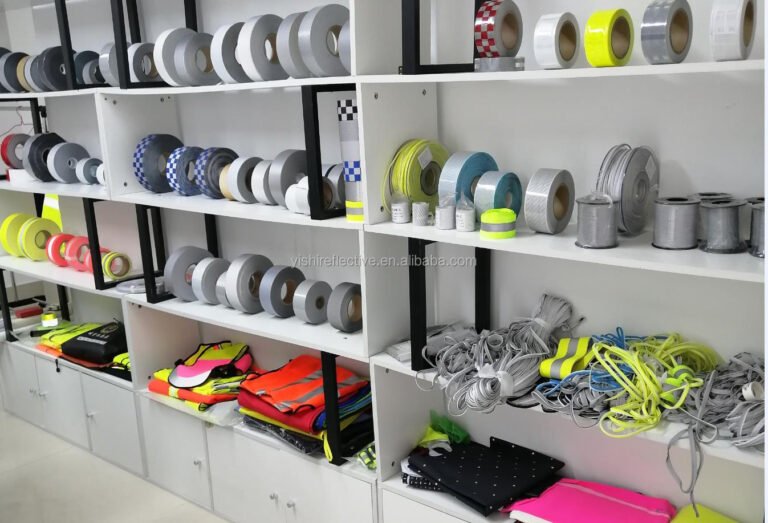
VizGlo Safety manufactures reflective piping, reflective tape, reflective film, reflective logos, and complete hi-vis apparel for global brands, distributors, and OEM/ODM buyers. Share your fabric, application, target market, and washing requirements—we can recommend the right backing before you start bulk production.
FAQ: Spandex vs. T/C Reflective Piping
Is spandex-backed reflective piping always better for activewear? +
For high-stretch activewear, yes, it is usually the better choice. However, if the reflective piping is placed on a low-stretch area such as a loose pocket edge or decorative panel, T/C backing may still work. The decision should be based on fabric stretch, seam location, and wearer movement.
Why does T/C-backed piping cause puckering on stretch garments? +
T/C backing is dimensionally stable and does not stretch like elastic performance fabric. When sewn into a stretch seam, the base fabric wants to extend but the piping resists movement. This mismatch can create puckering, seam tension, and restricted comfort.
Is T/C-backed reflective piping suitable for safety vests? +
Yes. T/C-backed reflective piping is often an excellent choice for safety vests because the garment is usually loose-fitting, non-stretch, and cost-sensitive. It is also easier for factories to sew consistently in large production runs.
Does backing affect reflectivity? +
The backing itself is not the main reflective layer, but it affects how smoothly the reflective surface sits on the garment. Poor backing compatibility can cause wrinkles or distortion, which may reduce the clean visual effect of the reflective trim after sewing and wear.
Can VizGlo customize reflective piping backing, color, and size? +
Yes. VizGlo Safety provides OEM/ODM customization for reflective piping, including backing type, width, color, reflectivity level, packaging, and application-specific performance. Buyers can request samples based on their target garment and market.