From Factory to Your Warehouse: Understanding the Global Shipping Process for Reflective Materials
A comprehensive guide to navigating international logistics, documentation, and best practices for reflective material supply chains.
Quick Answer: The Complete Shipping Journey
When you order reflective materials from VizGlo Safety, your shipment undergoes a carefully orchestrated global logistics process. From the moment production completes at our Nanjing facility, your materials are subjected to rigorous quality inspections, professionally packaged according to international standards, documented with precision for customs compliance, and carefully transported via our network of vetted logistics partners. Sea freight typically delivers within 20-45 days for most global destinations, while air freight accelerates this to just 3-7 days for time-sensitive orders. Throughout this journey, advanced tracking systems provide real-time visibility, specialized handling preserves the reflectivity and material integrity of products, and regulatory compliance is maintained across every jurisdiction. Upon arrival at your warehouse, materials undergo final verification testing to ensure they meet the exact specifications quoted—whether it’s custom reflective logo designs, heat transfer vinyl with precise color matching, or specialized reflective tape for high-visibility apparel production. This end-to-end process is designed to transform your product requirements into shelf-ready inventory with minimal risk and maximum transparency.
Understanding the Global Supply Chain for Reflective Materials
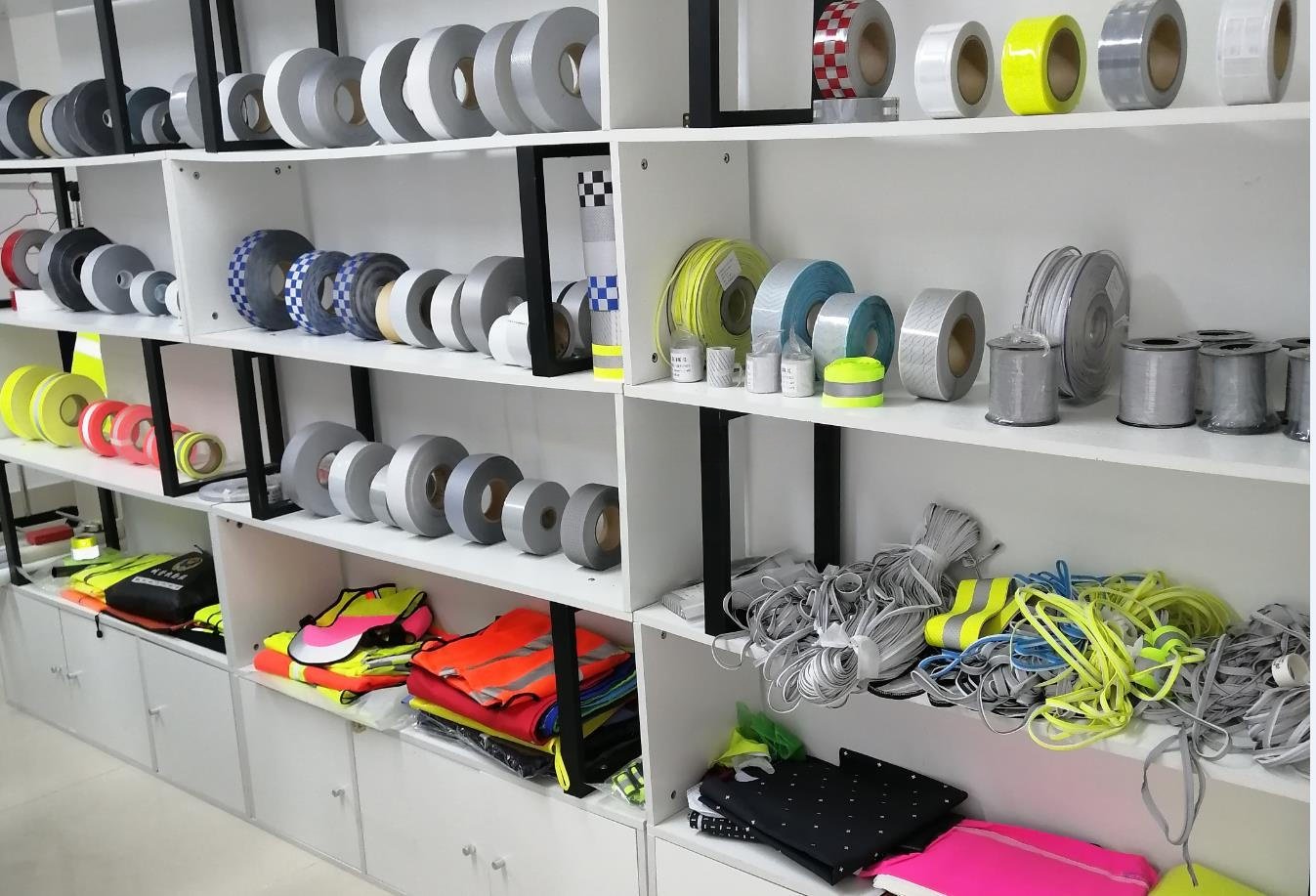
The global reflective materials supply chain is a complex network of interconnected processes. At VizGlo Safety, we understand that successful delivery isn’t just about moving products from point A to point B—it’s about preserving quality, maintaining compliance, and delivering value at every stage. The supply chain begins in our state-of-the-art manufacturing facility in Nanjing, where reflective heat transfer vinyl products are produced with precision-engineered equipment. From there, materials flow through distribution networks that span six continents, connecting factory floors with warehouses in Europe, North America, Asia-Pacific, and beyond.
Understanding this supply chain is critical for several reasons. First, it helps you anticipate timelines and plan production schedules more accurately. Second, it reveals where quality control happens and how your materials are protected throughout transit. Third, it clarifies the roles of various stakeholders—from freight forwarders to customs brokers—enabling better communication and faster problem resolution if issues arise.
Key Insight: The reflective material supply chain has evolved significantly over the past decade. Modern logistics providers now offer specialized services for light-sensitive and environmental-sensitive materials, with climate-controlled containers becoming standard for premium clients.
Production & Preparation Phase: Where Quality Begins
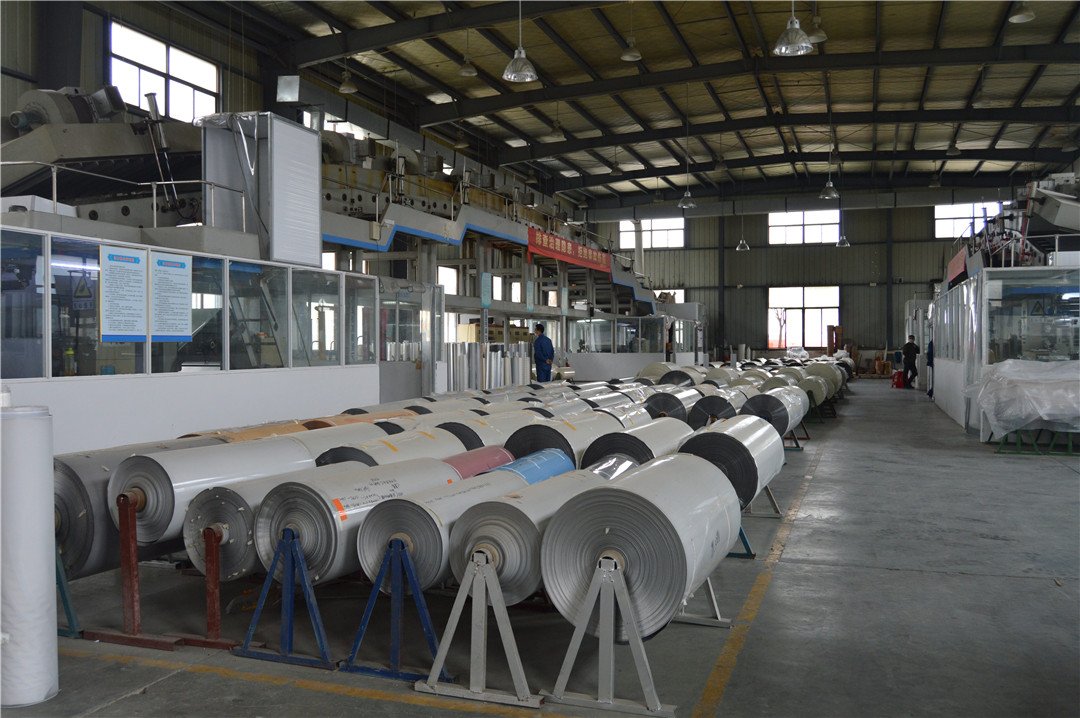
Before your reflective materials ever leave our facility, they undergo multiple quality checkpoints. This production and preparation phase is where the foundation for successful global shipping is established. Our quality assurance team monitors every batch for reflectivity performance, color accuracy, adhesive strength (for heat transfer films), and tensile properties. For custom orders—whether it’s personalized reflective logos or branded heat transfer vinyl—we perform additional testing to verify dimensional accuracy and design fidelity.
Once products pass inhouse testing, they’re prepared specifically for international transit. This means:
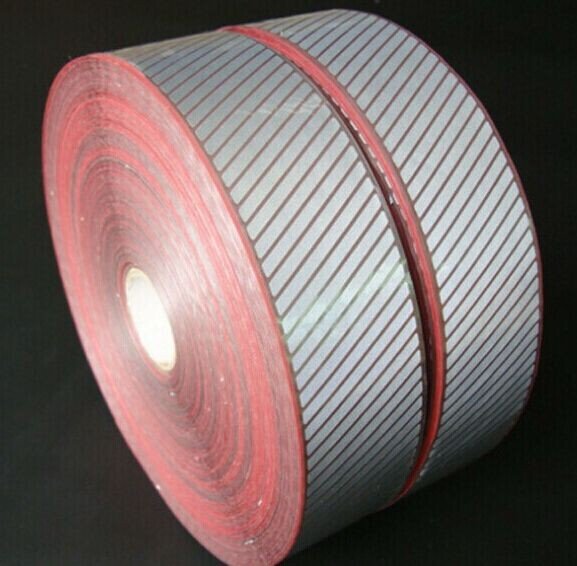
- Individual roll wrapping to prevent moisture ingress and UV damage
- Desiccant packets placed in packaging for long-transit routes
- Custom printed labels indicating handling requirements and certifications
- Product documentation including technical specifications and certificates of compliance
- Batch coding for traceability throughout the supply chain
This meticulous preparation fase, though often invisible to end customers, is fundamental to ensuring your reflective materials arrive in perfect condition—ready to integrate seamlessly into your production processes.
Choosing Your Shipping Method: Sea vs. Air vs. Hybrid Solutions
Your choice of shipping method significantly impacts both cost and delivery timeline. Each method serves different business needs:
Sea Freight: Economy and Volume
Sea freight remains the most economical option for large shipments, offering costs 80-90% lower than air freight. Typical ocean transit times range from 20-45 days depending on departure port, destination, and current port congestion. This method works well for planned production schedules where you can forecast demand 6-8 weeks in advance. According to Freightos’ freight shipping guide, sea freight has become increasingly reliable post-pandemic, with consistent schedules and improved tracking capabilities.
Air Freight: Speed and Responsivity
When you need reflective materials quickly—perhaps responding to urgent market demand or managing seasonal peaks—air freight delivers in 3-7 days. The premium you pay for speed typically ranges from 8-15 times the sea freight cost, depending on weight and destination. Air freight is ideal for sampling, small high-value orders, or crisis-response situations where delays could impact customer relationships.
Hybrid Solutions: Best of Both Worlds
Many sophisticated buyers use hybrid approaches: placing the bulk of orders via sea freight with strategically-timed expedited shipments via air to maintain consistent inventory. This balances cost efficiency with operational flexibility. VizGlo Safety supports both approaches, with dedicated teams managing each logistics channel.
Insider Tip: Less than 60% of buyers optimize their shipping methods. Many over-specify air freight when slower, cheaper alternatives would work equally well. A professional logistics partner can help identify the sweet spot between speed and cost.
Documentation & Customs Clearance: Navigating Regulatory Requirements
International shipments of reflective materials involve substantial documentation—and any oversight can trigger delays or costly customs holds. This phase separates professional logistics providers from amateur operations.
Essential Documentation
- Commercial Invoices: Detailed product descriptions, quantities, unit values, and total invoice amounts
- Packing Lists: Itemized breakdown showing which products are in which boxes, facilitating efficient warehouse receiving
- Bills of Lading (B/L): Critical shipping document serving as contract of carriage and title document
- Certificates of Origin: Confirms Chinese origin for purposes of duty calculation and trade agreement qualification
- Product Certifications: EN ISO 20471, ANSI/ISEA 107, or other relevant standards depending on destination
- MSDS (Material Safety Data Sheets): Required for some heat transfer vinyl formulations, particularly if containing hazardous substances
According to the Global Trade Management Association, documentation errors are the leading cause of customs delays, with average financial impact exceeding $2,000 per incident. VizGlo Safety minimizes this risk through experienced customs brokers and pre-clearance verification protocols.
Duty & Tax Implications
Reflective materials typically fall under HS codes 5903 (textile fabrics, impregnated) or 3919 (plastic films, self-adhesive). Tariff rates vary by destination country and importing entity classification. The EU currently applies 0% tariffs on reflective textile fabrics for safety applications, while US rates hover around 6-8% depending on specific product composition. Accurate HS code classification prevents unexpected tariff surprises and ensures compliance with anti-dumping regulations.
Packaging & Protection Standards: Preserving Material Quality

Reflective materials are surprisingly sensitive to environmental conditions during transit. Unlike generic textiles, reflective heat transfer vinyl and reflective tapes can degrade when exposed to:
- Excessive humidity (moisture can compromise adhesive performance)
- Temperature fluctuations (adhesive properties vary significantly with temperature)
- Prolonged UV exposure (can pre-fade fluorescent pigments before customer use)
- Pressure damage (rolling or compression can wrinkle reflective surfaces)
- Chemical contamination (certain oils and solvents degrade reflective coatings)
VizGlo Safety addresses these challenges through multi-layer packaging protocols:
Sea Freight Packaging
Heavy-duty cartons with desiccant packets, vacuum-sealed rolls, moisture barriers, and specialized racks to prevent compression during long transit periods
Air Freight Packaging
Lightweight but protective packaging including climate-controlled crate options for premium shipments, compressed transit timelines requiring minimal environmental buffering
For orders requiring reflective materials that maintain specific technical properties, we can facilitate climate-controlled container shipments—typically an additional 8-12% premium that’s worth the investment for sensitive formulations.
Real-Time Tracking & Logistics Visibility: Know Where Your Materials Are
Modern supply chain management demands transparency. You shouldn’t have to wonder whether your reflective materials are still in Shanghai or already close to your warehouse. This is why VizGlo Safety integrates with advanced logistics platforms that provide real-time visibility.
Multi-Level Tracking Systems
Our tracking typically includes:
- Production Status: Real-time updates from our manufacturing facility showing completion milestones
- Port Operations: Tracking through departure port, including customs clearance and container loading
- Ocean/Air Transit: Daily position updates showing exact location, estimated time of arrival, and any delays
- Destination Port: Notification when shipment arrives, begins clearance, and is ready for pickup
- Last-Mile Delivery: Integration with local courier services for warehouse-to-door visibility
According to research from Gartner’s Supply Chain Research, organizations with real-time visibility experience 20-30% fewer delivery exceptions and can respond to supply disruptions 50% faster than competitors without such systems.
Proactive Exception Management
Beyond tracking, professional logistics partners monitor for potential issues and notify you preemptively. If a port is experiencing delays or weather patterns suggest potential shipping disruptions, we alert you before problems impact your delivery timeline. This proactive approach transforms logistics from reactive problem-solving into strategic planning.
Warehouse Receipt & Quality Verification: The Final Checkpoint
Your shipment’s arrival at the warehouse isn’t the end of the process—it’s actually a critical verification point. This is where the promise of “on-specification delivery” transforms into reality. Upon receipt, our materials typically undergo several verification steps:
Receiving Protocols
- Carton Count Verification: Physical count against packing lists to confirm no boxes were lost in transit
- Visual Inspection: Checking for obvious damage, moisture intrusion, or packaging compromise
- Spot Testing: Random sampling of products to verify functionality and specifications
- Documentation Review: Confirming all certificates, invoices, and compliance documentation are present and accurate
- Systems Integration: Recording receipt in inventory management systems and flagging any discrepancies for investigation
For high-value orders or orders with strict specifications, VizGlo can arrange third-party inspection services at the destination to provide independent verification of product quality and quantity.
Important Note: Most international shipments include limited recourse periods (typically 3-5 days post-delivery). Document all receipt activities, photograph any damage, and file claims promptly if issues are identified.
Frequently Asked Questions About Shipping Reflective Materials
What’s the typical lead time from order to warehouse delivery? +
Standard sea freight orders typically complete production within 10-15 days, then ship for 20-45 days depending on destination. Total time from order placement ranges from 35-65 days. Air freight accelerates the transit portion to 3-7 days, making total turnaround 15-25 days. Express orders can sometimes complete in under 20 days but require production plan coordination.
Are there minimum order quantities for international shipping? +
Not for shipping per se, but economics matter. Small orders under 100kg are often uneconomical via sea freight. We can consolidate small orders with other shipments, or use express courier services. For LCL (Less than Container Load) shipments, we negotiate shared container space with other shippers to reduce your per-unit freight costs while maintaining service levels.
What happens if my shipment gets damaged in transit? +
All shipments include cargo insurance coverage. If damage is discovered, you must document it photographically within the claim period (typically 3 business days for air, 5 business days for sea). Claims are filed through the logistics provider and cargo insurer. VizGlo Safety typically offers to replace damaged materials at cost as a customer relationship gesture, while claims are processed in parallel.
Can I track my shipment in real-time? +
Absolutely. You’ll receive tracking information including a tracking number, booking reference, and access to online portals where you can monitor shipment status continuously. Updates typically post 1-2 times daily for sea freight, and multiple times daily for air freight. Our customer service team can also provide status updates if automated systems show unclear information.
What are the environmental implications of shipping reflective materials globally? +
Sea freight produces approximately 0.004 kg of CO2 per kg of cargo shipped, making it the most environmentally efficient mass transportation method. Air freight generates ~10-20 times more emissions per kg. We’re committed to sustainable logistics and can provide carbon offset options. Additionally, reflective materials extend product lifecycles and improve safety, creating positive environmental returns beyond shipping impacts.
Do I need to arrange customs clearance myself? +
No. VizGlo Safety handles all customs documentation and typically uses experienced customs brokers to facilitate efficient clearance. However, you’re responsible for ensuring proper importing authority (business registration, tax ID) exists in your country. We provide you with all necessary documentation, but you’re responsible for any duties, taxes, or regulatory compliance specific to your jurisdiction.
Ready to Optimize Your Reflective Material Supply Chain?
Get expert logistics support, tracking, and guaranteed delivery quality from VizGlo Safety’s experienced team.
Explore Our Advanced Reflective Material Solutions
The shipping process we’ve detailed here works only as well as the products being shipped. Our premium reflective materials are engineered specifically for global supply chains—designed to withstand international transit while maintaining performance standards. Whether you’re interested in reflective heat transfer vinyl for branded apparel, custom reflective logos, or reflective logo applications, our dedicated teams ensure each product maintains its specifications through every stage of the shipping process.
Discover how our OEM/ODM reflective material solutions can streamline your production workflows by visiting our complete reflective materials product center. We’re committed to transforming your vision into globally-shipped reality.
Conclusion: A Partnership That Spans Continents
The global shipping process for reflective materials represents far more than logistics—it embodies trust, expertise, and commitment to quality. From our factory in Nanjing to your warehouse, every step is optimized to preserve product integrity, maintain compliance, and deliver value. The invisible infrastructure of documentation, tracking, customs networks, and handling protocols allows you to focus on what you do best: bringing safe, high-visibility products to your end customers.
At VizGlo Safety, we recognize that you’re not just buying materials—you’re entering into a supply chain relationship that will define your ability to serve your customers consistently and profitably. We take that responsibility seriously. Our approach blends technology-driven transparency with human expertise, ensuring that whether you’re placing a small trial order or managing quarterly shipments worth hundreds of thousands of dollars, your materials arrive properly, on time, and ready to perform.
The next time your reflective material shipment departs from our facility, appreciate the complexity and precision operating behind the scenes. And recognize that you’re working with professionals who understand that your success in global markets depends on reliable, transparent, expertly-managed supply chains.
Ready to experience next-level logistics support? Contact our logistics team today and discover how we can optimize your seasonal forecasting, lead time planning, and warehouse management.
Recommended External Resources
- • International Maritime Organization (IMO) – Global shipping standards and regulations
- • INCOTERMS 2020 Guide – Understanding international trade terms
- • American Ports Association – Port infrastructure and operations information
- • World Customs Organization – Harmonized Tariff classification and customs procedures
- • International Association for E-Mobility – Sustainability in global logistics
Join 500+ global importers who trust VizGlo Safety for seamless logistics