How Much Does High Visibility Clothing Cost? A Bulk Buyer’s Guide
By Technical Sourcing Team | Updated for Global PPE Procurement Strategy
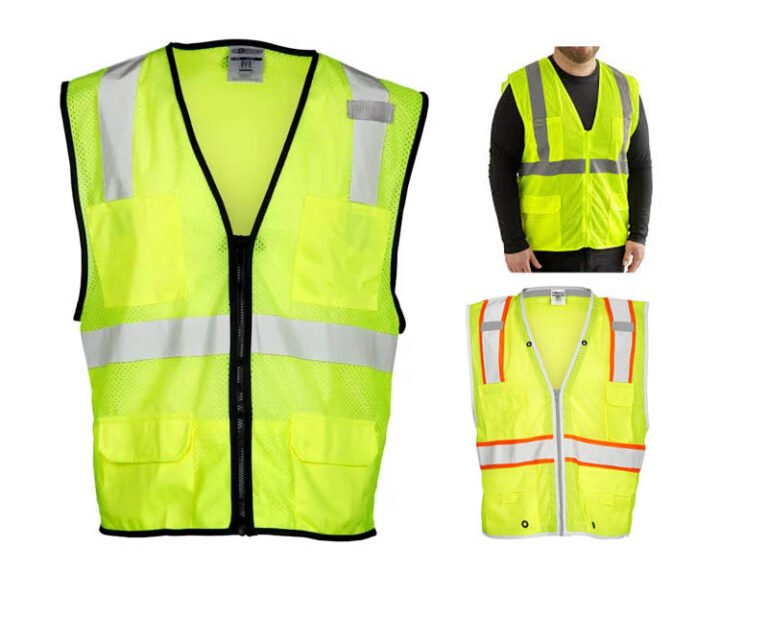
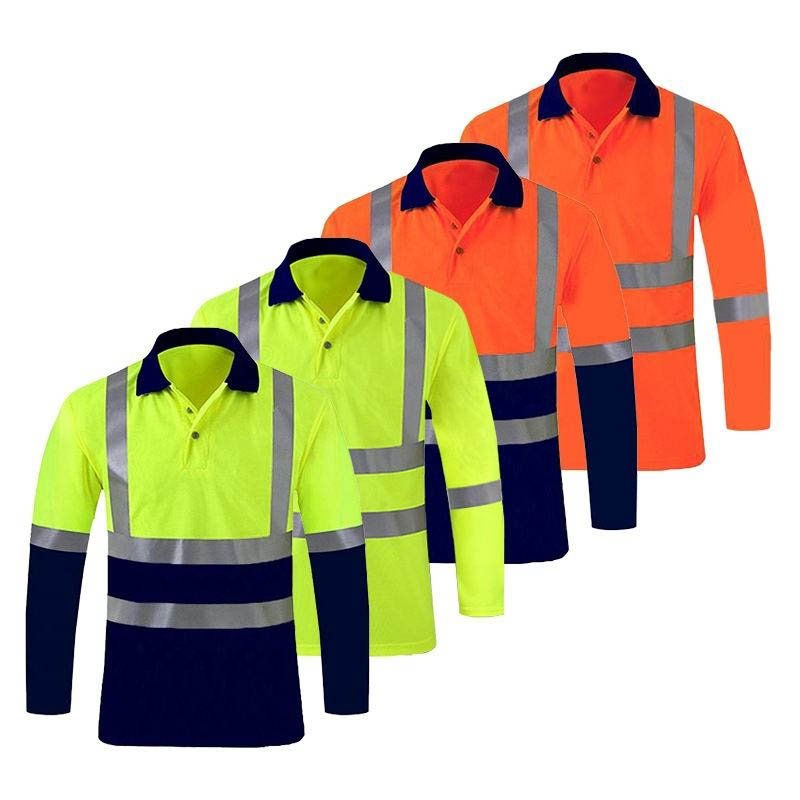
On average, high-visibility clothing costs between $1.20 and $45.00+ per unit for bulk FOB manufacturing orders, depending primarily on the garment silhouette, required compliance certifications, and material construction. A basic ANSI/ISEA 107 Class 2 polyester vest ranges from $1.20 to $3.50, moisture-wicking hi-vis polo shirts run from $4.50 to $9.00, while technical, multi-hazard, EN ISO 20471 Class 3 waterproof winter jackets range from $18.00 to $45.00+. The definitive price is determined by fabric weight, the grade of retroreflective material (such as certified glass bead vs. micro-prismatic segmented heat transfers), custom OEM branding methods, order volumes, and long-term wash-durability ratings.
1. The 5 Real Cost Drivers of Bulk Hi-Vis Workwear
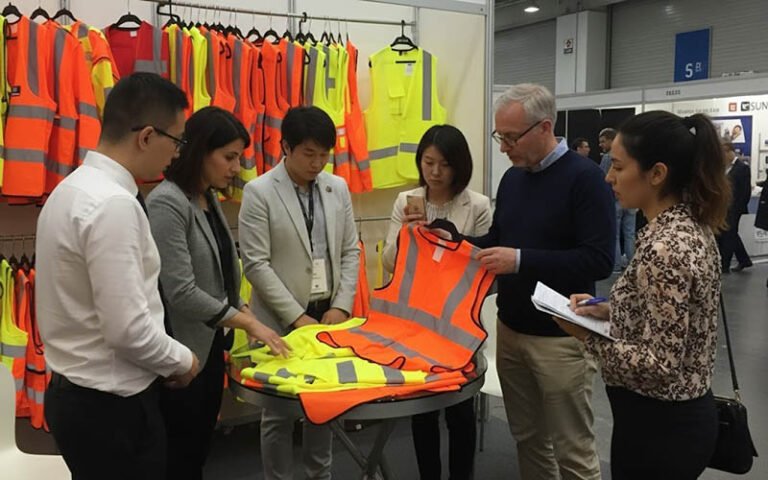
When procurement directors and wholesale safety distributors request quotation sheets, experienced manufacturers never issue a single, flat rate. Sourcing PPE workwear is not equivalent to buying off-the-shelf retail apparel. The final invoiced unit price is an aggregate calculation of technical standards, production scale, and material performance specifications defined by the Occupational Safety and Health Administration (OSHA) and regional legislative bodies.
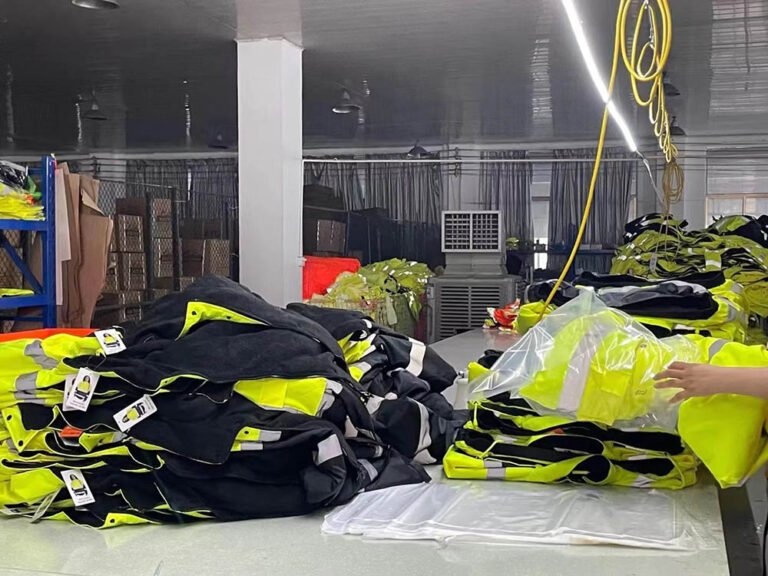
 Modern automated cutting tables and lean sewing lines minimize fabric waste and stabilize bulk production pricing.
Production volume and Minimum Order Quantities (MOQs) directly dictate fabric milling and dyeing minimums. A dye lot for certified fluorescent yellow-green or orange-red yarn often requires 1,500 to 3,000 meters of continuous processing to pass chromaticity testing. High-volume runs maximize nested pattern cutting efficiencies and reduce labor overhead per unit, whereas lower sub-MOQ orders incur material wastage surcharges and increased line-setup expenses.
2. Fabric Technology & Material Selection
Base textiles represent 40% to 60% of total garment production costs. While standard 120 GSM 100% polyester tricot or mesh remains the most economical substrate for standard high visibility vests, moving up the performance spectrum substantially impacts cost:
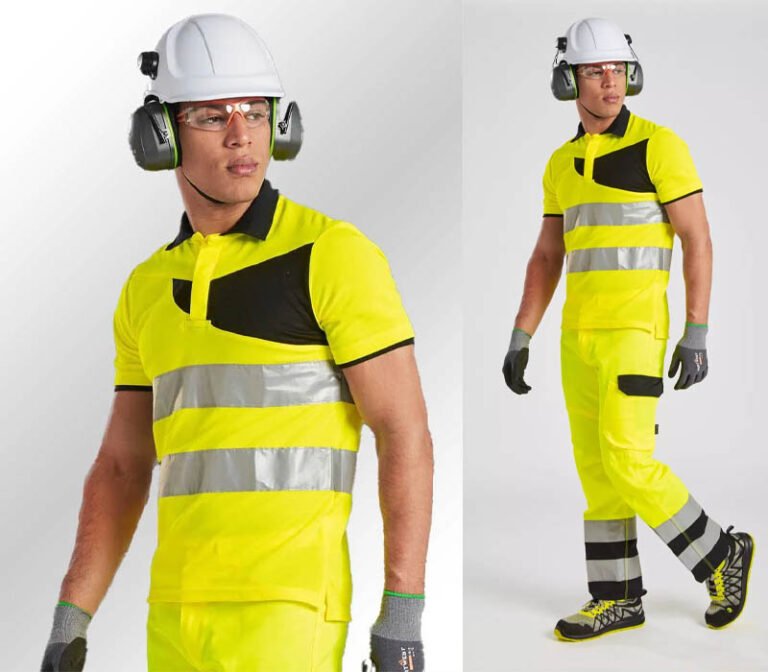
- Moisture-Wicking Bird-Eye Knits: Engineered for hi-vis polo shirts and t-shirts, featuring anti-bacterial treatments and rapid evaporative surfaces ($0.80–$1.50/m raw cost premium).
- Multi-Hazard & Flame Retardant (FR) Textiles: Modacrylic cotton blends, treated cotton twills, and anti-static grids conforming to NFPA 70E electrical safety standards, which can quadruple base fabric costs.
- Eco-Friendly Recycled Polyester (rPET): Sustainable GRS-certified yarns derived from post-consumer plastics, carrying a 10%–20% environmental premium while maintaining OEKO-TEX Standard 100 certification.
- Waterproof/Breathable Laminates: 300D Oxford with PU/PTFE membrane backings engineered for hi-vis rainwear systems, requiring fully taped waterproof seams.
3. Reflective Material Grade & Retroreflectivity
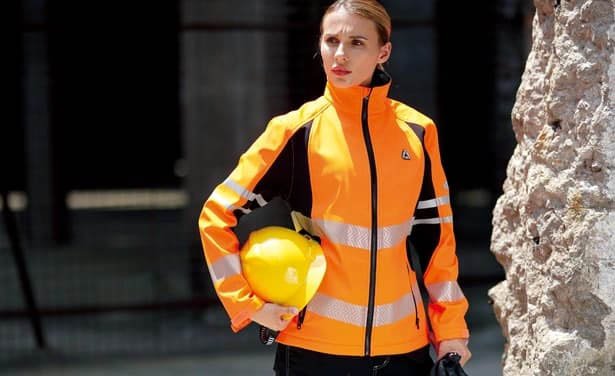
As a vertically integrated manufacturer producing both complete apparel lines and standalone reflective materials, we observe that the grade of retroreflective trim is one of the most overlooked variables in price negotiations.
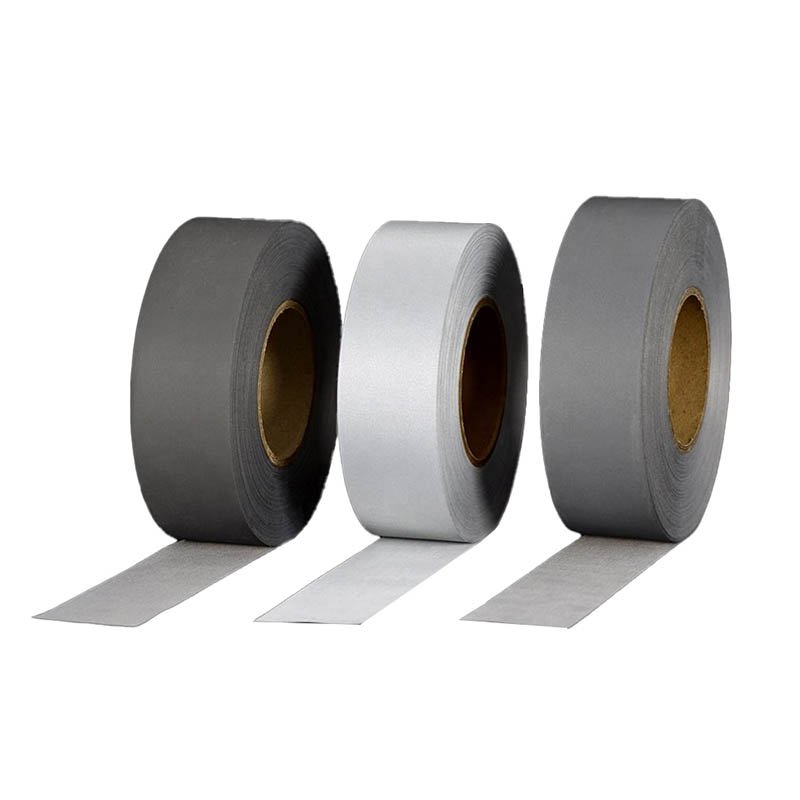 Certified high-brightness retroreflective tape must retain retroreflectivity above 330 cd/(lx·m²) after multiple standard wash cycles.
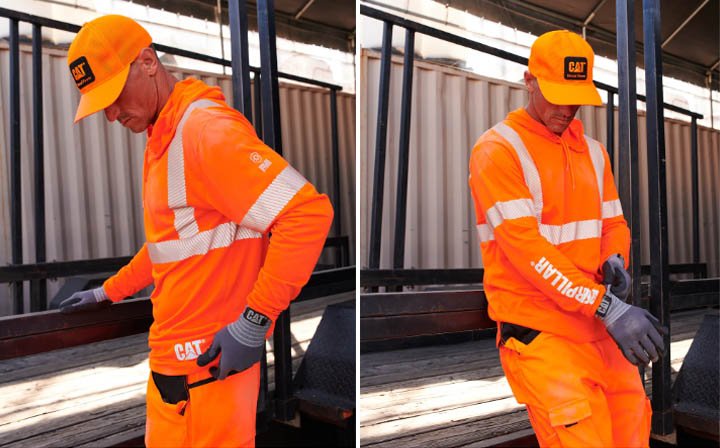
Standard polyester-backing reflective tapes intended for entry-level vests often guarantee only 15 to 25 domestic wash cycles at 40°C. In contrast, heavy-duty T/C backing trims, industrial wash flame-retardant tapes, and heat-applied segmented reflective films—which provide enhanced ergonomic flexibility and breathability on hi-vis sweatshirts & hoodies—cost significantly more per meter. Specifying the wrong trim grade will either inflate unit costs needlessly or result in premature field compliance failure.
4. OEM/ODM Customization & Branding Complexities
Private-label branding and custom design modifications add labor steps, tooling fees, and specialized assembly requirements:
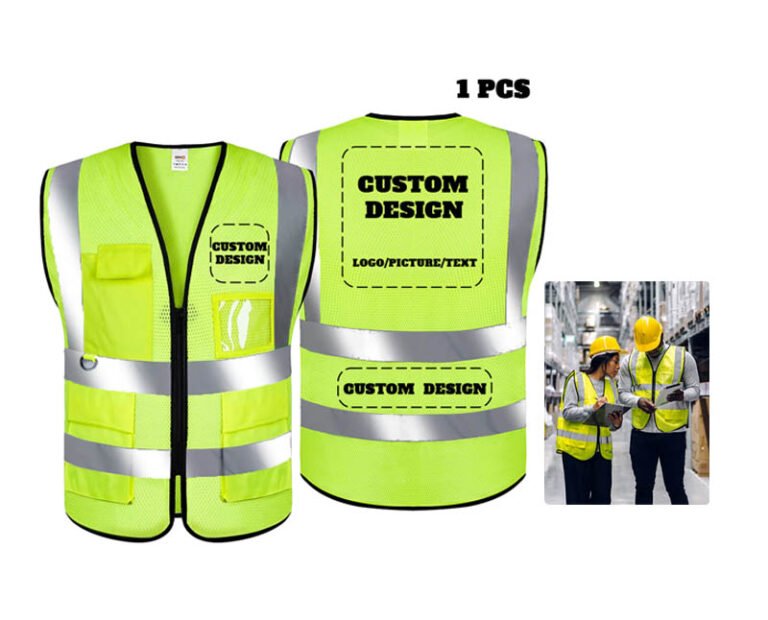
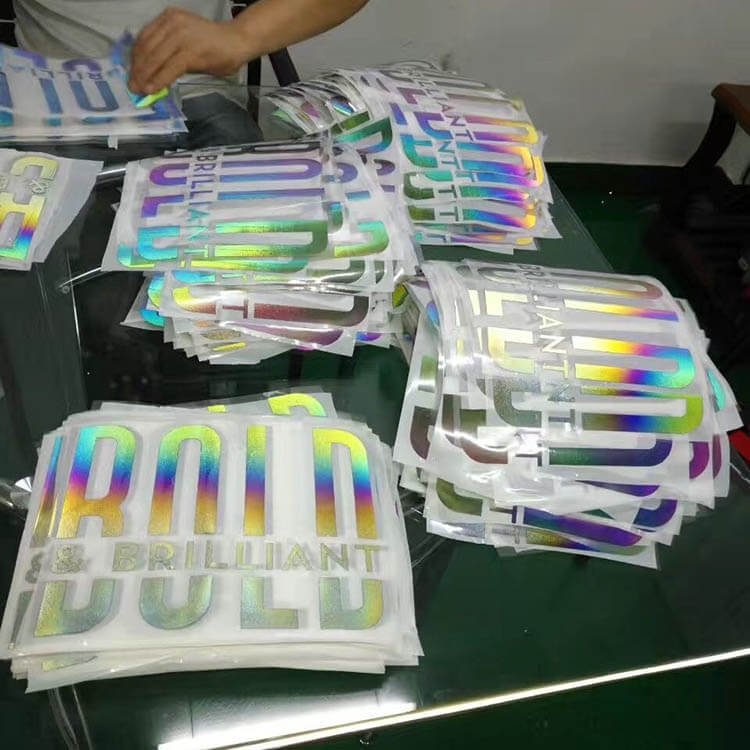 Custom heat-transfer reflective logos combine high visual branding with mandatory night-time safety compliance.
Screen Printing
Most cost-effective for 1–2 color flat logos on back or chest panels across high-volume runs ($0.15–$0.40/pc).
Heat Transfer & Reflective Logos
Crisp multi-color fidelity or customized retroreflective logos that enhance low-light worker recognition ($0.45–$1.20/pc).
Direct Embroidery
Premium corporate appearance for jackets and heavy hoodies; requires careful digitizing to avoid compromising waterproof backings ($0.80–$2.20/pc).
Hardware elements such as heavy-duty YKK® front zippers, reinforced mic tabs, double-layer utility cargo pockets, clear PVC ID badge pockets, and retail-ready hanging cards also contribute directly to garment assembly cycle times.
5. Baseline Bulk Price Matrix (FOB China)
To assist procurement officers in establishing accurate seasonal budgets, the following table presents representative FOB China pricing tiers for standard wholesale volume orders (MOQ 500–2,000 pcs per style):
| Product Category | Standard Spec | Compliance Standard | Estimated FOB Unit Price |
|---|---|---|---|
| Basic Safety Vest | 120 GSM Tricot, hook & loop | ANSI Class 2 / EN ISO Class 2 | $1.20 – $2.40 |
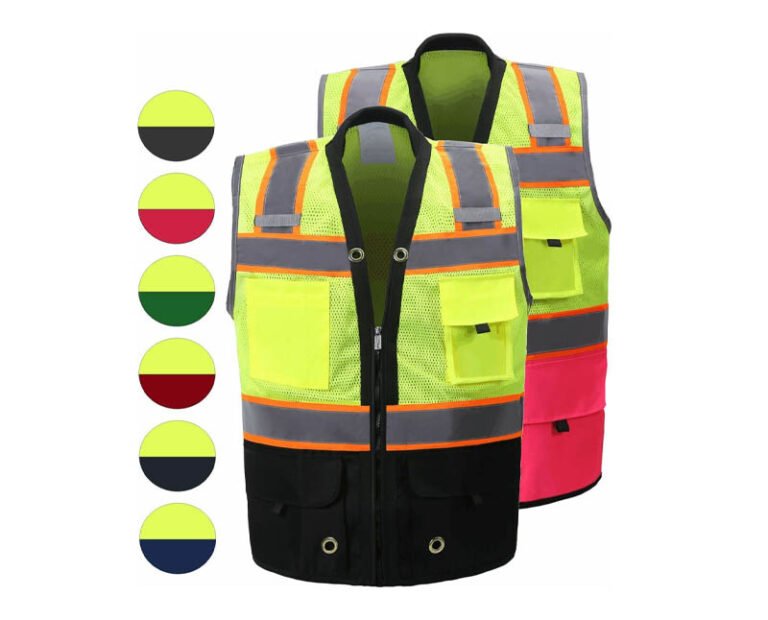
| Surveyor Vest (Multi-Pocket) | Heavy Twill front, zipper, grommets | ANSI Class 2 / Class 3 | $3.80 – $7.50 |
| Hi-Vis Polo Shirt | 160 GSM Bird-eye breathable mesh | ANSI Class 2 / EN ISO Class 2 | $4.50 – $8.50 |
| Hi-Vis Pullover Hoodie | 280 GSM Fleece, segmented tape | ANSI Class 3 / EN ISO Class 3 | $9.50 – $15.50 |
| 3-in-1 Winter Parka Jacket | 300D Oxford, PU coated, fleece liner | ANSI Class 3 / EN ISO Class 3 | $22.00 – $42.00 |
| Industrial Workwear Trouser | 240 GSM Poly/Cotton blend, kneepads | EN ISO 20471 Class 1/2 | $8.00 – $14.50 |
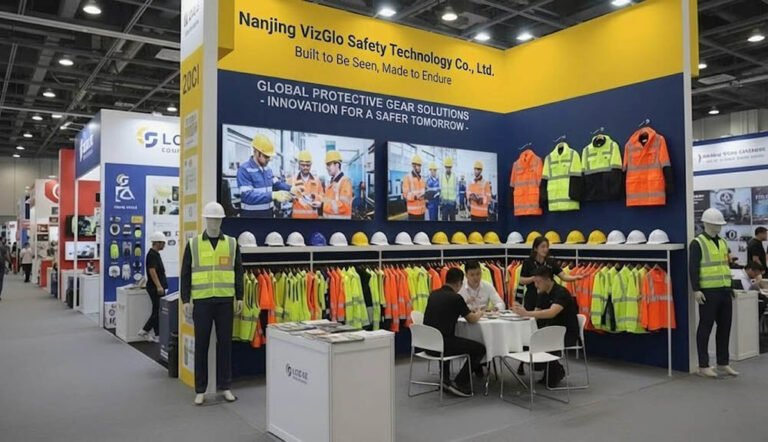
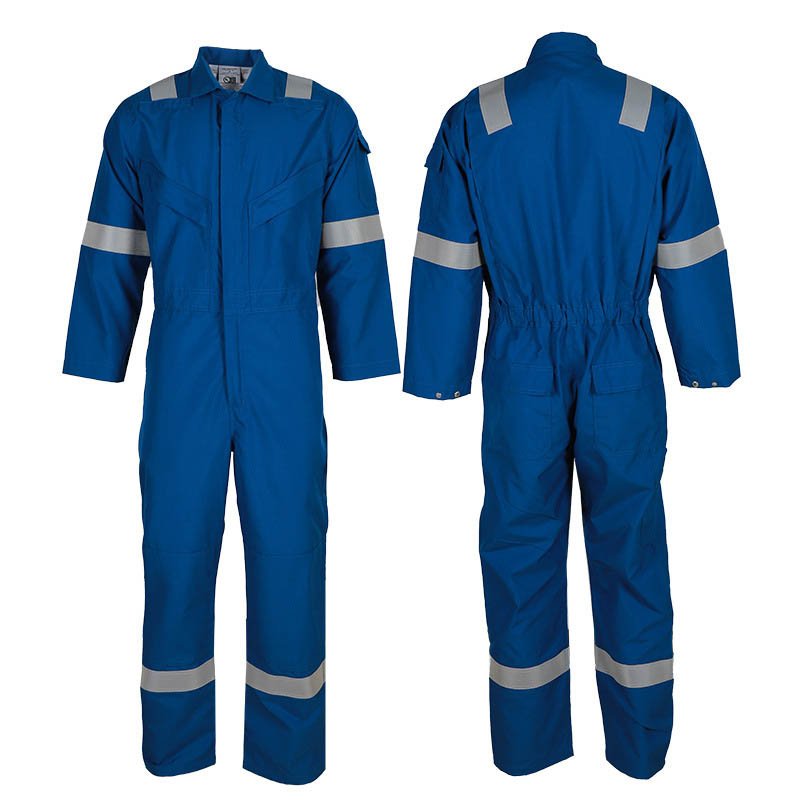 Comprehensive product portfolios allow distributors to bundle vests, shirts, and heavy winter gear under unified compliance certificates.
*Disclaimer: Pricing is indicative for reference only. Exact quotes fluctuate based on global container freight indexes, currency exchange rates, raw polymer commodity pricing, and specific OEM customization artwork.
6. Calculating the Total Cost of Ownership (TCO)
Procuring strictly based on the lowest initial bid often increases annual expenditure. Low-cost workwear frequently cuts corners on dye fastness, seam stitching density, and reflective adhesive durability. If a $2.00 safety vest loses its retroreflective value after 5 commercial wash cycles, it must be decommissioned immediately under safety regulations, requiring 4 to 5 replacements per worker annually.
Conversely, sourcing a certified, quality-controlled garment from a vertically integrated partner like VizGlo ensures high colorfastness to light and perspiration, alongside reflective tape rated for 50+ domestic wash cycles. Investing in higher-durability garments reduces reorder frequency, eliminates workplace regulatory non-compliance fines, and protects corporate reputation.
Looking to Optimize Your High-Visibility Workwear Supply Chain?
Explore our certified range of workwear and reflective technologies, engineered to balance strict global compliance with direct factory value.
Request a Custom Bulk QuoteTo review our full industrial range spanning Class 1 to Class 3 solutions, visit our central catalog at VizGlo Hi-Vis Workwear Solutions, or inspect our raw tape performance at Certified Reflective Tapes.
Frequently Asked Questions (FAQ)
What is the typical Minimum Order Quantity (MOQ) for custom hi-vis apparel? ▼
Standard OEM production runs typically start at 500 to 1,000 pieces per style/colorway. For custom-dyed fabrics or proprietary patterns, MOQs generally align with fabric milling batch minimums of approximately 2,000 pieces.
How much does ANSI/ISEA 107 or EN ISO 20471 third-party certification add to the price? ▼
The certification testing itself is a fixed one-off laboratory cost ($800–$2,500 per fabric and garment style). On a per-unit basis across bulk orders, the cost impact is minimal; the price difference comes from the required higher-grade certified fluorescent dyes and retroreflective materials.
Why is segmented reflective tape more expensive than solid reflective tape? ▼
Segmented tape is engineered using specialized heat-applied polyurethane transfer films cut with laser precision. It requires precise heat-press bonding equipment and provides greater stretch, comfort, and breathability compared to standard continuous sewn-on T/C tape.