Types of High Visibility Clothing: Vests, Jackets, Trousers and More
Published by VizGlo Safety Technical Team | Sourcing & Engineering Perspective
Summary: What Are the Key Types of High Visibility Clothing?
The primary types of high visibility clothing comprise lightweight apparel (safety vests, hi-vis polo shirts, and breathable T-shirts for hot conditions or rapid identification), thermal and foul-weather gear (waterproof storm jackets, 3-in-1 parkas, softshells, and sealed rainwear), lower-body protection (hi-vis cargo trousers and overtrousers), and full-body systems (heavy-duty coveralls and multinorm hazard suits). Each category combines certified fluorescent background textiles with micro-glass bead or micro-prismatic retroreflective tapes to maximize daytime conspicuity and nocturnal light return according to target ANSI/ISEA 107 and EN ISO 20471 compliance levels.
1. Sourcing Hi-Vis Clothing: The OEM/ODM Engineering Perspective
In modern industrial procurement, selecting safety garments is far more nuanced than checking off standard catalog definitions. Corporate safety managers, private-label PPE distributors, and commercial procurement directors require apparel engineered precisely for their operational hazards, ambient weather, shift length, and commercial washing conditions.
When structuring product lines for regional markets, workwear systems are categorized not simply by silhouette, but by structural utility, ergonomic mobility, and environmental protection. For detailed specifications on complete certified configurations, browse our specialized commercial Hi Vis Clothing manufacturing catalog.

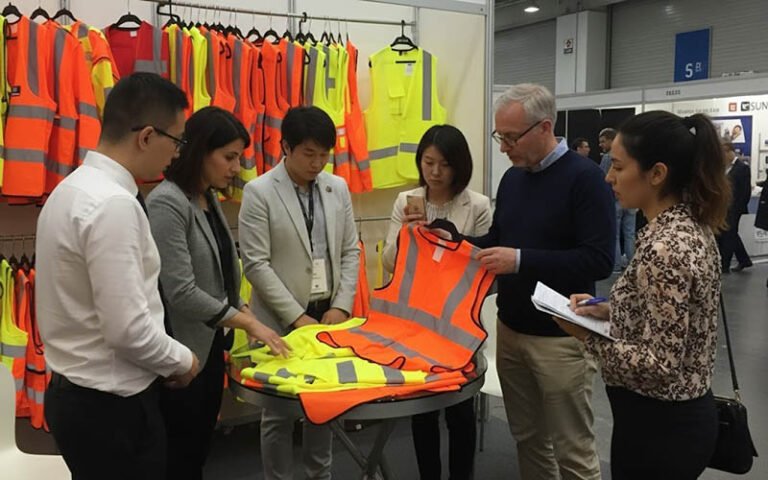
Engineered hi-vis workwear designed to meet international compliance and high-performance workplace demands.
2. Lightweight & Breathable Systems: Vests, Polos & T-Shirts
Lightweight garments serve as the core diurnal workwear for road surveying, cross-dock logistics, distribution centers, and high-heat construction sites.
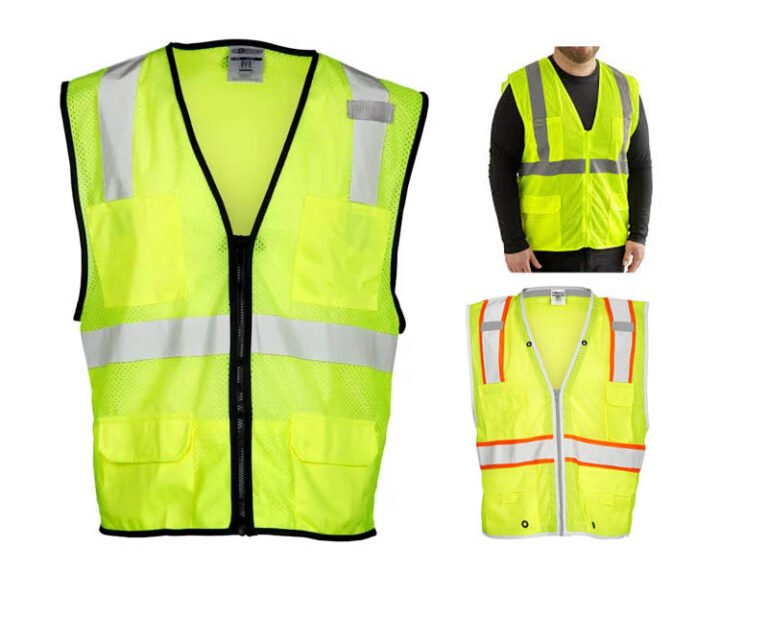
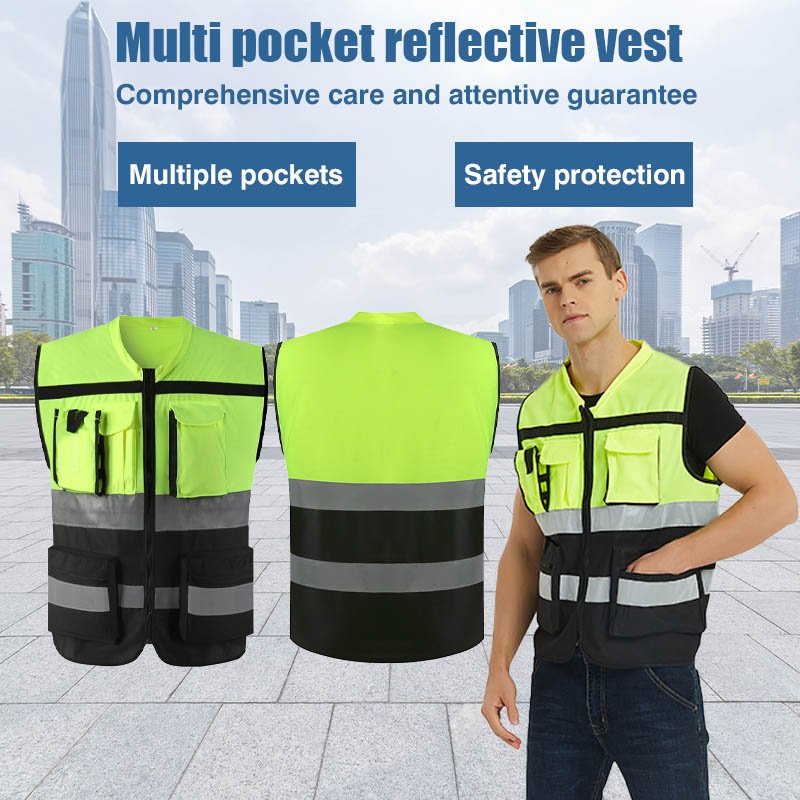
High Visibility Safety Vests
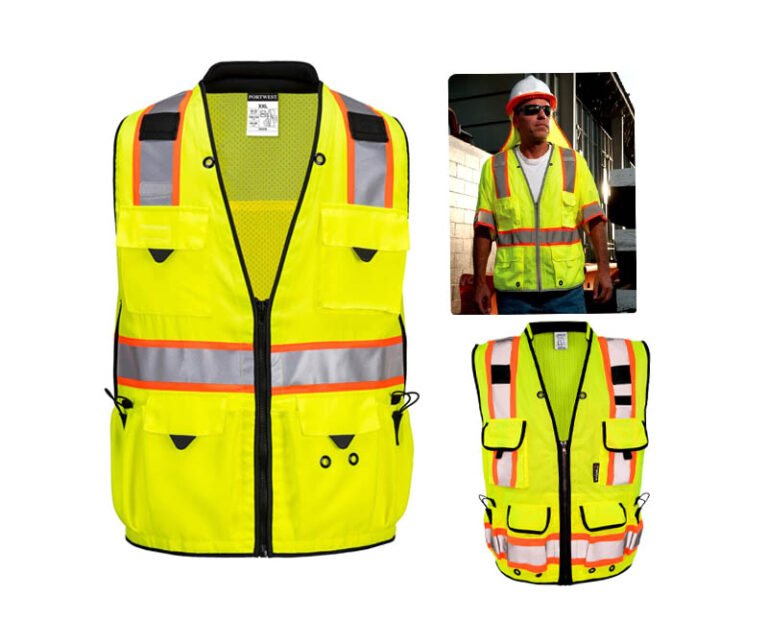
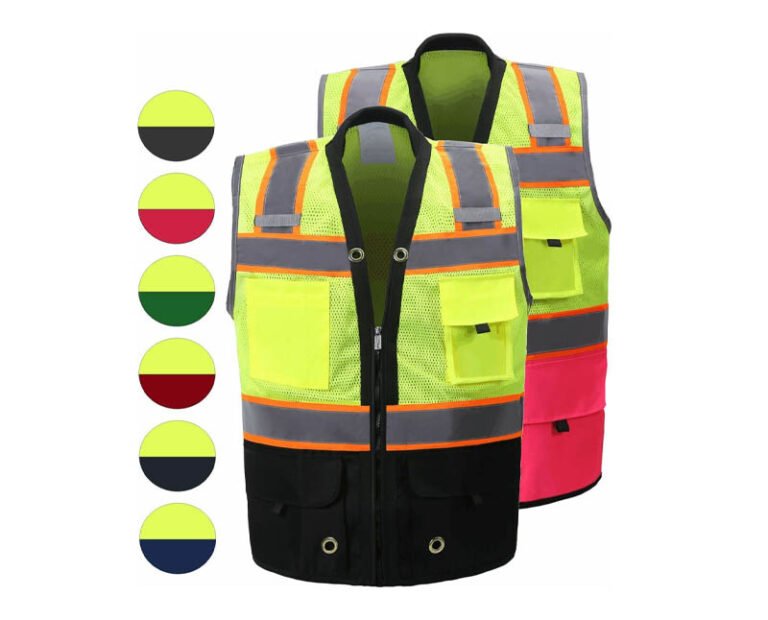
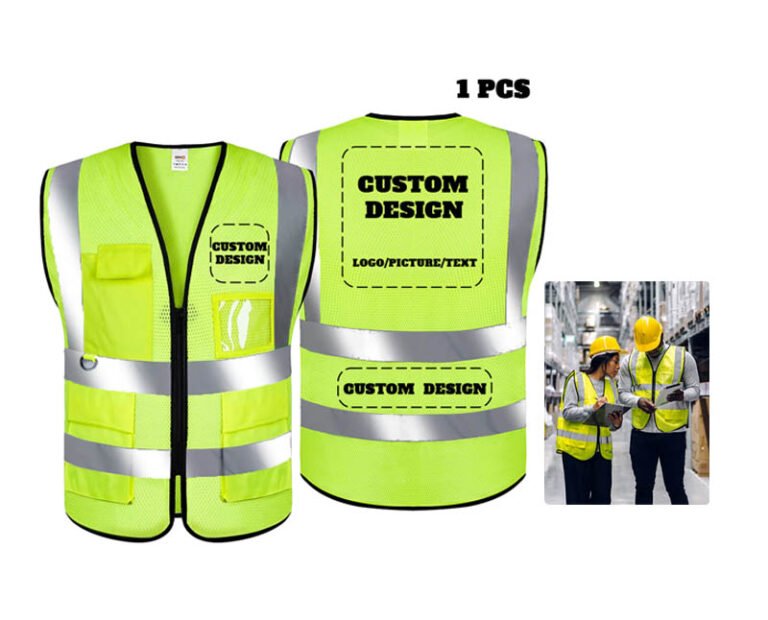
Safety vests provide high-contrast retroreflective positioning over standard clothing without trapping heat. We engineer options spanning economy single-tier polyester vests to multi-pocket surveyor styles fitted with microphone tabs, reinforced D-ring pass-throughs, and 5-point tear-away breakaways to prevent snag hazards near rolling stock. Review our industrial designs on the High Visibility Vests hub.
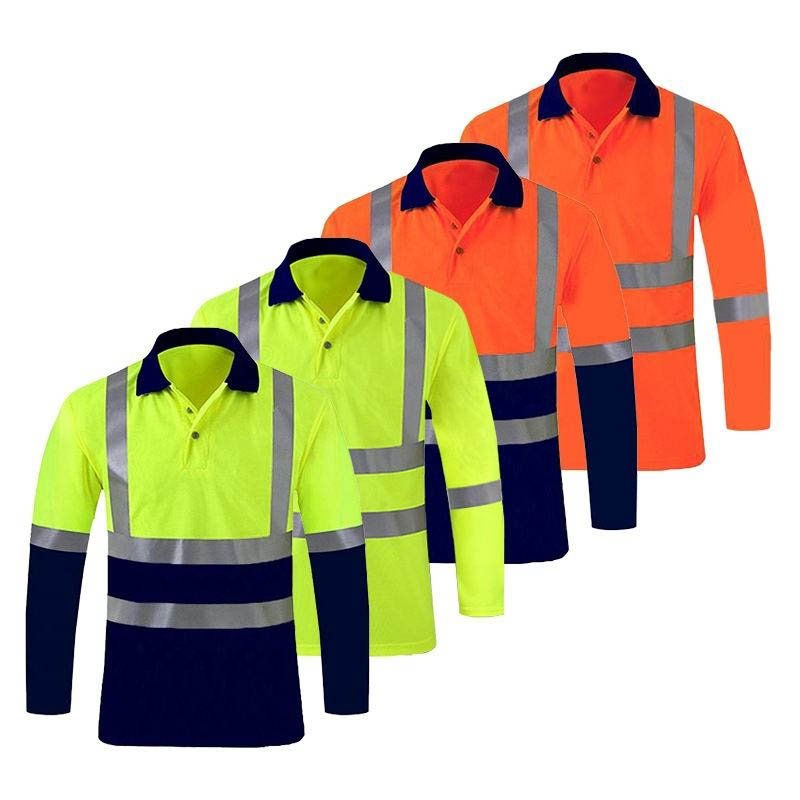
Hi-Vis T-Shirts & Technical Polo Shirts
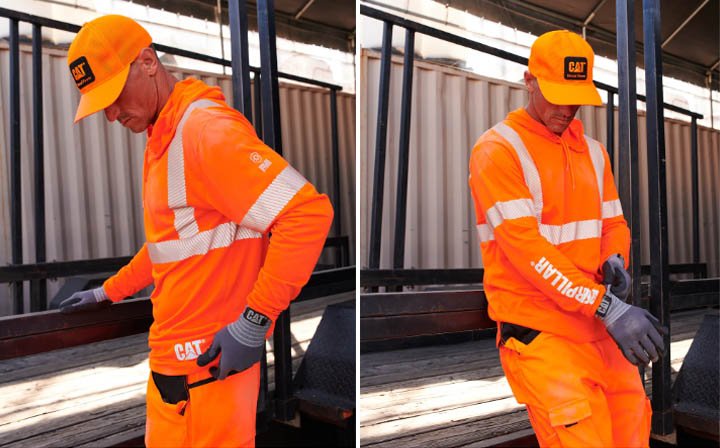
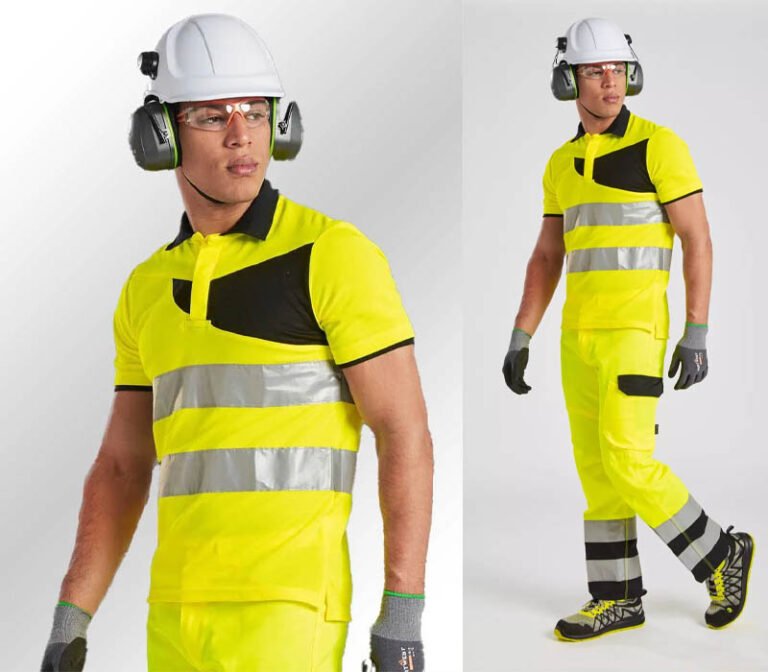
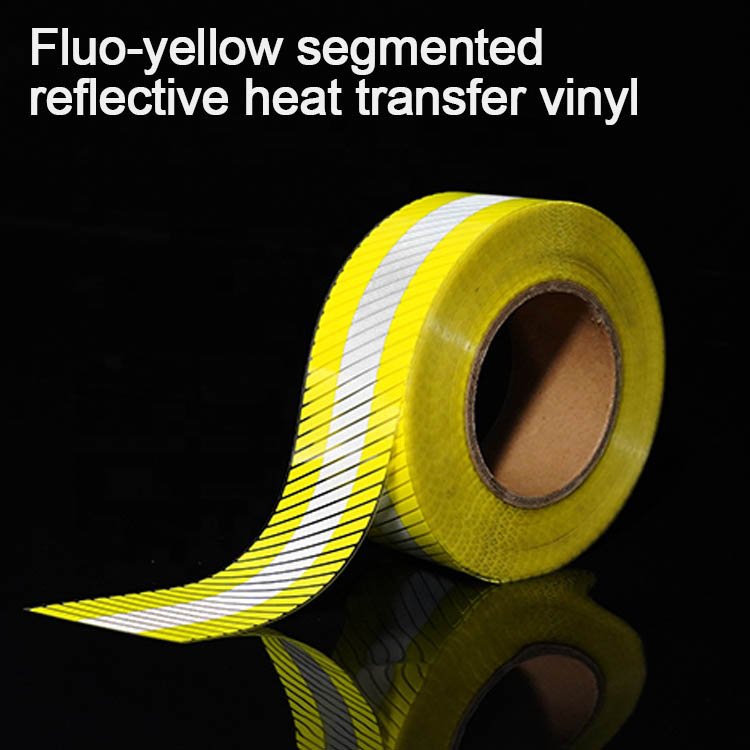
In humid environments, heavy layered fabrics degrade worker compliance. We engineer technical shirts using bird-eye knit polyester and moisture-wicking synthetic blends treated with antimicrobial finishes. Rather than conventional continuous solid tapes that hinder elasticity, our tops can be configured with segmented heat-press transfer films to provide unrestricted range of motion and maximum airflow. Learn more about custom breathable options through our Hi Vis Polo Shirts & T-Shirts workshop.
3. Foul-Weather & Thermal Garments: Jackets, Parkas & Softshells
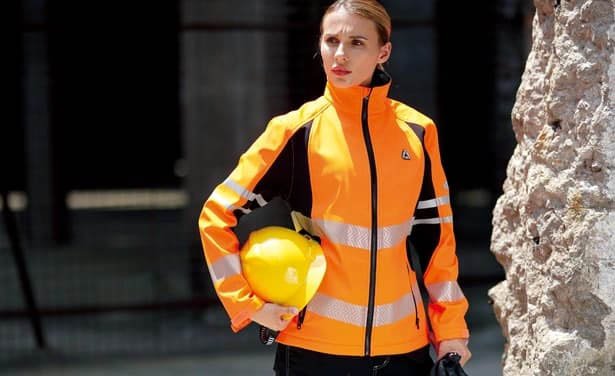
Inclement weather increases worksite collision rates exponentially. Cold and foul-weather hi-vis workwear must keep workers warm and completely dry while maintaining certified photometric luminance under low-contrast grey skies and driving rain according to safety guidelines referenced by the OSHA Conspicuity Framework.
- 3-in-1 Weather Defense Parkas: Constructed with 300D Oxford waterproof outer shells with breathable PU coatings, welded waterproof seams, and zip-out thermal fleece liners for multi-season utility.
- Technical Hi-Vis Softshells: Form-fitting, windproof, water-resistant garments combining flexible 4-way stretch fabric with micro-fleece backing—ideal for active tasks like delivery loading and rail inspection.
- Certified Industrial Rainwear: Heavy-duty raincoats engineered with storm flaps, packable hoods, and chemical splash-resistant outer membranes. Check full production lines via our Hi Vis Raincoats collection.
- Thermal Hoodies & Sweatshirts: Fleece-lined everyday safety wear bridging seasonal transitions. See our Hi Vis Sweatshirts & Hoodies for private-label customization options.

4. Lower-Body & Full-Body Cover: Trousers, Bibs & Overalls
To achieve Class 3 certification without requiring long-sleeved outerwear, paired lower-body garments are essential. Hi-vis trousers and coveralls enhance human form recognition by highlighting leg movement, as detailed in international visibility research published by ISO (EN ISO 20471 Specification).
Hi-Vis Trousers & Cargo Pants
Engineered with reinforced Cordura® knee-pad pockets, triple-needle stitched seams, and double bands of micro-glass bead retroreflective tape around both calves. Built to endure abrasive friction across industrial environments.
Boiler Suits & Industrial Coveralls
One-piece designs that prevent midriff exposure during bending and stretching. Integrated with action-back gussets, two-way zippers, and multi-angle reflective placements suitable for heavy construction, mining, and trackside rail work.
Explore tailored configurations on our dedicated Hi Vis Workwear product page.
5. Multi-Hazard & Technical Apparel: FR, Anti-Static & Arc Protection
High visibility frequently intersects with specialized technical hazards. VizGlo develops certified multi-norm workwear designed for extreme energy, chemical, and industrial sectors:
- Flame-Retardant (FR) Hi-Vis: Built with inherent Modacrylic, Protex, or treated FR-cotton fabrics, paired with specialized flame-resistant reflective materials compliant with international flash-fire standards set by the NFPA 2112 Industrial Safety Code.
- Anti-Static & ATEX-Compliant Workwear: Infused with conductive carbon grids to prevent electrostatic discharge in explosive environments such as petrochemical refineries.
- Specialized Rail Workwear (RIS-3279-TOM): Orange hi-vis tailored strictly for rail corridors with specialized luminance and contrast levels.
6. Why In-House Reflective Material Manufacturing Guarantees Quality
Most apparel manufacturers purchase generic reflective trim on the open market, leading to color matching errors, micro-cracking, and tape delamination after industrial wash cycles.
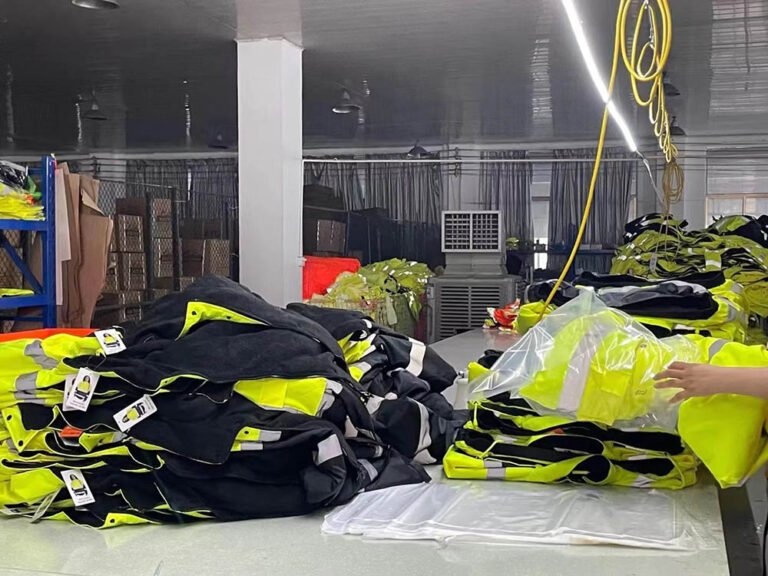
As a fully vertically integrated manufacturer, Nanjing VizGlo Safety Technology Co., Ltd. produces both the safety garments and the core retroreflective components. We synthesize our proprietary glass bead formulations and heat-press films, ensuring every roll of high-performance reflective tape and custom heat-applied emblem maintains certified 400+ cd/(lx·m²) reflectivity through 50+ industrial washes.
Whether you need bespoke pocket configurations, corporate brand badging via custom reflective logos, or specific fabric weights, our OEM/ODM design engineering team provides turnkey end-to-end support.
Custom Engineer Your Hi-Vis Apparel Line
Partner with an integrated OEM/ODM manufacturer. We deliver certified high-visibility safety clothing, specialized fabrics, and custom-engineered reflective materials worldwide.
Request a Bulk OEM/ODM Quote7. Frequently Asked Questions (FAQ)
What is the difference between Class 1, Class 2, and Class 3 hi-vis garments? ▼
Classes correspond to the minimum square inches of fluorescent background textile and retroreflective material. Class 1 is designed for low-speed environments (parking valets, warehouse aisles). Class 2 is standard for roadways with traffic exceeding 25 mph. Class 3 provides the highest conspicuity across high-speed zones and complex backgrounds, requiring full silhouette illumination across the torso and limbs.
Why are segmented reflective tapes preferred on hi-vis shirts and polo shirts? ▼
Segmented heat-transfer tapes feature patterned gaps that allow knit fabrics to stretch and breathe naturally. Unlike solid stitched tapes, segmented films eliminate stiff, sweaty bands across the body, significantly improving worker comfort without sacrificing retroreflective performance.
Can we customize hi-vis garments with corporate branding while staying compliant? ▼
Yes. Corporate logos can be screen-printed, embroidered, or heat-transferred using reflective film. However, the logo area must not obstruct the required square inches of certified fluorescent fabric or retroreflective bands mandated by ANSI/ISEA 107 or EN ISO 20471.
What is the average lifespan of industrial hi-vis workwear? ▼
With regular daily wear, lightweight vests and shirts generally retain compliance for 6 months, while heavy-duty jackets and trousers can last up to 1–2 years. Lifespan is primarily governed by UV exposure, physical abrasion, and the wash durability of the reflective tape.