Wholesale Strategy Guide
Wholesale Hi Vis Workwear: How Distributors Can Build a Profitable Product Line
For PPE distributors, profit no longer comes from carrying “more hi vis.” It comes from carrying the right hi vis for the right workers, climate, industry and buying cycle.

Table of Contents
Quick Answer: How Can Distributors Build a Profitable Wholesale Hi Vis Workwear Line?
Distributors can build a profitable wholesale hi vis workwear product line by moving beyond basic compliant vests and creating a balanced “problem-solver” catalog: fast-moving entry SKUs for price-sensitive buyers, premium comfort-driven products for repeat corporate accounts, seasonal ranges for heat, rain and winter conditions, inclusive sizing for male and female workers, and certified garments supported by clear compliance documents. The highest-margin distributors do not simply stock ANSI/ISEA 107 or EN ISO 20471 garments as a checklist item; they match hi vis polos, vests, rainwear, hoodies, jackets, trousers and reflective materials to real jobsite pain points such as extreme heat, wet weather, cold climates, oil and gas hazards, night logistics, road work and rail environments. By combining reliable supply, private label branding, consistent quality control, and smart inventory planning, a PPE distributor becomes a consultative safety partner instead of another low-price reseller.
Searchers looking for “wholesale hi vis workwear” are usually not casual shoppers. They are PPE distributors, safety store owners, importers, procurement teams, industrial uniform companies or private label brands trying to answer a commercial question: which hi vis products should we stock so that inventory turns quickly, customers trust the quality, and margins remain healthy?
The old approach was simple: buy yellow vests in bulk, add a few orange jackets, and compete on price. That model is now under pressure. Construction contractors, logistics companies, rail operators, utilities, mining companies and municipal teams increasingly expect garments that are compliant, comfortable, durable and suitable for their climate. A worker in Texas may need lightweight, moisture-wicking hi vis polo shirts with UPF protection. A crew in Canada may need insulated waterproof jackets and layered sweatshirts. A road crew in the UK may need orange garments for rail or highway visibility requirements. A warehouse buyer may want breathable vests with pockets and custom logos.
This is where wholesale profitability changes. Distributors who understand local working conditions can curate a smarter catalog, educate buyers and earn better margins. For broader product exploration, you can also review VizGlo’s hi vis clothing range, specialized hi vis workwear solutions, and full OEM/ODM customization service.
Core Hi Vis Categories Every Distributor Should Stock
A profitable wholesale line usually starts with a “good-better-best” structure across essential categories. The purpose is not to carry every style available, but to make sure buyers can solve common jobsite needs from your inventory.
1. High Visibility Vests
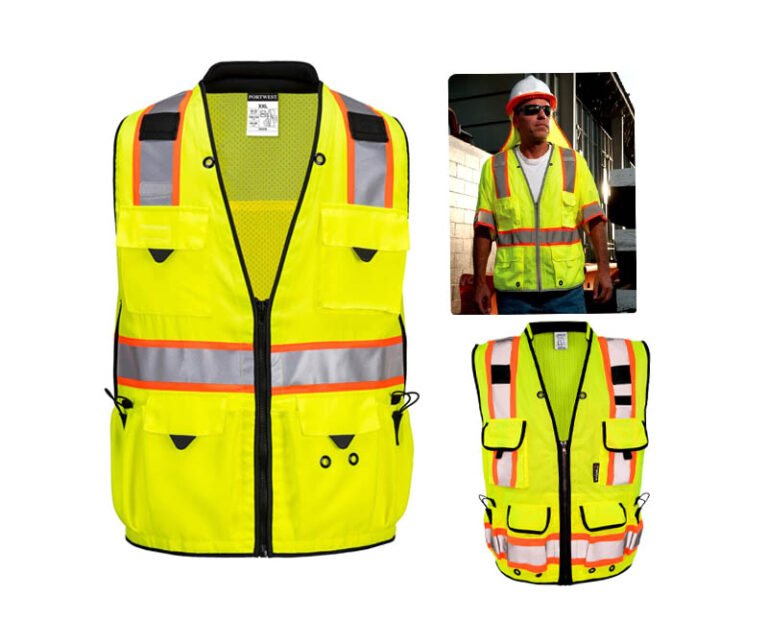
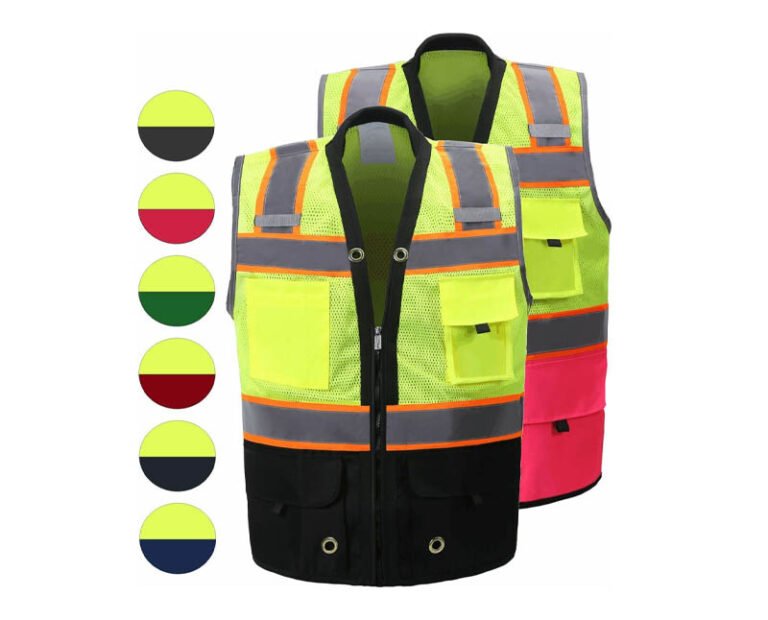
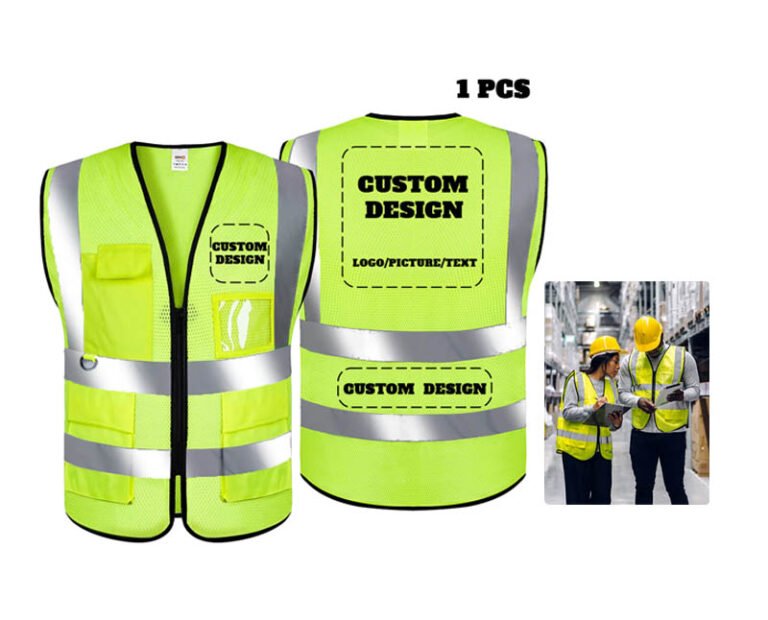
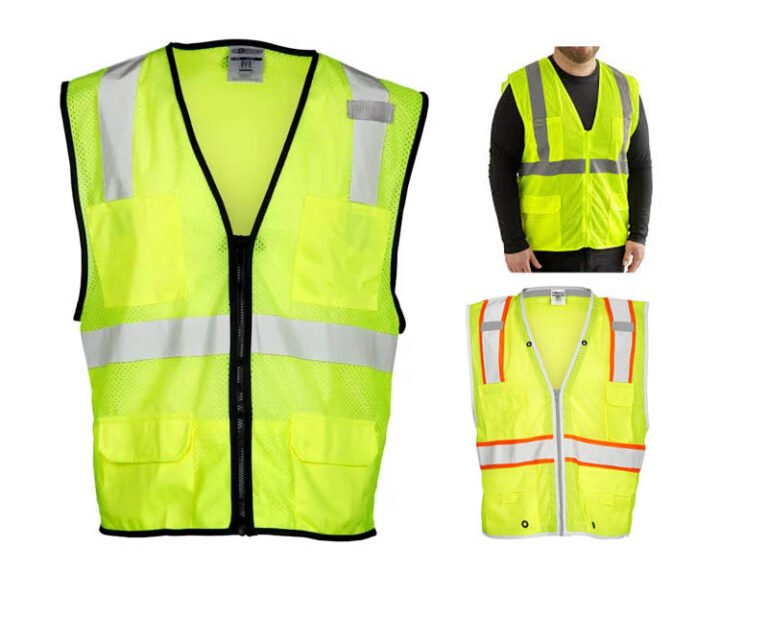
Vests remain the fastest-moving SKU in most wholesale catalogs because they are affordable, lightweight and easy to issue to temporary crews, visitors, warehouse teams and road workers. Stock basic economy vests, multi-pocket surveyor vests and premium breathable vests. For deeper product planning, see VizGlo’s high visibility vests.
2. Polo Shirts and T-Shirts
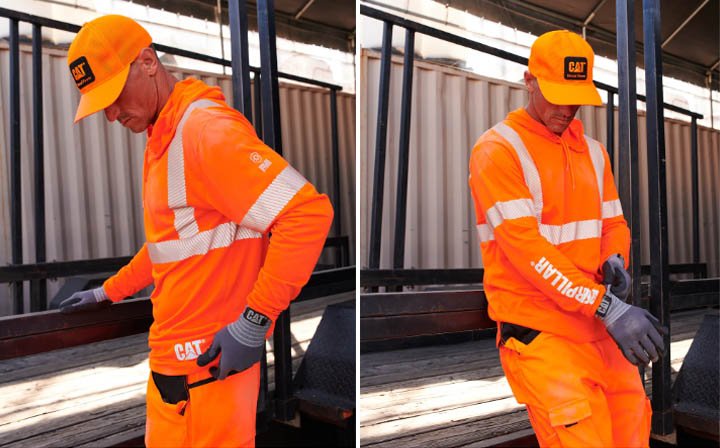
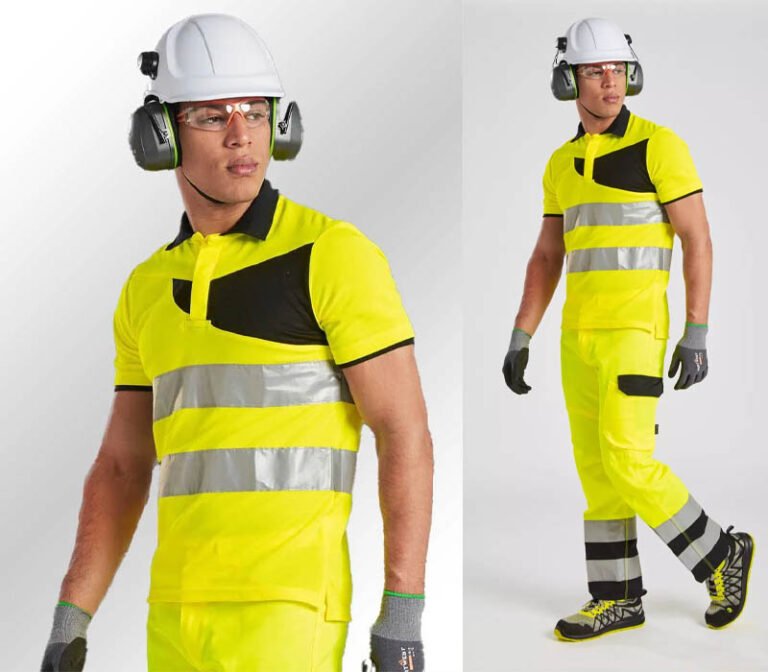
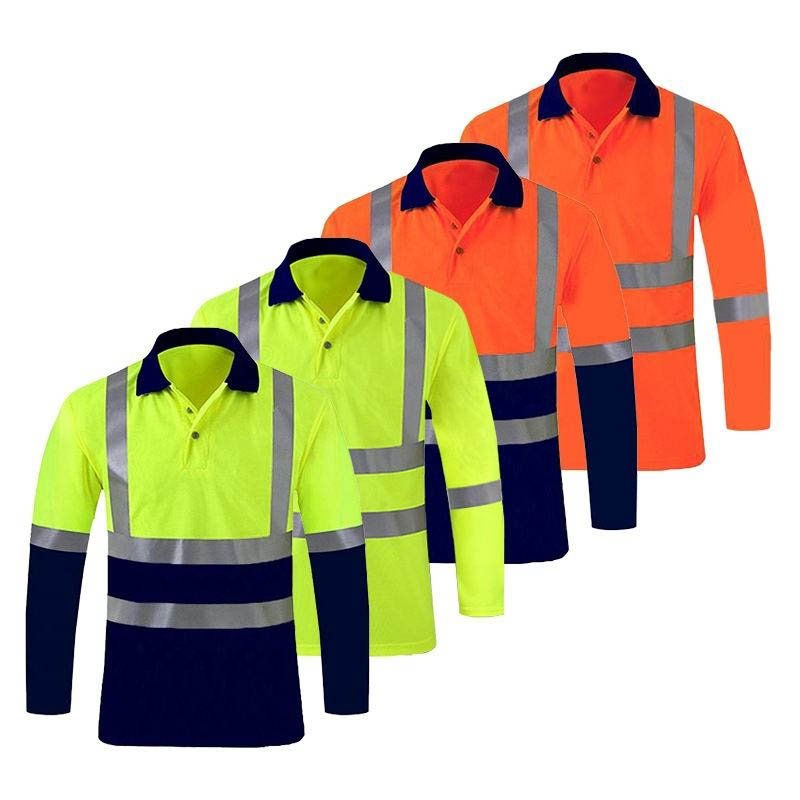
Warm-weather markets reward distributors who offer moisture-wicking, breathable and UPF-rated hi vis shirts. These products often generate stronger repeat orders because workers wear them daily. They are especially useful for road crews, logistics teams and construction contractors in hot climates.
3. Hoodies, Sweatshirts and Mid-Layers
Mid-season workwear fills the gap between summer shirts and winter jackets. Hi vis hoodies and sweatshirts are popular with construction, transport, utilities and outdoor service teams. They also support private label branding well.
4. Jackets, Rainwear and Full Workwear Sets
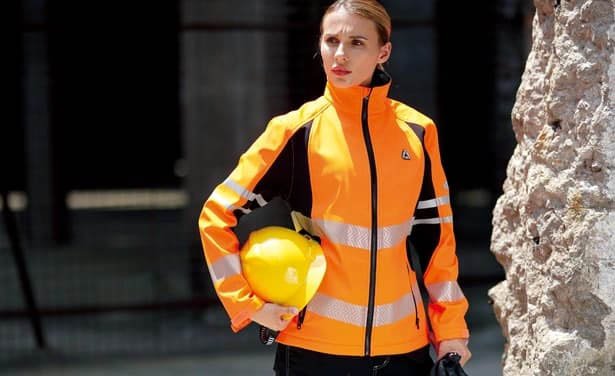
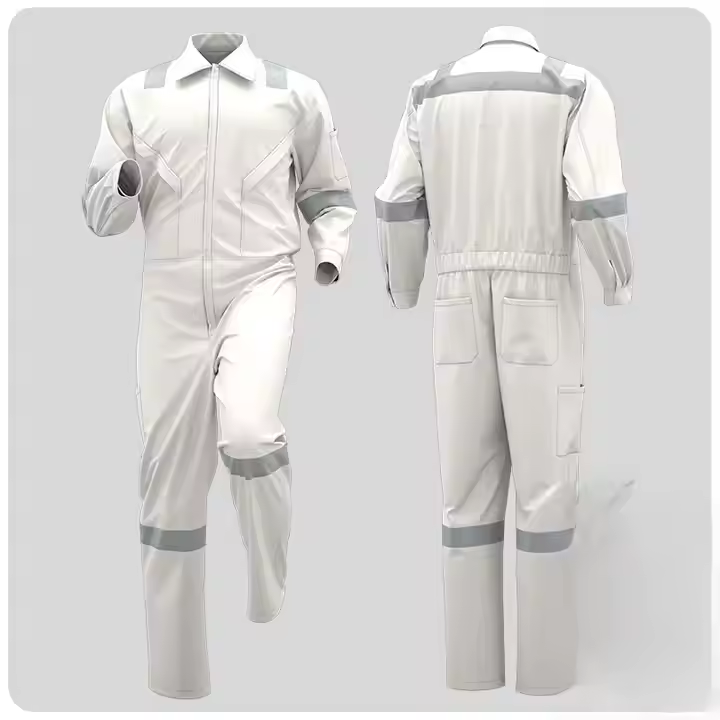
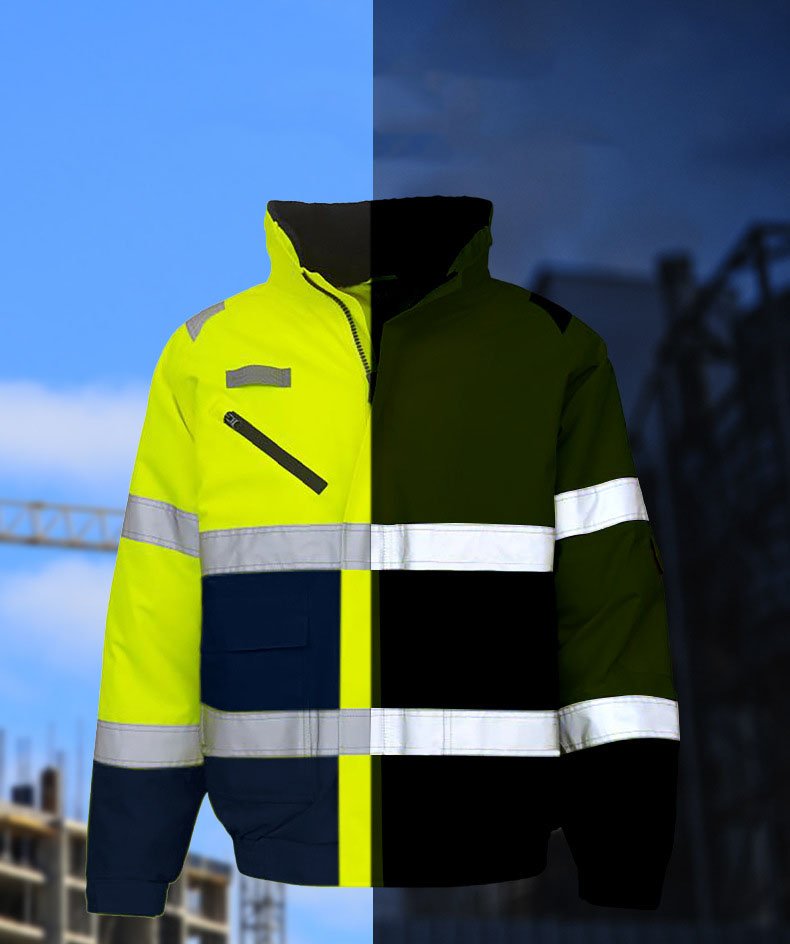
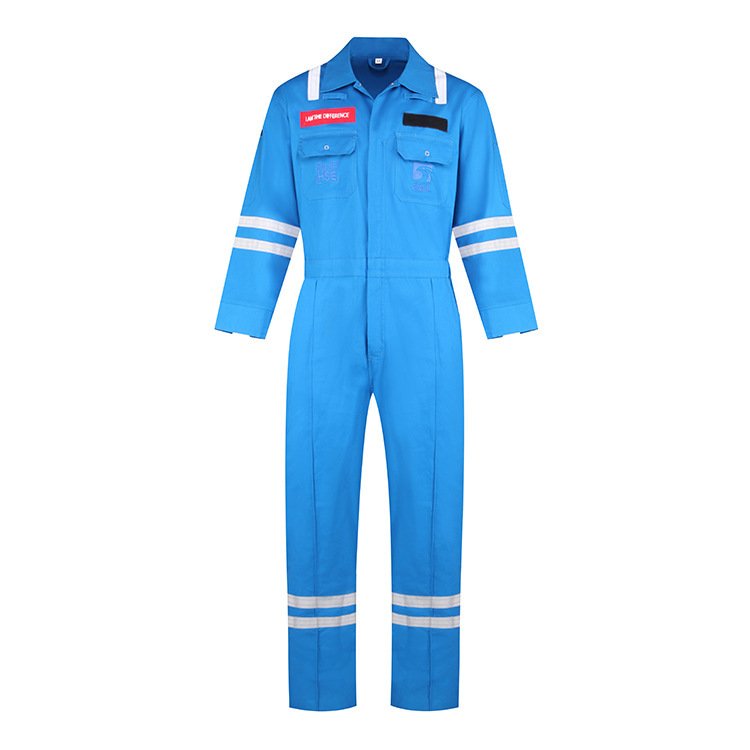
Premium revenue often comes from outerwear: waterproof rain jackets, insulated winter jackets, rain suits, trousers and full workwear sets. These SKUs have higher unit values and give distributors room to differentiate on fabric, lining, seam sealing and reflective tape quality.
If your customers need garment-level solutions beyond vests, direct them toward complete hi vis jacket manufacturing options, hi vis raincoats, and hi vis sweatshirts and hoodies.
Entry-Level vs Premium Hi Vis Products: Where the Margin Is
Entry-level products are necessary. They bring customers in, satisfy urgent needs and compete well in online marketplaces or tender-driven purchases. But if a distributor’s catalog depends only on the cheapest vest, margins will be thin and customer loyalty will be weak.
Premium products create a better commercial position because they solve specific user problems. Examples include segmented reflective tape for flexibility, breathable mesh panels for hot sites, softshell fabrics for mobility, waterproof breathable membranes for rainwear, FR-treated materials for energy sectors, women’s-specific fits for inclusive teams and recycled fabrics for companies with ESG targets.
The most profitable hi vis distributors do not sell “a vest.” They sell fewer heat complaints, fewer wet workers, fewer replacement headaches and fewer compliance risks.
This value-based positioning lets distributors discuss total cost, comfort and productivity rather than racing to the lowest unit price. For regulatory background, buyers may refer to OSHA’s PPE guidance in the United States, or the UK HSE PPE at Work guidance for employer responsibilities.
Seasonal Products: Summer Shirts, Rainwear and Winter Systems
A strong wholesale hi vis workwear line is seasonal. Distributors who ignore weather conditions often overstock generic products while missing high-margin demand. The product mix should reflect the climate and working rhythm of the target region.
| Market Condition | Recommended SKUs | Profit Opportunity |
|---|---|---|
| Hot and sunny regions | UPF 50+ polos, lightweight T-shirts, breathable vests | Daily-wear repeat orders and comfort upgrades |
| Rain-heavy regions | Waterproof jackets, rain suits, sealed seams, storm flaps | Higher unit value and project-based purchasing |
| Cold climates | Insulated jackets, hoodies, thermal layers, waterproof shells | Premium winter programs and pre-season bulk orders |
| Oil, gas and utilities | FR hi vis garments, FR rainwear, certified reflective trims | Specialized high-value accounts with lower price sensitivity |
For rainwear and waterproof performance, distributors can benchmark customer expectations against resources such as ISO information on protective clothing standards. For American market context, the ISEA ANSI/ISEA 107 overview is also useful when discussing high visibility garment classifications with buyers.
Size Range and Color Planning for Wholesale Inventory
Inventory planning is where many new distributors lose money. They buy too many slow-moving sizes, too many colors that do not fit the market, or too few replenishment units for best sellers. A practical approach is to classify SKUs into A, B and C inventory groups.
- A SKUs: Core products that should always be in stock, such as yellow and orange vests, common polo sizes, popular rain jackets and essential trousers.
- B SKUs: Products with steady but more seasonal demand, such as hoodies, insulated jackets, women’s fitted workwear and multi-pocket surveyor vests.
- C SKUs: Specialized or custom products such as FR garments, unusual colors, private label packaging or uncommon extended sizes.
Size planning should also be inclusive. Many distributors underestimate demand for women’s hi vis workwear, XS sizes and big-and-tall options. Poor fit is not just a comfort issue; oversized garments can snag, restrict movement or discourage workers from wearing PPE correctly. A distributor that supports broader sizing can win contracts with municipalities, logistics employers, construction companies and corporate buyers who need consistent uniforms for mixed teams.
Color decisions should be driven by industry and geography. Orange may be essential for road, rail and some utility customers; yellow/lime often performs well in construction, logistics and general industrial use. Rather than turning your warehouse into a museum of every possible variation, start with proven colors and expand based on customer order history.
Compliance Labels and Documents Distributors Should Request
Compliance is the baseline, not the differentiator. Still, it is the foundation of trust. Distributors should request clear documentation before adding a garment to the wholesale line, especially when selling to contractors, government buyers, road crews, rail operators or large industrial accounts.
Wholesale Documentation Checklist
- Applicable standard declaration, such as ANSI/ISEA 107, EN ISO 20471 or AS/NZS requirements depending on the target market.
- Test reports for reflective tape, fluorescent fabric and finished garment performance where applicable.
- Wash durability information and care label details.
- Size chart, packing list and SKU coding structure.
- Material composition, fabric weight and finishing details.
- Private label artwork confirmation and production approval sample.
- Quality inspection process before shipment.
For European buyers, the European Commission CE marking information can help explain why technical files and declarations matter. For Australia and New Zealand markets, distributors can also refer to Standards Australia when checking relevant protective clothing requirements.
Private Label and Custom Branding Opportunities
Private label is one of the strongest ways for distributors to protect margins. When customers buy a generic product, they compare every quote line by line. When they buy your branded workwear range, they compare service, availability, quality consistency and trust.
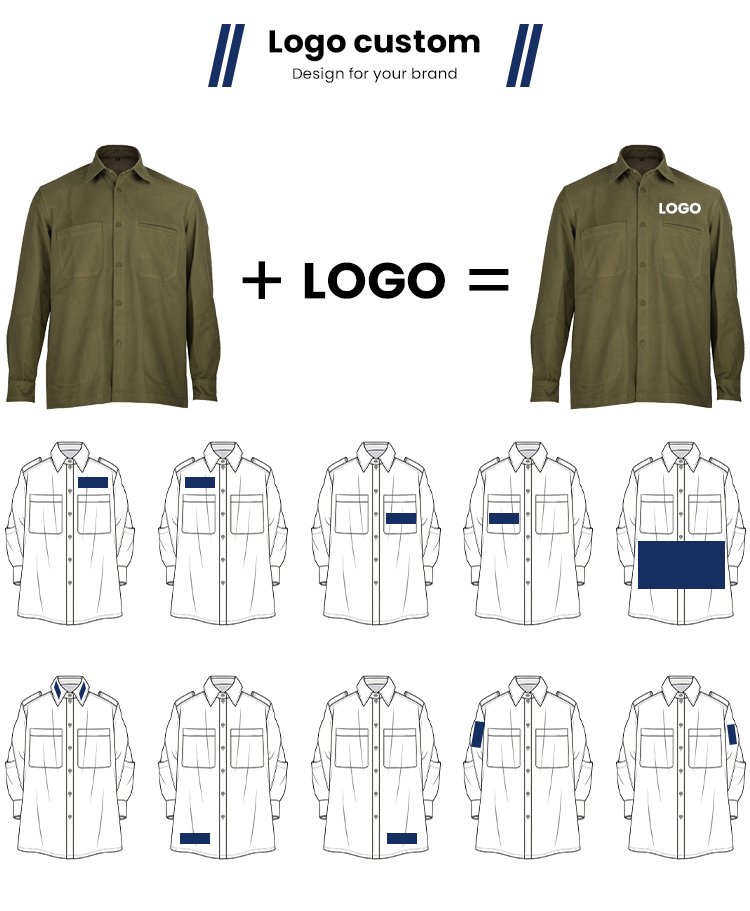
Private label programs may include neck labels, wash labels, hang tags, branded packaging, custom reflective logos, company color blocking, pocket design, reflective tape layout and size grading. The key is to keep customization commercially manageable. Start with a small number of core styles, then add custom features once reorder volume is proven.
VizGlo Safety supports distributors with vertically integrated production: high visibility garments plus in-house reflective material solutions, including reflective tapes, reflective films, and custom reflective logos. This allows distributors to create a coherent branded range while controlling quality from material to finished garment.
Work with a Supplier That Supports Wholesale Growth
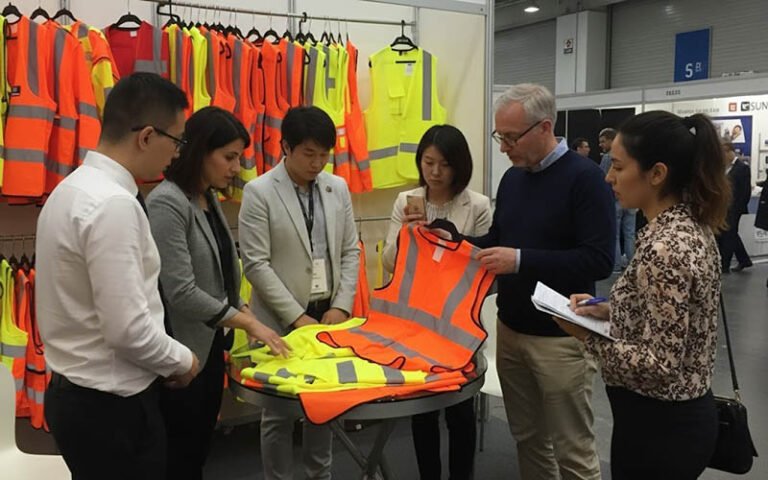
A distributor’s product line is only as strong as the supply chain behind it. The best supplier is not simply the factory with the lowest FOB price. The right wholesale partner should help you plan SKUs, test samples, manage compliance documents, adjust designs for your market, maintain quality consistency and scale from trial orders to repeat container shipments.
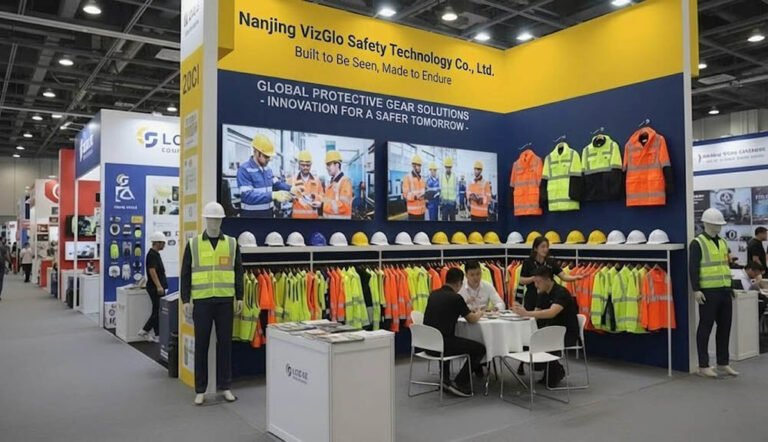
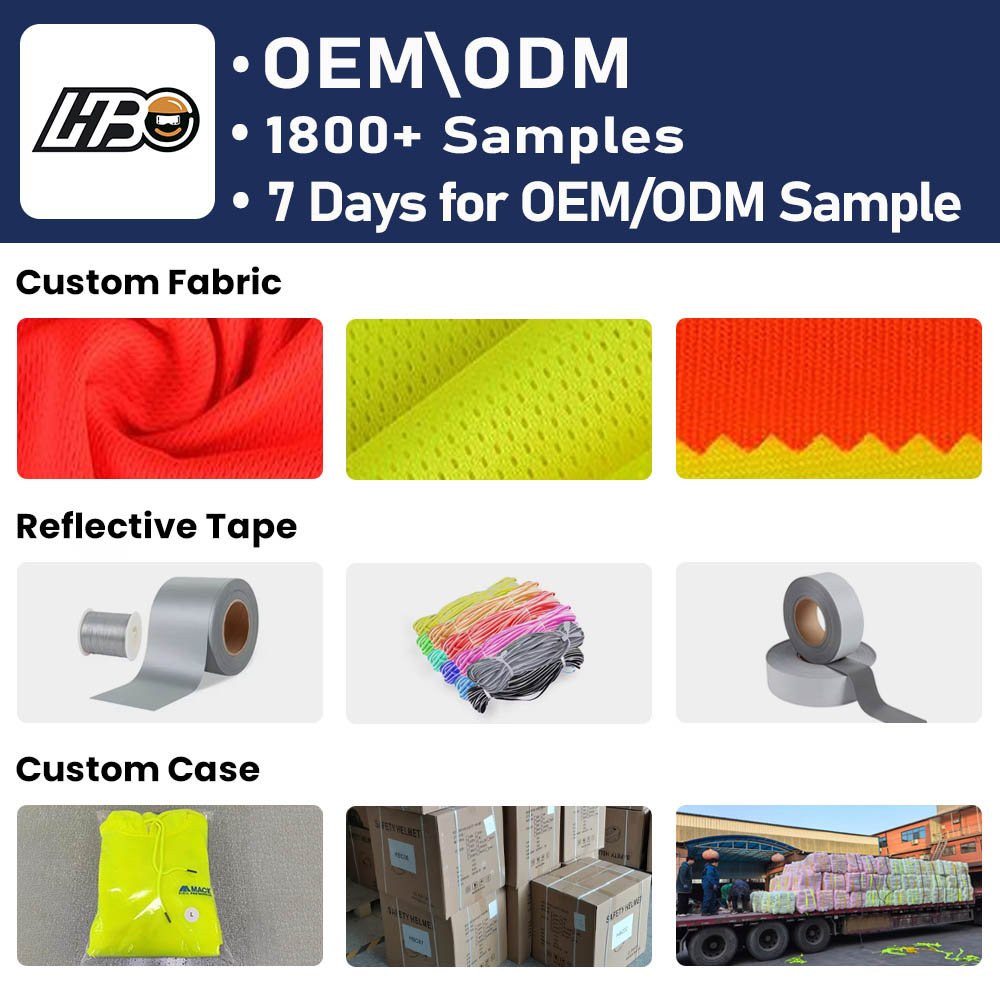
Nanjing VizGlo Safety Technology Co., Ltd. works with distributors, private brands and enterprise buyers across global markets. With more than 15 years in hi vis clothing and reflective materials, VizGlo offers OEM/ODM support across vests, polo shirts, T-shirts, hoodies, jackets, rainwear, workwear sets, reflective tapes, reflective fabrics, reflective films, reflective webbing and reflective piping. Our quality system covers incoming material inspection, production process control and final pre-shipment inspection, supported by experience with EN ISO 20471, ANSI/ISEA 107, AS/NZS requirements, OEKO-TEX, ISO 9001 and BSCI-related buyer expectations.
If you want to build a wholesale range that competes on value instead of price alone, start with a focused product line, validate it with regional customers, then expand through seasonal and industry-specific solutions. For company background, visit About VizGlo Safety, explore our industry solutions, or contact our team through the contact page.
Build Your Wholesale Hi Vis Product Line with VizGlo
Need a distributor-ready catalog with compliant garments, stable supply, private label options and market-specific recommendations? Share your target country, customer industries and expected order volume. Our team will help you plan a profitable SKU structure.
FAQ: Wholesale Hi Vis Workwear for Distributors
What hi vis workwear products should a new distributor stock first?
Start with fast-moving basics: high visibility vests, hi vis polo shirts or T-shirts, waterproof jackets, hoodies or sweatshirts, and selected trousers or workwear sets. Choose colors and standards based on your market, then add premium seasonal and industry-specific SKUs after confirming demand.
Is it better to compete on low price or premium features?
You need some entry-level products, but sustainable profit usually comes from premium problem-solving features such as breathable fabrics, waterproof construction, insulated layers, segmented reflective tape, FR options, women’s sizing and private label branding.
What documents should distributors ask from hi vis clothing suppliers?
Ask for relevant compliance declarations, test reports, fabric details, reflective material information, size charts, care labels, packing lists, production samples and inspection records. Documentation is especially important when selling to contractors, government buyers and large industrial customers.
Can distributors create their own private label hi vis workwear?
Yes. Private label options may include custom logos, neck labels, wash labels, hang tags, packaging, color blocking, reflective tape layouts and garment design adjustments. It is best to begin with core SKUs and expand customization after repeat demand is proven.
How can seasonal planning improve wholesale hi vis profitability?
Seasonal planning helps distributors avoid overstocking generic products and capture higher-value demand. Hot climates need breathable shirts and UPF protection, wet markets need waterproof rainwear, and cold regions need layered insulated hi vis systems.