Reflective Tapes for Vehicles: Regulations and Best Practices for Commercial Fleets
Navigating the complex landscape of vehicle safety regulations demands more than compliance—it requires strategic thinking about long-term fleet performance and risk mitigation. This comprehensive guide reveals what fleet managers across North America, Europe, and the Middle East have learned the hard way: cheap reflective tape isn’t a cost-saving measure; it’s a compound expense in materials, labor, and regulatory exposure.
Why Reflective Tape Matters for Fleet Operations
Reflective tape serves a singular but critical function: making vehicles visible during low-light conditions. This isn’t mere aesthetics—it’s a life-or-death safety measure. Consider this: approximately 37% of commercial vehicle accidents occur during darkness or twilight, according to safety agencies across developed nations. When a truck or delivery van disappears into shadow on a congested highway or construction zone, reflective tape becomes the barrier between safe passage and catastrophic collision.
For commercial fleet managers, reflective tape represents far more than compliance. It’s an investment in driver safety, brand liability protection, and operational continuity. A single accident involving a poorly maintained vehicle can trigger regulatory fines, insurance claims surcharging, and reputational damage that dwarfs years of maintenance savings.
Global Regulatory Requirements
✓ North America: DOT-C2 & FMVSS 108
The U.S. Department of Transportation mandates reflective tape placement on heavy trucks following specific chevron and stripe patterns. DOT-C2 classification requires:
- • Minimum retroreflectivity of 75 cd/lux/m²
- • Chevron angles of 45° orientation
- • Coverage on trailers’ rear, sides, and lower edges
- • Specific stripe width ratios
✓ Europe: ECE 104 Standard
The Economic Commission for Europe establishes ECE 104, which defines retroreflective material specifications for vehicles operating in EU member states. Key requirements:
- • Minimum retroreflectivity of 100 cd/(lux·m²)
- • Class III and IV retroreflectors
- • Geometric coverage patterns for trucks and trailers
- • Standardized hue (yellow, red, or combination)
Non-compliance can result in substantial penalties. UK authorities, for example, issue £1,000+ fines per vehicle for improper reflective marking during roadside inspections. In the U.S., the Federal Motor Carrier Safety Administration (FMCSA) can prohibit out-of-service vehicles from operating until compliance is restored, directly halting revenue generation.
Understanding Reflective Tape Technology: The Science Behind Visibility
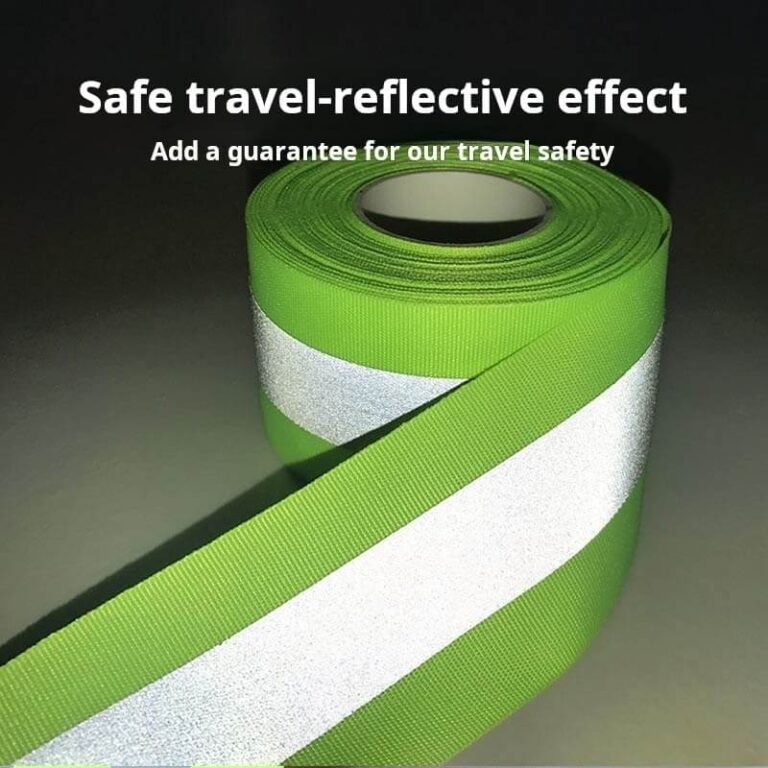
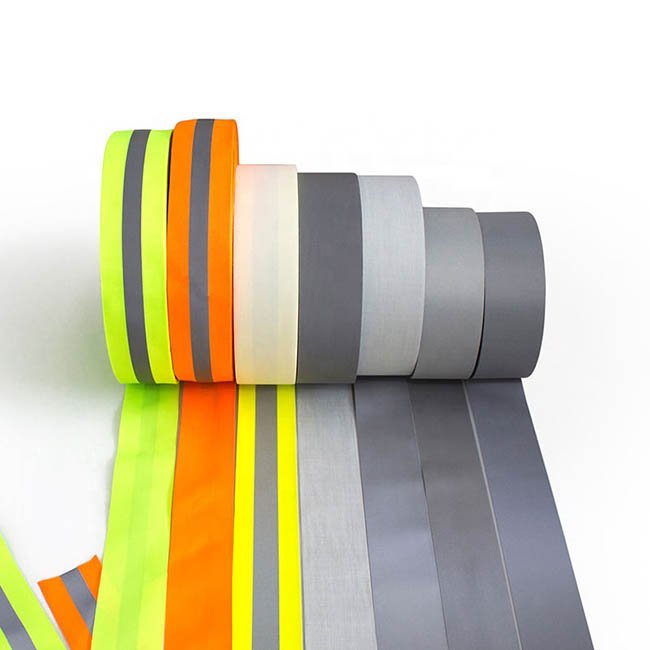
Reflective tape operates on a principle called retroreflection—the ability to return light directly back toward its source. When a vehicle’s headlights illuminate reflective tape, the light bounces back along nearly the same path it came, creating a bright beacon visible to the approaching driver.
The magic lies in the microscopic structure beneath the tape’s surface. Traditional glass bead tape uses tiny glass spheres embedded in a resin matrix. Each sphere acts as a lens, bending light inward and reflecting it back. Microprismatic tape, the modern alternative, uses tiny pyramid-shaped prisms instead of spheres. These prisms are more efficient reflectors, capturing light at a wider range of angles and returning it with greater intensity.
“The difference between glass bead and microprismatic tape is the difference between a standard mirror and a precision optical instrument. One reflects light; the other optimizes it. For fleet operators managing vehicles that operate 24/7 in variable lighting conditions, that optimization translates directly into lives saved and compliance maintained.”
Glass Bead vs. Microprismatic: Choosing Your Fleet’s Standard
| Specification | Glass Bead Tape | Microprismatic Tape |
|---|---|---|
| Retroreflectivity | 75-90 cd/(lux·m²) | 150-250+ cd/(lux·m²) |
| Viewing Angle Range | ±30° (limited) | ±60° (wide angle) |
| Expected Lifespan | 3-5 years | 5-7 years |
| Durability to Power Washing | Moderate (risk of peeling) | High (maintains adhesion) |
| UV Fade Resistance | Standard (noticeable fading) | Superior (minimal fading) |
| Cost per Vehicle | $80-120 | $120-180 |
| 5-Year TCO (labor included) | $250-400 (multiple replacements) | $180-220 (single installation) |
Fleet managers frequently encounter this decision point. Budget constraints favor glass bead tape initially, but operational reality demands microprismatic. A fleet of 50 heavy trucks replaced entirely with glass bead tape incurs approximately $3,000 in material costs but faces $7,500+ in labor when replacements occur at year 3. Switching to microprismatic from the outset costs $4,500 initially but requires no replacement during the vehicle’s typical 5-7 year commercial lifespan. The math is stark: industrial reflective tape performance differences directly impact fleet economics.

Selection and Installation Best Practices
1. Specification Verification
Before purchasing tape, verify your specific regulatory requirements. If your fleet operates internationally, select tape that meets the highest standard across all markets. European ECE 104 exceeds North American DOT-C2, so ECE-compliant tape works in both markets but not vice versa.
2. Surface Preparation is Non-Negotiable
Professional installation requires proper surface treatment. Vehicle surfaces must be:
- ✓ Thoroughly cleaned (removing dirt, salt, and residue)
- ✓ Degreased with industrial solvents
- ✓ Dried completely before tape application
- ✓ Potentially abraded on curved surfaces to improve adhesion
3. Temperature and Humidity Control
Tape application should occur within specific environmental parameters: temperature between 50-85°F (10-29°C) and relative humidity below 85%. Cold weather makes adhesive sluggish; excessive humidity traps moisture beneath tape, causing premature failure. Schedule installations during optimal seasonal windows.
4. Professional vs. In-House: Know Your Limits
While cost-conscious fleet managers might attempt DIY installation, this frequently backfires. Professional installers using heat guns, rollers, and precise angle measurement ensure proper adhesion and compliance verification. The $150-250 labor cost per vehicle prevents costly re-applications and regulatory exposure.
Maintenance Protocols: Extending Tape Lifespan
Once reflective tape is installed, a disciplined maintenance regimen determines whether it lasts 3 years or 7 years. Here’s the maintenance framework fleet operators should implement:
Quarterly Inspection Protocol
📋Visual Assessment
- • Check for edge peeling or lifting
- • Inspect for visible fading or discoloration
- • Look for cracks or stress fractures
- • Verify all required patches are intact
🔍Retroreflectivity Testing
- • Use retroreflectometer annually
- • Compare readings to baseline
- • Track degradation trends
- • Plan replacement before failure
Cleaning Best Practices
Proper cleaning extends tape life while improper methods destroy it:
✓ Recommended Methods
- • Soft brush with mild soap and water
- • Low-pressure rinse (gentle pressure)
- • Microfiber cloth drying
- • Quarterly gentle washing
✗ Avoid These Methods
- • High-pressure power washing (>1500 PSI)
- • Harsh chemical solvents or degreasers
- • Abrasive scrubbing with wire brushes
- • Direct steam cleaning on tape surfaces
Industrial fleets operating in coastal zones face accelerated degradation from salt spray. Quarterly (rather than annual) cleaning and potentially protective wax coatings can extend tape life by 1-2 years in these environments.
Total Cost of Ownership: The Real Financial Picture
Let’s examine the financial reality facing a 100-vehicle commercial fleet over a 5-year operational cycle:
Scenario A: Budget Glass Bead Tape Approach
Scenario B: Premium Microprismatic Tape Approach
Financial Impact Summary
By choosing premium microprismatic tape, this fleet saves $26,000-36,000 over 5 years while achieving superior safety outcomes and zero compliance risk. That’s a 45-55% reduction in TCO. For a fleet operator managing 500 vehicles, this translates into $130,000-180,000 in operational savings—capital that can be redirected toward driver training, vehicle maintenance, or fleet modernization.
Frequently Asked Questions
What is the difference between DOT-C2 and ECE 104 reflective tape standards? ▼
DOT-C2 is the North American standard established by the U.S. Department of Transportation, while ECE 104 is the European standard. Both mandate reflective tape placement on vehicles for visibility, but they differ in specific retroreflectivity requirements and tape configuration patterns. DOT-C2 typically requires chevron patterns or stripes at specific angles, whereas ECE 104 has its own geometric specifications. If your fleet operates internationally, ECE 104 compliance covers most global markets since it often exceeds other regional standards.
How long does reflective tape last on commercial vehicles? ▼
High-quality microprismatic reflective tape can last 5-7 years under normal conditions, while glass bead tape typically lasts 3-5 years. However, longevity depends significantly on climate exposure, maintenance frequency, and installation quality. Harsh UV exposure in hot climates, frequent high-pressure washing, and poor adhesion can significantly reduce lifespan. Regular quarterly inspections allow you to detect degradation early.
What is the total cost of ownership advantage of premium reflective tape? ▼
While premium tape costs 30-50% more upfront, it eliminates recurring replacement expenses over 5-7 years. When factoring in labor costs for reinstallation, vehicle downtime, and the business risk of regulatory compliance failures, premium tape delivers 45-55% lower TCO compared to budget alternatives. For a 100-vehicle fleet, this translates to savings of $26,000-36,000 over five years.
Can reflective tape be applied over existing faded tape? ▼
No. Professional installation requires complete removal of old tape to ensure proper surface preparation and adhesion. Degraded tape surfaces prevent new adhesive from bonding effectively, resulting in premature peeling and potential compliance violations. The additional labor cost for removal ($30-50 per vehicle) is a worthwhile investment in installation quality.
How does climate affect reflective tape performance? ▼
UV exposure causes retroreflectivity fading, while temperature fluctuations stress adhesive properties. Salt spray in coastal regions accelerates deterioration, and freeze-thaw cycles in cold climates can separate tape from vehicle surfaces. Fleets in harsh climates benefit from quarterly inspections and potentially protective coatings. Northern and coastal operators should consider every-3-year replacement cycles rather than every 5 years.
Exploring Broader Reflective Material Solutions
While this article focuses specifically on vehicle reflective tape, commercial fleets increasingly adopt integrated safety solutions. Discover how our comprehensive industrial reflective tape portfolio extends beyond automotive applications to include fluorescent safety wear, reflective webbing, and custom branding solutions for your entire fleet identity.
Learn more about our one-stop OEM/ODM reflective material manufacturing capabilities that support North American, European, and Middle Eastern fleet operators.
Additional Industry Resources
For fleet managers seeking deeper regulatory knowledge and industry benchmarks:
- FMCSA Title 49 CFR Part 393 – Vehicle Equipment & Parts – Comprehensive U.S. regulations on reflective marking requirements
- EU Directive 2017/1577 – Retroreflectors & Photometric Devices – European regulatory framework for reflective materials
- NHTSA FMVSS Standards Database – Complete motor vehicle safety standard specifications
- ISO 20471:2019 – High Visibility Apparel – International standard for reflective safety materials
- SAE International Standards Catalog – Vehicle equipment and safety specifications
Conclusion: Making the Strategic Investment
Reflective tape selection for commercial fleets represents a choice between short-term cost savings and long-term operational excellence. The data is unambiguous: premium microprismatic tape delivers superior safety, compliance certainty, and financial advantages when evaluated over realistic commercial vehicle lifecycles.
Smart fleet managers across North America, Europe, and the Middle East have moved beyond asking “What’s the cheapest tape?” to asking “What tape ensures our drivers stay safe, our fleet stays compliant, and our total cost of ownership is optimized?” The answer, consistently, points toward high-quality microprismatic solutions paired with professional installation and systematic maintenance.
Your fleet’s visibility at night is measured in lives saved. Invest accordingly.