Clear Comparison of Global High Visibility Standards: ANSI/ISEA 107 vs EN ISO 20471
If you are sourcing high visibility clothing for the US, Canada, Europe, logistics, construction, railway, road work, or industrial safety markets, understanding ANSI/ISEA 107 and EN ISO 20471 is essential. This guide compares the major global hi-vis standards and explains how to choose compliant garments from a reliable manufacturer.
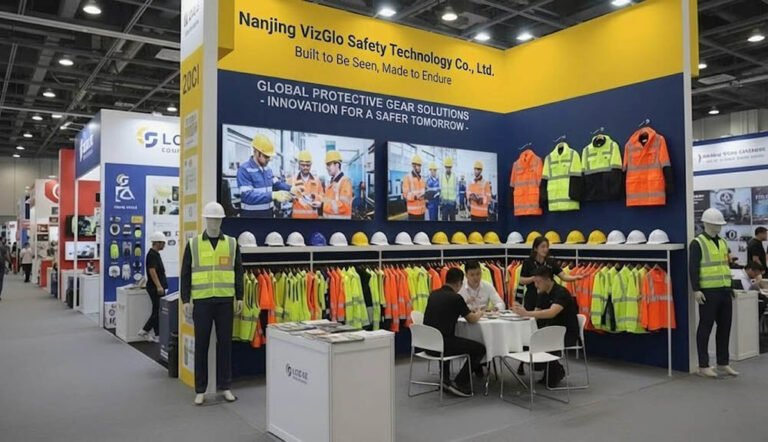
VizGlo Safety manufactures high visibility vests, jackets, rainwear, shirts, hoodies, workwear, and reflective materials for international buyers who need compliant, customizable, and bulk-ready safety apparel.
Why High Visibility Standards Matter for Procurement
High visibility clothing is not only a color choice. For professional safety programs, buyers must consider fluorescent background material, retroreflective tape performance, garment design, minimum visible material area, risk environment, and regional compliance requirements.
The two most widely referenced standards are ANSI/ISEA 107 for the North American market and EN ISO 20471 for the European and many international markets. If you are a distributor, safety manager, logistics procurement specialist, contractor, or workwear brand, choosing the right standard helps reduce compliance risk and improves worker visibility.
ANSI/ISEA 107 vs EN ISO 20471: Quick Comparison
The following table gives a practical procurement-level comparison between the two major high visibility clothing standards.
| Item | ANSI/ISEA 107 | EN ISO 20471 | Procurement Meaning |
|---|---|---|---|
| Main Region | United States, Canada, North America-oriented buyers | Europe and many global projects using European requirements | Select the standard according to your destination market and customer requirement. |
| Current Focus | High-visibility safety apparel and accessories by garment type and performance class | High visibility clothing classified by minimum visible material area | Both standards evaluate garment visibility, but the classification systems are different. |
| Common Classes / Types | Type O, Type R, Type P; Performance Class 1, 2, 3; Supplemental Class E | Class 1, Class 2, Class 3 | Class 3 usually indicates the highest visibility level in both systems, but requirements are not identical. |
| Typical Products | Safety vests, reflective shirts, jackets, pants, rainwear, public safety apparel | Hi-vis vests, jackets, trousers, coveralls, rainwear, workwear, shirts | Product design must be planned before cutting and sewing to meet visible material area requirements. |
| Key Materials | Fluorescent background fabric and retroreflective or combined-performance material | Fluorescent background material and retroreflective material | Fabric color, reflective tape width, tape brightness, and garment layout all affect compliance. |
| Buyer Action | Confirm Type R/O/P and Class 1/2/3 before ordering | Confirm EN ISO 20471 Class 1/2/3 before ordering | Work with a manufacturer that understands both standards. |
Disclaimer: This article is a practical purchasing guide and does not replace the full official standards. Always verify final requirements with your local authority, safety consultant, or certification body.
Is EN 471 Replaced by EN ISO 20471?
Yes. In modern procurement, EN ISO 20471 is generally referenced as the current high visibility clothing standard that replaced the older EN 471 standard. If you are buying hi-vis clothing for European or international markets, you should normally check whether the garment is designed and tested according to EN ISO 20471 rather than relying on outdated EN 471 references.
European Market Guide: EN ISO 20471 High Visibility Clothing
EN ISO 20471 classifies high visibility clothing into Class 1, Class 2, and Class 3 according to the minimum area of fluorescent background material and retroreflective material. Class 3 provides the highest level of visibility and is often selected for high-risk environments.
Class 1
Usually used in lower-risk situations where visibility requirements are limited. It has the lowest minimum visible material area among the three classes.
Class 2
Common for general construction, logistics, warehouse, and site work where workers need clear visibility but may not require the maximum Class 3 level.
Class 3
The highest visibility class. It is often used for road work, railway, heavy logistics, outdoor work, and high-risk environments requiring maximum visibility.
Are You Sourcing EN ISO 20471 Clothing for European Logistics or Construction?
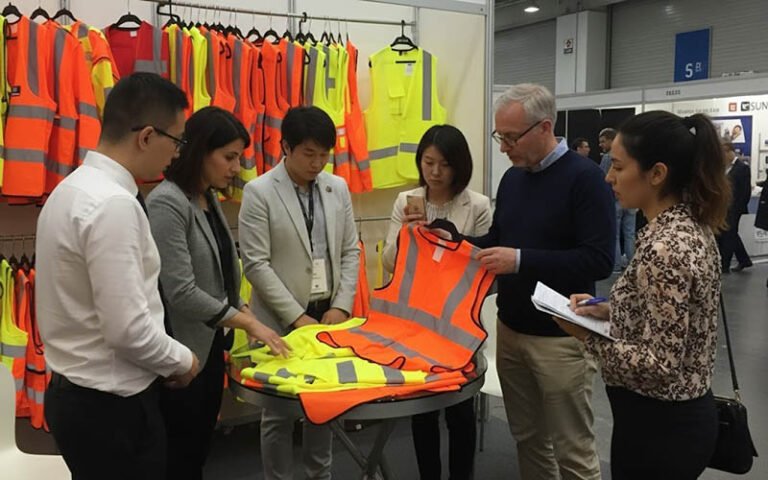
VizGlo Safety supports European buyers with hi-vis vests, jackets, rainwear, workwear, polo shirts, and reflective materials designed for EN ISO 20471-oriented projects.
- Fluorescent yellow and orange fabrics
- Reflective tape layout planning
- Class 2 and Class 3 garment development support
- Logo, private label, and OEM/ODM customization
- Bulk production for distributors and safety apparel brands
North American Market Guide: ANSI/ISEA 107 High Visibility Apparel
ANSI/ISEA 107 is widely used in North America for high-visibility safety apparel and accessories. It defines garment types and performance classes based on the work environment and visibility needs.
ANSI Type O, Type R, and Type P
| ANSI Type | Meaning | Common Applications | Typical Products |
|---|---|---|---|
| Type O | Off-road use | Warehouses, facilities, parking areas, industrial sites away from public roadways | Vests, shirts, light workwear |
| Type R | Roadway use | Road construction, traffic control, utility work, highway maintenance | Class 2 vests, Class 3 jackets, rainwear, shirts |
| Type P | Public safety use | Emergency responders, police, fire, EMS, public safety personnel | Public safety vests and specialized garments |
ANSI Class 1, Class 2, Class 3, and Class E
ANSI performance classes help buyers select garments according to visibility risk. Class 2 is commonly used for roadway and general professional safety applications, while Class 3 offers enhanced visibility with more visible material and garment coverage. Class E is commonly used for pants or bibs that can combine with Class 2 garments to create a higher visibility ensemble.
Compliant Hi-Vis Product Options for Global Buyers
Whether your market requires ANSI/ISEA 107, EN ISO 20471, or project-specific safety apparel requirements, VizGlo Safety can help you develop high visibility garments based on your application, country, and customer requirements.
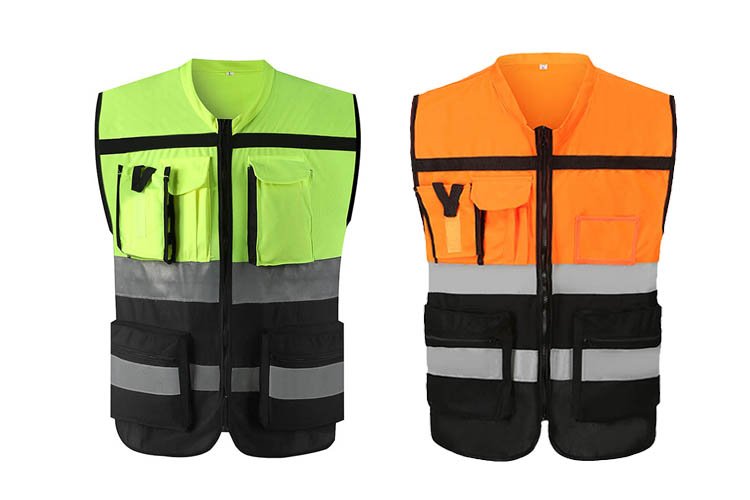
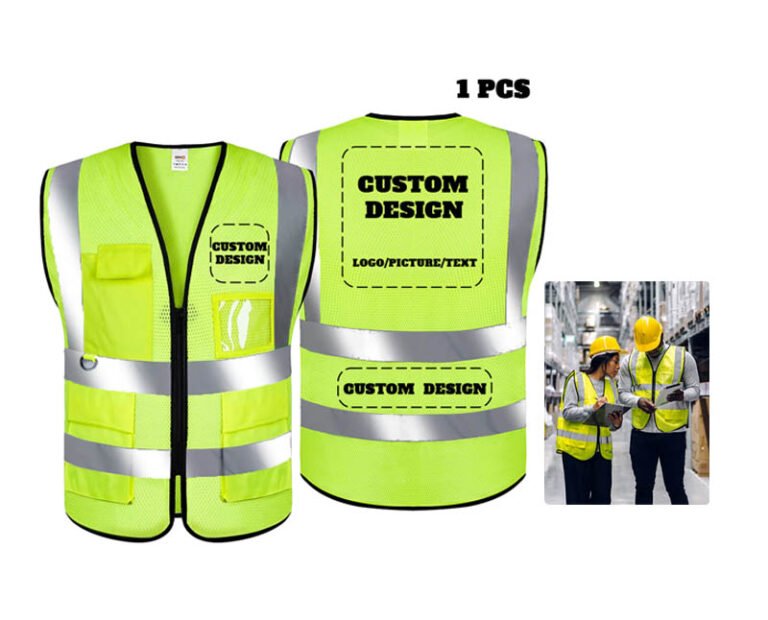
High Visibility Vests
Suitable for construction, logistics, warehouse, road work, railway, visitor management, and general industrial safety.
View High Visibility Vests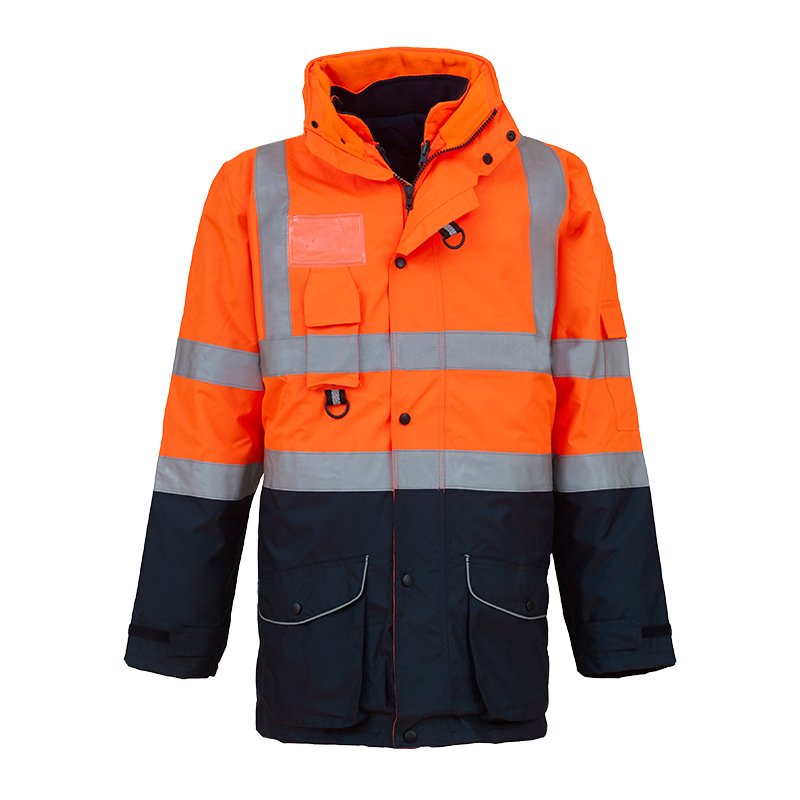
Hi Vis Jackets & Rainwear
Designed for outdoor work, road work, railway, construction, and harsh weather environments requiring durable visibility.
View Hi Vis Jackets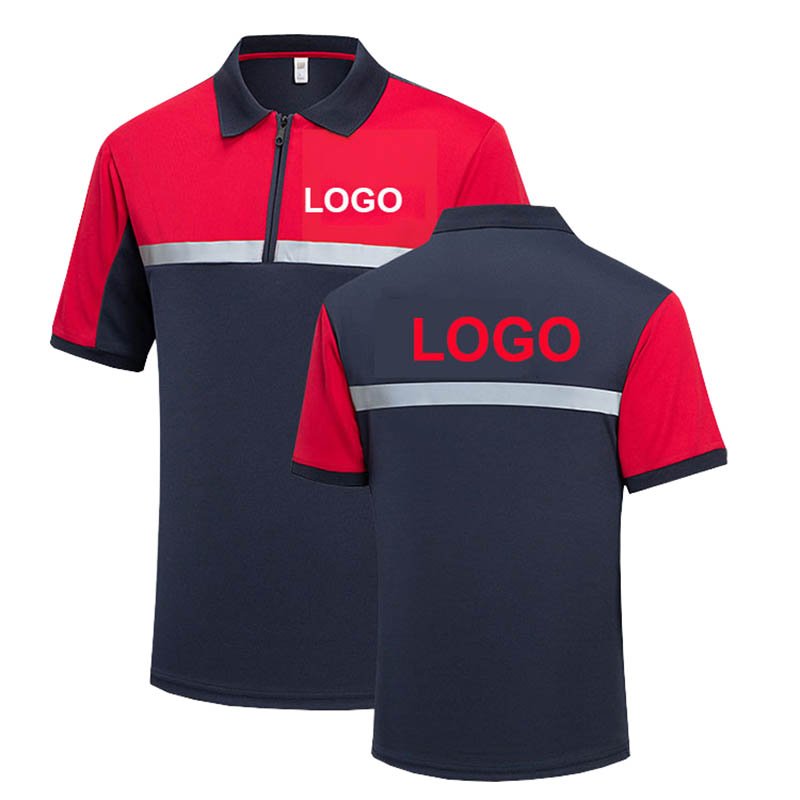
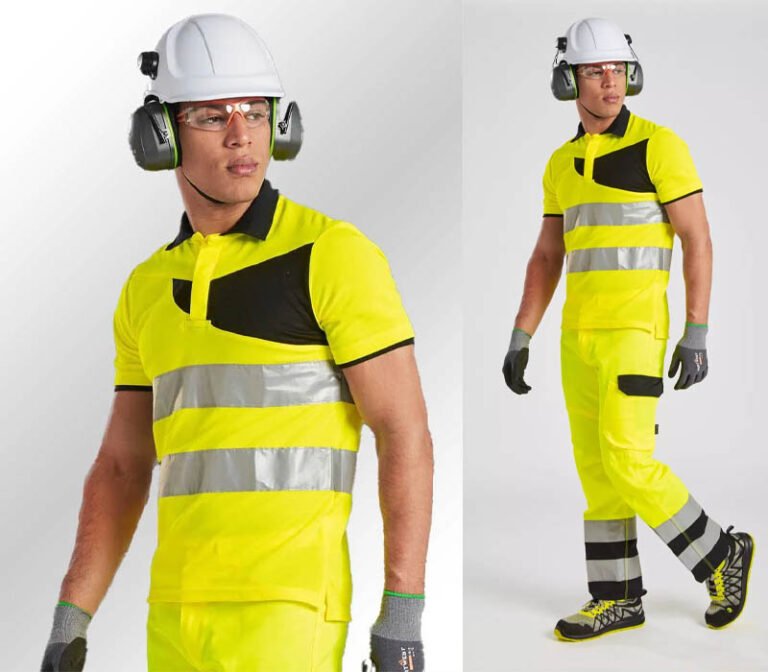
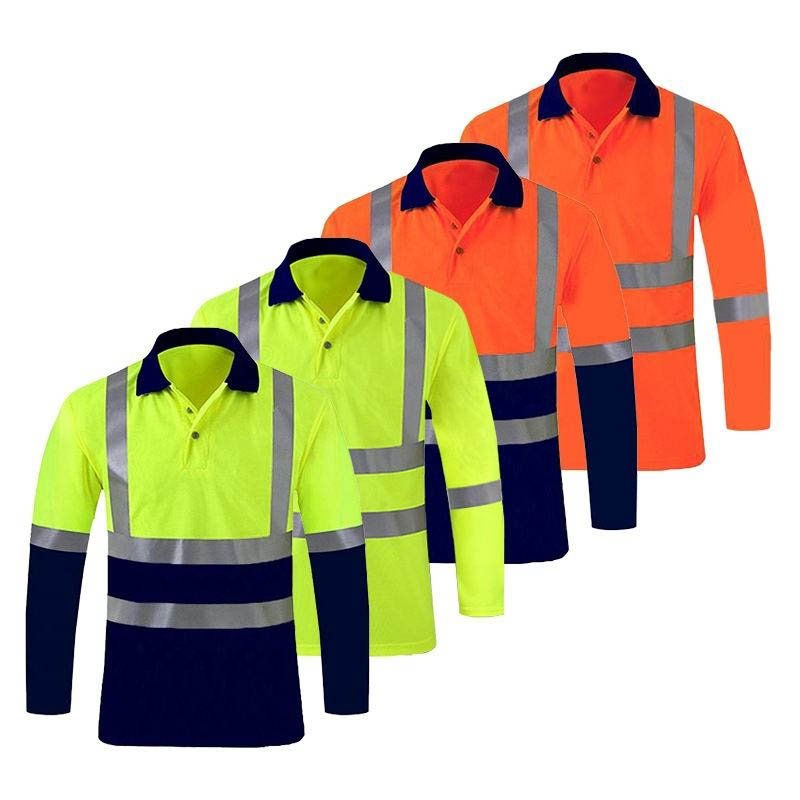
Hi Vis Polo Shirts & T-Shirts
Ideal for warm-weather safety programs, logistics teams, utility crews, and branded workwear programs.
View Hi Vis Shirts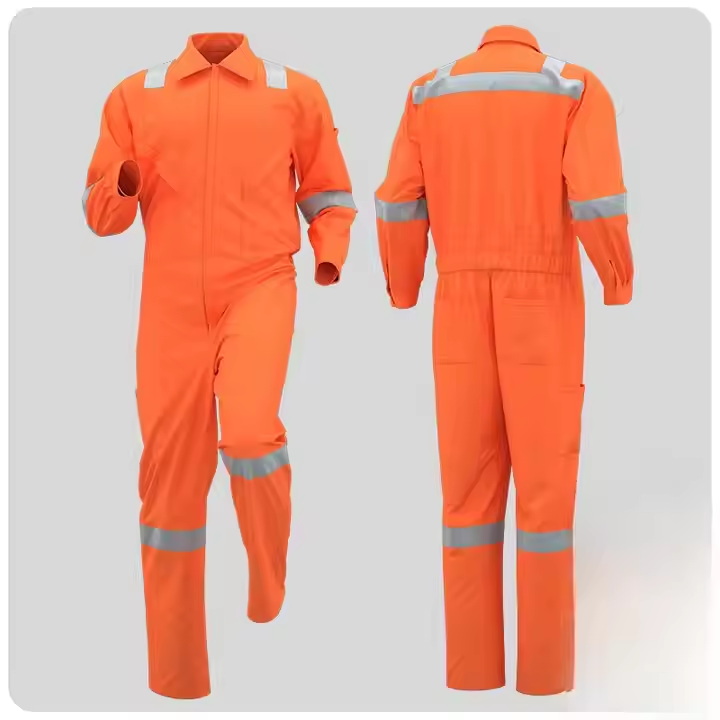
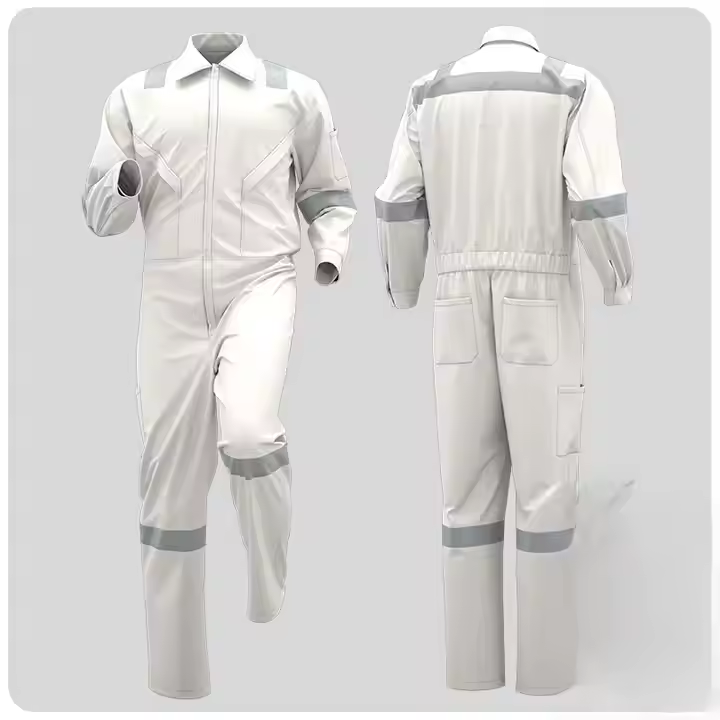
Hi Vis Workwear
Full workwear solutions for industrial buyers, contractors, distributors, and team uniform programs.
View Hi Vis Workwear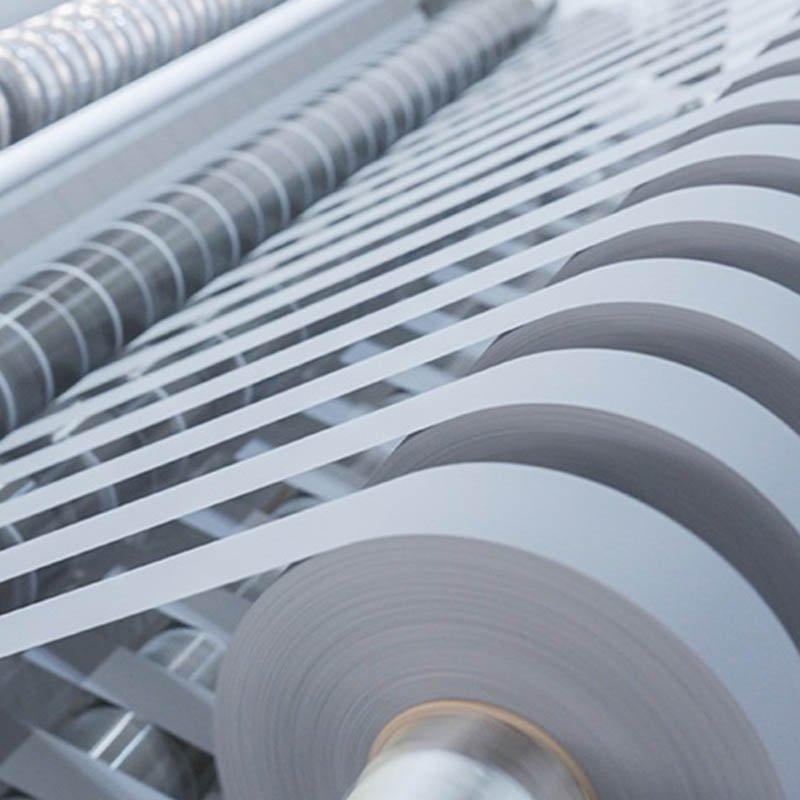
Reflective Tapes
Reflective tape selection is critical for compliance, nighttime visibility, washing durability, and garment performance.
View Reflective Tapes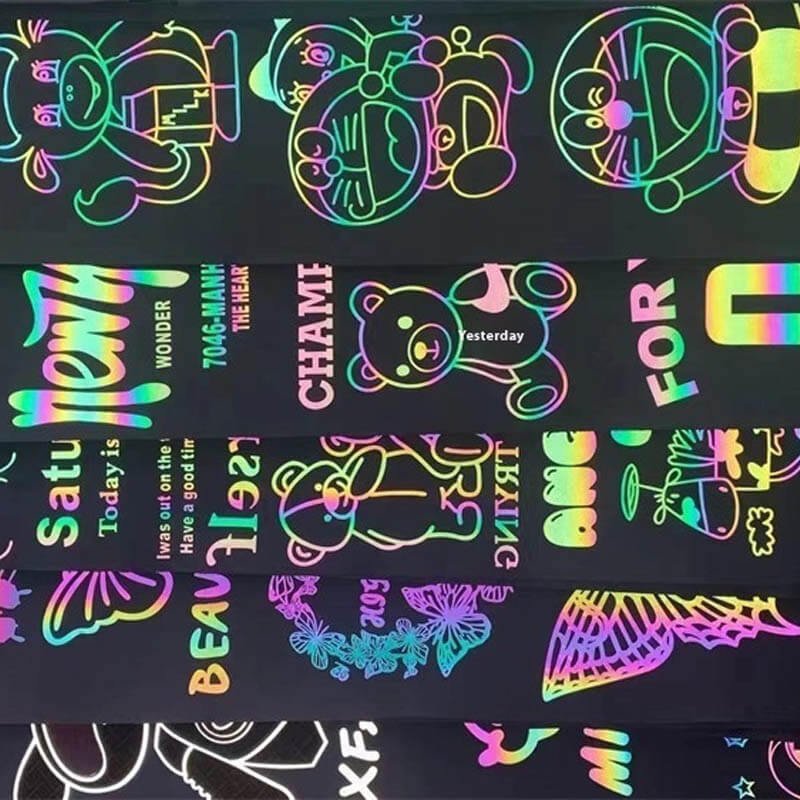
Reflective Logos
Add custom branding while keeping the professional safety look of your hi-vis garments.
View Reflective LogosCan Chinese Hi-Vis Manufacturers Meet ANSI and EN Standards?
Yes — a qualified Chinese hi-vis manufacturer can produce garments for ANSI/ISEA 107 and EN ISO 20471-oriented requirements when the materials, design, reflective tape layout, testing process, and documentation are properly controlled.
VizGlo Safety supports international buyers with professional high visibility apparel manufacturing, reflective material sourcing, OEM/ODM development, logo customization, and bulk production for multiple safety markets.
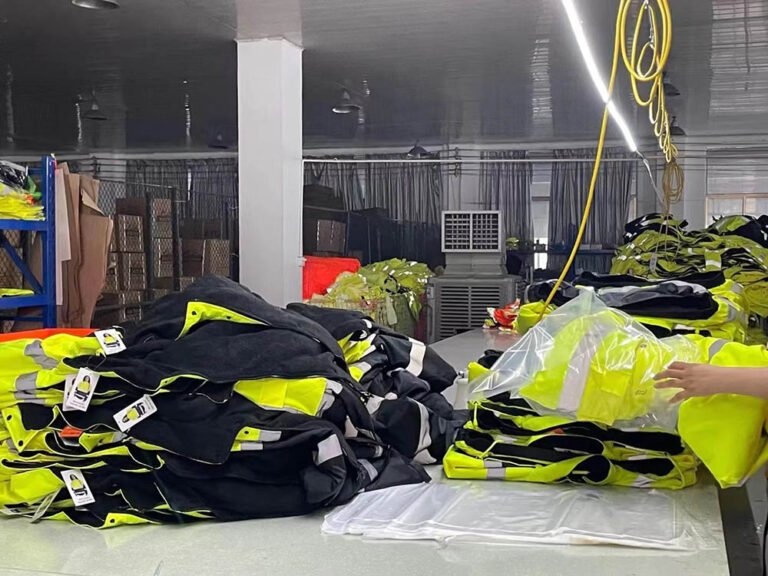
What We Control During Production
- Fluorescent fabric color and material selection
- Reflective tape width, position, and performance
- Garment pattern planning for visible material area
- Logo and branding placement without damaging the safety look
- Quality inspection before bulk shipment
- Documentation support based on project requirements
Best Fit for These Buyers
- Safety apparel distributors
- European logistics companies
- North American workwear brands
- Construction and road work contractors
- Railway, mining, and industrial safety teams
- OEM/ODM private label buyers


OEM/ODM Custom High Visibility Clothing Without Losing the Safety Look
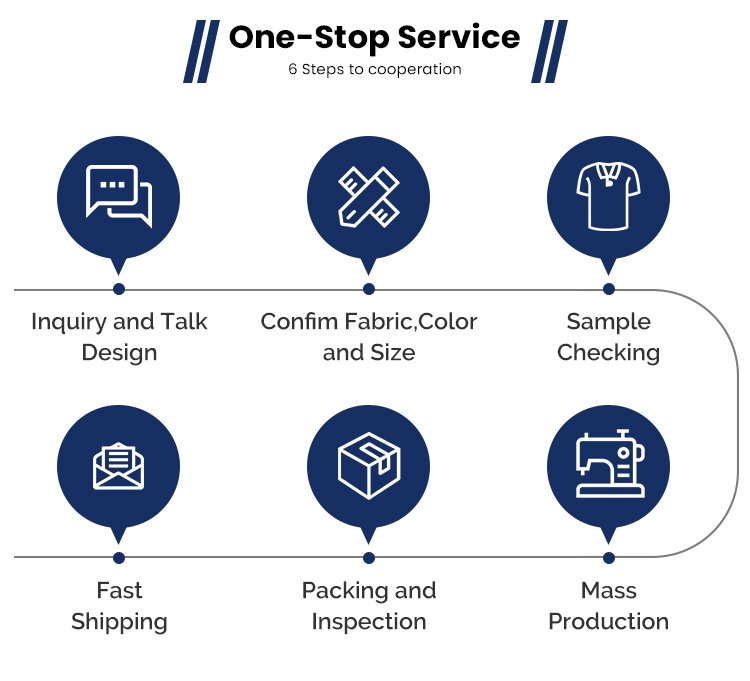
Many buyers ask whether high visibility garments can be personalized with logos, colors, labels, packaging, and team identity without reducing the professional safety appearance. The answer is yes, but customization must be planned carefully.
Customization Options
- Custom logo printing, reflective logo, heat transfer, or embroidery
- Private label, woven label, hang tag, and packaging
- Custom reflective tape layout and width
- Fabric selection: mesh, polyester, Oxford, softshell, fleece, waterproof fabrics
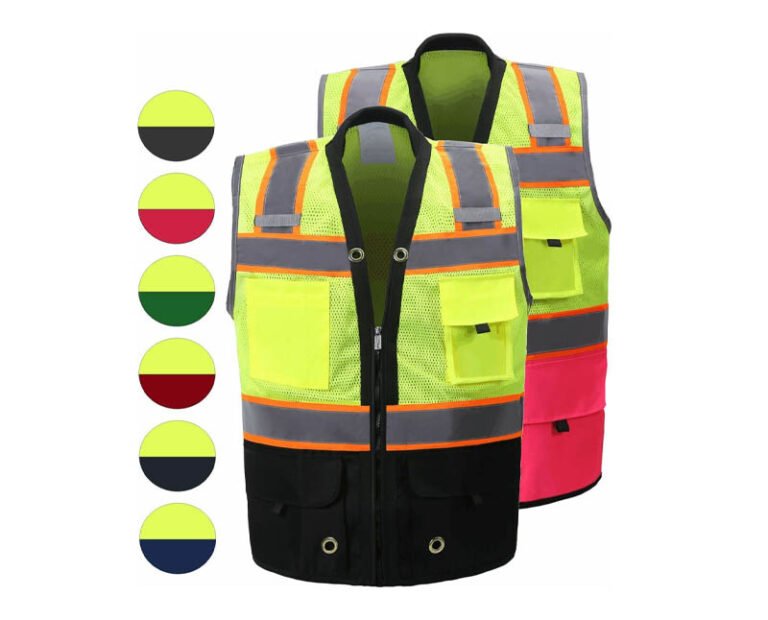
- Color options: fluorescent yellow, orange, contrast black, navy, custom panels
- Product development for vests, jackets, shirts, rainwear, hoodies, and workwear
Recommended Standards by Application
The correct standard and garment class depend on your industry, environment, vehicle speed, weather, daylight conditions, and worker exposure to hazards.
| Application | Common Requirement | Recommended Product Types | Solution Page |
|---|---|---|---|
| Construction | High visibility vests, jackets, shirts, and workwear for site safety | Vests, workwear, jackets, polo shirts | Construction Hi Vis Clothing |
| Road Work | High visibility garments for workers exposed to vehicles and traffic | Class 2 / Class 3 vests, jackets, rainwear | Road Work Hi Vis Clothing |
| Logistics | Durable, comfortable, branded garments for warehouses and transport teams | Vests, shirts, jackets, hoodies | Logistics Hi Vis Clothing |
| Railway | High contrast, high visibility garments for rail environments | Orange hi-vis workwear, jackets, rainwear | Railway Hi Vis Clothing |
| Mining | Heavy-duty visibility and durable construction for demanding sites | Workwear, reflective jackets, rainwear, coveralls | Mining Hi Vis Clothing |
FAQ for Hi-Vis Clothing Procurement Specialists
What is ANSI/ISEA 107?
ANSI/ISEA 107 is a high-visibility safety apparel standard widely used in North America. It defines garment types and performance classes for high visibility clothing and accessories used in different work environments.
What is EN ISO 20471?
EN ISO 20471 is a high visibility clothing standard widely used in Europe and many global projects. It classifies garments into Class 1, Class 2, and Class 3 based on minimum visible material areas and performance requirements.
Is EN 471 replaced by EN ISO 20471?
Yes. EN ISO 20471 is generally used as the current standard that replaced the older EN 471 standard. Buyers should ask for current EN ISO 20471 information when sourcing for European markets.
Can Chinese hi-vis manufacturers meet ANSI and EN standards?
Yes. Qualified Chinese manufacturers can produce ANSI/ISEA 107 and EN ISO 20471-oriented high visibility garments when fabric, reflective tape, garment design, testing, and documentation are properly controlled.
Can we personalize high visibility garments without losing the safety look?
Yes. Logos, labels, packaging, and color-blocking can be customized, but reflective tape placement, fluorescent material area, and visibility design should be planned carefully. VizGlo Safety can help balance branding and safety appearance.
Do you provide compliance certificates or test reports?
Documentation requirements vary by product, order, and market. Please send your target standard, product type, quantity, and destination market. Our team will advise what documentation or testing support can be provided for your project.
How do I choose between ANSI and EN ISO standards?
Choose according to your target market and customer requirement. For North America, ANSI/ISEA 107 is commonly referenced. For Europe, EN ISO 20471 is commonly referenced. International projects may specify one or both.
What information should I send before requesting a quote?
Please send product type, target standard, class or type, quantity, fabric requirement, color, reflective tape requirement, logo file, size range, packaging, destination market, and any test report requirements.
Source Compliant High Visibility Clothing Directly from a Manufacturer
Stop guessing which standard, class, fabric, or reflective tape your project needs. Send us your requirement, target market, and product type. VizGlo Safety will help you develop ANSI/ISEA 107 or EN ISO 20471-oriented hi-vis garments for bulk production.