How to Print Your Company Logo on Hi Vis Raincoats: A Complete Guide
Discover professional logo printing methods that maintain waterproofing integrity and safety compliance for your custom hi-vis raincoats.
⚠️ The Critical Mistake Most Companies Make
From my years in the field, I can tell you the single biggest oversight companies make is treating a hi-vis raincoat like a standard promotional t-shirt. They’re focused on the logo, but they forget the two things that truly matter: the garment’s waterproof integrity and its safety certification.
Ask your supplier: ‘Will this printing method compromise the waterproof seams or fabric?‘ and ‘How does this logo’s size and placement affect its ANSI/ISEA 107 or EN ISO 20471 compliance?‘
A cheap print job that cracks, peels, or voids a certification isn’t a bargain—it’s a future liability and a risk to your team’s safety. The right method isn’t just about branding; it’s about performance and protection.
Why Logo Printing on Hi-Vis Raincoats Matters
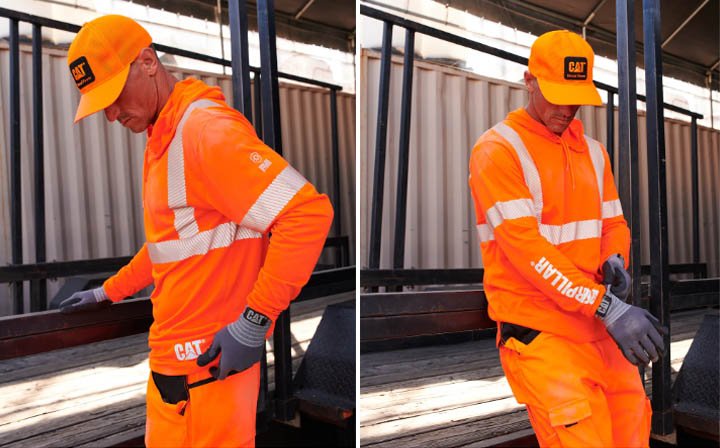
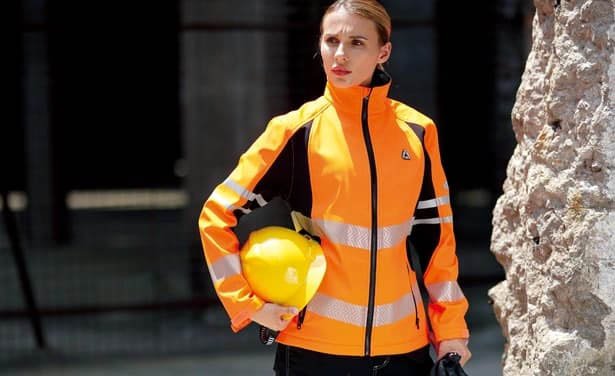
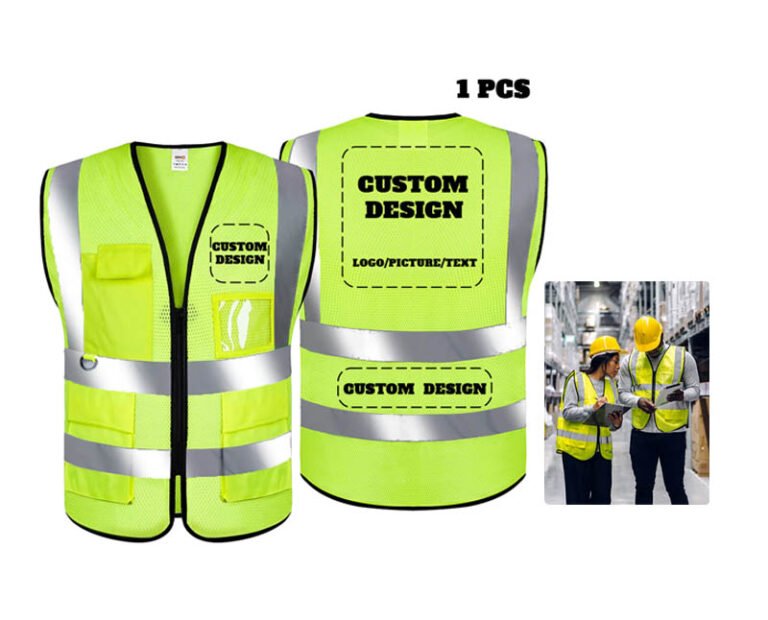
When searching for “custom logo hi vis jacket” or looking to brand your safety rainwear, you’re not just adding a logo—you’re making a strategic decision that impacts your brand visibility, team cohesion, and operational efficiency. Here’s why getting it right matters:
🏢 Professional Brand Identity
Your logo on high-visibility raincoats transforms workers into brand ambassadors, enhancing corporate image on job sites and public spaces.
👥 Team Recognition & Unity
Custom branded safety wear helps identify team members quickly in busy work environments, improving coordination and security.
🛡️ Compliance Documentation
Proper logo placement maintains ANSI/ISEA 107 and EN ISO 20471 certification, ensuring your team stays compliant and protected.
💰 Asset Management
Branded garments reduce loss and improve accountability, with company logos deterring theft and mix-ups.
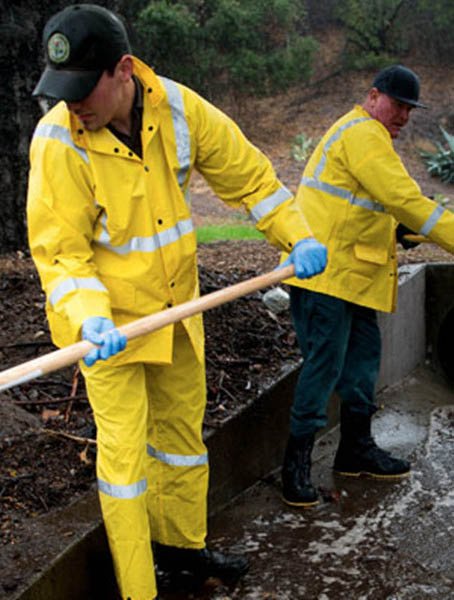
4 Professional Logo Printing Methods Compared
Understanding screen printing on waterproof fabric and heat transfer for safety wear is crucial for making an informed decision. Let’s explore each method in detail:
1. Heat Transfer Reflective Film
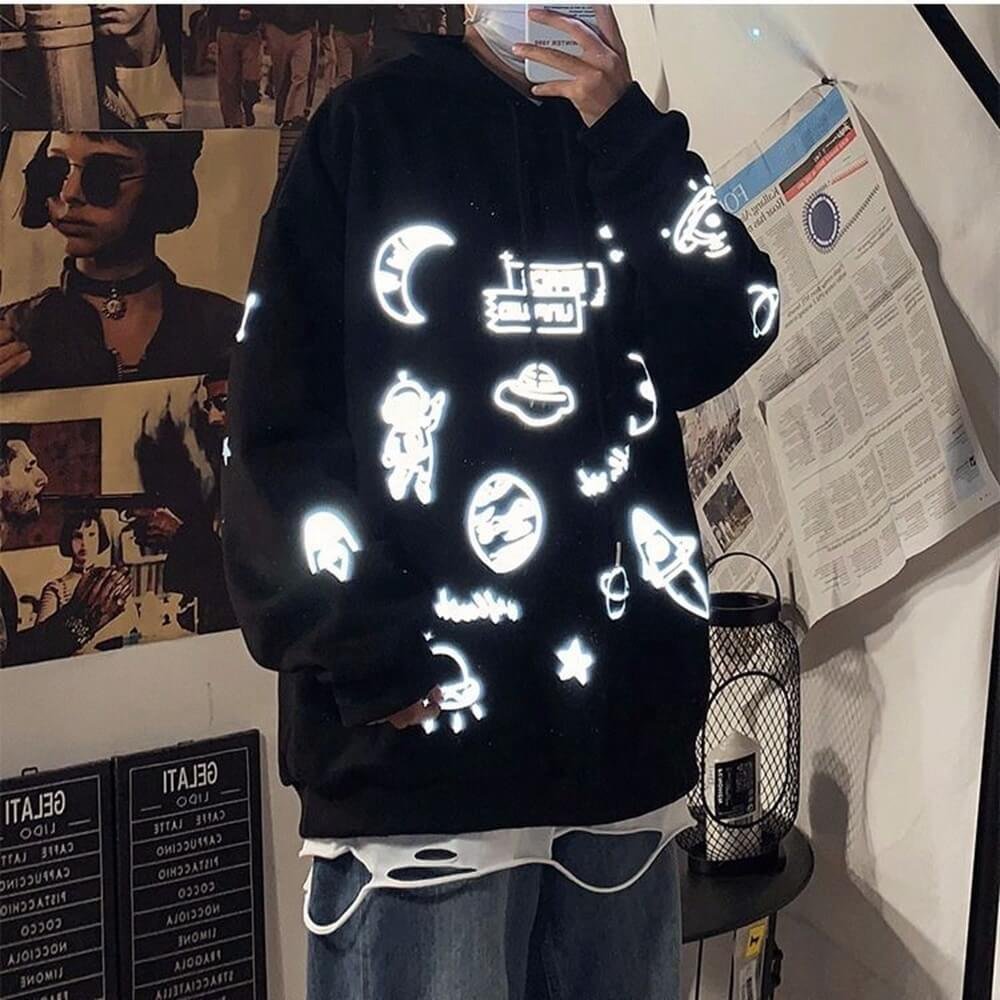
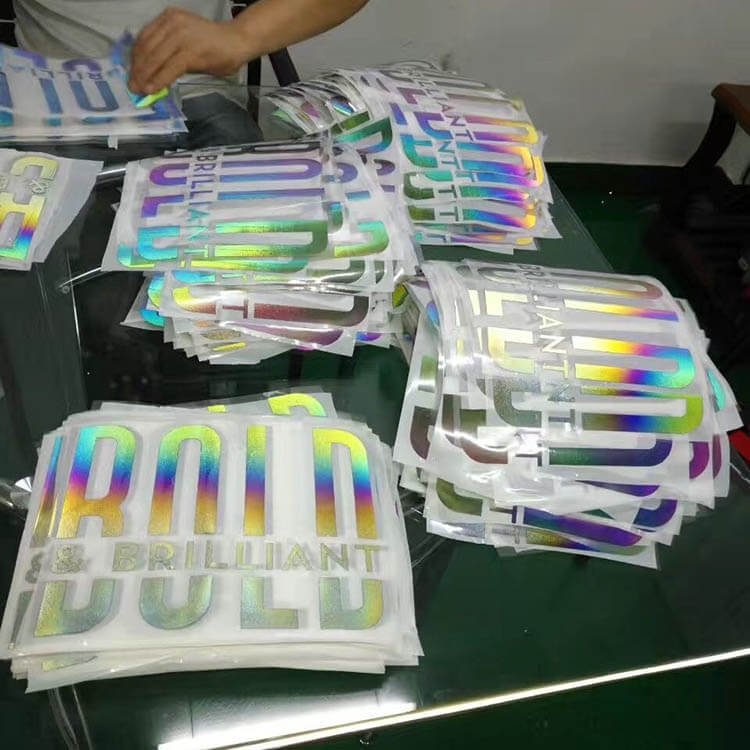
The Process: Heat transfer involves applying a pre-cut reflective film to your raincoat using heat and pressure. This is the most popular method for adding custom logos to hi-vis safety wear because it combines visibility enhancement with branding.
✅ Advantages:
- Excellent reflectivity (meets EN ISO 20471)
- Waterproof integrity maintained
- Durable through 50+ industrial washes
- Complex designs possible
- Cost-effective for medium-to-large runs
- Multiple color options available
❌ Limitations:
- Requires proper heat press equipment
- Logo size affects reflective area calculations
- Not suitable for highly textured surfaces
- Setup costs for custom patterns
💡 Pro Tip: Heat transfer is ideal when you need both branding AND enhanced visibility. The reflective properties actually improve safety compliance rather than compromise it.
2. Screen Printing (Plastisol Ink)
The Process: Screen printing on waterproof fabric uses specialized plastisol or waterproof inks applied through mesh screens. This traditional method requires expertise to maintain the fabric’s water-resistant properties.
✅ Advantages:
- Vibrant, opaque colors
- Excellent for simple, bold logos
- Very cost-effective for large quantities
- Proven durability when done correctly
- Wide color gamut available
❌ Limitations:
- CRITICAL: Can compromise waterproofing if improper ink/cure used
- No reflective properties (reduces safety compliance area)
- Limited detail on waterproof fabrics
- High setup costs for small orders
- Requires experienced technician
⚠️ Warning: Standard screen printing inks can crack or peel on flexible waterproof fabrics during movement. Always specify waterproof-compatible plastisol inks and ask for wash test samples.
3. Direct Embroidery
The Process: Using computerized sewing machines to stitch your logo directly onto the raincoat with thread. This creates a premium, tactile brand impression.
✅ Advantages:
- Premium, professional appearance
- Extremely durable – won’t peel or fade
- Excellent for small logos and text
- Perceived high value
❌ Limitations:
- CRITICAL: Needle holes can compromise waterproofing
- Requires seam sealing or backing patches
- No reflective properties
- Higher per-unit cost
- Limited design complexity
- Can feel stiff on flexible fabrics
🚫 Not Recommended For: Areas requiring 100% waterproof integrity. If you must use embroidery, apply it to non-critical areas (like the back yoke) with waterproof backing and sealing.
4. Custom Reflective Logos (Pre-Made Patches)
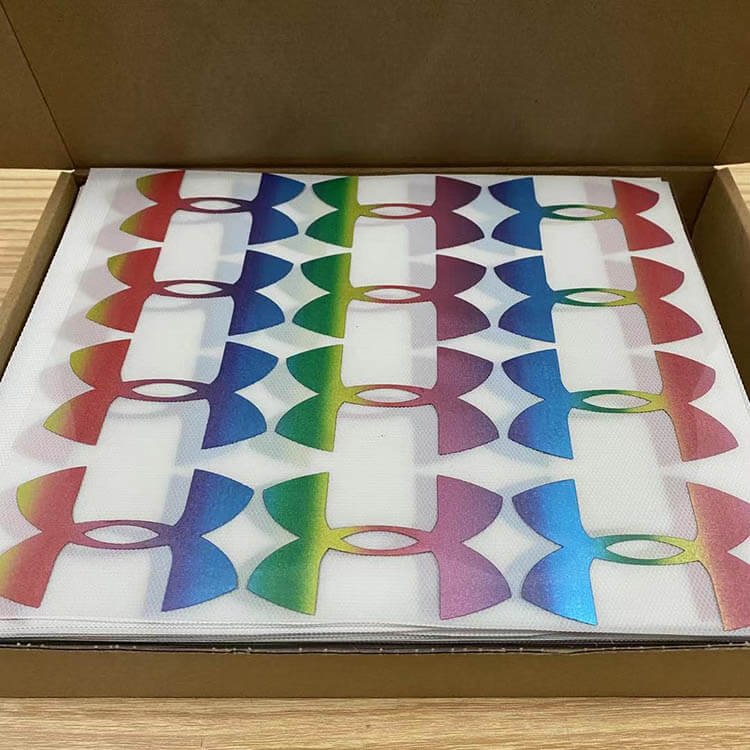
The Process: Pre-manufactured reflective patches or logos are sewn or heat-sealed onto the garment. These can be standard reflective material die-cut to your logo shape.
✅ Advantages:
- Maximum reflectivity – exceeds standards
- Waterproof when properly applied
- Extremely durable
- Contributes to safety certification area
- Quick turnaround once patches made
❌ Limitations:
- Higher initial tooling/die-cutting costs
- Limited color options (typically silver/grey)
- Simpler designs work best
- Minimum order quantities often required
🌟 Best For: Companies ordering 500+ units who want maximum safety compliance and durability. The reflective logo actually enhances rather than reduces the garment’s safety rating.
| Method | Waterproof Safe? | Reflective? | Durability | Best For |
|---|---|---|---|---|
| Heat Transfer Film | ✅ Yes | ✅ Yes | 50+ washes | Most orders 100-5000 |
| Screen Printing | ⚠️ Conditional | ❌ No | 30-50 washes | Large runs 1000+ |
| Embroidery | ❌ Risky | ❌ No | 100+ washes | Premium small logos |
| Reflective Patches | ✅ Yes | ✅✅ Maximum | 100+ washes | High-volume 500+ |
Protecting Waterproof Integrity During Logo Printing
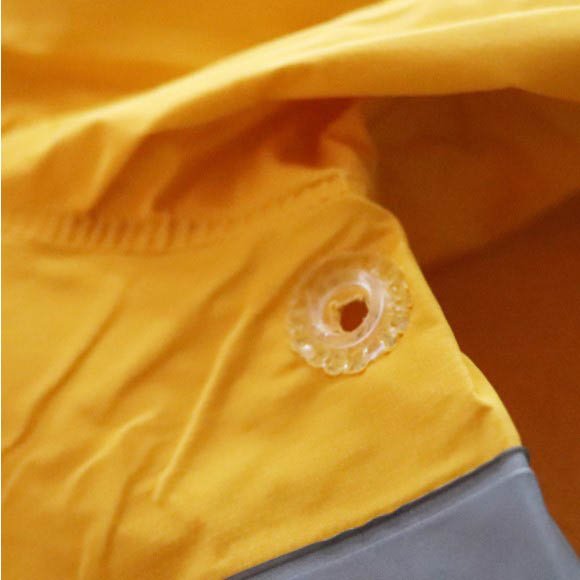
The waterproof coating on high-visibility raincoats is typically a polyurethane (PU) or polyvinyl chloride (PVC) laminate. Here’s how each printing method impacts this critical barrier:
🔬 Technical Considerations:
Heat Application Temperature
PVC-coated fabrics can withstand 130-150°C for heat transfer. PU fabrics require lower temps (110-130°C). Excessive heat melts the coating, creating permanent damage.
Ink Penetration & Adhesion
Screen printing inks must bond to the waterproof layer WITHOUT penetrating it. Specialized plastisol formulations designed for coated fabrics are essential.
Flex & Movement Testing
Raincoats flex continuously during wear. Printed areas must withstand repeated bending without cracking, which would expose the base fabric to moisture.
Seam Proximity
Never place logos directly over waterproof-taped seams. Heat or stitching disrupts the seam tape bond, creating leak points.
🧪 Manufacturer’s Waterproof Testing Protocol:
Before approving any logo printing method on our hi-vis raincoats, we perform:
- Hydrostatic Pressure Testing: Minimum 8,000mm water column resistance post-printing
- Spray Rating Test (AATCC 22): Grade 90+ required after logo application
- Flex Endurance: 5,000 flex cycles with no cracking or delamination
- Wash Durability: 50 industrial wash cycles (ISO 15797) with performance checks
Maintaining Safety Certification Compliance
This is where many companies unknowingly void their garments’ safety certifications. Both ANSI/ISEA 107 (North America) and EN ISO 20471 (Europe/Global) have strict requirements for background material and reflective tape area that your logo can disrupt:
🚨 What Voids Certification:
- ❌ Large non-reflective logos that reduce fluorescent background material below minimum requirements (Class 2: 0.50 m², Class 3: 0.80 m²)
- ❌ Logos placed on reflective tape strips reducing total reflective area below minimums (Class 2: 0.13 m², Class 3: 0.20 m²)
- ❌ Non-contrasting logo colors that blend with fluorescent background (reduces conspicuity)
- ❌ Disruption of 360° visibility – logos blocking required reflective band placement around torso
✅ Compliant Logo Strategies:
- ✓ Use reflective logos/heat transfers – they COUNT toward your reflective material requirement
- ✓ Place non-reflective logos strategically – chest/back areas where they don’t reduce required minimums
- ✓ Keep logos small (under 100 cm² for chest, under 300 cm² for back on Class 3 garments)
- ✓ Request certification recalculation from your supplier after logo placement
📐 Practical Example: Class 3 Raincoat Logo Placement
For an ANSI/ISEA 107 Class 3 raincoat (highest visibility level):
- Total Background Material Required: 0.80 m² (minimum)
- Total Reflective Material Required: 0.20 m² (minimum)
- Safe Logo Size (non-reflective, front chest): Maximum 15cm x 15cm (0.0225 m²) – represents <3% of background
- Better Option: 15cm x 15cm reflective heat transfer logo – ADDS to reflective area, enhancing compliance
💼 Request This From Your Supplier:
“Please provide a certification calculation sheet showing how our proposed logo placement affects the garment’s ANSI/ISEA 107 Class [2/3] or EN ISO 20471 Class [2/3] compliance, including before/after area measurements for both background and retroreflective materials.”
A professional manufacturer will provide this documentation without hesitation. If they can’t or won’t, that’s a red flag.
How to Choose the Right Logo Printing Method
Your ideal printing method depends on five key factors. Use this decision framework:
1. Order Quantity & Budget
50-500 units
→ Heat Transfer Film (best cost/quality ratio)
500-2000 units
→ Heat Transfer OR Custom Reflective Patches
2000+ units
→ Screen Printing (if waterproof-safe) OR Reflective Patches
2. Design Complexity
Simple Logo (1-2 colors, basic shapes)
✓ Any method works
→ Screen Printing (most economical)
→ Reflective Patches (best visibility)
Complex Logo (gradients, fine details, 3+ colors)
✓ Heat Transfer Film (best reproduction)
✗ Screen Printing (limited detail)
✗ Reflective Patches (simple shapes only)
3. Visibility Priority Level
- High Priority: Night work, highway crews, railway → Reflective Heat Transfer or Custom Reflective Patches (enhances safety compliance)
- Medium Priority: Construction, warehousing → Heat Transfer Film or Small Screen Print (maintains compliance)
- Brand Priority: Event staff, light industrial → Screen Printing OK (if garment has excess compliance margin)
4. Durability Requirements
Extreme conditions (daily heavy use, frequent washing):
→ Reflective Patches > Heat Transfer > Embroidery (with backing) > Screen Print
Moderate use (weekly wear, monthly washing):
→ Heat Transfer or Screen Print both suitable
Light/occasional use (event wear, emergency gear):
→ Any method acceptable
5. Timeline & Flexibility
URGENT (2-3 weeks)
✓ Heat Transfer (fastest setup)
✗ Reflective Patches (4-6 week tooling)
✗ Screen Printing (screen prep time)
PLANNED (6+ weeks)
✓ All methods available
→ Opportunity for reflective patches or optimized screen setup
⚡ Quick Decision Tool
I need MAXIMUM safety visibility + branding:
→ Choose: Reflective Heat Transfer Film or Custom Reflective Patches
I need lowest cost for 1000+ simple logos:
→ Choose: Screen Printing with waterproof-safe inks (verify compliance first)
I have a complex, colorful logo design:
→ Choose: Heat Transfer Reflective Film (only method supporting detail + safety)
I want the most premium, durable look:
→ Choose: Custom Reflective Patches (if budget allows) or Embroidery on back yoke (non-waterproof area)
Ready to Create Your Custom Logo Hi-Vis Raincoats?
Get expert guidance on logo printing that maintains waterproofing AND safety certification
Our team will help you choose the right method, ensure compliance, and deliver quality that protects your workers and your brand.
Get Free Consultation & Quote →✓ 15+ years manufacturing experience ✓ ISO 9001 certified ✓ ANSI & EN ISO 20471 compliant
Frequently Asked Questions
Will printing my logo void the waterproof warranty on the raincoats?
It depends entirely on the printing method used. Heat transfer reflective film and properly applied reflective patches will NOT void waterproofing when applied by experienced manufacturers. However, screen printing with improper inks or embroidery without proper seam sealing CAN compromise waterproof integrity.
Always ask your supplier: “What waterproof testing have you performed post-printing?” Request hydrostatic pressure test results (minimum 8,000mm) after logo application. Reputable manufacturers will provide this documentation and warranty the waterproof performance.
How large can my logo be without affecting ANSI/ISO safety certification?
For ANSI/ISEA 107 Class 3 garments (the highest level), a safe guideline for NON-reflective logos is:
- Front chest: Maximum 15cm x 15cm (225 cm²)
- Back: Maximum 20cm x 30cm (600 cm²)
However, if you use REFLECTIVE logos (heat transfer or patches), they actually COUNT toward your reflective material requirement, allowing for larger branding while maintaining or even enhancing certification.
The safest approach: Request a certification calculation from your supplier showing how your specific logo size and placement affects compliance.
What’s the minimum order quantity for custom logo hi-vis raincoats?
This varies by printing method and manufacturer:
- Heat Transfer Reflective Film: MOQ typically 100-200 pieces (most flexible option)
- Screen Printing: MOQ typically 500-1000 pieces (setup costs require volume)
- Custom Reflective Patches: MOQ typically 500-1000 pieces (die-cutting tooling required)
- Embroidery: MOQ can be as low as 50-100 pieces
At VizGlo Safety, we offer flexible MOQs starting from 100 pieces for heat transfer methods, making professional custom branding accessible for companies of all sizes.
How many washes will the logo last before fading or peeling?
Durability varies significantly by method:
Reflective Heat Transfer Film:
50-75 industrial washes (ISO 15797 @ 75°C) with minimal degradation. Properly applied, they can last the full lifetime of the garment (2-3 years in heavy use).
Screen Printing (waterproof-safe inks):
30-50 washes before noticeable fading. Cracking can occur earlier (15-20 washes) if ink formulation or curing is suboptimal.
Embroidery:
100+ washes – most durable method, but thread color may fade gradually. Waterproof backing crucial for rainwear applications.
Reflective Patches:
100+ washes – exceptionally durable when properly heat-sealed or sewn with edge sealing. The most long-lasting option.
Always request wash test samples from your supplier showing the logo after 25+ washes before committing to large orders.
Can I add logos to raincoats I’ve already purchased from another supplier?
Yes, this is possible, but with important caveats:
- Heat Transfer: Can be added post-production if you know the fabric composition (PU vs PVC coating) to set correct temperature
- Screen Printing: Difficult to add after production – requires specialized setup and quality control
- Reflective Patches: Can be sewn on post-production, but affects original certification
⚠️ Critical Warning: Adding logos to already-certified garments will void the original certification. The garment must be re-tested and re-certified after logo application to maintain compliance.
It’s always more cost-effective and safer to order custom logo raincoats directly from the manufacturer during initial production, ensuring integrated quality control and maintained certification.
What file format do I need to provide for my company logo?
For best results, provide your logo in vector format:
- Preferred: .AI (Adobe Illustrator), .EPS, or .PDF (with embedded fonts)
- Acceptable: High-resolution .PNG or .JPEG (minimum 300 DPI at actual print size)
- For reflective logos: Simple, bold designs work best – avoid thin lines under 2mm
Most professional manufacturers offer free logo digitization and artwork optimization services. We’ll convert your logo to the optimal format for your chosen printing method and provide a digital proof for approval before production.
💡 Tip: If you only have a low-resolution logo, we can often recreate it as a vector file – just provide the clearest image you have.
Partner With a Trusted Hi-Vis Raincoat Manufacturer
VizGlo Safety: 15+ Years of Expertise in Custom Logo Safety Apparel
✓ Waterproof Guaranteed
All logo methods tested to 8,000mm+ hydrostatic pressure
✓ Certification Maintained
ANSI/ISEA 107 & EN ISO 20471 compliance documentation provided
✓ Flexible MOQs
Custom logo orders starting from just 100 pieces
Get a detailed quote with certification documentation in 24 hours