Technical Material Guide
The Ultimate Guide to Fire-Retardant Reflective Heat Transfer Tape
Master EN 469 & NFPA compliance, application protocols, wash durability, and risk mitigation strategies for industrial PPE manufacturing
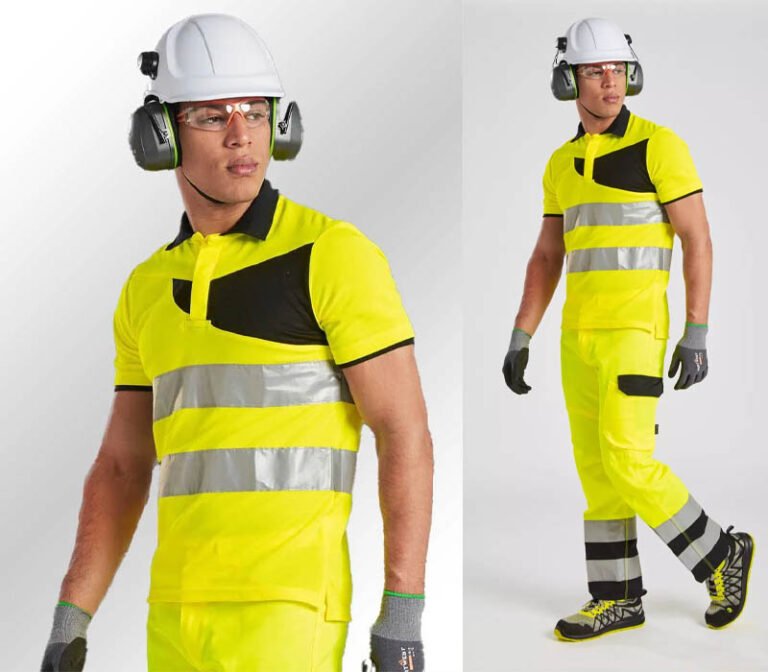
Fire-retardant reflective heat transfer tape isn’t just a functional component—it’s a liability safeguard and a promise to workers that the protective apparel will perform when it matters most. This comprehensive guide reveals everything you need to know about selecting, applying, and testing FR reflective heat transfer tape that meets EN 469 and NFPA standards, ensuring your finished garments provide both day-and-night visibility and flame protection in the most demanding industrial environments. By understanding the precise application process, wash test protocols, and the critical difference between standard reflective materials and fire-resistant alternatives, PPE manufacturers can eliminate the single greatest failure point in high-risk workwear—the point where reflective tape fails to adhere under thermal stress or loses its retroreflective properties after exposure to flame or intense heat.
1. Understanding Fire-Retardant Reflective Technology: Why Standard Tape Fails
The fundamental problem that PPE manufacturers face is deceptively simple: standard reflective heat transfer tapes use adhesives that melt or degrade at relatively low temperatures—typically around 80-120°C (176-248°F). When a worker in an industrial environment encounters flame, hot surfaces, or arc flash conditions, these conventional tapes begin to peel, blister, or lose their optical retroreflective properties within seconds.
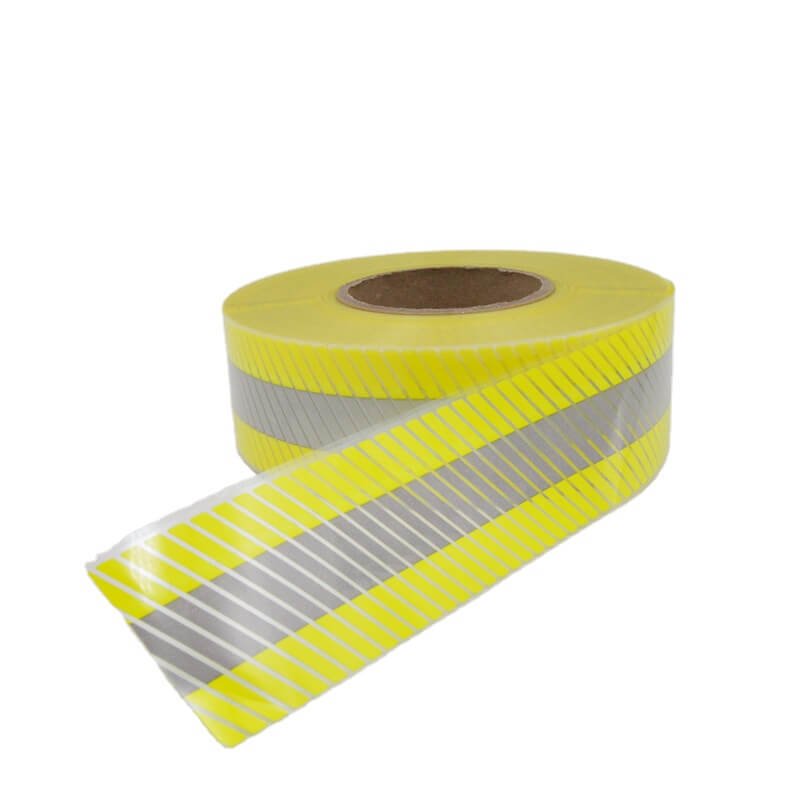
Fire-retardant reflective heat transfer tapes solve this critical vulnerability through a three-layer defense system: (1) flame-resistant base films engineered from aramid or modacrylic polymers, (2) thermal-stable adhesives that maintain bond integrity up to 250-300°C without charring, and (3) retroreflective coatings that preserve luminance even after exposure to smoke and thermal shock.
Critical Insight: “In my 15 years working with global PPE manufacturers, the manufacturers who never face field failures are those who treat FR reflective tape as a system, not just a material. They invest time understanding their specific application temperature, their end-user’s risk profile, and they run internal durability tests before going to market. It’s the difference between a $0.50 cost saving and a liability lawsuit.”
What distinguishes FR reflective tapes from their standard cousins is chemical composition and manufacturing process rigor. While standard reflective tapes may use polyester films with pressure-sensitive acrylate adhesives, FR variants employ industrial-grade reflective materials paired with heat-resistant polyurethane or silicone-based adhesive systems. This distinction matters dramatically when garments are subjected to welding splatter, arc flash conditions, or proximity heat from industrial processes.
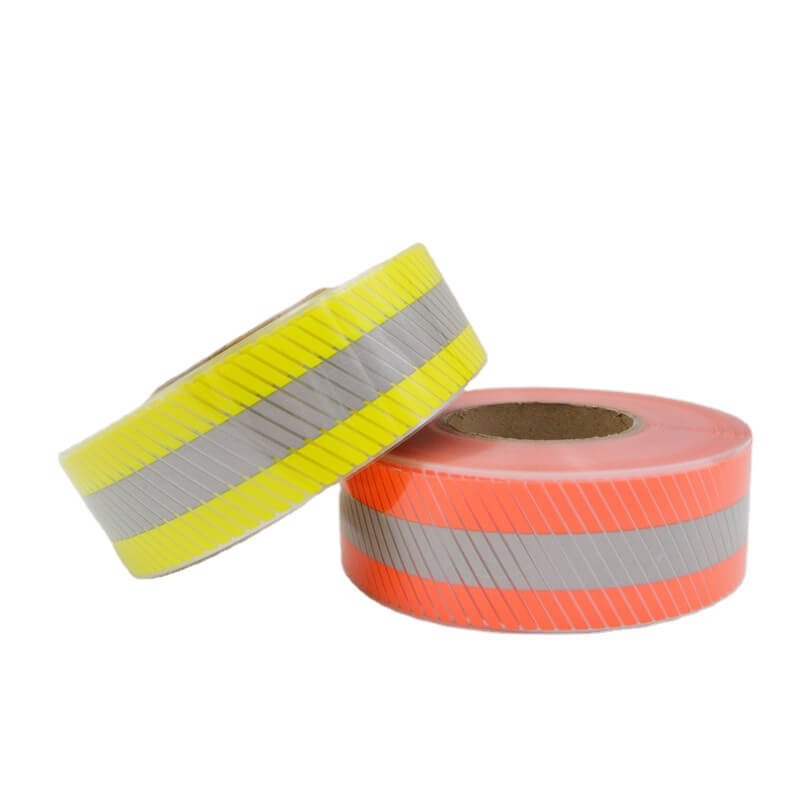
Thermal stability test: Standard reflective tape (left) shows adhesive degradation after 30 seconds at 180°C; FR tape (right) maintains optical properties and adhesion after 120 seconds at 250°C.
2. EN 469 vs NFPA Standards: Understanding Compliance Requirements
The landscape of fire-retardant reflective tape standards is split between two primary regulatory frameworks, each serving different geographic markets and risk profiles. Understanding which standard applies to your target market is the first step in selecting compliant materials.
EU EN 469 Standard
- ✓ Scope: European high-visibility protective equipment for firefighters
- ✓ Retroreflectivity: Minimum 5 cd/m²/lux on reflective materials
- ✓ Thermal Resistance: Material must withstand 300°C for 3 seconds without ignition
- ✓ Wash Durability: 20+ industrial wash cycles at 60°C minimum
- ✓ Primary Markets: EU, UK, Middle East, Australasia
US NFPA Standards
- ✓ Primary Standard: NFPA 1971 (firefighter protective garments)
- ✓ Retroreflectivity: Minimum 75 cd/m²/lux (significantly higher than EN 469)
- ✓ Flame Resistance: Afterflame ≤2 seconds, char length ≤4 inches
- ✓ Wash Durability: 50 industrial wash cycles (ISO 6330)
- ✓ Primary Markets: North America, Canada, select international
Critical Distinction: NFPA standards require retroreflectivity measurements significantly higher than EN 469—typically 75 cd/m²/lux versus 5 cd/m²/lux. This means that while an EN 469-compliant FR reflective tape may be perfectly acceptable for European firefighters, it will fail NFPA certification if applied to garments destined for North American markets. Always verify your end-market requirements before finalizing material specifications.
3. Critical Application Methods: The Make-or-Break Precision Process
Selecting the correct FR reflective heat transfer tape is only 60% of the equation. The remaining 40% hinges on application precision. Even premium fire-retardant tape will fail prematurely if applied to incompatible base materials, at incorrect temperature settings, or without proper surface preparation. This is where most field failures originate.
Step-by-Step Application Protocol
Substrate Compatibility Verification
FR reflective tape must be tested on your specific base fabric—whether it’s aramid, modacrylic cotton blend, or FR polyester. Never assume that tape compatible with one fabric will perform identically on another. Fabric weight, weave density, and chemical finish all affect adhesive performance. Conduct test applications on 5-10 sample patches minimum before full production.
Surface Preparation & Cleaning
The garment area where tape will be applied must be clean, dry, and free of oils, dust, or silicone finishes. Use isopropyl alcohol or lint-free dry cleaning methods. Allow surfaces to air-dry completely—residual moisture is a primary cause of adhesive failure and delamination. Humidity above 65% during application can compromise bond quality.
Heat Press Temperature & Pressure Settings
This is where precision becomes critical. Most FR reflective heat transfer tapes require 150-180°C (302-356°F) at 2-3 kgf/cm² pressure for 10-15 seconds. However, your specific tape formulation may have slightly different requirements. Always consult the Technical Data Sheet (TDS) from your supplier. Under-heating results in poor initial adhesion and edge curl; over-heating can damage the retroreflective coating itself.
Cooling Time & Secondary Pressure
Allow tapes to cool to room temperature (typically 5-10 minutes) before handling. Some manufacturers recommend applying light pressure along the tape edges immediately after removal from the heat press. This ensures edge adhesion and prevents future delamination during washing or thermal cycling.

Industry Best Practice: Maintain a master calibration record of your heat press equipment, checking temperature and pressure accuracy every 500 applications. Temperature drift as small as 5°C can compromise adhesion quality and create batch-to-batch inconsistency.
4. Durability Testing: Wash Performance & Thermal Cycling Protocols
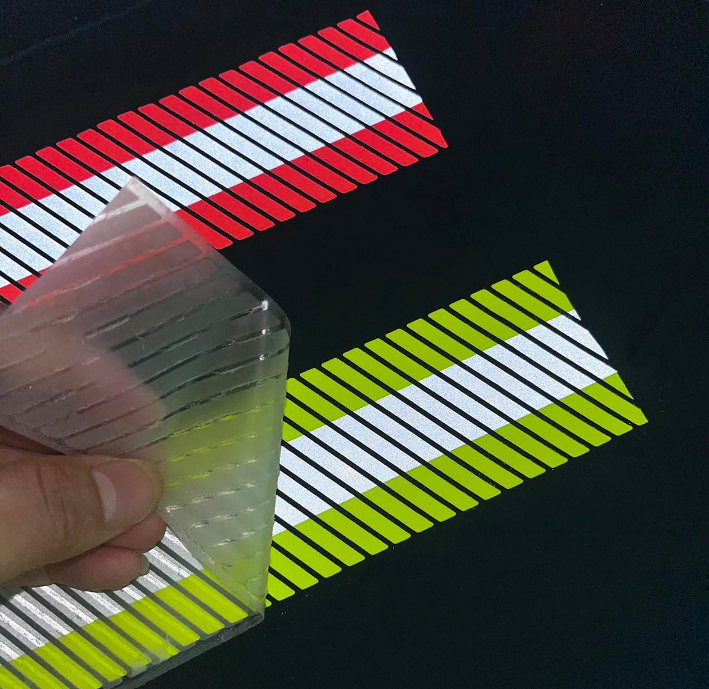
Field failures of FR reflective tape typically emerge not during initial use, but after the first few industrial wash cycles or after thermal cycling caused by environmental exposure. This is why durability testing isn’t optional—it’s the foundation of liability protection.
ISO 6330 Industrial Wash Testing simulates the harsh environment of commercial laundry facilities used by facilities management and industrial cleaning services. After 20, 35, or 50 wash cycles (depending on your standard), the retroreflective tape must maintain at least 80% of its original brightness and show no visible adhesive separation at the edges.
Core Durability Test Protocols You Must Run
🟢 Wash Durability (ISO 6330)
EN 469: 20 cycles minimum | NFPA 1971: 50 cycles
Measurement: Measure retroreflectivity (cd/m²/lux) pre-wash and post-wash. Tape must retain ≥80% initial brightness.
🟠 Thermal Cycling
Protocol: 10 cycles of rapid heating (80°C for 2 hours) followed by rapid cooling to 5°C in controlled chamber
Measurement: Inspect for adhesive fail, edge curl, or optical degradation. Zero delamination acceptable.
🔴 Flame Exposure (EN 469 / NFPA 1971)
Test: Direct flame application (2-3 seconds) or arc flash simulation
Acceptance Criteria: Material must not ignite or continue burning after flame removal. Retroreflectivity must remain ≥60% of baseline. Adhesive must maintain bond.
🔵 Peel Adhesion Test (ASTM D3330)
Protocol: 180° peel test measured in N/cm on applied fabric
Acceptance: Minimum 2.0 N/cm for initial; ≥1.5 N/cm after wash cycles. Failure of adhesive indicates poor material or application.
“ The manufacturers who never face mid-cycle failures are those who run durability testing on every new batch of FR reflective tape, not just on product development samples. It takes 3-4 weeks to complete comprehensive testing, but those 3-4 weeks of investment prevent catastrophic field failures that can result in safety recalls, litigation, and permanent brand damage. “
— Nanjing VizGlo Safety Technology, Reflective Materials Division
5. Selecting Your FR Reflective Tape Supplier: Critical Evaluation Criteria
Not all FR reflective heat transfer tapes are created equal. The global market includes both premium engineered formulations meeting strict standards and low-cost alternatives that fail catastrophically in thermal stress or durability testing. Your supplier choice directly determines liability exposure.
✅ What Premium Suppliers Provide
- ✓Certified Test Reports: Third-party ISO 6330, EN 469, NFPA test results for each batch
- ✓Technical Data Sheets: Detailed temperature specs, pressure requirements, substrate compatibility
- ✓Sample Testing: Free trial batches for your specific fabric and application
- ✓Process Documentation: Traceability records and batch-level quality assurance
- ✓Technical Support: Responsive engineering support for troubleshooting
❌ Red Flags: Low-Cost Suppliers
- ✗No Test Certificates: Claims compliance but provides no third-party test documentation
- ✗Vague Specifications: Technical sheets lack precision data (exact temps, pressures, cycle limits)
- ✗No Samples: Won’t provide trial material for your fabric testing
- ✗Inconsistent Quality: Batch-to-batch variations in adhesion, retroreflectivity, or thermal resistance
- ✗Unrealistic Pricing: Significantly below market rates (often indicates inferior formulation or counterfeit materials)
Cost vs. Liability: A 20-30% cost premium paid to a verified, certified supplier is negligible compared to the liability exposure of a field failure. When a worker is injured because FR reflective tape failed to prevent confusion about their location during a fire or emergency, litigation costs, recalls, and reputational damage can easily exceed $1-5 million. Choose suppliers based on certification and track record, not price alone.
6. Real-World Application: Case Study from Global Firefighter Equipment Manufacturer
Case Study: Preventing Mid-Cycle Delamination in European FR Garments
A mid-sized PPE manufacturer in Barcelona was experiencing a 12% field failure rate with reflective tape delamination after 8-12 industrial wash cycles—well below the EN 469 minimum of 20 cycles.
The Problem
Their supplier had recently changed FR reflective tape formulations without notification. The new version was 15% cheaper but used a faster-setting adhesive system that didn’t fully cure on modacrylic/aramid blends at their standard heat press settings (160°C, 12 seconds).
Root Cause Analysis
Adhesion peel tests revealed only 1.2 N/cm after wash cycles—well below the 1.5 N/cm minimum. Direct inspection showed edge curl and partial delamination concentrated at corners and seams where stress concentrations occur.
Solution Implementation
- Switched to verified EN 469-certified supplier with batch-level test certificates
- Increased heat press temperature to 175°C and hold time to 18 seconds
- Implemented 100% inspection of tape edges using UV light for adhesion quality
- Added thermal cycling test (5 cycles) to incoming QC protocol
Results
Field failure rate dropped from 12% to 0.2% (within normal statistical noise). All garments now retained ≥85% retroreflectivity after 50+ washings. Peel adhesion maintained ≥1.8 N/cm throughout garment life.
This case study illustrates a profound principle: FR reflective tape selection and application aren’t one-time decisions—they require continuous monitoring and verification. Supplier specifications can change, environmental conditions fluctuate, and equipment calibration drifts. The manufacturers with flawless safety records treat FR reflective tape as a critical-path component requiring the same rigor as structural fabrics or flame-resistant coatings.
Ready to Implement FR Reflective Heat Transfer Tape in Your Production?
Get expert guidance on material selection, application protocols, and quality assurance from a global reflective materials supplier with 15+ years of PPE manufacturing experience.
Request Technical Consultation & SamplesIncludes complimentary fabric compatibility testing and heat press parameter optimization for your specific production equipment.
Frequently Asked Questions
What’s the difference between “fire-resistant reflective tape” and “fire-retardant reflective tape”? +
Fire-resistant materials are inherently non-flammable due to their chemical composition (e.g., aramid fibers). Fire-retardant materials, however, are base materials treated with chemical additives that slow or prevent ignition. For reflective heat transfer tapes, the distinction is critical: FR tapes typically use modacrylic or treated polyester films combined with adhesives formulated to maintain integrity under thermal stress. EN 469 and NFPA standards require fire-retardant performance, not inherent non-flammability, making properly formulated FR heat transfer tapes essential for compliance.
Can I use standard reflective heat transfer tape on fire-resistant base fabrics? +
This is a critical compliance error. Even if your base fabric is inherently fire-resistant (e.g., pure aramid), applying standard reflective tape with low-temperature adhesives will fail EN 469 and NFPA thermal exposure tests. The tape component must meet fire-retardant performance criteria independently. Many manufacturers mistakenly believe that a FR fabric foundation is sufficient—it is not. Always specify FR reflective tapes paired with FR base materials for guaranteed compliance.
How do I verify that a supplier’s FR reflective tape truly meets NFPA or EN 469 standards? +
Demand third-party test certificates from accredited laboratories (e.g., SGS, TÜV, NATA). These certificates should document specific test results including retroreflectivity (cd/m²/lux), flame resistance metrics (afterflame time, char length), and wash durability (ISO 6330 cycles). Verify the certificate date is within the last 12 months and that testing includes your specific tape formulation. Be wary of suppliers offering “EN 469 compliant” claims without supporting documentation—this is a common red flag indicating counterfeit or non-certified materials.
What heat press temperature is optimal for FR reflective heat transfer tape? +
The optimal temperature depends on your specific tape formulation and substrate. Most FR heat transfer tapes perform best at 160-180°C (320-356°F), but always consult the Technical Data Sheet provided by your supplier. Too low a temperature results in inadequate adhesive wetting and edge curl; too high a temperature can degrade the retroreflective coating or scorch the base fabric. Conduct test applications across a temperature range (±5°C) on sample fabric to identify your equipment’s “sweet spot,” then maintain strict process control within ±2°C of that optimized setting.
How many industrial wash cycles should FR reflective tape survive? +
EN 469 requires a minimum of 20 ISO 6330 industrial wash cycles; NFPA 1971 requires 50 cycles. However, garments often outlast these baseline requirements in field use. Premium FR reflective tapes from certified suppliers routinely survive 75+ wash cycles with ≥80% retroreflectivity retention. Calculate the expected lifecycle of your garments (typical fire department protective gear is worn for 10-15 years with weekly laundering), then select tape formulations that meaningfully exceed the relevant standard. This margin of safety protects against unexpected usage patterns and batch-level variations.
Explore Related Reflective Material Topics
Deepen your knowledge of industrial reflective tape and materials by exploring our comprehensive resource on reflective fabrics and their applications. Understanding the full ecosystem of reflective materials—from base films to finished tapes—will significantly improve your material selection and quality assurance processes.
📌 Ready to Source Premium FR Reflective Materials?
This guide addresses the technical selection and application aspects of FR reflective heat transfer tape. For a complete overview of reflective material options, quality standards, and OEM/ODM capabilities, visit our comprehensive industrial reflective tape and material resource center—your complete guide to sourcing, certifying, and implementing advanced reflective solutions across all your protective equipment manufacturing needs.
Explore Our Reflective Materials CenterFinal Thoughts: Fire-Retardant Reflective Tape as Risk Insurance
Fire-retardant reflective heat transfer tape is not a commodity purchase. It’s an insurance policy—a critical component that bridges the gap between worker visibility and thermal protection in life-threatening industrial situations. The manufacturers who understand this psychological and legal reality invest in certified suppliers, rigorous testing protocols, and continuous quality monitoring. The cost differential between premium FR tape and budget alternatives is negligible compared to the liability exposure of a field failure. By implementing the standards, application methods, and testing protocols outlined in this guide, you position your PPE manufacturing operation as a trusted provider of genuinely protective equipment—not just compliant-on-paper products.