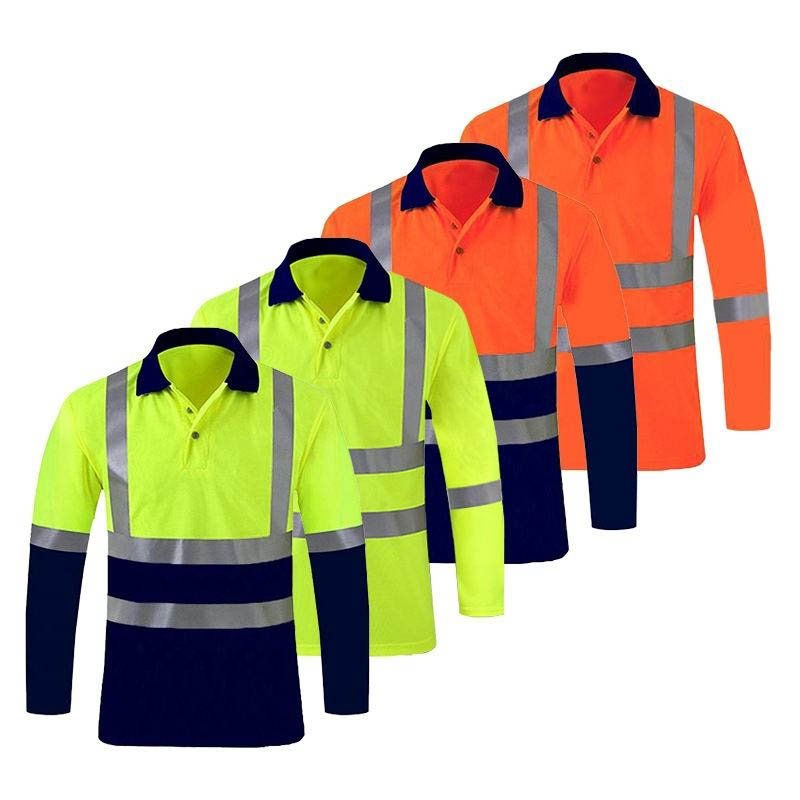
How to Identify a Reliable Reflective Films OEM Manufacturer in China
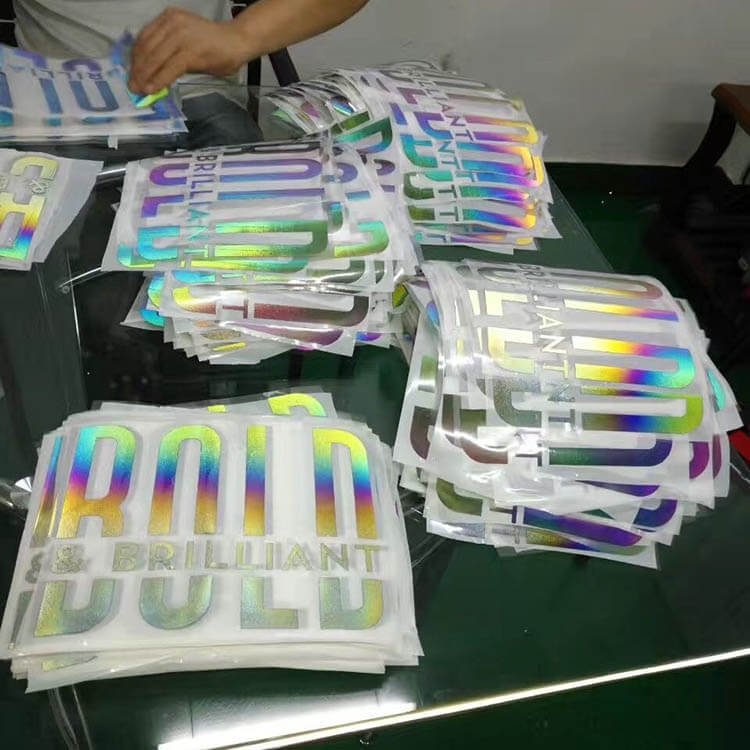
The Direct Answer: What Separates Tier-One from Average
A reliable reflective films OEM manufacturer in China is distinguished not merely by their possession of EN ISO 20471 or ANSI/ISEA 107 certifications—any mid-sized facility can display those—but by their mastery of the science behind them. The true indicator lies in their ability to articulate and control the technical fundamentals: chromaticity consistency across batch production, retro-reflectivity retention after abrasion testing, color fastness through repeated washing cycles, and precise management of glass bead or microprism quality. When you ask a vendor to explain their specific methodology for ensuring wash durability, a reliable partner will discuss their adhesive formulations, heat-press temperature curves, and curing time protocols; they’ll walk you through their accelerated weathering test data; they won’t simply hand you a generic datasheet. Moreover, they understand that you’re not purchasing a commodity roll of film—you’re investing in consistency, liability protection, and a technical partnership that treats your brand as their own. A manufacturer willing to invest in your success through customization capabilities, low minimum order quantities (MOQs) for trials, and transparent quality metrics is one worth building a long-term relationship with.
🎯 Core Insight: The difference between a good supplier and a great one is their willingness to “show you their work”—not just their certificates.
Why China Remains the Epicenter for Reflective Films Manufacturing
China’s dominance in reflective materials manufacturing is no accident. The country accounts for approximately 60-70% of global reflective material production, driven by decades of accumulated expertise, established supply chains for raw materials (glass beads, sealants, backing substrates), and competitive pricing that doesn’t necessarily mean compromised quality. Major Chinese manufacturers serve Fortune 500 safety brands and multinational logistics companies—the standards they must meet are rigorous.
However, this also creates a challenge: the market is fragmented. You might find thousands of “reflective films manufacturers” listed on B2B platforms, but the range in actual capability is enormous. Distinguishing between a genuine OEM partner and a trading middleman—who sources from factories but adds little technical value—is critical to your supplier selection.
1. Look Beyond Certifications: The Hidden Criteria
Yes, certifications matter. EN ISO 20471, ANSI/ISEA 107, and AS/NZS 1906.4 are non-negotiable gates for many markets. However, certification is a floor, not a ceiling. A certified facility that barely passes these standards year after year is fundamentally different from one that consistently exceeds them.
What to Actually Ask:
- Chromaticity Consistency: “What is your year-over-year Delta-E variation in color matching between batches?” A reliable answer involves specific numbers (ideally <1.0 Delta-E).
- Retro-reflectivity Retention: “What percentage of retro-reflectivity do your films retain after 50 wash cycles per EN ISO 20471?” Expect >80% retention from top manufacturers.
- Adhesion Testing: “How do you qualify adhesive durability to prevent delamination?” They should discuss peel-strength testing per ASTM D3330.
- Third-Party Audits: “Have you undergone independent factory audits?” Accreditations from BSCI, SA8000, or similar demonstrate commitment beyond product specs.
2. Assess Their Technical Capability & R&D Depth
A manufacturer’s technical sophistication directly correlates with their ability to solve your unique challenges. This isn’t just about meeting standards—it’s about innovation and problem-solving.
Key Questions on Technical Depth:
- Custom Formulations: Can they develop fire-retardant or anti-static reflective films if your end-market demands it?
- Substrate Flexibility: Do they work with polyester, nylon, PVC, and elastane backing materials? The wider their capability, the more adaptable they are.
- Pattern Innovation: Can they cut custom designs, segmented patterns, or variable-width strips? This indicates precision tooling.
- Material Science Team: Ask specifically: “Who are your materials scientists or technical engineers?” Real manufacturers can point to named individuals with published experience.
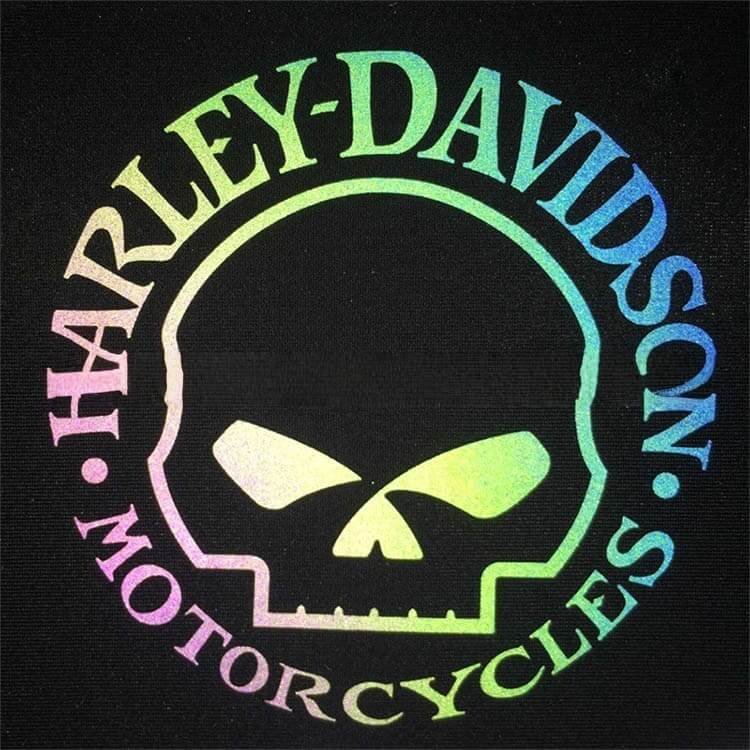
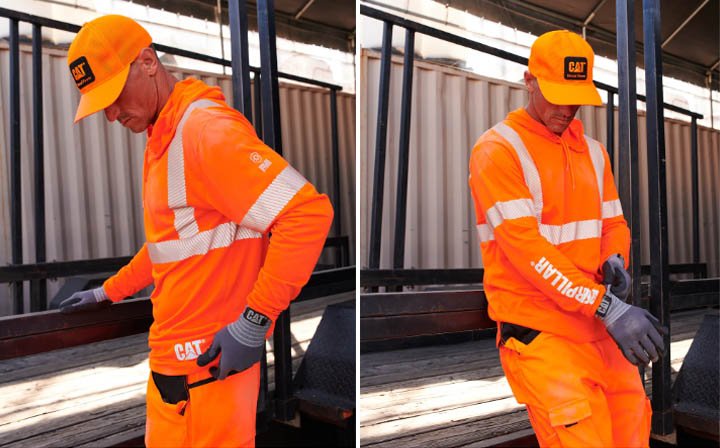
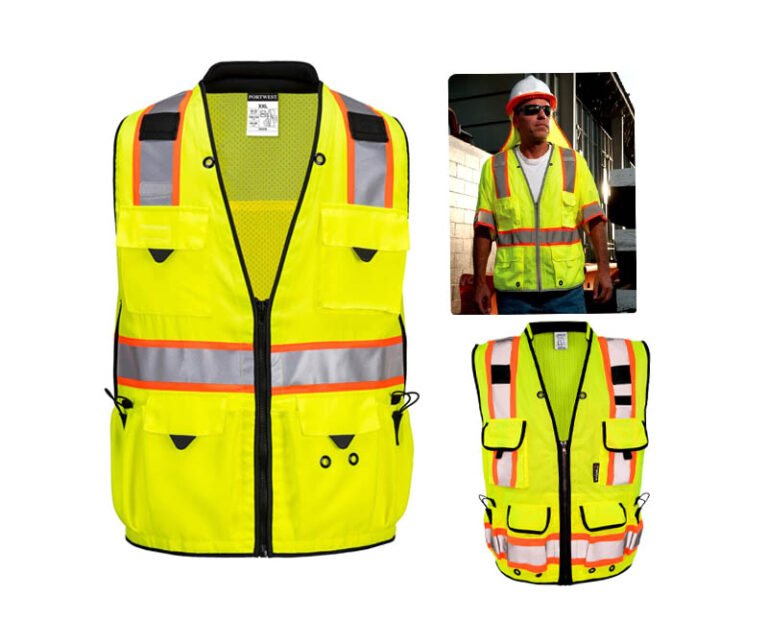
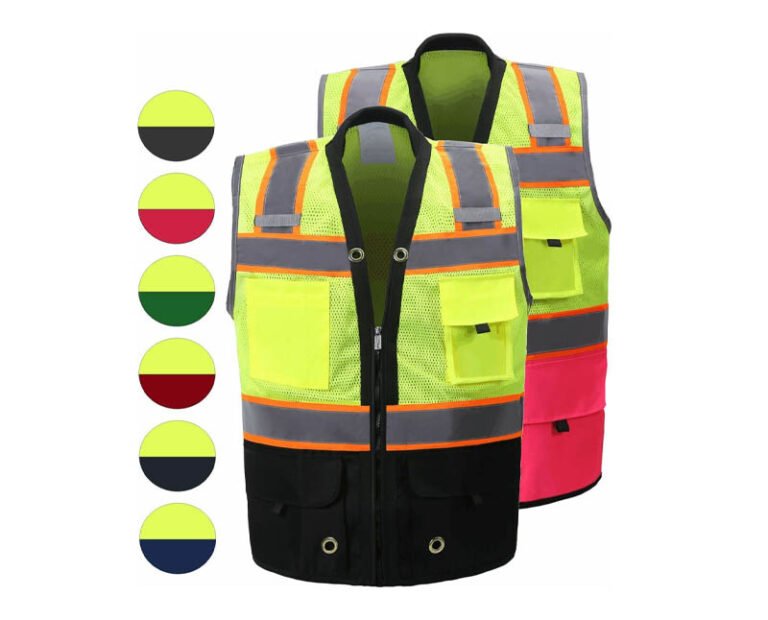
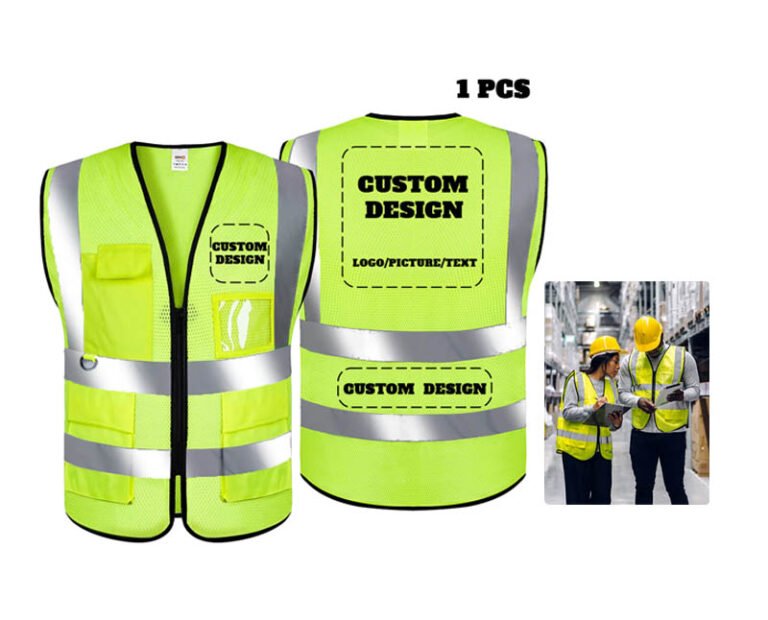
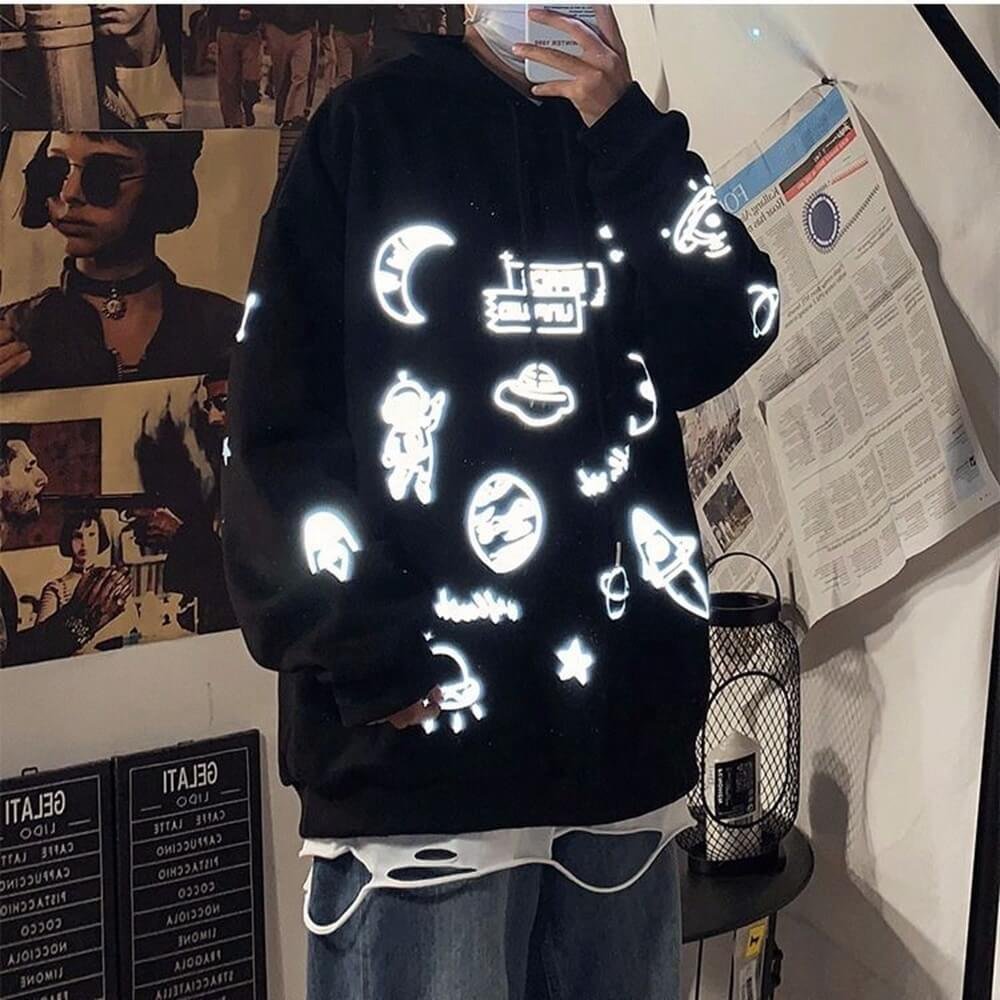
Sophisticated pattern cutting and customization capabilities indicate technical maturity.
3. Evaluate Their Quality Control Infrastructure
Quality in reflective films manufacturing isn’t accidental—it’s engineered. A rigorous QC process distinguishes industry leaders from mediocre suppliers. Demand specifics about their testing regime:
Critical QC Checkpoints:
Raw Material Inspection (IQC): Glass bead size distribution, coating quality, substrate tensile strength
In-Process Quality (PQC): Adhesive viscosity, lamination temperature, thickness consistency (tolerance <±0.1mm for premium grades)
Final Product Quality (FQC): Retro-reflectivity measurement, color matching, adhesion strength, dimensional accuracy
Ask if they use automated optical inspection (AOI) systems or rely solely on manual sampling. AOI indicates industrial-grade capability. Also inquire about their Six Sigma or similar continuous improvement methodologies—progressive manufacturers track defect rates relentlessly.
4. Verify Production Capacity & Scalability
A manufacturer might perform well on your pilot order but crumble when you need to scale. Understand their infrastructure:
- Equipment Redundancy: How many production lines? If they have only one laminator and it breaks, what happens to your delivery?
- Raw Material Sourcing: Do they maintain strategic inventory, or do they order just-in-time? The latter creates supply-chain fragility.
- Lead Times: What’s their standard lead time from order to shipment? Reputable manufacturers typically quote 2-4 weeks for standard orders, longer for custom work.
- Rush Capability: Can they accommodate urgent orders? A “yes, if needed” signals operational flexibility.
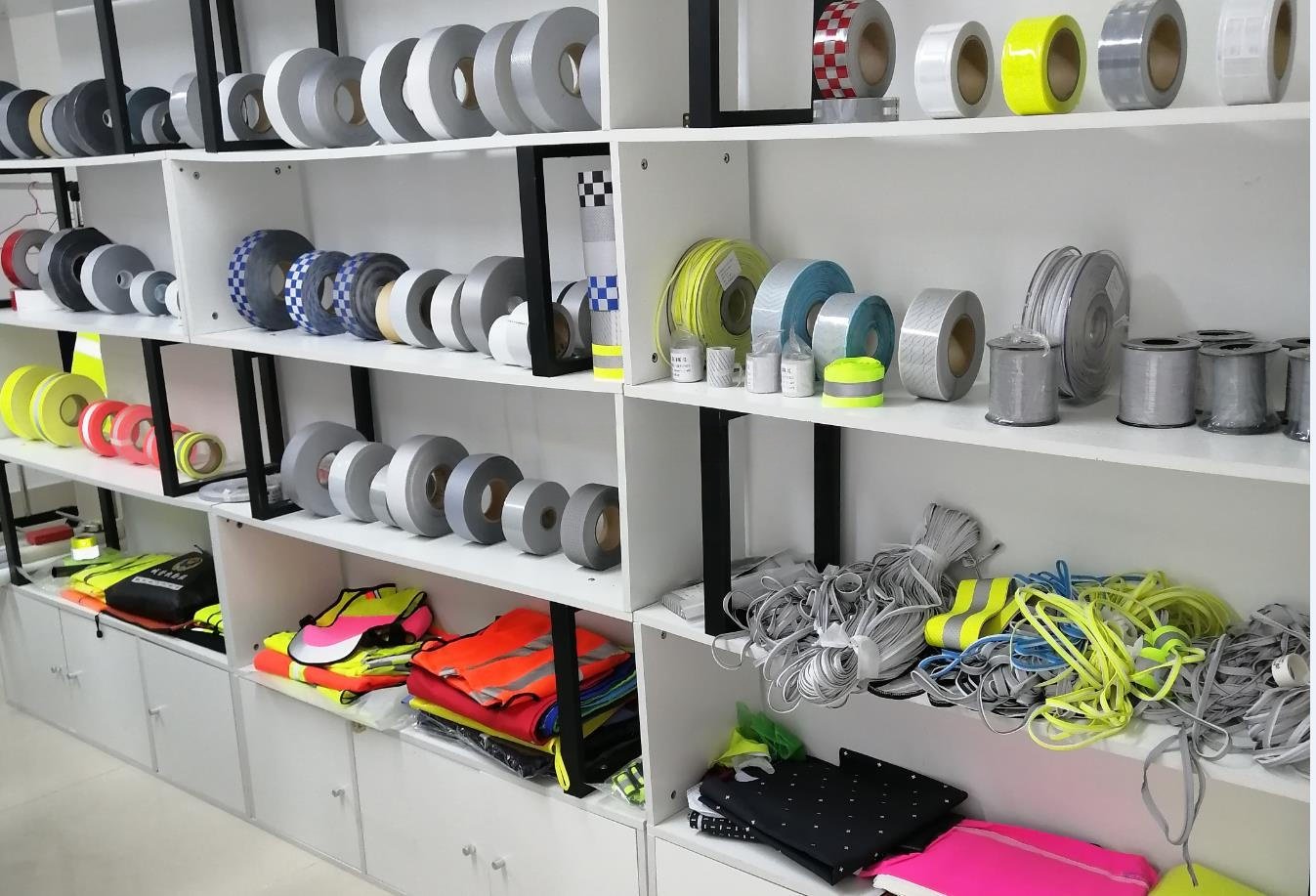
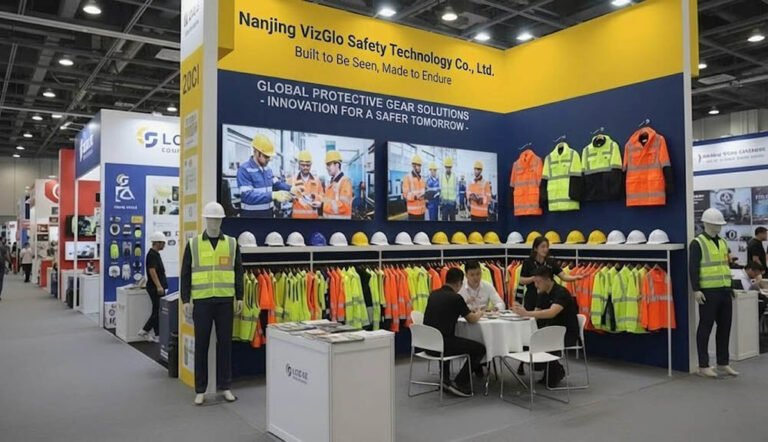
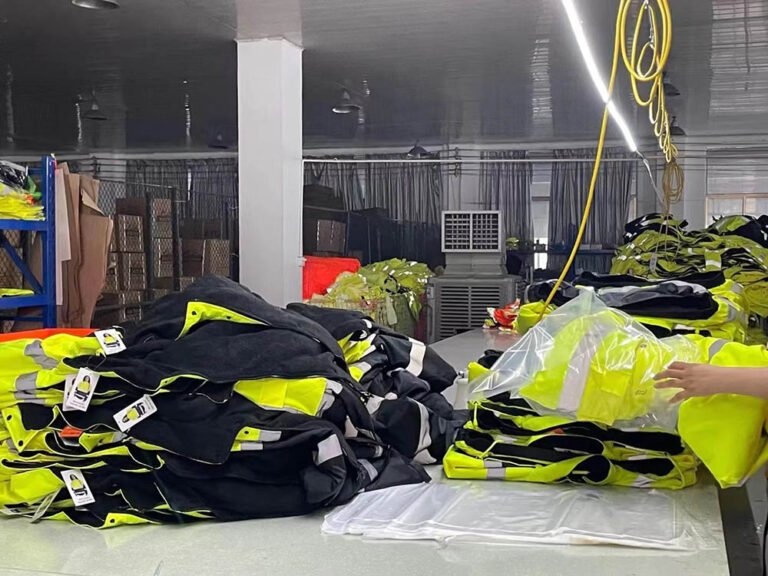
Well-organized production facilities with multiple SKUs in stock signal operational maturity.
5. Test Their Communication & Responsiveness
Before you commit to a partnership, test drive their customer service. Send them detailed inquiries and observe how they respond:
Test Criteria:
- Response Time: Do they reply within 24-48 hours? Delays at the inquiry stage predict delays later.
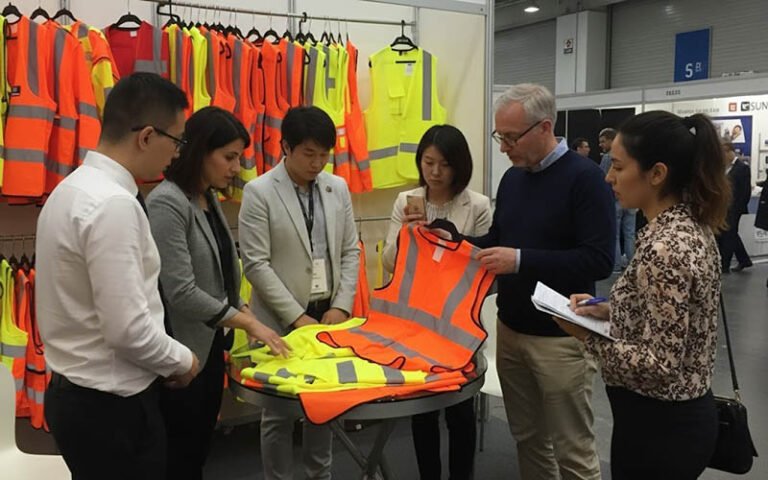
- Technical Depth: Do their answers go beyond marketing fluff? Do they ask clarifying questions to understand your specific need?
- Sample Offerings: Are they willing to provide free samples or low-cost trial quantities? Refusal suggests a volume-only mindset, not partnership-focused.
- Documentation: Do they provide detailed quotes with clear specifications, MOQs, pricing breakdowns, and payment terms—or vague inquiries saying “send details”?
⚠️ Red Flag: If a manufacturer seems evasive about their processes, won’t discuss quality metrics, or dismisses your technical questions, move on. A true partner welcomes scrutiny.
Common Mistakes Buyers Make When Sourcing Reflective Films
Mistake #1: Chasing the Lowest Price
The cheapest quote often hides quality compromises. A manufacturer quoting 20% below market rates might be cutting corners on adhesive quality, using lower-grade glass beads, or skipping durability testing. When your end customer’s safety vest fails after two weeks, the savings evaporate—and your reputation follows.
Mistake #2: Accepting Generic Certifications Without Verification
Some Chinese suppliers provide “certified” documents that lack independent verification. Request ISO certification scope documents and verify them directly with the certifying body. A true certification includes specific scope details (e.g., “EN ISO 20471 reflective film, Class 1”).
Mistake #3: Overlooking Micromanagement Requirements
Left unmanaged, some manufacturers will reduce QC rigor over time unless you maintain active oversight through audit clauses, regular in-plant visits, or third-party inspections. Factor these costs into your total cost of ownership.
Mistake #4: Not Conducting Accelerated Life Testing on Samples
Before full-scale orders, subject sample products to abrasion, UV exposure, and repeated washing in your own lab. Not all “certified” films perform identically—material science variations exist. Personal validation protects against batch-quality surprises.
Your Reflective Films Manufacturer Evaluation Checklist
Yes/No Assessment Criteria:
- ☐ Holds verified EN ISO 20471 or equivalent certification
- ☐ Provides specific retro-reflectivity retention data (% after washing)
- ☐ Discusses chromaticity control and batch consistency metrics
- ☐ Has named technical/R&D team with relevant expertise
- ☐ Offers customization (fibers, backing materials, patterns)
- ☐ Responds to inquiries within 24-48 hours
- ☐ Provides free or low-cost samples for qualification
- ☐ Operates multiple production lines (production redundancy)
- ☐ Willing to undergo in-plant quality audits
- ☐ Provides detailed, itemized pricing quotes
- ☐ References from established brands or logistics companies
- ☐ Clear contractual terms (payment, quality guarantees, dispute resolution)
Target: Achieve 10 or more “Yes” answers.
Frequently Asked Questions
Q: How much should I expect to pay for quality reflective films from China?
A: For Grade A (premium) reflective films with Class 1 EN ISO 20471 certification, expect USD $3–8 per meter (depending on width, customization, and order volume). Below $2/meter typically indicates quality compromises; above $10 suggests either specialty materials (fire-retardant) or premium branding markup. Always compare on a per-unit basis after accounting for MOQ discounts.
Q: What’s a typical Minimum Order Quantity (MOQ)?
A: Standard MOQ ranges from 1,000 to 5,000 meters for off-the-shelf products. Manufacturers willing to do <500m trials (at slightly higher unit cost) are more partnership-focused. For fully custom films, MOQs may reach 10,000m. Negotiate lower MOQs during early trials to reduce your risk.
Q: How can I verify a manufacturer’s certifications independently?
A: Request their certification body name and scope from them. Then visit the certifying body’s website (e.g., TÜV SÜD, SGS, Bureau Veritas) and search their verified client database using the company name. This confirms legitimacy and prevents certificate fraud.
Q: Should I visit the factory in China before placing orders?
A: For large orders (>$50k), a factory visit is highly recommended. It allows you to physically inspect production lines, meet the technical team, and assess workplace safety/compliance firsthand. If you can’t visit, hire a third-party quality auditor to conduct an in-plant inspection on your behalf. It’s a small investment that prevents major headaches.
Q: What happens if a shipment arrives with quality defects?
A: This is why clear contractual terms matter. Your purchase agreement should include specific quality guarantees (e.g., “retro-reflectivity >75cd/lux/m²”) and remedies (replacement, partial refund, or rework). Negotiate return or exchange policies upfront. Reputable manufacturers stand behind their product; if they refuse liability clauses, it’s a red flag.
Q: How long does it take to receive samples after inquiry?
A: Quality manufacturers typically deliver samples within 5–10 business days for standard options. If they quote 4+ weeks for samples, efficiency may be compromised. Once you validate samples, full production orders usually ship within 20–30 days.
Ready to Source Premium Reflective Films?
At Nanjing VizGlo Safety Technology Co., Ltd., we’ve been perfecting reflective film manufacturing for over 15 years. We don’t just meet standards—we set them. Our films consistently exceed EN ISO 20471 and ANSI/ISEA 107 benchmarks, with retro-reflectivity retention exceeding 85% after 50 wash cycles. Our technical team stands ready to discuss your specific needs, provide complimentary samples, and tailor solutions to your exact specifications.
Explore our advanced reflective films solutions and OEM capabilities by visiting our product center. Whether you’re building branded safety apparel or seeking high-performance industrial applications, we’re here to partner with you beyond the sale.
Get Your Free Sample Kit Today💡 Final Thought
Selecting a reliable reflective films OEM manufacturer isn’t about finding perfection—it’s about finding a partner who understands that your success is their success. Look for manufacturers who engage deeply on technical questions, welcome scrutiny, and treat your brand with the same rigor they’d apply to their own. Price matters, but consistency, integrity, and partnership matter more.