The Ultimate Guide to EN ISO 20471 Standards for Reflective Piping
A practical, buyer-focused guide for safety brands, PPE distributors, garment designers, and procurement teams who need reflective piping that supports real high-visibility compliance—not just a good-looking trim.
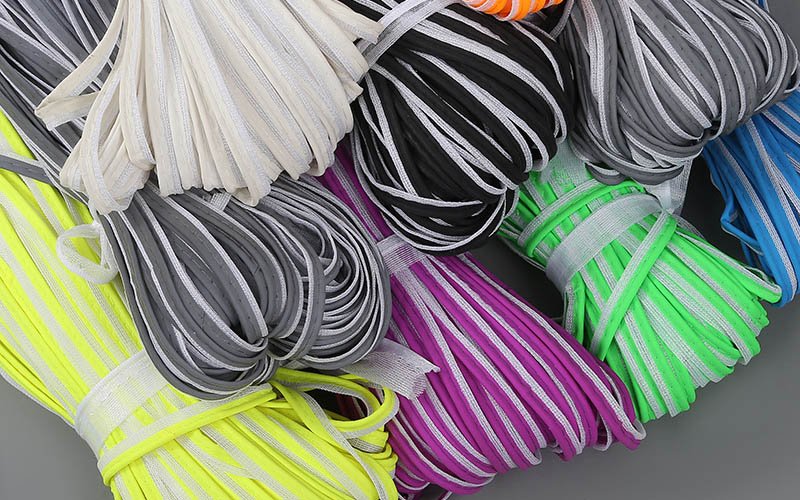
Table of Contents
Quick Answer: Is Reflective Piping EN ISO 20471 Certified?
Reflective piping is not certified as an EN ISO 20471 garment by itself; EN ISO 20471 certifies the finished high-visibility garment based on the combined performance, area, placement, and durability of fluorescent background material and retroreflective material. High-quality reflective piping can support compliance if its retroreflective component meets photometric requirements after required tests such as washing, abrasion, flexing, and temperature exposure, but a narrow piping line usually cannot provide enough reflective area alone for Class 1, Class 2, or Class 3 garments. For brands sourcing wholesale reflective piping, the safest approach is to request the full test report, confirm post-wash retroreflective values, and integrate the piping strategically with wider reflective tapes to create a clear human-shape, or biomotion, effect.
What EN ISO 20471 Actually Covers
EN ISO 20471 is the European standard for high-visibility clothing used in situations where the wearer must be conspicuous in daylight, low light, and vehicle-headlight conditions. It is commonly used for road work, rail, logistics, construction, ports, utilities, and other high-risk environments. The standard focuses on the finished garment, not only on individual components. This distinction is especially important for reflective piping because many buyers see a certificate for a reflective material and assume the final vest, jacket, trouser, or coverall will automatically comply. That is not how the standard works.
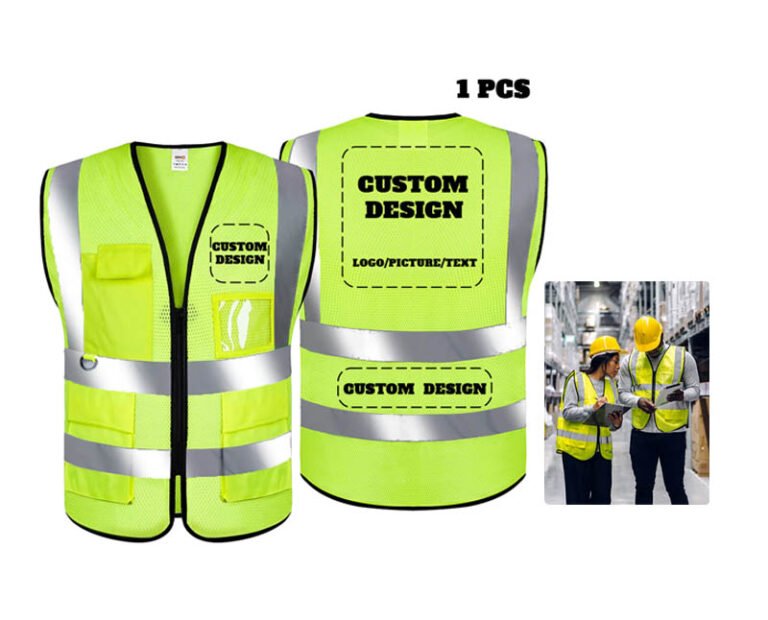
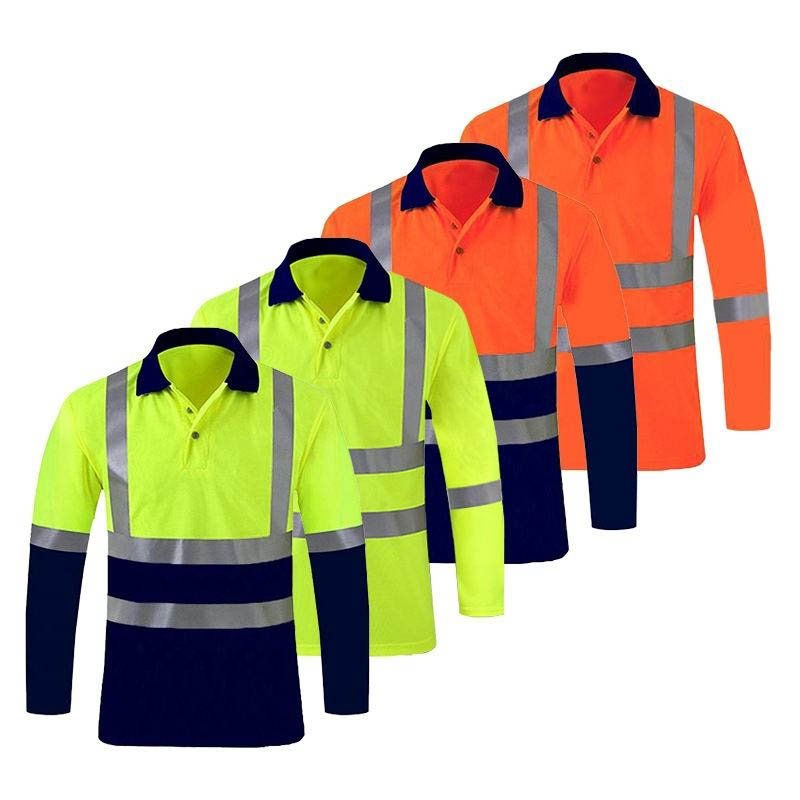
In a compliant garment, three factors work together: fluorescent background fabric for daytime visibility, retroreflective material for nighttime visibility, and garment design that makes the wearer recognizable from multiple viewing angles. Reflective piping belongs to the retroreflective family, but because it is usually narrow and rounded, it is best treated as a visibility-enhancing component rather than the main reflective area.
For official standard purchasing and reference, you can review the ISO page for EN ISO 20471 high visibility clothing. For European PPE context, the European Commission PPE guidance is also useful for understanding how protective products are regulated in the EU market.
Class 1, Class 2, and Class 3: Why Piping Alone Is Rarely Enough
EN ISO 20471 divides garments into three performance classes. Class 1 offers the lowest level of visibility, Class 2 is used for medium-risk environments, and Class 3 provides the highest level of conspicuity for workers exposed to faster traffic or more complex hazards. The class is determined largely by the minimum area of fluorescent background material and retroreflective material visible on the garment.
| Garment Class | Typical Risk Level | Role of Reflective Piping |
|---|---|---|
| Class 1 | Lower-risk applications and controlled environments | Can support edge visibility, but still must meet total design requirements. |
| Class 2 | Roadside, logistics, construction, and general industrial use | Works well as an added contour line with main reflective tape. |
| Class 3 | High-risk traffic, rail, emergency, and poor visibility work | Useful for biomotion enhancement, but cannot replace required reflective tape area. |
The key takeaway is simple: reflective piping can make a garment more visible, more stylish, and more recognizable, but it should not be used as the only retroreflective material unless the complete garment design has been professionally assessed and tested. If you want a broader background on occupational visibility requirements, the UK HSE guidance on high-visibility clothing is a practical external reference.
The Test Report Matters More Than the Certificate Cover Page
In real sourcing work, the most common mistake is accepting a certificate image without checking the supporting test report. A certificate may show that a reflective material was tested, but procurement teams need to know what exactly was tested, under which version of the standard, on what base fabric, after how many wash cycles, and with what final photometric values. Reflective piping that shines brightly out of the carton may fail after repeated laundering, abrasion, or flexing.
A serious supplier should be able to discuss retroreflection values, washing conditions, substrate composition, sewing performance, and application method. For EN ISO 20471 garments, retroreflective materials are assessed for coefficient of retroreflection under specified observation and entrance angles. In plain English: the material must return enough light to the driver’s eye under realistic headlight conditions, even after the stresses expected during use.
Procurement rule:
Do not ask only, “Do you have a certificate?” Ask, “Can you provide the full test report showing post-wash and post-abrasion retroreflective performance for this exact piping construction?”
For additional reading on retroreflection principles, the 3M explanation of retroreflectivity gives a clear technical overview, while the British Standards Institution is a useful source for standards-related information and purchasing.

Garment Design: Using Reflective Piping for Biomotion
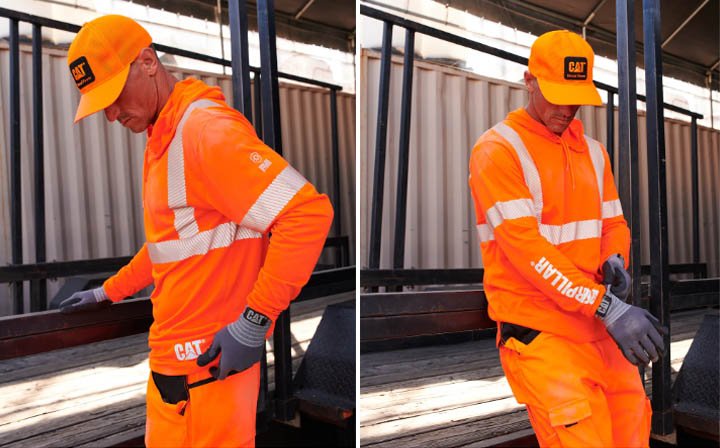
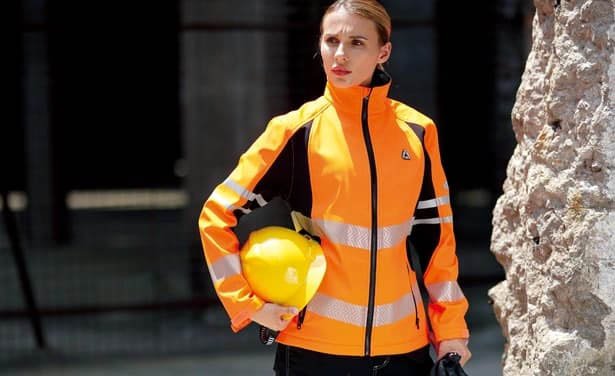
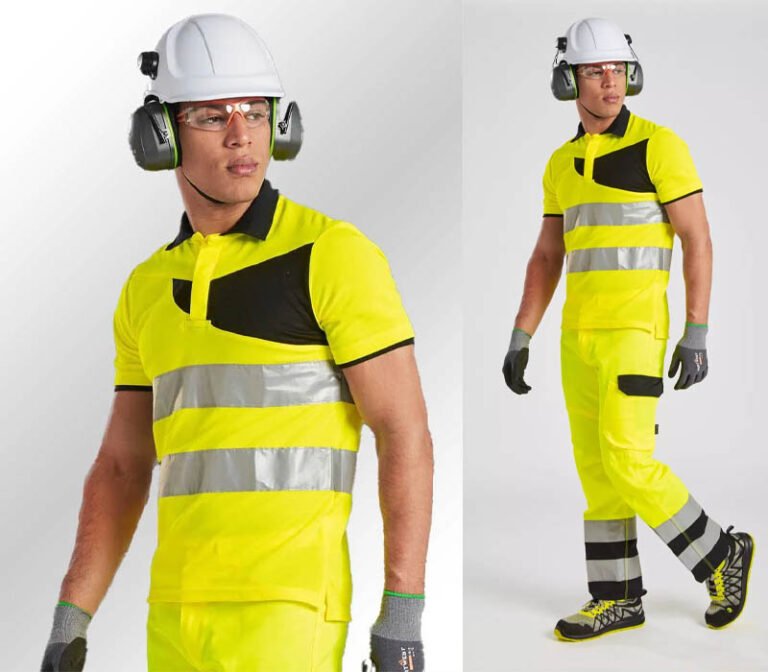
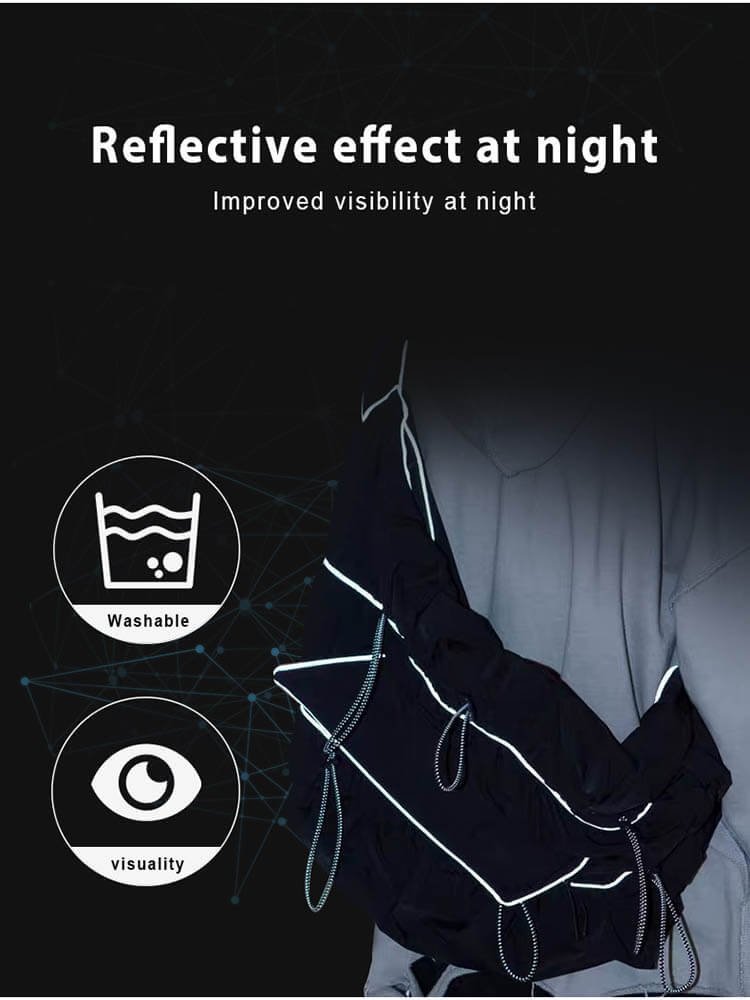
The best use of reflective piping is not decoration. It is strategic body mapping. When piping is placed along shoulders, side seams, sleeve lines, pocket edges, trouser seams, or jacket contours, it helps outline the wearer’s form. This is often called the biomotion effect: drivers and machine operators can identify a moving human figure faster when reflective elements highlight the natural motion points of the body.
This is why many modern hi-vis garments combine wide reflective tape with narrow reflective piping. The tape provides the required area and strong retroreflective bands. The piping adds definition, improves side-angle visibility, and gives the garment a more technical, premium look. On rainwear, piping can also be used along storm flaps, sleeve seams, or trouser outer seams to improve visibility without making the garment feel overloaded.
Designers should avoid placing piping where it will be hidden by backpacks, harnesses, tool belts, or natural garment folds. They should also consider whether the piping will be stitched into seams, welded into waterproof garments, or combined with stretch fabrics. Application method affects durability, comfort, and compliance.
Reflective Piping Procurement Checklist
If you are developing EN ISO 20471 high-visibility clothing, your purchasing checklist should go beyond price per meter. Reflective piping is a safety component, and the wrong choice can create costly certification failures after sampling or, worse, unsafe garments in the field.
Ask Your Supplier For
- Full test report, not just a certificate image
- Post-wash retroreflective performance values
- Base fabric composition and recycled content options
- Recommended sewing or bonding method
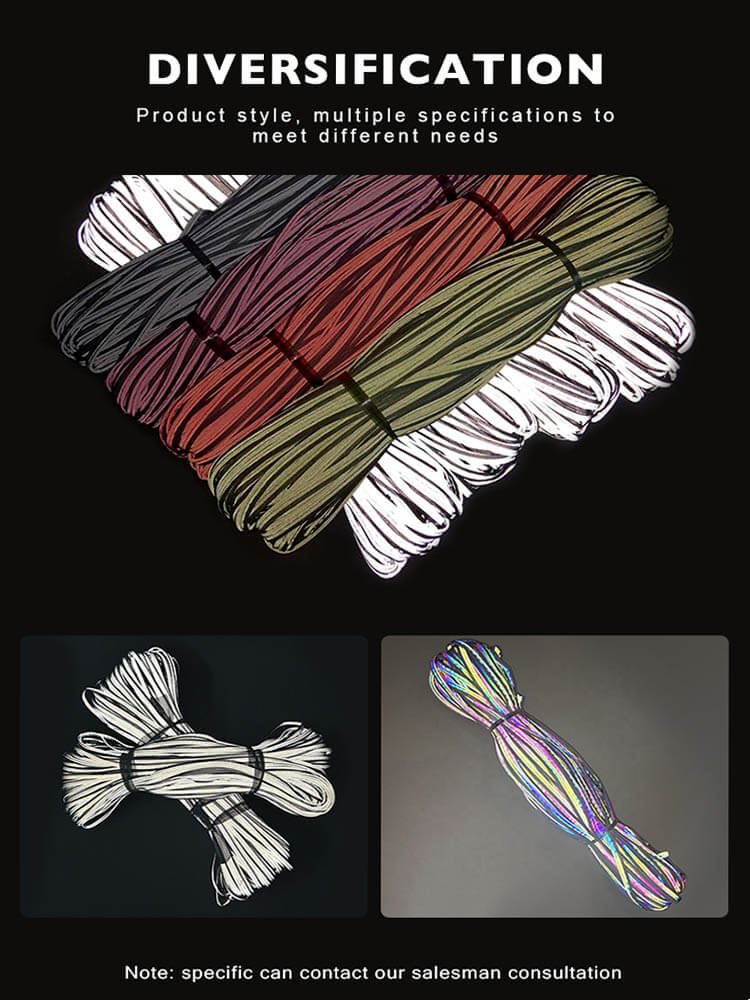
- Width, cord diameter, color, and brightness grade
- Compatibility with stretch, rainwear, FR, or softshell fabrics
Check During Sampling
- Does the piping twist or deform after sewing?
- Does it remain visible from side angles?
- Does it survive domestic or industrial washing?
- Does it crack after flexing?
- Does it match the design file and size specification?
- Does the finished garment still meet Class 1, 2, or 3 area requirements?

What Buyers Are Asking for in 2026: Stretch, Segmented, and Sustainable Piping
The hi-vis market is moving beyond basic compliance. Distributors and private-label brands now want garments that workers actually enjoy wearing. That means lighter fabrics, athletic fits, stretch panels, breathable constructions, and reflective materials that move with the body. Traditional stiff piping can limit comfort on fitted garments, so stretchable and segmented reflective piping is becoming more attractive for premium workwear.
Sustainability is another major buying factor. European and North American clients increasingly ask whether reflective piping can be made with recycled base fabrics or lower-impact materials. While compliance and durability must remain the priority, responsible material development is becoming part of the product brief. A garment that fails after a few washes is not sustainable, no matter how good the material claim sounds.
At VizGlo Safety, we approach reflective piping as part of a full safety system: material science, garment engineering, test data, and mass-production consistency. As a vertically integrated manufacturer of reflective materials and hi-vis clothing, we help brands develop piping specifications that match the target garment class, market, wash requirement, and price position.
Need Reflective Piping for an EN ISO 20471 Garment Project?
Share your garment design, target market, wash requirement, and application method. Our team can help you select reflective piping, reflective tape, or custom reflective materials for compliant and durable hi-vis workwear.
Explore our full reflective piping manufacturer solutions and request OEM/ODM support from VizGlo Safety.
Opens your Elementor inquiry form.
FAQ: EN ISO 20471 and Reflective Piping
Can reflective piping alone make a garment EN ISO 20471 compliant?
Usually no. Reflective piping is normally too narrow to provide the required retroreflective area by itself. It should be used with compliant fluorescent fabric and wider reflective tape in a tested finished garment design.
What documents should I request before buying reflective piping?
Request the full test report, including retroreflective values after washing, abrasion, flexing, and other relevant durability tests. Also confirm the exact material construction, width, color, and recommended application method.
Where should reflective piping be placed on hi-vis clothing?
It is most effective along body contours such as shoulders, sleeves, side seams, pocket edges, and trouser seams. The goal is to support human-shape recognition and improve side-angle visibility.
Is reflective piping suitable for rainwear?
Yes, but the application method matters. For waterproof garments, the piping must be compatible with seam construction, coating, welding, or seam-sealing processes so that visibility does not compromise waterproof performance.
Can VizGlo Safety customize reflective piping?
Yes. VizGlo Safety can support custom color, width, base fabric, reflective effect, recycled fabric options, and integration with OEM/ODM hi-vis garments, depending on the target performance and compliance requirements.