Why Oeko-Tex Certification Matters for Reflective Garment Accessories
For safety apparel buyers, certification is no longer limited to the main fabric. Reflective tape, piping, heat-transfer logos and other small components now play a decisive role in chemical safety, supply-chain approval and brand trust.
Quick Answer: Why Does Oeko-Tex Certification Matter?
Oeko-Tex certification matters for reflective garment accessories because it verifies that components such as reflective tape, heat transfer film, reflective logos, webbing and wholesale reflective piping have been tested for harmful substances and are safer for prolonged human contact. For hi-vis clothing brands, distributors and PPE procurement teams, this reduces chemical compliance risk, prevents failed buyer inspections, protects end users and strengthens brand credibility. A garment may meet visibility standards, but if its reflective accessory contains restricted chemicals, the whole product can still become a compliance problem.
What Oeko-Tex Means for Reflective Garment Accessories
In simple terms, Oeko-Tex certification is a textile safety signal. It tells buyers that a material has been tested against a controlled list of substances that may be harmful to human health. For finished clothing, many people naturally think of the base fabric first: polyester mesh, oxford fabric, softshell, cotton blend or waterproof fabric. But in real garment production, accessories can be just as important.
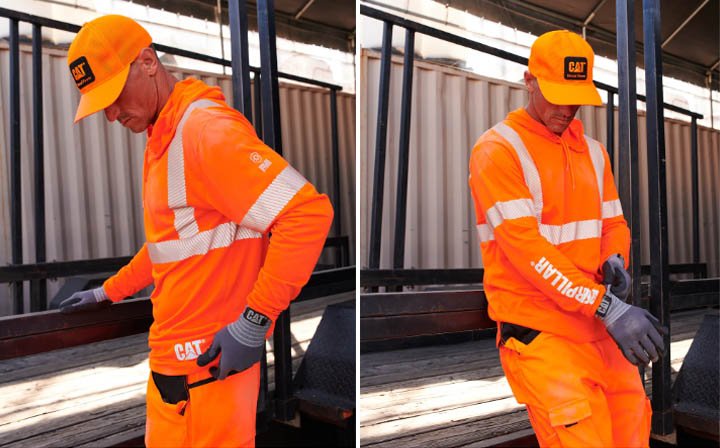
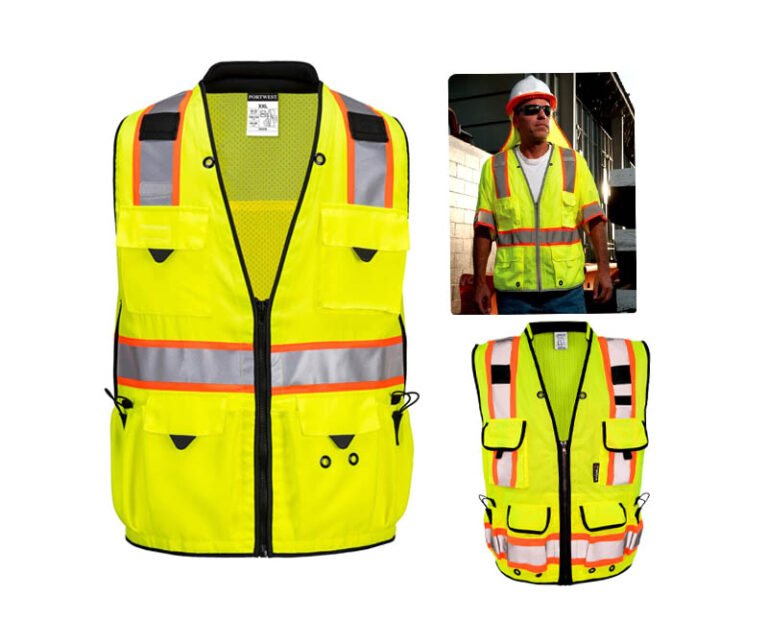
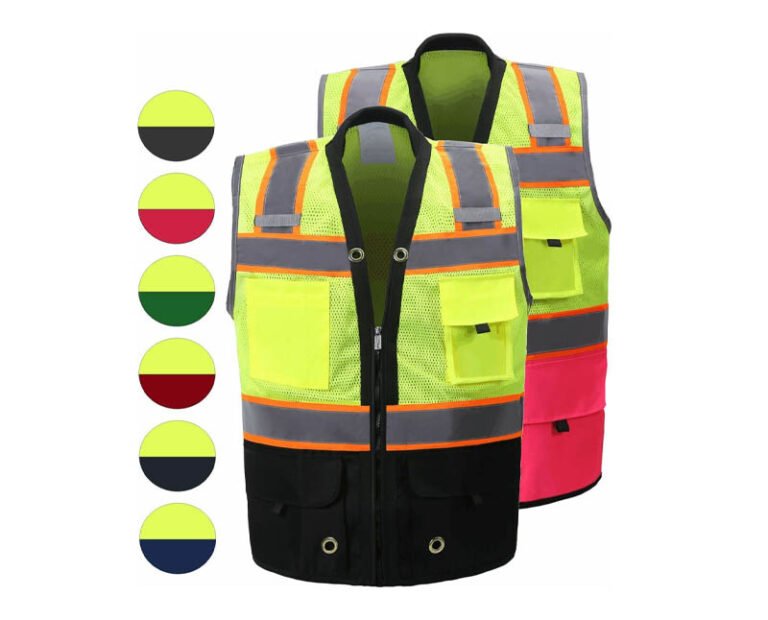
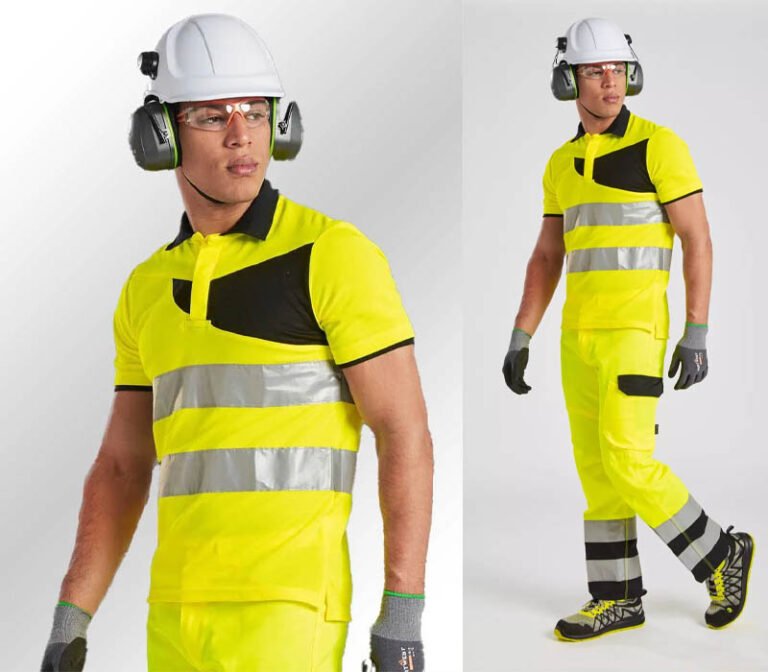
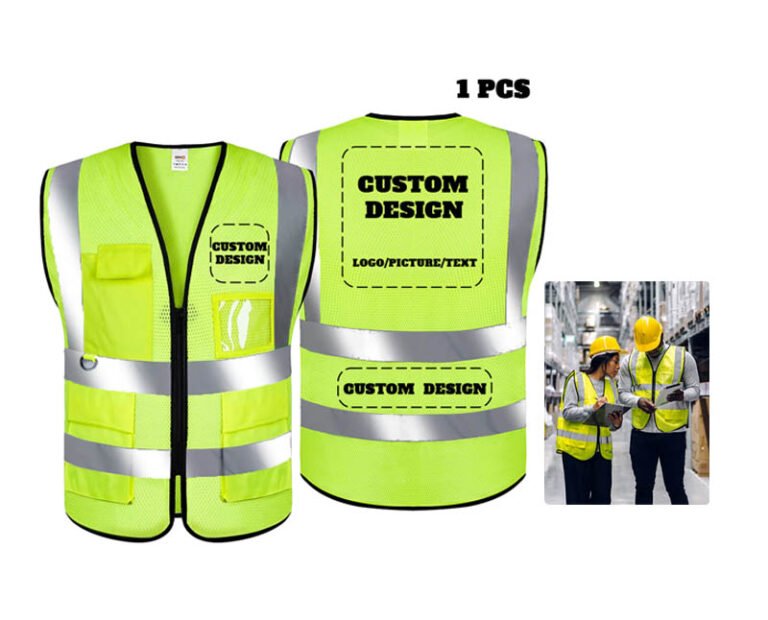
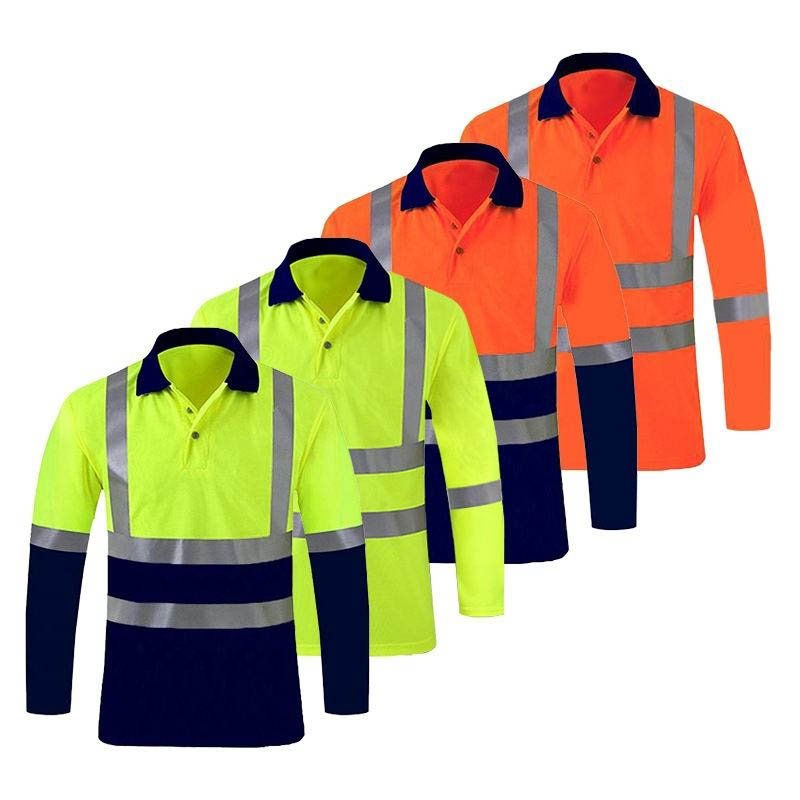
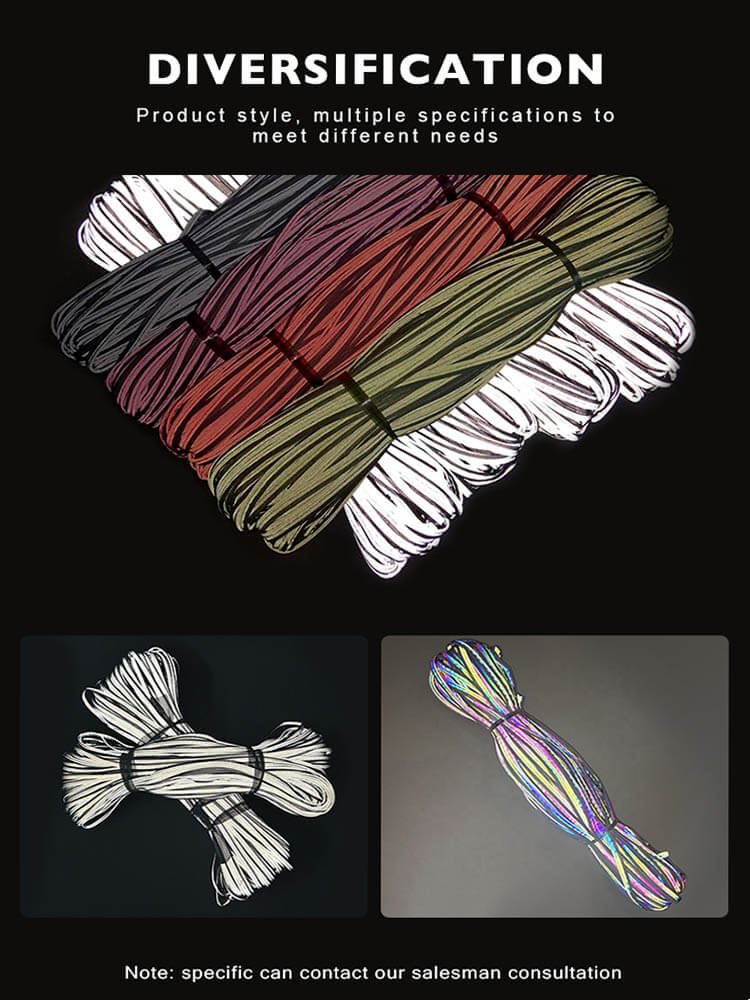
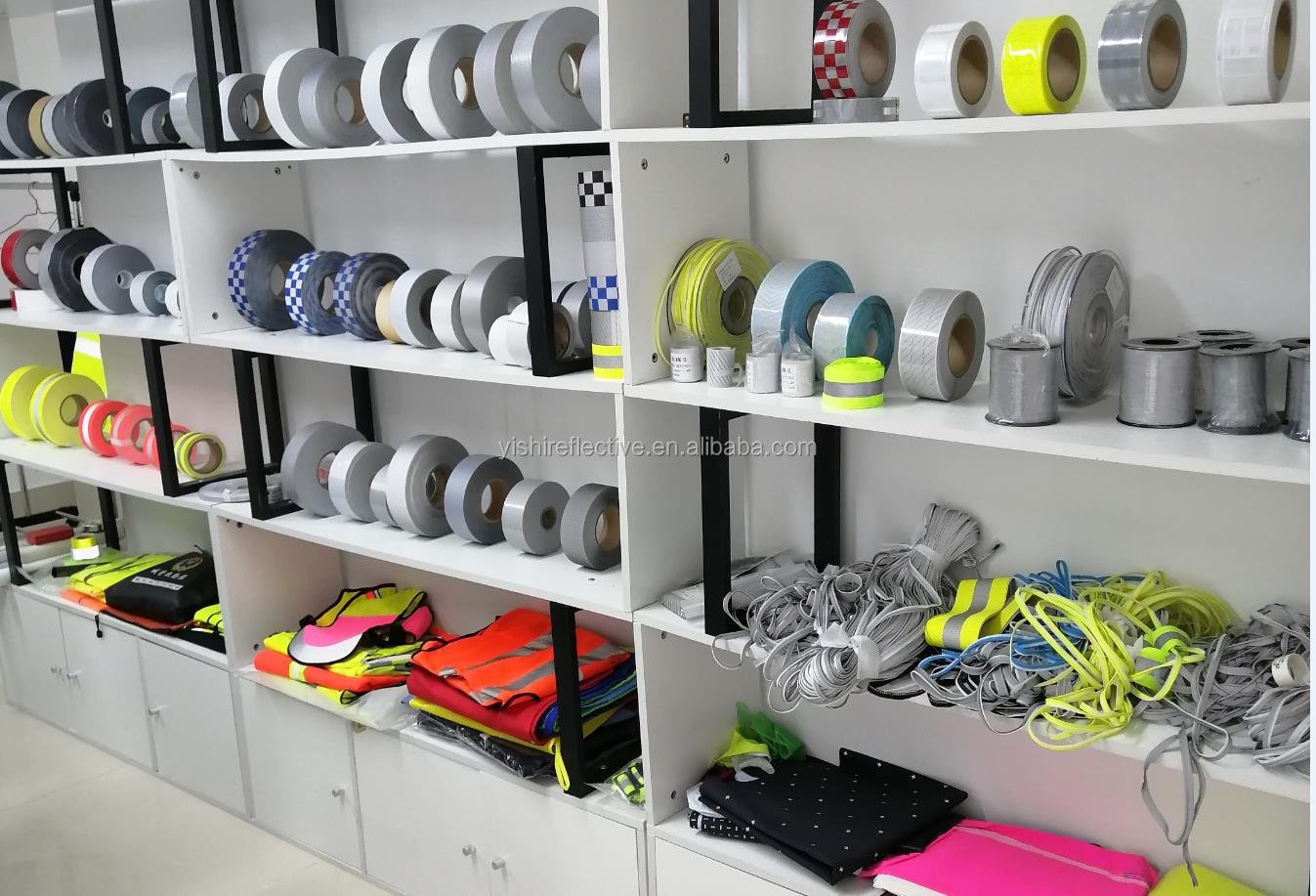
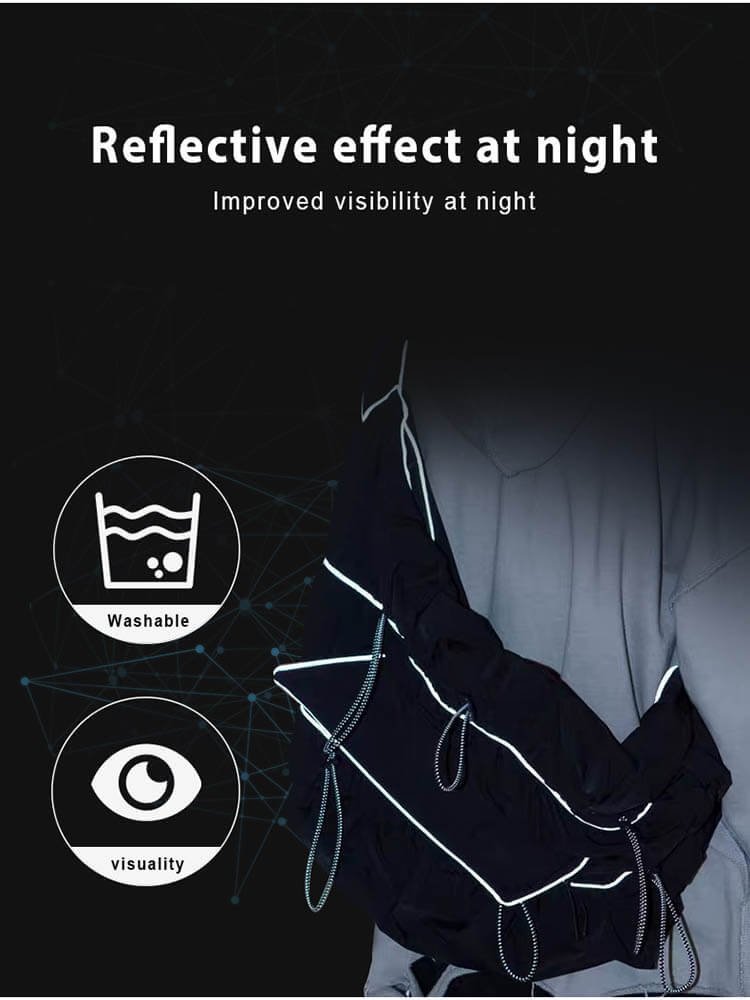
Reflective accessories are not decorative afterthoughts. They are functional safety parts. Reflective tape across the torso, reflective piping along seams, reflective heat-transfer vinyl on sportswear, reflective webbing on bags and reflective logos on uniforms all become part of the user’s daily contact environment. These items may involve coatings, adhesives, binders, glass beads, microprismatic films, pigments and backing fabrics. Each layer has its own chemical profile.
The official OEKO-TEX STANDARD 100 system is widely recognized in global textile sourcing because it focuses on product safety from the user’s perspective. For buyers of hi-vis apparel, this matters because reflective accessories may be applied to garments used by construction workers, road crews, railway teams, warehouse staff, runners, cyclists and even children. The closer the component is to the skin, and the longer the contact time, the more serious the chemical safety question becomes.
Why Procurement Teams and Brand Owners Ask for Oeko-Tex Accessories
1. It Reduces Supplier Risk
Certified accessories help procurement managers build a cleaner compliance file. Instead of relying only on supplier promises, buyers can request certificates, test reports and product scope details before confirming bulk orders.
2. It Prevents Production Delays
Non-certified reflective materials can trigger additional testing or rejection during brand approval. Certified trims make sampling, pre-production approval and final inspection smoother.
3. It Supports Premium Positioning
For safety apparel brands, “chemical-safe reflective accessories” is a meaningful message. It shows that the product is not only visible in low light, but also responsibly made for the wearer.
4. It Helps Global Market Access
Different markets have different expectations, but the trend is consistent: better documentation, stricter restricted substance controls and more transparent sourcing.
This is especially relevant for distributors serving large contractors, public-sector tenders, railway networks, mining companies and logistics groups. These customers do not simply buy a vest or jacket; they buy risk reduction. When every component is documented, the distributor can respond faster to audits and tender questions.
Oeko-Tex Is Not the Same as EN ISO 20471 or ANSI/ISEA 107
One common misunderstanding is that visibility certification automatically covers chemical safety. It does not. Visibility standards and chemical safety standards answer different questions.
| Standard / Certification | Main Purpose | What It Tells Buyers |
|---|---|---|
| EN ISO 20471 | High-visibility clothing performance in Europe | Covers visibility design, fluorescent material and retroreflective performance requirements. |
| ANSI/ISEA 107 | High-visibility safety apparel in the United States | Defines garment classes, background material and reflective material performance for worker visibility. |
| Oeko-Tex Standard 100 | Human-ecological textile safety | Shows that the tested textile component meets limits for selected harmful substances. |
A hi-vis vest can be designed according to EN ISO 20471 high-visibility clothing principles and still require additional chemical documentation from the material supplier. Likewise, products for the North American market may reference ANSI/ISEA 107 safety apparel requirements, but buyers may separately ask whether the reflective trims are Oeko-Tex certified.
In Australia and New Zealand, buyers often consider both visibility performance and material compliance in line with workplace safety expectations. For context, workplace PPE guidance from organizations such as Safe Work Australia PPE resources shows how seriously employers treat equipment selection and worker protection.
A Practical Checklist for Buying Oeko-Tex Reflective Accessories
If you are sourcing reflective garment accessories, do not stop at the phrase “Oeko-Tex available.” Ask for details. A reliable supplier should be comfortable discussing material structure, application method, washing performance and certification scope.
- ✓ Check the certificate scope. Confirm whether the certificate covers the exact accessory: reflective tape, reflective piping, heat-transfer film, reflective logo, webbing or fabric backing.
- ✓ Match the product code. The code on the certificate or test documentation should match the material being quoted.
- ✓ Ask about washing durability. Chemical safety is one part; reflective performance after washing is another. Both matter for workwear.
- ✓ Review application conditions. Heat-transfer films require correct temperature, pressure and time to avoid peeling, cracking or reduced reflectivity.
- ✓ Request pre-production samples. Always test the accessory on the actual garment fabric before bulk production.

How VizGlo Safety Approaches Safer Reflective Accessories
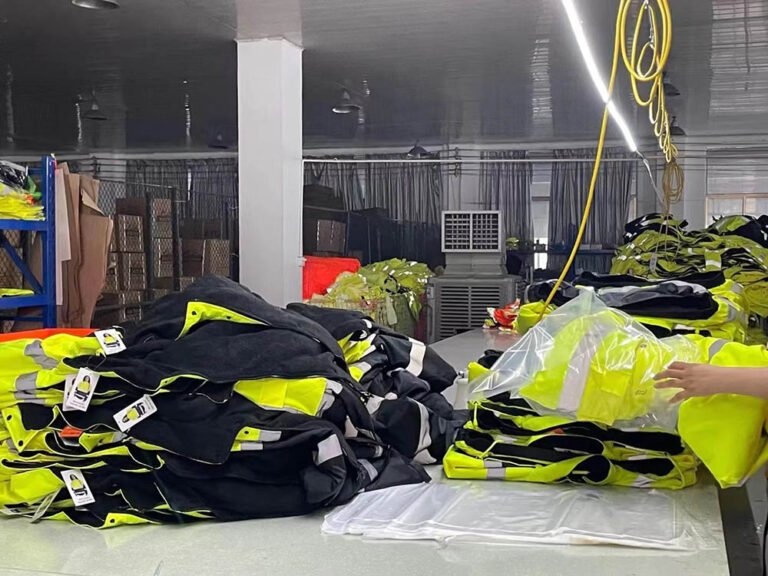
At Nanjing VizGlo Safety Technology Co., Ltd., we see reflective accessories as safety-critical components, not secondary trims. Our work with global distributors, private-label brands and large enterprise buyers has shown us that a smooth order is built long before production starts. It begins with material selection, documentation review and realistic testing.
Because we manufacture both hi-vis clothing and reflective materials, our team understands the connection between fabric, accessory, application method and final garment performance. A reflective piping tape may perform beautifully on one jacket fabric but require adjustment on another. A segmented heat-transfer film may improve flexibility on stretch workwear, while flame-retardant reflective tape may be necessary for specialized industrial garments. The right material choice depends on the user, the washing requirement, the market and the certification expectation.
From a commercial standpoint, Oeko-Tex certified accessories help buyers move faster. When a procurement manager can show that the reflective components have been selected with chemical safety in mind, internal approvals are easier. When a brand marketer can say that even the reflective piping and logo were chosen responsibly, the product story becomes stronger. This is no longer just about compliance. It is about brand integrity.


If your project includes reflective piping, tape, webbing, heat-transfer film or custom reflective logos, the best time to discuss Oeko-Tex expectations is during development, not after bulk production. Early communication allows your supplier to recommend the correct material grade, prepare documents and avoid unnecessary delays.
Need Oeko-Tex Ready Reflective Accessories for Your Next Garment Line?
VizGlo Safety provides OEM/ODM reflective materials and hi-vis clothing solutions for distributors, brands and industrial buyers worldwide. Tell us your application, market and compliance requirements—we will help you select the right reflective accessory.
WordPress/Elementor note: the first button uses your Elementor popup action ID 26.
Final Takeaway
Oeko-Tex certification for reflective garment accessories matters because modern safety apparel is judged as a complete system. The main fabric, reflective tape, piping, heat-transfer logos, webbing and labels all contribute to the final product’s safety profile. Visibility standards help protect workers from low-light hazards; chemical safety certification helps protect wearers from unnecessary substance exposure.
For procurement teams, it reduces risk. For brands, it strengthens trust. For distributors, it makes compliance conversations easier. And for end users, it means the garment has been considered more carefully from the inside out. In a crowded market of similar-looking hi-vis products, certified reflective accessories can be the detail that separates a responsible supplier from a risky one.
To explore accessory options for your next garment program, visit our reflective piping manufacturer product center and discuss your specifications with the VizGlo Safety team.
FAQ: Oeko-Tex Certification for Reflective Accessories
Does Oeko-Tex certification replace EN ISO 20471 or ANSI/ISEA 107?
No. Oeko-Tex focuses on harmful substance testing, while EN ISO 20471 and ANSI/ISEA 107 focus on high-visibility garment performance. For professional safety apparel, buyers often need both visibility compliance and chemical safety documentation.
Which reflective accessories should be checked for Oeko-Tex certification?
Common components include reflective tape, reflective piping, heat-transfer reflective film, reflective logos, reflective webbing, reflective fabric and other trims that may contact the wearer or form part of the garment structure.
Why do buyers in North America and Australia/New Zealand increasingly ask for Oeko-Tex?
Many buyers are strengthening restricted substance controls and supplier documentation requirements. Oeko-Tex certified accessories help reduce compliance risk, support retailer approval and improve confidence in the finished garment.
Can a reflective accessory be safe but not Oeko-Tex certified?
It may be possible, but without recognized documentation, buyers carry more risk. Certification provides third-party evidence that the tested product meets defined limits for selected harmful substances.
What should I ask a supplier before ordering reflective materials?
Ask for the certificate scope, product code match, washing performance, application instructions, sample testing support and whether the exact material quoted is covered by the documentation provided.