Bulk Hi Vis Clothing Orders: How to Estimate Quantity, Sizes and Reorder Cycles
A bulk hi vis order should not be treated as a simple “employee count × two vests” purchase. For safety managers, PPE distributors and procurement teams, it is a live inventory system that protects compliance, budget control and worker visibility throughout the year.

Quick Answer: How Do You Estimate a Bulk Hi Vis Clothing Order?
To estimate a bulk hi vis clothing order, start with your active workforce by job role, then multiply by the number of garments each role needs, apply a wear-and-tear factor based on work environment, add 10–20% buffer stock for new hires and damaged items, and confirm sizes through a pre-order survey rather than guessing from a standard size curve. For reorder cycles, avoid one annual purchase where possible; use quarterly or bi-annual replenishment based on garment lifespan, wash frequency, seasonal demand and staff turnover. Road crews, railway teams and rainy-climate workers usually need faster replacement cycles than warehouse supervisors or visitors using basic vests.
Searchers looking for “bulk hi vis clothing orders” usually have a practical problem: they are about to buy for a workforce, a project site, a depot, a retail channel or a distributor warehouse, and they do not want to under-order, over-order or end up with the wrong sizes. The real question is not simply “how many pieces should I buy?” It is “how do I keep every worker properly equipped without locking too much cash in dead stock?”
After more than a decade of exporting high visibility clothing, one purchasing mistake appears again and again: treating a bulk order like a single transaction. A vest, jacket or rain suit is not just an SKU. It is part of a safety lifecycle. It has a compliance requirement, a wash life, a risk environment, a replacement trigger and a fit requirement. If your purchasing model ignores those factors, the first order may look cheap, but the total cost often rises through urgent air shipments, failed inspections, dissatisfied employees and unusable size inventory.
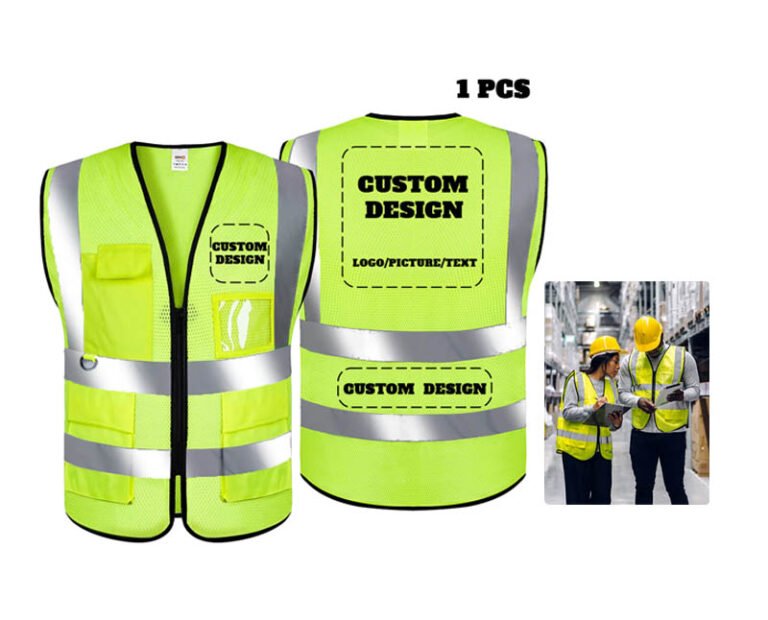
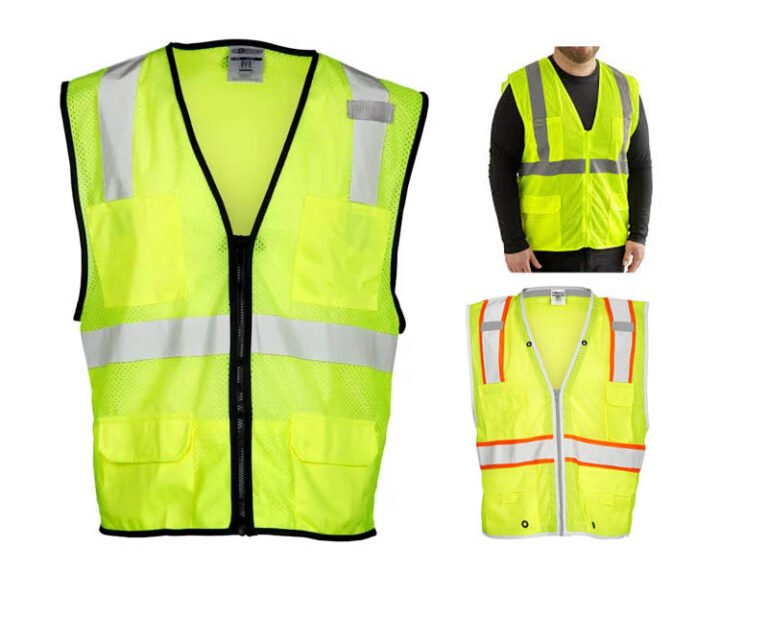
If you are still building your complete high visibility workwear program, it is worth reviewing VizGlo Safety’s main hi vis clothing collection, as well as category-specific options such as high visibility vests and hi vis workwear for multi-garment workforce programs.
1. Quantity: Stop Using “Employees × 2” as Your Main Formula
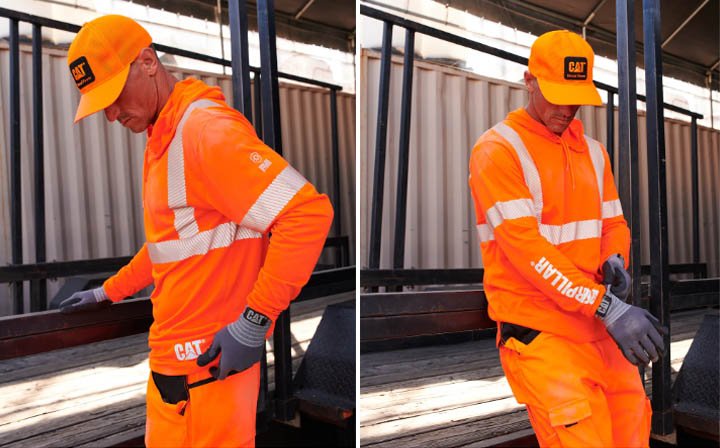
The common formula “number of employees × two garments” is easy, but it is too blunt for real operations. A traffic control worker exposed to rain, dirt, asphalt dust and night work will consume hi vis clothing faster than a warehouse supervisor who wears a vest indoors. A railway contractor may need orange garments and stricter issuing controls. A logistics company may need lightweight summer polos, vests for visitors, winter jackets for yard staff and waterproof outerwear for loading teams.
A More Reliable Bulk Order Formula
Use this planning model:
- Workforce by role: separate road crew, warehouse, supervisors, visitors, drivers, rail, mining or construction teams.
- Garments per worker: define how many vests, polos, jackets, trousers or rain suits each role needs.
- Wear factor: increase quantity for high-abrasion, high-wash or harsh-weather jobs.
- Buffer stock: usually 10–20%, adjusted for turnover and project volatility.
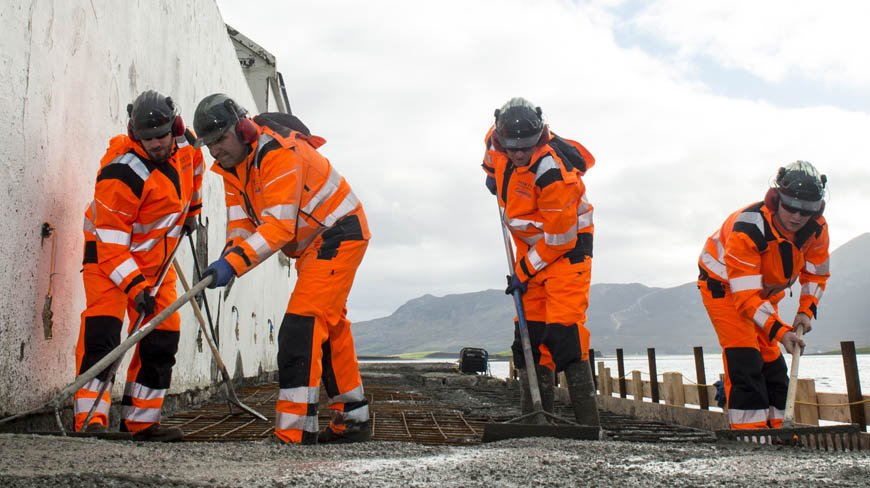
A practical wear factor may look like this: 1.0 for occasional indoor use, 1.2 for regular warehouse or logistics use, 1.5 for construction or road work, and 1.8–2.0 for wet, abrasive, high-wash or heavy-duty environments. These are not official figures, but they help procurement teams make more realistic decisions before finalizing an order.
For compliance background, buyers can refer to external guidance such as the OSHA personal protective equipment guidance, the ISO page for EN ISO 20471-related high visibility clothing standards, and ISEA information on ANSI/ISEA 107. These resources do not replace supplier test reports, but they help buyers understand why documented compliance matters.
2. Sizes: The Standard Bell Curve Can Create Unsafe Stock
Many bulk orders are planned with a rough size curve: a few S, more M, many L and XL, fewer 2XL and above. That may work for a generic retail shelf, but it is risky for a real workforce. We have seen companies hold dozens of Large vests while Medium and 2XL were completely out of stock. The result is predictable: workers wear oversized garments, reflective tape sits in the wrong position, sleeves or hems interfere with movement, and employees feel the PPE was not selected for them.
The best size distribution comes from data. Before placing a bulk order, run a simple digital survey. Ask each employee for normal workwear size, gender fit preference, height range, chest or waist range where appropriate, and whether they need a tall, plus-size or women-specific cut. It may feel like an extra step, but it is one of the cheapest ways to prevent dead inventory.
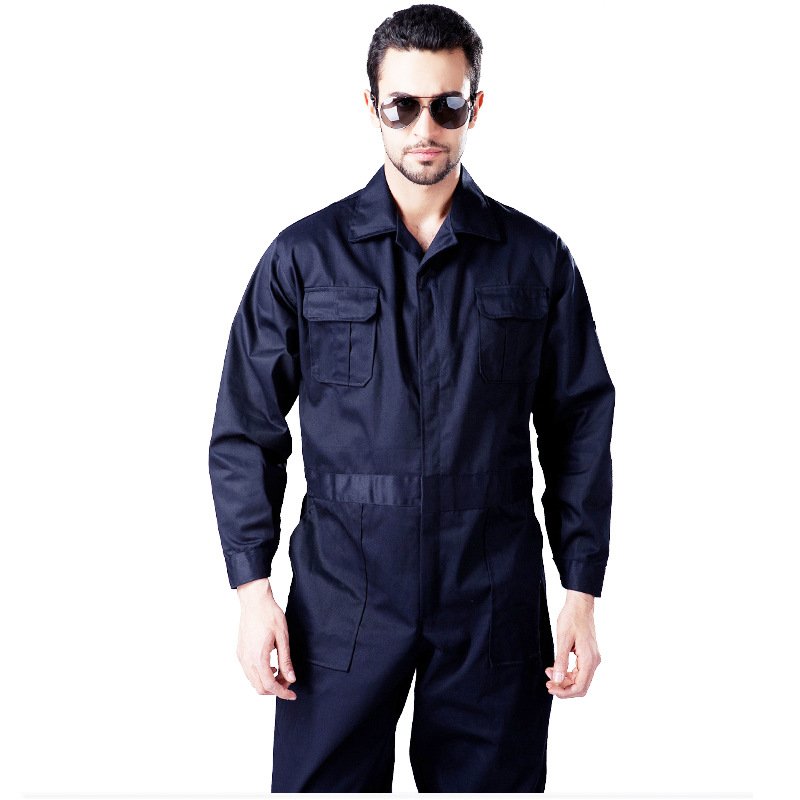
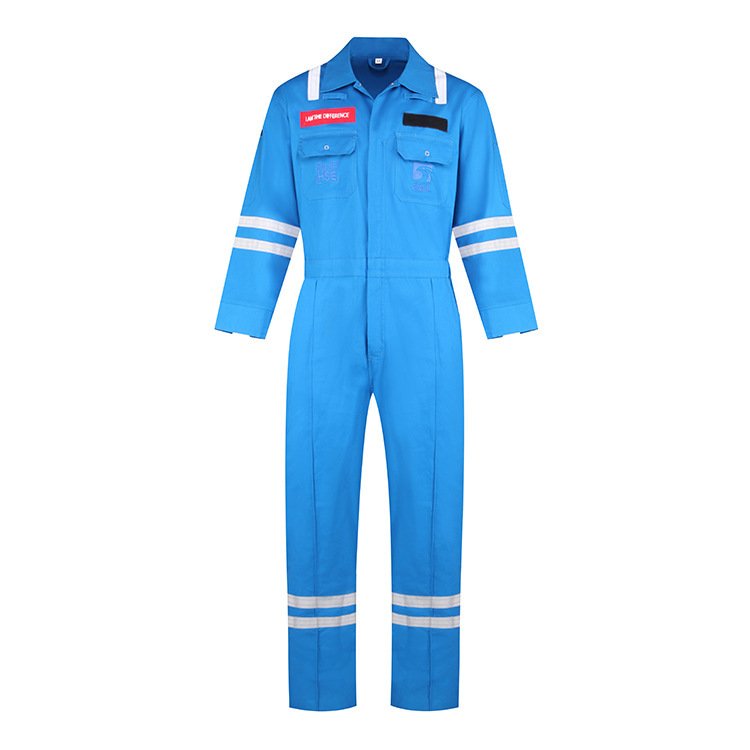
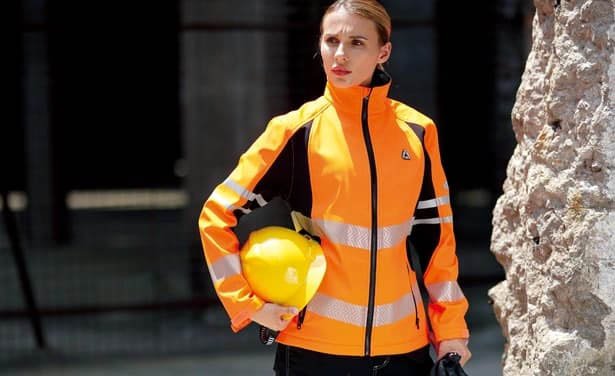
Inclusive sizing is not just a morale issue. It is a safety issue. Poorly fitted garments can catch on equipment, reduce mobility, cover reflective elements incorrectly or encourage workers not to wear them. If your workforce includes women, smaller-framed employees or big-and-tall workers, your bulk order should reflect that reality. For deeper planning around custom sizing, fit and private-label specifications, visit VizGlo Safety’s OEM/ODM customization service.
3. How Many Sets Should Each Worker Receive?
The right number of sets depends on the worker’s exposure, washing frequency and whether the employer operates a laundry system. For light indoor use, one vest in service plus one spare may be enough. For outdoor construction, road work or waste management, two to three rotating garments per worker is more realistic. For rainwear, you may need fewer pieces per person but a stronger replacement and inspection policy because waterproof seams, coatings and reflective areas must remain functional.
| Worker Type | Suggested Garment Mix | Planning Notes |
|---|---|---|
| Visitors / temporary site access | Basic vest pool | Add shared stock by site capacity, not employee count. |
| Warehouse and logistics | Vest or polo + seasonal jacket | Plan extra stock for turnover and shift rotation. |
| Construction / road crew | 2–3 upper garments + rainwear or jacket | Higher wear factor due to dirt, abrasion and washing. |
| Railway / mining / heavy industry | Role-specific compliant workwear system | Confirm color, class, reflective layout and documentation. |
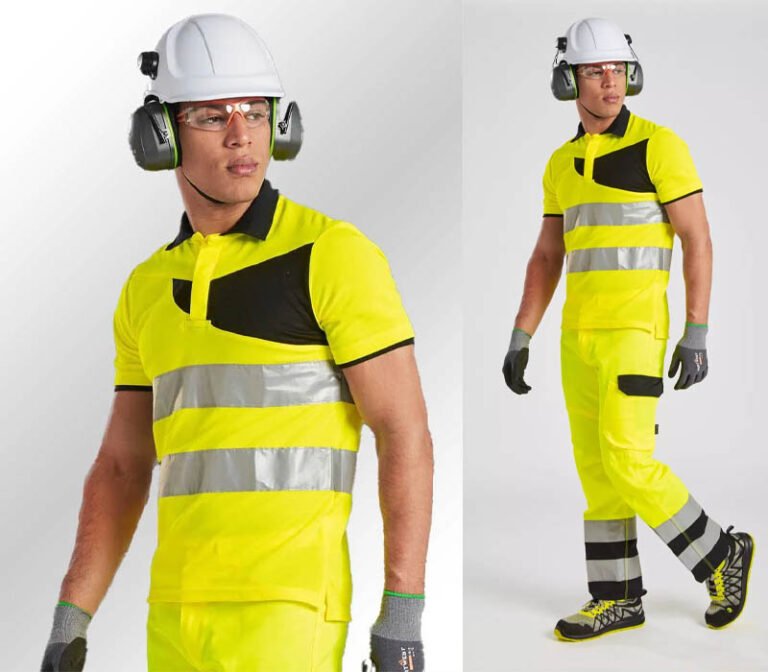
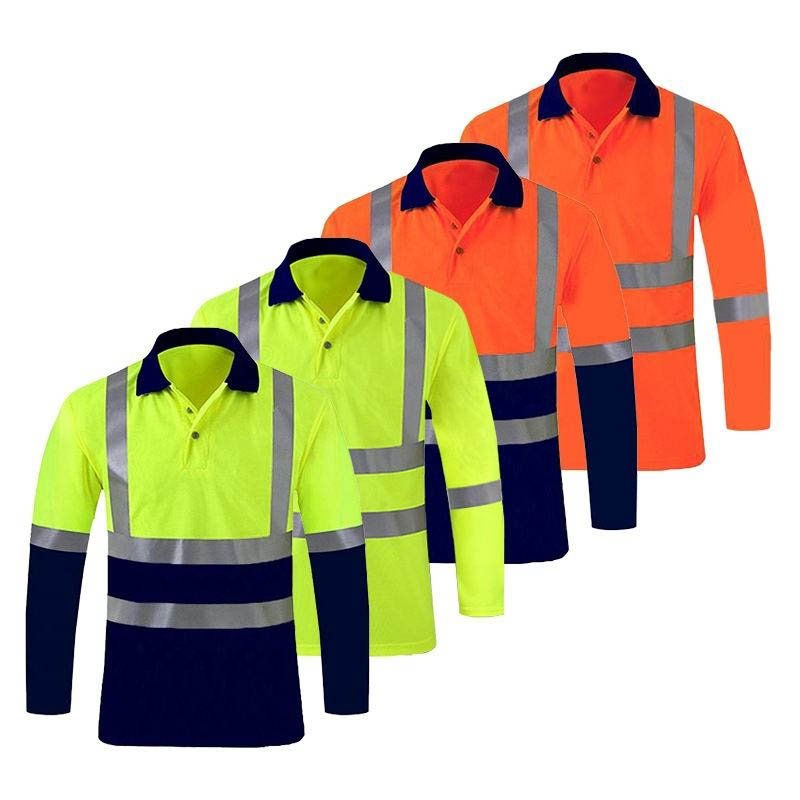
If your workforce includes warm-weather teams, you may also need breathable hi vis polo shirts and T-shirts. For wet climates, review hi vis raincoats and rain suits rather than relying only on lightweight vests.
4. Reorder Cycles: Replace Annual Guesswork with Staggered Replenishment
Annual ordering is still common because it feels administratively simple. But in many companies it creates two problems: a large upfront cash expense and a long period where stock slowly becomes inaccurate. By month eight, the warehouse may have plenty of slow-moving sizes but no stock for common sizes, winter needs or new hires.
A staggered replenishment model is usually healthier. Instead of one massive order, plan quarterly or bi-annual shipments. Use the first order to cover initial issue plus buffer. Then use actual consumption data to adjust the next shipment. This turns a large capital expense into a more predictable operational cost and reduces emergency purchasing.

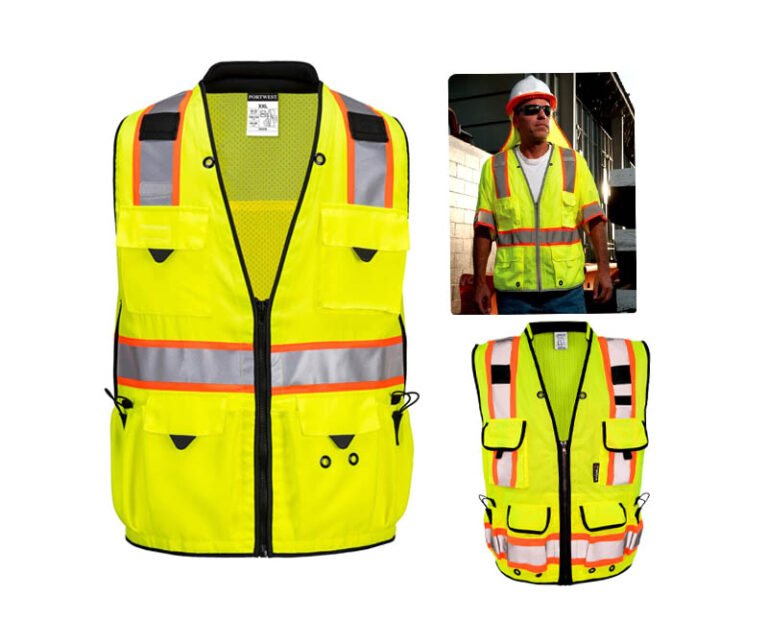
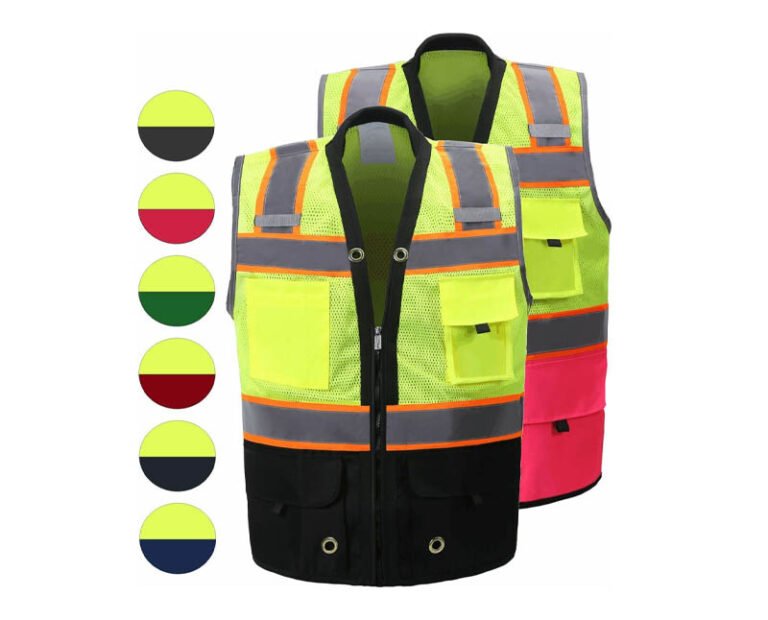
Vests
Often replenished every 6–12 months depending on visitor use, washing and site conditions.
Polos & Shirts
Often planned seasonally, especially for summer heat, high-wash teams and brand uniform programs.
Jackets & Rainwear
Usually ordered before seasonal demand, with inspection-based replacement for damaged waterproof or reflective areas.
For broader PPE management principles, procurement teams can also review HSE guidance on PPE at work and CCOHS PPE information. These external references help reinforce the importance of inspection, worker suitability and documented issue practices.
5. Common Bulk Hi Vis Order Mistakes to Avoid
Mistake 1: Buying by Headcount Only
Headcount does not show exposure level, climate, wash frequency, role type or replacement speed. Always segment your team by work environment.
Mistake 2: Guessing Size Ratios
A generic size curve can leave you with stock that looks good on paper but fails in real distribution. Survey first, then order.
Mistake 3: Ignoring Women’s Fit and Extended Sizes
Inclusive sizing improves compliance, comfort and worker acceptance. It also reduces returns and informal garment swapping.
Mistake 4: Ordering Once a Year Without Consumption Data
Annual-only ordering often creates shortages in fast-moving sizes and dead stock in unpopular sizes. Staggered replenishment is usually more accurate.
Mistake 5: Treating Supplier Support as Optional
A good supplier should help you manage sizing, fabric selection, reflective material options, packaging, compliance documents and repeat-order planning.
6. Bulk Hi Vis Clothing Procurement Checklist
- ✅ Segment workers by job role, risk level and work environment.
- ✅ Define garment types: vests, polos, hoodies, jackets, rainwear, trousers or full workwear sets.
- ✅ Run a pre-order size survey instead of relying on assumptions.
- ✅ Include women’s-specific fits, plus sizes and smaller sizes where required.
- ✅ Apply a wear factor for harsh environments, frequent washing and seasonal exposure.
- ✅ Add 10–20% buffer stock for new hires, damage and urgent replacements.
- ✅ Plan quarterly or bi-annual replenishment instead of one oversized annual order.
- ✅ Request compliance documents, size charts, fabric details and reflective material specifications.
- ✅ Track issue dates, replacement dates and consumption by size.

Need Help Calculating Your Bulk Hi Vis Order?
VizGlo Safety helps distributors, private labels, contractors and enterprise buyers plan bulk high visibility clothing programs from sizing and materials to OEM/ODM branding, packaging and staggered replenishment. If you already know your workforce size, job roles and target market, our team can help you build a practical order estimate and replacement plan.
WordPress/Elementor note: the green CTA button uses your Elementor Popup ID 26 action link.
Final Takeaway
The best bulk hi vis clothing order is not the cheapest order or the largest order. It is the order that keeps the right garments, in the right sizes, available at the right time for every worker who needs them.
When you shift from “placing an order” to “managing a safety asset,” the entire procurement process becomes more accurate. Quantity planning becomes role-based. Size planning becomes data-driven. Reordering becomes predictable. And supplier selection becomes less about the lowest unit price and more about long-term reliability, compliance support and operational continuity.
FAQ: Bulk Hi Vis Clothing Orders
How much buffer stock should I add to a bulk hi vis clothing order?
Most buyers should add 10–20% buffer stock. Use the lower end for stable indoor teams and the higher end for high-turnover, outdoor, seasonal or project-based workforces.
What is the best size ratio for bulk hi vis workwear?
There is no universal best ratio. A pre-order employee size survey is more reliable than a generic S–3XL curve. Include women’s fit, plus sizes and smaller sizes where needed.
Should I order annually or use staggered replenishment?
For most medium and large teams, staggered quarterly or bi-annual replenishment is better than one annual order. It reduces dead stock, improves cash flow and lets you adjust based on real usage.
How many hi vis garments should each worker receive?
Light-use workers may need one garment plus a spare. Outdoor, high-wash or high-risk workers often need two to three rotating garments, plus seasonal outerwear where required.
Can VizGlo Safety support private label bulk hi vis orders?
Yes. VizGlo Safety provides OEM/ODM support including garment design, fabric selection, reflective material customization, logo application, labels, packaging and scheduled replenishment planning.