How to Compare Hi Vis Workwear Quotes from Different Suppliers
When three suppliers send three different prices for what looks like the same hi vis workwear, the lowest number is rarely the full story. This guide shows procurement managers, PPE distributors, and private-label buyers how to compare quotes properly—line by line, risk by risk, and value by value.
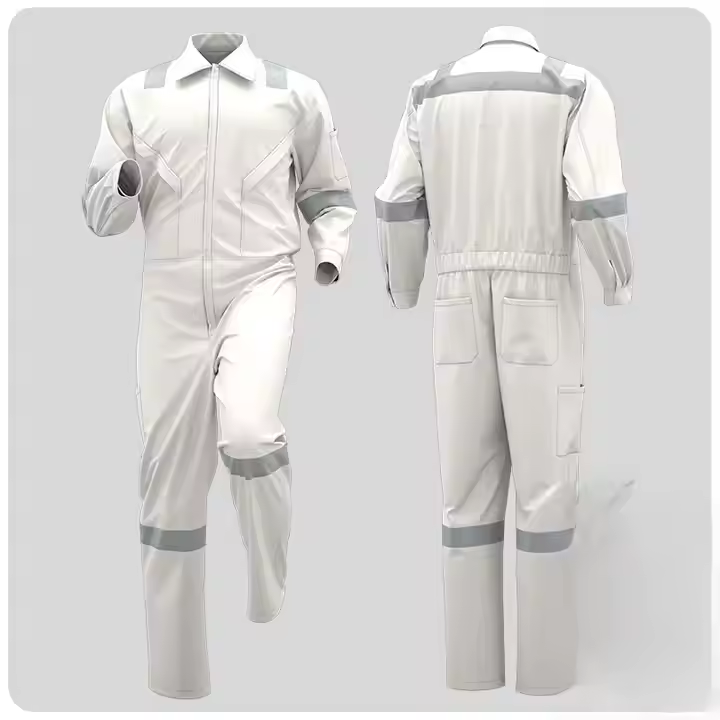
Quick Answer: How Should You Compare Hi Vis Workwear Quotes?
To compare hi vis workwear quotes accurately, do not judge suppliers by unit price alone. Compare each quote against the same garment specification: fabric composition and GSM, reflective tape type and certified wash durability, compliance standard such as EN ISO 20471 or ANSI/ISEA 107, zipper and accessory quality, stitching workmanship, logo method, packaging, inspection process, lead time, payment terms, shipping terms, and total landed cost. Ask every supplier for a complete Bill of Materials, current test reports, size chart, sample, and clear production tolerance. The best quote is not the cheapest quote; it is the one that delivers verified compliance, reliable durability, stable quality control, and predictable delivery at a fair price.
Why the Lowest Quote Is Not Always the Best Deal
In hi vis workwear sourcing, the FOB price per unit is usually the first number buyers look at. That is understandable. If you are buying 5,000 vests, 2,000 jackets, or a full annual workwear program, even a difference of USD 0.30 per unit looks meaningful. But the unit price can hide major differences in materials, compliance, durability, and production control.
A quote that is 10–15% cheaper may be based on a lighter fabric, a lower-grade reflective tape, a smaller reflective area, a simpler pocket design, a non-branded zipper, thinner sewing thread, or a shorter guaranteed wash cycle. In the first shipment, the garments may look similar. After months of outdoor work, industrial laundering, and repeated wear, the difference becomes obvious: fading fluorescent fabric, cracked reflective tape, loose seams, broken zippers, failed inspections, and frustrated end users.
For professional buyers, the real comparison is not “Supplier A is cheaper than Supplier B.” The real question is: What exactly is included in the price, and what risks are being pushed onto the buyer?
If your team is still defining the product mix for a larger safety program, it can help to review VizGlo’s full hi vis clothing range and our dedicated hi vis workwear product center before comparing supplier offers.
Start by Asking for a Complete Bill of Materials
The Bill of Materials, often called the BOM, is the foundation of a fair quote comparison. Without it, suppliers can quote the same product name while using very different components. A professional hi vis workwear quote should clearly list the materials and accessories used in the garment.
At minimum, ask every supplier to specify:
- Fabric composition, such as 100% polyester, polyester-cotton blend, softshell, Oxford, mesh, or PU-coated fabric.
- Fabric weight in GSM, for example 120gsm, 150gsm, 180gsm, 280gsm, or 300gsm depending on the garment type.
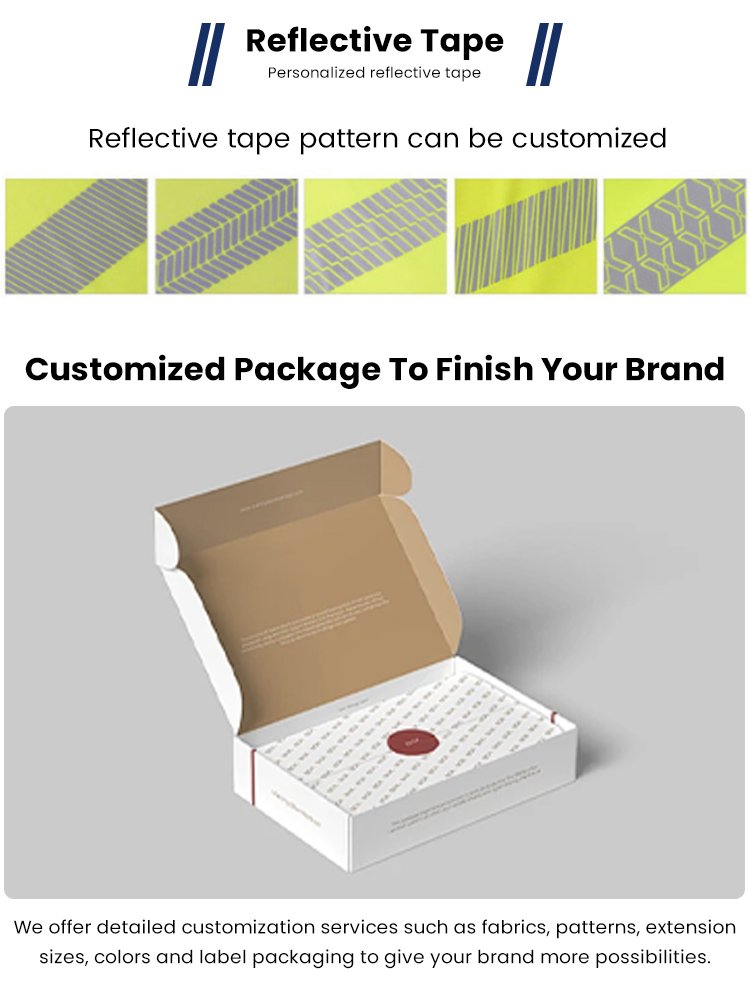
- Reflective tape type, width, backing material, brightness level, and certified wash cycles.
- Zipper brand or grade, such as YKK, SBS, nylon zipper, resin zipper, or generic alternatives.
- Buttons, snaps, Velcro, drawcords, elastic cuffs, ribbing, and other accessories.
- Thread type, seam construction, bartack reinforcement, and critical stitching requirements.
- Labels, wash care label, compliance label, hangtag, polybag, carton, and retail packaging requirements.
A supplier that refuses to provide a BOM may still be capable, but it becomes difficult for you to know what you are buying. For OEM and private-label projects, BOM transparency is essential because it protects your brand consistency across repeat orders. If you need a structured OEM process, visit our OEM/ODM customization page to see how details such as materials, logos, labels, and packaging are managed.
Compare Fabric Weight, Composition, and Finishing
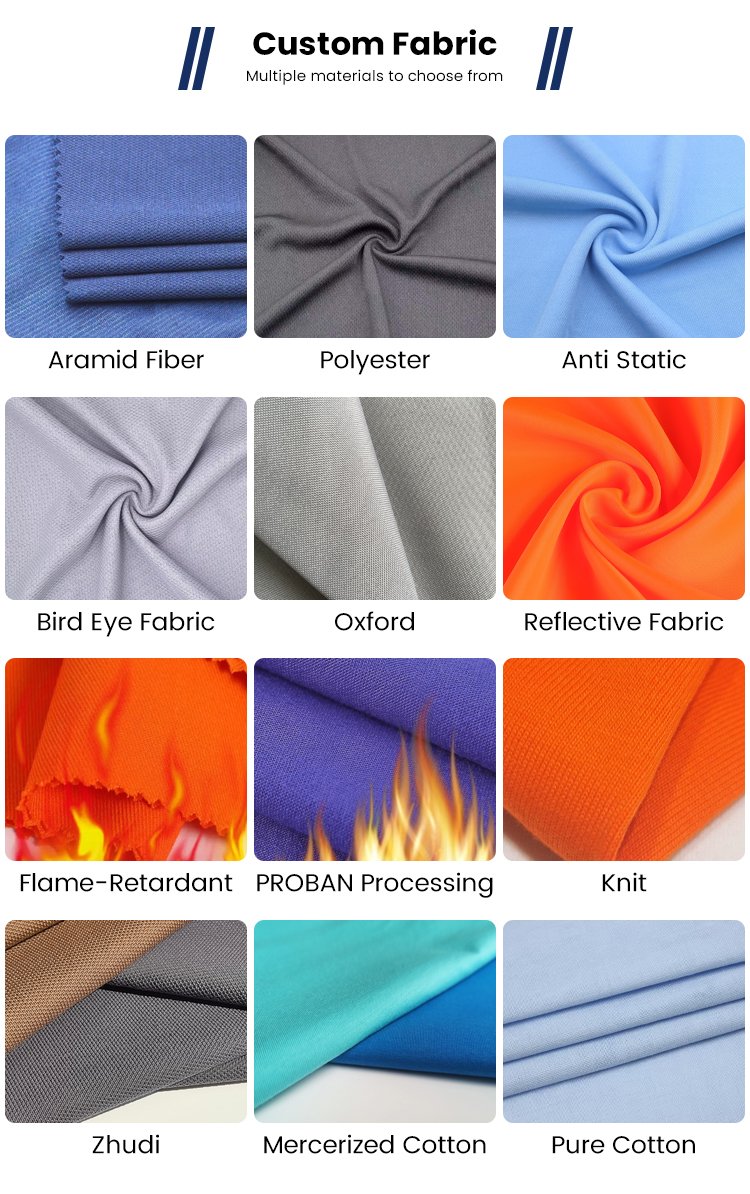
Fabric is one of the largest cost drivers in hi vis workwear. Two suppliers may both write “100% polyester fluorescent fabric” in the quote, but one may use 120gsm fabric while another uses 160gsm. One may use a tighter weave with better tear strength, while another uses a fabric that feels acceptable in a sample but pills quickly after repeated washing.
When comparing fabric, look beyond the basic description. Ask for GSM, color fastness, shrinkage data, tear strength, and whether the fabric has special finishing such as waterproof coating, breathable membrane, anti-static treatment, flame-retardant finishing, stretch performance, or soil resistance. For outdoor workwear, UV exposure and color fading are also practical concerns because fluorescent colors must remain visibly bright to maintain their safety function.
A cheaper fabric may reduce the first purchase cost but increase replacement frequency. In many real procurement cases, the quote that looked more expensive at the beginning becomes cheaper over the full usage cycle because the garment lasts longer and maintains a better appearance.
Buyers sourcing for construction, road work, railway, logistics, or mining teams should also consider the working environment. You can explore typical industry applications through our internal guides for construction hi vis clothing, road work hi vis clothing, and railway hi vis clothing.
Compare Reflective Tape Type, Placement, and Wash Durability
Reflective tape is not just decoration. It is one of the core safety components of high visibility workwear. A garment that uses poor reflective material may look fine under warehouse lighting, but it may fail after limited washing or perform poorly in low-light conditions. This is where many low-cost quotes become risky.
Ask suppliers to identify the reflective tape specification clearly. Important points include tape width, retroreflective performance, base material, wash cycles, heat resistance, industrial laundering suitability, and whether the tape has test reports for the intended standard. If a supplier only writes “silver reflective tape” without technical details, the quote is incomplete.
Placement also matters. Different markets and garment classes require different minimum visible material areas and reflective configurations. You do not need to turn every quote comparison into a full standards lecture, but you should confirm that the reflective layout matches your target market and end-use requirement. For further technical reference, buyers can consult the official ISO page for EN ISO 20471 and the ISEA overview of ANSI/ISEA 107.
If your project requires reflective components as part of your own garment production, review VizGlo’s reflective tapes, reflective films, and reflective material solutions.
Compare Compliance Documents, Not Just Compliance Claims
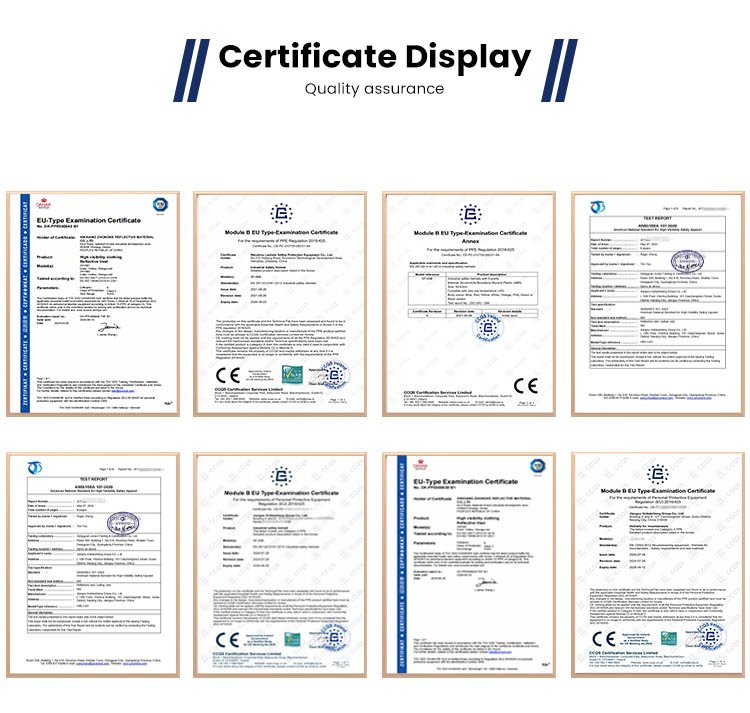
A quote that says “EN ISO 20471 compliant” or “ANSI compliant” is not enough. Buyers should request current and valid test reports for the specific garment type or material combination being quoted. The report should come from a recognized laboratory, identify the relevant standard, show the tested product or material, and include issue date, report number, and measurable results.
For European markets, buyers commonly check EN ISO 20471 and CE documentation. For North American markets, ANSI/ISEA 107 is often required. For Australia and New Zealand, AS/NZS standards may apply. Depending on the workplace, additional requirements may include flame resistance, anti-static performance, waterproofness, breathability, or chemical resistance.
External references can help procurement teams understand the regulatory context. For example, the OSHA PPE guidance explains employer responsibilities in the United States, while HSE guidance on PPE at work provides useful information for UK-based safety management. For EU conformity, buyers can also review the European Commission CE marking guidance.
A valid compliance document is not a marketing attachment. It is part of the product you are buying. If a supplier cannot prove compliance before production, the buyer may carry the risk after delivery.
Compare Customization Costs and Production Impact
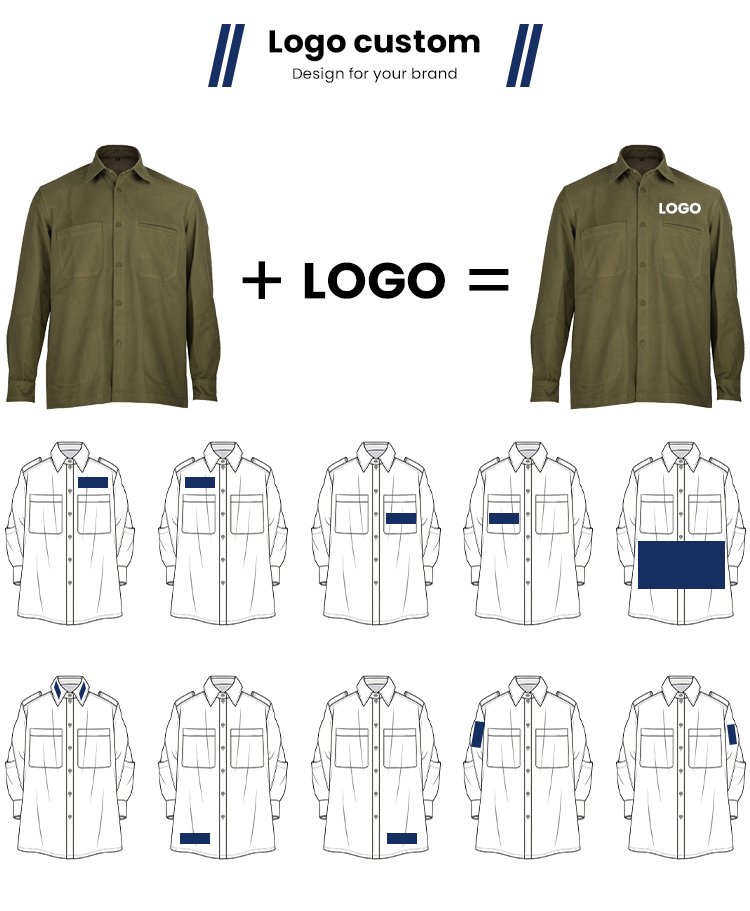
Many B2B hi vis workwear projects include custom logo printing, embroidery, reflective logos, private labels, hangtags, custom packaging, special size ranges, or adjusted pocket layouts. These details affect cost and lead time. When comparing supplier quotes, check whether customization is included or listed separately.
A low base price may become less attractive once logo setup charges, artwork adjustment, label development, carton marking, sample revision, and small-batch color matching are added. For private-label buyers, it is also important to ask whether the supplier keeps your specifications consistent for repeat orders. The first order is not the only concern; the second, third, and fourth orders should match the approved sample.
If you are building a branded line of safety apparel, our custom reflective logo options and OEM/ODM service can help you compare decoration methods, packaging solutions, and bulk-order feasibility before finalizing a quote.
Compare Packaging, Lead Time, Shipping Terms, and Total Landed Cost
A supplier’s unit price may be FOB, EXW, CIF, DDP, or another trade term. If you compare an FOB Shanghai quote with an EXW quote from another supplier, you are not comparing the same cost. Always confirm what the price includes: local transportation, export handling, documentation, packaging, palletization, inspection, and freight.
Total landed cost includes the unit price plus inland transport, export fees, sea or air freight, insurance, import duty, customs clearance, warehouse receiving, and sometimes testing or reinspection costs. For distributors and importers, this number is much more useful than FOB price alone because it determines your real margin.
Lead time is another hidden cost. A slightly cheaper supplier with unreliable delivery can delay projects, cause emergency air shipments, or create stockouts for distributors. Ask for sample lead time, bulk production lead time, peak-season capacity, reorder lead time, and whether the supplier has a stable production schedule.
International buyers may find the ICC Incoterms rules helpful when aligning supplier quotations across different shipping terms.
Hi Vis Workwear Quote Comparison Checklist
| Comparison Item | What to Ask | Why It Matters |
|---|---|---|
| BOM | Full material and accessory list | Prevents hidden downgrades |
| Fabric | Composition, GSM, finishing, test data | Affects comfort, durability, and price |
| Reflective Tape | Type, width, wash cycles, brightness report | Controls visibility and compliance durability |
| Compliance | Current reports for target standard | Reduces inspection and liability risk |
| Workmanship | Seams, bartacks, zipper quality, QC process | Determines real-life garment performance |
| Customization | Logo, labels, hangtags, packaging, setup cost | Avoids surprise charges |
| Terms | MOQ, lead time, Incoterms, payment terms | Affects cash flow and delivery reliability |
| Total Cost | Landed cost and expected lifespan | Shows true procurement value |
A Practical Scoring Method for Supplier Quotes
For serious projects, create a simple supplier scorecard instead of choosing based on price alone. You can assign 100 total points across the most important purchasing factors. For example: 25 points for compliance and test reports, 20 points for material quality, 15 points for reflective tape durability, 15 points for quality control process, 10 points for customization capability, 10 points for lead time reliability, and only 5 points for payment convenience.
Price still matters, of course. But it should be evaluated together with the specification. A supplier with a slightly higher price and clear documentation may be a safer long-term partner than a low-cost supplier who cannot explain fabric performance or reflective tape wash life.
At VizGlo Safety, we manufacture both hi vis workwear and reflective materials, which helps us control quality from key material selection through garment production. If you are comparing quotes and want a transparent breakdown, our team can help review your specification and propose a value-based alternative.

Need a Transparent Hi Vis Workwear Quote?
Send us your target market, garment type, quantity, logo requirements, and compliance standard. VizGlo Safety can provide a detailed quote breakdown including fabric, reflective tape, accessories, packaging, lead time, and OEM/ODM options.
Request a Detailed Quote BreakdownYou can also browse our hi vis workwear center page to review product options before sending your inquiry.
FAQ: Comparing Hi Vis Workwear Supplier Quotes
What is the biggest mistake when comparing hi vis workwear quotes?
The biggest mistake is comparing only the unit price without checking the garment specification. Fabric GSM, reflective tape wash durability, compliance reports, accessories, workmanship, packaging, and shipping terms can all change the real value of the quote.
Should I always choose the supplier with the lowest FOB price?
No. The lowest FOB price may exclude important costs or use lower-grade materials. Buyers should compare total landed cost, expected garment lifespan, compliance risk, and supplier reliability before making a decision.
What documents should I request from hi vis workwear suppliers?
Request a complete Bill of Materials, valid test reports, compliance certificates, size chart, care label information, sample approval record, packaging specification, and quality inspection procedure.
How can I know if reflective tape quality is good?
Ask for technical details such as tape width, backing material, brightness performance, certified wash cycles, and test reports. A professional supplier should be able to identify the reflective material clearly rather than simply calling it “silver tape.”
Why should I ask for a pre-production sample?
A pre-production sample confirms fabric hand feel, color, fit, logo position, reflective tape layout, seam quality, label details, and packaging before mass production. It reduces misunderstandings and helps make supplier comparison more objective.