Safety Vest Color Codes for Worksites and Bulk Buyers
Choosing safety vest colors is no longer just a matter of “yellow or orange.” For procurement managers, PPE distributors, safety officers, and private-label brands, the real question is how to select compliant, visible, brand-ready, and region-appropriate hi-vis vests before placing a bulk order.
Quick Answer: What Do Safety Vest Color Codes Mean?
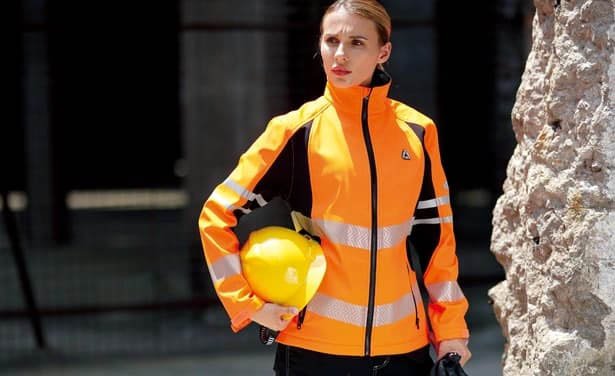
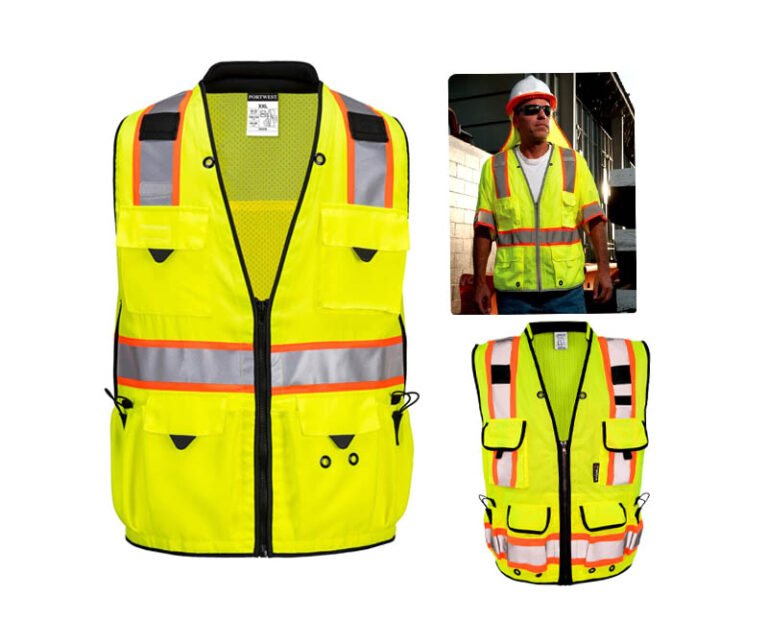
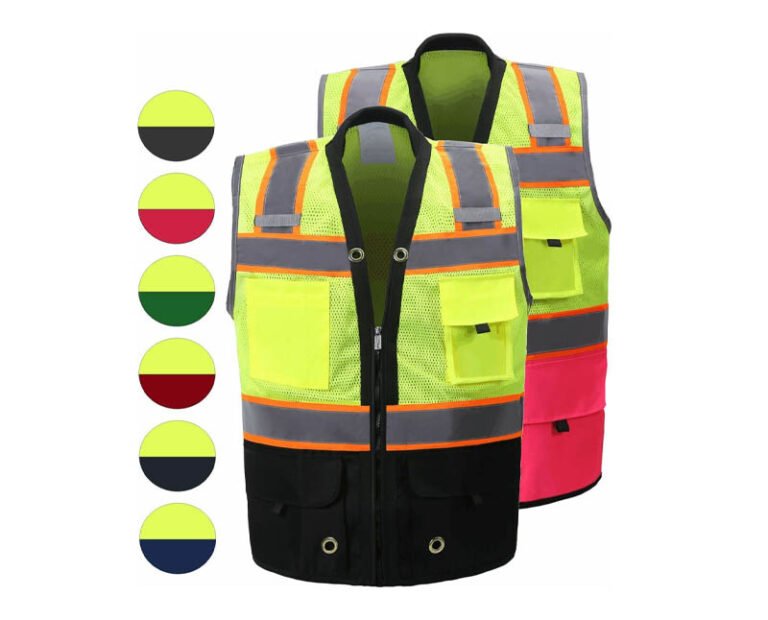
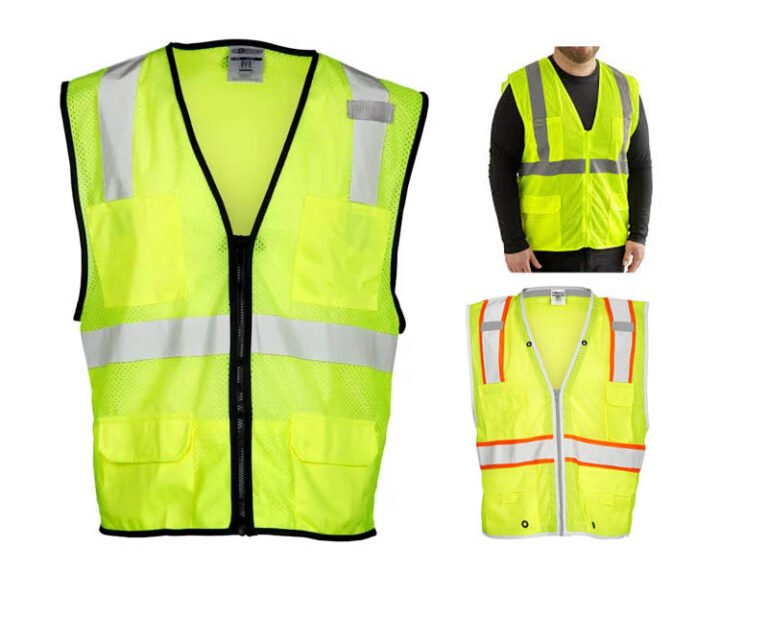
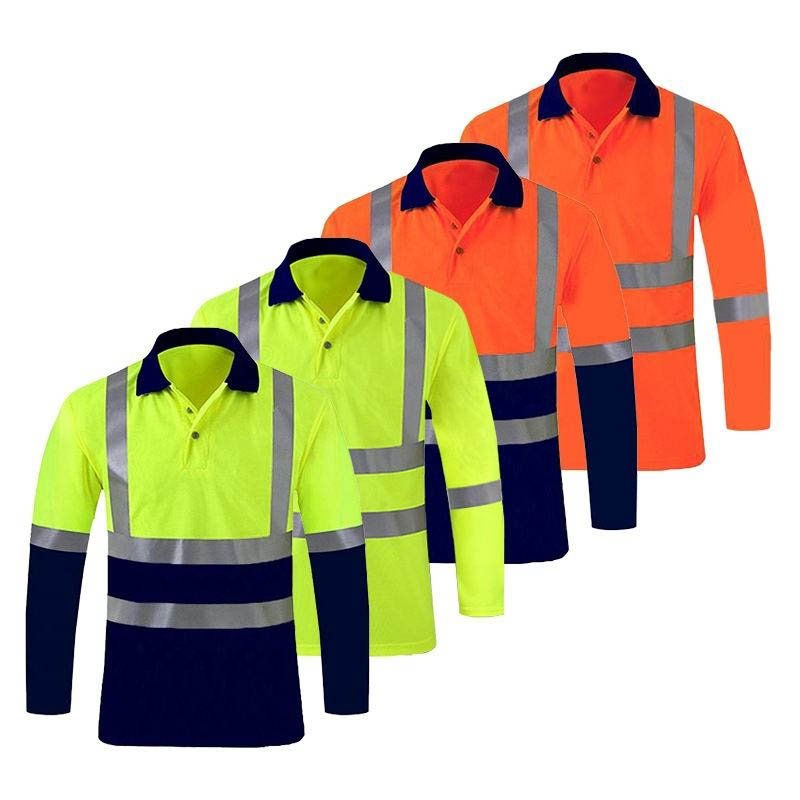
Safety vest color codes are used to improve worker visibility and sometimes identify roles, departments, or work zones. Fluorescent yellow-green is commonly used for construction, road work, warehousing, and general industrial visibility because it contrasts well in daylight and many urban environments. Fluorescent orange-red is widely used around traffic, railway, road crews, and heavy equipment because it strongly contrasts with green landscapes and is often required in specific industries or regions. Red, blue, green, black, and pink vests are usually not primary high-visibility compliance colors by themselves; they are more often used for visitor identification, supervisors, emergency response, event staff, or role coding, and may need certified fluorescent panels and reflective tape to meet ANSI/ISEA 107, EN ISO 20471, or local regulations.
For a casual buyer, that quick answer may be enough. For a professional buyer ordering 2,000, 5,000, or 20,000 vests across multiple worksites, it is only the starting point. A vest that looks bright in a product photo can still be unsuitable if the background environment, national standard, job risk level, or reflective tape configuration is wrong. This is where many procurement mistakes happen: a buyer chooses a color based on internal preference, then discovers during site inspection that the product does not satisfy the local rule or project specification.
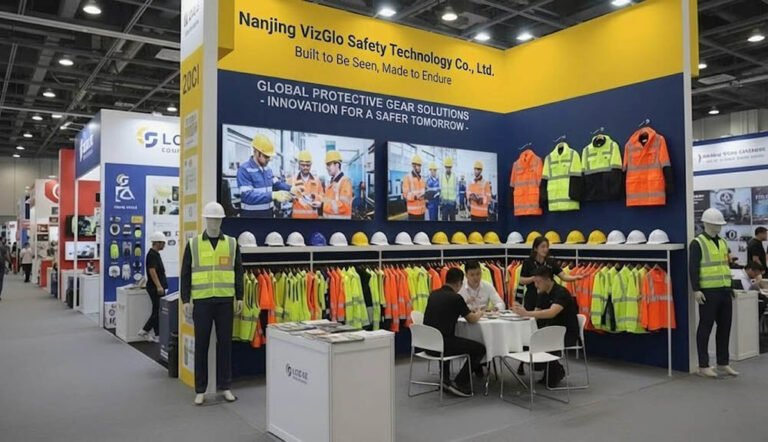
At VizGlo Safety’s high visibility vest center, we typically guide buyers to decide color only after confirming four things: country of use, industry, risk level, and required standard. If your project operates in several countries, one color may not be enough for the whole workforce.
Standards First: Why Color Codes Are Not Universal
The most expensive error in safety vest sourcing is assuming that one global color rule applies everywhere. It does not. The United States market often references ANSI standards information and ANSI/ISEA 107 for high-visibility safety apparel. European projects commonly refer to EN ISO 20471, and the UK railway sector has long been associated with orange high-visibility clothing requirements. Australia and New Zealand buyers may need to consider AS/NZS 1906.4 and AS/NZS 4602.1.
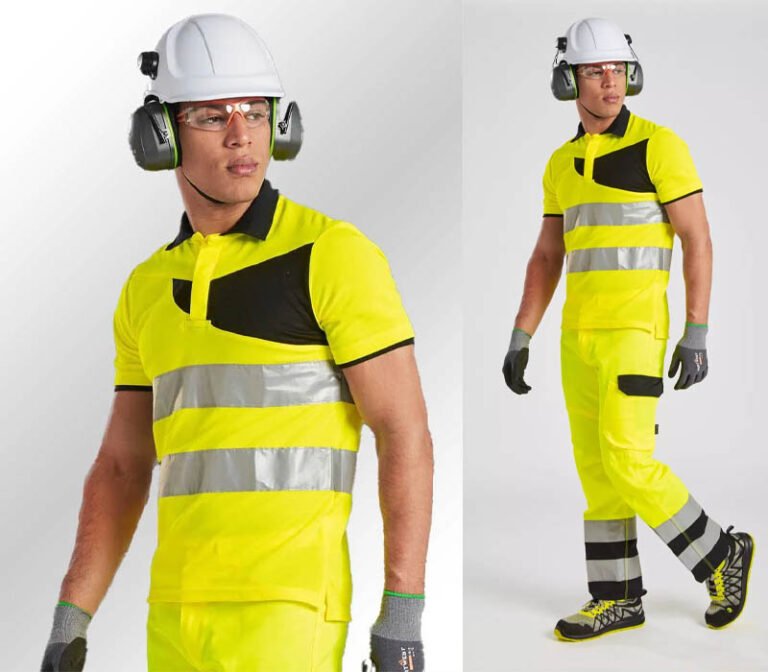
In practice, this means a yellow Class 2 vest can be a smart choice for a US warehouse or road-adjacent team, while an orange vest may be the safer procurement route for railway maintenance or roadside crews in certain markets. Before placing a bulk order, buyers should ask for certification documents, fabric color data, reflective tape performance, garment drawings, and label details. If you are building a full workwear program rather than buying vests only, review our hi vis clothing manufacturing solutions for a wider product structure.
USA / Canada
Commonly references ANSI/ISEA 107 and site-specific employer PPE rules.
EU / UK
Often requires EN ISO 20471, with industry-specific color expectations such as railway orange.
Australia / New Zealand
Frequently involves AS/NZS requirements for fluorescent materials and reflective performance.
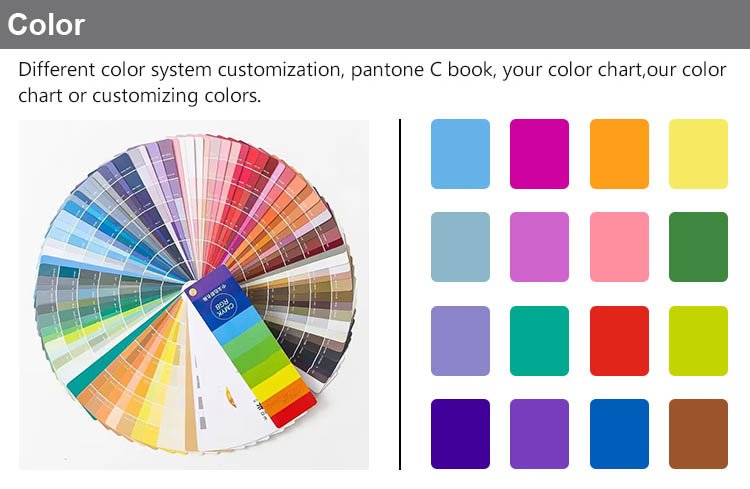
How to Choose Safety Vest Colors by Industry
A practical way to choose vest colors is to begin with the worksite, not the catalog. The same fluorescent color may perform differently in a warehouse, open road, rail corridor, mine, or logistics yard. Buyers should consider background contrast, vehicle speed, lighting conditions, weather exposure, and whether workers must be recognized quickly by drivers or machine operators.
| Industry / Worksite | Common Color Direction | Buyer Notes |
|---|---|---|
| Construction | Yellow-green or orange | Match color to site policy, machinery movement, and subcontractor identification. |
| Road Work | Yellow-green or orange-red | Confirm ANSI class, traffic exposure, and required reflective tape layout. |
| Railway | Often orange in many European/UK contexts | Do not substitute yellow without confirming project rules. |
| Warehouse / Logistics | Yellow-green, orange, or role-coded colors | Color coding can separate visitors, pickers, forklift operators, and supervisors. |
| Mining / Heavy Industry | High contrast yellow-green or orange | Durability, dirt visibility, and reflective material quality matter as much as base color. |
For industry-specific garment planning, buyers can also review VizGlo’s dedicated solutions for road work hi-vis clothing, railway hi-vis clothing, and logistics hi-vis clothing.
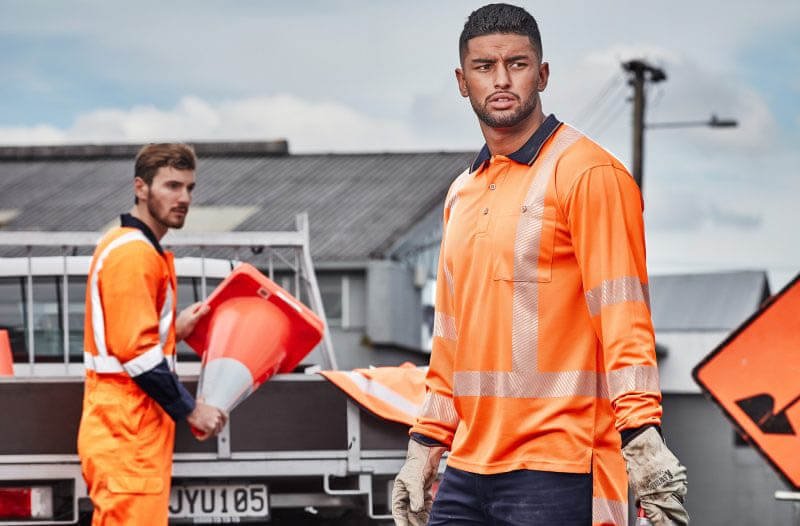
Class 2 / Class 3: Color Is Only Half the Decision
A compliant vest is not defined by fluorescent fabric alone. The garment class, visible background material area, reflective tape width, tape placement, and garment design all affect whether a safety vest can meet the required specification. Bulk buyers often ask for “orange Class 2 vests” or “yellow Class 3 vests,” but the factory must still verify pattern layout, reflective tape area, size range, and labeling.
Class 2 vests are commonly used where visibility is important but full-body coverage may not be required. Class 3 garments usually provide greater visibility and often involve sleeves or a larger garment structure, depending on the standard and design. For a detailed standard explanation, buyers should refer directly to official or recognized safety organizations such as OSHA PPE guidance, ISO information on high-visibility clothing standards, and regional regulatory bodies.
Procurement rule: never approve a bulk safety vest order by color photo alone. Approve it by standard, class, color, reflective tape specification, size range, label content, and test documentation.
Bulk Procurement Mistakes That Cause Delays and Compliance Problems
The buying behavior of professional safety vest customers has changed. A few years ago, many inquiries sounded like: “Do you have orange vests?” Today, serious buyers are much more specific: “We need 5,000 Class 2 vests for a highway project in Texas and 2,000 Class 3 garments for railway maintenance crews in Germany. What compliant color options are available, and can we add reflective silver logos?” This is the right direction because safety vest color codes are not a standalone decision.
Mistake 1: Using One Color Globally
A multinational buyer may need different compliant colors for the US, EU, UK, Australia, or project-specific rules.
Mistake 2: Ignoring Industry Rules
Railway, road, and airport environments may have stricter expectations than general warehousing.
Mistake 3: Treating Logo as Decoration Only
Large logos, dark panels, and poor placement can reduce visible fluorescent area or disrupt reflective performance.
Mistake 4: Approving Without Samples
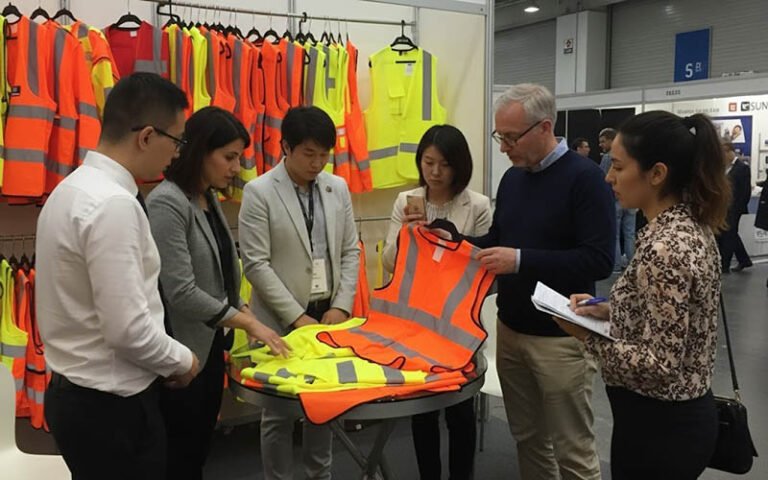
For private label or project tenders, pre-production samples help confirm color, fit, tape layout, logo quality, and packaging.
For distributors and safety product importers, these mistakes can create more than inconvenience. They can lead to rejected shipments, failed tenders, delayed jobsite deployment, and damaged customer trust. That is why VizGlo Safety positions color selection as part of a complete compliance and production conversation, not just a catalog option.
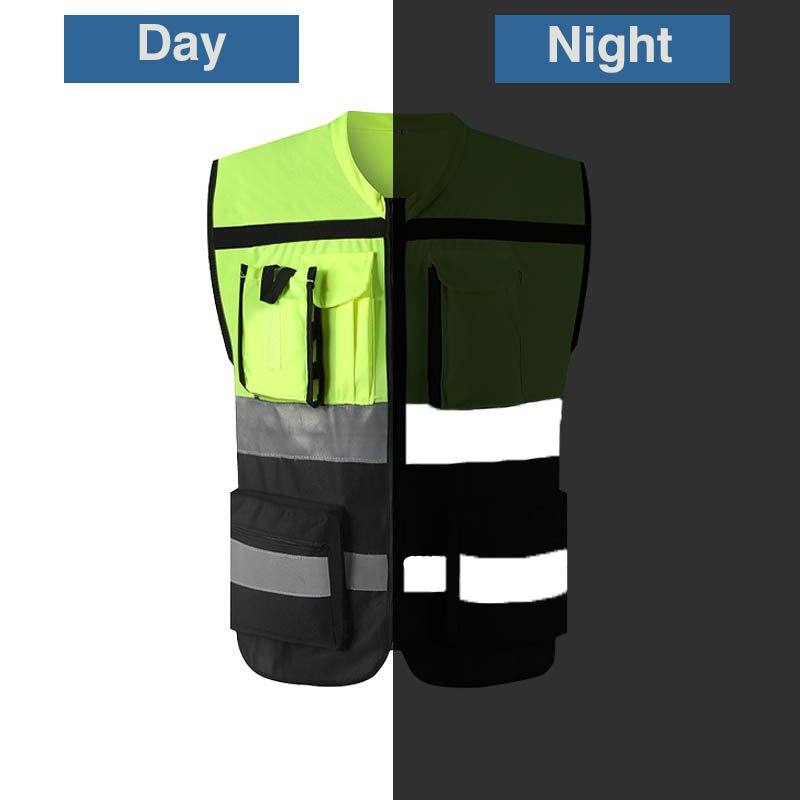
Custom Colors, Reflective Logos, Size Ranges and Packaging
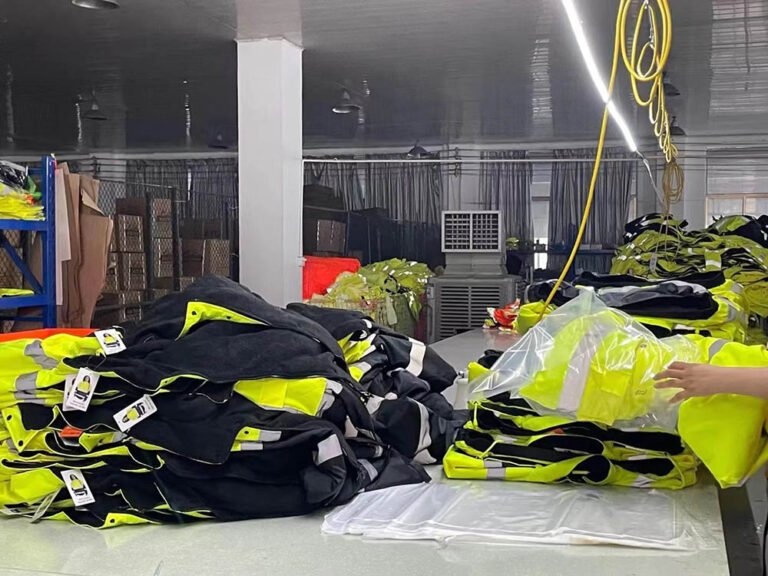
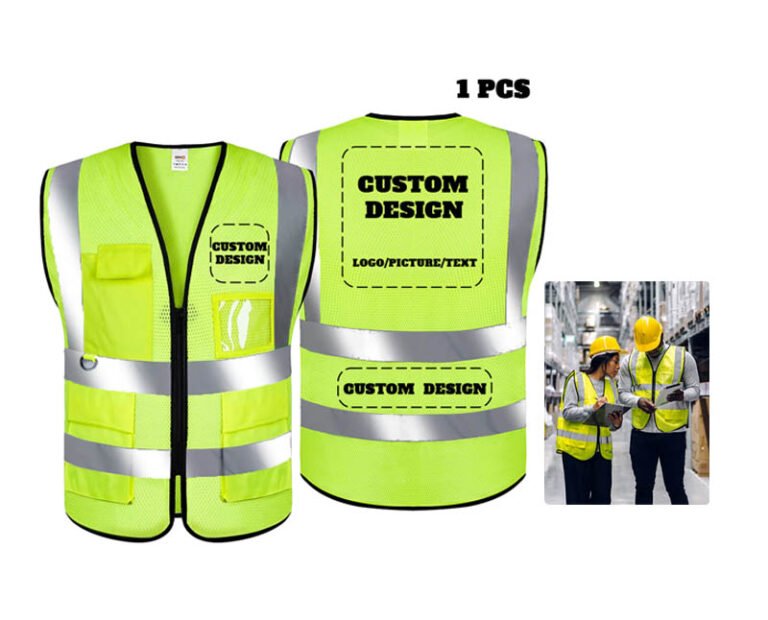
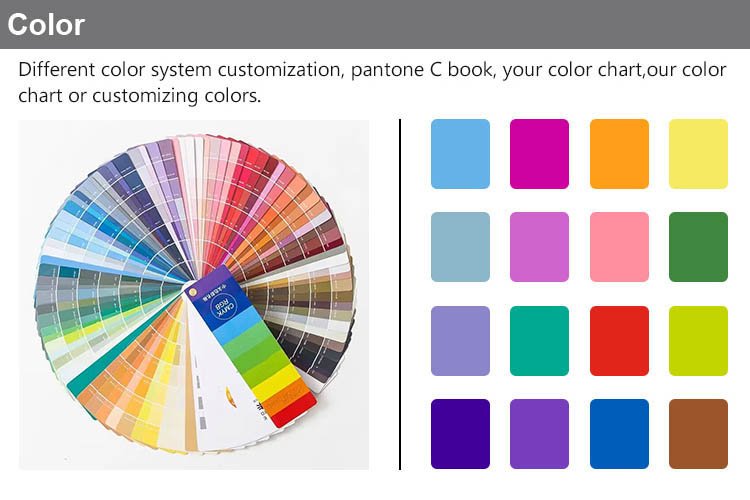
Once compliance is confirmed, buyers can move to customization. VizGlo Safety supports OEM/ODM safety vest programs with fluorescent yellow-green, orange-red, contrast color panels, multi-pocket designs, zipper or hook-and-loop closures, breathable mesh, solid fabric, reflective piping, reflective logos, private labels, wash labels, hangtags, and branded packaging. If you need deeper customization beyond safety vests, our OEM/ODM customization service explains how we manage product development from concept to bulk production.
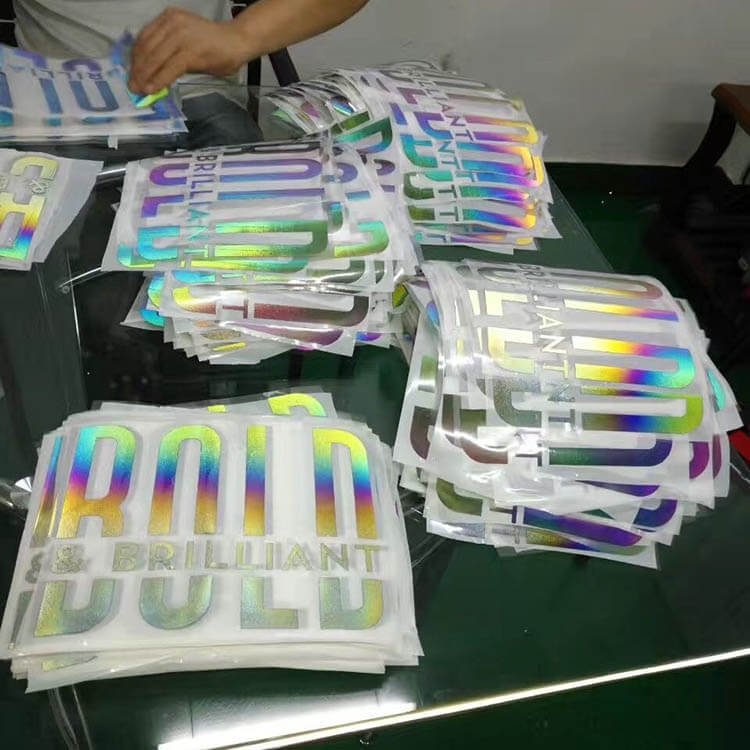
Logo integration requires special attention. A reflective silver logo can improve brand visibility and night recognition, but logo size and position must be reviewed so the garment still maintains the required visible background and reflective areas. Heat transfer reflective logos are popular for professional workwear branding because they look clean and can match the reflective identity of the vest. For companies building a complete branded PPE line, our reflective logo solutions can be combined with safety vests, jackets, rainwear, polos, and workwear sets.
Buyers should also plan size curves early. A 5,000-piece order may fail operationally if it includes poor size distribution, no women’s fit options, insufficient plus sizes, or no spare stock for new hires. For large projects, we recommend confirming sample sizing before mass production and reserving a reorder plan for replacement garments.
Safety Vest Color Selection Checklist for Bulk Buyers
- Confirm country and standard: ANSI/ISEA 107, EN ISO 20471, AS/NZS, or local project specification.
- Identify industry: construction, road work, railway, logistics, mining, utilities, airport, or visitor control.
- Select compliant color: do not assume yellow and orange are interchangeable in every region.
- Check reflective tape: width, placement, brightness, wash durability, and certification documents.
- Review logo impact: make sure branding does not reduce required visible area or create compliance risk.
- Approve a sample: verify fabric color, size, stitching, label, packaging, and night reflectivity before mass production.
Not sure which safety vest color is compliant for your project?
Send us your country, industry, required class, estimated quantity, and logo needs. VizGlo Safety can help you confirm suitable color options before you commit to a bulk order.
Elementor popup ID: 26
Useful External References for Buyers
For official interpretation, always consult the applicable authority, standard owner, or project safety consultant. The links below are useful starting points for procurement teams:
FAQ: Safety Vest Color Codes for Bulk Buyers
Is yellow or orange better for safety vests?
Neither is automatically better. Fluorescent yellow-green is common in construction, logistics, and many road work settings, while orange-red is often preferred or required for traffic, rail, and environments where it contrasts better with the background. The correct choice depends on country, industry, standard, and site policy.
Can blue, red, green, or black safety vests be compliant?
These colors are often used for role identification, visitors, supervisors, emergency teams, or events. By themselves, they may not meet high-visibility clothing standards. To be compliant, the garment usually needs certified fluorescent material, sufficient visible area, and compliant reflective tape placement.
What information should I give a manufacturer before ordering bulk safety vests?
Provide the country of use, industry, required standard, garment class, color preference, quantity, size range, logo position, packaging needs, and any project specification. This allows the manufacturer to recommend suitable compliant options before sampling and production.
Can VizGlo Safety customize safety vest colors and logos?
Yes. VizGlo Safety provides OEM/ODM customization for safety vests, including compliant fluorescent colors, contrast panels, reflective tape layouts, custom reflective logos, labels, tags, packaging, and size ranges for bulk orders.