A Manufacturer’s Guide to Choosing Reflective Films for PPE in Oil & Gas Industry
Quick Answer: Selecting the right reflective film for oil & gas PPE goes far beyond comparing initial brightness (cd/lux/m²) specifications. The critical factors include verified durability after 50+ industrial wash cycles, proven chemical resistance to petrochemicals and drilling fluids, and genuine flame-resistant (FR) certification that’s compatible with your FR base fabric—not just the film itself. Too many manufacturers focus solely on day-one brightness metrics, only to discover that their chosen film degrades rapidly under harsh chemical exposure or fails to meet regulatory FR requirements when used in real-world drilling operations. The total lifecycle performance, certifications, and integration compatibility with your complete PPE system determine true value and compliance, not just the initial spec sheet.
Why Reflective Films Matter in Oil & Gas
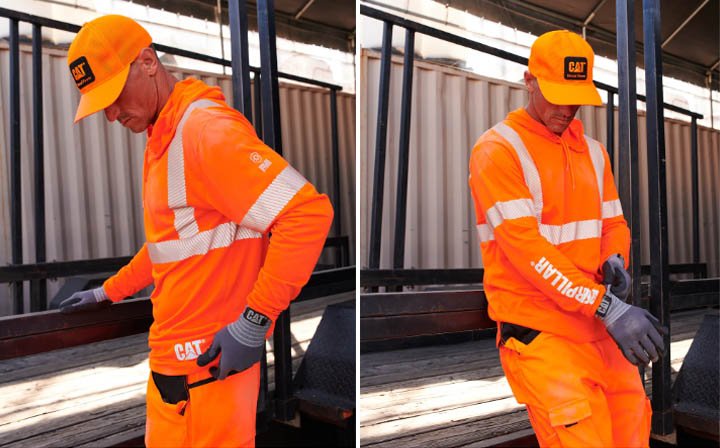
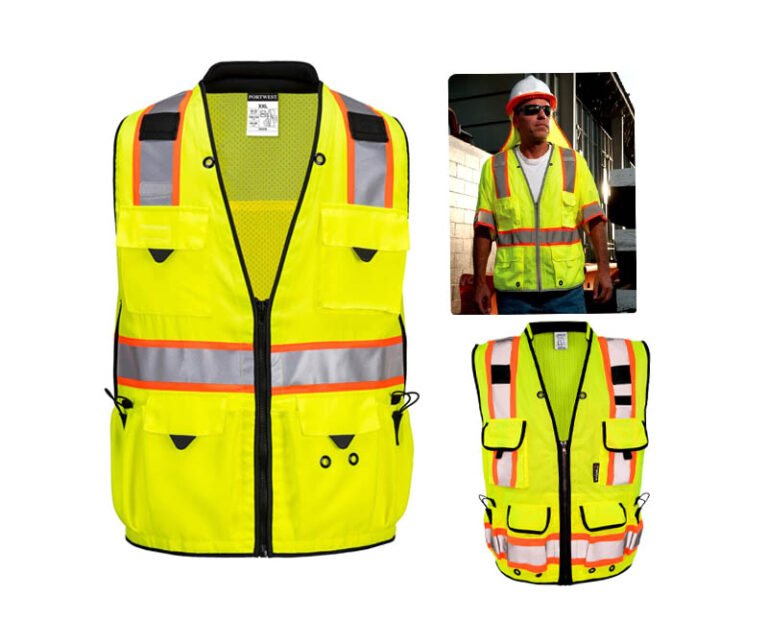
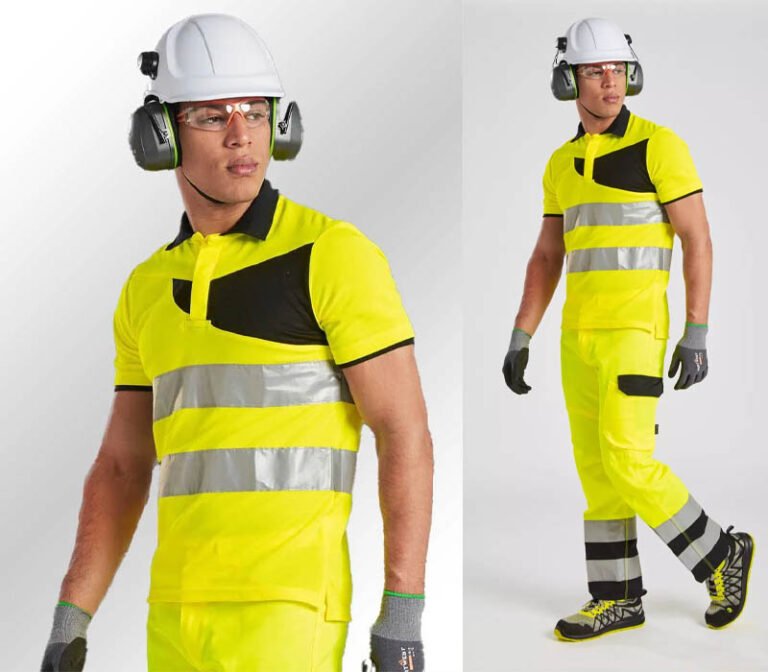
In the oil and gas industry, visibility isn’t just about convenience—it’s about survival. Workers operate in some of the world’s most hazardous environments: offshore platforms shrouded in fog, drilling sites during twilight hours, and refineries where poor lighting combines with heavy vehicle traffic. A worker in a high-visibility vest without effective reflective film is essentially invisible to oncoming equipment operators, particularly in low-light conditions.
The reflective film is the critical component that catches vehicle headlights and transforms ambient light, making the wearer visible at distances of 300+ meters. Unlike ordinary fabrics that absorb light, properly engineered reflective films use micro-bead or prismatic technologies to bounce light directly back to its source. But here’s the catch: not all reflective films are created equal, and in the oil & gas context, this distinction can be literally life-or-death.

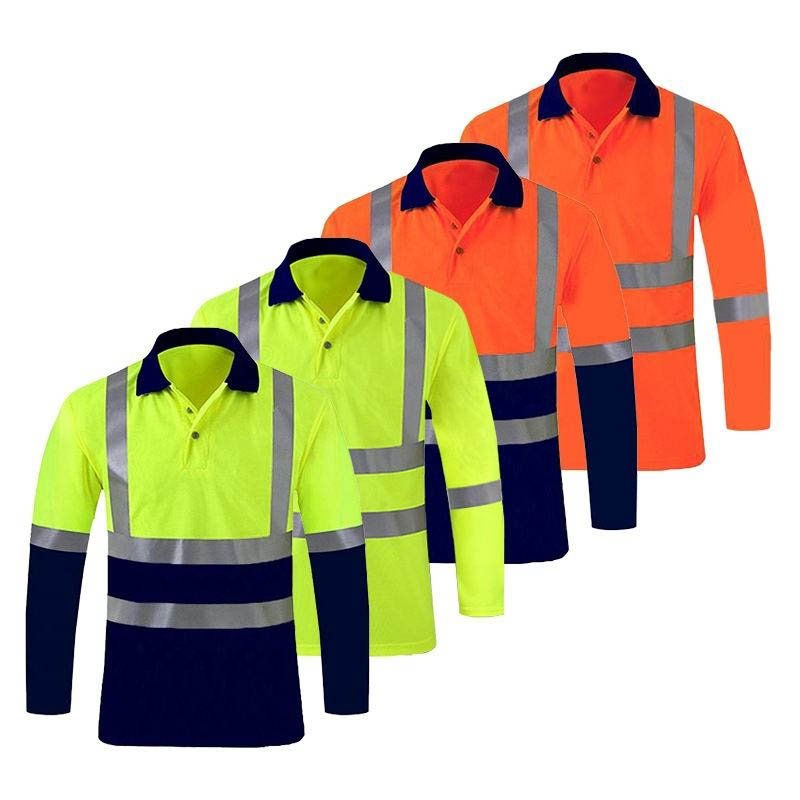
High-quality reflective materials maintain consistent brightness and adhesion even after repeated industrial washing and chemical exposure—critical for compliance in regulated industries.
The oil and gas sector operates under stringent regulatory frameworks including OSHA standards, API (American Petroleum Institute) guidelines, and regional compliance requirements. Your reflective film choice doesn’t just affect worker safety—it determines whether your PPE meets legal obligations and protects your company from liability.
Key Selection Criteria Beyond Initial Brightness
Most manufacturers make their first mistake here: they compare reflective films based solely on initial brightness measurements (candela per lux per square meter). A new reflective film from Supplier A might boast 500 cd/lux/m², while Supplier B offers 480 cd/lux/m². Based on this metric alone, Supplier A appears superior. But this is like judging a vehicle’s quality by its paint gloss on day one of ownership.
💡 Industry Insight
The real differentiator emerges after 10, 25, and 50 industrial wash cycles. Does that “superior” 500 cd/lux/m² film retain 85% of its brightness after harsh washing? Or does it degrade to 60%? In oil & gas operations, PPE gets laundered frequently—sometimes daily—to remove hazardous residues. A film that looks perfect on day one but fades dramatically within weeks is a hidden cost multiplier.
Here are the critical criteria that should drive your selection process:
-
1.
Post-Wash Brightness Retention
Request retention data at 25, 50, and 100 wash cycles. Look for films that maintain at least 80% brightness after 50 cycles (EN ISO 20471 testing standard).
-
2.
Chemical Resistance Profile
Oil & gas sites expose PPE to crude oil, synthetic drilling fluids, diesel, solvents, and caustic cleaning agents. The reflective film’s adhesive must resist these chemicals without degrading or delaminating. Request material safety data and compatibility testing documentation.
-
3.
Color Fastness Under UV Exposure
Offshore environments and desert drilling sites expose PPE to intense UV radiation. Colored reflective films (red, orange, lime) must resist fading. ASTM D6775 UV resistance testing is the benchmark.
-
4.
Adhesion Strength After Thermal Cycling
Temperature fluctuations in steel mills, refineries, and arctic drilling sites stress the film-to-fabric bond. Test adhesion after thermal cycling (-20°C to +70°C) to ensure the film won’t peel during the garment’s service life.
-
5.
Flexibility & Stretch Tolerance
Workers bend, reach, and move constantly. If your reflective film is too rigid, it will crack and peel at stress points. Premium films maintain flexibility even after aging, with elongation tolerance of 15-25%.
Performance Testing & Long-Term Durability
Robust testing protocols separate premium industrial reflective tape suppliers from mediocre ones. When evaluating a reflective film for oil & gas PPE, demand to see:
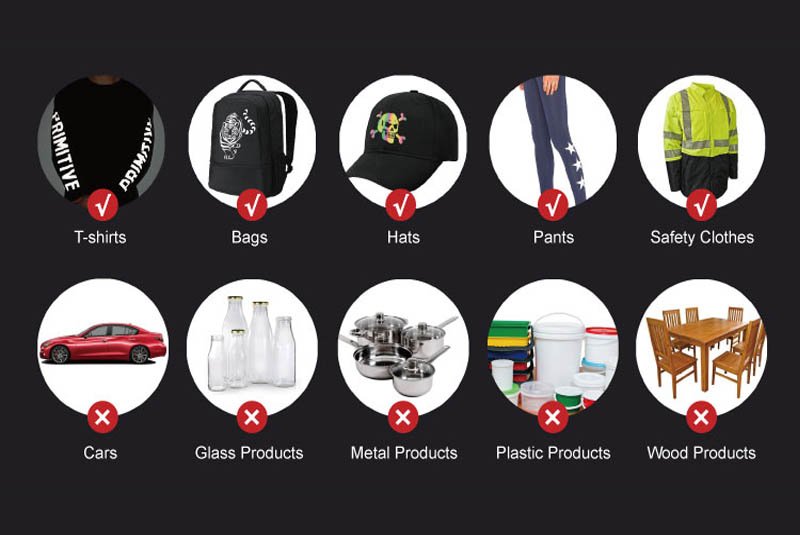
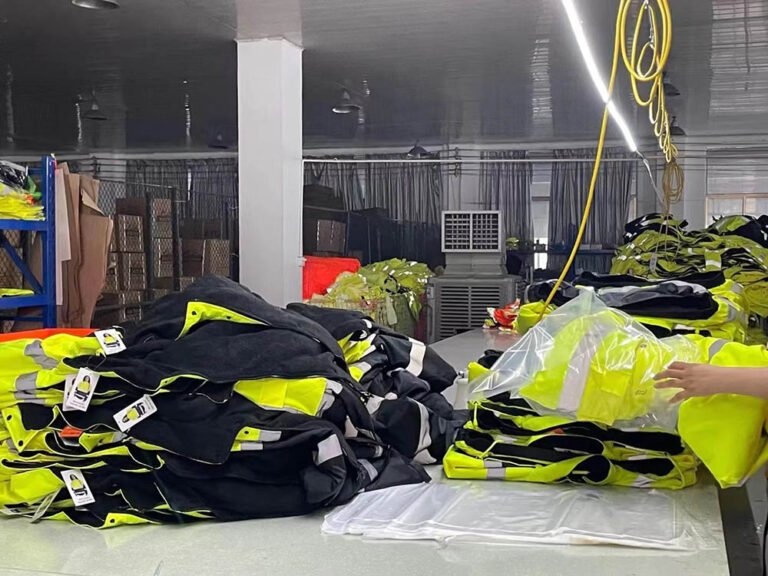
Professional heat transfer application ensures consistent bonding and long-term durability in harsh industrial environments.
Essential Test Documentation:
- ✓ ISO 20471 Wash Durability Tests: Simulates repeated industrial laundering. The film should retain acceptable brightness and color after specified cycles.
- ✓ ASTM D6214 Adhesion Testing: Measures bond strength between film and base fabric using standard peel tests. Critical for ensuring the film stays attached during wear and washing.
- ✓ Petrochemical Immersion Tests: Custom testing where reflective film samples are immersed in crude oil, diesel, and standard drilling fluids for 24-72 hours. Measure brightness and adhesion loss post-exposure.
- ✓ ASTM D6775 UV Aging: Exposes the film to accelerated UV radiation. Measures color shift and brightness retention. Particularly important for colored films used in sunny geographic regions.
- ✓ Flex Adhesion (MIT Bend Test): Subjects the film-fabric composite to repeated flexing at a stress point. Verifies the film won’t crack or peel under dynamic wear conditions.
Any reputable reflective film supplier should provide comprehensive test reports—not just for new material, but for aged samples. If a supplier hesitates or claims “we don’t test for that,” that’s a red flag. Your liability doesn’t just come from compliance violations; it comes from workers in inadequate PPE suffering injuries or fatalities.
FR Certification & Base Fabric Compatibility
This is where many manufacturers stumble catastrophically. An FR (flame-resistant) base fabric—whether it’s inherently FR like modacrylic or treated FR like cotton—has been engineered and certified to meet specific thermal performance standards. Common certifications include:
ISO 11612
European standard for protective clothing against heat and flame. Requires fabric to resist ignition and limit burn damage during defined heat exposure scenarios.
NFPA 2112
North American standard for flame-resistant protective clothing for workers in petroleum/natural gas operations. Specifies thermal protection index requirements.
EN 14116
European standard for performance of protective clothing against heat and flame. Often combined with other standards for comprehensive protection evaluation.
API RP 2A and 2B
American Petroleum Institute Recommended Practice guidelines for offshore and onshore drilling PSE requirements.
Here’s the critical issue: Your FR base fabric is certified, but the reflective film itself is NOT. When you bond a reflective film to an FR fabric, you’re changing the composite’s thermal and flame characteristics. A film that’s non-flammable by itself might actually impede the FR fabric’s protective performance or alter its rated thermal index.
⚠️ Critical Compliance Risk
Many manufacturers apply off-the-shelf reflective films to FR fabrics without re-testing the composite. When your finished PPE is tested, it might fail NFPA 2112 or ISO 11612 because the film degradation temperature is lower than the base fabric’s FR rating. You’re now selling non-compliant product—even though both components individually meet standards.
Your reflective film supplier must either:
- Provide FR-certified reflective films explicitly designed for petrochemical industry PPE (these exist; seek them out)
- Commit to composite testing where the film+base fabric combination is formally tested and certified to your target standard
- Supply comprehensive compatibility data proving their film doesn’t degrade or interfere with the base fabric’s FR rating
The best reflective film suppliers in the industry maintain engineering teams that actively coordinate with fabric suppliers and testing labs to ensure seamless FR compliance.
Common Mistakes to Avoid

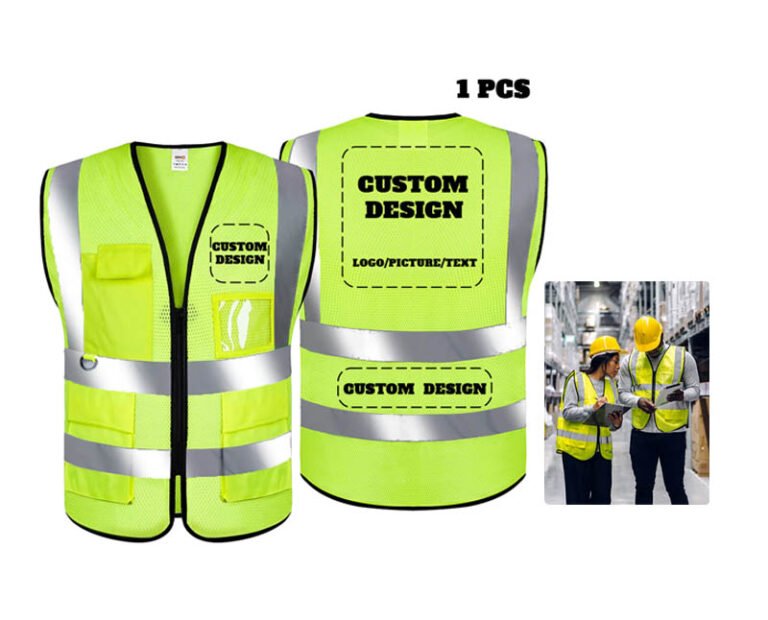
Custom reflective film designs require rigorous testing to ensure the pattern application doesn’t compromise durability or performance standards.
1. Prioritizing Price Over Performance
A reflective film that costs 30% less but fails after 40 wash cycles instead of 150 is actually exponentially more expensive. You’ll face increased returns, warranty claims, reputational damage, and potential liability. The “savings” vanish instantly when a worker in degraded PPE suffers an accident.
2. Ignoring Geographic & Operational Context
A reflective film suitable for temperate-climate road work might be inadequate for Arctic drilling operations (adhesion failure at -30°C) or Middle Eastern refineries (UV fading and thermal stress). Always specify geographical use conditions and request appropriate test data.
3. Assuming “Reflective” Means “Safe”
Visibility is only one component of PPE effectiveness. If your workers are in oil & gas environments, your PPE must also be FR-certified. A bright-but-non-FR reflective vest is useless if the wearer is exposed to ignition sources (which are common in drilling and refining environments).
4. Not Testing with Your Actual Washing Process
Laboratory wash tests use standardized protocols. Your end-user might use industrial laundry services with different temperatures, harsh detergents, or drying methods. Request durability testing that mimics your customer’s actual washing procedures—not just generic standards.
5. Skipping Chemical Compatibility Validation
Just because a reflective film is chemically resistant doesn’t mean it’s resistant to YOUR combination of chemicals. Offshore drilling sites use different fluids than land-based operations. Request (or conduct) specific immersion testing with the actual products your end-user encounters.
Implementation Best Practices
Once you’ve selected a premium reflective film, proper implementation is crucial. Here’s a practical checklist:
1 Conduct Composite Testing
Test your complete PPE (reflective film + base fabric) against applicable standards (NFPA 2112, ISO 11612, API guidelines). Don’t rely on component certifications alone.
2 Establish Quality Control Gates
Implement incoming inspection for reflective film (brightness, color, adhesion spot-checks). Use periodic retesting to verify the supplier maintains consistency across production batches.
3 Document Your Supply Chain
Maintain detailed records: film specifications, test certifications, batch numbers, application dates, and customer feedback. This documentation protects you if a compliance issue arises.
4 Communicate Performance Expectations to Customers
Provide washing instructions and expected durability. If the reflective film will degrade after 50+ washes, clearly state this. Manage expectations to avoid returns and disputes.
5 Build Relationships with Certified Suppliers
Partner with reflective film manufacturers who are ISO 9001 certified, hold relevant safety certifications, and invest in R&D specifically for industrial applications. Premium suppliers are worth the investment.
Frequently Asked Questions
What’s the difference between micro-bead and prismatic reflective films? +
Micro-bead films use tiny glass beads that refract light. They’re durable, cost-effective, and perform well in most conditions. However, they can yellow over time and lose effectiveness in certain viewing angles.
Prismatic films use precision-cut prism structures for superior brightness and wider viewing angles. They maintain performance longer and resist UV fading better. The trade-off: they’re more expensive and can be more brittle if not properly engineered for flexibility.
For oil & gas applications, prismatic films are generally superior due to longer lifecycle durability and consistent performance in variable lighting conditions.
Can I use non-FR reflective films on FR base fabrics? +
Technically, you can, but NOT without composite testing and certification. Non-FR films might impede the base fabric’s thermal response or create new ignition risks at interface points. In oil & gas environments where ignition sources exist, this is a compliance violation and safety hazard.
Always ensure your complete PPE (film + base fabric) meets applicable FR standards through formal testing.
How often should I test my reflective film retention rates? +
At minimum, conduct full test validation:
- On new supplier contracts: Baseline testing before purchase commitment
- Bi-annually: Ongoing verification of supplier consistency
- After production changes: If the supplier modifies their film formula, batch process, or adhesive
- If customer complaints arise: Immediate investigation with fresh testing
What chemical exposure should I specifically test for in oil & gas operations? +
At a minimum, test immersion in:
- Crude oil (varied grades)
- Synthetic drilling fluids (barite, bentonite suspensions)
- Diesel and petroleum distillates
- Caustic and acidic cleaning solutions
- Saltwater (for offshore operations)
Request your film supplier conduct custom testing with the specific fluids your end-users encounter, not just generic solvents.
Is there a cost-effective alternative if budget is constrained? +
Not in oil & gas. Premium reflective films cost more upfront because they deliver true lifecycle value. A cheaper film that fails prematurely will result in customer returns, warranty claims, and potential safety liability—far exceeding any material savings.
Instead of compromising on film quality, optimize costs through efficient manufacturing processes and supply chain management. Invest in professional reflective film suppliers that serve industrial markets.
Ready to Source Premium Reflective Films?
Don’t settle for reflective films that compromise on durability or compliance. Let’s discuss your specific oil & gas PPE requirements and find the perfect solution.
Get Expert ConsultationLearn More About Reflective Film Solutions
This article focused on selection criteria for oil & gas PPE. To explore our complete range of industrial reflective films and understand how they’re engineered for harsh environments, visit our dedicated pillar page on reflective film technologies and applications.
Our engineering team has spent over 15 years developing reflective materials specifically for demanding industries. Every film we produce undergoes rigorous durability testing to ensure it performs reliably in real-world conditions—not just in laboratory settings.
The bottom line: In the oil and gas industry, your choice of reflective film extends far beyond aesthetics or initial brightness metrics. It determines whether your PPE meets regulatory requirements, protects workers from real hazards, and insulates your company from liability. By prioritizing durability, chemical resistance, FR compatibility, and certified performance data, you’re investing in worker safety and business resilience. Partner with reflective film suppliers who understand industrial environments and stand behind comprehensive testing—because in this industry, visibility truly is a matter of life and death.